Natural form
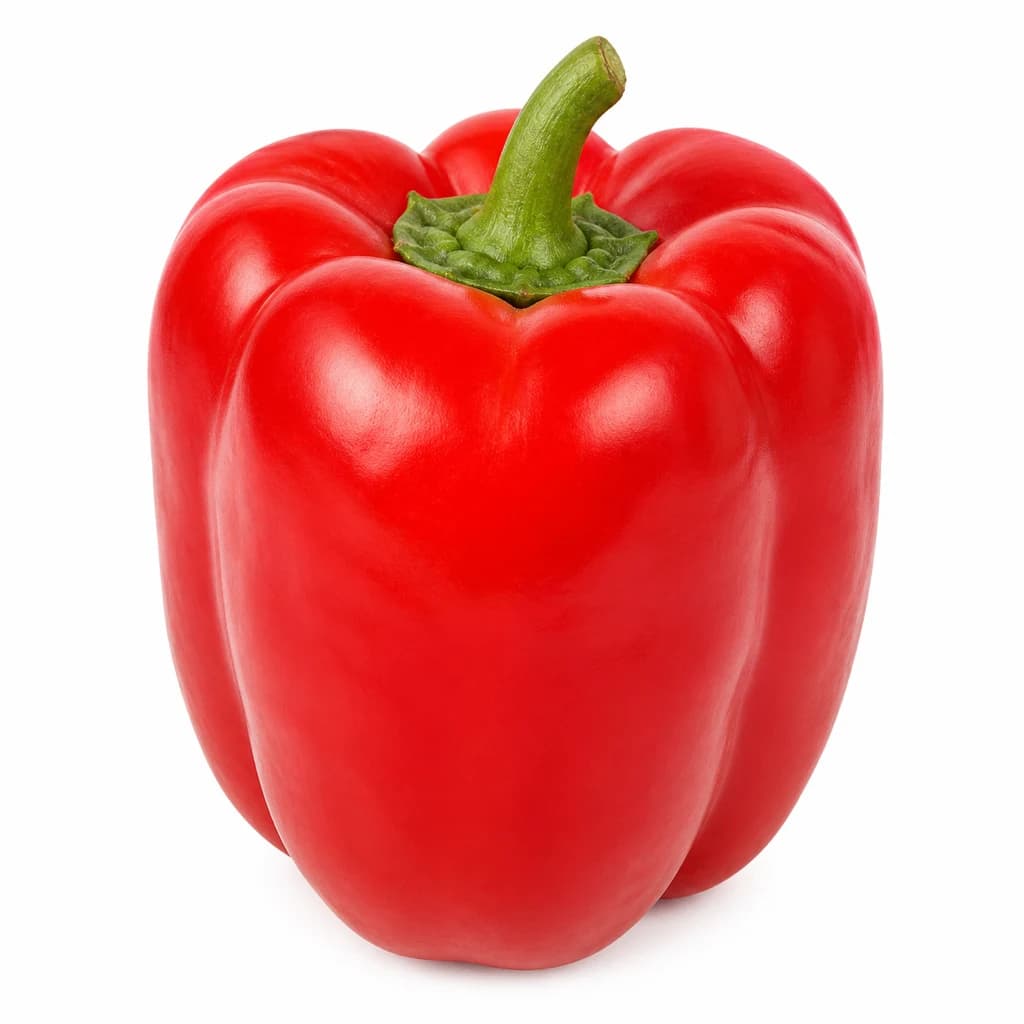
A whole red bell pepper showing its glossy skin, blocky lobed shape, and green stem.
Shows the reader exactly what to look for when selecting a red bell pepper at a market — the characteristic deep red color, quadrilateral lobes, and waxy surface.
Produce
Red Bell Pepper
Sweet, fully ripened bell pepper eaten raw, roasted, or blended into sauces.
Red bell peppers are green bell peppers left to ripen fully, turning sweet, juicy, and mild with no heat. They are eaten raw in salads and crudités, roasted and peeled for antipasti, or blended into sauces and stews like the West African tatashe base. Roasting concentrates their sugars and adds a smoky depth.
Red bell peppers are the fully ripe stage of the common bell pepper (Capsicum annuum, Grossum group), a cultivar bred for thick flesh and zero heat. Unlike their unripe green counterparts—which are sharp, slightly bitter, and firm—red bell peppers have undergone a complete transformation. As the pepper matures on the plant, chlorophyll breaks down and carotenoid pigments accumulate, developing the characteristic red color, while sugar content climbs to roughly three times that of green peppers. The result is a pepper that is sweet, slightly fruity, and structurally substantial enough to hold its shape when cooked. In the United States and Canada the term "bell pepper" is universal; in the UK and Commonwealth nations they are called simply "peppers" or "sweet peppers," and in France, "poivron." Their lack of capsaicin places them at 0 Scoville Heat Units, making them accessible to nearly every palate. The color change also signals a significant nutritional shift: lycopene, beta-carotene, and vitamin C all increase dramatically at the red-ripe stage, making this the most nutritionally dense point in the bell pepper's life cycle. When selecting and cooking red bell peppers, treat them as the mature fruit they are—ripe flavor compounds are delicate and degrade with prolonged heat, and underripe peppers (those with green shoulders or pale, papery walls) simply cannot deliver the sweetness you expect.
- Measured in
- piece
- Storage
- Fridge
Types & varieties
Classic blocky bell; turns deep red when fully ripe, thick walls, pronounced sweetness
Reliable field variety with large, four-lobed fruit that matures to bright, even red
Compact plants suited to containers; produces sweet, crisp red peppers with good wall thickness
Hybrid bred for especially high sugar content and very thick walls at red maturity
Cold-tolerant variety; blocky fruit with excellent sweet flavor when fully red-ripe
Early-maturing red bell with smooth, thick-walled fruit and consistent classic bell shape
Color as a Ripeness Indicator
The red color of a bell pepper is not a variety designation—it is a ripening stage. Field-grown bell peppers progress from green (unripe) through yellow and orange (semi-ripe) to red (fully ripe). Commercial labeling often distinguishes them by color, but all three are the same cultivar harvested at different points. Red peppers left on the plant longest accumulate the most sugars and antioxidants, which is why they cost slightly more than green or yellow peppers at the market. Greenhouse production has largely leveled seasonal availability, but flavor and nutritional density remain highest in peppers harvested at true maturity, which most reliably occurs in late-summer field crops.
- Green shoulders (patches of green near the stem) indicate an incompletely ripened pepper—expect less sweetness and a thinner wall
- Orange and yellow bell peppers are semi-ripe stages of the same cultivars that become red
- Color is a more reliable sweetness indicator than price or size
Roasting and Peeling Technique
Roasting transforms red bell peppers from fresh and crunchy to deeply aromatic and velvety. The direct heat chars the outer skin, which then steams loose from the tender flesh beneath. This process concentrates flavor, mellows any remaining bitterness from the ribs, and creates a silky texture useful in sauces, spreads, and salads. The classic method uses a gas flame, but a very hot broiler or a cast-iron skillet over high heat produces comparable results.
- Char the pepper on all sides, turning with tongs, 8–12 minutes total over high heat
- Transfer to a bowl and cover tightly with a plate or foil; let steam 10 minutes—the skin slides off with no scraping needed
- Seed and strip the ribs while warm; the membrane separates easily before the pepper cools
- Roasted peppers keep refrigerated in a sealed container with their juices for up to one week
- For long-term storage, freeze roasted strips flat on a sheet pan first, then transfer to freezer bags to prevent clumping
Common uses
Tips & pitfalls
- Select firm, heavy peppers with taut, glossy skin and no wrinkles, soft spots, or blemishes; a heavy pepper for its size means thick, juicy walls
- Avoid peppers with green shoulders (patches of green near the stem) if you are buying for sweetness—these indicate incomplete ripening and will taste green and vegetal
- Store whole peppers unwashed in the crisper drawer; moisture accelerates spoilage, so wash only at the moment of use
- When seeding, remove the white inner ribs (pith) as well as the seeds—the ribs contain the most bitterness and can make even sweet peppers taste harsh
- Do not overcook: red bell peppers retain their sweetness and pleasant texture only with quick, high-heat cooking; prolonged simmering causes them to turn mushy and their sugars to caramelize into muted, flat flavors
- Season aggressively with salt before cooking to draw out the pepper's natural moisture and amplify sweetness
- Cut peppers deteriorate quickly due to their high water content—use within 1–2 days or freeze for longer storage
- Freeze roasted or blanched peppers flat on a sheet pan first, then transfer to bags; this prevents them from clumping into an unusable frozen mass
- Common mistake: using underripe peppers (thin walls, green shoulders, pale color) and expecting the sweetness of fully ripe red peppers—color is a ripeness cue, not just an aesthetic choice
Nutrition
Energy
109 kJ · per 100 g
Where the calories come from
Protein
1g
2% DV
Carbs
6g
2% DV
Fat
0.3g
0% DV
Fiber
2.1g
8% DV
Sugars
4.2g
of which
Sodium
4mg
0% DV
Source · USDA FoodData Central · Peppers, sweet, red, raw
View on FDC →In the shops
Matched grocery products
 €1.04
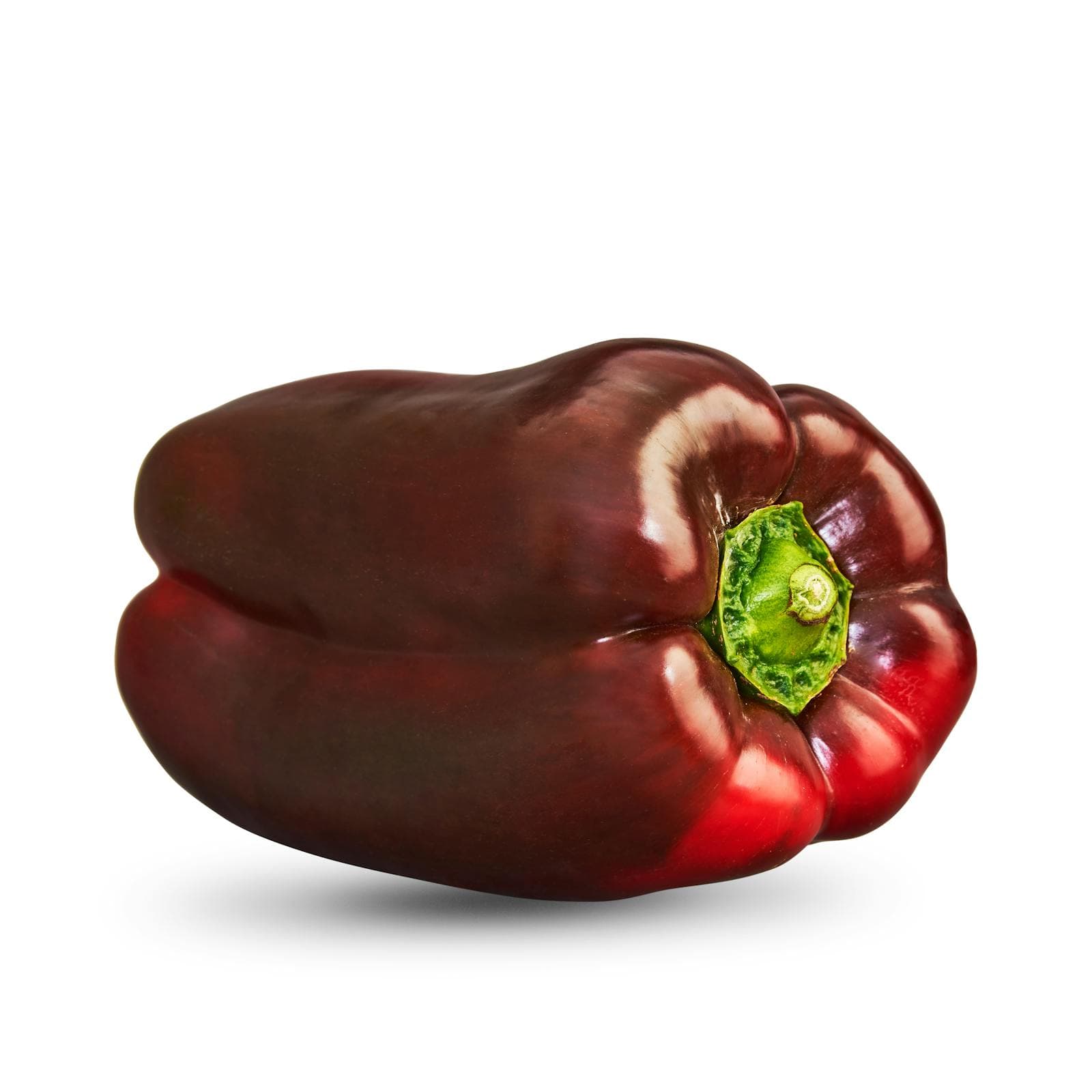
€1.04Red Pepper
360 g · Mercadona
 €2.20
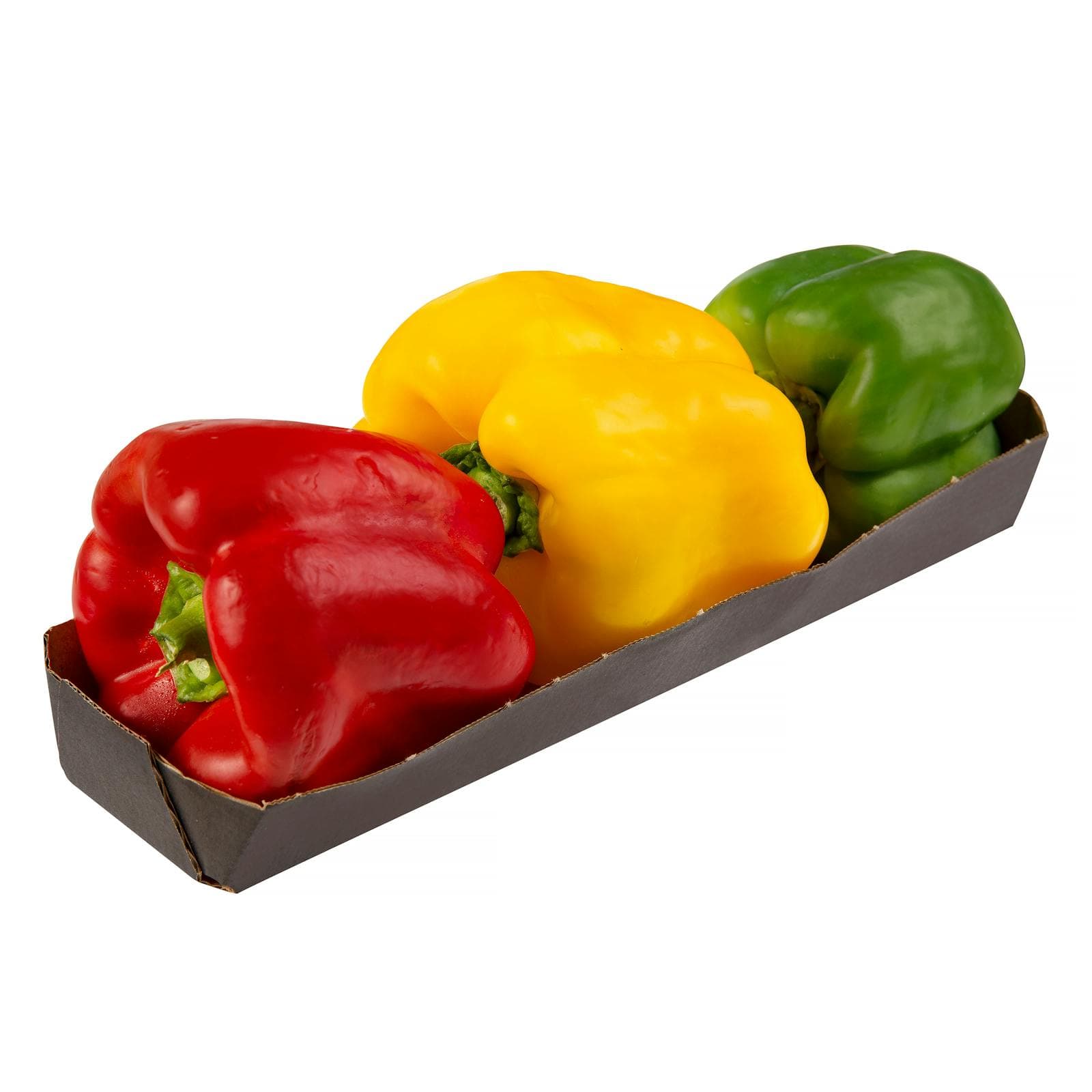
€2.20Tricolor Peppers
710 g · Mercadona
 €0.23
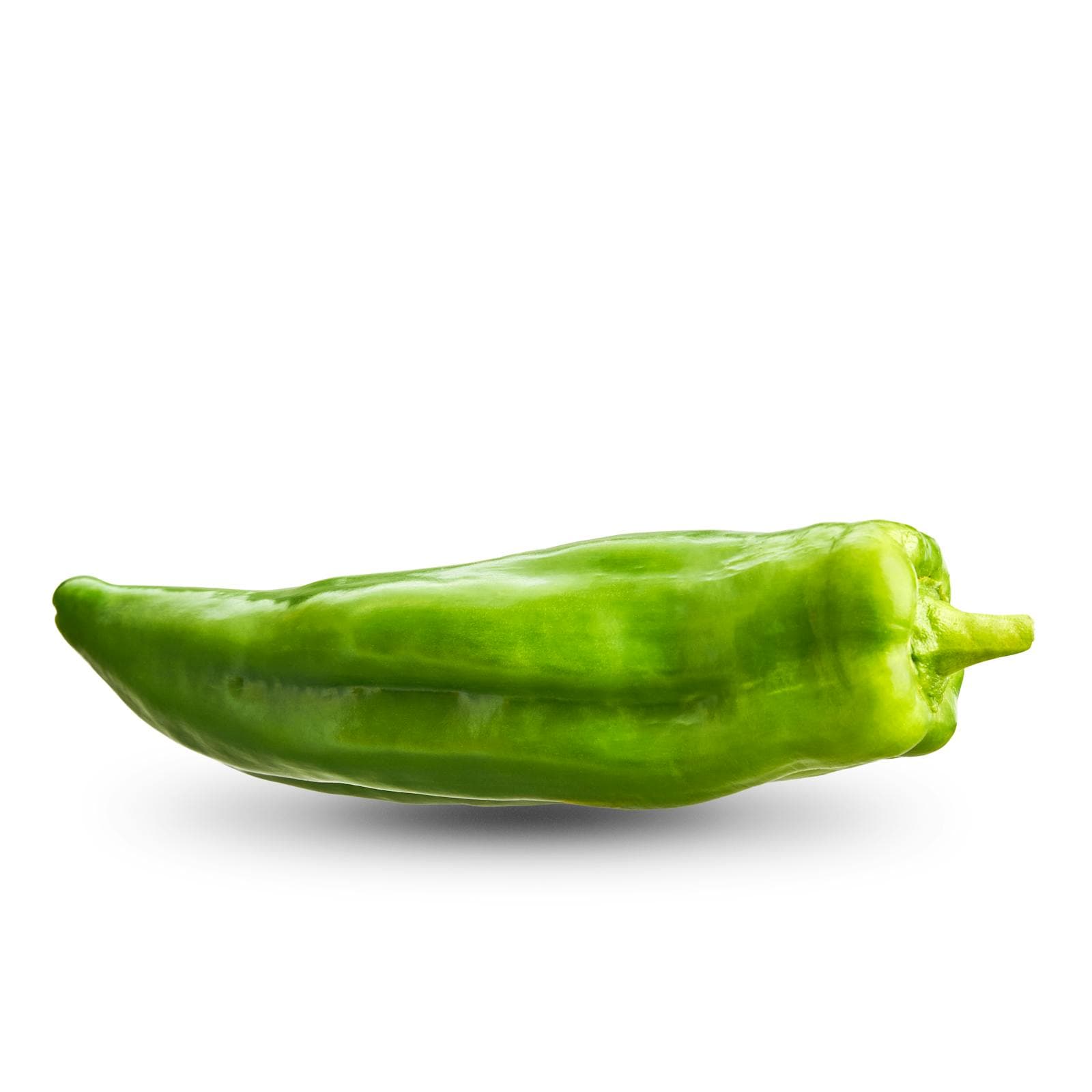
€0.23Green Frying Pepper
90 g · Mercadona
 €1.35
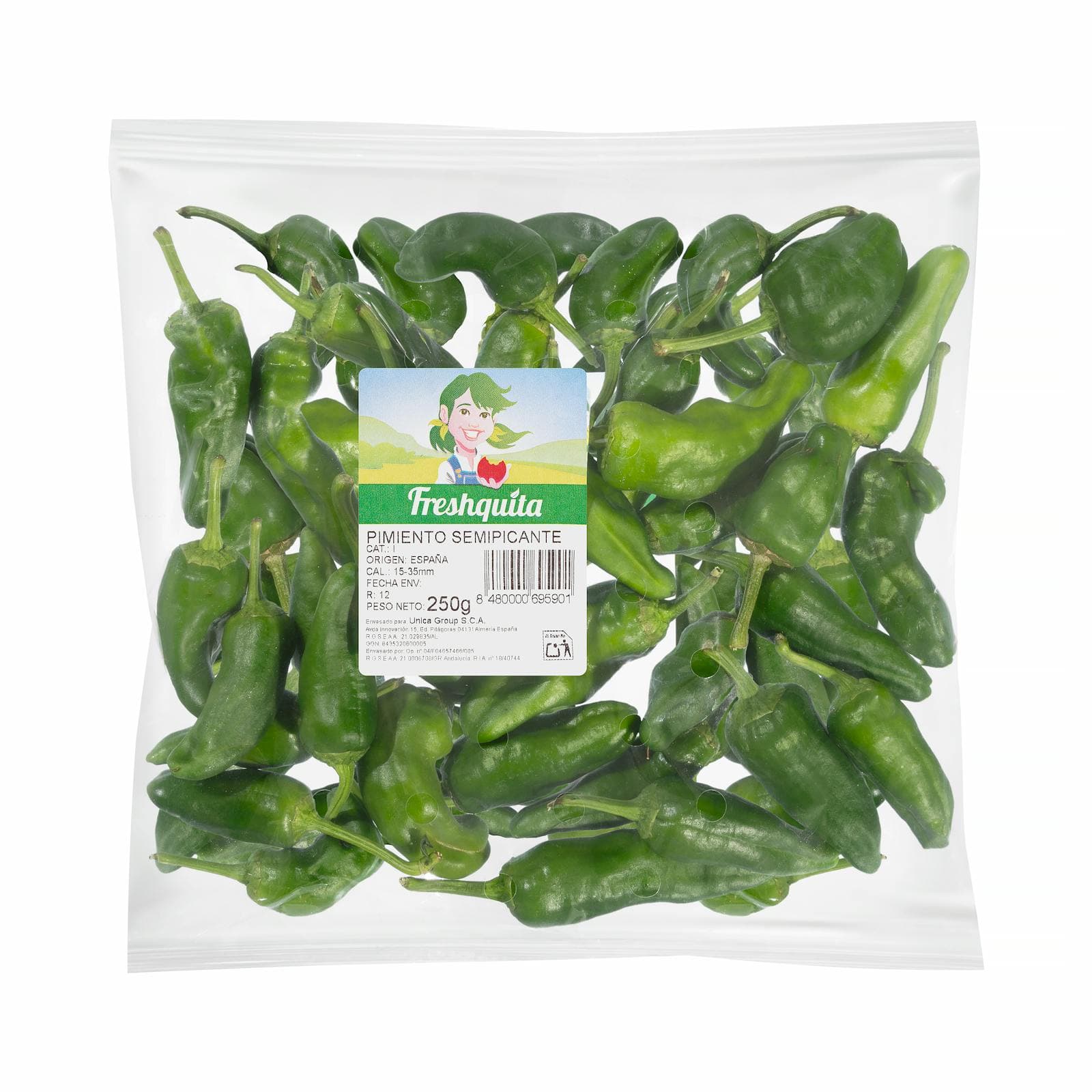
€1.35Semi-Spicy Peppers
250 g · Mercadona
 €2.49
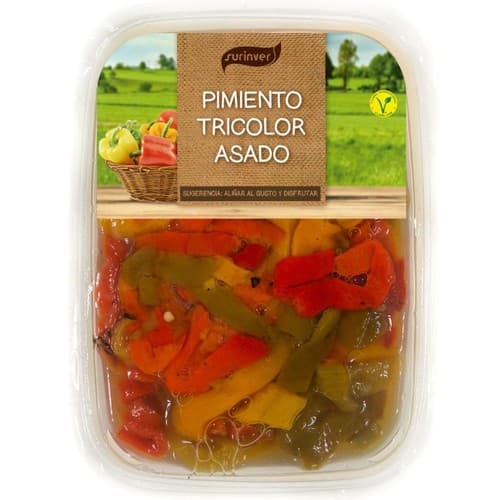
€2.49Roasted Bell Peppers Three Colors
SURINVER · kg · Bonpreu
 €1.45
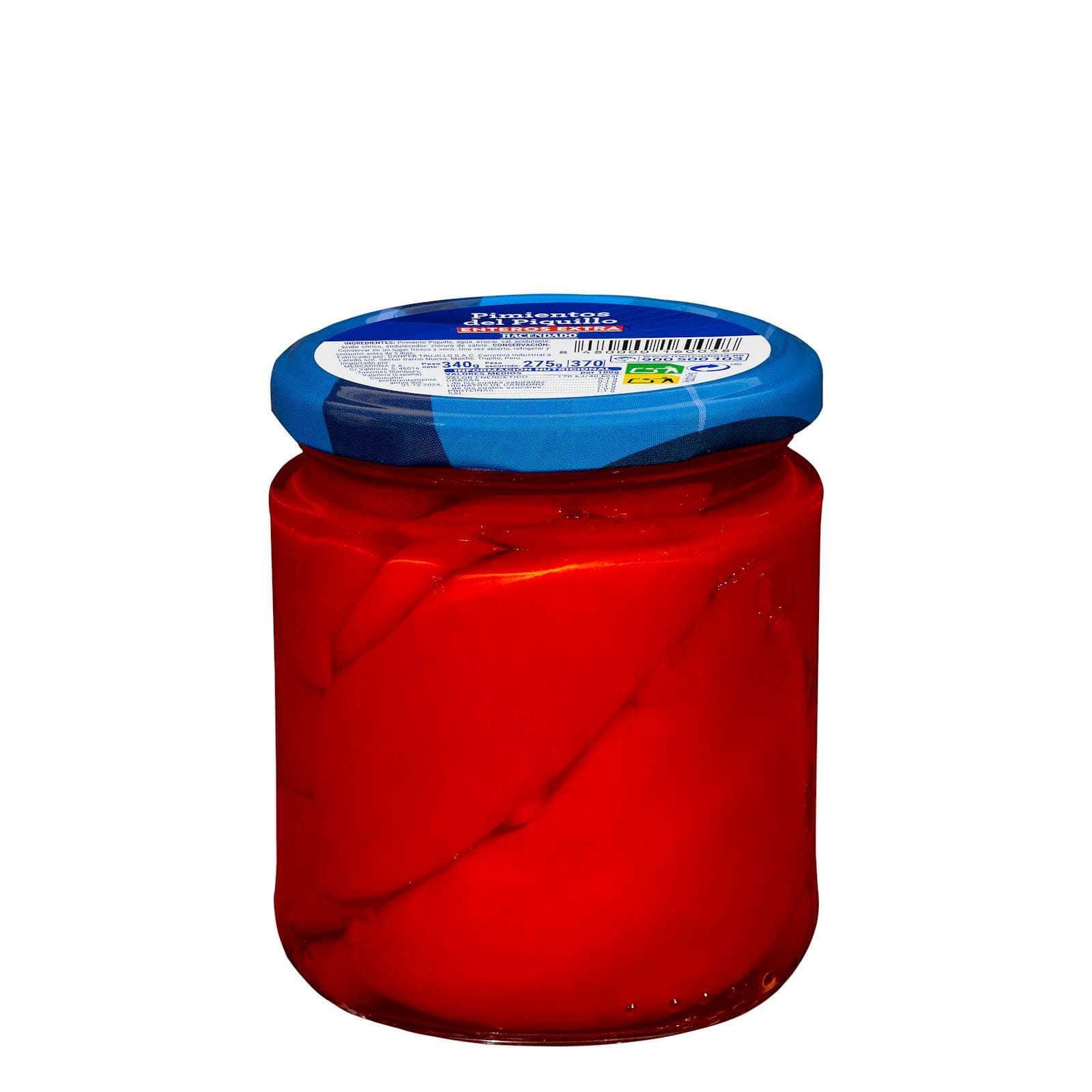
€1.45Extra Whole Piquillo Peppers
Hacendado · 340 g · Mercadona
Good to know
- Scientific Name
- Capsicum annuum (Grossum group)
- Heat Level
- 0 Scoville Heat Units (no capsaicin)
- Ripened State
- Fully ripe; green → yellow → orange → red as it matures on the plant
- Peak Season
- Late summer through early fall (field-grown); available year-round from greenhouse production
- Sugar Content
- Approximately 3× higher than unripe green bell peppers
- Key Nutrients
- Exceptionally high in vitamin C; good source of vitamin A, B6, folate, potassium, lycopene, and beta-carotene
- Storage (Whole)
- Refrigerate unwashed in crisper drawer 1–2 weeks
- Storage (Cut)
- Refrigerate in airtight container 1–2 days; freeze blanched or roasted up to 6 months
- Yield
- Approximately 75–80% usable after seeding and trimming
Substitutes
- Yellow Bell Pepper — Fully ripe yellow stage; similar sweetness and texture but slightly less lycopene; 1:1 substitute in most applications
- Orange Bell Pepper — Fully ripe orange variety; comparable vitamin C, marginally less sweet than red but close enough for raw or cooked uses
- Roasted Pimiento (canned) — Prediced, pre-roasted peppers; convenient for cooked dishes, sandwiches, and salads when fresh are not available
- Roasted Red Pepper (jarred) — Commercially roasted and packed in brine or oil; suitable for sauces, spreads, and salads when time is short; rinse to remove excess salt or brine
- Piquillo Pepper — Spanish roasted pepper; slightly smokier flavor and good stuffing candidate; may need blending for smooth sauce applications
Pairs with
Also called
Tatashe · Red Pepper · Piperka · Sweet Red Pepper
Appears in these dishes
Related
Tomato
Juicy, sun-sweet fruit for sauces, salads, and slow-cooked depth
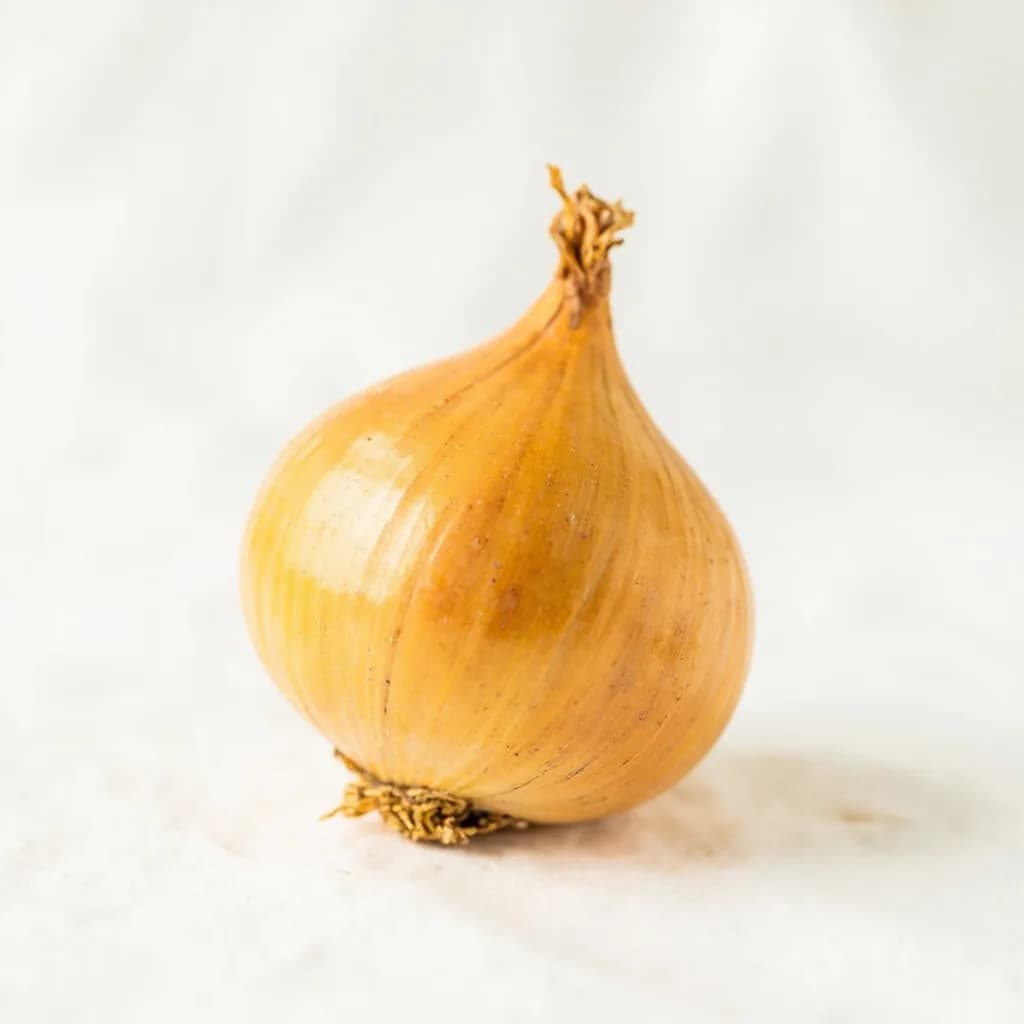
Yellow Onion
The aromatic backbone of soups, sofritos, and braises
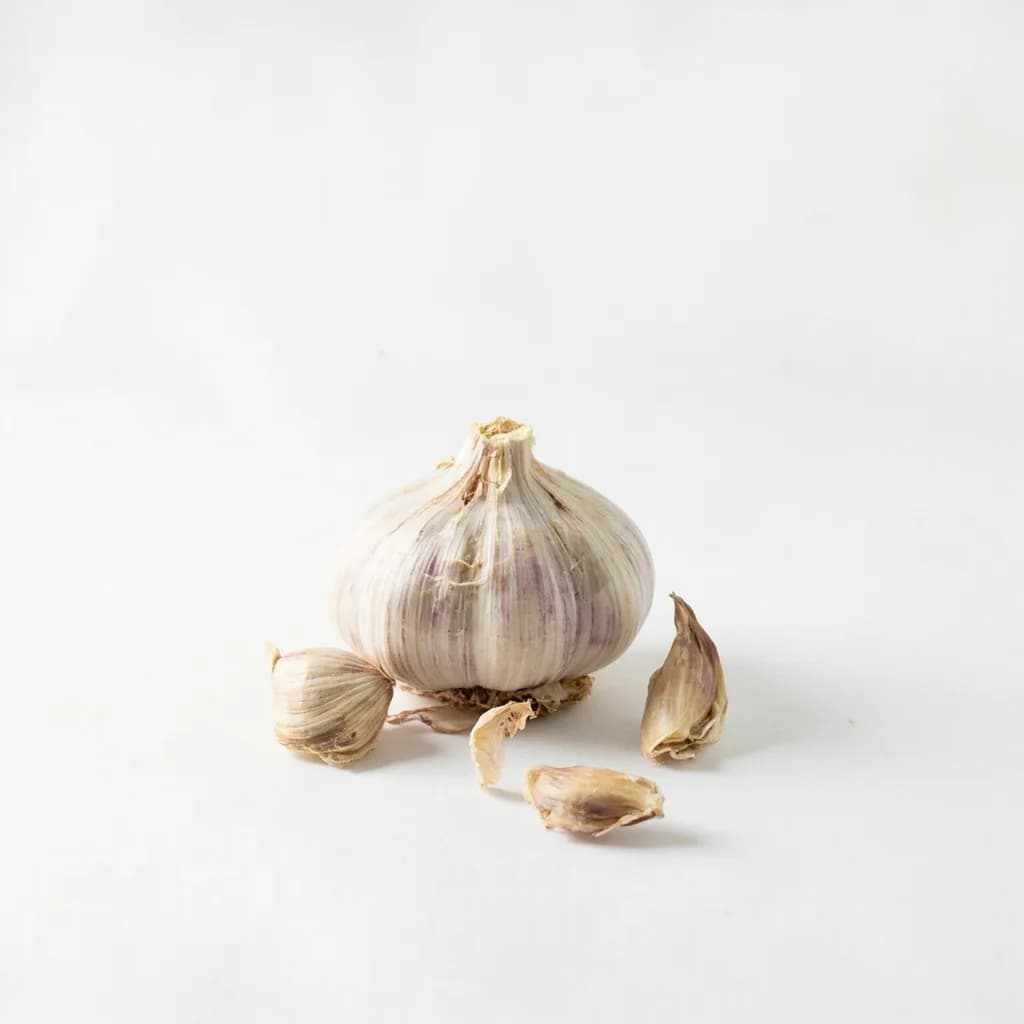
Garlic
Pungent cloves that perfume nearly every savory dish
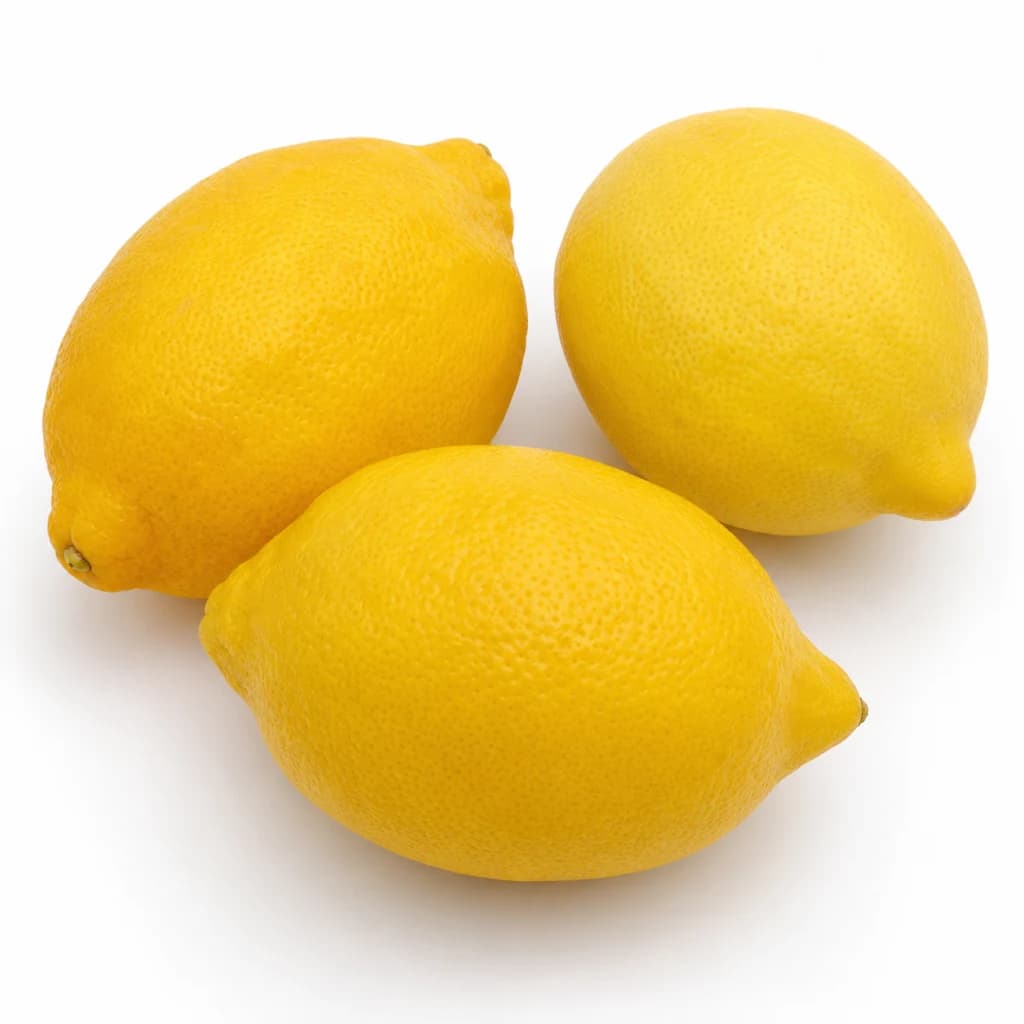
Lemon
Bright, acidic citrus that wakes up almost any dish
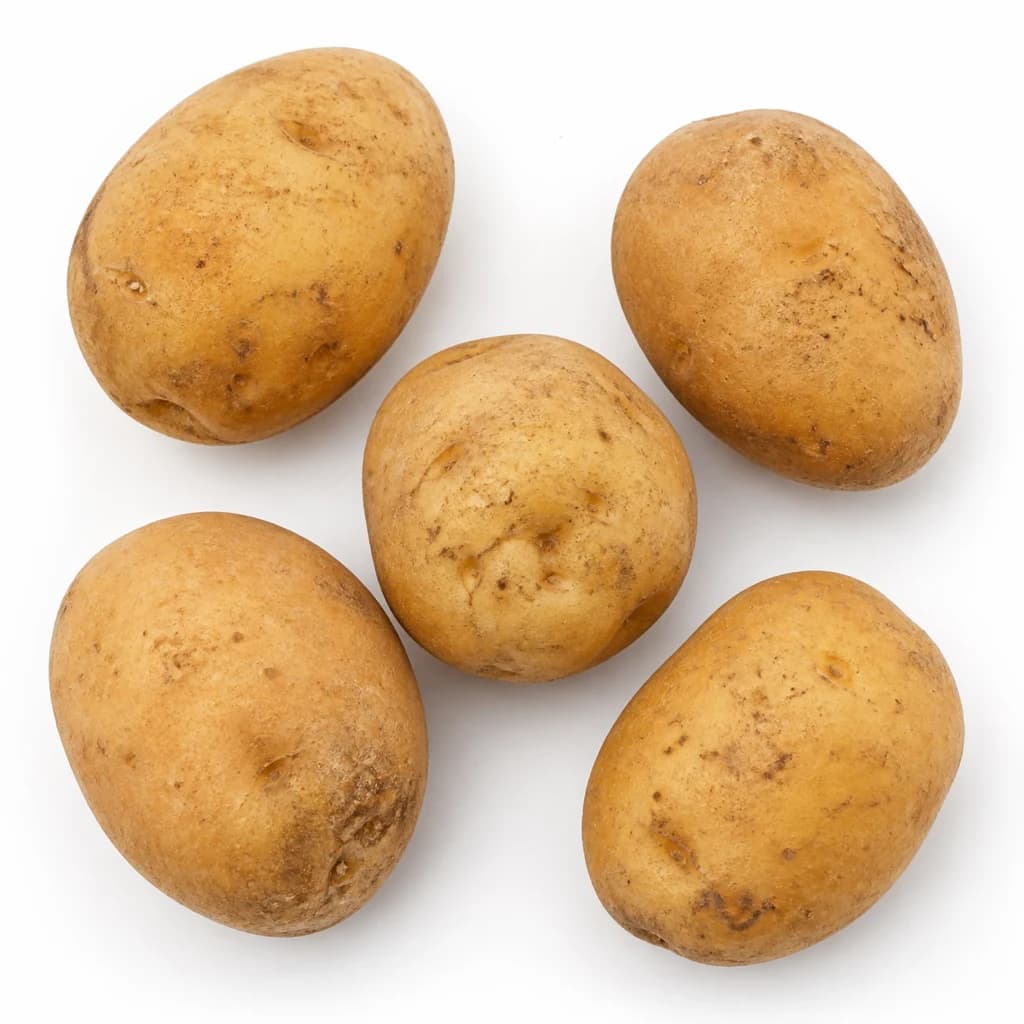
Potato
Humble, hearty staple — roast, mash, fry, or boil
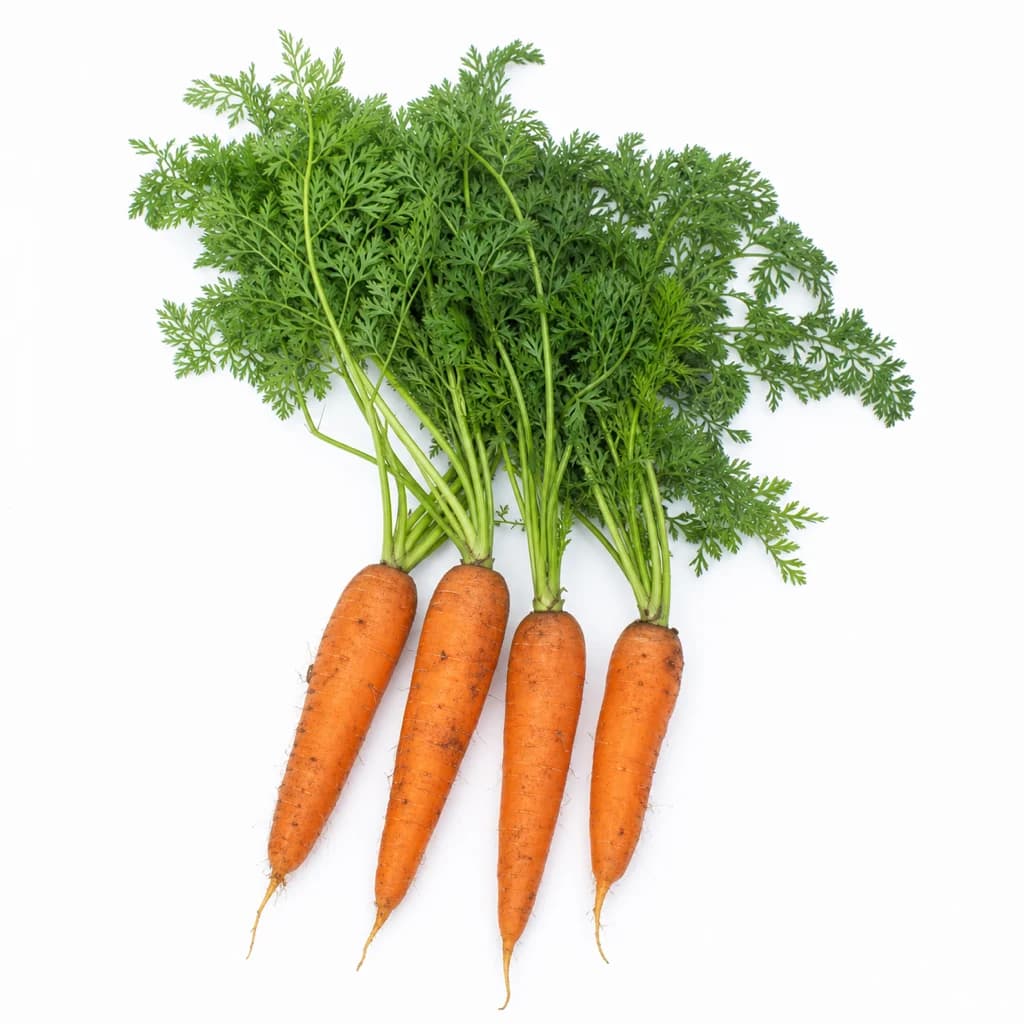
Carrot
Sweet, crunchy root — raw, roasted, or the base of a sofrito
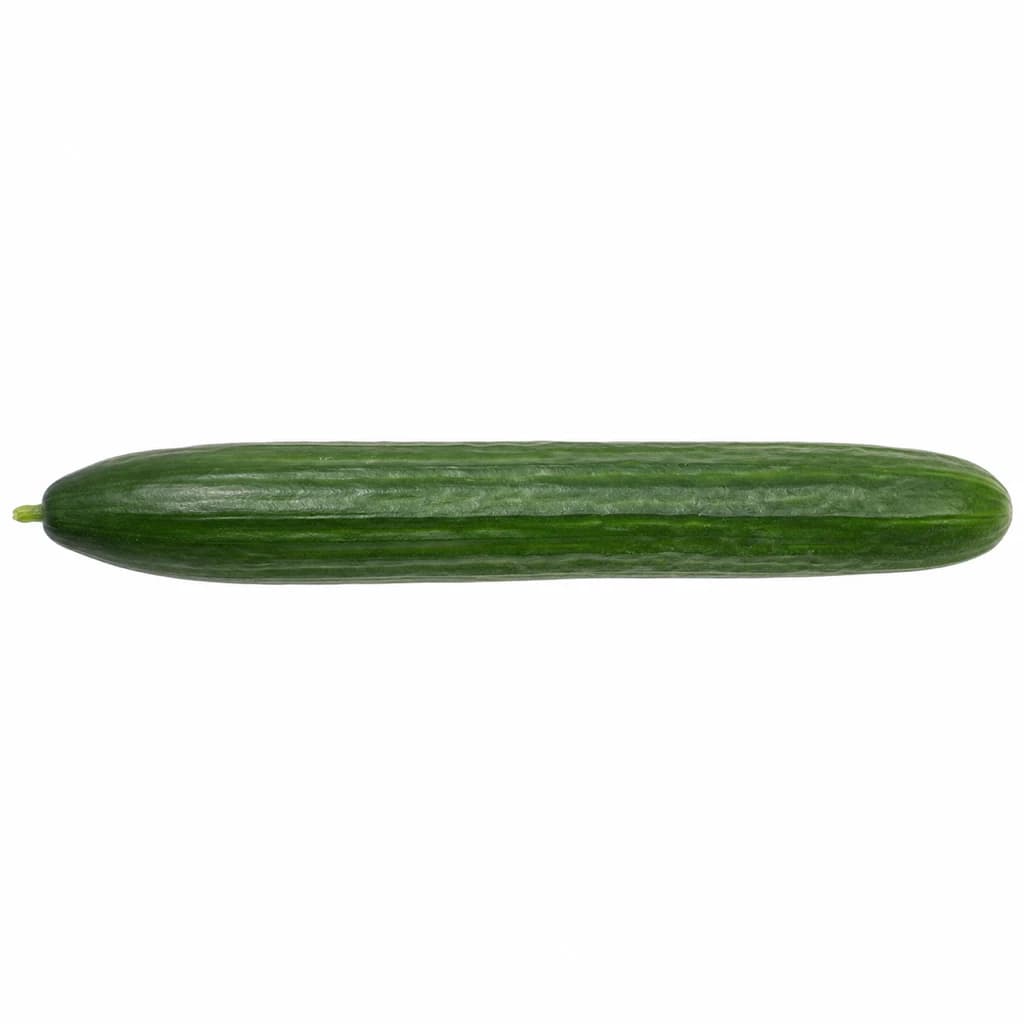
Cucumber
Cool, crisp, and watery — for salads, pickles, and tzatziki

Lettuce
Crisp leaves for salads, wraps, and a fresh crunch