Produce
Vine (Truss) Tomato
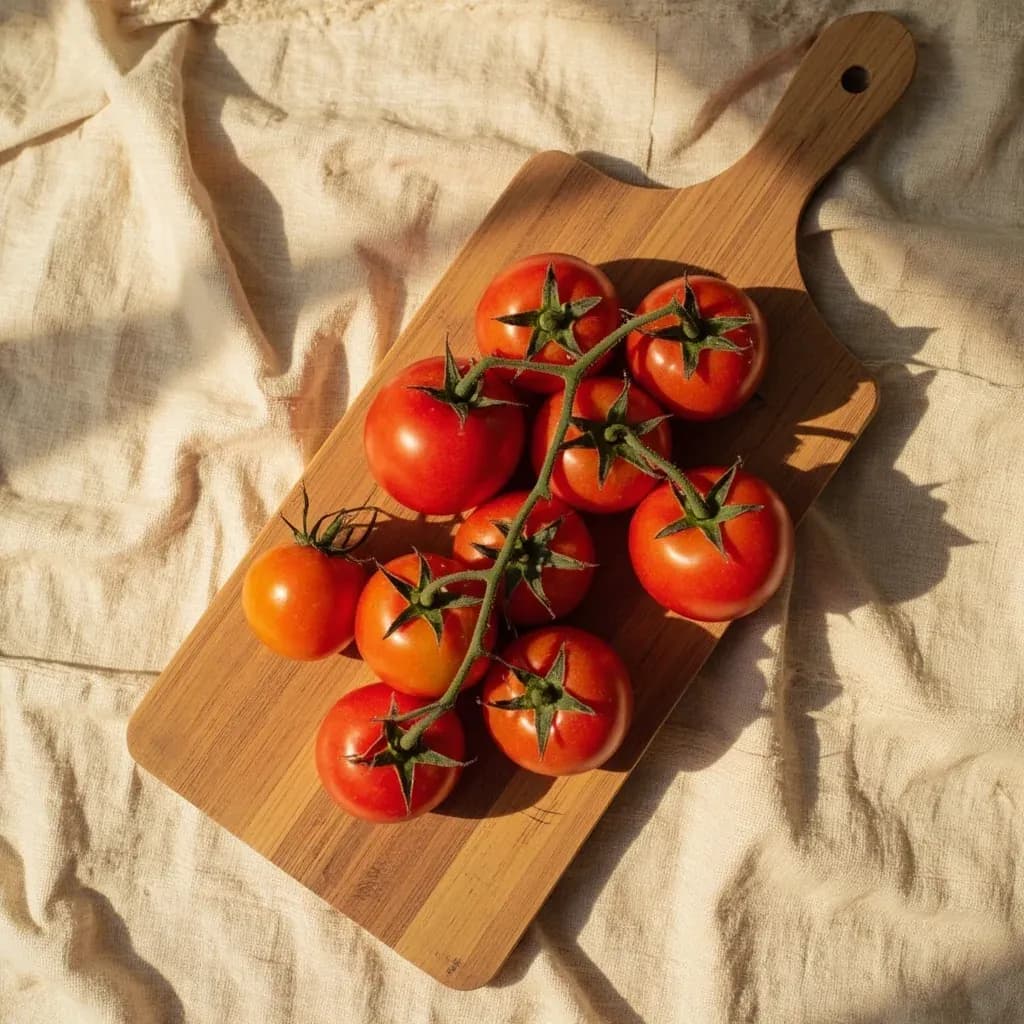
Medium round tomatoes sold still attached to the green stem, ripened on the vine for balanced acidity and aroma; versatile for slicing, roasting, and sauces.
Vine (or truss) tomatoes are not a botanical variety but a commercial category: fruit harvested and sold still attached to the green peduncle that bore it. The descriptor refers to presentation and post-harvest handling rather than genetics, though nearly all marketed vine tomatoes today are F1 hybrids from Dutch breeders (Rijk Zwaan, Enza, De Ruiter, Syngenta) developed for greenhouse hydroponic production. Leaving the stem on slows moisture loss through the picking scar and adds one to two days of shelf life over loose fruit; it also signals freshness at retail, even when the underlying fruit is only marginally better than its detached cousin.
In the kitchen, vine tomatoes behave like a reliable, well-balanced round tomato: medium flesh density, moderate water content, and a Brix-to-acid ratio tuned by breeders to taste pleasant straight from the punnet. They lack the aromatic complexity of a sun-ripened heirloom but outperform the gassed, long-haul commercial round. Most are picked at the breaker or turning stage and finished in packhouse ripening rooms, so the marketing phrase "vine-ripened" is conventional rather than literal; genuinely plant-ripened truss fruit from local or specialist growers tastes noticeably sweeter and more savoury and is worth seeking out in late summer.
The vine itself is decorative and is removed before cooking in almost every application, though chefs increasingly char the attached truss briefly over flame for plating and a faint smoky note. Nutritionally vine tomatoes match standard tomatoes: roughly 18 kcal per 100 g, useful amounts of vitamin C, vitamin K, and potassium, and a meaningful lycopene payload that becomes more bioavailable after light cooking in oil.
- Measured in
- g
- Storage
- Keep At Room Temperature Stem Side Down; Refrigerate Only When Overripe.
Find it in
Suits
Types & varieties
Dutch-bred standard round, the benchmark UK supermarket vine tomato; balanced sweet/acid, deep red
Firm round, classic flavour, widely exported from the Netherlands and Spain
Cocktail-size on the vine, glossy red, very sweet; common in Italian and UK retail
Cherry-type on the vine, 15–25 g, intensely sweet, orange-red
Orange-fleshed cocktail on vine, 35–50 g, sweet with tropical, almost mango-like notes
Small French greenhouse vine tomato from the Camargue; thin skin, herbaceous, slightly saline edge
Orange cherry often sold on truss; very high Brix, tropical-mango sweetness
Italian-bred mini-plum on vine; dense, sweet flesh that holds shape when cooked
San Marzano-style clusters; ideal for quick sauces and roasting
Large flat-round truss, 150–250 g, used for slicing onto burgers and sandwiches
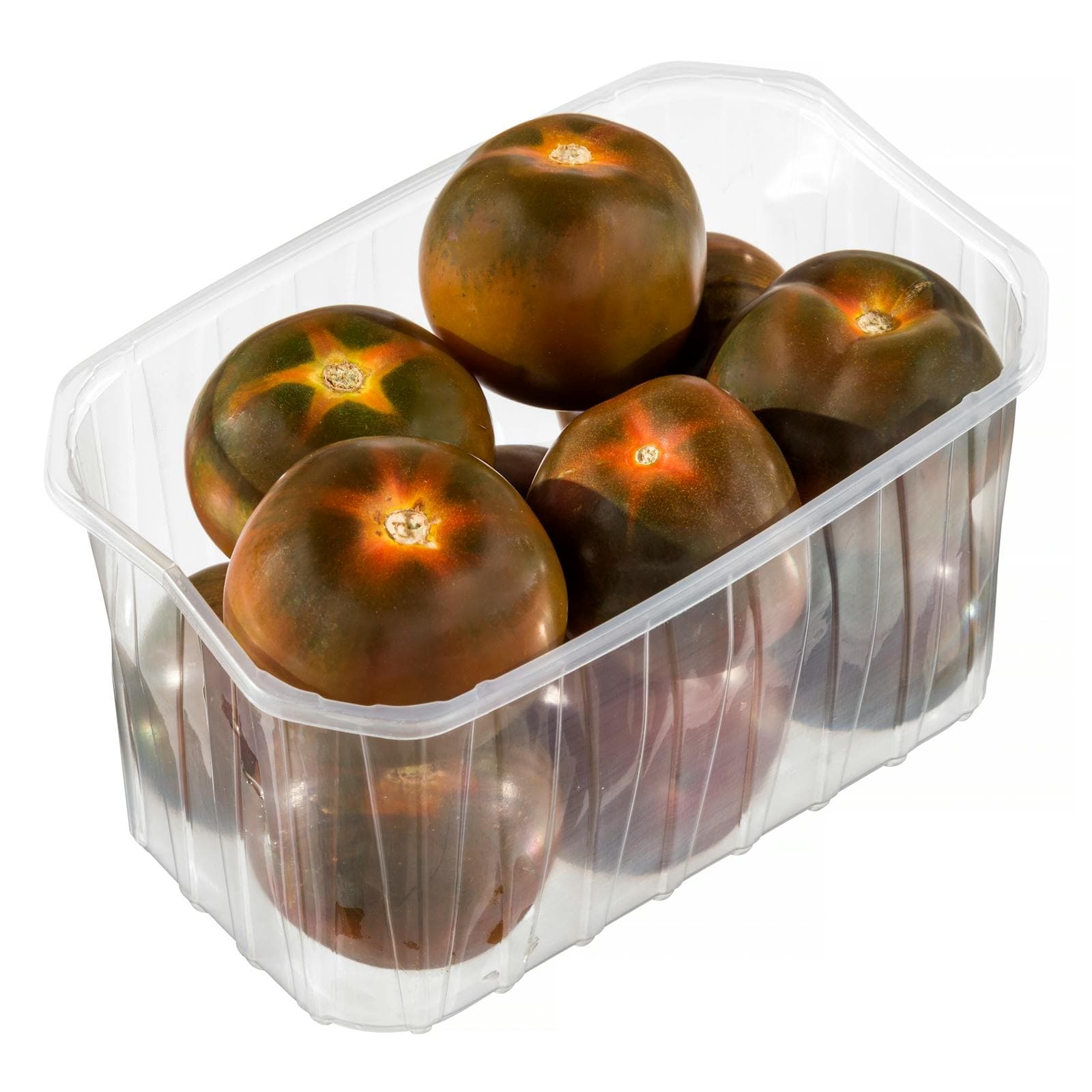
Mahogany-skinned, umami-rich, lower acidity; eats well raw or briefly roasted
Vine-ripened vs. ripened on the vine
A point worth understanding before you shop: in current commercial practice, fruit sold as "vine-ripened" is typically harvested once it has reached the breaker or turning stage on the plant, which is a fairly low bar. The majority of supermarket vine tomatoes are then ripened to full red in controlled-atmosphere rooms over several days, a process that delivers uniform colour and predictable shelf life but mutes the volatile compounds that make a truly plant-ripened tomato sing. Fruit left on the truss until the shoulders have darkened and the surface feels almost velvety — usually from local or specialist growers and only in season — develops notably more sugar, more glutamate-driven umami, and a more complex aroma. Treat any truss tomato labelled simply "vine-ripened" as competent rather than exceptional, and reserve a real premium for labelled origin and harvest date.
Choosing and storing
Select clusters with a fresh, green, supple vine; a yellowed, dried, or brown peduncle means the fruit has been off the plant for a while. The tomatoes themselves should feel firm but yield slightly to pressure and smell faintly of tomato even at the point of purchase — if they have no aroma, they will have none on the plate. Keep them on the vine at cool room temperature, never in the fridge: temperatures below 10 °C degrade the volatile aromatics and turn the flesh mealy within hours, a change that does not reverse when the fruit warms again. The stem should stay attached until the moment you cut into the fruit; the scar left by removing it is the fastest route out for moisture.
Working with the truss in presentation
For salads and cheese boards, a few chefs leave one or two fruits on a short length of vine as a garnish, sometimes singeing the green stem briefly with a kitchen torch or over a gas flame to char it and lend a faint, peppery smoke to the fruit beneath. This is theatre more than technique, but it is theatre that costs nothing and signals care.
Common uses
Tips & pitfalls
- Store on the vine at cool room temperature; refrigeration below 10 °C kills aroma and turns the flesh mealy within hours
- Leave the stem attached until the moment of use — the picking scar is the fastest route for moisture to escape
- Buy clusters with a fresh green, supple peduncle; a yellowed or brown vine means the fruit has been off the plant too long
- Halve through the equator (not pole to pole) when roasting — the wider flat face caramelises far better than a domed cut
- Roast in a single layer on a tray; overcrowding steams the fruit and prevents browning
- Salt sliced tomatoes and drain them on kitchen paper for 10 minutes before sandwich assembly to stop the bread going soggy
- Score a shallow X on the base before blanching if the recipe calls for skinless flesh — the skin slips off in seconds
- Taste before adding sugar to sauces; good vine tomatoes rarely need it, and a pinch of salt is usually the correct fix for flat flavour
- Treat 'vine-ripened' on the label as competent rather than exceptional; for true plant-ripened flavour seek out local or specialist growers in season
Nutrition
Energy
63 kJ · per 100 g
Where the calories come from
Protein
1g
2% DV
Carbs
3g
1% DV
Fat
0.3g
0% DV
Fiber
0.7g
3% DV
Sodium
23mg
1% DV
Source · USDA FoodData Central · approx. Tomatoes, yellow, raw
View on FDC →In the shops
Matched grocery products
 €2.62
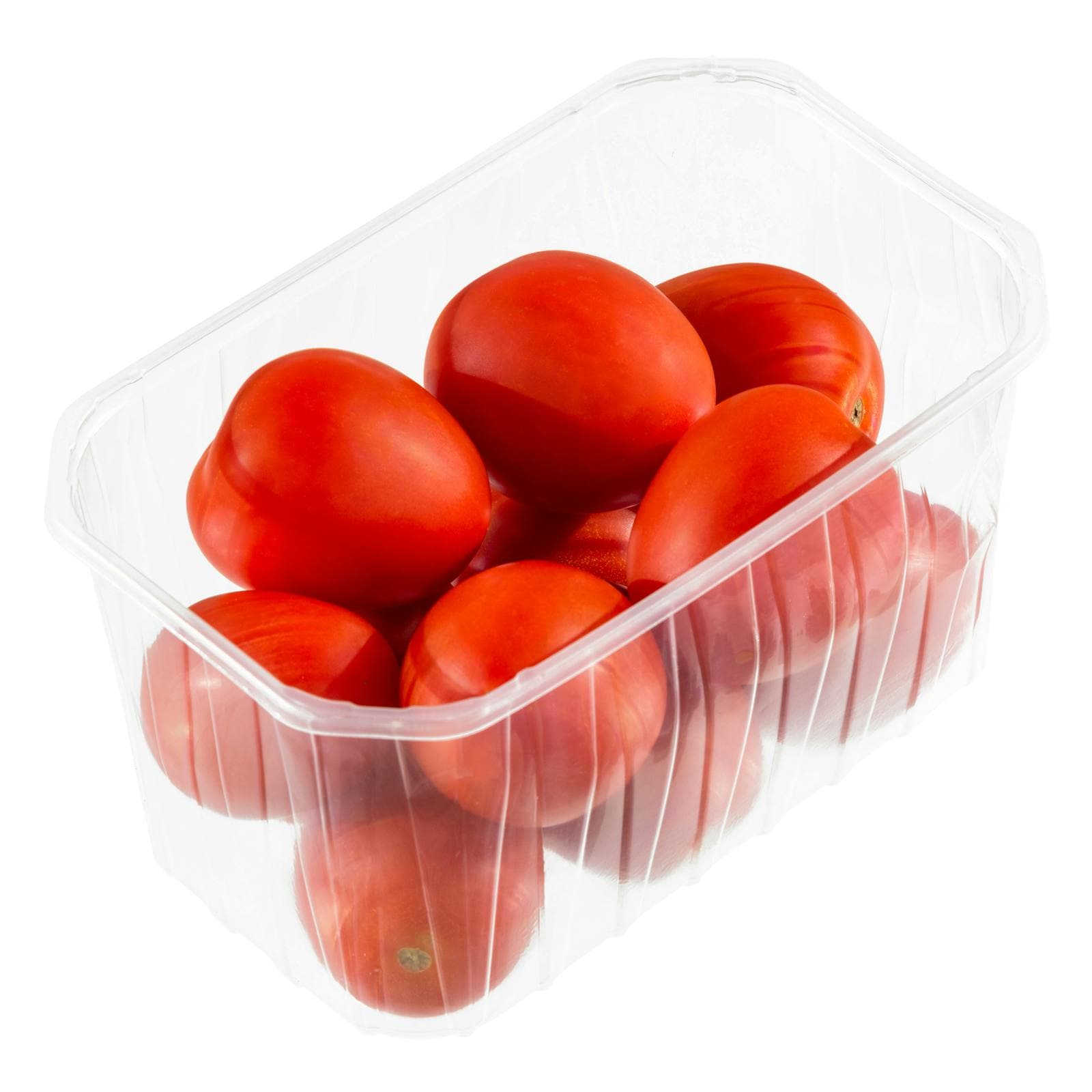
€2.62Pear Tomatoes
1.14 kg · Mercadona
 €1.49
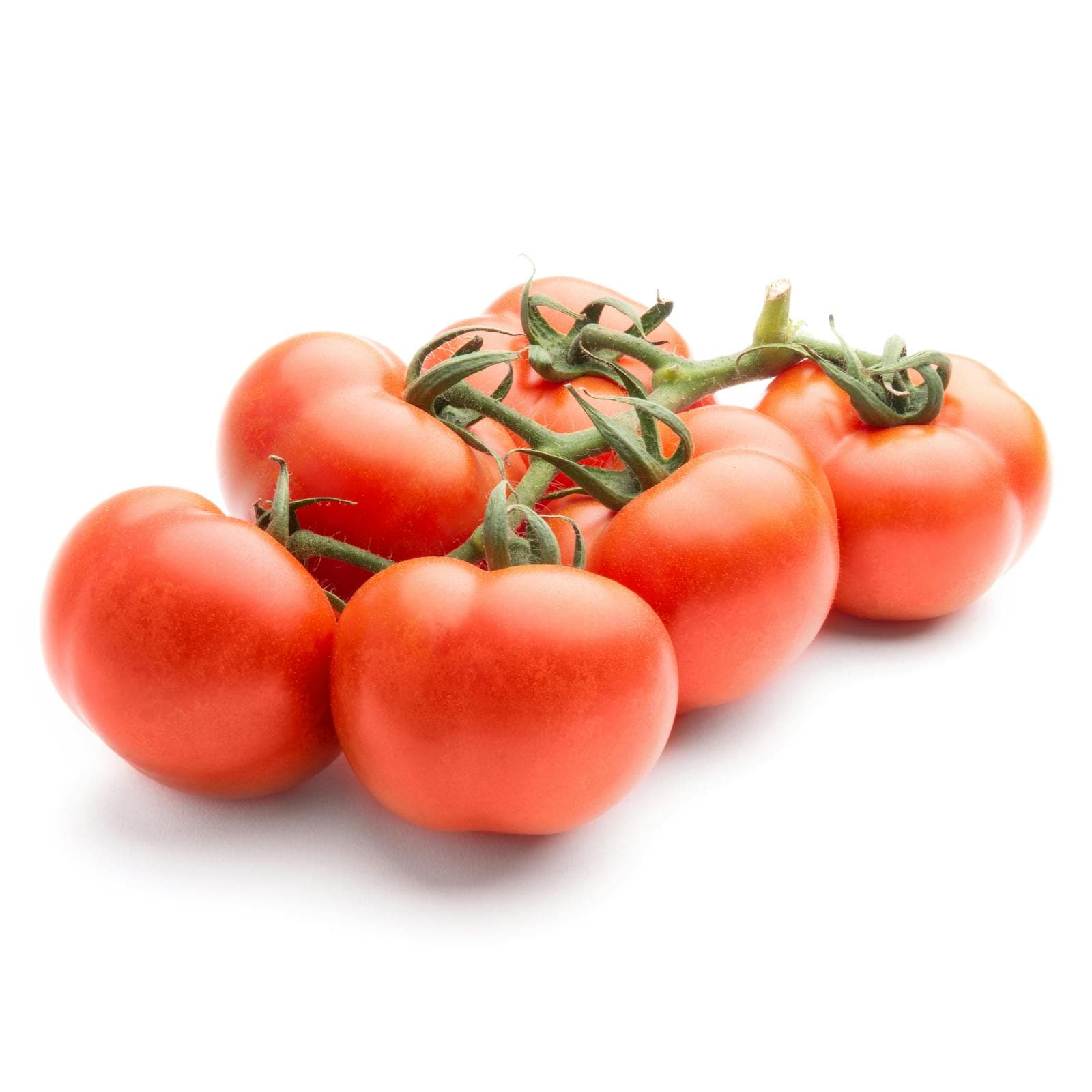
€1.49Truss Tomatoes
550 g · Mercadona
 €2.60
€2.60Black Tomatoes
1 kg · Mercadona
 €0.29
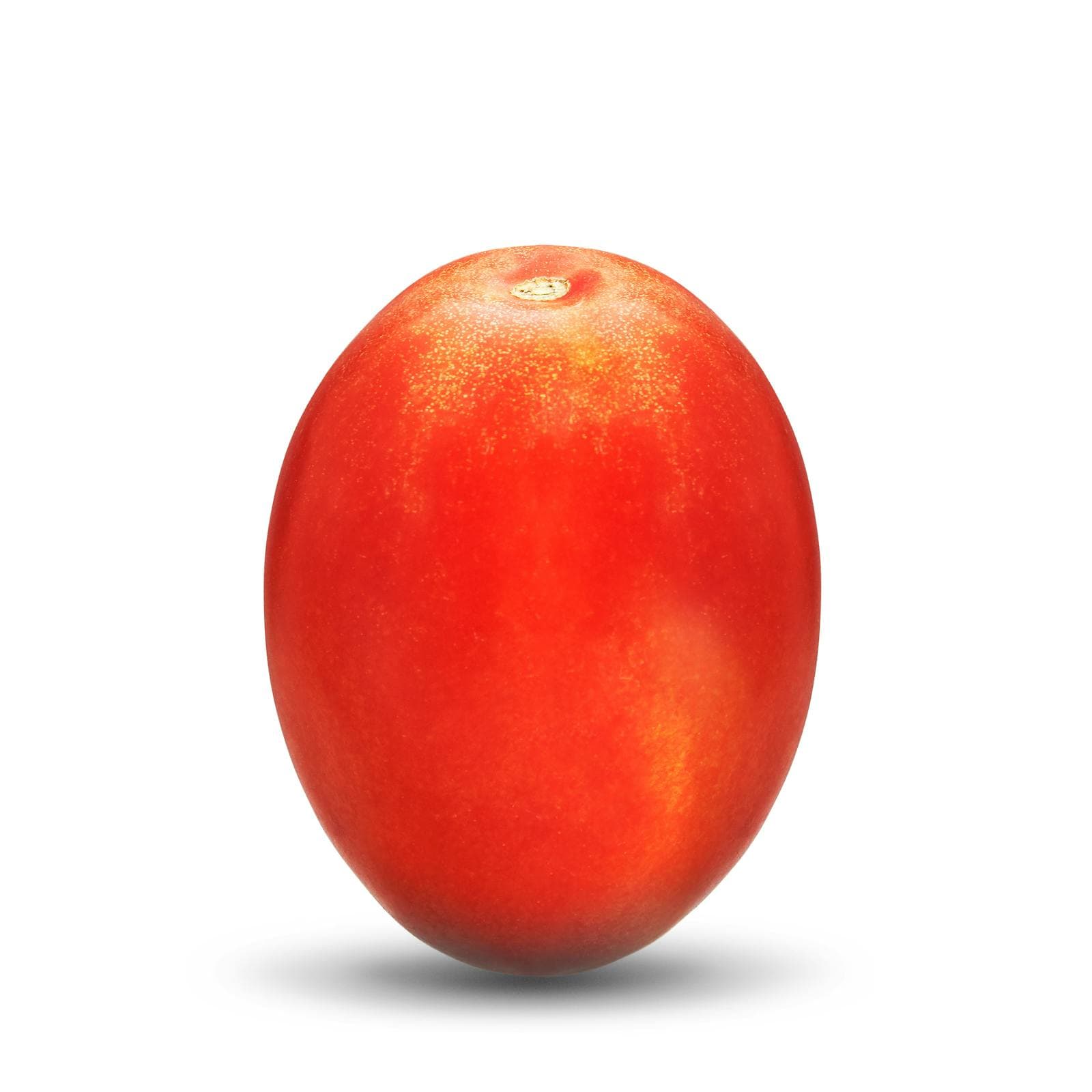
€0.29Plum Tomato
130 g · Mercadona
 €1.07
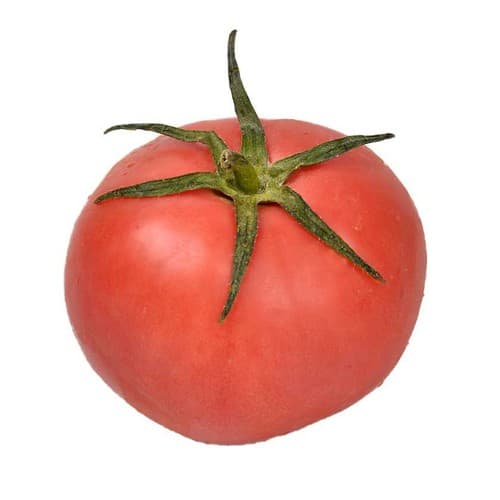
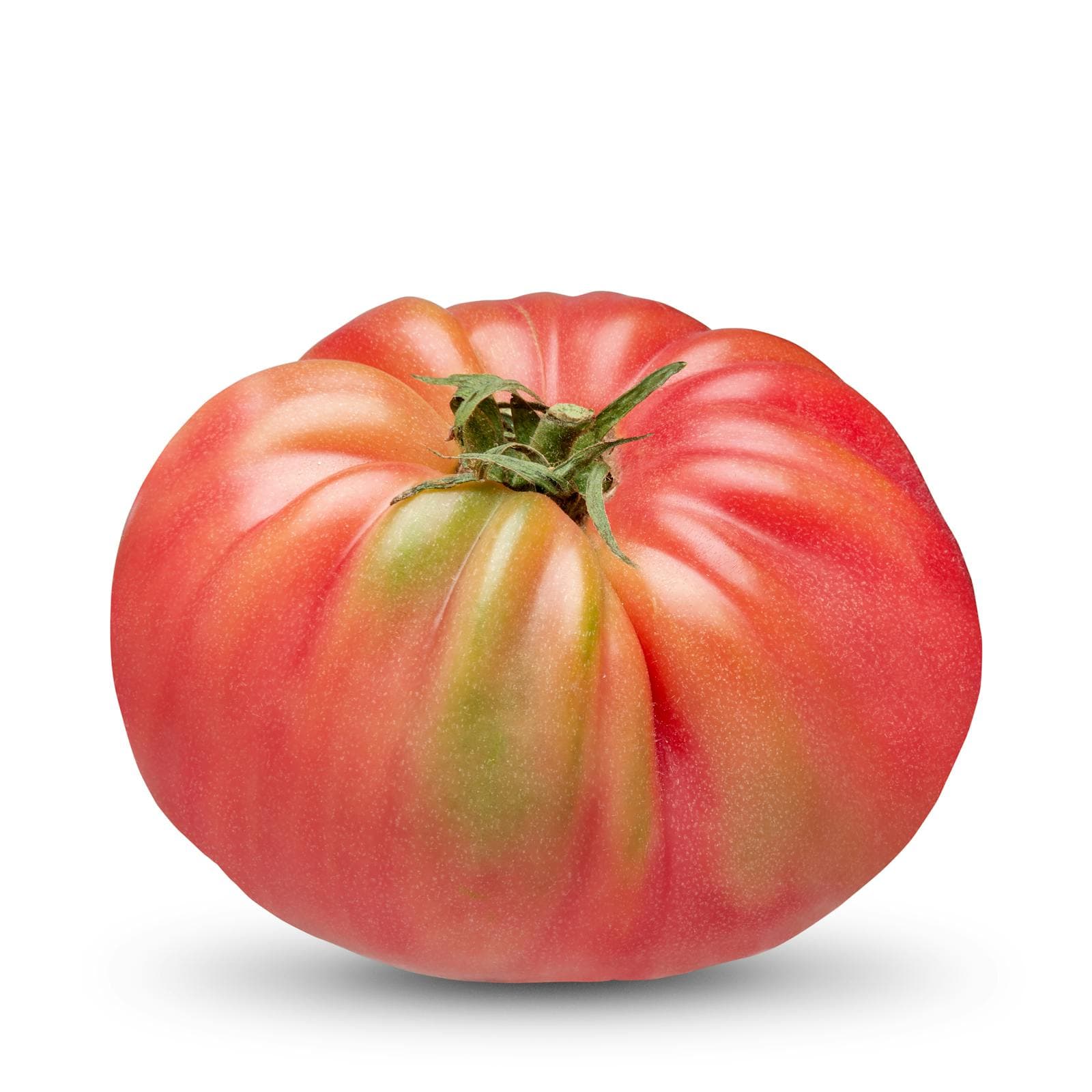
€1.07Pink Tomato
ud · Bonpreu
 €1.16
€1.16Pink Tomato
340 g · Mercadona
Good to know
- Also known as
- Truss tomato (UK, Australia, NZ); tomāts uz zariņa in some regional markets
- Family
- Solanaceae; fruit used as vegetable
- Form
- Clusters of 4–7 fruits attached to a green peduncle (the "vine")
- Typical size
- 60–150 g standard round; 35–55 g cocktail; 15–30 g cherry
- Flavor profile
- Mild, sweet, low to medium acidity; less complex than heirlooms, more aromatic than gassed commercial rounds
- Storage
- Room temperature 12–18 °C, stem intact, away from sun; 5–7 days from purchase
- Edible yield
- ~85% flesh after coring; ~15% skin, core, and seed jelly
- Price tier
- Premium — typically 1.5–2× standard loose round tomato
Substitutes
- Roma / plum tomato — Denser flesh and less water; better when you need a sauce that will not turn watery
- Beefsteak tomato — Larger, meatier slices; works for caprese and burgers in place of the larger truss rounds
- Heirloom slicing tomato (in season) — Far more complex flavour but inconsistent flesh; better raw than cooked
- Cherry or grape tomato on the vine — Direct swap with the same visual presentation; sweeter and less acidic
- Campari tomato — Similar size and sweet/acid balance; sold loose but comparable in most dishes
Pairs with
Also called
truss tomato · tomatoes on the vine · TOV · cluster tomato