Legumes & Beans
Cowpea
Black-eyed-pea family legume used in stews, fritters, and rice dishes.
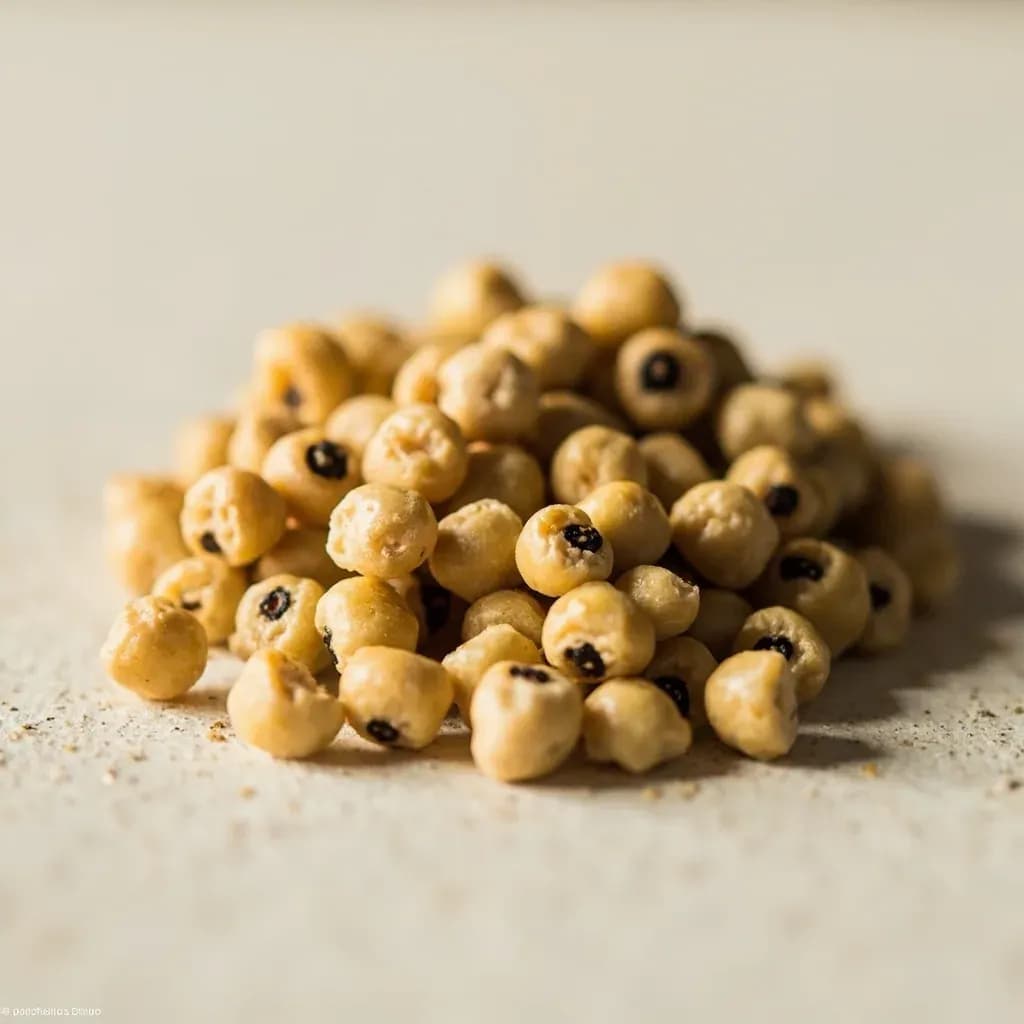
Cowpeas are cream-colored legumes, the family that includes black-eyed peas, widely grown in Africa, the American South, and Asia. They cook quickly into stews, are ground for West African akara fritters and moin moin, and pair with greens and rice. They have a soft texture and earthy flavor.
Cowpea (Vigna unguiculata) is a heat-loving legume domesticated in West Africa roughly 5,000–6,000 years ago, making it one of humanity's oldest cultivated crops. Despite the name—which arose because the plant thrives in poor soil where other crops fail, making it valuable livestock fodder—cowpeas are a premium human food, prized for their tender texture and creamy interior. The "black-eyed pea" sold in most American markets is simply one well-known variety of this species; throughout the US South they are called southern peas, while in Africa they are known as nièbe. The United States now ranks among the world's leading producers, with Mississippi, Georgia, and Arkansas supplying most commercial crops.
What sets cowpeas apart from common beans is their behavior under heat: they cook relatively quickly for a dried legume (45–90 minutes), hold their shape well, and develop a smooth, almost creamy center without becoming mushy. Their flavor is mild and slightly nutty, which makes them extraordinarily adaptable—welcome in savory stews, salads, and rice dishes across West Africa, the American South, the Caribbean, and beyond. Nutritionally, they are a dense source of plant protein (23–25% by dry weight) and complex carbohydrates, and like all legumes they fix nitrogen in the soil, making them valuable in crop rotation and sustainable farming systems.
Fresh cowpeas (shelled from their pods in late summer through early fall) require only 10–20 minutes of cooking and have a brighter, greener flavor than dried. Frozen shelled peas are a reliable year-round alternative; dried peas, properly stored in a cool dark place, keep for 2–3 years and yield roughly 2.5–3 cups cooked per cup of dried. The cooking liquid is starchy and flavorful—always reserve it.
- Measured in
- g
- Storage
- Pantry
Types & varieties
White with a distinct black 'eye'; the most recognized variety; mild, slightly nutty flavor; cooks faster than most dried beans
Pinkish-purple pods; creamy interior when cooked; especially popular in the Southern US
Small, white, no dark eye; very creamy texture; delicate flavor preferred in fine preparations
Pink-tinted eye; often has purple hulls; tender, mild flavor
Speckled or mottled seed coat; denser and nuttier than black-eyed; often sold as 'crowder peas'
Reddish elongated peas; vigorous climber; stronger, more assertive flavor
Subspecies Vigna unguiculata subsp. sesquipedalis; harvested young and eaten as a green vegetable, not as a dry legume
Cream-colored cowpea with a black eye that cooks quickly without soaking; earthy and tender in Southern stews, Hoppin' John, and West African dishes.
West African Traditions
In West Africa, cowpeas are not a side dish but a dietary cornerstone. The most basic preparation—simply simmered with palm oil, onion, and Scotch bonnet pepper—appears on tables daily across Nigeria, Ghana, Senegal, and beyond. From this foundation, cowpeas enter rice dishes like jollof and coconut rice, are mashed into fritters, and form the base of daal-like dishes seasoned with cumin and coriander. The cowpea carries deep cultural weight: it sustains populations through lean seasons, fixes nitrogen in depleted soils, and tolerates the drought conditions that defeat other crops. Understanding this context helps explain why West African cooks treat the bean with such respect—they are working with a food that has fed civilizations for millennia.
- Try a simple West African preparation: sautéed onion and Scotch bonnet, add soaked peas, cover with water, and simmer until tender. Finish with palm oil and a squeeze of lime.
Southern American Traditions
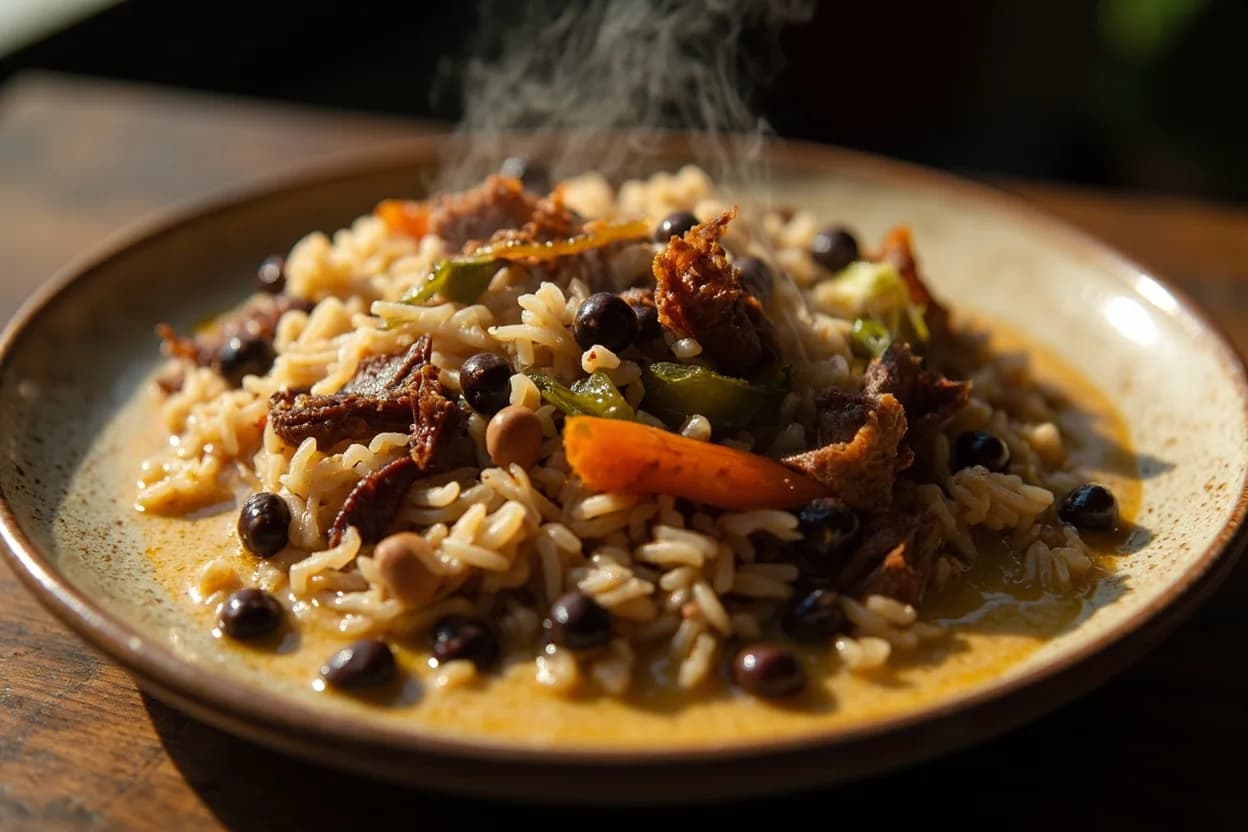
The American South absorbed cowpea cookery through the transatlantic slave trade and made it its own. Hoppin' John—rice and peas cooked with pickled pork—remains the most iconic preparation, traditionally served on New Year's Day for luck and prosperity. Field pea salads with vinaigrette, pickled onions, and fresh herbs are summer staples. Smoked pork (ham hock, ham bone, or turkey leg) is the default seasoning base: the smoky, savory depth transforms a mild bean into something deeply satisfying. Collard or mustard greens cooked alongside the peas, with their cooking liquid poured off the beans, is standard practice in the Carolinas and Georgia. These are not poverty foods but foods of resourcefulness—every part of the pig used, every handful of peas coaxed into richness.
- For authentic Hoppin' John, use Carolina Gold or another long-grain rice; cook the peas nearly done, add rice and just enough liquid to cook it; fluff and fold gently to keep peas intact.
- Cold pea salads benefit from tossing the cooked peas while still warm with vinaigrette—the liquid they absorb adds depth.
Common uses
Tips & pitfalls
- Sort and pick over dried peas carefully—discard any discolored, cracked, or shriveled specimens and remove debris before soaking.
- Cold-soak dried peas 4–12 hours to reduce cooking time by roughly 30% and improve texture; hot-soaking works but can produce uneven results.
- Always salt dried peas AFTER they are fully tender; salting too early toughens the skins and can prevent proper softening.
- Add acidic ingredients (tomatoes, vinegar, citrus) only at the end of cooking or after the peas are soft—acid inhibits softening and will leave you with crunchy beans.
- Reserve the cooking liquid; it is starchy and flavorful, ideal for thinning purées or as a soup base.
- Fresh or frozen peas need only 10–20 minutes—do not overcook or they will turn mushy and lose their bright color.
- For salads, let cooked peas cool in their liquid to retain moisture; drying out in a colander makes them mealy.
- Smoked pork (ham hock, ham bone, or turkey leg) is the classic seasoning base; add onion, celery, and bay leaf to the pot.
- Older dried peas take much longer and may never fully soften; check the crop year and buy from sources with rapid turnover.
- To freeze shelled fresh peas, blanch in boiling water for 2 minutes, cool immediately in ice water, drain, and freeze in airtight containers.
Nutrition
Energy
377 kJ · per 100 g
Where the calories come from
Protein
3g
6% DV
Carbs
18.8g
7% DV
Fat
0.4g
0% DV
Fiber
5g
18% DV
Sugars
3g
of which
Sodium
4mg
0% DV
Source · USDA FoodData Central · Cowpeas (blackeyes), immature seeds, raw
View on FDC →In the shops
Matched grocery products
No matched grocery products for Cowpea yet.
Good to know
- Scientific name
- Vigna unguiculata
- Family
- Fabaceae (Leguminosae)
- Origin
- West Africa; domesticated ~5,000–6,000 years ago
- Primary protein content
- 23–25% by dry weight
- Cooking yield
- 1 cup dried ≈ 2.5–3 cups cooked; 1 lb dried ≈ 6 cups cooked
- Simmer time (dried)
- 45–90 minutes depending on age and variety
- Soak time (dried)
- 4–12 hours cold soak preferred for best texture
- Texture
- Tender exterior, creamy interior; holds shape well in stews
- Dried storage
- 2–3 years in a cool, dark, dry place
- Fresh/shelled storage
- 1–2 days refrigerated; 6–8 months frozen (blanch 2 min first)
- Growing season
- Late summer through early fall in the US
- Difficulty
- Easy; cooks faster than most dried beans
Substitutes
- Pinto bean — Similar size and creamy texture; cook time and flavor profile differ; use 1:1 in most preparations
- Great Northern bean — Milder flavor, similar density; holds shape well in soups; use 1:1
- Navy (white pea) bean — Smaller but behaves similarly in stews and salads; use 1:1
- Lima bean — Similar creamy texture; slightly larger; use 1:1 in salads and stews
- Fava bean (fresh, shelled) — Partial substitute for fresh preparations; different flavor, similar creamy texture; not suitable as a dried substitute
- Black bean — Stronger flavor and denser texture, but works in Latin American or Southwestern preparations; not a true flavor match
Pairs with
Also called
Letlhodi · Dinawa · Kunde · Cowpeas · Black-Eyed Pea
Appears in these dishes
Related
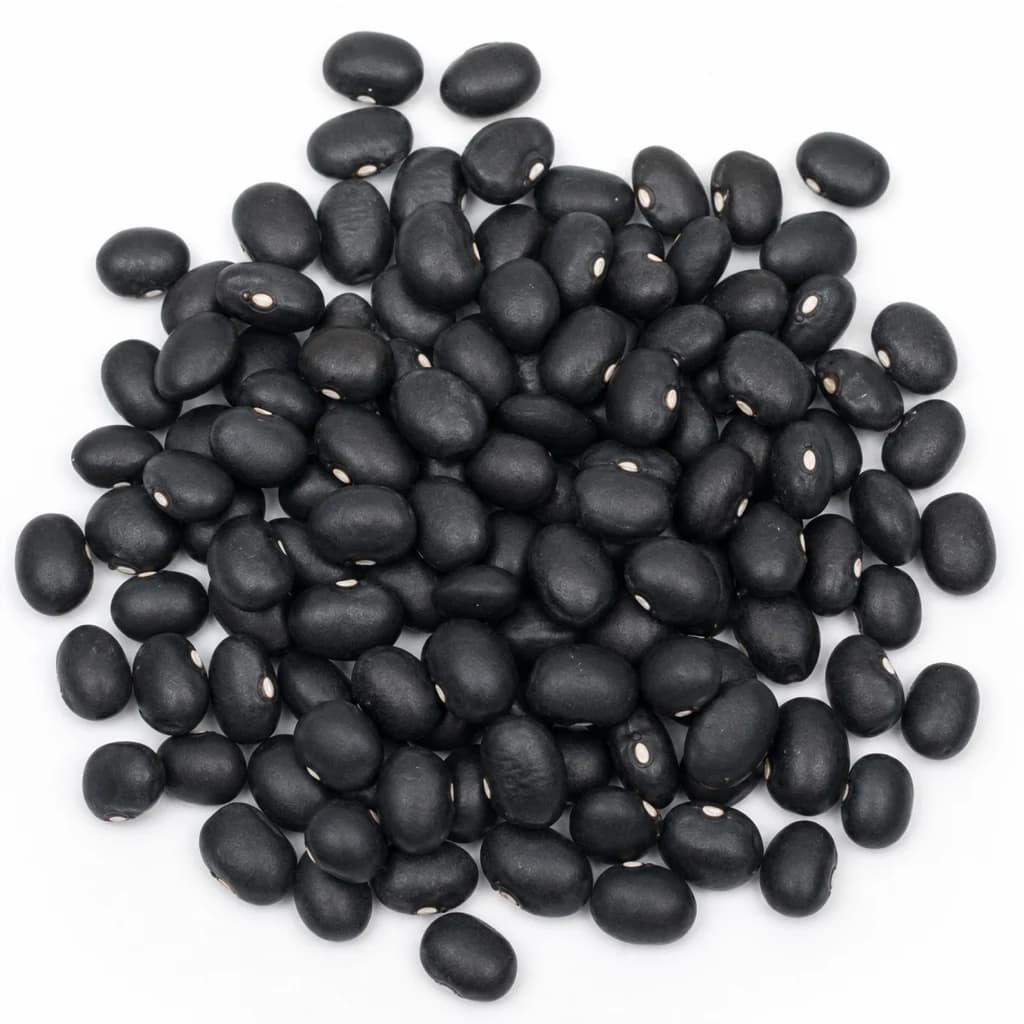
Black Beans
Earthy, creamy beans for bowls, soups, and tacos
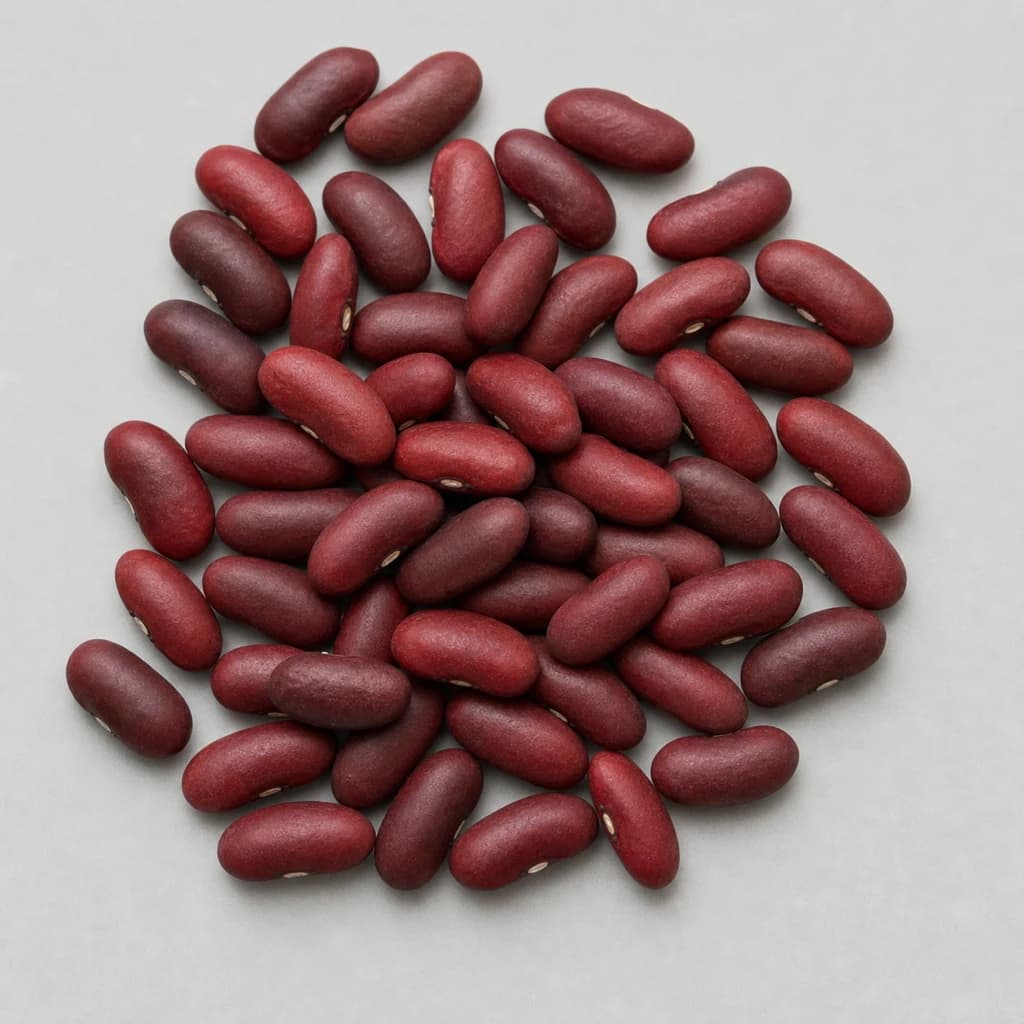
Kidney Beans
Hearty red beans that hold their shape in chili and stews
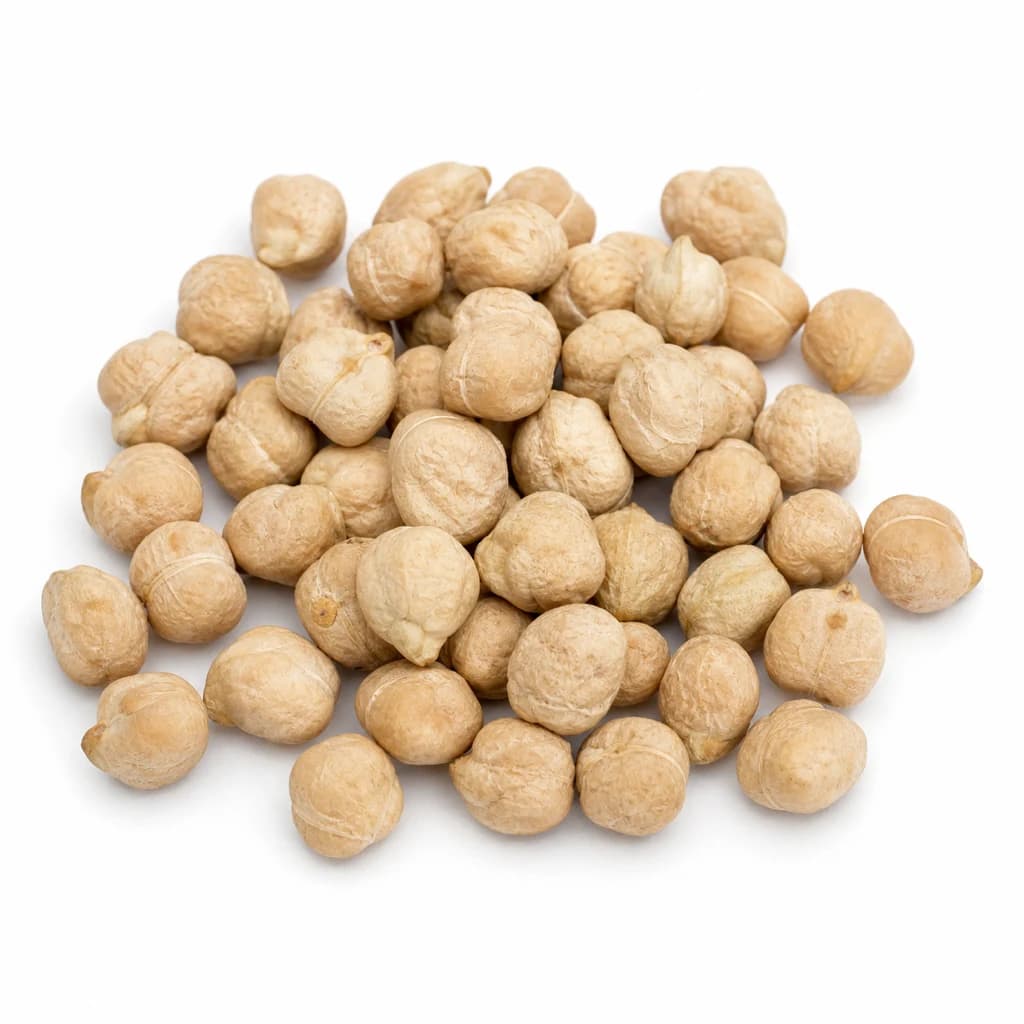
Chickpeas
Nutty, versatile beans for hummus, curries, and roasting
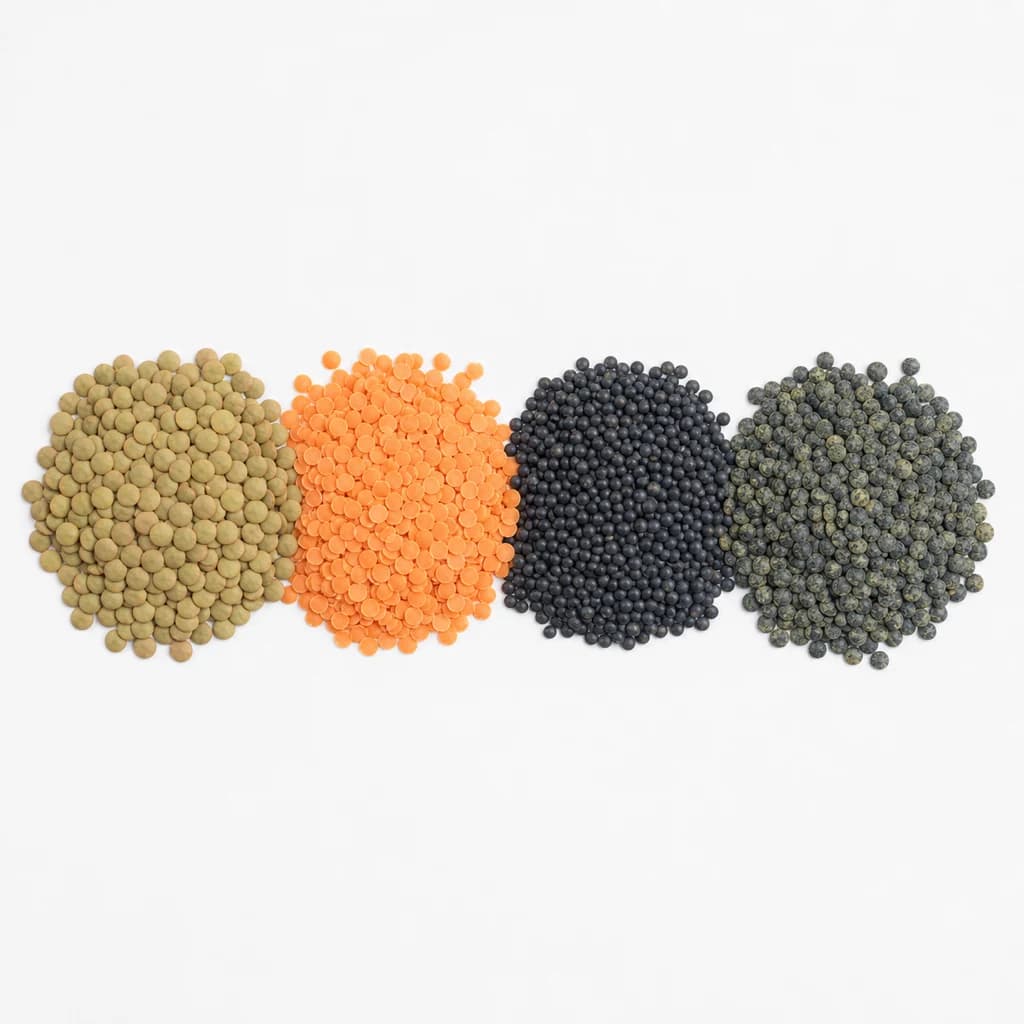
Lentils
Quick-cooking pulses for soups, dals, and hearty salads

White Beans
Creamy, mild beans for soups, stews, and silky purées
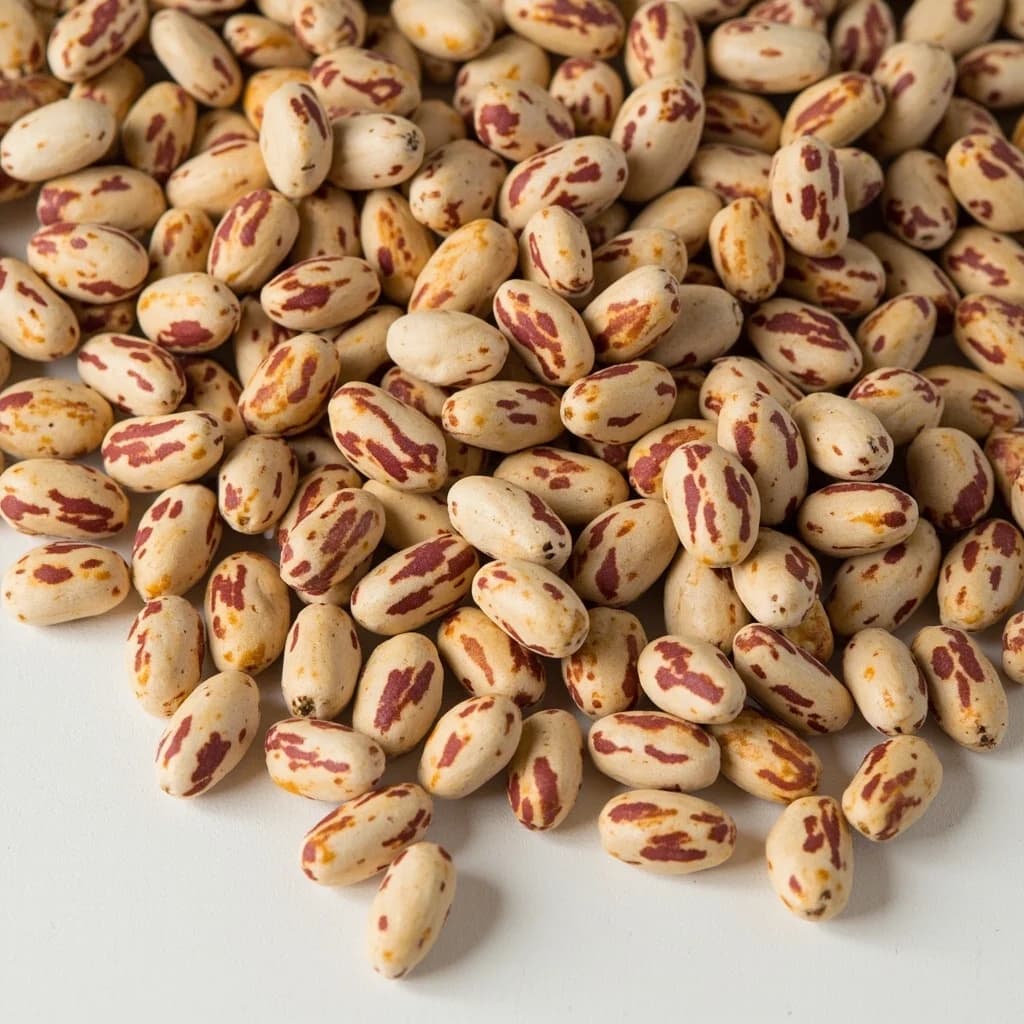
Pinto Beans
Creamy, speckled beans for refried beans and stews

Split Peas
Quick-cooking peas that melt into thick, comforting soups
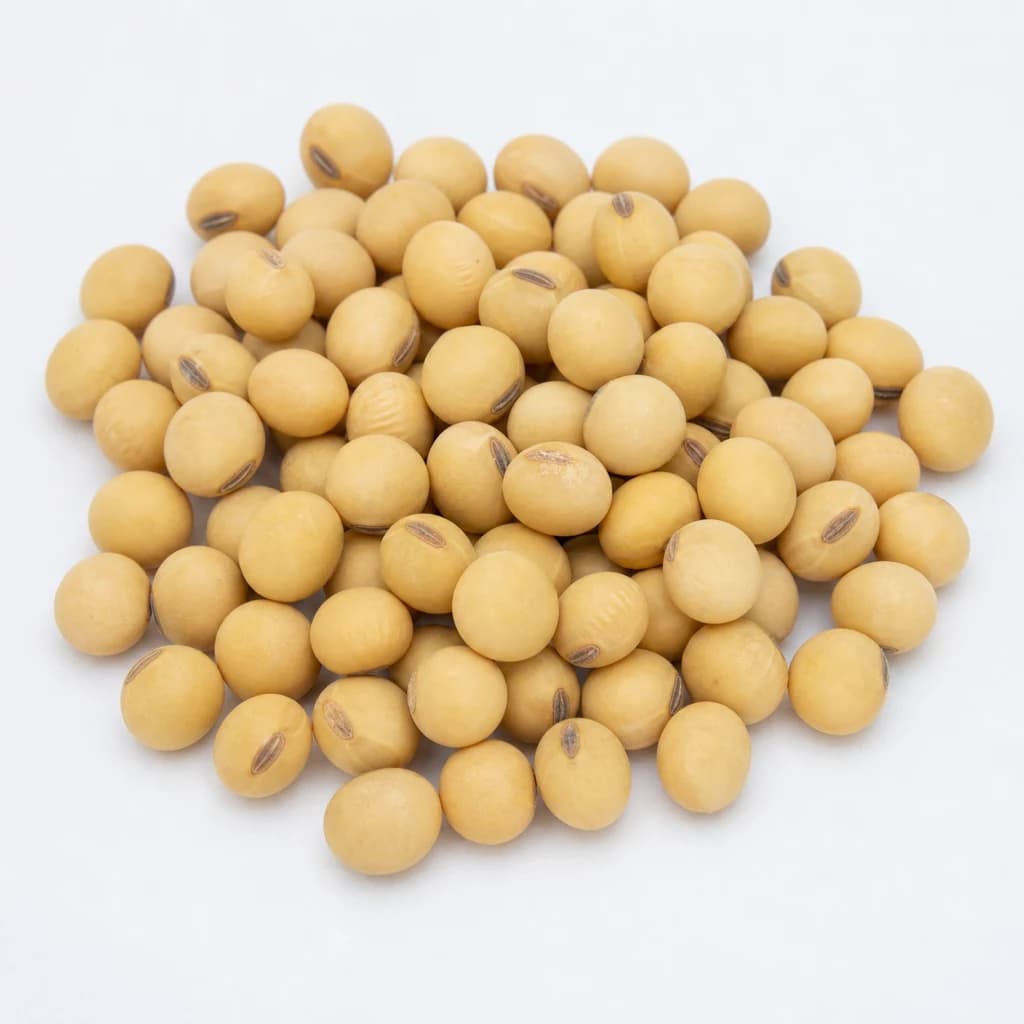
Soybeans
Protein-packed beans, the base for tofu and miso