Legumes & Beans
Lima Bean
Flat, pale buttery bean used in succotash, stews, and across Latin American cooking.
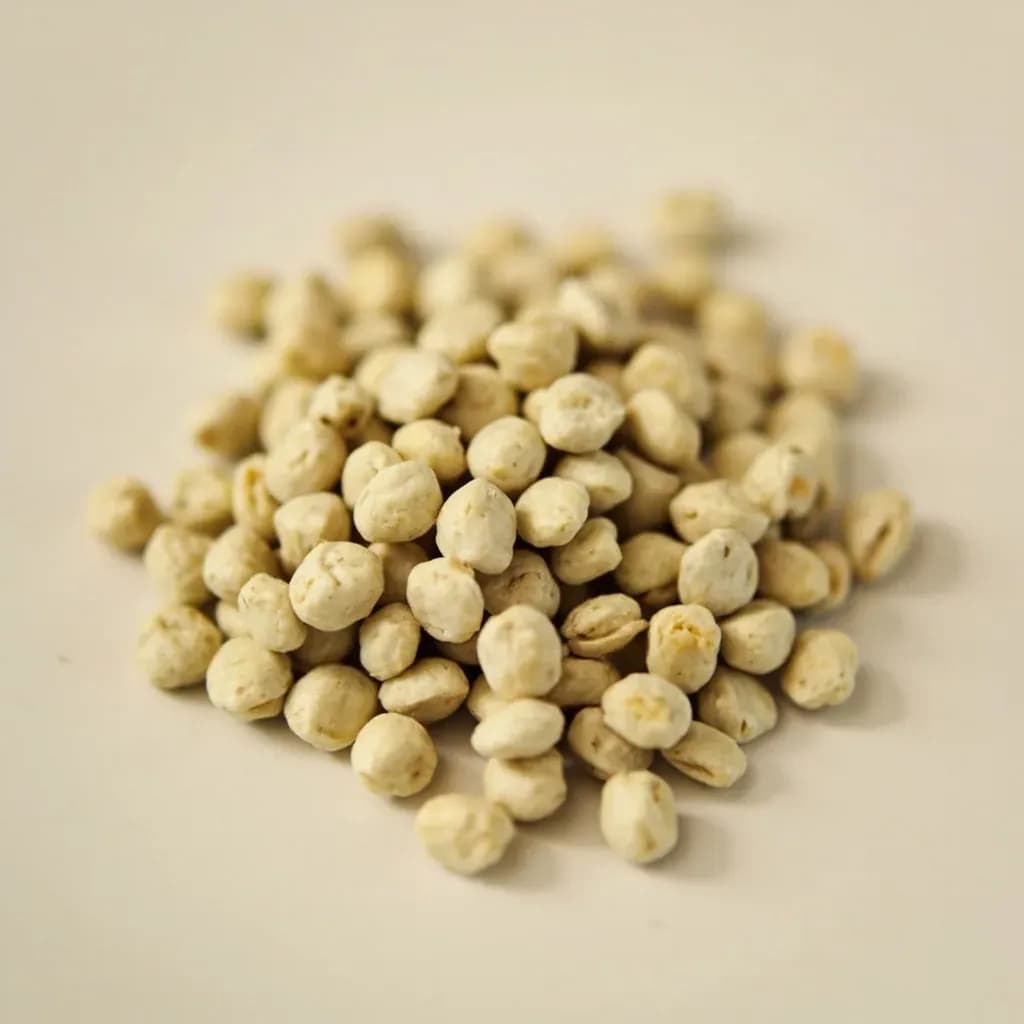
Lima beans are flat, kidney-shaped beans with a pale green or white color and a soft, buttery texture, named for Lima, Peru. They are central to American succotash and many Latin American and African stews, where their starchy creaminess thickens the pot. Both fresh and dried forms are used, and they should always be cooked thoroughly.
Lima beans (Phaseolus lunatus) are flattened, kidney-shaped legumes native to the Andes, named not for their origin but for the Peruvian port city of Lima, through which they were exported to Europe and beyond. Their flavor is distinctly buttery and creamy with a subtle nuttiness, and their texture ranges from tender in young fresh beans to plush and almost silken in large dried varieties. This delicate character makes them more complementary than assertive — they absorb surrounding flavors while contributing body and richness rather than dominating a dish. The bean is often misunderstood due to its association with bland institutional cooking and exaggerated toxicity concerns; in reality, properly prepared lima beans are among the most elegantly flavored legumes available, equally at home in a rustic Southern succotash, a refined Latin American stew, or a simple side dish finished with butter.
The distinction between baby lima beans and large lima beans (often called butter beans in the American South) is significant for the cook. Baby limas — such as Henderson Bush or Fordhook — are tender, quick-cooking, and hold their shape well, making them ideal for salads and quick sautés. Large limas like the Potato Lima develop a creamier, more luxurious texture with longer cooking. Heirloom varieties like Christmas Lima and Florida Speckled offer visual drama with maroon speckling and a slightly starchy, more pronounced nutty flavor. Fresh limas in season (late summer through early fall) require significantly less cooking than dried and should be used promptly, while dried lima beans — which keep for up to two years — require planning but reward patience with superior flavor and texture.
- Measured in
- g
- Storage
- Pantry
Types & varieties
Large, cream-colored bush variety; most common in US supermarkets
Baby lima type, smaller and sweeter; popular in Southern cooking
Small, tender; ideal for succotash and quick-cooking applications
Bigger, creamier texture; sometimes called 'butter bean' in the South
Heirloom variety with maroon speckled markings; nutty, slightly starchy flavor
Bred for home gardens; good flavor and reliable yield
Cream with maroon streaks; heirloom similar to Christmas lima
Developed in Oregon; pale green, mild flavor, bush habit
Understanding the Toxicity Concern
Raw lima beans contain linamarin, a cyanogenic glycoside that releases hydrogen cyanide when the beans are chewed. This is not marketing hype or excessive caution — it is a genuine chemical reality. The solution is straightforward: boil the beans vigorously for at least 10 minutes before lowering to a simmer. This heat treatment completely destroys the compounds. Never eat raw lima beans, and do not cook dried beans in the soaking liquid, as toxins concentrate there during rehydration. Discard the soaking water and use fresh water for cooking. Canned lima beans are precooked during processing, but standard food safety practice recommends heating them thoroughly before serving.
Common uses
Tips & pitfalls
- Always boil dried or fresh lima beans vigorously for at least 10 minutes to destroy cyanogenic compounds; never eat them raw or undercooked
- Discard soaking water and cook beans in fresh water; toxins concentrate in the soaking liquid
- Add salt and acidic ingredients (tomatoes, wine, lemon juice) only after beans are fully tender, or they will toughen the skins
- Use ¼ teaspoon baking soda per pound of dried beans to help soften skins and reduce gas-causing compounds
- Old dried lima beans may never fully soften; discard any that remain hard after extended cooking
- Fresh limas should be bright in color; avoid any with brown spots or shriveled exteriors
- Taste as you go; overcooked limas become mushy and acquire an unpleasant texture
- Cook beans from dried in well-salted water without lid for most even hydration and best texture
Nutrition
Energy
473 kJ · per 100 g
Where the calories come from
Protein
6.8g
14% DV
Carbs
20.2g
7% DV
Fat
0.9g
1% DV
Fiber
4.9g
18% DV
Sugars
1.5g
of which
Sodium
8mg
0% DV
Source · USDA FoodData Central · Lima beans, immature seeds, raw
View on FDC →In the shops
Matched grocery products
No matched grocery products for Lima Bean yet.
Good to know
- Scientific name
- Phaseolus lunatus
- Origin
- Andes region (Peru, Ecuador, Bolivia); named for the port of Lima through which they were exported
- Flavor
- Buttery, creamy, slightly nutty; earthy undertones
- Shape
- Flattened kidney or broad oval, 1–3 cm long
- Dried yield
- 1 lb dried yields approximately 2½ cups cooked
- Cook time (fresh)
- 20–40 minutes depending on size
- Cook time (dried)
- 1–2 hours after overnight soaking
- Toxicity
- Raw beans contain cyanogenic glycosides; must be boiled vigorously for at least 10 minutes
- Storage (dried)
- Up to 2 years in airtight container in cool, dark place
- Storage (shelled fresh)
- 3–5 days in refrigerator; up to 1 week in pod
Substitutes
- Cannellini beans — Mild white bean with similar creamy texture; cook times differ slightly
- Fava beans — Comparable buttery texture; more labor-intensive prep required
- Great Northern beans — Slightly firmer; work in soups and stews but less creamy
- Butter beans — Actually the same bean; large lima variety marketed as butter bean in the American South
- Baby limas for large limas — Smaller variety can substitute in most recipes; reduce cooking time accordingly
- Frozen edamame — Not a close substitute; different flavor and texture profile, but available year-round
Pairs with
Also called
Ibes · Butter Bean · Madagascar Bean
Appears in these dishes
Related
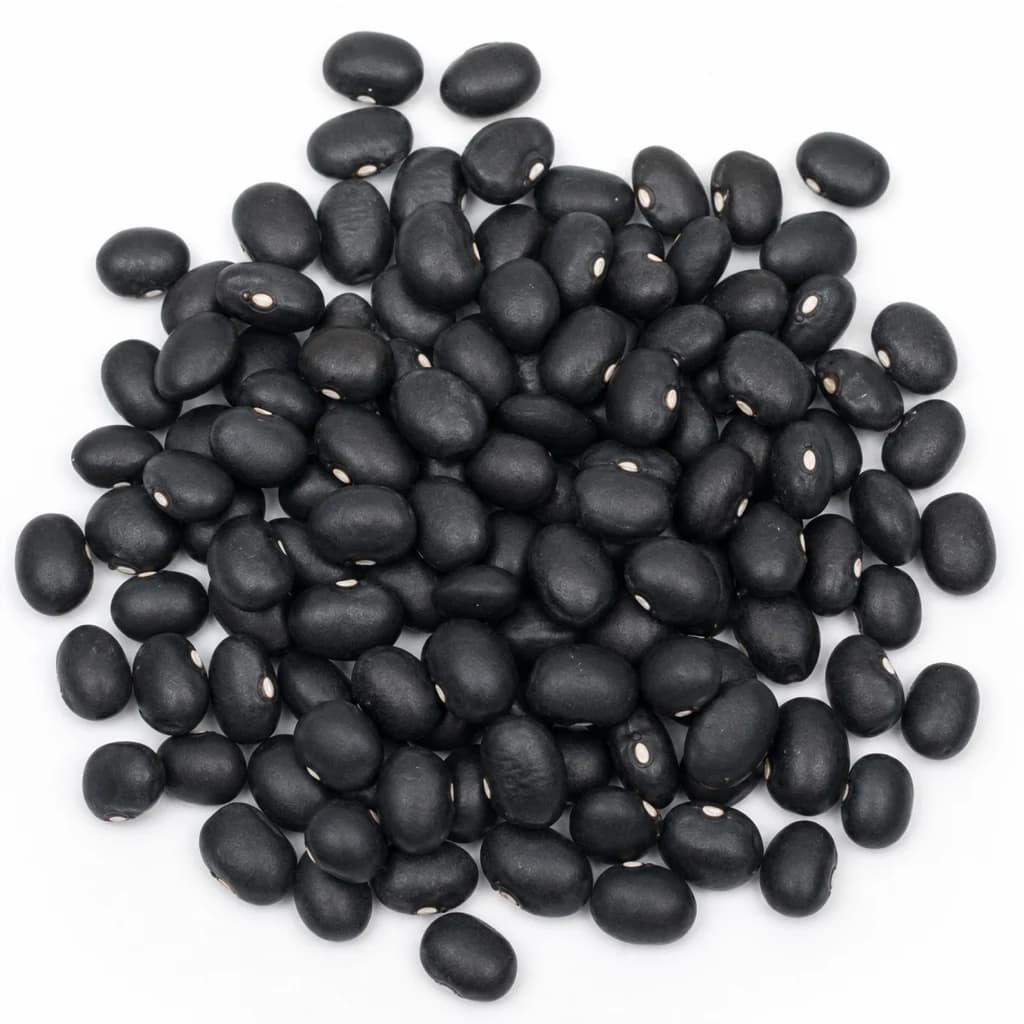
Black Beans
Earthy, creamy beans for bowls, soups, and tacos
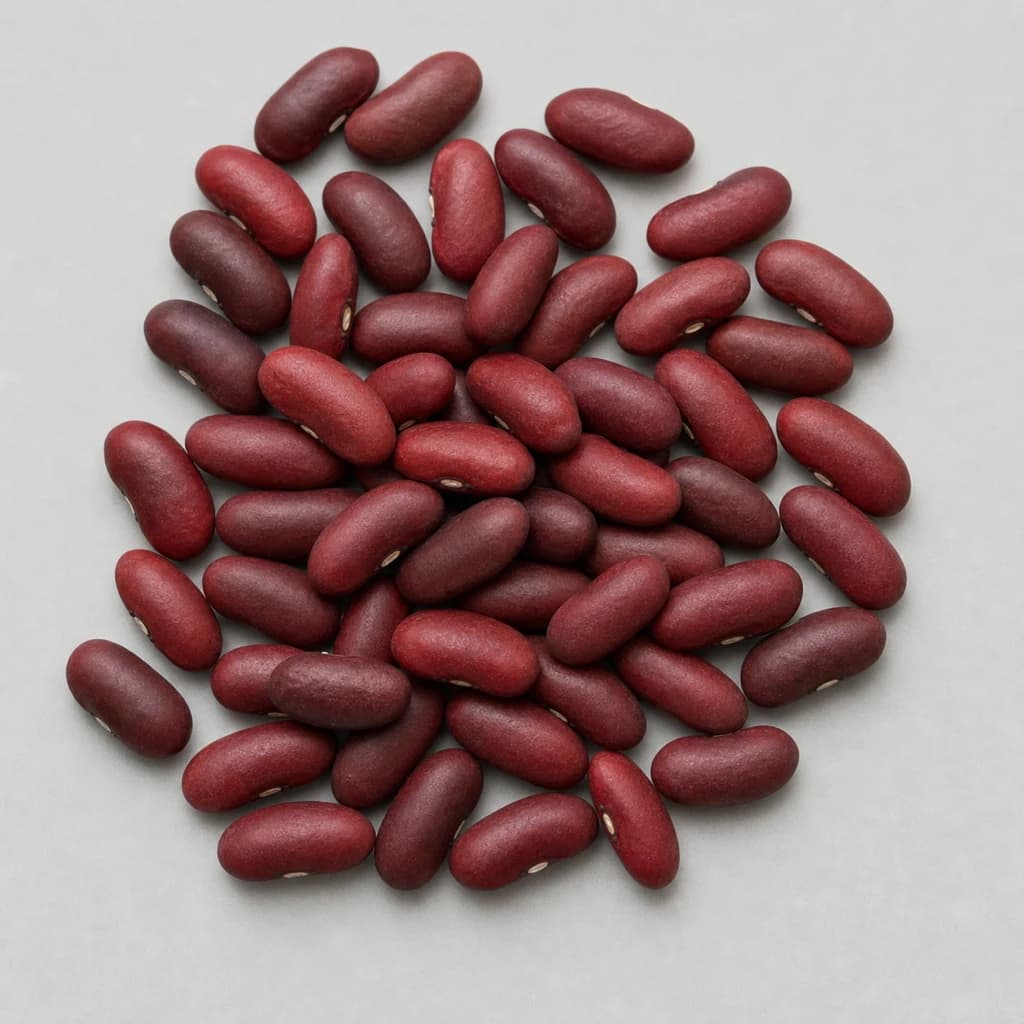
Kidney Beans
Hearty red beans that hold their shape in chili and stews
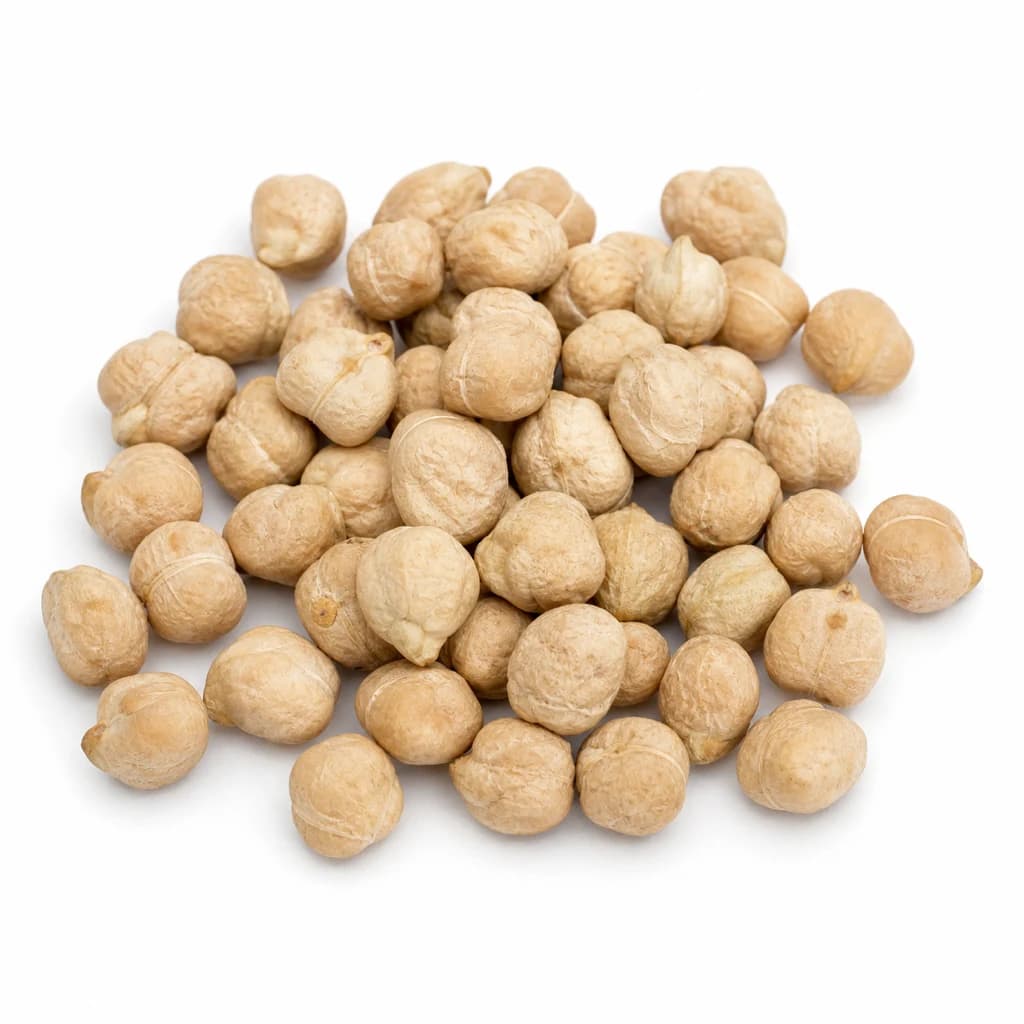
Chickpeas
Nutty, versatile beans for hummus, curries, and roasting
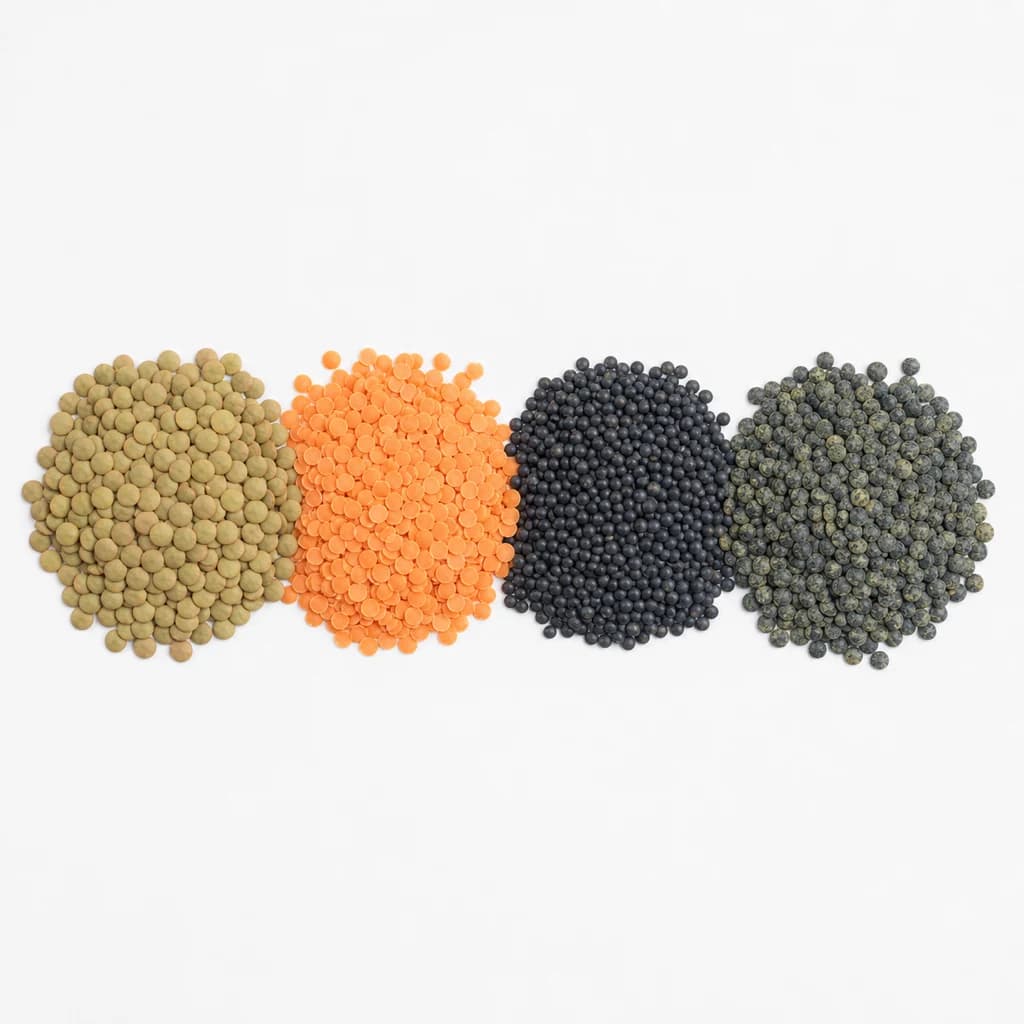
Lentils
Quick-cooking pulses for soups, dals, and hearty salads

White Beans
Creamy, mild beans for soups, stews, and silky purées
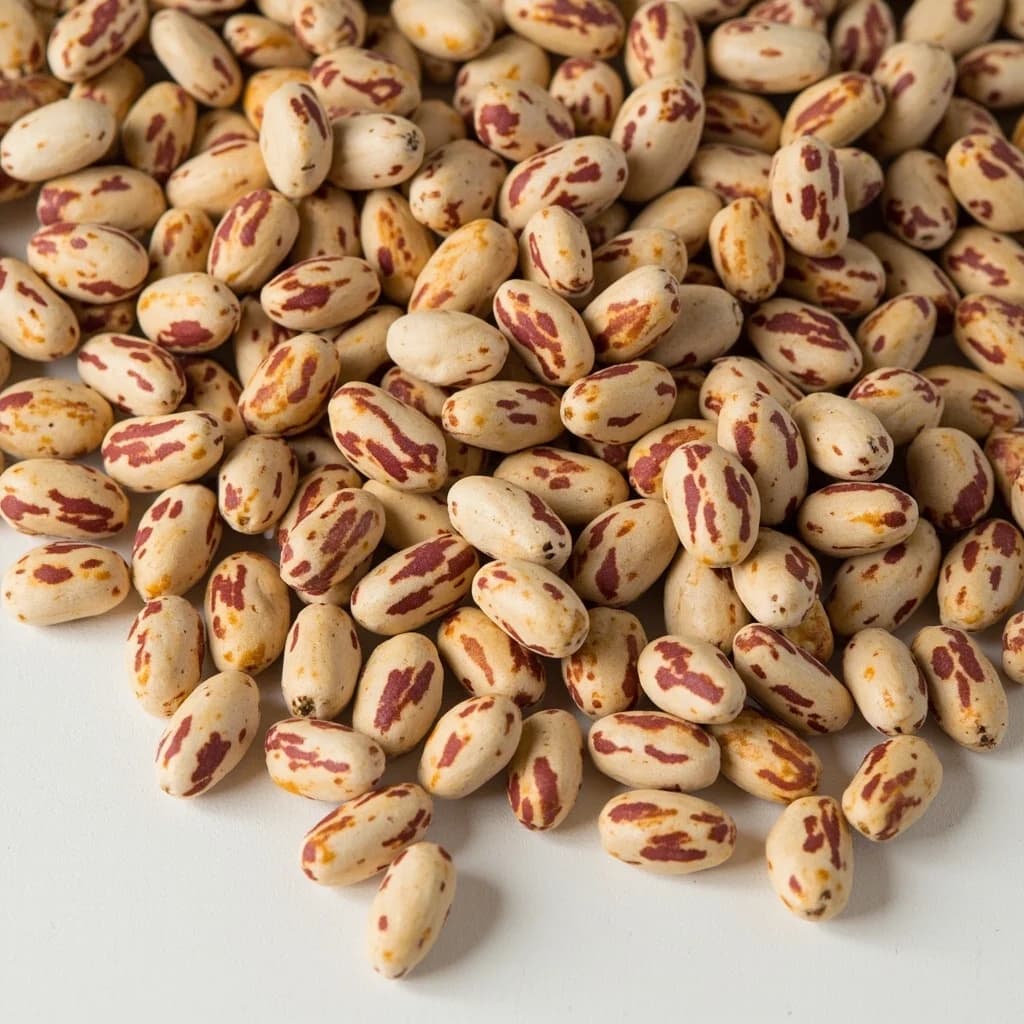
Pinto Beans
Creamy, speckled beans for refried beans and stews

Split Peas
Quick-cooking peas that melt into thick, comforting soups
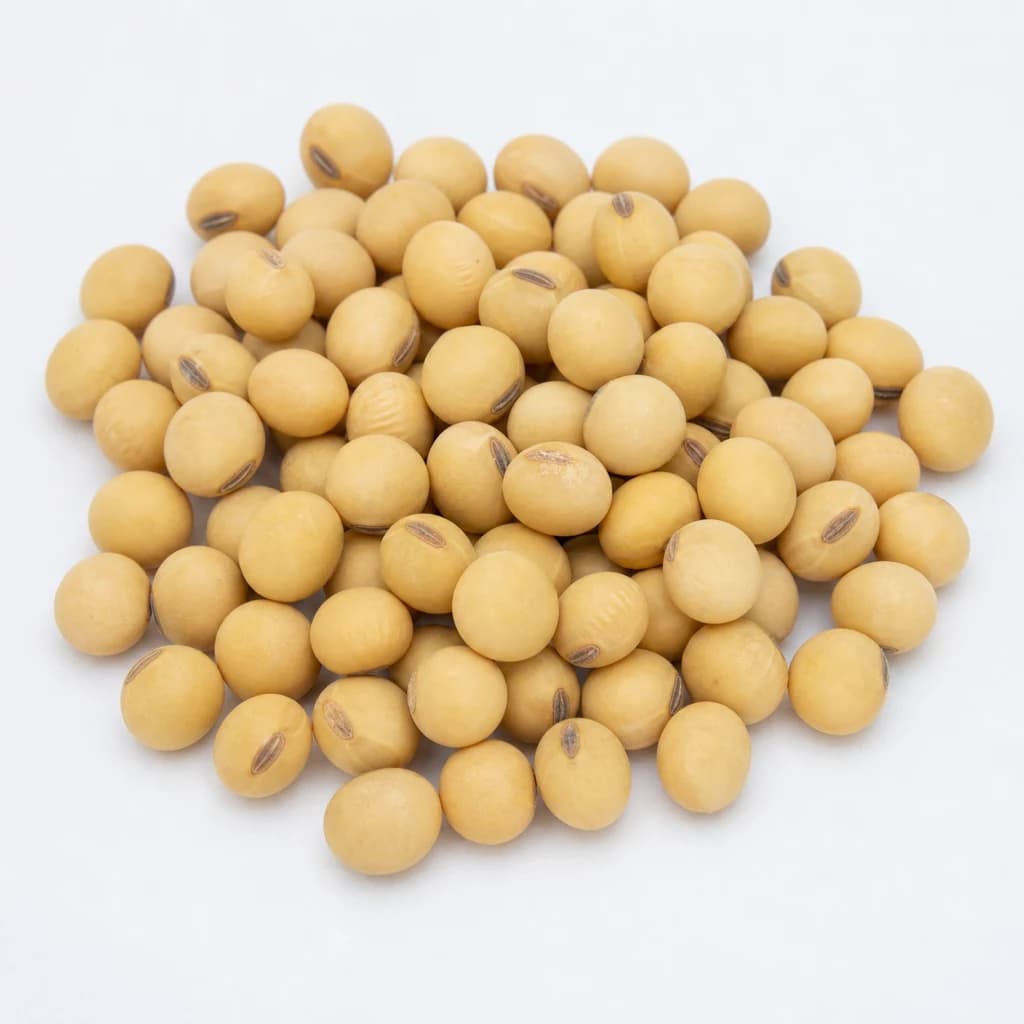
Soybeans
Protein-packed beans, the base for tofu and miso