Legumes & Beans
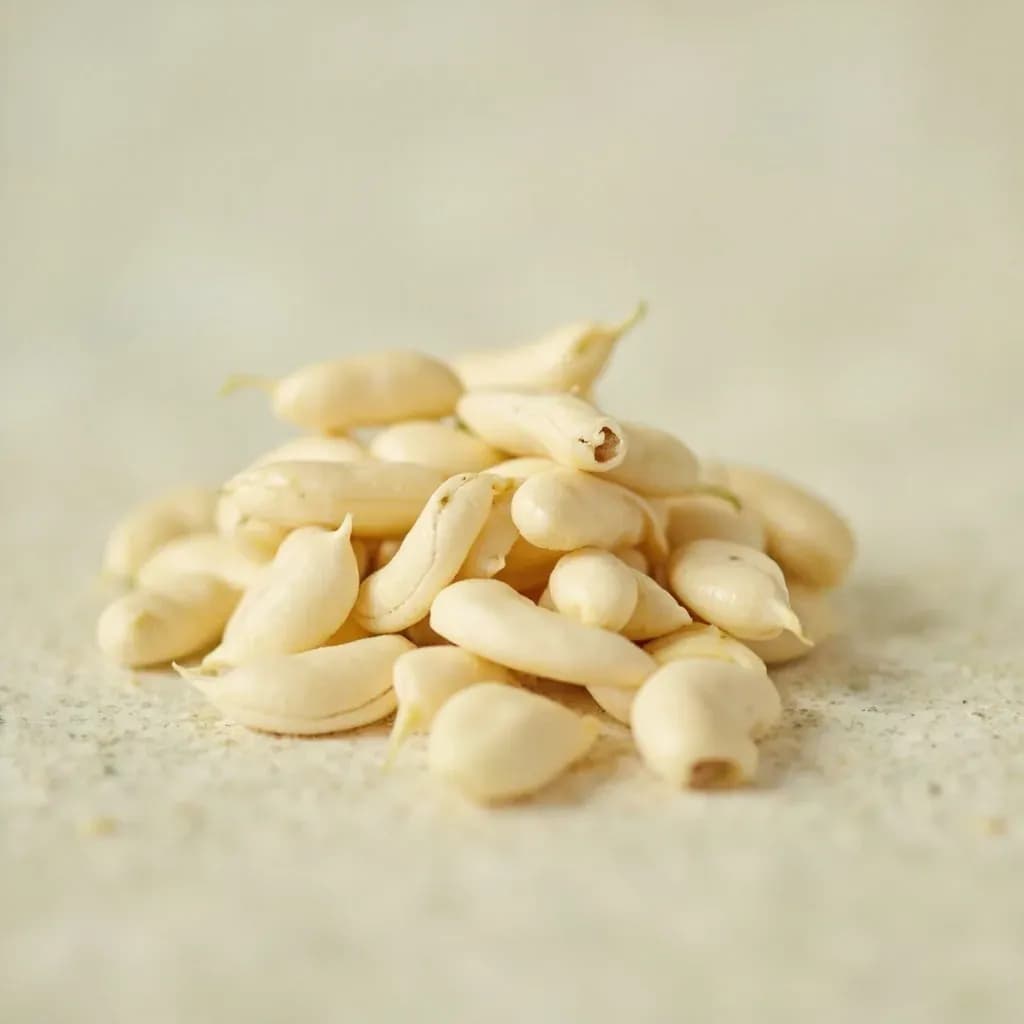
Butter Bean
Large, plump, creamy white bean for braises, salads, and Mediterranean dishes.
Butter beans are large, flat white beans (a variety of lima bean) with an exceptionally creamy, buttery texture when cooked. They are popular in Mediterranean, British, and Brazilian cooking for braises, bean salads, and brothy dishes where their soft bite carries garlic, herbs, and olive oil. Their large size makes them satisfyingly meaty.
Butter beans are the same species as lima beans (Phaseolus lunatus), but the name reflects a culinary identity rather than a botanical distinction. 'Butter bean' prevails in the American South and throughout the United Kingdom, where the term signals a particular expectation: a large, plush bean with a velvety, almost melt-in-the-mouth texture when cooked properly. The name refers to that characteristic creaminess—not to any added fat. Originating in Peru and cultivated since 2000 BCE, these beans traveled with colonial trade routes and became deeply embedded in Southern US cooking, Mediterranean cuisine, and British kitchen gardens alike. Their high starch content and mild, nutty flavor make them exceptional at absorbing and amplifying whatever they are cooked with, from smoky pork to bright citrus. Their behavior in the pot is predictable: they soften evenly when fresh, hold their shape reasonably well in soups and braises, and break down into a silky puree when that is what the dish requires. The critical practical point is their vulnerability to acid during cooking—something that catches many home cooks off guard. Add tomatoes, wine, or citrus only after the beans have fully softened, or risk a pot of stubbornly firm legumes.
- Measured in
- g
- Storage
- Pantry
Types & varieties
Most common commercial variety; compact bush plant tolerates heat well; slightly nutty flavor
Heirloom from 1883; small, tender, classic Southern butter bean; pole type also exists
Large pole bean; prolific producer; traditional in Southern cooking
Reliable bush variety; performs well in cooler climates
Dwarf Henderson type; very small, cooks quickly; prized for tender texture and lack of tough skins
Large-seeded pole variety; standard terminology in Australia
Common uses
Tips & pitfalls
- Always discard soaking water and rinse thoroughly—this reduces oligosaccharides that cause gas and removes surface starches.
- Hold acidic ingredients (tomatoes, lemon, wine) until the last 20–30 minutes of cooking; acid prevents beans from softening and will leave you with firm, uneven beans.
- If beans remain hard after extended cooking, they are too old—discard them; no amount of simmering will salvage stale dried beans.
- Test doneness by squishing a bean against the roof of your mouth; it should be creamy throughout with no chalky center.
- Skim foam during the first 5–10 minutes of boiling for a cleaner final dish and clearer cooking liquid.
- For a silkier puree or dip, blanch briefly after cooking and rub gently to pinch off the skins; edible but removal yields a superior texture.
- Season cooking water generously—beans absorb seasoned liquid from within, and this is your only opportunity to season from the inside.
- Canned butter beans are already cooked; add them to dishes in the last 10–15 minutes to warm through without overcooking and falling apart.
Nutrition
Energy
1414 kJ · per 100 g
Where the calories come from
Protein
21.5g
43% DV
Carbs
63.4g
23% DV
Fat
0.7g
1% DV
Fiber
19g
68% DV
Sugars
8.5g
of which
Sodium
18mg
1% DV
Source · USDA FoodData Central · approx. Lima beans, large, mature seeds, raw
View on FDC →In the shops
Matched grocery products
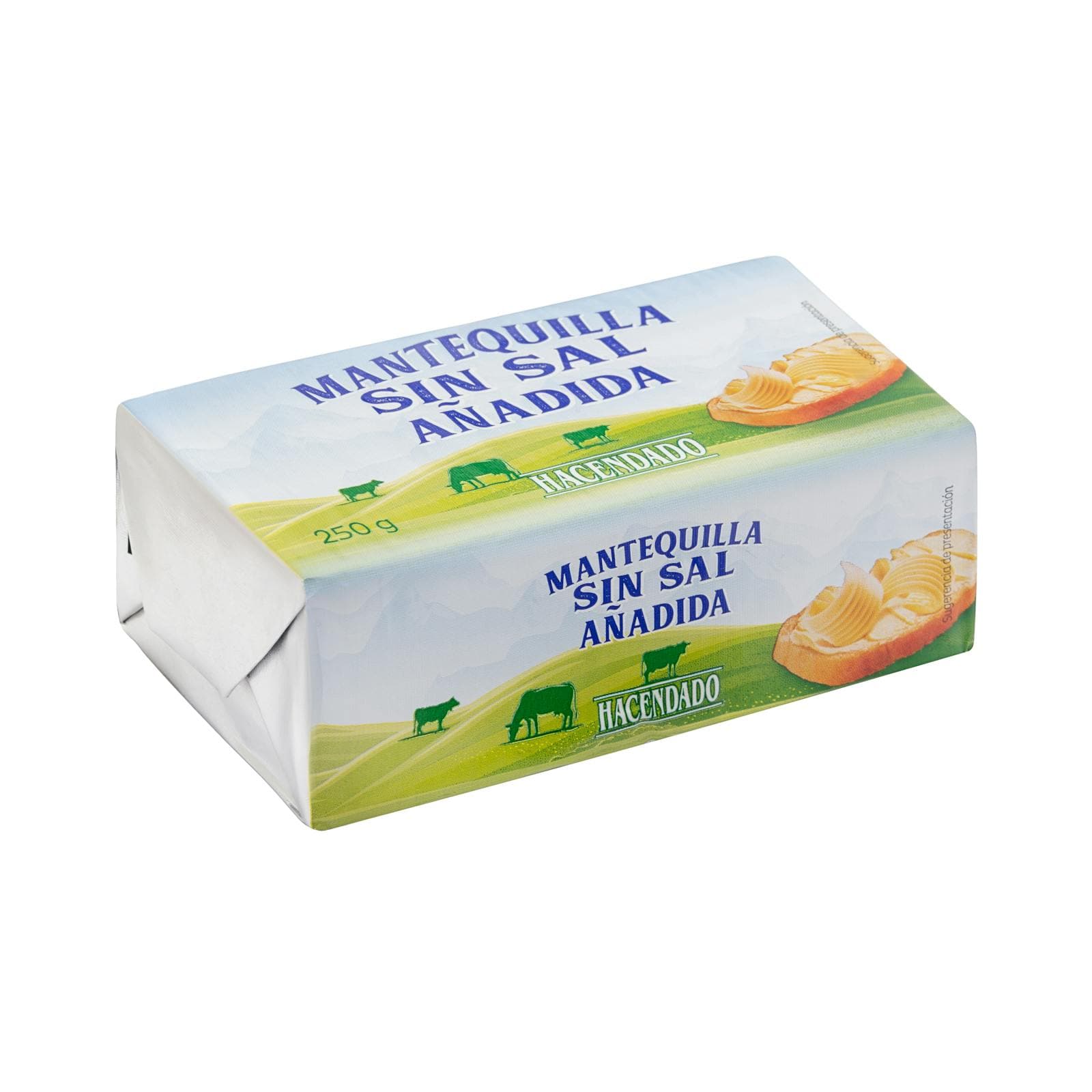 €2.10
€2.10Unsalted Butter
Hacendado · 250 g · Mercadona
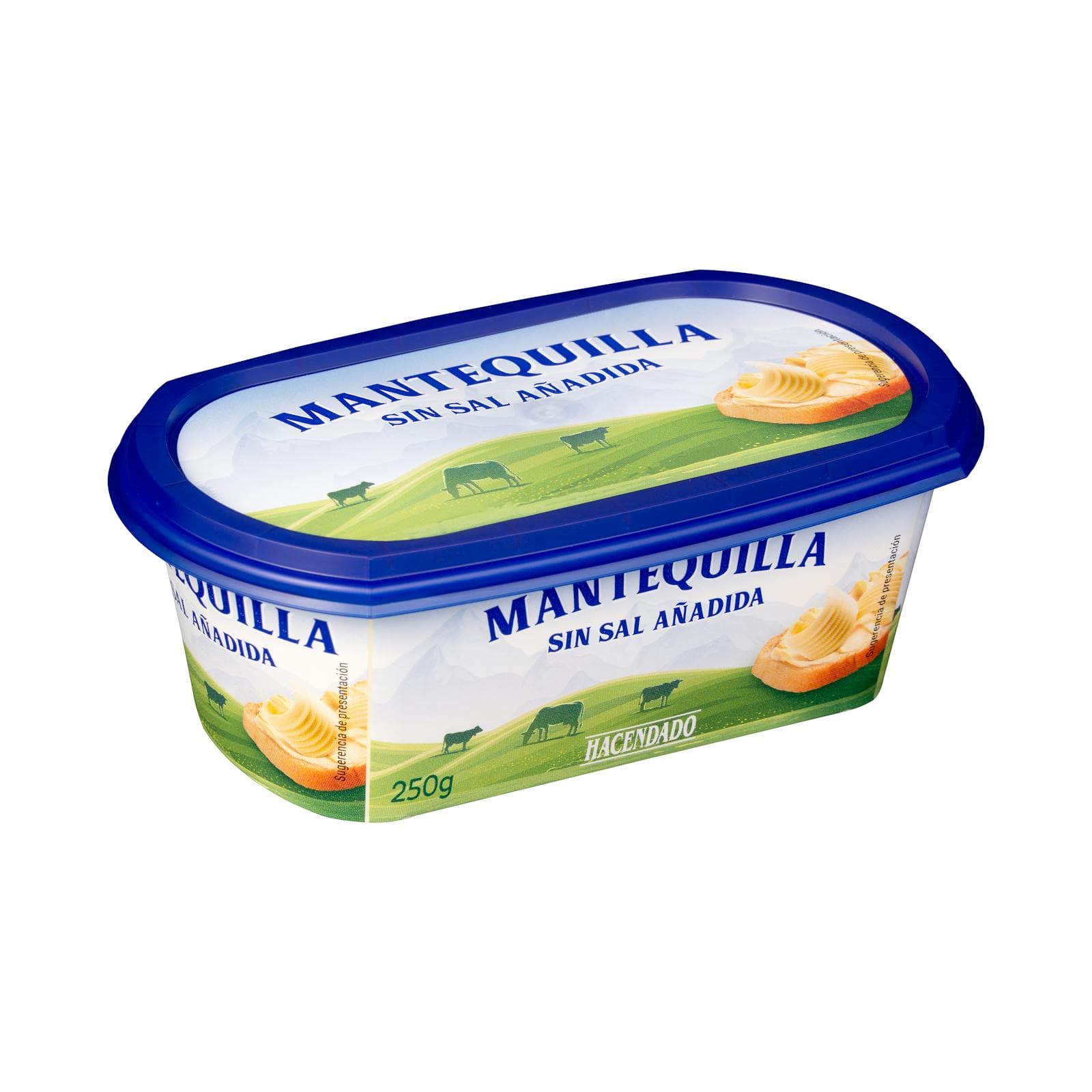 €2.45
€2.45Unsalted Butter
Hacendado · 250 g · Mercadona
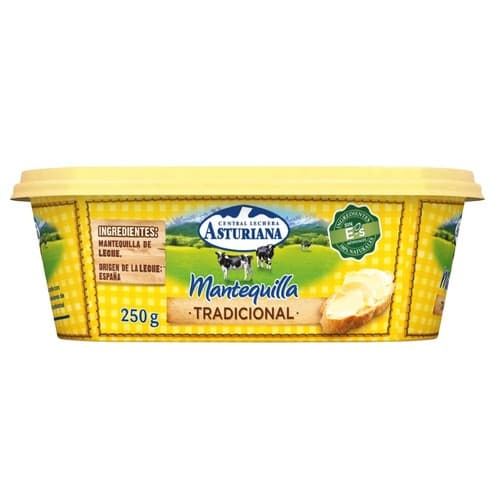 €3.69
€3.69Unsalted Butter
ASTURIANA · kg · Bonpreu
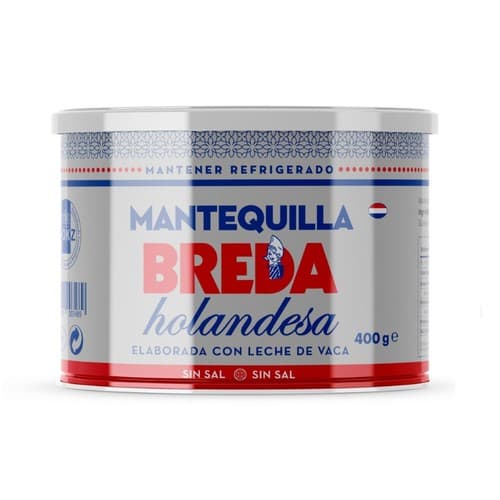 €8.90
€8.90BREDA Unsalted Butter
BREDA · kg · Bonpreu
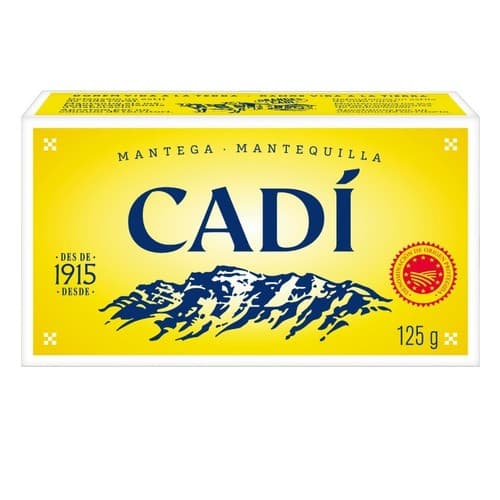 €2.39
€2.39Cadí Butter
CADÍ · kg · Bonpreu
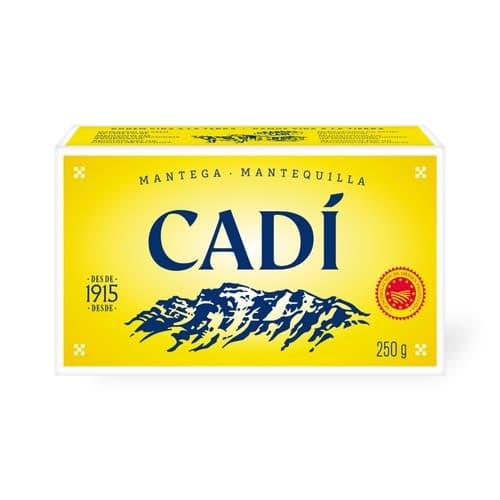 €3.99
€3.99Cadí Butter
CADÍ · kg · Bonpreu
Good to know
- Botanical name
- Phaseolus lunatus
- Family
- Fabaceae (legume family)
- Origin
- Peru, cultivated since 2000 BCE; name derives from Lima, Peru
- Common forms
- Dried (most common), canned, fresh/frozen (late summer–early fall)
- Color
- Creamy white, sometimes with faint greenish tint when fresh
- Size
- Large: 1–2 cm; baby butter beans roughly half that size
- Flavor
- Mild, nutty, creamy and starchy; readily absorbs accompanying flavors
- Per cup cooked
- ~15 g protein, ~13 g fiber, iron, potassium, folate
- Toxin warning
- Raw beans contain cyanogenic glycosides—must soak and boil thoroughly; never eat raw or undercooked
- Typical soak
- 6–8 hours or overnight in cold water; discard soaking liquid
- Typical cook time
- 45 minutes to 1.5 hours after soaking; older beans take significantly longer
- Shelf life (dried)
- 1–2 years in cool, dark, dry conditions; older beans cook unevenly
- Canned yield
- 1 can (15 oz) ≈ 1.5 cups drained beans
Substitutes
- Large lima beans — Identical bean; same species and same product. 'Butter bean' is purely a regional name, most common in the American South and UK.
- Cannellini beans — Italian white kidney bean; similar creamy texture but slightly firmer; works well in soups, salads, and braises.
- Great Northern beans — Smaller and milder; acceptable in soups and stews where butter bean's rich, creamy character is not essential to the dish.
- Fava beans — Larger, green, nuttier; different color and flavor profile but comparable creamy, starchy texture; cooking time differs significantly.
Pairs with
Also called
Feijão Manteiga · Large Lima Bean · Butter Beans
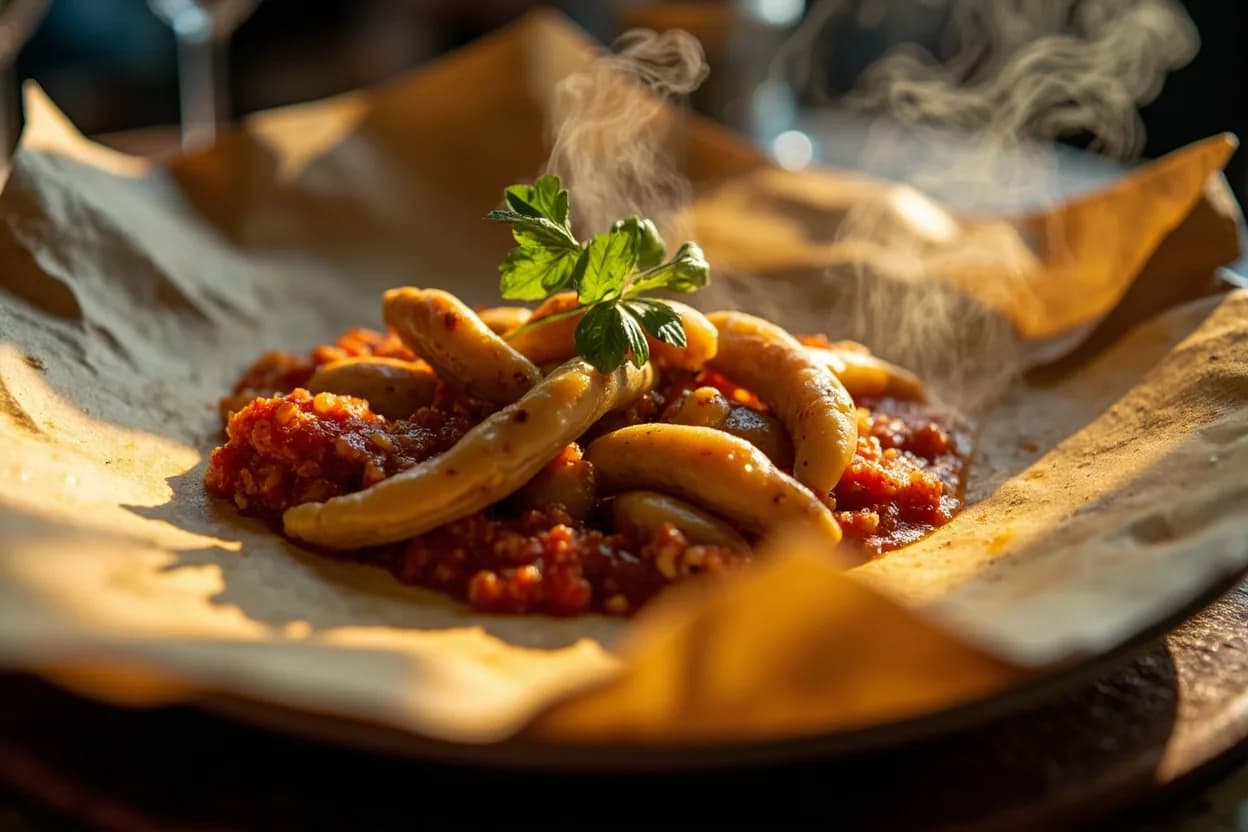
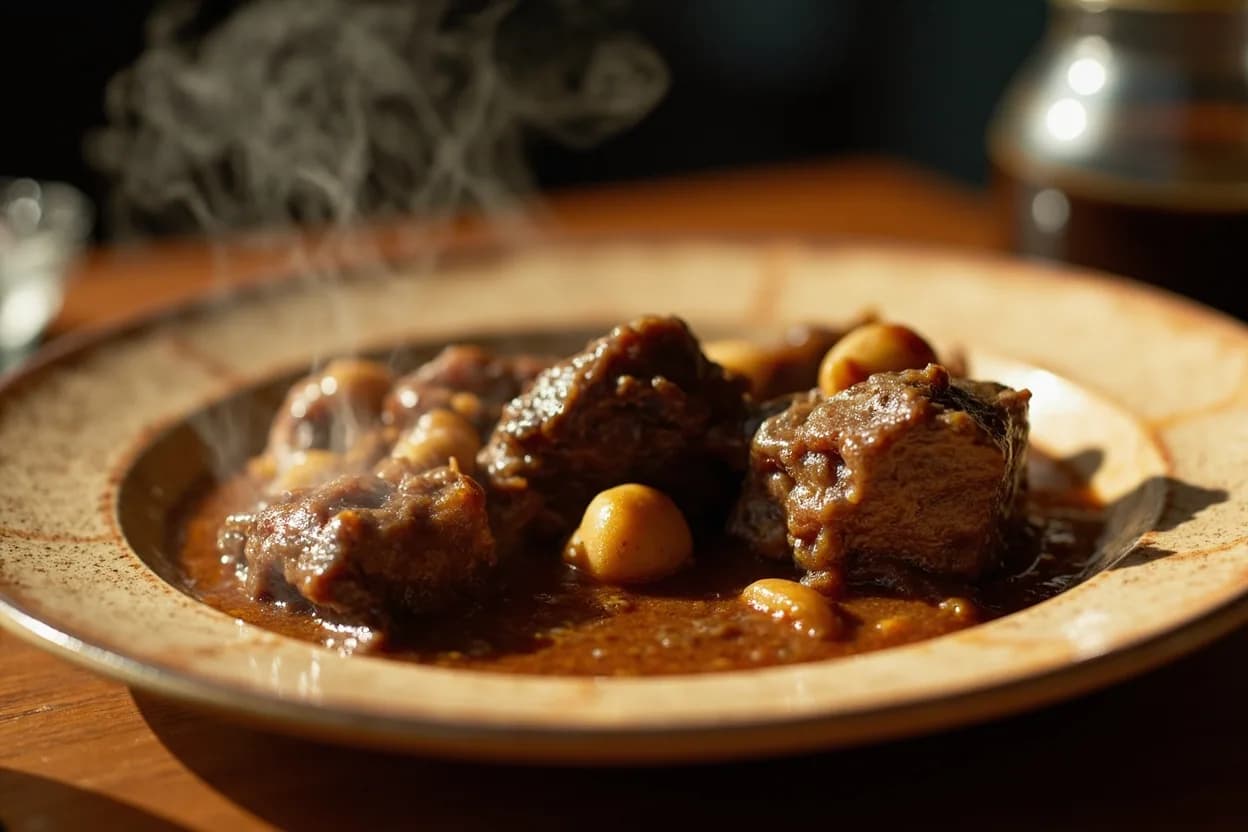
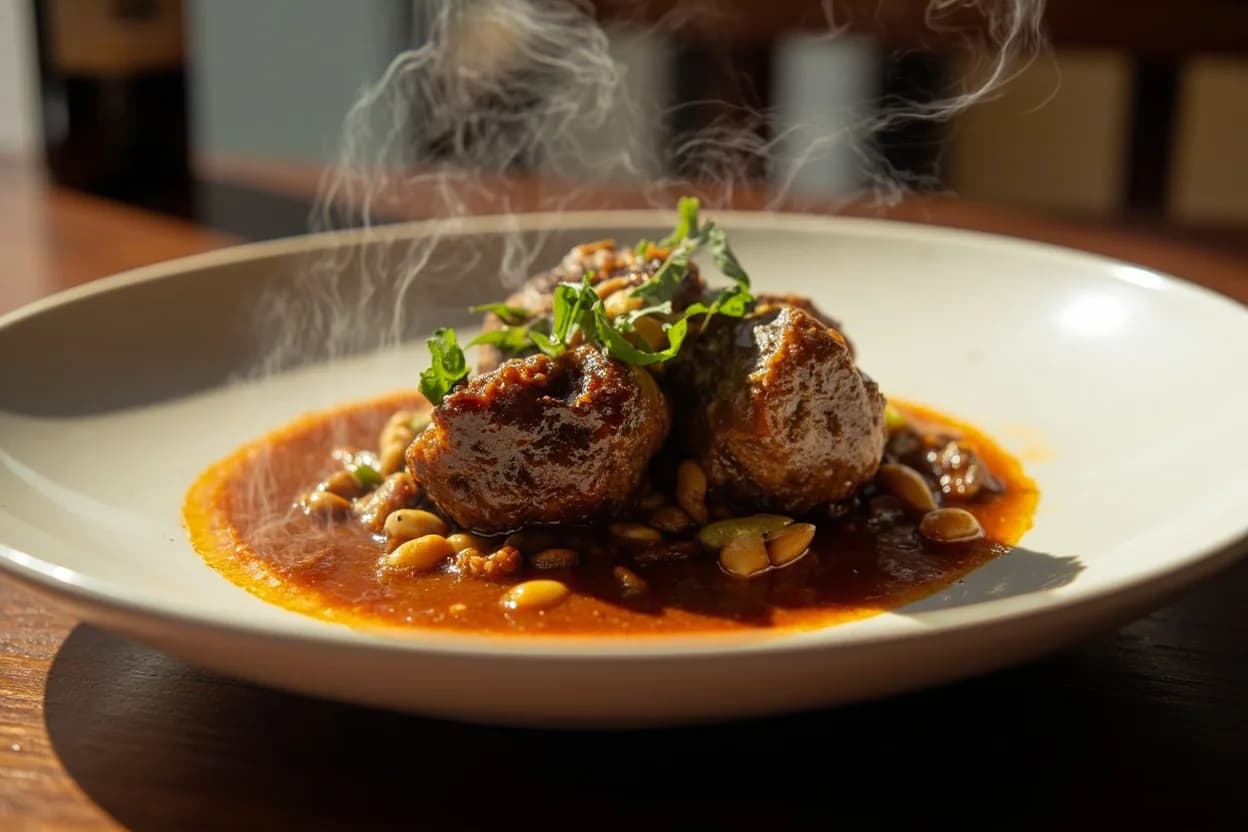
Appears in these dishes
Related
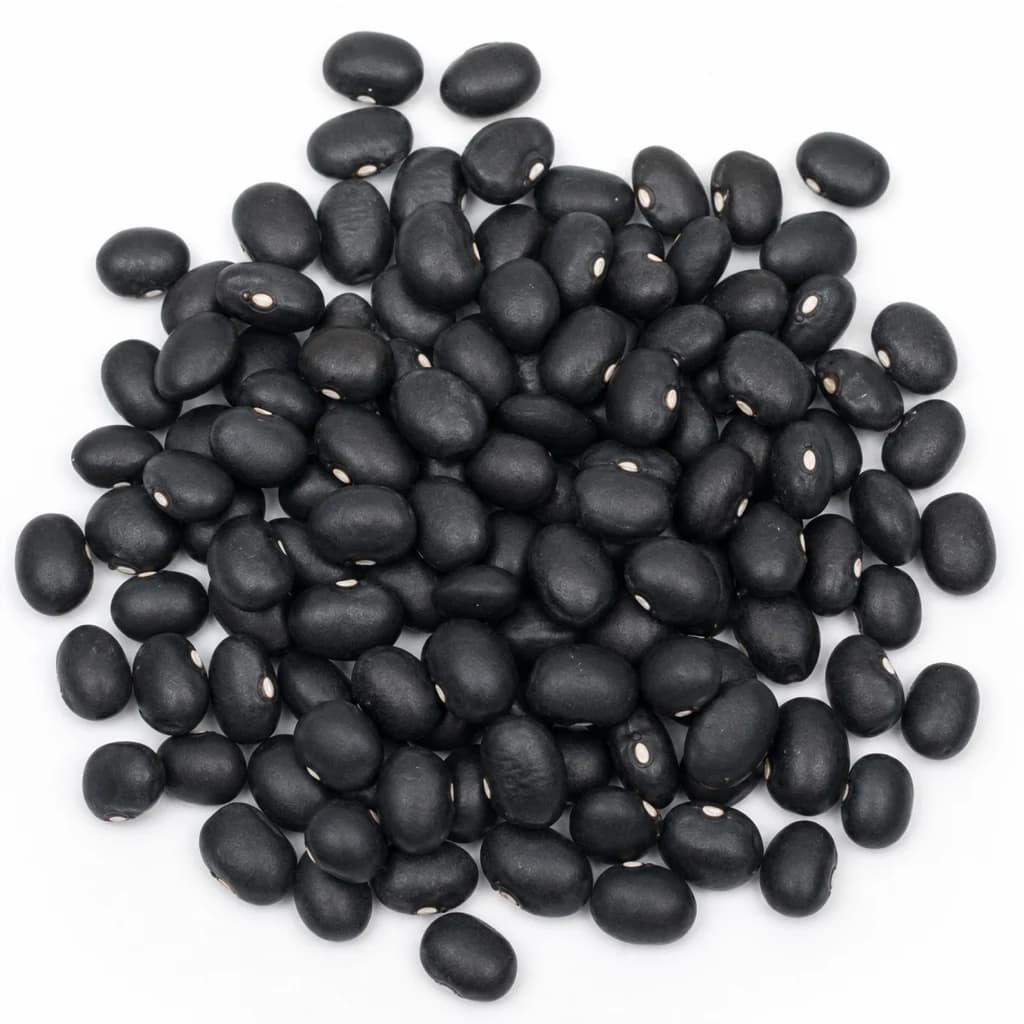
Black Beans
Earthy, creamy beans for bowls, soups, and tacos
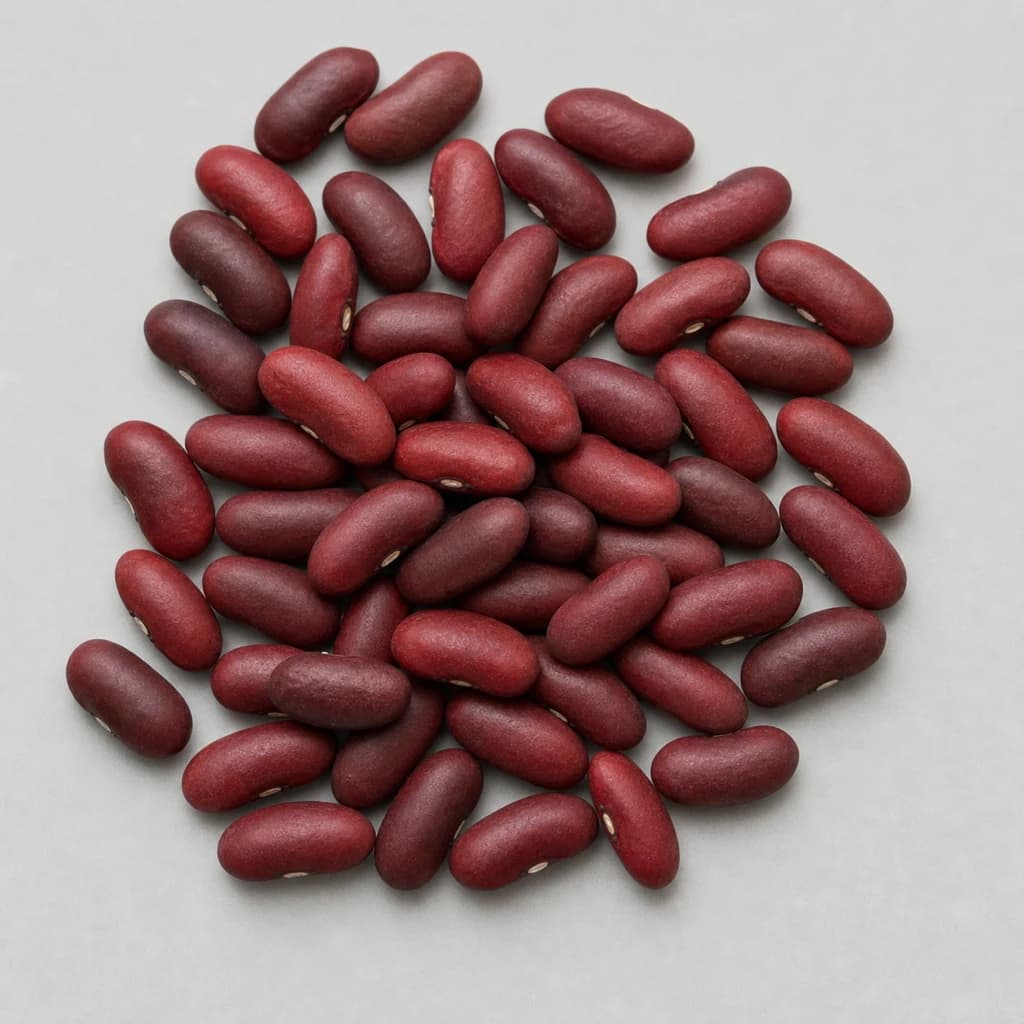
Kidney Beans
Hearty red beans that hold their shape in chili and stews
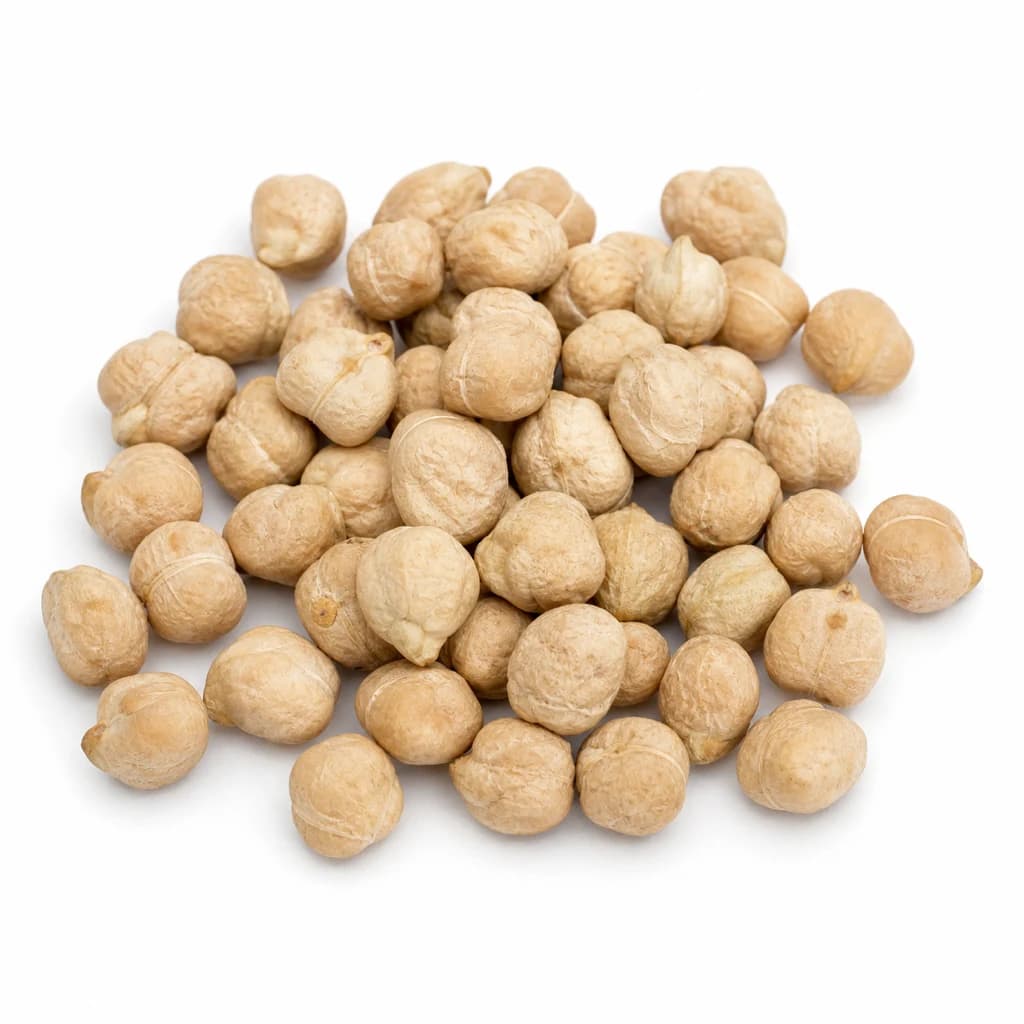
Chickpeas
Nutty, versatile beans for hummus, curries, and roasting
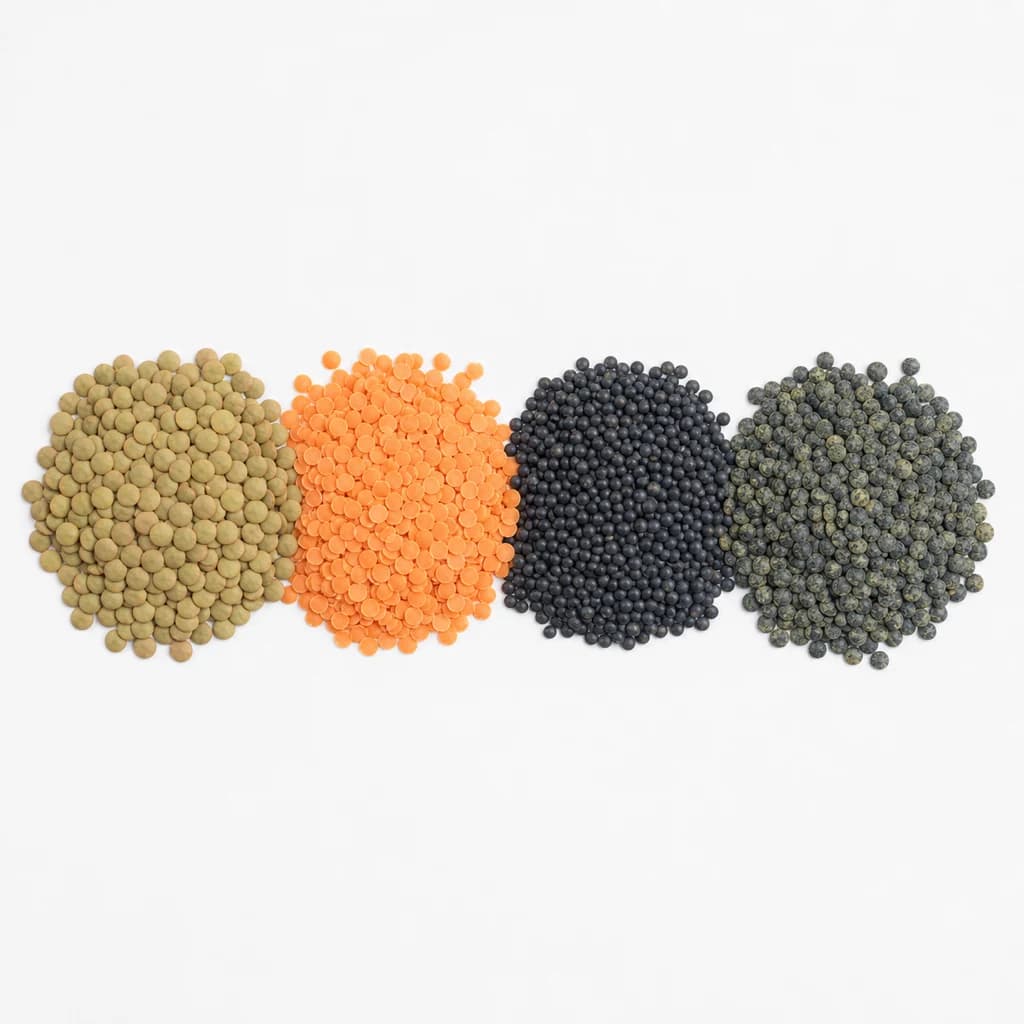
Lentils
Quick-cooking pulses for soups, dals, and hearty salads

White Beans
Creamy, mild beans for soups, stews, and silky purées
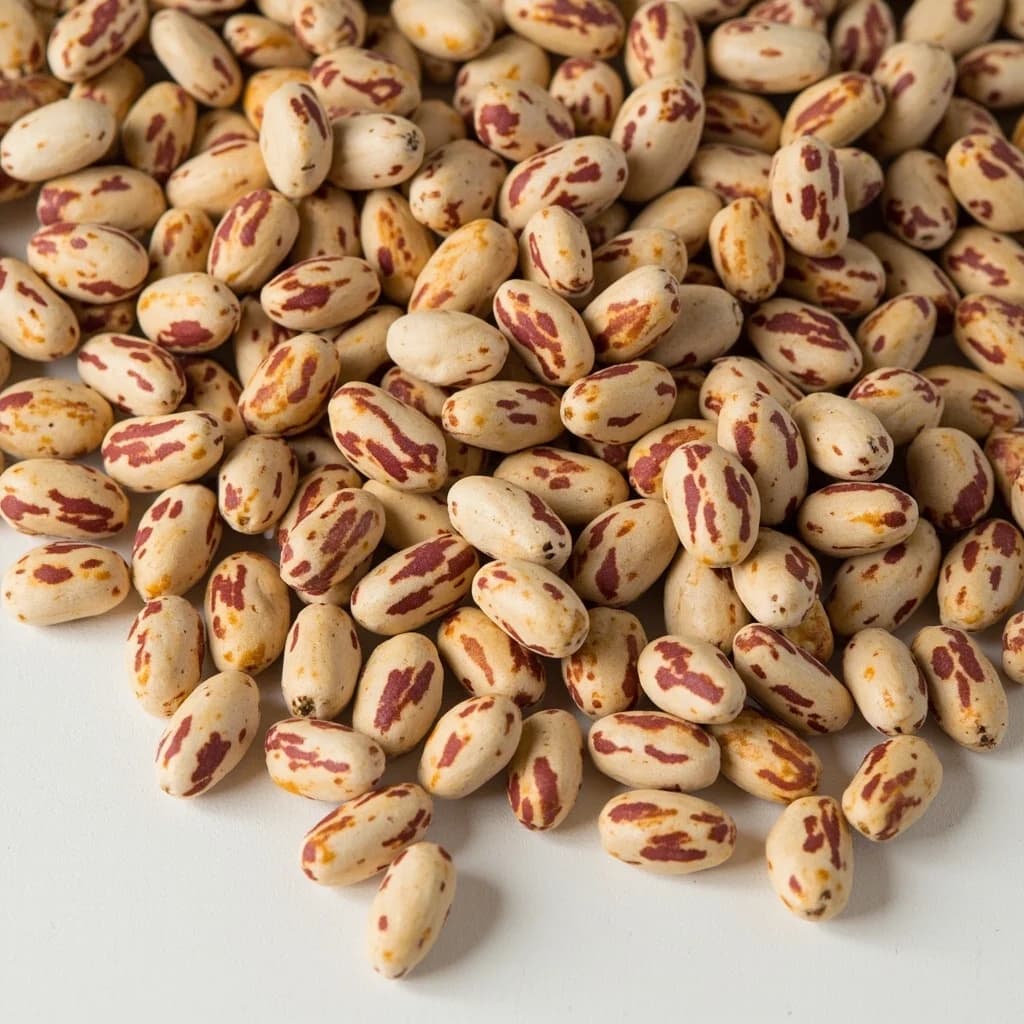
Pinto Beans
Creamy, speckled beans for refried beans and stews

Split Peas
Quick-cooking peas that melt into thick, comforting soups
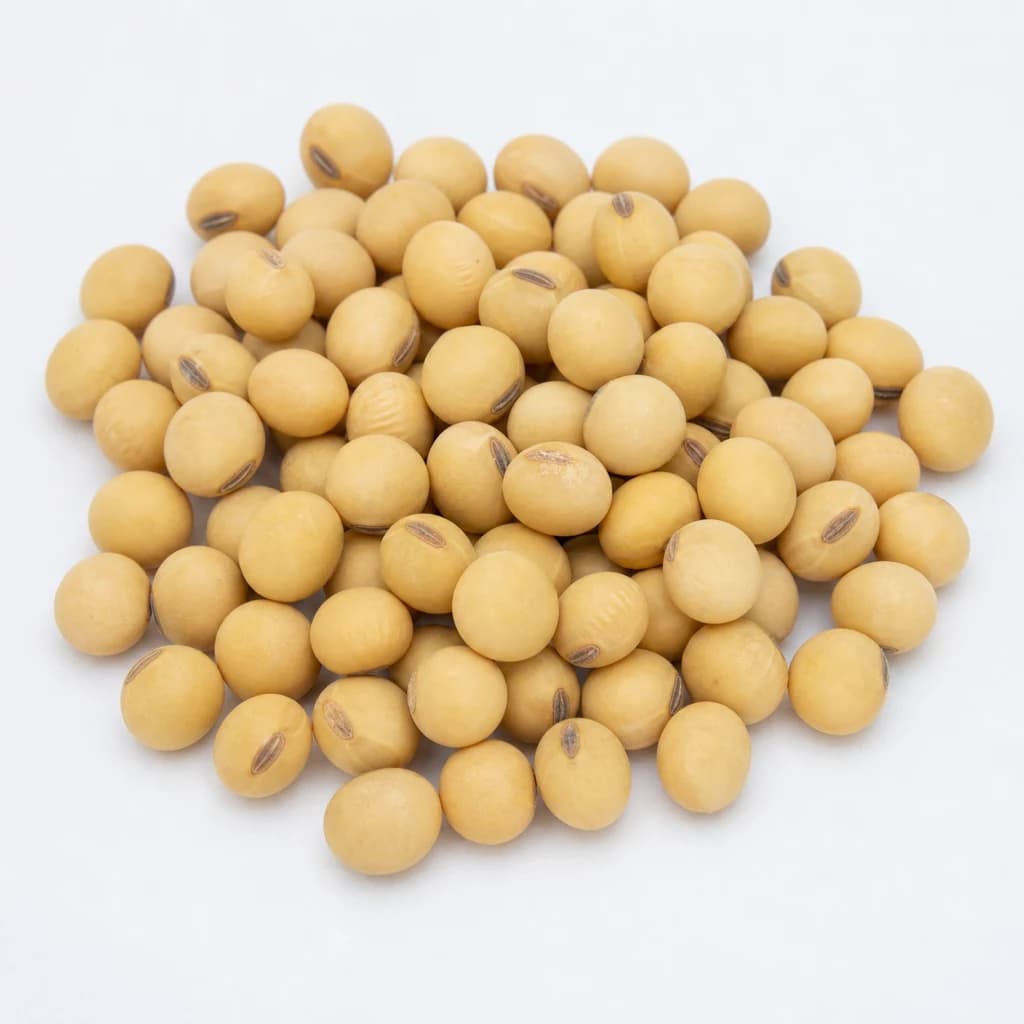
Soybeans
Protein-packed beans, the base for tofu and miso