Varieties
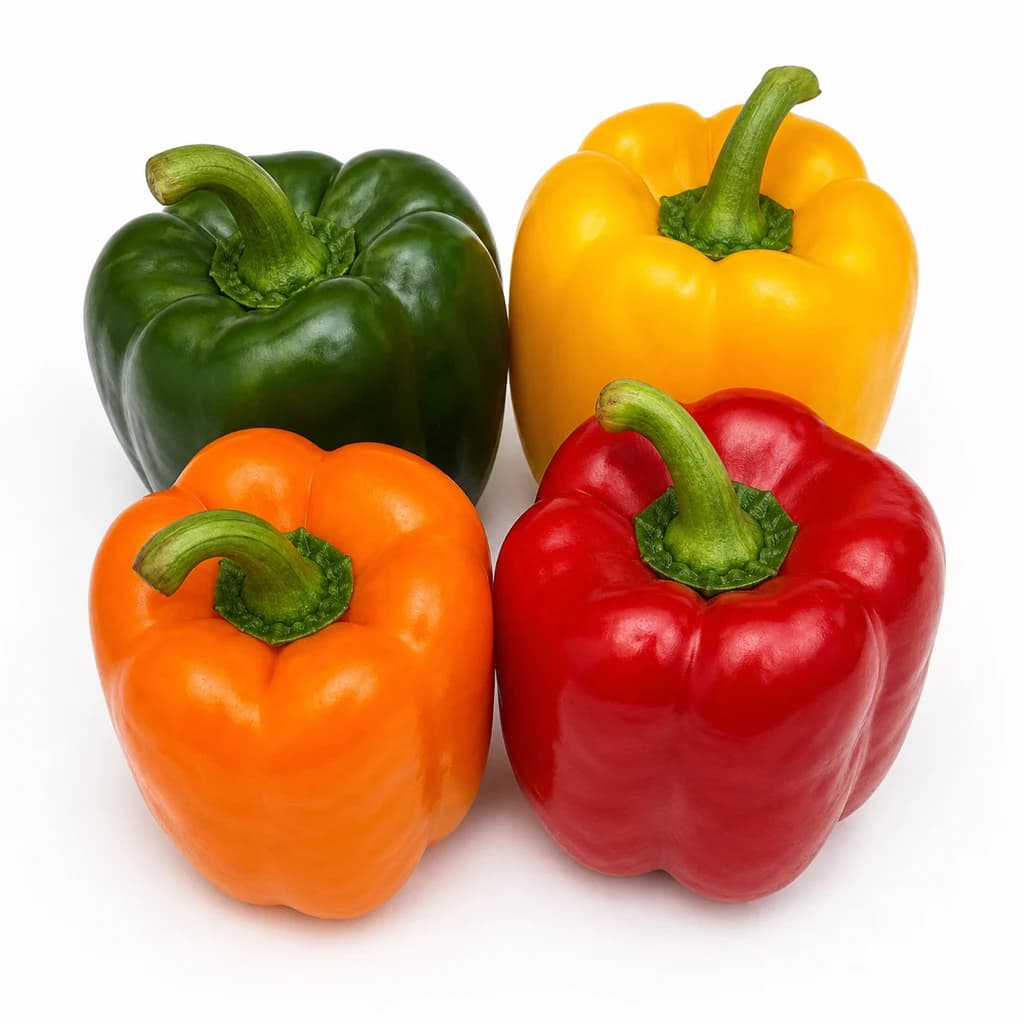
Bell peppers ripen from green through yellow to red, each stage distinct in color and sweetness.
Shows the full color spectrum of bell peppers side by side in one scene, teaching readers that color indicates ripeness and flavor intensity.
Produce
Bell Pepper
Sweet, crunchy peppers for roasting, sautéing, and salads
Sweet and snappy, bell peppers add color and crunch raw, and turn silky and sweeter when roasted or sautéed. A sofrito staple. Keep them crisp in the fridge.
Bell peppers are sweet, crunchy, hollow peppers with no heat — green ones grassy and slightly bitter, red, yellow, and orange ones (just riper green peppers) progressively sweeter. Raw, they add color and snap to salads and crudités; roasted, they turn silky, smoky, and intensely sweet, their skins slipping off to reveal melting flesh. A sofrito staple and a year-round source of color and vitamin C.
- Measured in
- piece
- Storage
- Refrigerate
- Shelf life
- 14 days
Find it in
Types & varieties
Unripe, grassy, slightly bitter; least sweet, holds up to cooking
Fully ripe, sweetest; richest in vitamins
Ripe and sweet, milder than red; vivid color
Small, thin-walled, very sweet; great raw or roasted whole
Long green frying pepper — the Spanish everyday cooking pepper for sofrito and fritura
Padrón are small frying/tapa peppers; piquillo are sold jarred and roasted. The blocky bell is more a salad/raw pepper here
An unripe bell with a grassy, slightly bitter bite and firmer flesh; holds its shape in stir-fries, fajitas, and the Cajun holy trinity better than sweeter ripe peppers.
How to choose
Want peppers that feel firm and heavy with taut, glossy, wrinkle-free skin and a fresh, green stem. Avoid soft spots, wrinkling, or sunken patches. Thick-walled peppers (often heavier) are meatier; the color tells you the ripeness and sweetness — red is sweetest, green is sharpest.
How to store and prep
Keep bell peppers in the crisper, unbagged or loosely bagged, where they last one to two weeks (red and ripe types spoil a bit faster than green). To prep, slice off the top, cut around and discard the seedy core and the white inner ribs (the bitterest part), then slice or dice.
- Refrigerate; lasts up to two weeks
- Remove the white ribs and seeds
- Green keeps a touch longer than red
How to roast and peel
Roasting transforms bell peppers — char them whole over a flame, under the broiler, or on the grill until the skin blackens and blisters, then steam them in a covered bowl or bag for ten minutes so the skins slip off easily. Underneath is sweet, smoky, silky flesh for salads, sauces, and antipasti. Save the juices.
Common uses
Tips & pitfalls
- Char and steam to peel — roasted peppers are a different, sweeter ingredient
- Cut out the bitter white ribs along with the seeds
- Red, yellow, and orange are sweeter; green is for those who like the grassy bite
- Slice thin for fajitas and sofrito; they cook down sweet
- Roast a batch and store them in oil for a quick antipasto
Nutrition
Energy
121 kJ · per 100 g
Where the calories come from
Protein
0.9g
2% DV
Carbs
6.5g
2% DV
Fat
0.4g
0% DV
Fiber
2.8g
10% DV
Sugars
4.1g
of which
Sodium
3mg
0% DV
Source · USDA FoodData Central · approx. Peppers, jalapeno, raw
View on FDC →In the shops
Matched grocery products
 €1.04
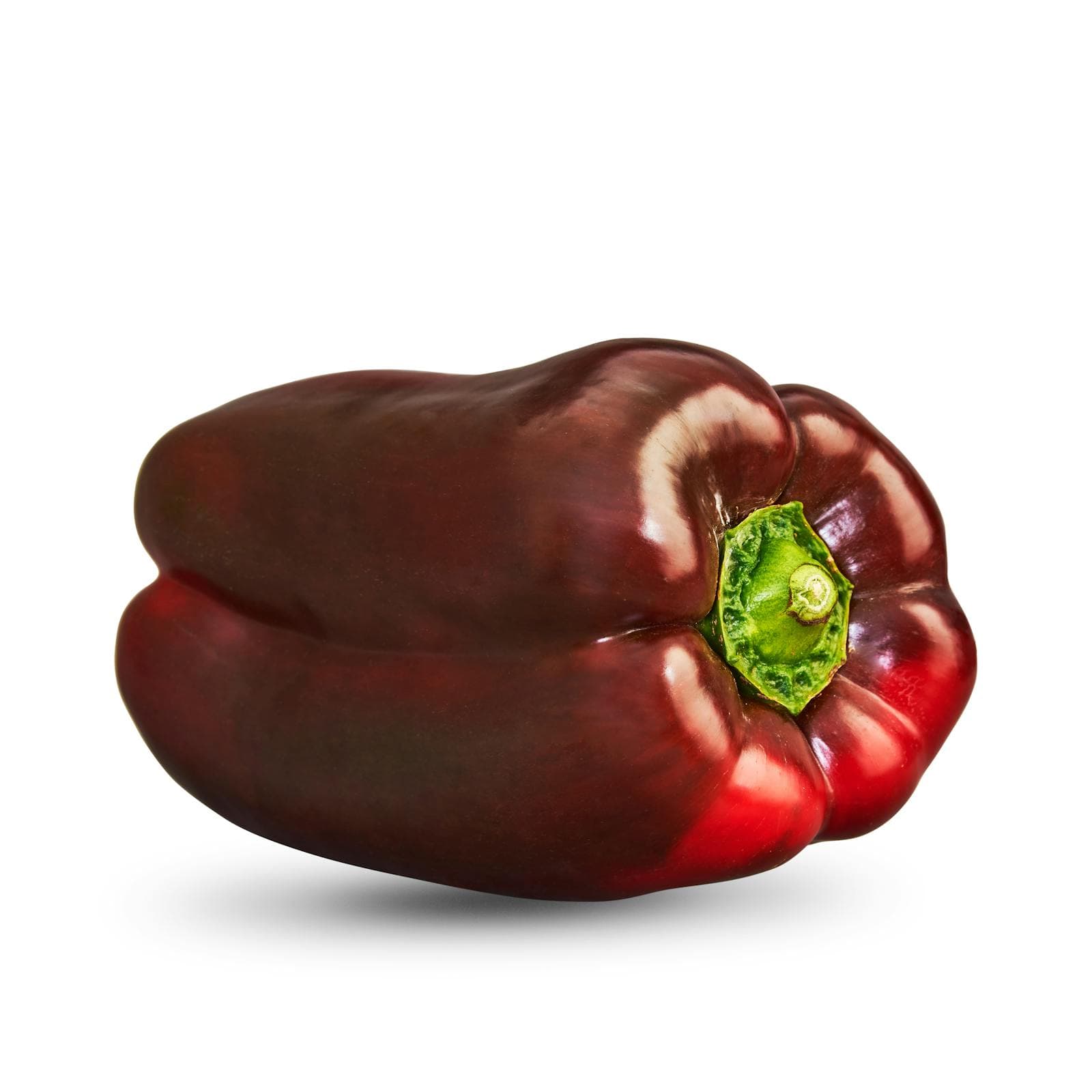
€1.04Red Pepper
360 g · Mercadona
 €2.20
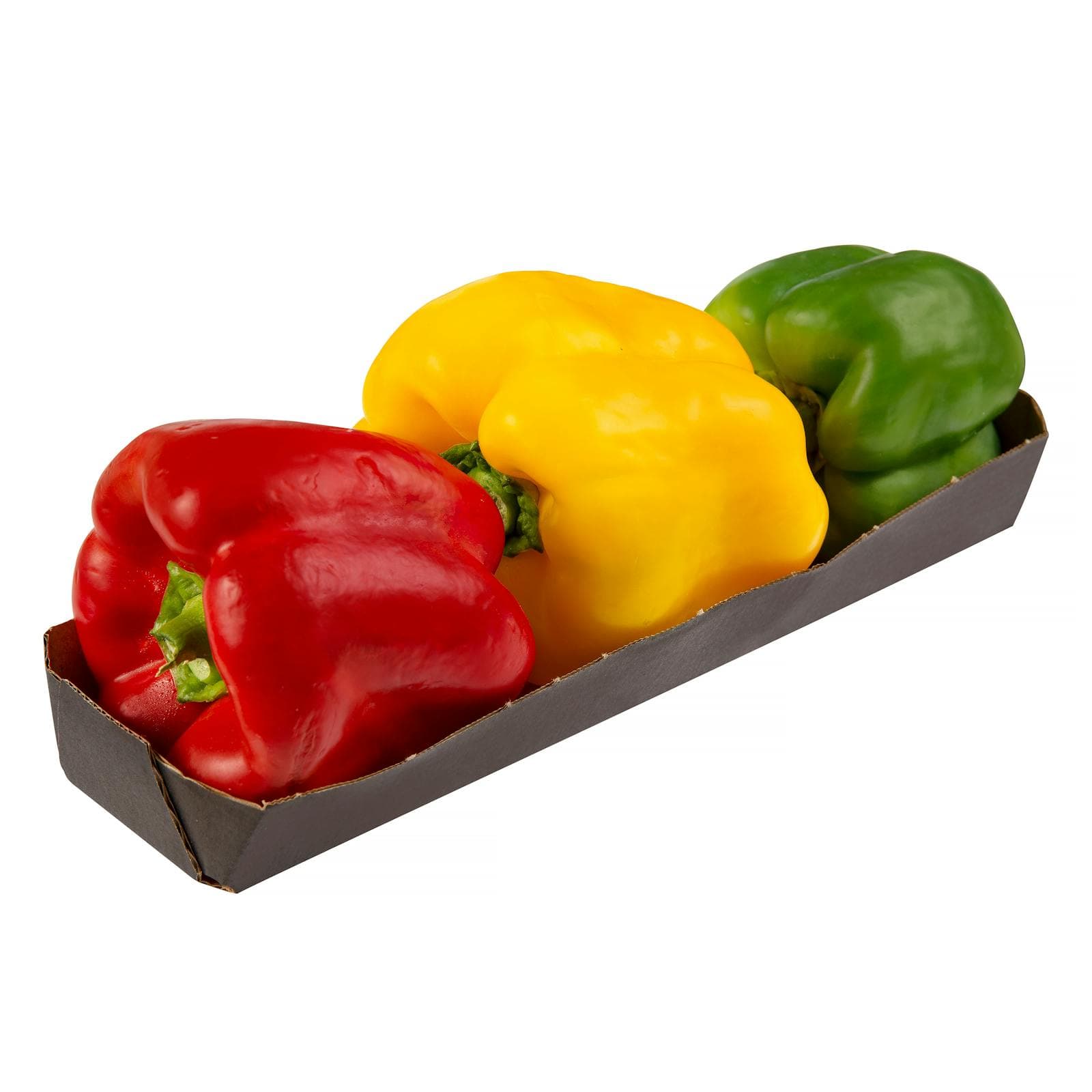
€2.20Tricolor Peppers
710 g · Mercadona
 €0.23
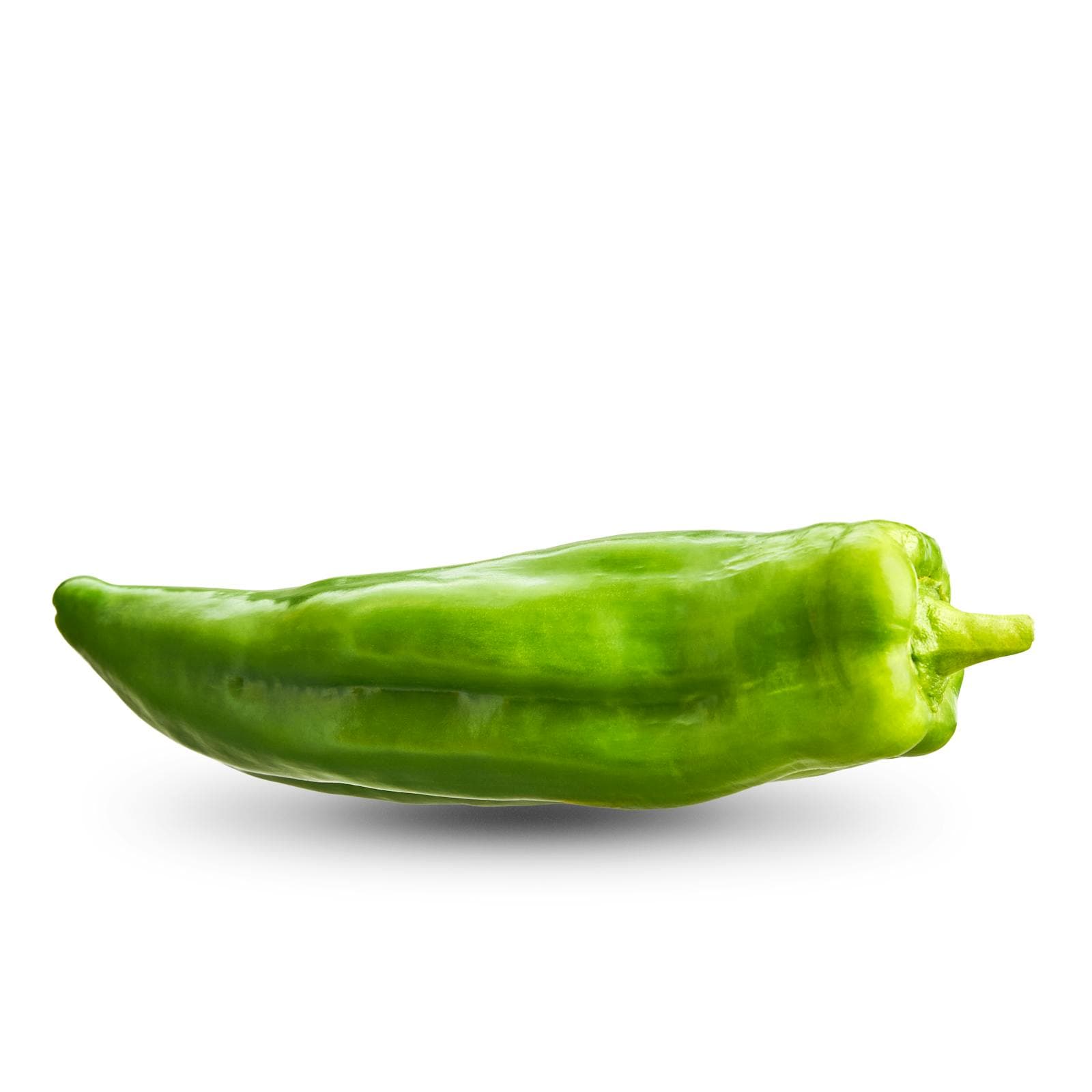
€0.23Green Frying Pepper
90 g · Mercadona
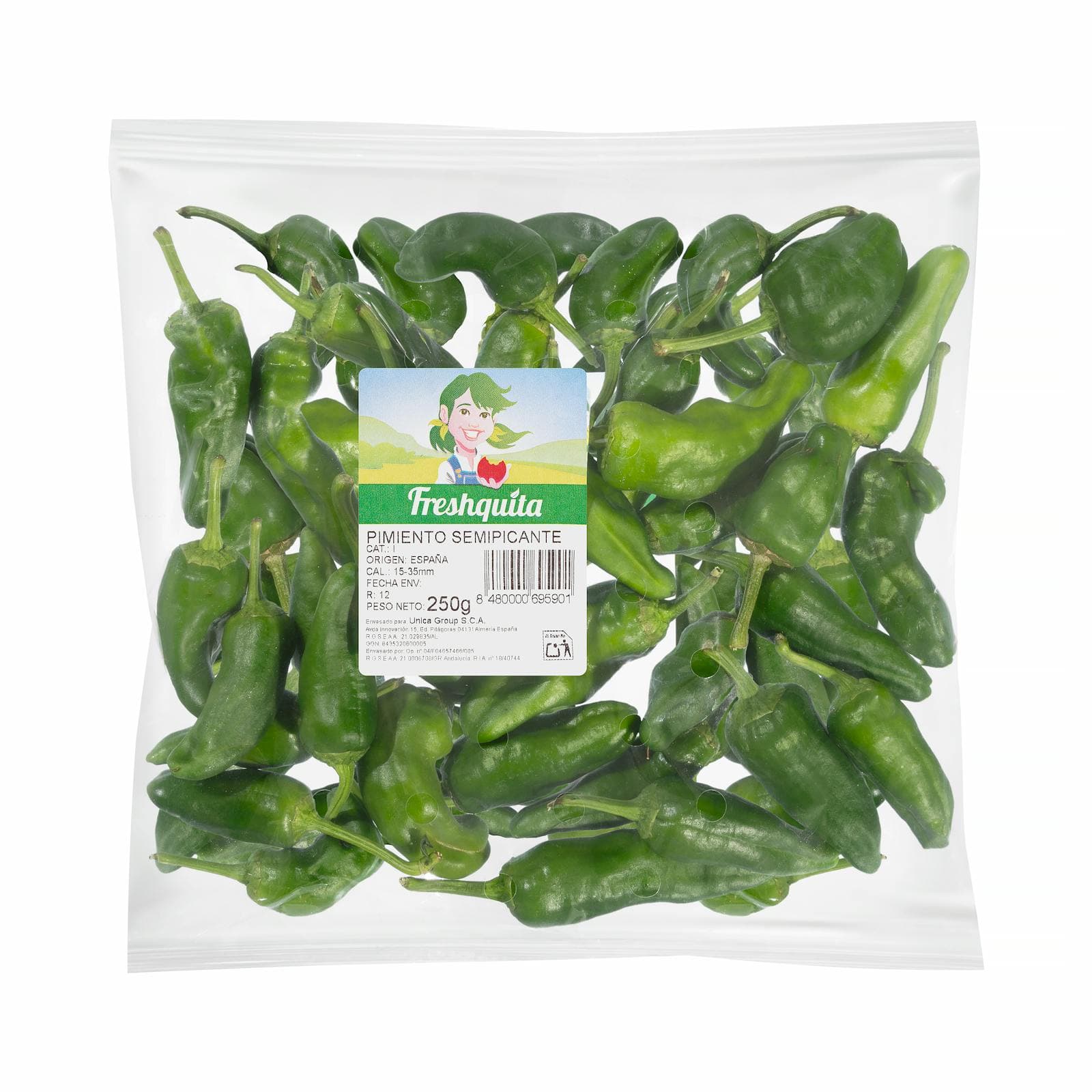 €1.35
€1.35Semi-Spicy Peppers
250 g · Mercadona
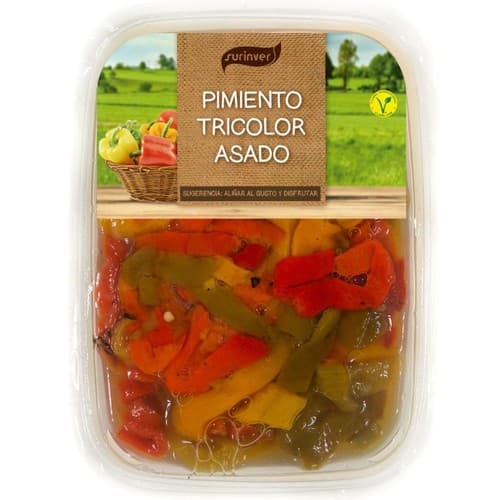 €2.49
€2.49Roasted Bell Peppers Three Colors
SURINVER · kg · Bonpreu
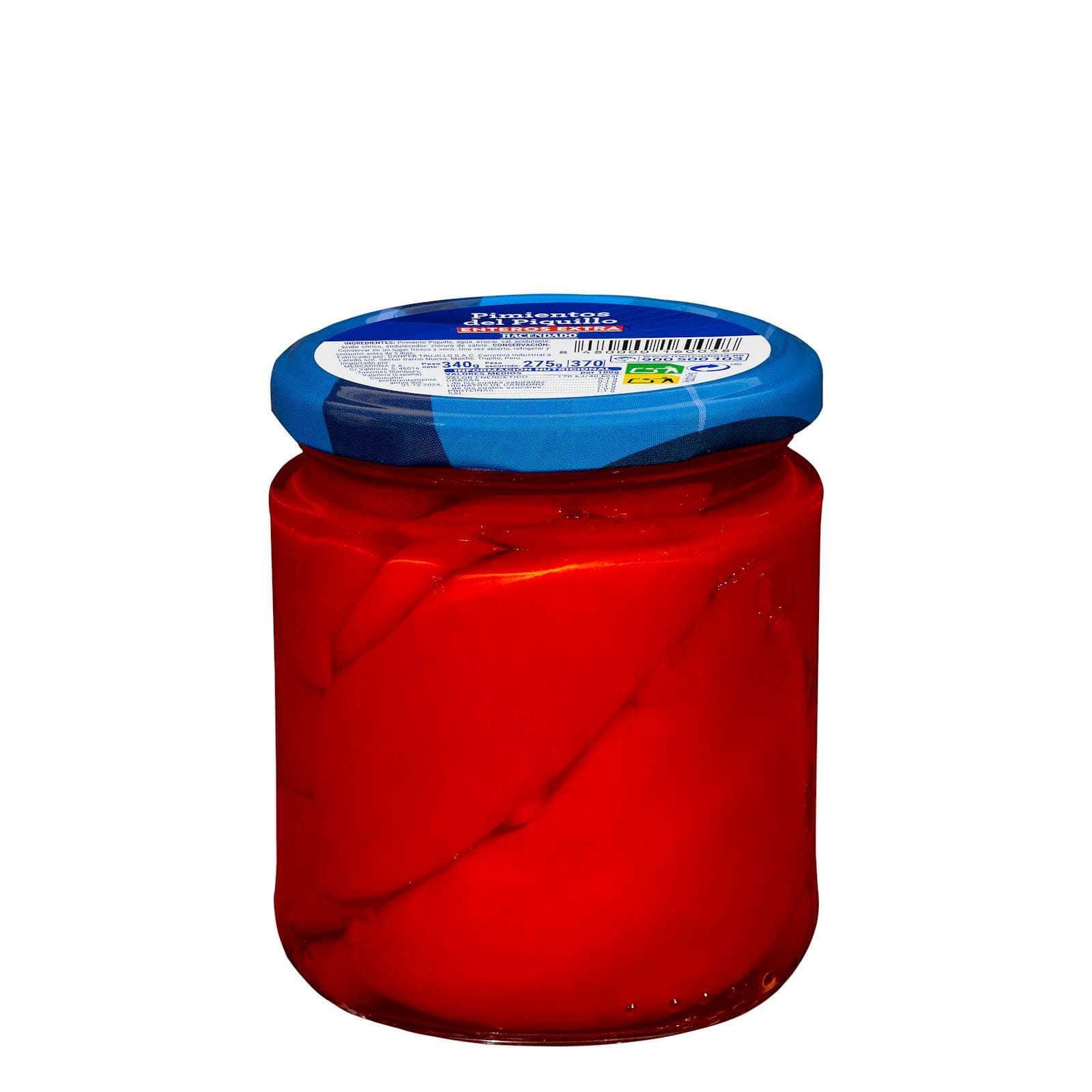 €1.45
€1.45Extra Whole Piquillo Peppers
Hacendado · 340 g · Mercadona
Good to know
- Peak season
- Summer through early fall; available year-round
- Flavor
- Sweet and crunchy (red/yellow/orange); grassier, slightly bitter (green)
- Origin
- Central and South America; a sweet, heatless Capsicum
- Nutrition
- ~31 kcal/100g; exceptionally high vitamin C (esp. red); vitamin A
- How to buy
- Firm, glossy, heavy; taut skin; fresh green stem; no wrinkles or soft spots
Appears in these dishes
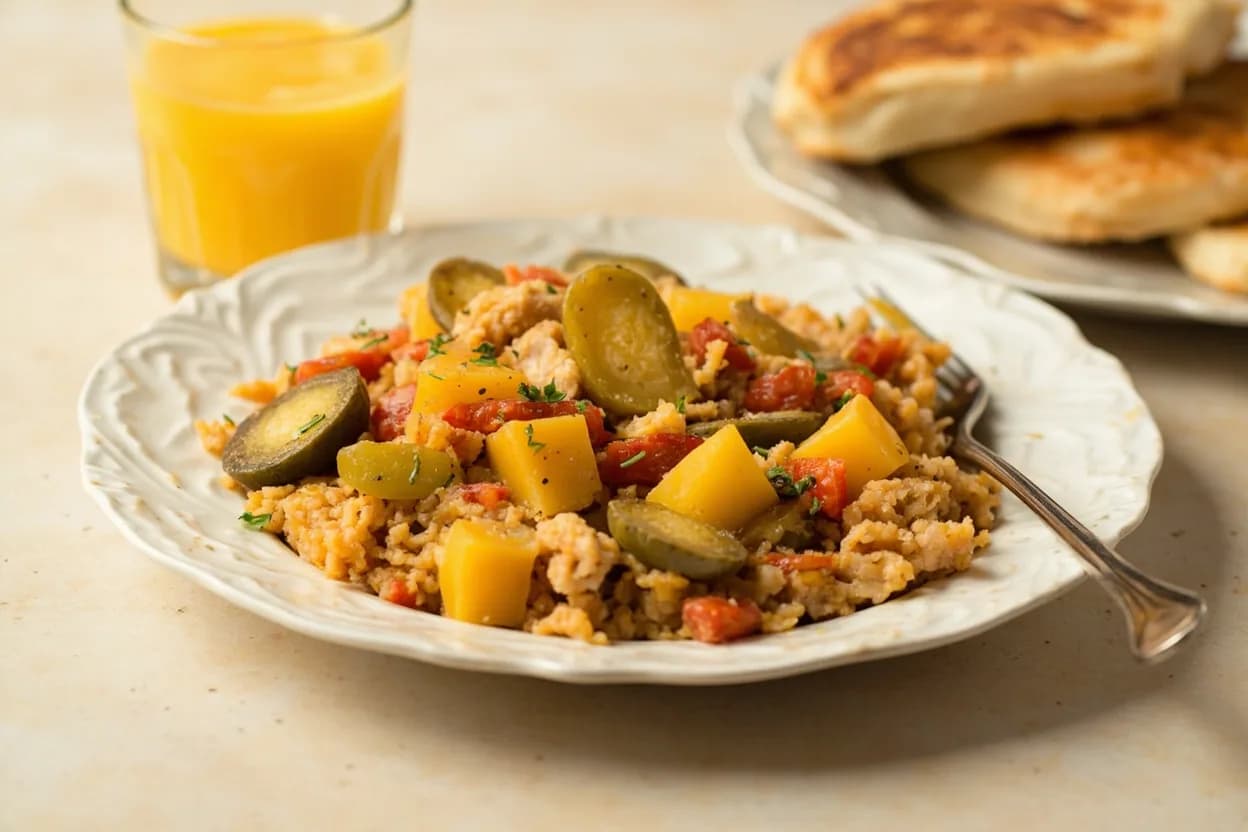
Related
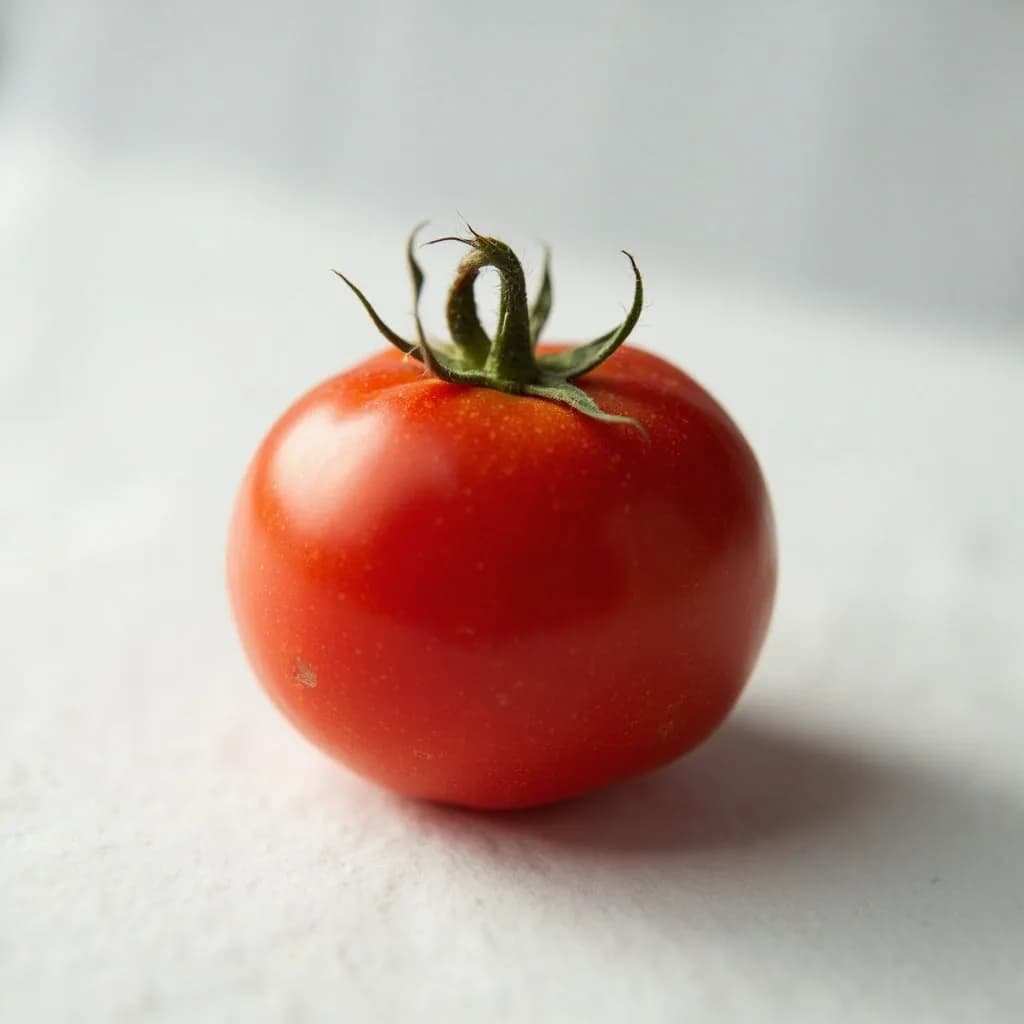
Tomato
Juicy, sun-sweet fruit for sauces, salads, and slow-cooked depth
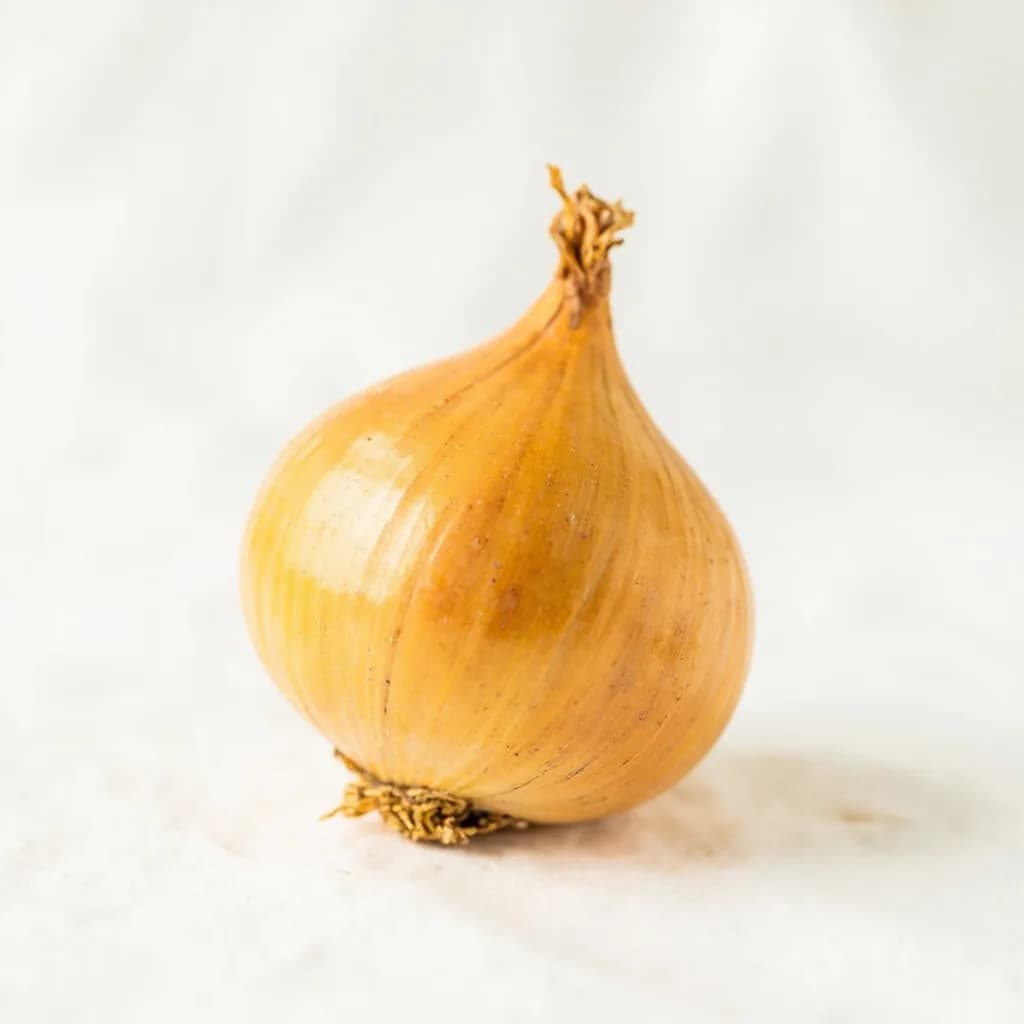
Yellow Onion
The aromatic backbone of soups, sofritos, and braises
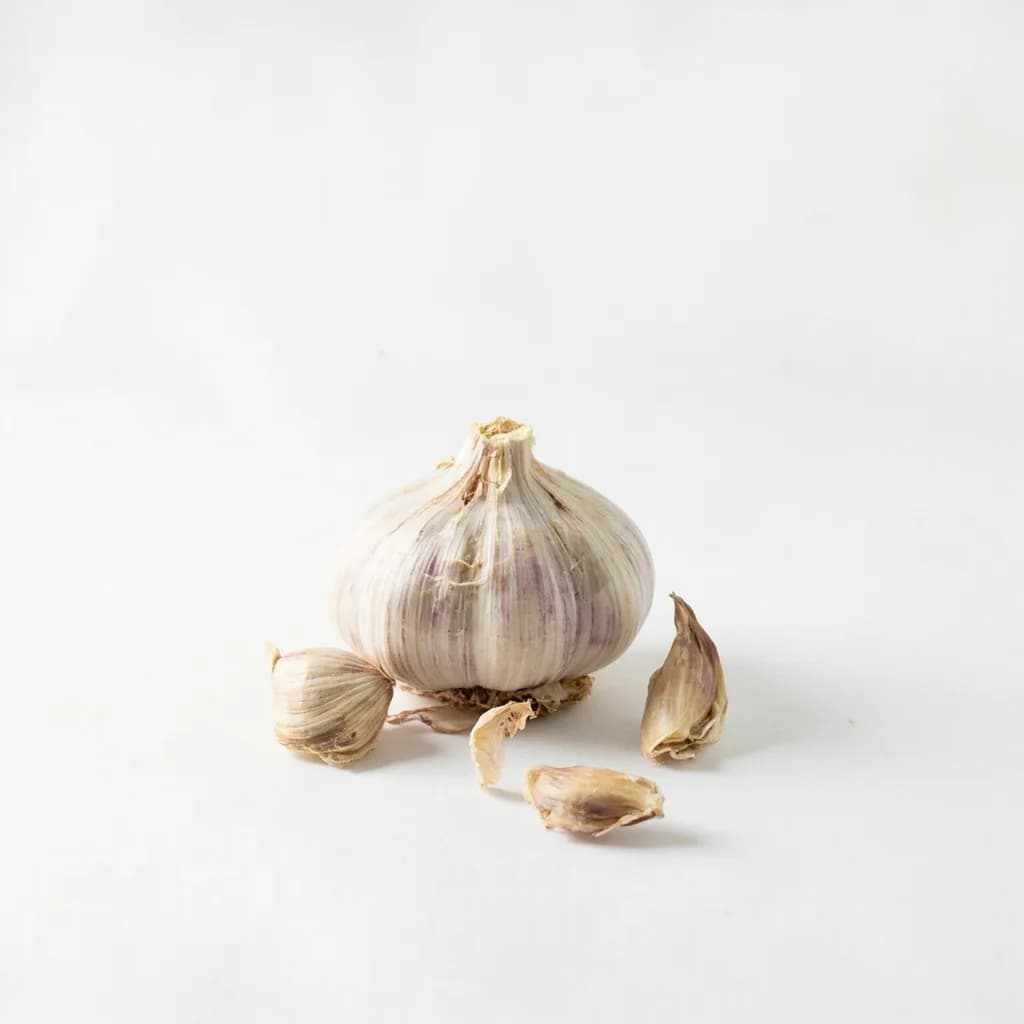
Garlic
Pungent cloves that perfume nearly every savory dish
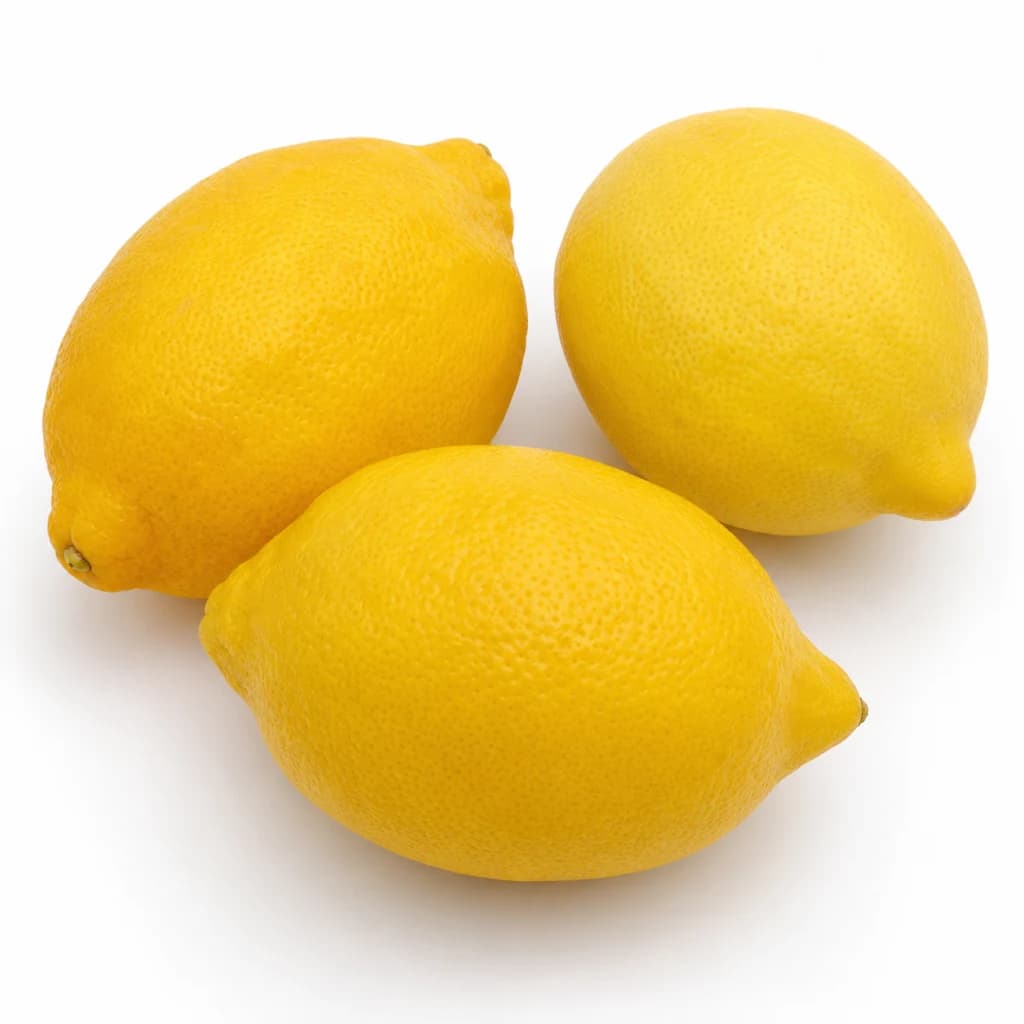
Lemon
Bright, acidic citrus that wakes up almost any dish
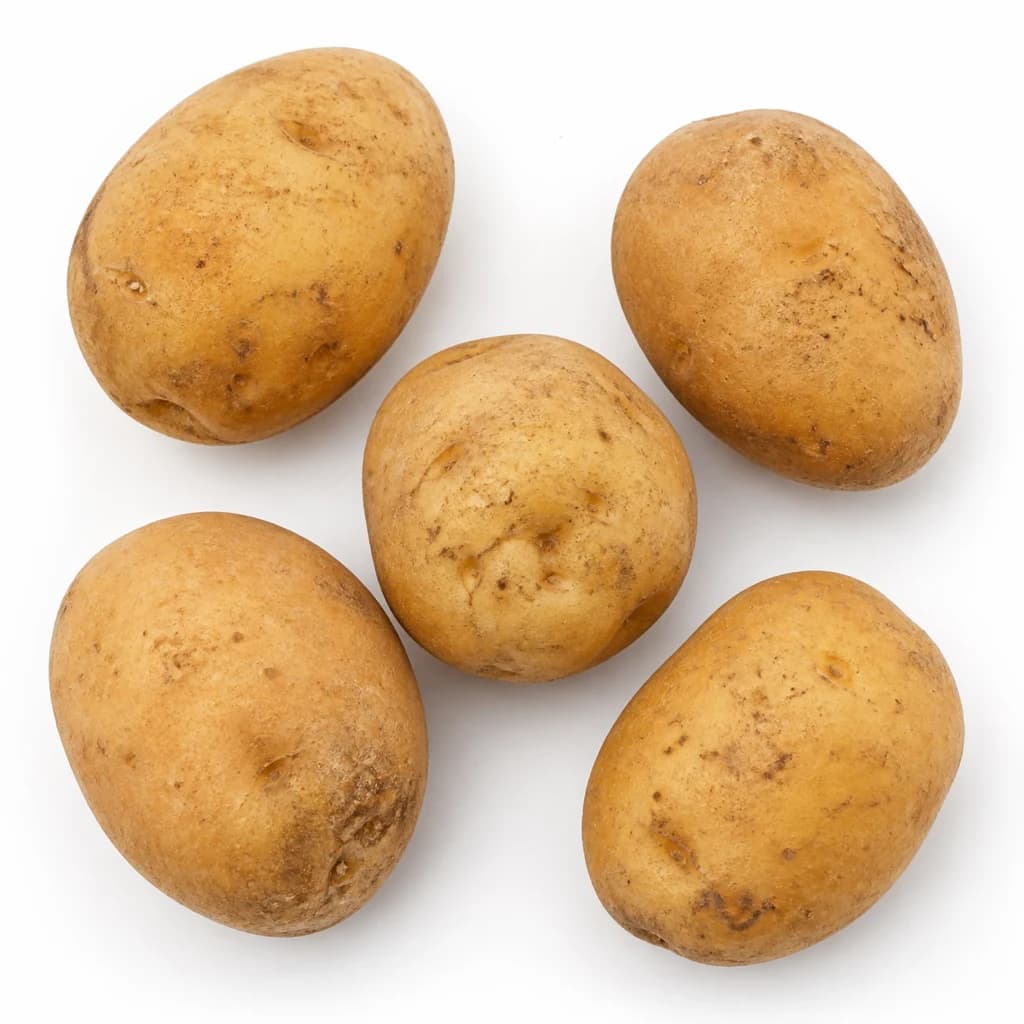
Potato
Humble, hearty staple — roast, mash, fry, or boil
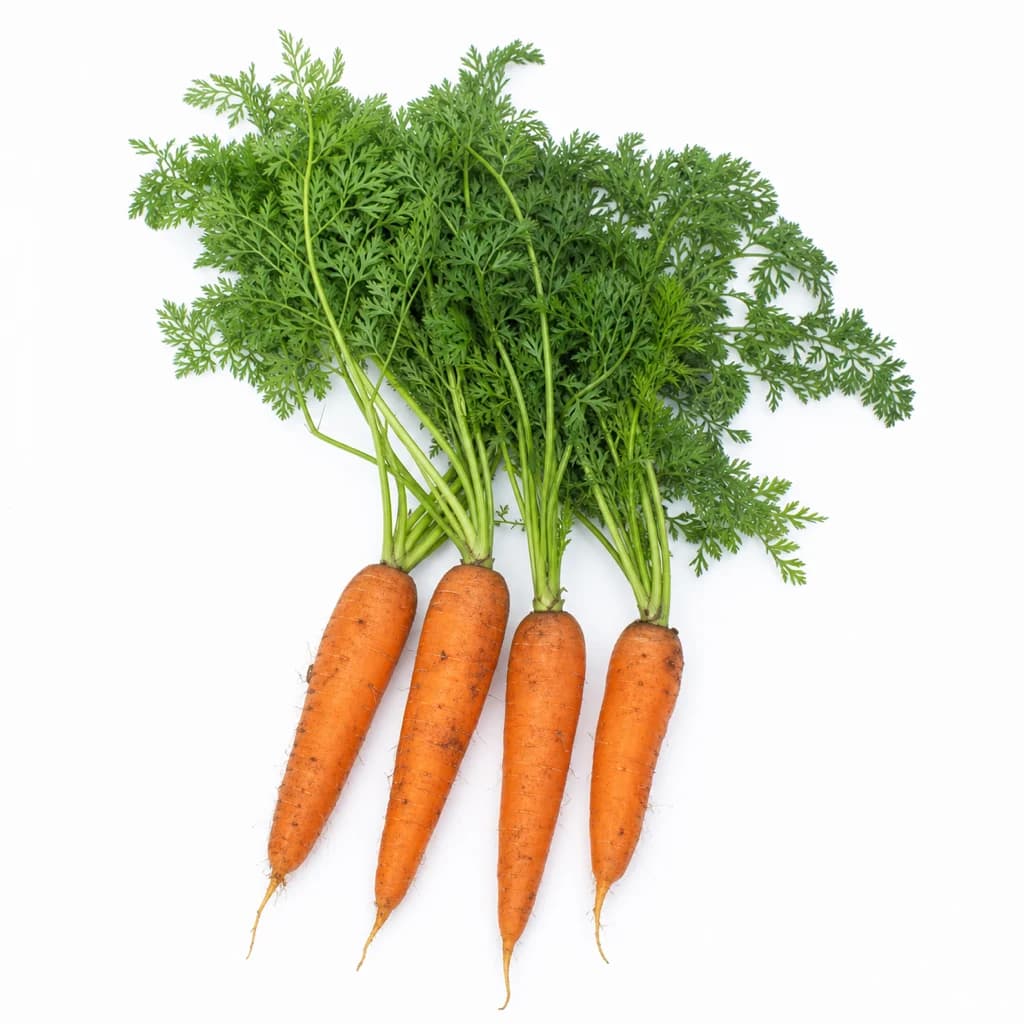
Carrot
Sweet, crunchy root — raw, roasted, or the base of a sofrito
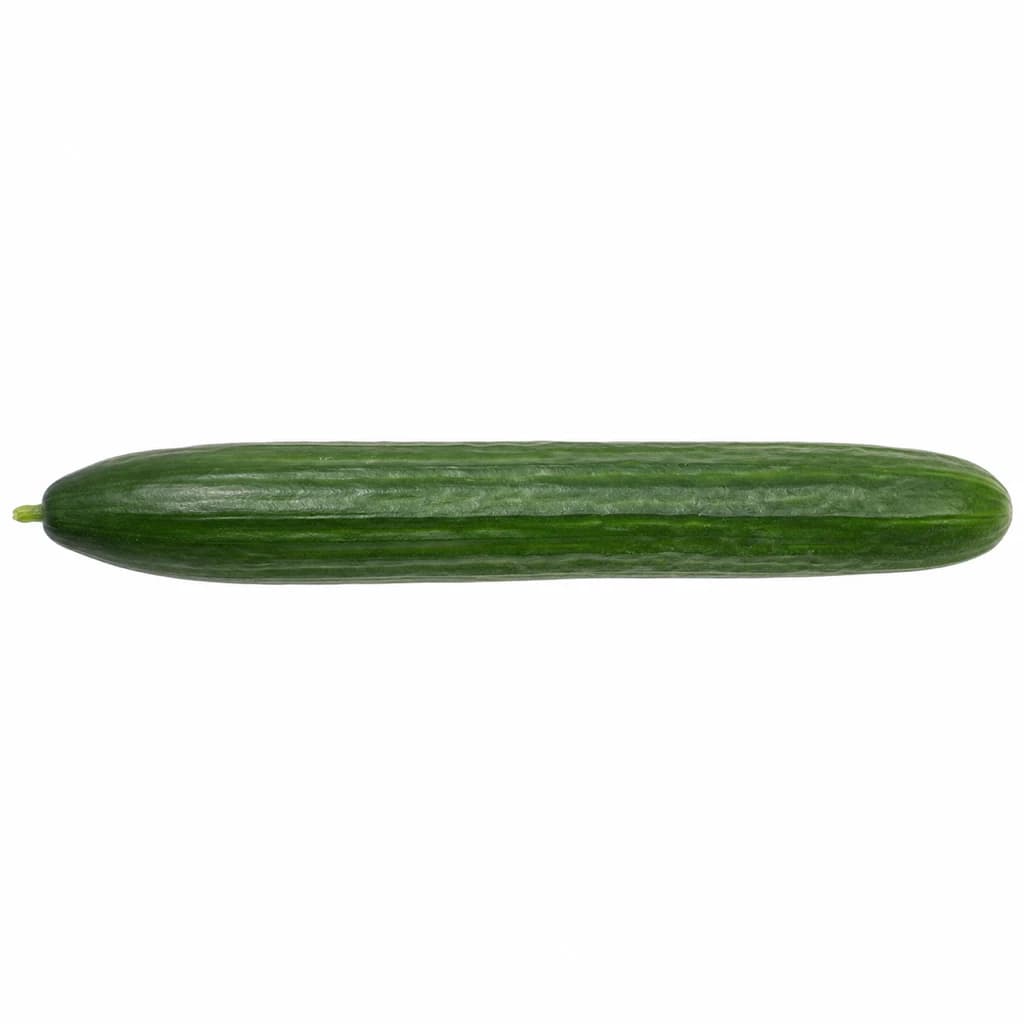
Cucumber
Cool, crisp, and watery — for salads, pickles, and tzatziki

Lettuce
Crisp leaves for salads, wraps, and a fresh crunch