
Natural form
Whole long beans coiled loosely, showing their exceptional length and slender profile.
Establishes the defining visual trait — extreme length and flexibility — that distinguishes long beans from common green beans.
Produce
Long Bean (Yardlong Bean)
Slender beans up to a foot or more long, stir-fried or curried across Asia and the Caribbean.
Long beans are thin, flexible legumes that grow up to a foot or more in length, with a denser, chewier bite than common green beans. They are cut into short lengths and stir-fried, curried, or added to noodle dishes throughout Southeast Asia, South Asia, and the Caribbean. Their flavor is slightly nuttier and they hold up well to high-heat cooking.
Long beans—also called yardlong beans, snake beans, or bodi—are the dramatically elongated pods of Vigna unguiculata subsp. sesquipedalis, a legume that traces its origins to West Africa but has become a staple across Asia and the Caribbean. Unlike common green beans, long beans maintain a remarkable firmness and structural integrity even when cooked, holding their snap well past the point where green beans would turn dull and floppy. Their flavor is mildly sweet with a distinct nuttiness that intensifies slightly when cooked, and a grassy, vegetal note when raw. The beans grow remarkably fast on vigorous vining plants, sometimes reaching three feet in length, though the most desirable market specimens run 12 to 24 inches. Their thin profile and high water content mean they actually cook faster than green beans, yet their dense fibers resist softening longer than expected. This combination—rapid cooking paired with structural resilience—makes them ideal for high-heat methods like stir-frying and quick braising, but demands attentive timing: pull them from the heat the moment they taste tender throughout, or they cross quickly into hollow, bland territory.
- Measured in
- g
- Storage
- Fridge
Types & varieties
The most common variety in markets; smooth, bright green, very long; nearly stringless when young
Striking purple-red stems and calyxes; same flavor as green varieties; color fades with cooking
Thai heirloom variety; reported to have superior crisp texture and sweeter flavor
Caribbean term, typically referring to yardlong beans used in callaloo and curry dishes
Regional name in Australia and some Asian markets for very long, slender cultivars
Selecting and Storing
Choose beans that are firm, bright green, and free of blemishes or wrinkles. They should snap cleanly when bent. Avoid any with yellowing, soft spots, or a wilted appearance—these indicate age and toughness. The beans should feel heavy for their size, indicating good moisture content. Smaller-diameter beans tend to be more tender; very thick specimens may have developed tough fibers. Store unwashed in a perforated plastic bag in the refrigerator crisper drawer for up to a week. Do not seal in airtight plastic, which traps moisture and accelerates spoilage. Wash only when ready to use. For longer storage, blanch the beans for 2–3 minutes, shock in ice water, drain, and freeze in airtight containers; note that frozen beans will be noticeably softer in texture and are best suited for soups, stews, or braises rather than stir-frying.
- Look for firm, bright green pods that snap cleanly when bent
- Avoid wrinkled, yellowing, or wilted beans—these are past their prime
- Store unwashed in a perforated bag; wash just before use
- Freeze only after blanching; frozen long beans soften noticeably
The Difference from Green Beans
Long beans are denser and more fibrous than common green beans, with a higher water content that gives them superior structural rigidity when cooked. Where a green bean turns soft and olive-toned after a few minutes of cooking, a long bean holds its bright color and crisp snap considerably longer. This resilience makes them particularly suited to dishes where the bean must stand up to extended braising or a crowded wok without disintegrating. However, their thin profile and high water content mean they actually cook faster than green beans—a quick toss in the wok may seem insufficient, but the interior tenderizes rapidly. The key is testing by taste: the center should taste fully tender, not chalky or raw, even while the exterior still has some snap. The flavor profile differs too: long beans carry a more pronounced nuttiness and a subtle grassy quality that green beans lack, qualities that pair particularly well with fermented soy, coconut milk, and aromatic spices.
- Denser than green beans; hold shape and color longer under heat
- Cook faster than green beans despite their density—test by tasting the center
- Carry a nuttier, more vegetal flavor than common green beans
- Hold up better in braises and crowded stir-fries
Common uses
Tips & pitfalls
- Long beans are denser than green beans—cut them into 2-inch pieces before cooking; whole beans are unwieldy to eat and cook unevenly
- Test doneness by biting: the interior should taste tender, not chalky or raw, even if the exterior still has some snap
- Never crowd the wok when stir-frying; the beans must sear, not steam—work in batches if needed or the moisture released will cause them to steam rather than char
- If buying from an Asian or Caribbean market, ask if the beans are freshly harvested that morning; older beans develop a tough string along the seam
- Red-stemmed varieties look striking raw but the color fades with cooking—use them for garnish or add in the final minute if you want to preserve the color
- In Caribbean curries, long beans are typically cut on the diagonal and added early to absorb the spice base; in Thai stir-fries, they go in last with barely a minute of cooking
- Do not substitute green beans at a 1:1 ratio without adjusting cooking time—green beans will overcook while the long beans are still raw
- Avoid cooking them in acidic liquid early in the process; acid prevents the beans from softening properly and can leave them tough
Nutrition
Energy
197 kJ · per 100 g
Where the calories come from
Protein
2.8g
6% DV
Carbs
8.4g
3% DV
Fat
0.4g
1% DV
Sodium
4mg
0% DV
Source · USDA FoodData Central · Yardlong bean, raw
View on FDC →In the shops
Matched grocery products
No matched grocery products for Long Bean (Yardlong Bean) yet.
Good to know
- Scientific Name
- Vigna unguiculata subsp. sesquipedalis
- Origin
- West Africa; cultivated extensively across Asia and the Caribbean
- Typical Length
- 12–24 inches; can grow to 3 feet
- Peak Season
- Summer months, once soil temperature exceeds 70°F
- Flavor
- Mildly sweet, nuttier than common green beans; grassy notes when raw
- Texture
- Firm, crisp; tender with a slight snap when fresh
- Cooking Time
- 3–5 minutes stir-fried; 6–8 minutes blanched—significantly faster than green beans
- Refrigerator Life
- 5–7 days in a perforated plastic bag
Substitutes
- Green Beans — The most available substitute; cook them slightly longer than you would a green bean recipe, and expect them to soften more than long beans would in the same dish
- Haricots Verts — The French thin green bean works in raw applications and quick-cooked dishes but lacks the length and density that make long beans distinctive
Pairs with
Also called
Kacang Panjang · Bora · Bodi · Snake Bean · Sitaw · String Beans · Yardlong Bean
Appears in these dishes
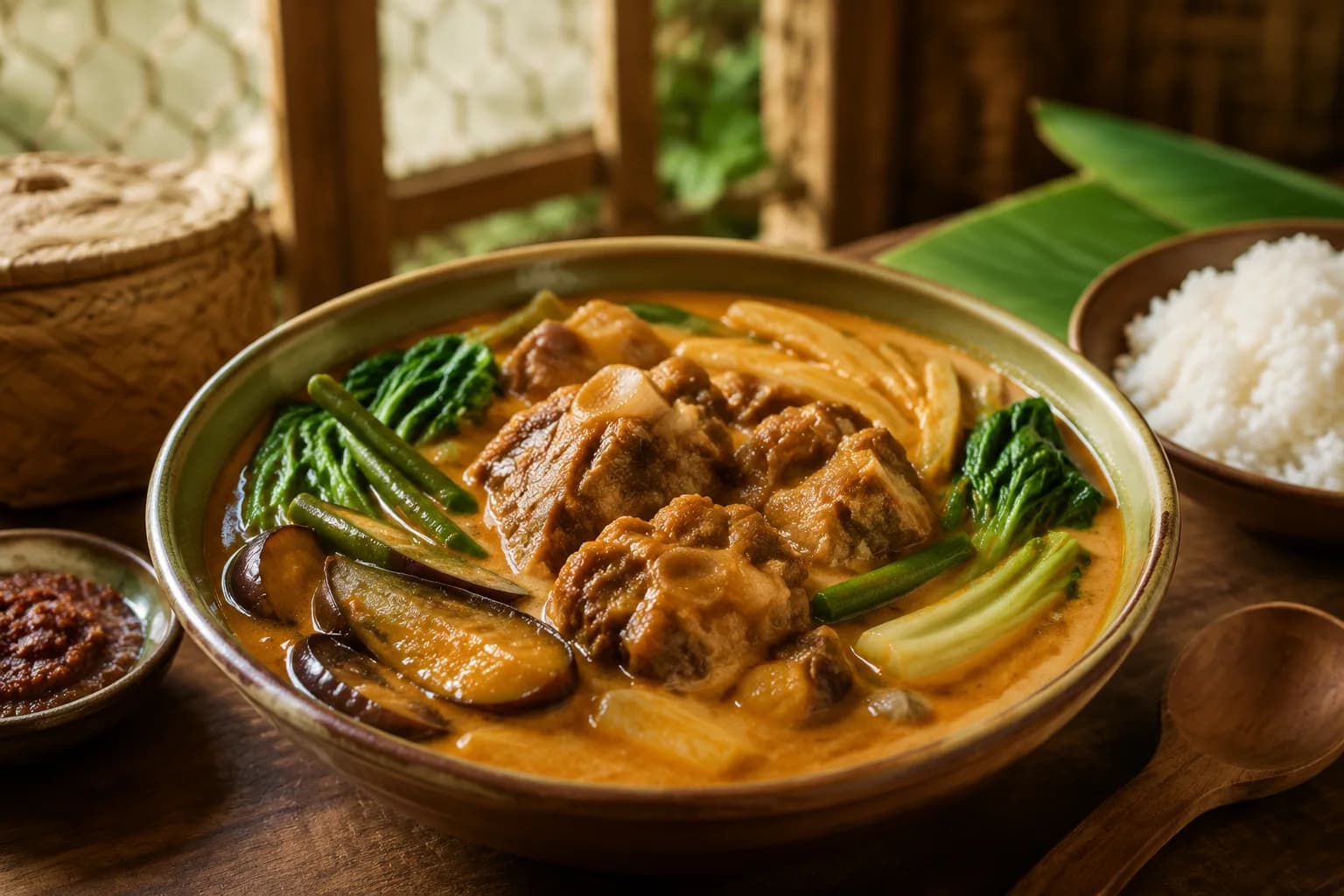
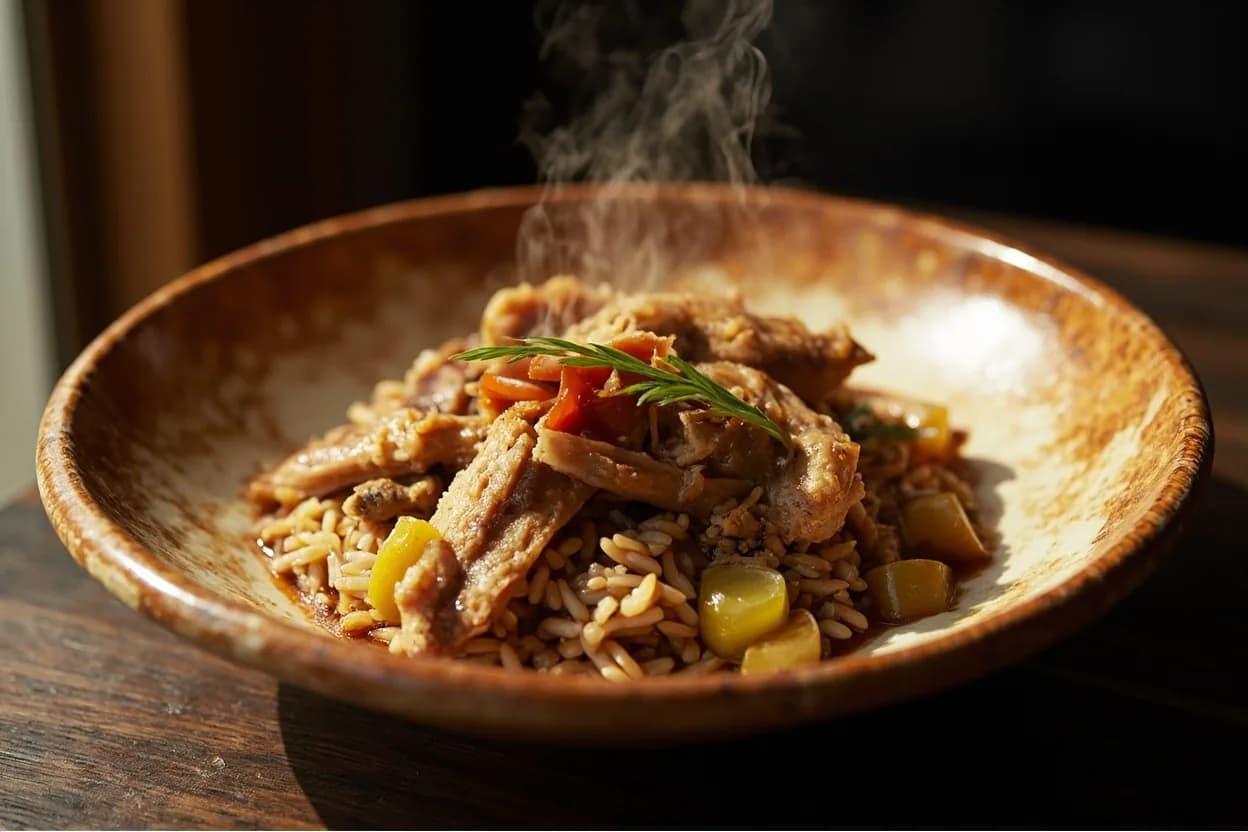
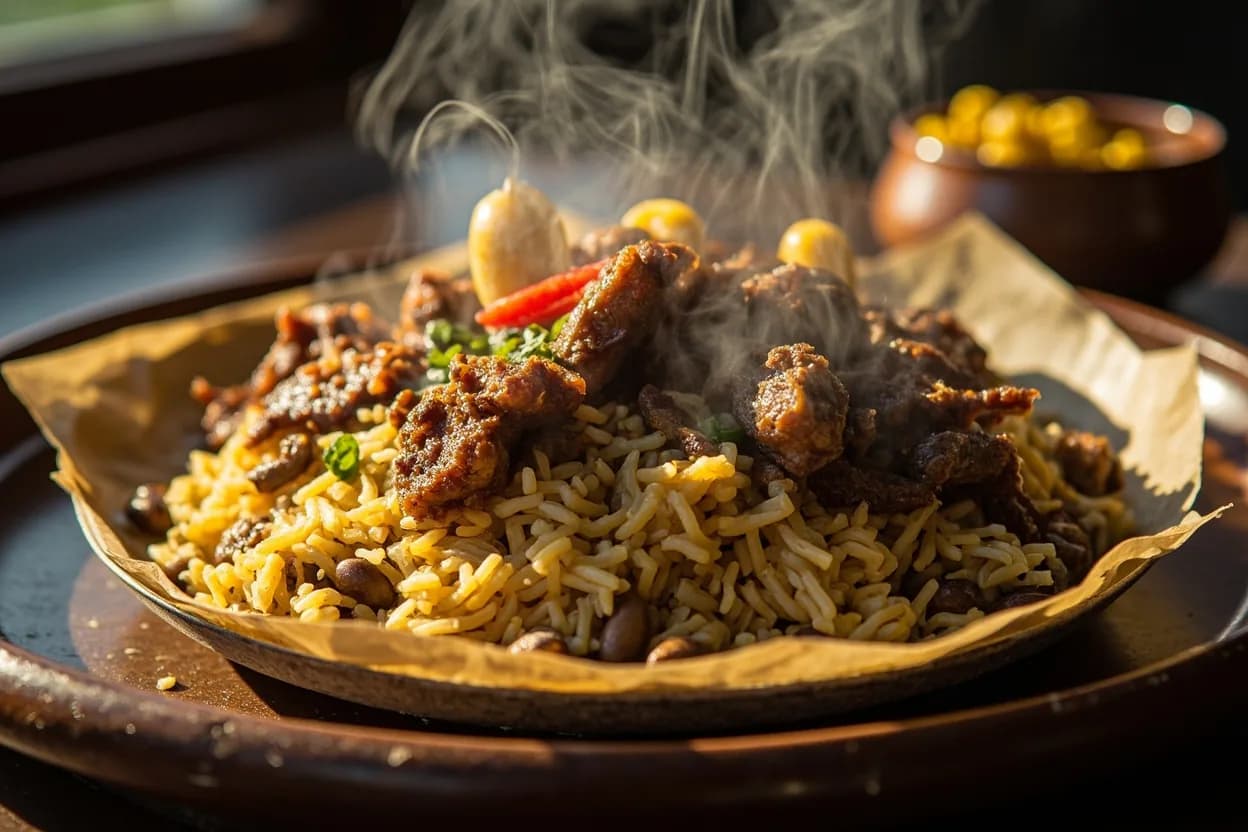
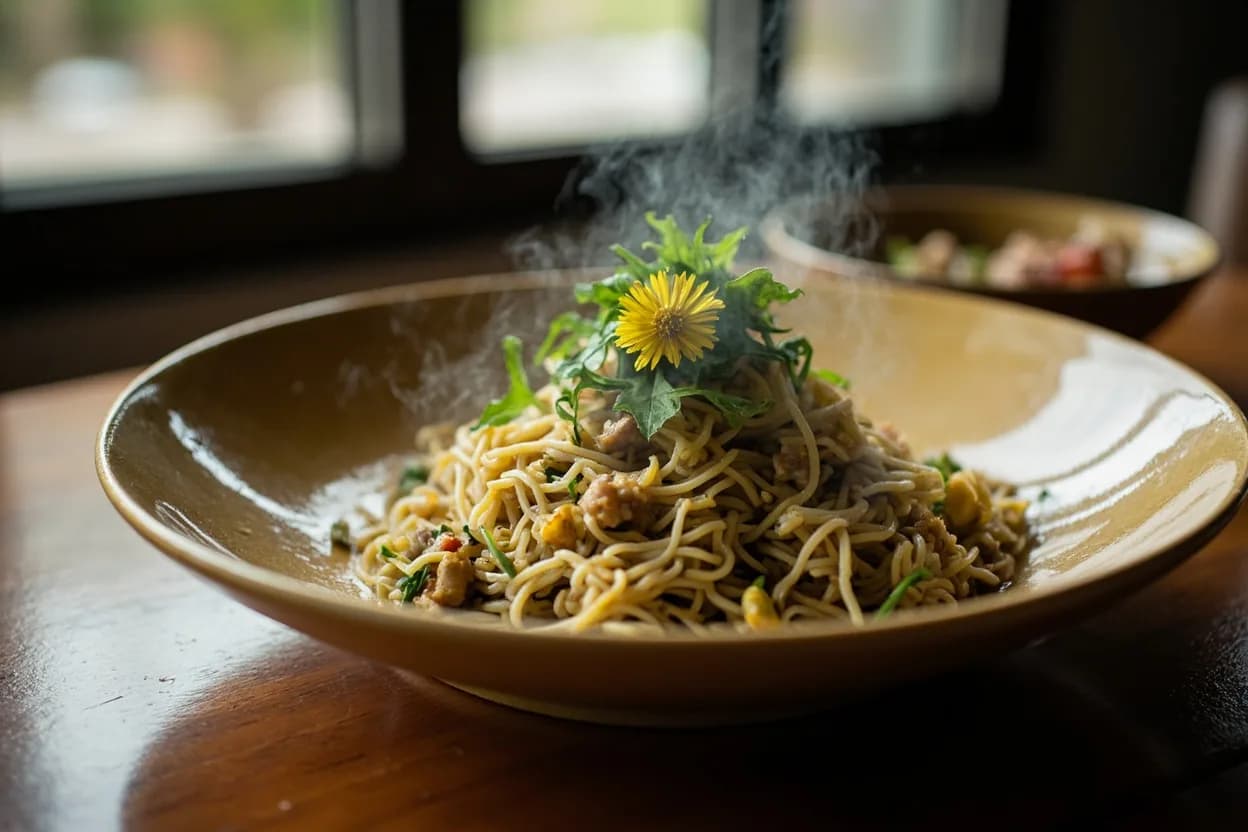
Related

Tomato
Juicy, sun-sweet fruit for sauces, salads, and slow-cooked depth

Yellow Onion
The aromatic backbone of soups, sofritos, and braises

Garlic
Pungent cloves that perfume nearly every savory dish

Lemon
Bright, acidic citrus that wakes up almost any dish

Potato
Humble, hearty staple — roast, mash, fry, or boil

Carrot
Sweet, crunchy root — raw, roasted, or the base of a sofrito

Cucumber
Cool, crisp, and watery — for salads, pickles, and tzatziki

Lettuce
Crisp leaves for salads, wraps, and a fresh crunch