Proteins
Smoked Pork
Pork cured and smoked for deep flavor and shelf life; simmered into Central European stews and braises.
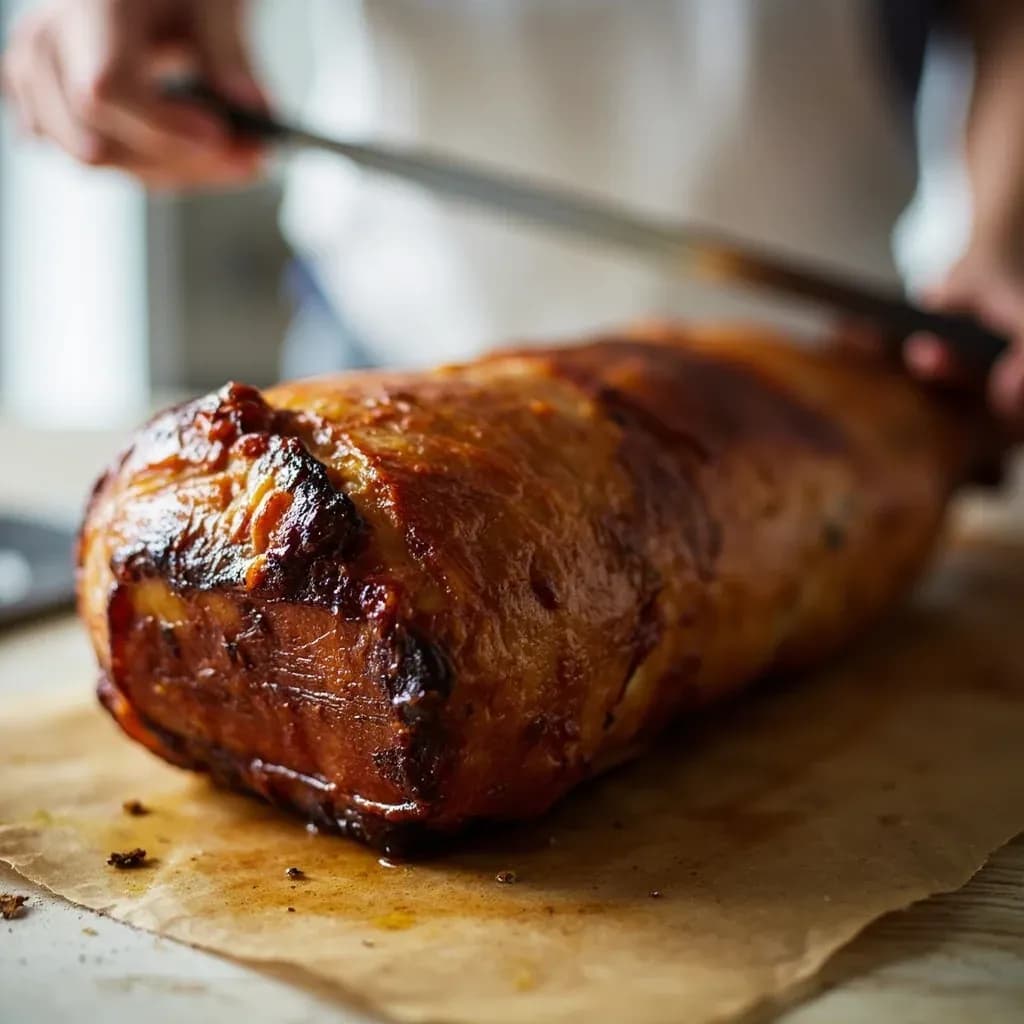
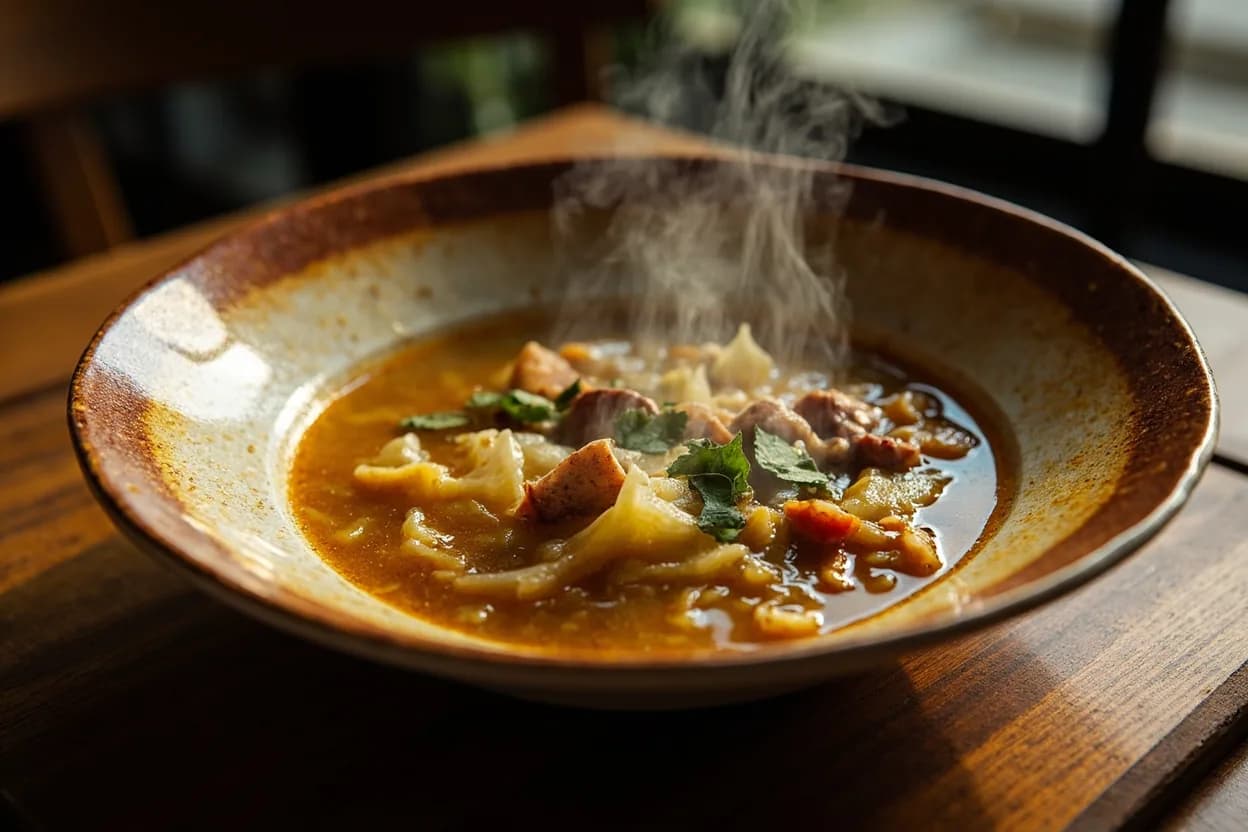
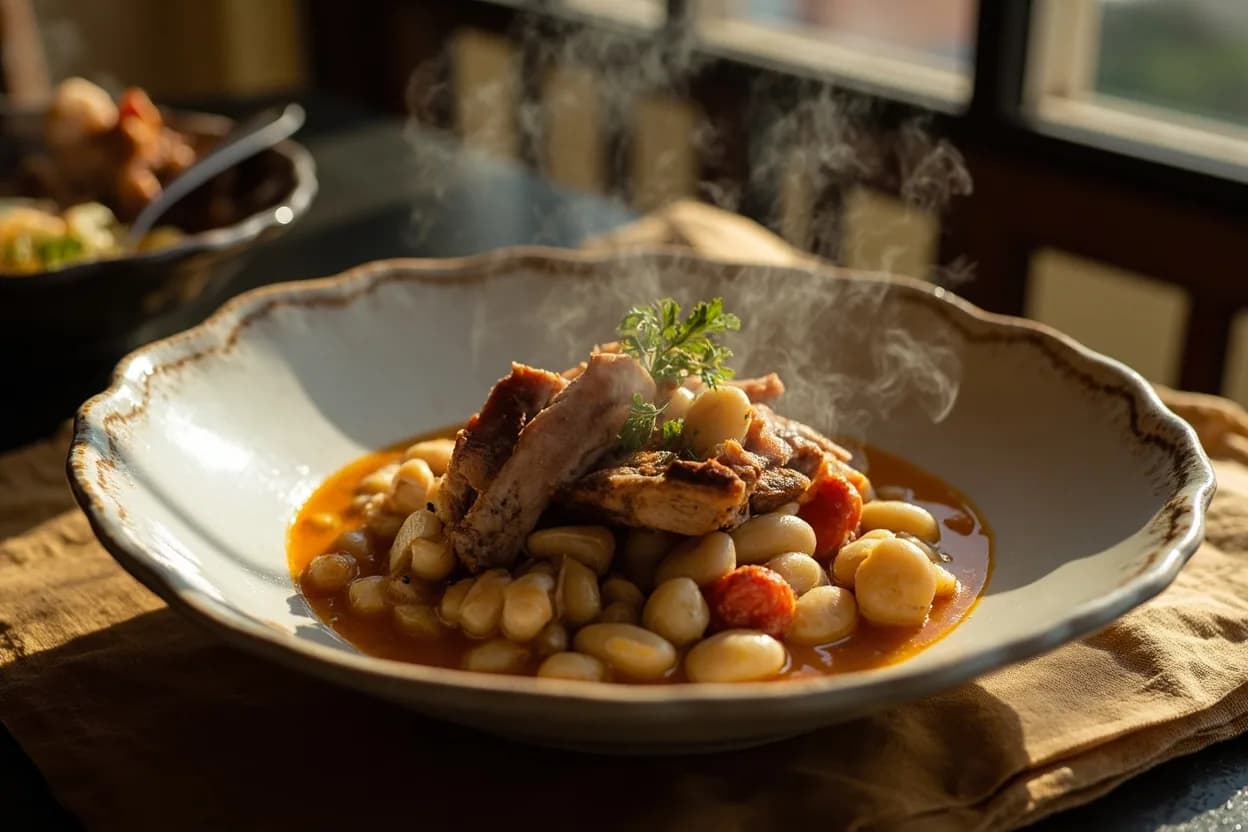
Smoked pork covers pork cuts that have been cured and cold- or hot-smoked, such as Czech uzené, prized for their woody aroma and pink, savory flesh. It is a backbone of Central European cooking, simmered with cabbage, dumplings, beans, and lentils or sliced for sandwiches. The smoking process both preserves the meat and gives it a rich, smoky-salty depth.
Smoked pork is pork that has been cured—either by wet brining or dry rubbing—then subjected to controlled hardwood smoking. The smoking process accomplishes two things simultaneously: it preserves the meat by reducing moisture and inhibiting bacterial growth, and it imparts a deep, resonant smokiness that amplifies pork's natural savoriness. Unlike fresh smoked pork, which is brined and smoked as a single continuous process, smoked pork here refers to cuts that undergo distinct curing and smoking stages, yielding fully cooked products ready for further cooking or serving. The choice of wood—hickory for bold American Southern preparations, beechwood for German Westphalian ham, juniper for Polish variants—shapes the character of the finished product as much as the cut itself. When you add smoked pork to a dish, you're not just adding flavor; you're adding body. The collagen-rich cuts—hocks, shoulders—melt into stocks and braises, enriching them with gelatin that gives soups and stews a silky mouthfeel no amount of seasoning can replicate.
- Measured in
- g
- Storage
- Fridge
Types & varieties
Small joint cuts essential for flavoring stocks, beans, and braised greens; high collagen yields rich, unctuous broth when simmered 3–4 hours
Bone-in or shoulder butt; ideal for low-and-slow braising and shredding; popular in American Southern and Central European cooking
Cured belly with or without fat cap; used in charcuterie and as a flavor component; excellent for braising with sweet vegetables
Center-cut, bone-in or boneless, often thick-cut; typically pan-seared, grilled, or braised; fully cooked but benefit from gentle reheating
Dry-cured, long-smoked over beechwood with protected designation; intensely smoky and lean; sliced thin for sandwiches or cooking applications
German-style wet-cured then smoked; milder than Westphalian; commonly diced into stews and soups
Wet-cured, cold-smoked; brick-red interior; used in żurek, bigos, and as a table ham
Cured pork belly with rind, lightly smoked; more fat than American bacon; essential in Tyrolean and Bavarian cuisine
Leaner cut with lighter smoke flavor; can be sliced and sautéed; less commonly available smoked
Cold Smoke vs. Hot Smoke
The distinction matters practically. Cold smoking (below 90°F/32°C) colors and flavors the surface without cooking the meat—it remains raw inside. Hot smoking (above 200°F/93°C) cooks the meat while infusing smoke flavor. Most retail smoked pork hocks and shoulders are hot-smoked and fully cooked. Cold-smoked products, like some European hams, require further cooking before eating. The visible smoke ring at the surface—pink just beneath the dark exterior—is purely aesthetic and does not indicate doneness.
- Hot-smoked products are ready to eat or require only reheating
- Cold-smoked products must be cooked before serving
- The smoke ring has no bearing on safety or texture
Regional Traditions
Smoked pork traditions cluster around Central Europe and the American South. German smoked hocks are brined then hot-smoked over beechwood, yielding the classic Bavarian hock. Polish preparations often incorporate juniper in the smoke or brine, giving a distinctive piney undertone. American Southern smoked pork shoulders use hickory and long smoking times—sometimes 12 hours or more—to develop a dark bark on the exterior. British traditions favor oak-smoked gammons. These regional choices aren't arbitrary; they reflect the wood available locally and the flavor profiles traditional to each cuisine's other ingredients.
- Hickory dominates American Southern smoking
- Beechwood defines German Westphalian tradition
- Juniper marks Polish regional character
- Oak is traditional in British preparations
Common uses
Tips & pitfalls
- Add smoked pork hocks or shoulder early in long-cooking dishes—1 to 2 hours before finishing—to allow flavor to permeate the broth and collagen to dissolve fully into the liquid.
- Render the fat from pork shoulder or belly before using the meat; save the rendered fat for sautéing onions or leeks as a flavor base for the dish.
- When simmering smoked hocks for stock, cook 3–4 hours until meat falls from the bone, then strain and refrigerate the broth to remove solidified fat before using.
- To reduce surface salinity, soak smaller cuts like hocks or thin slices in cold water for 1–2 hours, changing the water once; this is especially useful when serving as table meat.
- Do not discard bones from smoked hocks—they contribute significant gelatin and body to stocks and stews.
- Store smoked pork in the coldest part of the refrigerator; wrap whole hocks in butcher paper over plastic wrap to prevent the surface from drying out and forming a hard outer layer.
- When substituting smoked pork for fresh pork in a recipe, add it in the last 30 minutes of cooking since it is already fully cooked from the smoking process; overcooking makes it tough and dry.
- Avoid using smoked pork in dishes where you want a bright, fresh flavor—the smoke will dominate and may clash with delicate herbs or citrus.
Nutrition
Energy
3397 kJ · per 100 g
Where the calories come from
Protein
2.9g
6% DV
Carbs
0g
0% DV
Fat
88.7g
114% DV
Fiber
0g
0% DV
Sugars
0g
of which
Sodium
11mg
0% DV
Source · USDA FoodData Central · approx. Pork, fresh, backfat, raw
View on FDC →In the shops
Matched grocery products
 €2.20
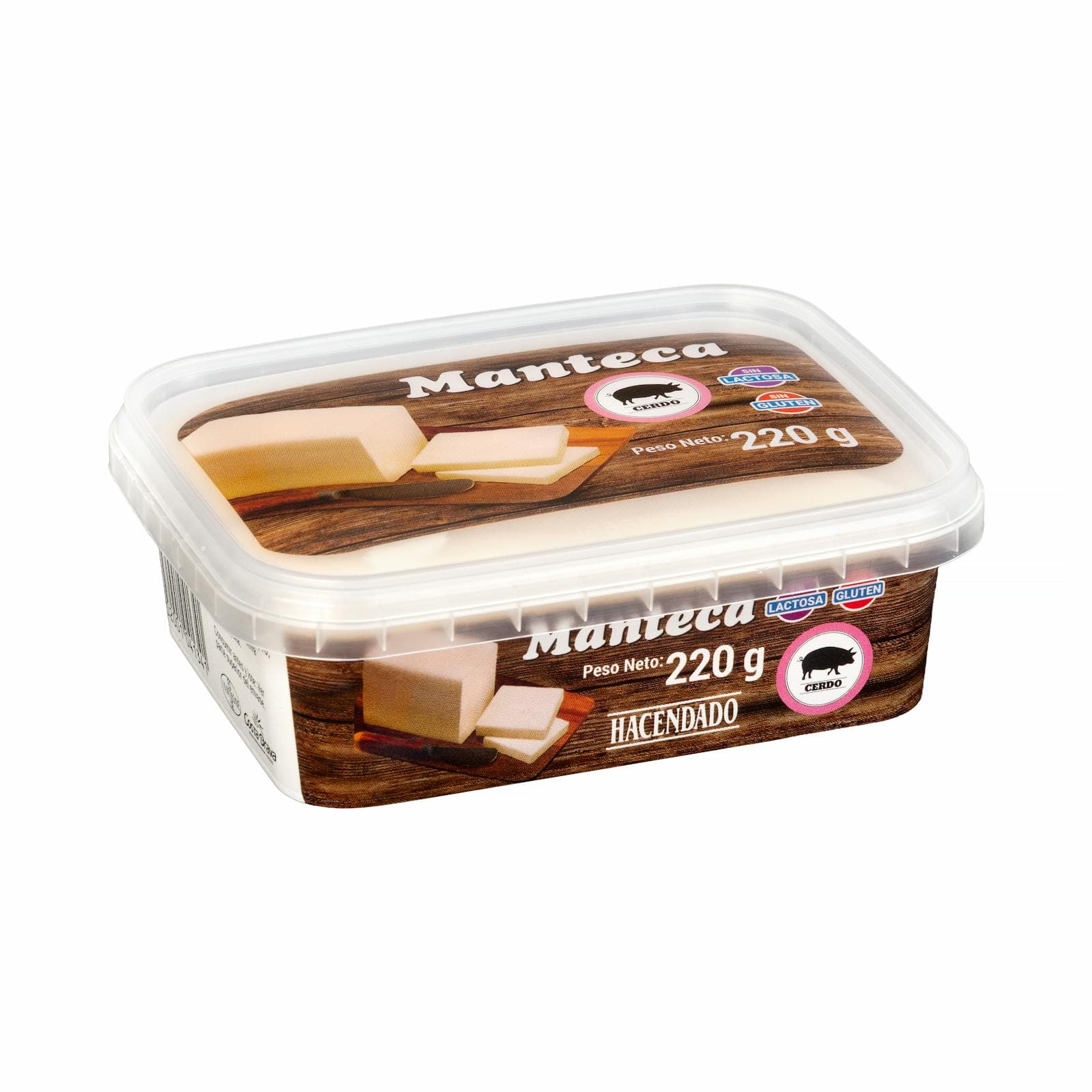
€2.20Pork Lard
Hacendado · 220 g · Mercadona
 €3.40
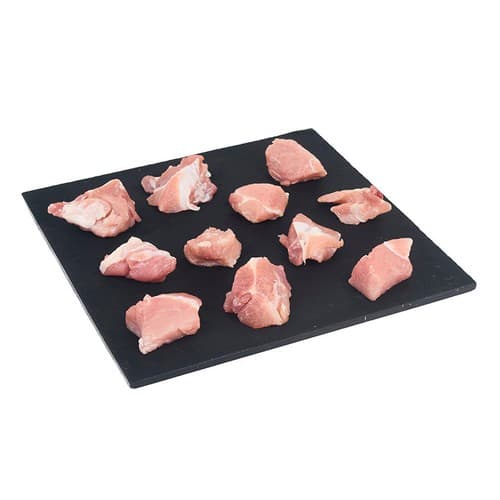
€3.40Pork Stew
BONPREU · ud · Bonpreu
 €3.45
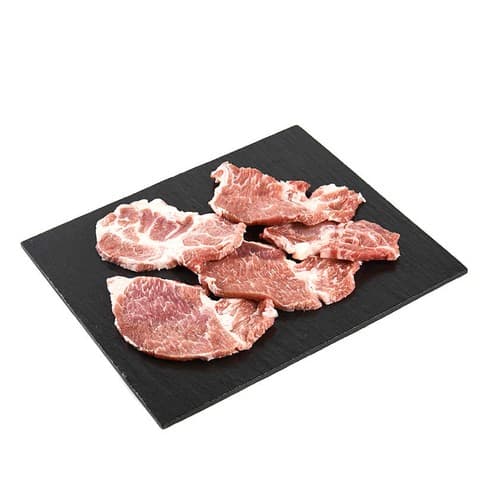
€3.45Lean Pork
BONPREU DE L'ERA · ud · Bonpreu
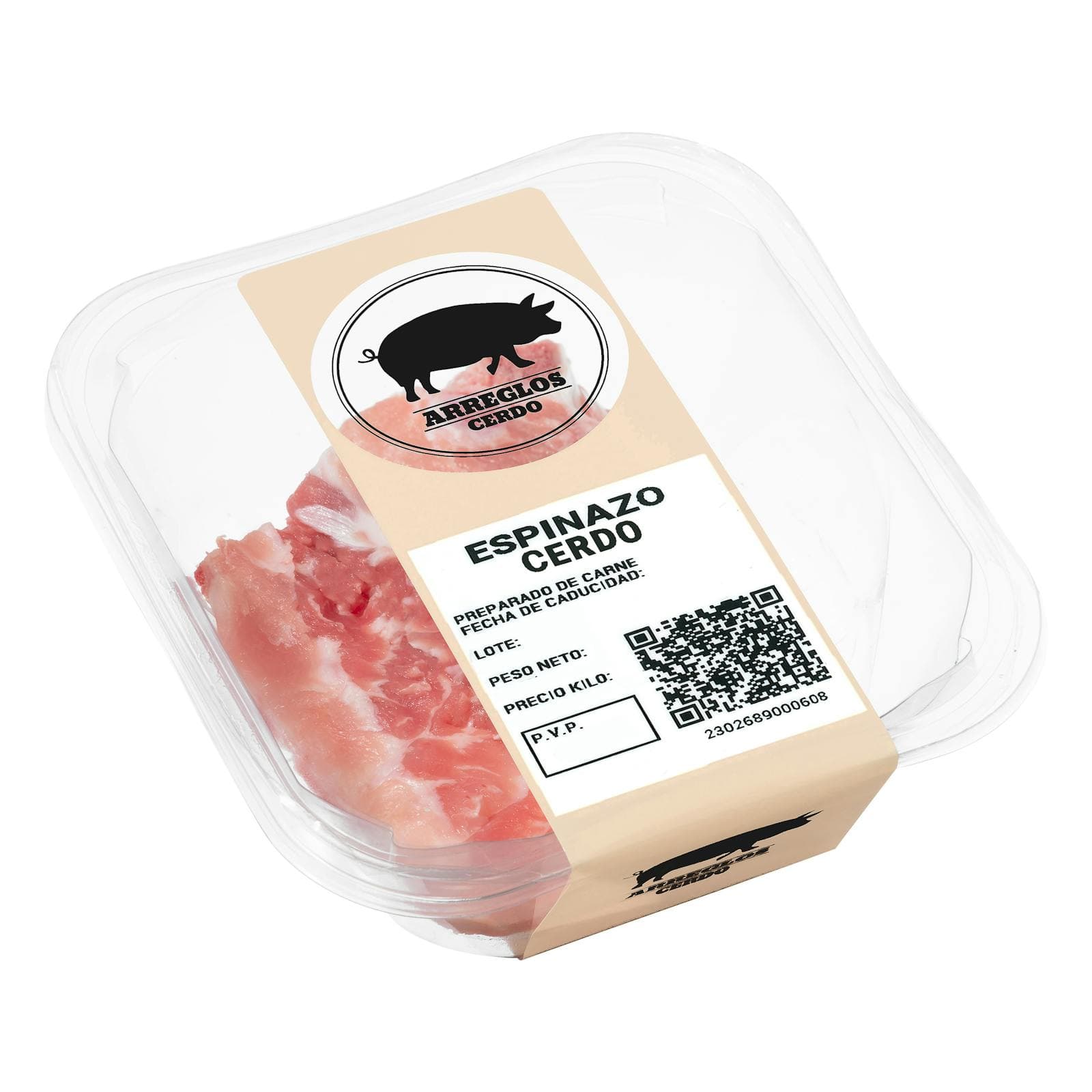 €2.10
€2.10Pork Spine
300 g · Mercadona
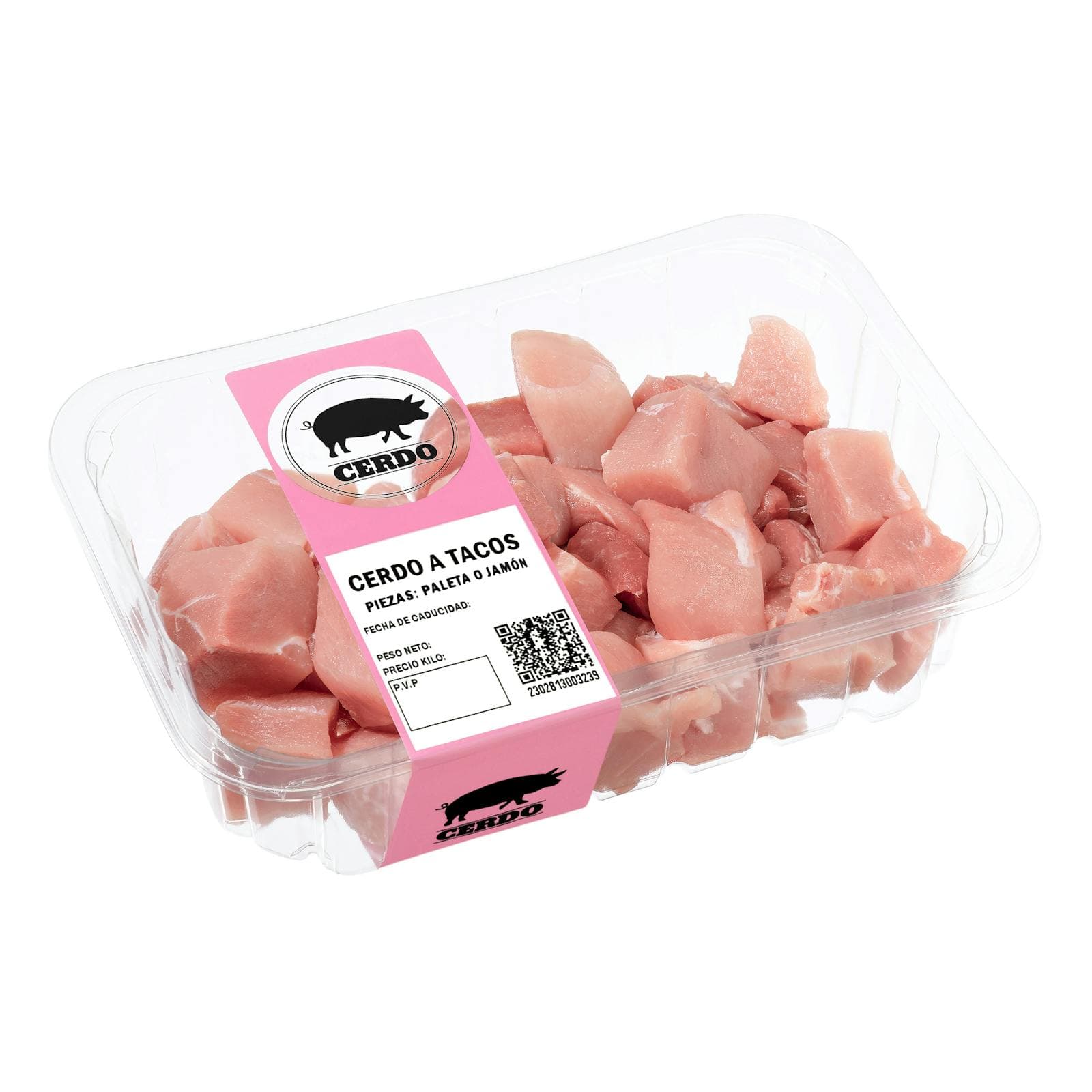 €3.22
€3.22Diced Pork
560 g · Mercadona
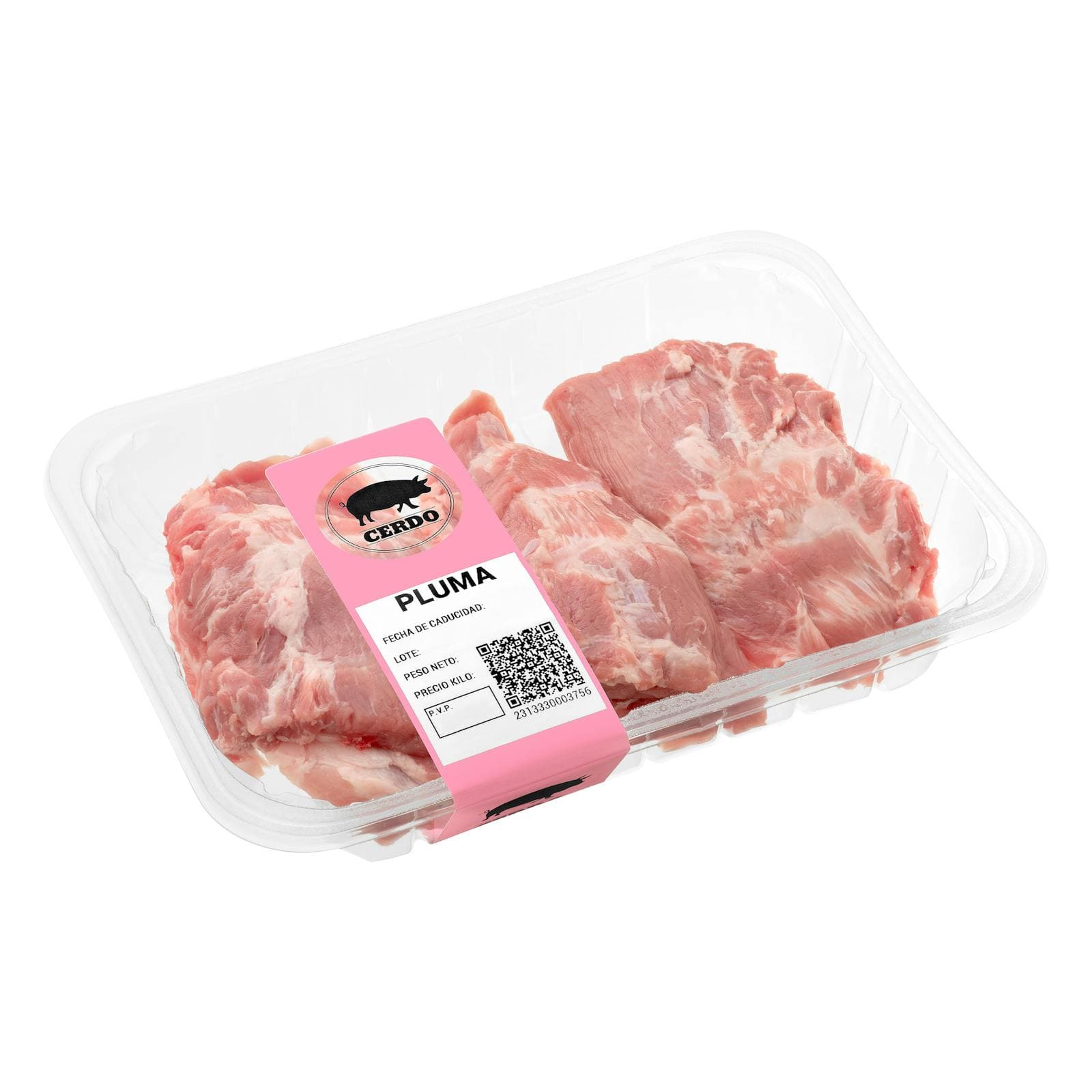 €3.75
€3.75Pork Pluma
300 g · Mercadona
Good to know
- Common Cuts
- Shoulder, hocks, belly, ham, chops, tenderloin
- Curing Method
- Wet brine or dry cure, followed by cold or hot smoking
- Smoke Temperature
- Cold smoke (below 90°F/32°C) for color only; hot smoke (above 200°F/93°C) for cooking and flavor
- Color
- Outer surface dark brown to black; interior ranges from pink to deep mahogany
- Flavor Profile
- Pronounced smoky-savory with saltiness; depth varies by wood type and smoke duration
- Sodium Content
- High; typically 600–1000mg per 100g serving
- Typical Storage (refrigerated)
- 5–7 days wrapped tightly; whole hocks up to 2 weeks
- Typical Storage (frozen)
- 4–6 months in airtight packaging
Substitutes
- Unsmoked Ham Hocks + Liquid Smoke — Add 1–2 teaspoons liquid smoke to stock or braising liquid; less depth than traditionally smoked but acceptable for flavor when the real thing is unavailable
- Bacon or Pancetta — Render first and use the fat for cooking; misses the deeper smoked notes but provides salt, fat, and smoky undertones from bacon; pancetta has no smoke but excellent savoriness
- Smoked Turkey Leg — Lower in fat and sodium than pork; works in stocks and braises where texture similarity is less critical; a serviceable substitute in beans and greens
- Unsmoked Pork Shoulder + Smoked Paprika — For stews and braises, add 1–2 tablespoons smoked paprika with aromatics to approximate smoky flavor; the collagen and fat render similarly but the depth differs
Pairs with
Also called
Smoked Pork (Uzené) · Uzené · Smoked Pork Neck
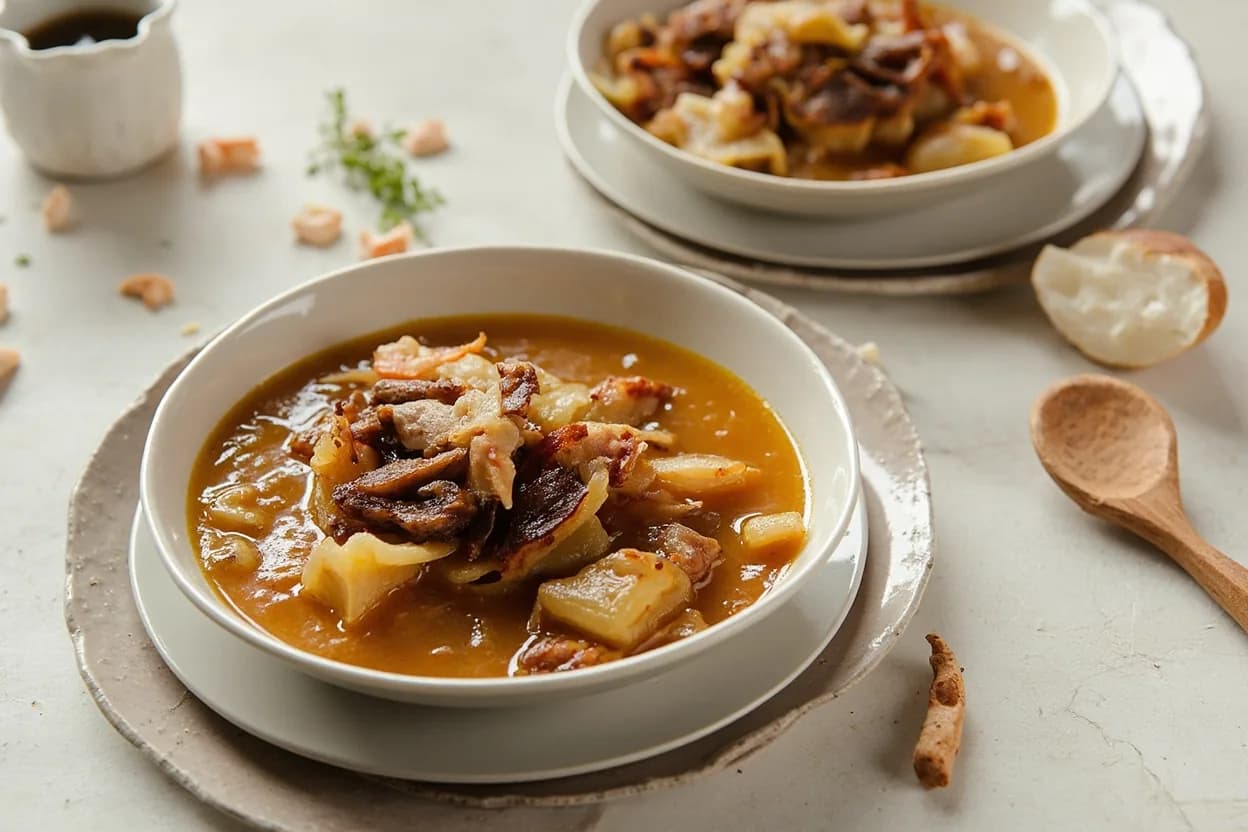
Appears in these dishes

Related

Egg
The kitchen's everything ingredient — bind, leaven, enrich, or fry
Chicken Breast
Lean, quick-cooking white meat for everyday dinners

Ground Beef
Versatile minced beef for burgers, ragù, tacos, and meatballs
Pork Loin
Lean, tender roasting cut that stays juicy with care
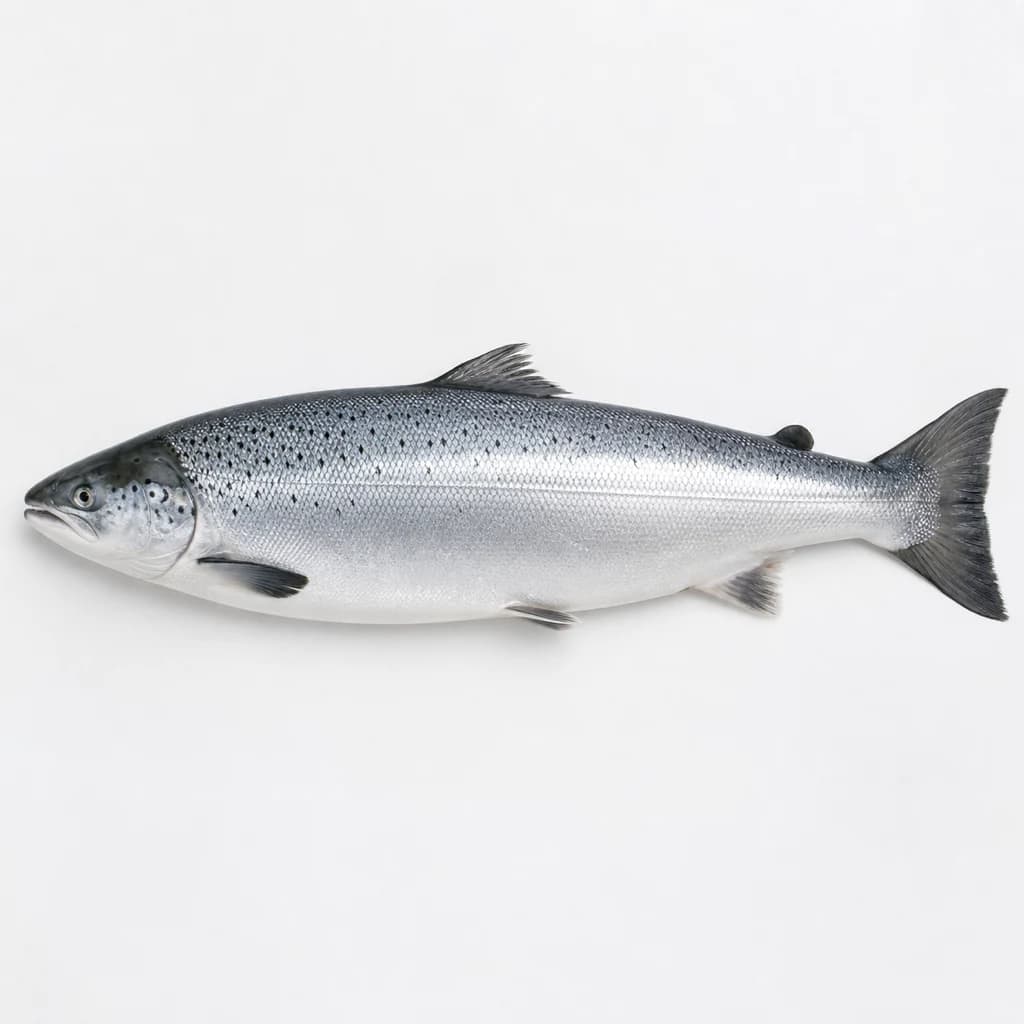
Salmon
Rich, rosy fish that roasts, grills, or cures beautifully

Egg White
Pure protein that whips to airy peaks for meringue and more

Egg Yolk
Rich, golden yolk for custards, mayonnaise, and pasta

Quail Egg
Tiny, speckled eggs for garnishing and elegant bites