Legumes & Beans
Crowder Pea
Dense, crowded field pea from the American South for hearty pot dishes.
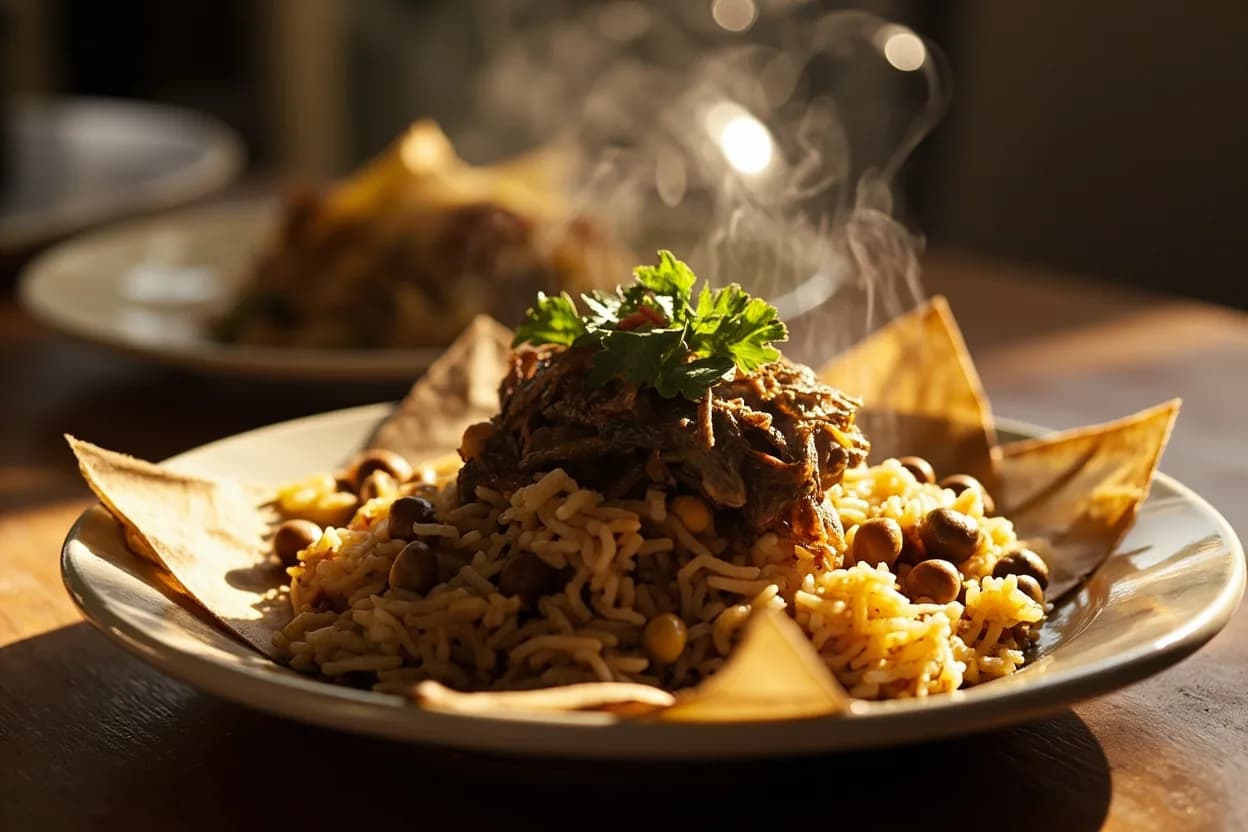
Crowder peas are a type of Southern field pea (cowpea) named because the seeds crowd tightly in the pod, giving them a square shape. A Southern US staple, they are simmered low and slow with pork for a dark, rich pot liquor and served over rice or cornbread. They have an earthy, full flavor heartier than black-eyed peas.
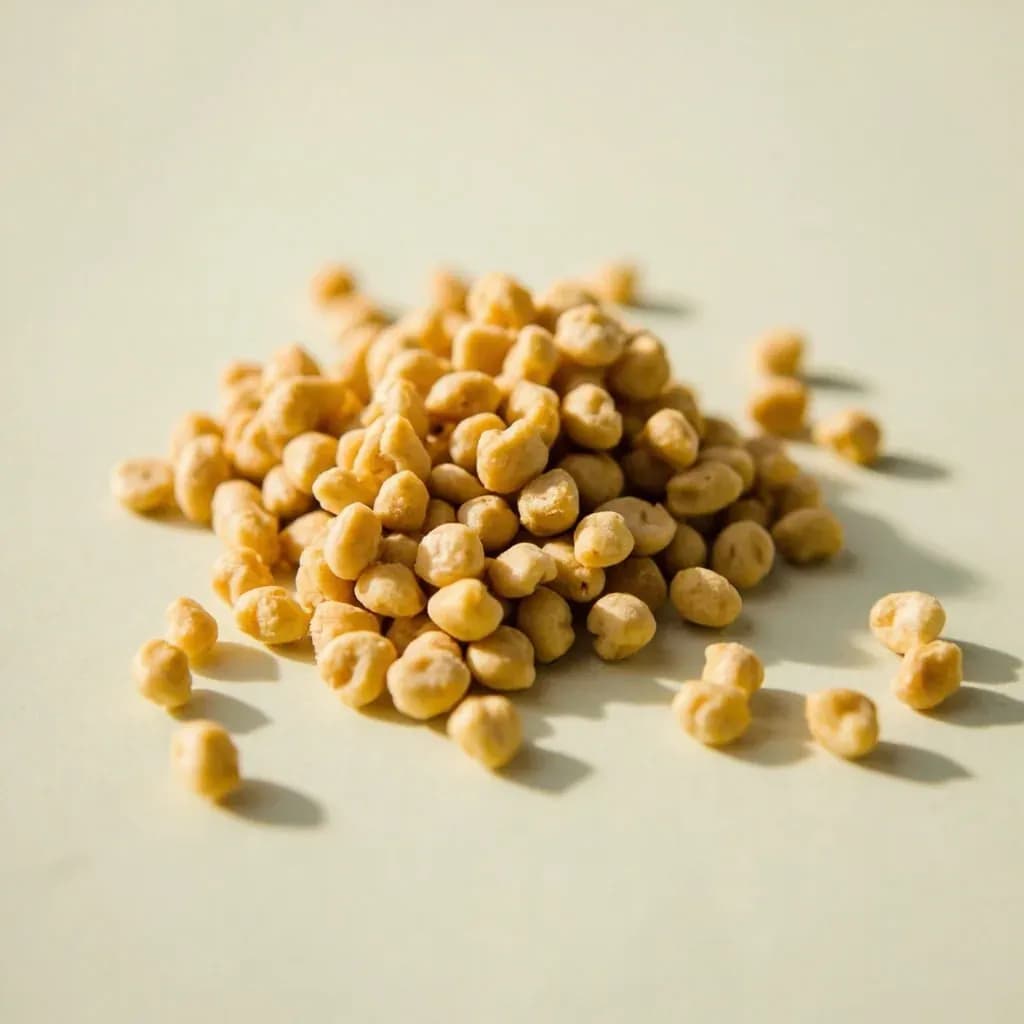
Crowder peas are field peas in the truest Southern sense—not sweet garden peas but sturdy, dried-legume cousins of the black-eyed pea. They belong to Vigna unguiculata, the cowpea family, and their name comes from how the peas crowd together in the pod, pressing against each other to create a distinctive angular, squarish shape when shelled. Crowders are denser, less starchy, and more meaty than black-eyed peas, with a creamier interior that holds its shape remarkably well through long braises. The line between crowders, cream peas, and hull peas is often blurred in Southern markets and conversation, but true crowders are prized for their robust, almost savory depth.
Crowder peas traveled to the American South via the slave trade in the 17th and 18th centuries, arriving from West Africa, where cowpeas had been cultivated for millennia. The Lowcountry of South Carolina and Georgia developed the deepest crowder pea culinary traditions, where they are central to Gullah Geechee cuisine. Southeastern states—South Carolina, Georgia, Mississippi, and Alabama—remain the primary growing regions. Fresh crowders in season (late summer through early fall) offer bright, verdant flavor and superior texture, but dried crowders are the traditional storage crop and the foundation of most heritage recipes. When cooked properly, crowders transform into deeply satisfying, protein-rich dishes that define Southern comfort food.
The behavior of crowders in the pot distinguishes them from more delicate legumes: they can withstand long, slow cooking with aromatics and smoked pork without falling apart, yet they retain a creamy, yielding interior. This resilience makes them ideal for dishes where the peas must absorb surrounding flavors while maintaining their structural integrity—exactly what happens in a properly made hoppin' John or a smoky pot of smothered crowders.
- Measured in
- g
- Storage
- Pantry
Types & varieties
The classic crowder; very dense, crowds tightly in the pod, square-shelled appearance when popped
Larger than the small white; similar dense texture but yields more per shelling
Rustic variety with a slightly earthier, nuttier flavor; holds shape exceptionally well
Technically a cream pea but grouped with crowders in commerce; small, tender, slightly sweeter
Hull pea, not a true crowder, but sold alongside them; silver-tinted hull, creamy interior
Darker seed coat; earthier flavor; popular in traditional Lowcountry cooking
Fresh vs. Dried Crowders
Fresh crowders in pods appear from late July through October at Southern farmers' markets and roadside stands. Buy them in firm, bright-green pods; avoid any with yellowing, spotting, or softness. Shell them the day you buy them for best results, or freeze the shelled peas immediately for up to 12 months.
Dried crowders are the traditional storage crop and the basis of most heritage recipes passed down through generations. They require soaking before cooking—either overnight (4–8 hours) or a quick-soak method (boil for 2 minutes, then rest covered for 1 hour). Old dried peas that have lost moisture will remain firm no matter how long you cook them; test them by biting before committing to a long braise. Dried crowders keep for 2–3 years in cool, dry storage, making them a reliable pantry staple.
- Fresh frozen peas are a reliable year-round substitute when fresh pods are unavailable
- Avoid canned crowders in dishes where texture matters—they are typically mushy and bland
- Sort and pick through dried crowders before soaking; discard any stones, grit, or discolored peas
The Pot Liquor Tradition
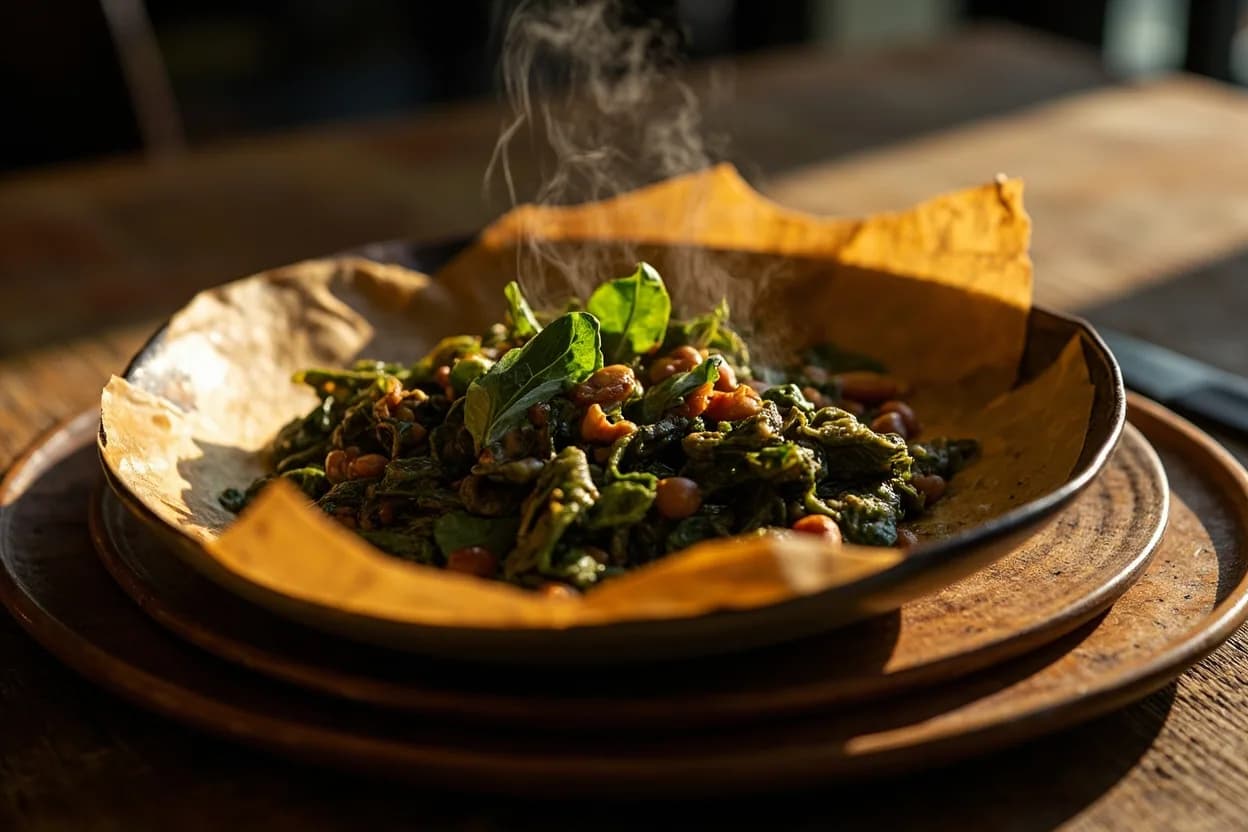
The cooking liquid, called pot liquor or pot likker, is as prized as the peas themselves in traditional Southern cooking. This starchy, mineral-rich liquid absorbs the flavor of whatever the peas cooked with—ham hock, fatback, or bacon—and becomes a foundation for braising greens, thinning dishes, or simply sopping up with cornbread. Never discard the pot liquor. Reduce it to a glaze, use it to cook collard greens, or serve it alongside the peas as a precious byproduct. Leftover crowders thicken considerably as they cool; thin them with reserved cooking liquid when reheating to restore the proper consistency.
- Save at least 1 cup of pot liquor before serving or reducing
- Reduce pot liquor separately to concentrate flavor for drizzling over the finished dish
- Use pot liquor to braise collard or mustard greens for a linked Southern meal
Common uses
Tips & pitfalls
- If buying fresh in pods, choose bright green, firm pods; avoid yellowing or spotted pods
- Sort and pick through dried crowders before soaking—discard any stones, grit, or discolored peas
- Soak dried peas 4–8 hours or do a quick-soak: cover with cold water, bring to boil, remove from heat, cover, let stand 1 hour
- Do not add salt or acidic ingredients (tomatoes, lemon, vinegar) until the last 20–30 minutes of cooking—acid and salt too early will prevent the peas from softening
- Cook with a ham hock, fatback, or bacon piece for authentic Southern flavor—the rendered fat and smoke penetrate the peas
- Taste for doneness before adding salt; many cooks add salt only at the table
- If peas remain firm after proper cooking time, they are old or were stored improperly—do not try to salvage by adding more liquid
- Leftover crowders thicken as they cool; thin with reserved cooking liquid when reheating
- Fresh frozen peas are a reliable year-round substitute when fresh pods are unavailable
- The pot liquor is prized in Southern cooking—reduce it and serve it alongside or use it as a braising liquid for greens
Nutrition
Energy
377 kJ · per 100 g
Where the calories come from
Protein
3g
6% DV
Carbs
18.8g
7% DV
Fat
0.4g
0% DV
Fiber
5g
18% DV
Sugars
3g
of which
Sodium
4mg
0% DV
Source · USDA FoodData Central · Cowpeas (blackeyes), immature seeds, raw
View on FDC →In the shops
Matched grocery products
No matched grocery products for Crowder Pea yet.
Good to know
- Botanical name
- Vigna unguiculata (cowpea)
- Origin
- West Africa; brought to the American South via the slave trade in the 17th–18th century
- Growing regions
- Southeastern United States; South Carolina, Georgia, Mississippi, and Alabama are primary producers
- Peak season (fresh)
- Late July through October in the South
- Form
- Fresh in pods, frozen shelled, or dried
- Color when fresh
- Green to pale green when immature; dried peas are beige to light brown
- Color when cooked
- Darker olive-green to brown, not bright green
- Texture
- Dense, meaty, slightly creamy interior; holds shape well when cooked
- Shelf life (dried)
- 2–3 years in cool, dry storage
- Shelf life (fresh in pod)
- 2–3 days refrigerated; freeze shelled fresh peas up to 12 months
- Protein content
- Approximately 8g per ½ cup cooked serving
- Fiber content
- Approximately 5g per ½ cup cooked serving
Substitutes
- Black-eyed peas — Closest substitute; similar meaty texture and cooking behavior; crowders are denser and less starchy
- Pink-eyed purple hull peas — Close cousin; similar size and density; slightly sweeter, purple-hued when cooked
- Cream peas (White Acre, California Blackeye) — Similar cooking time and texture but more delicate; add 10–15 minutes to cooking time if swapping
- Baby lima beans — Mushier texture when cooked; acceptable in stewed dishes but not for hoppin' John or dressed pea salads
Pairs with
Also called
Crowder Peas · Cowpea · Field Pea
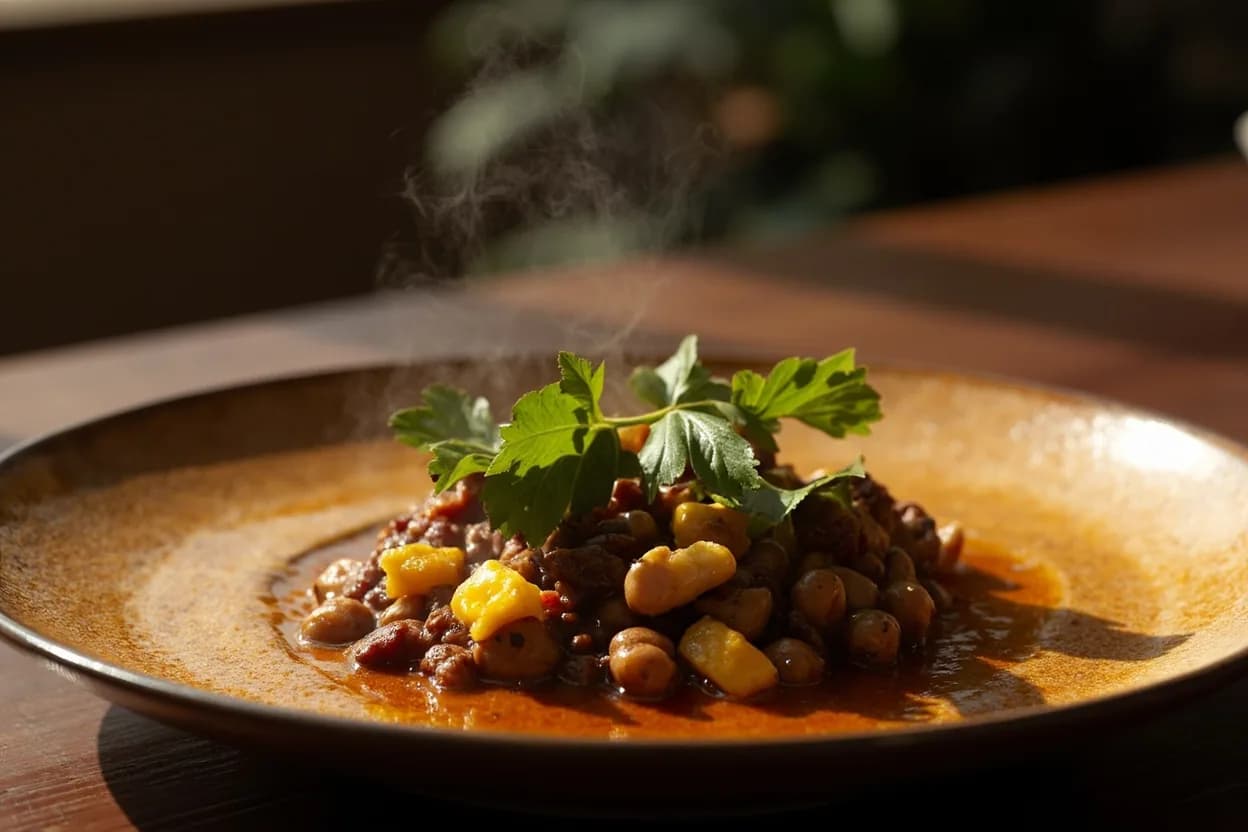
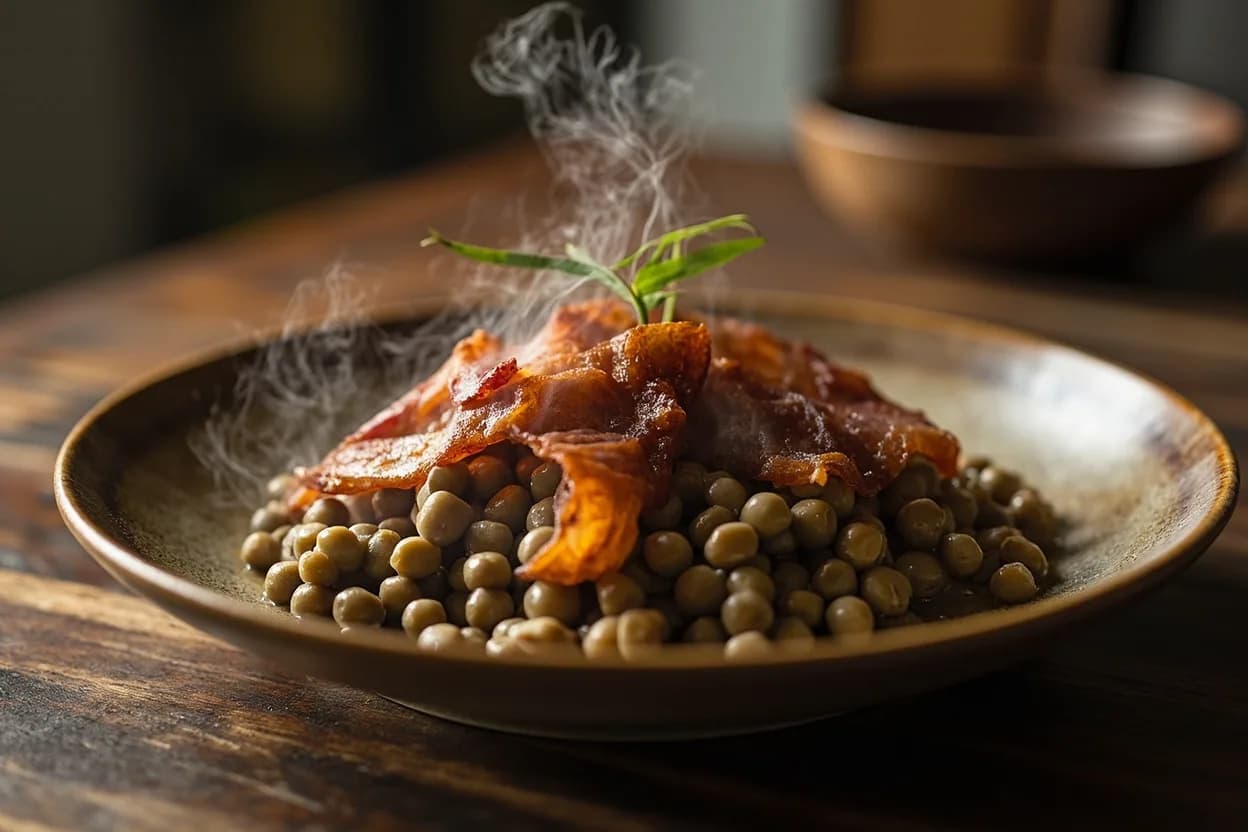
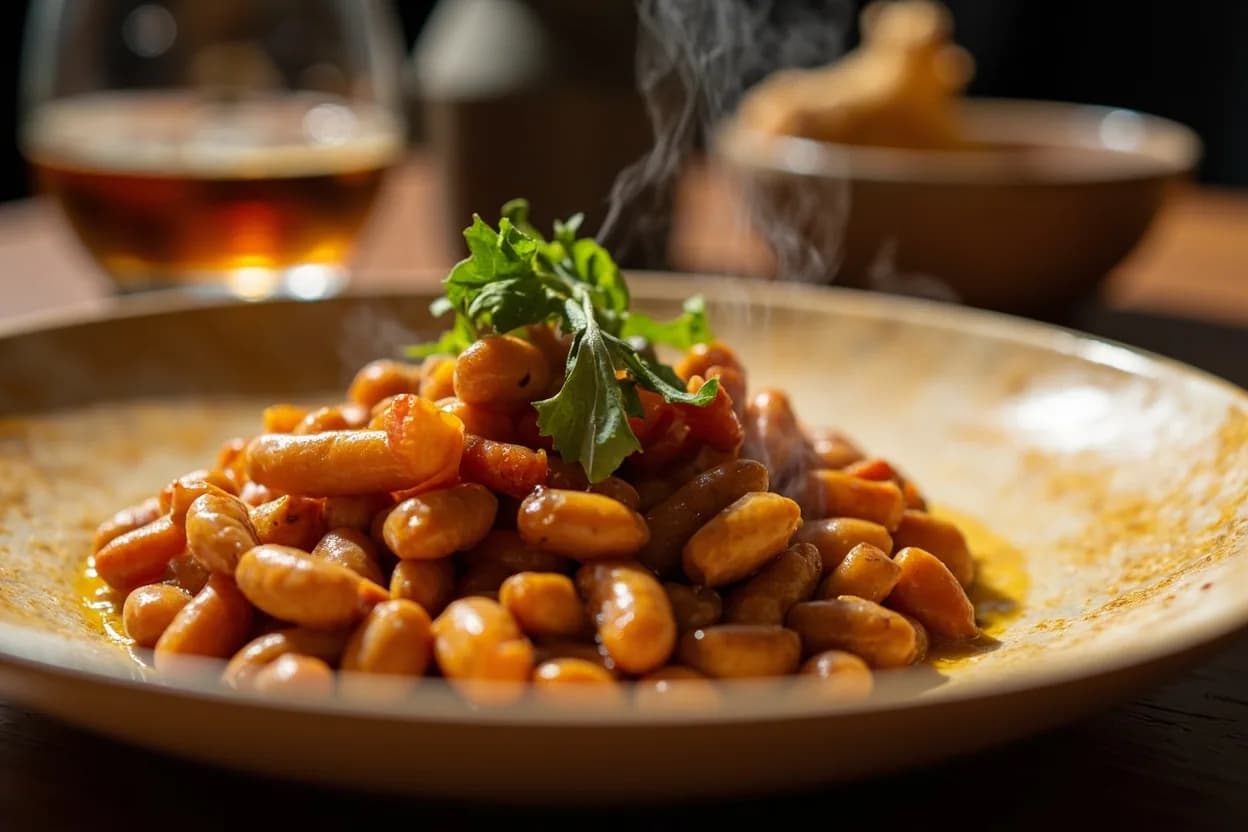
Appears in these dishes
Related
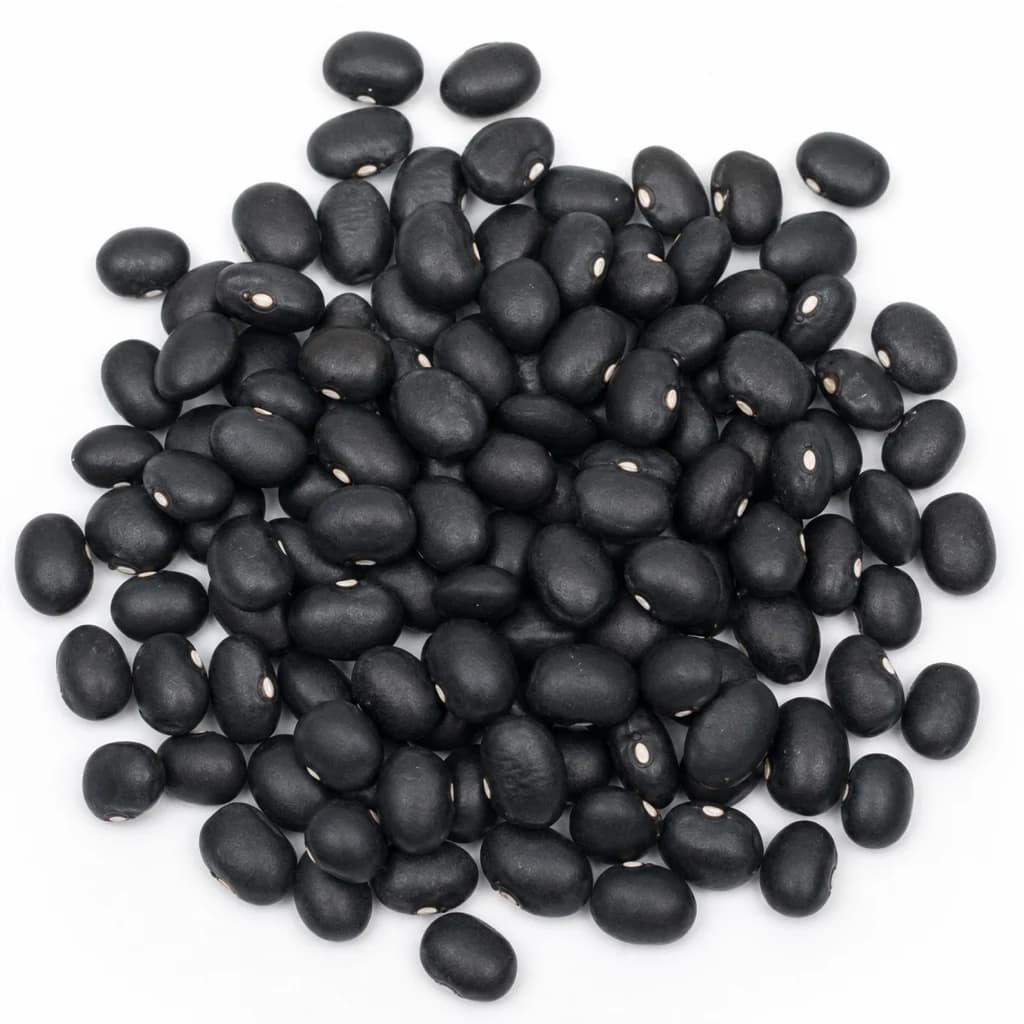
Black Beans
Earthy, creamy beans for bowls, soups, and tacos
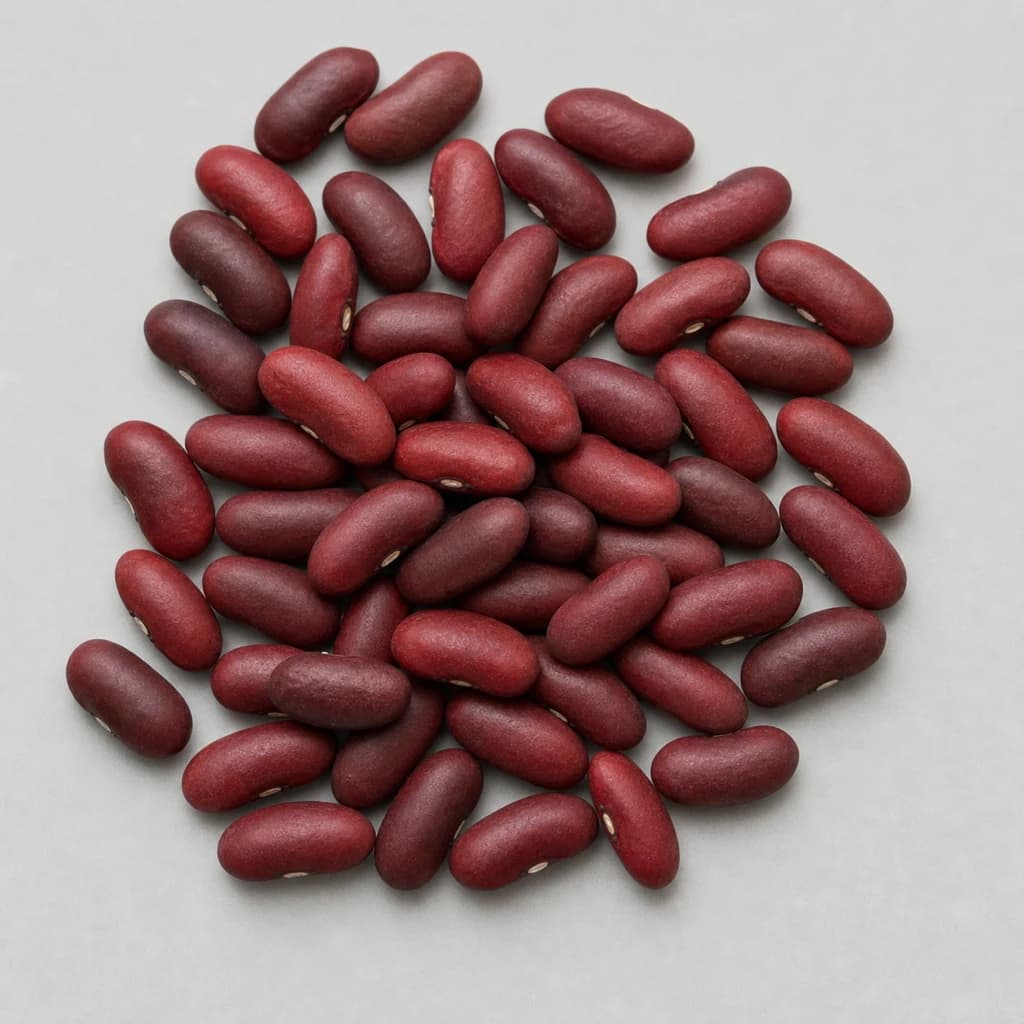
Kidney Beans
Hearty red beans that hold their shape in chili and stews
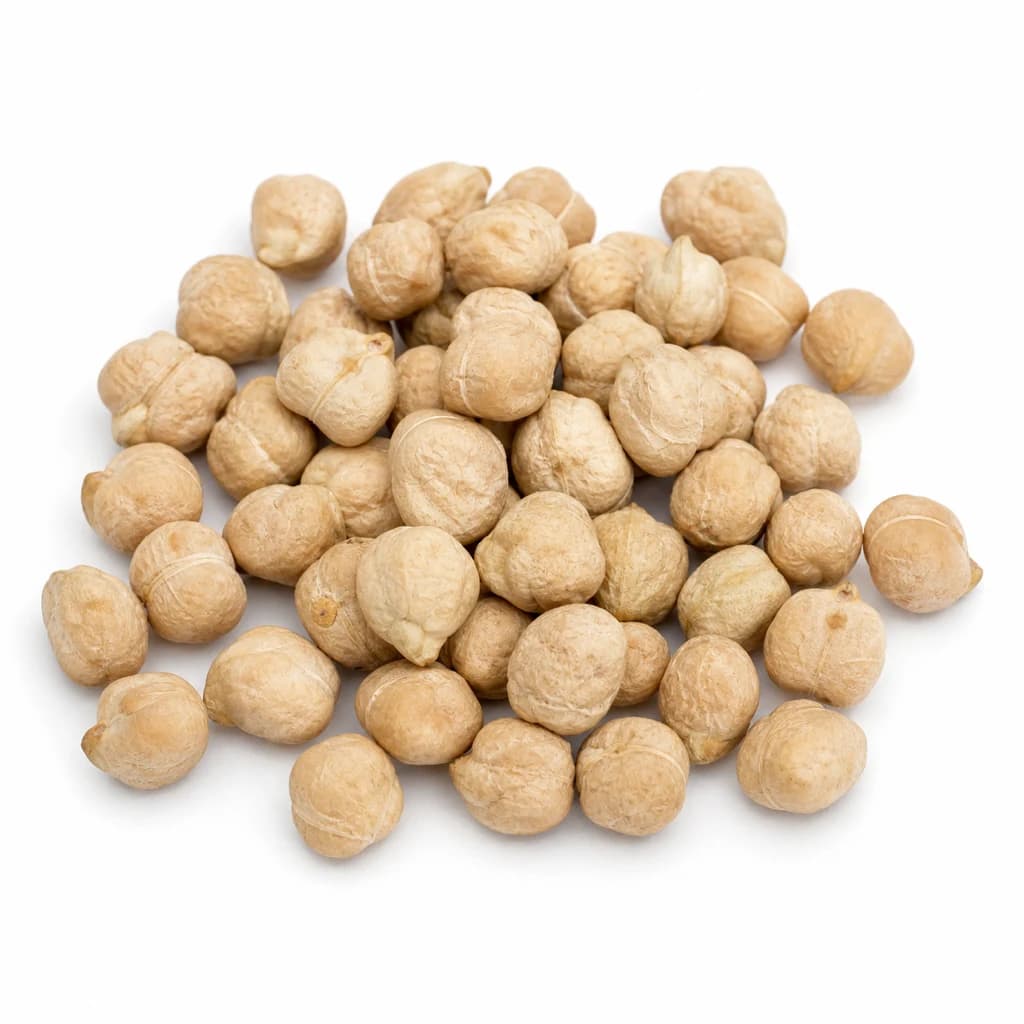
Chickpeas
Nutty, versatile beans for hummus, curries, and roasting
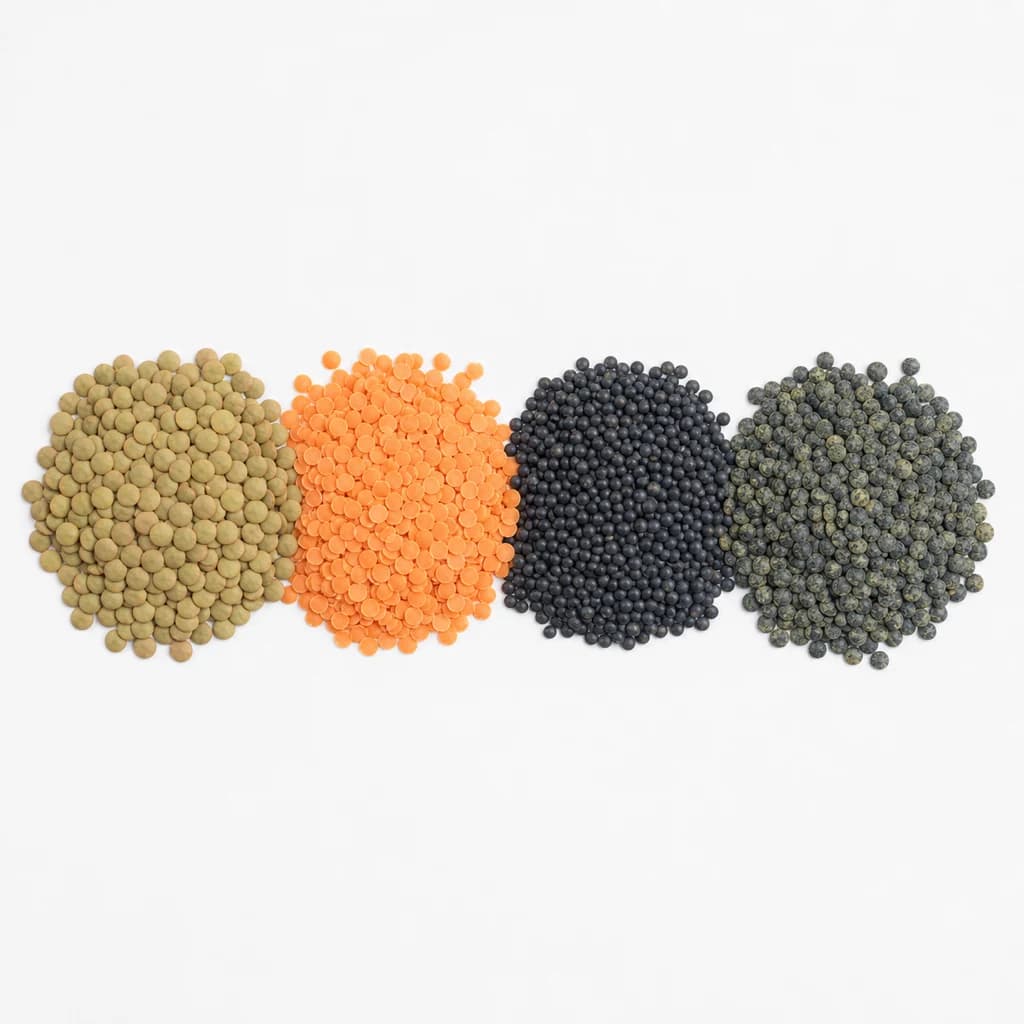
Lentils
Quick-cooking pulses for soups, dals, and hearty salads

White Beans
Creamy, mild beans for soups, stews, and silky purées
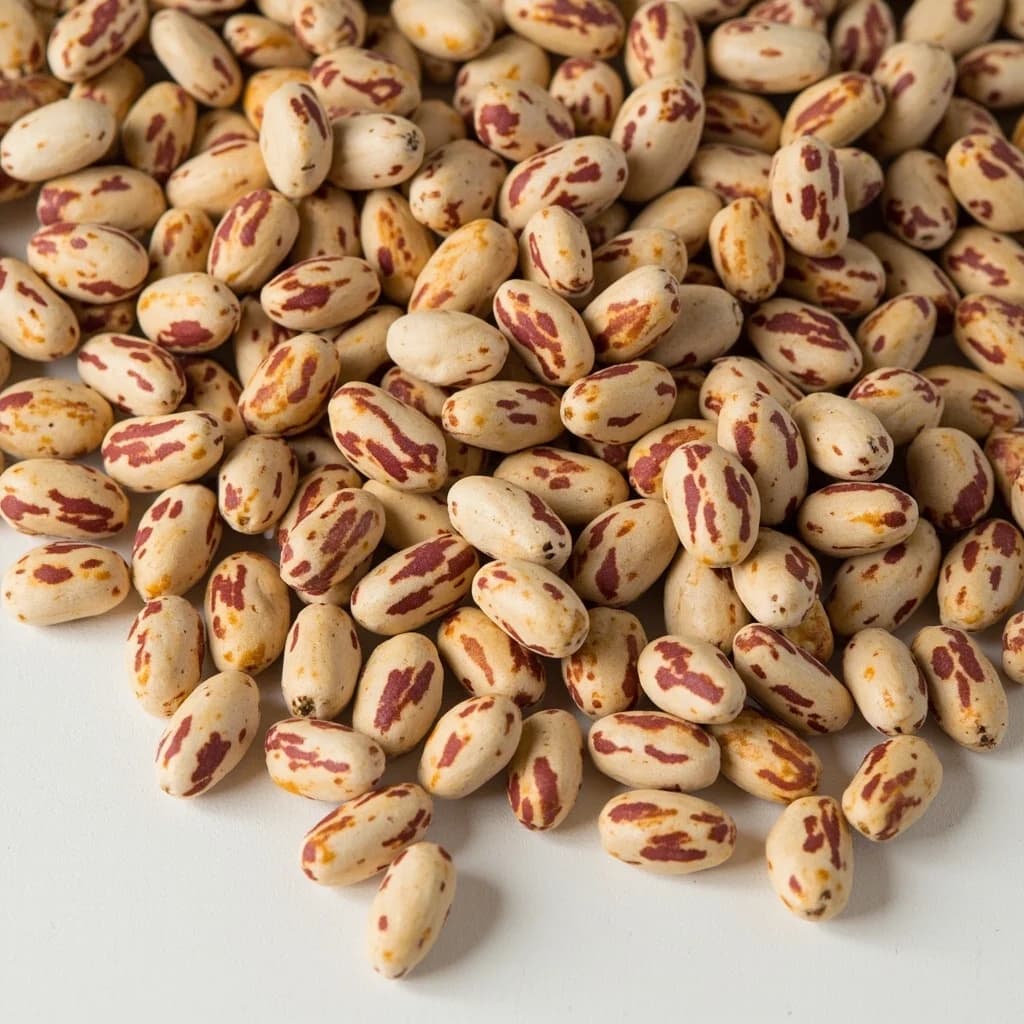
Pinto Beans
Creamy, speckled beans for refried beans and stews

Split Peas
Quick-cooking peas that melt into thick, comforting soups
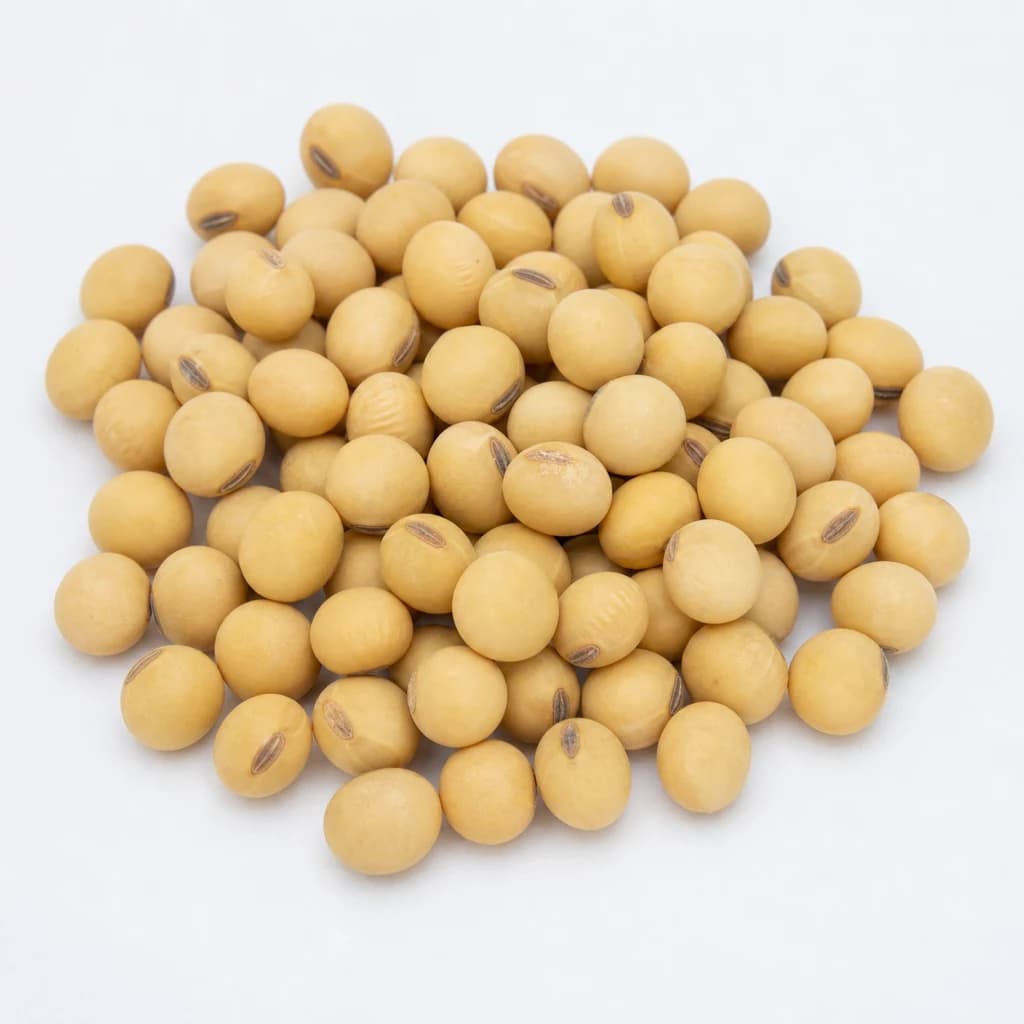
Soybeans
Protein-packed beans, the base for tofu and miso