Legumes & Beans
Chickpea
Nutty, round legume used in hummus, curries, stews, and falafel.
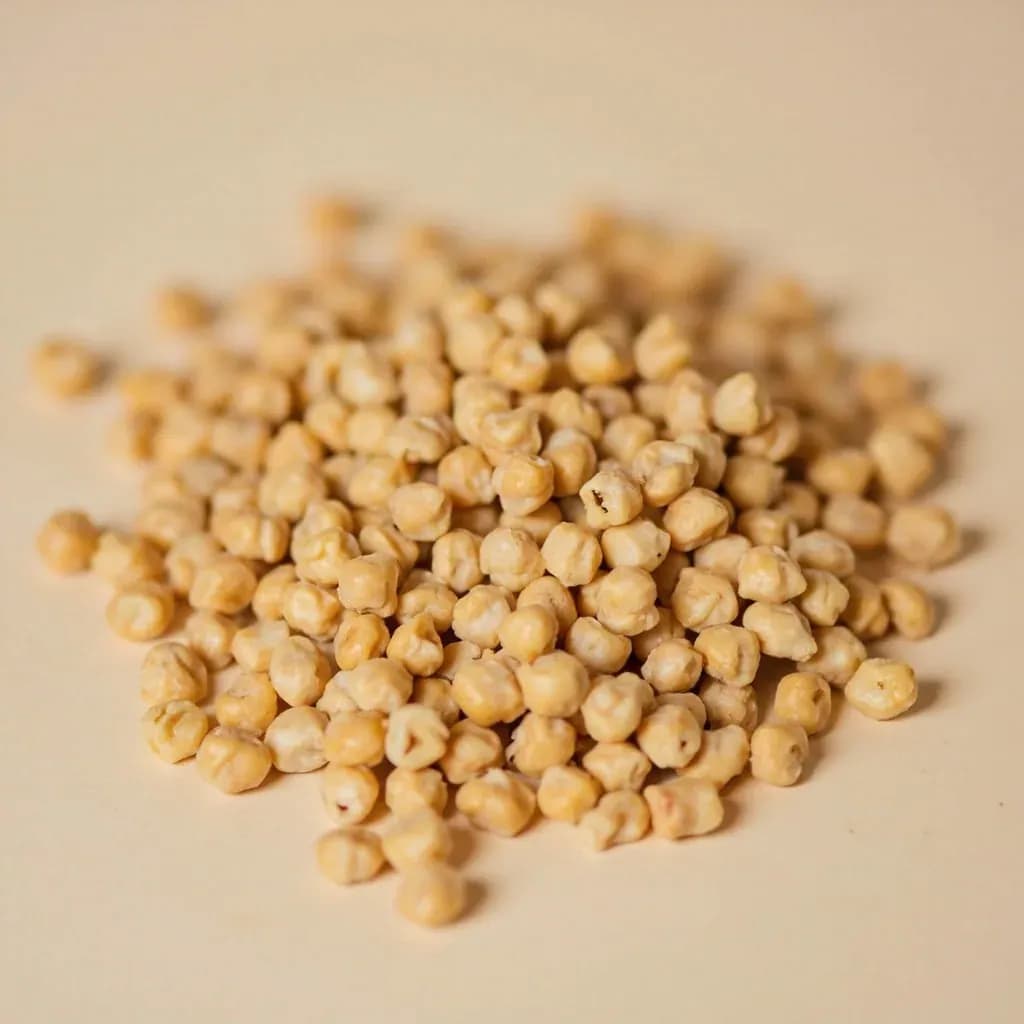
Chickpeas are round, beige legumes with a firm texture and mild, nutty flavor, central to cuisines across the Middle East, India, and the Mediterranean. They are boiled for stews and salads, blended into hummus, ground for falafel, or roasted as a snack; their flour (besan) is a kitchen staple. Soaking dried chickpeas overnight cuts cooking time significantly.
Chickpeas are one of humanity's oldest cultivated foods, domesticated in the Fertile Crescent over 10,000 years ago alongside wheat and barley. Their scientific name, Cicer arietinum, means "ram's head" in Latin—aptly describing their distinctive curved, beaked shape. Today they rank among the world's most widely consumed legumes, split into two main market classes: the large, smooth-skinned kabuli types favored in Mediterranean and Middle Eastern cuisines, and the smaller, rougher desi types preferred throughout South Asia.
In the kitchen, chickpeas behave differently from most other beans. They have a notably thick, sturdy skin that remains intact during cooking when treated properly, giving them a creamy interior and pleasant chew. Their flavor is mild and slightly nutty with an earthy undertone that deepens considerably when roasted. Unlike softer beans, chickpeas hold their shape well in soups and stews, making them versatile workhorses. They are exceptionally high in plant protein—about 15 grams per cooked cup—and their starch content gives dishes body, which is why they create the characteristic silky texture in hummus that other beans cannot replicate.
Chickpeas appear in virtually every culinary tradition that grows them: ground into flour for socca and battering, pressed into cakes for falafel, blended into spreads, simmered in curries, and even whisked into meringues via their cooking liquid (aquafaba). Their ability to absorb bold seasonings while retaining structure makes them indispensable across cultures.
- Measured in
- g
- Storage
- Pantry
Types & varieties
Large, smooth-skinned, cream-colored; dominant in Mediterranean, Middle Eastern, and Western cuisines; standard choice for hummus and salads
Smaller, darker, and rougher-skinned; higher in fiber; preferred in South Asia for curries like chana masala
Smaller and darker than desi; earthier, slightly sweeter flavor; common in Indian, Pakistani, and Bangladeshi cooking
Harvested young and fresh; milder, sweeter, and more tender; used in Indian and Mediterranean dishes; sold fresh, frozen, or canned
Smaller and reddish-brown; cooks relatively quickly; used in specific regional Indian preparations
Pre-cooked chickpeas ready to drain and use, with starchy aquafaba in the can usable as an egg-white substitute; tender straight away for hummus, stews, and quick salads.
Common uses
Tips & pitfalls
- Always soak dried chickpeas before cooking; this reduces cooking time by roughly half and ensures even tenderness throughout.
- Add 1/4–1/2 teaspoon of baking soda to the soaking or cooking water to soften the skins and accelerate cooking—this is standard practice in Indian cooking.
- Never add salt, acidic ingredients (tomatoes, lemon juice, vinegar), or spices with fat to the cooking water; these toughen the skins and dramatically extend cooking time.
- Cook chickpeas at a gentle simmer, not a rolling boil; vigorous boiling splits them and creates a muddy result.
- Test tenderness individually—chickpeas should be creamy throughout with no chalky core; underdone chickpeas are hard and unpleasant.
- For crispy roasted chickpeas, drain and dry thoroughly, toss with oil and seasoning, and roast at 400–425°F for 20–30 minutes, stirring once or twice.
- Save aquafaba—the viscous liquid in canned chickpeas—for vegan meringues, cocktails, or as a binder; it whips similarly to egg whites.
- When making hummus, remove the thin skins from cooked chickpeas for a noticeably smoother, silkier texture; blanch briefly to loosen the skins before rubbing them off in a towel.
Nutrition
Energy
1582 kJ · per 100 g
Where the calories come from
Protein
20.5g
41% DV
Carbs
63g
23% DV
Fat
6g
8% DV
Fiber
12.2g
44% DV
Sugars
10.7g
of which
Sodium
24mg
1% DV
Source · USDA FoodData Central · Chickpeas (garbanzo beans, bengal gram), mature seeds, raw
View on FDC →In the shops
Matched grocery products
No matched grocery products for Chickpea yet.
Good to know
- Scientific name
- Cicer arietinum
- Origin
- Southeastern Turkey and the Levant, cultivated for over 10,000 years
- Primary colors
- Beige/cream (kabuli); also black, green, red, and speckled
- Typical size
- 0.25–0.5 inch diameter, round with irregular ridges
- Flavor
- Mildly nutty, faintly earthy; buttery when well-cooked
- Dried yield
- 1 cup dried yields approximately 2.5–3 cups cooked
- Soaking time
- 4–12 hours in cold water; 2–4 hours in hot water
- Cooking time (dried)
- 45–90 minutes after soaking, until completely tender
- Protein content
- 15 g per cooked cup (about one-third of daily value)
- Storage (dried)
- 1–2 years in a cool, dry, airtight container
- Storage (cooked)
- 3–4 days refrigerated; 3–6 months frozen
Substitutes
- Cannellini or great northern beans — Milder flavor; suitable for soups, salads, and some dips, but not ideal for hummus or falafel
- Fava beans — Closest texture and earthy flavor; work well in Middle Eastern and Mediterranean preparations
- Lentils (brown or green) — Different texture but similar savory role; appropriate in curries, soups, and stews as a 1:1 substitute
- Black-eyed peas — Similar size and mildness; passable in salads and stews, though flavor profile differs
- Navy beans — Smaller and milder; acceptable in stews and salads, but lacks the nutty flavor chickpeas provide
Pairs with
Also called
Nakhod · Channa · Chickpeas · Kabuli Chana · Garbanzo Bean · Garbanzo
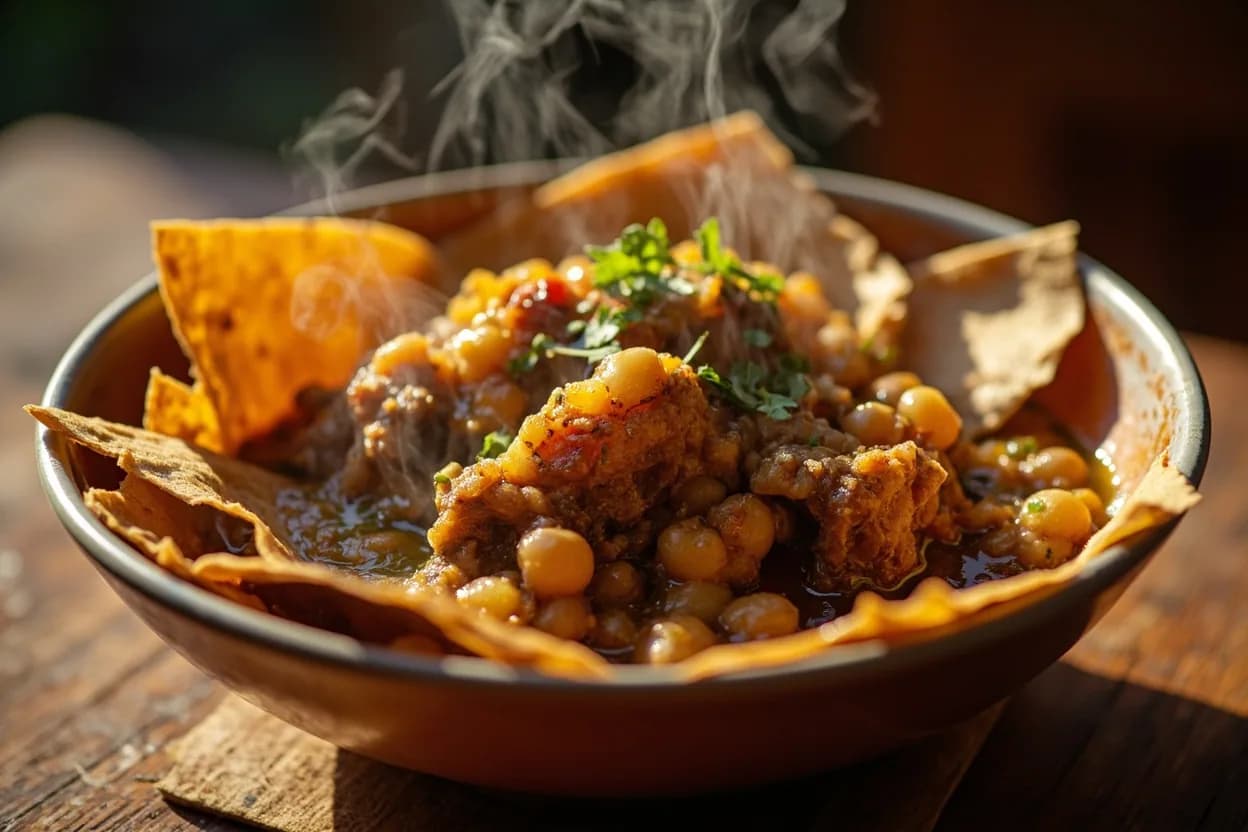
Appears in these dishes
Related
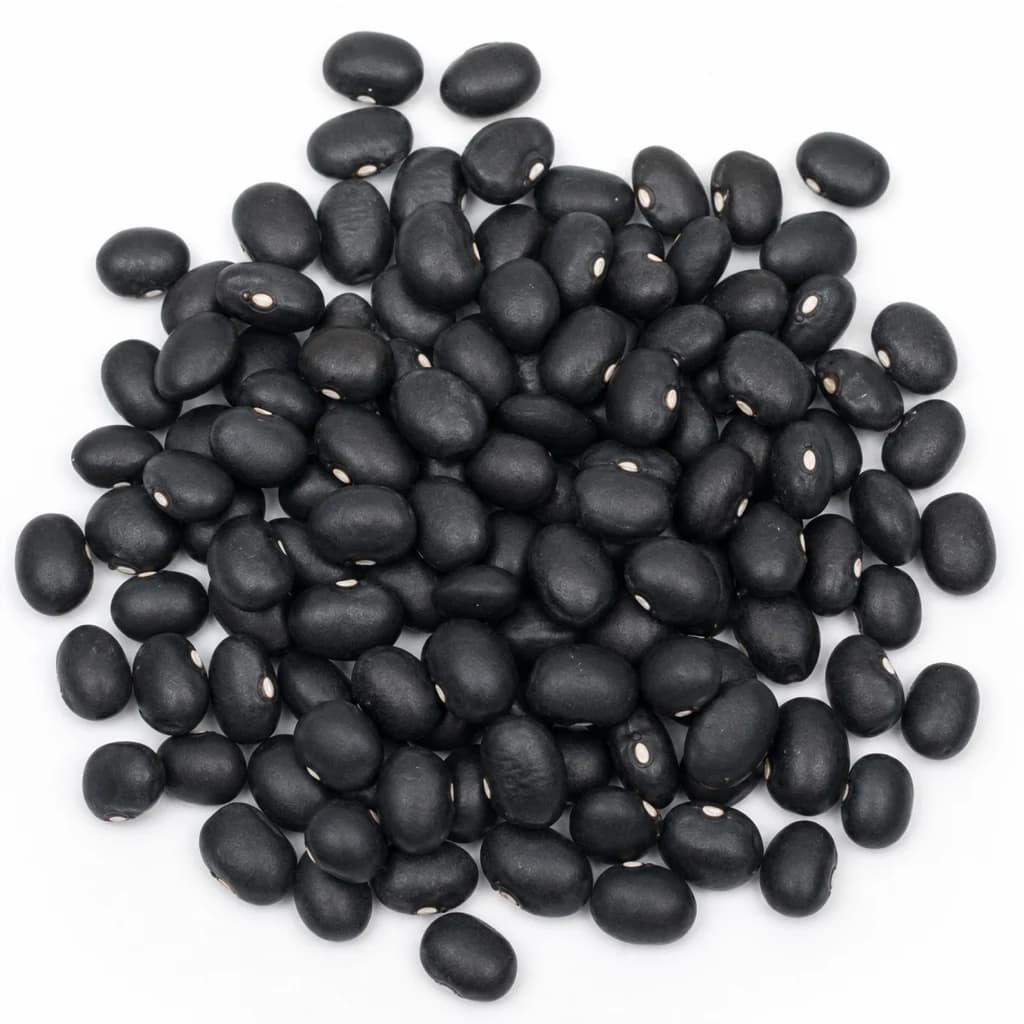
Black Beans
Earthy, creamy beans for bowls, soups, and tacos
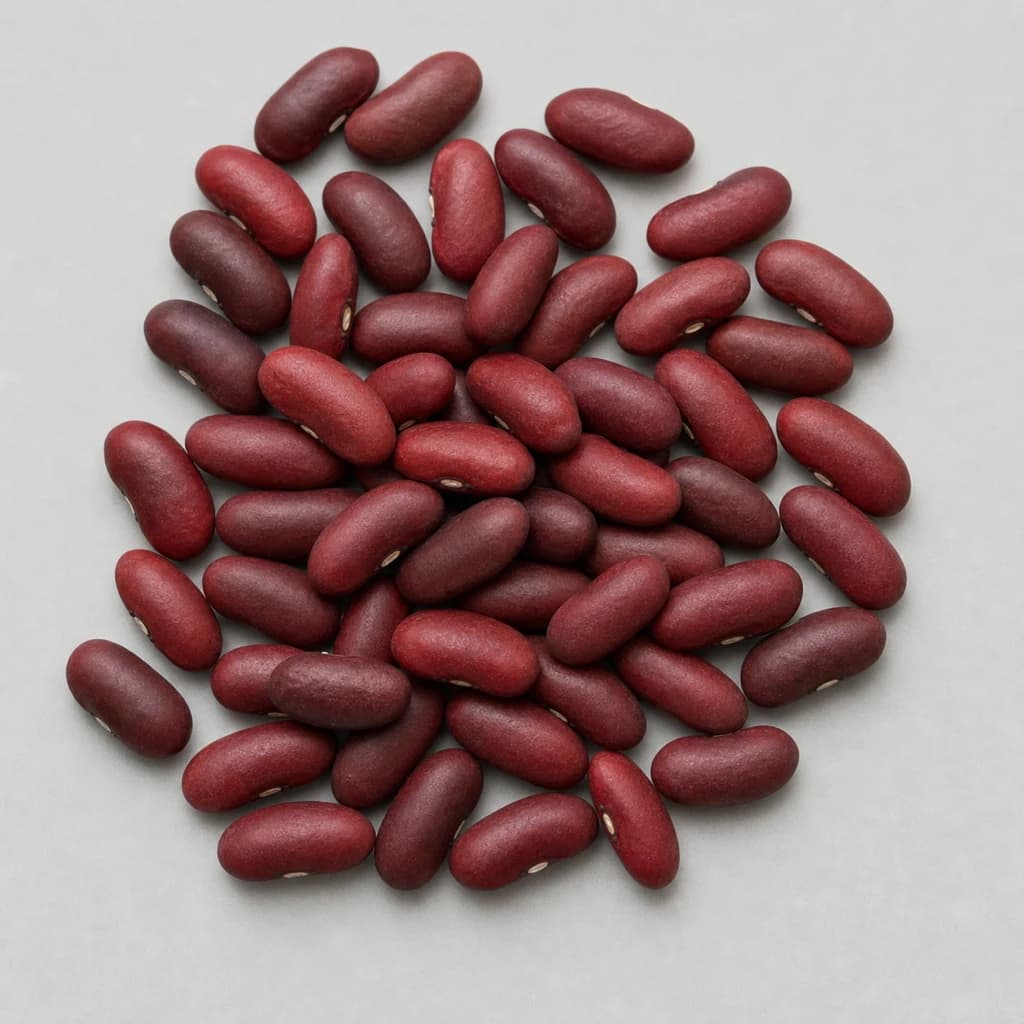
Kidney Beans
Hearty red beans that hold their shape in chili and stews
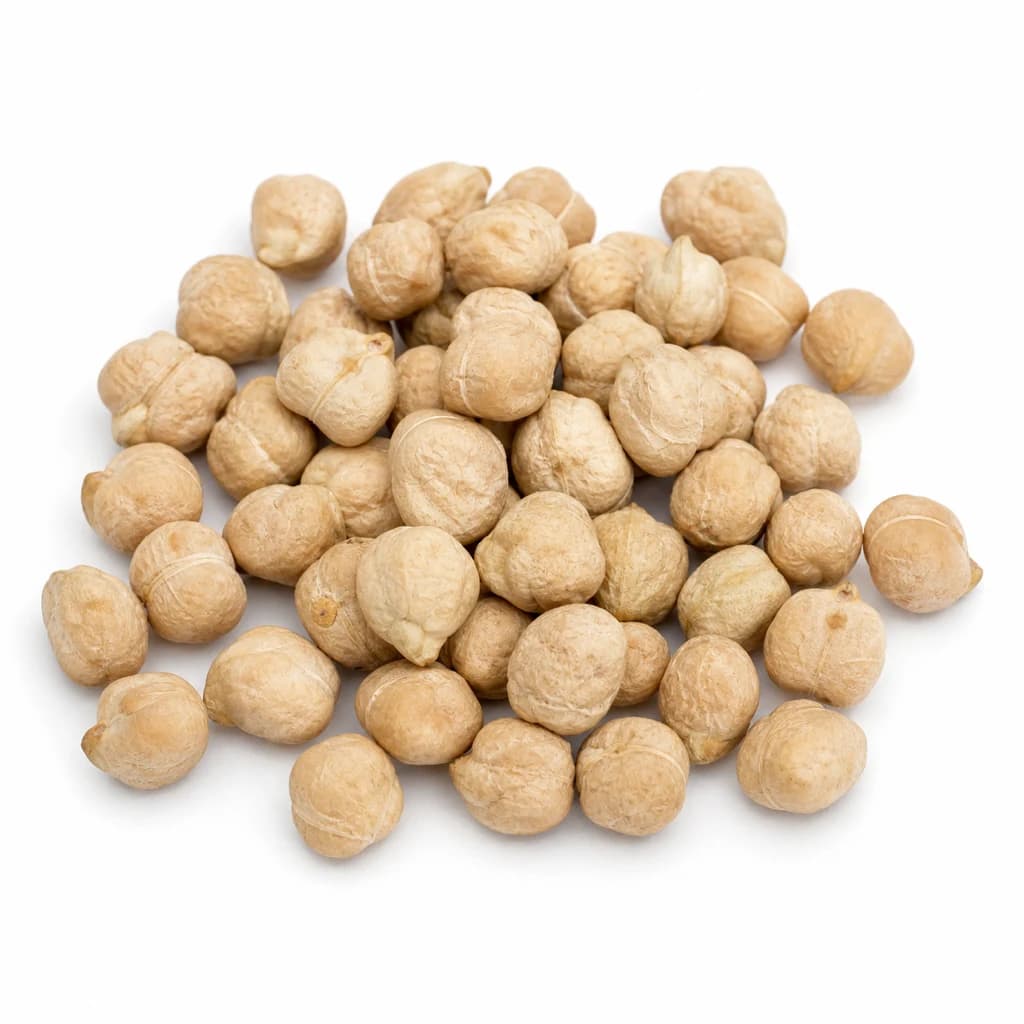
Chickpeas
Nutty, versatile beans for hummus, curries, and roasting
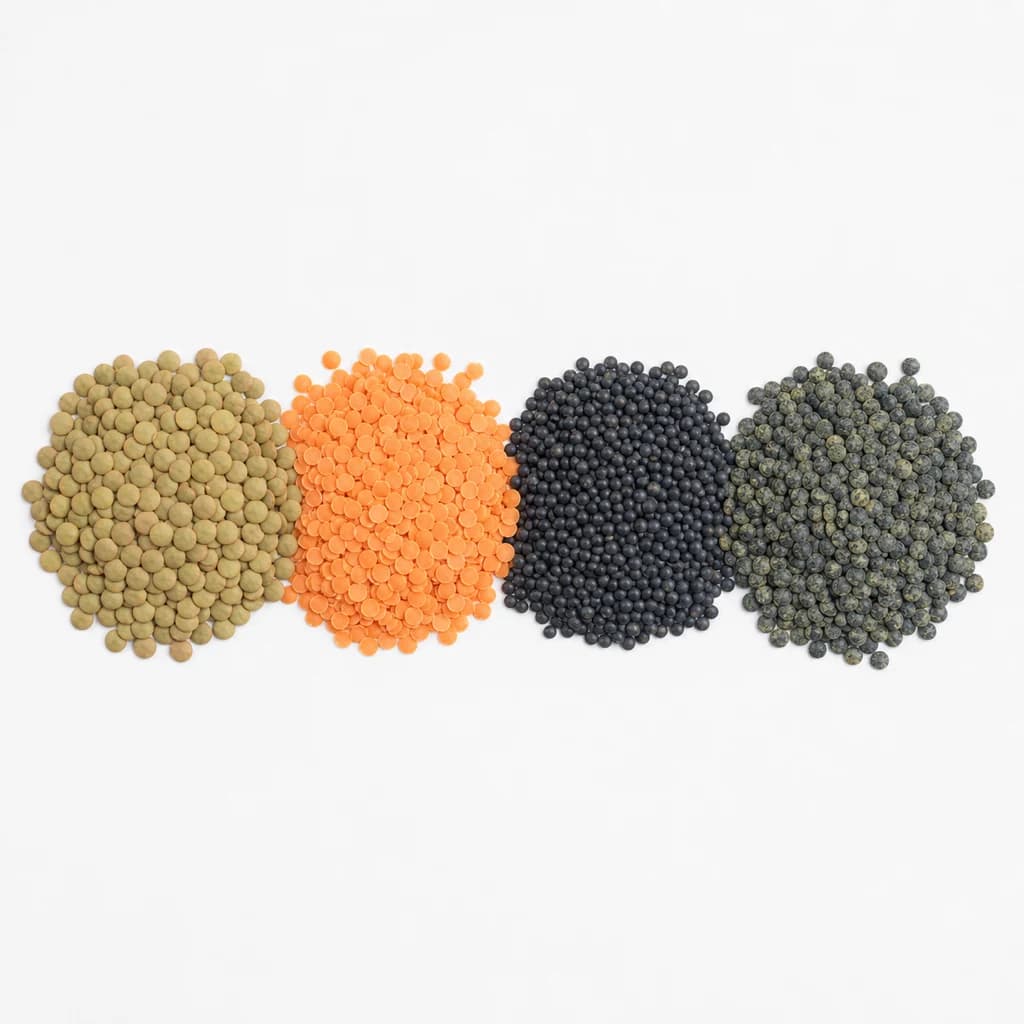
Lentils
Quick-cooking pulses for soups, dals, and hearty salads

White Beans
Creamy, mild beans for soups, stews, and silky purées
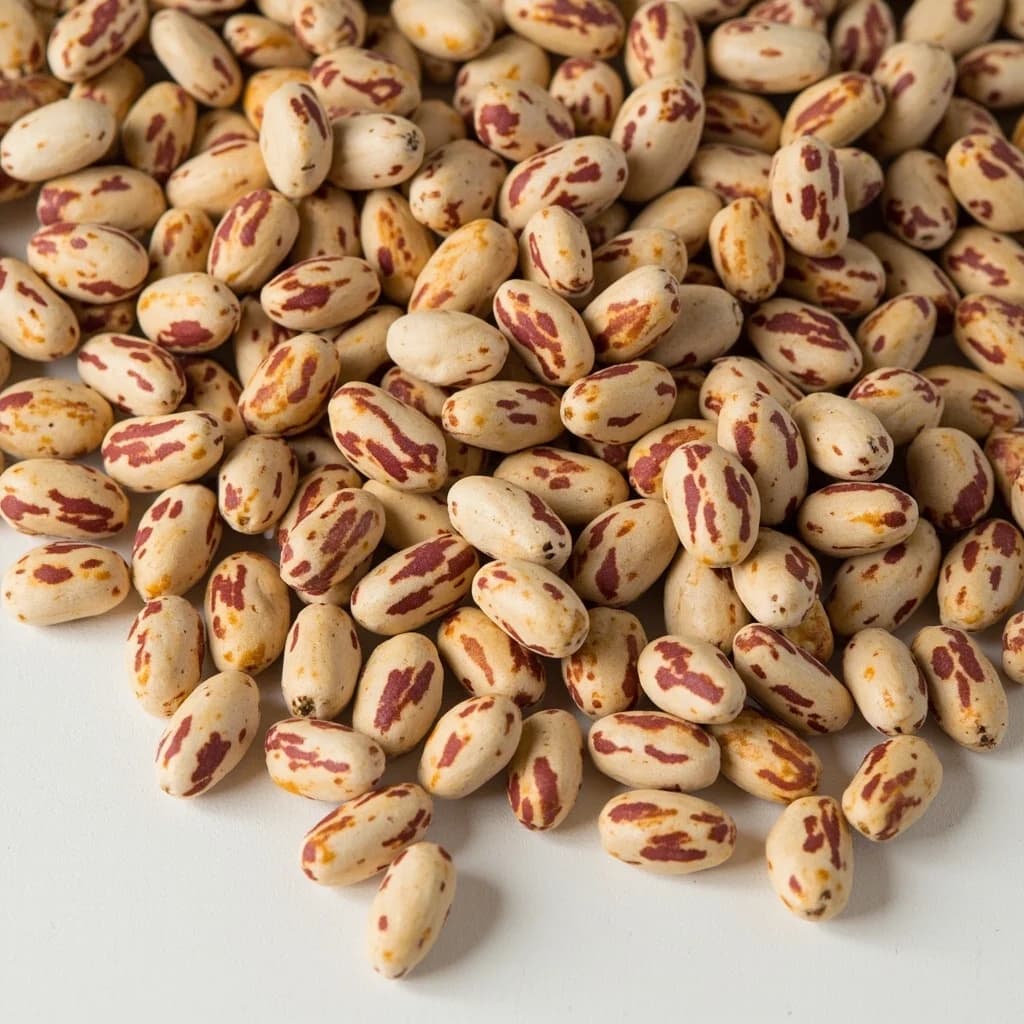
Pinto Beans
Creamy, speckled beans for refried beans and stews

Split Peas
Quick-cooking peas that melt into thick, comforting soups
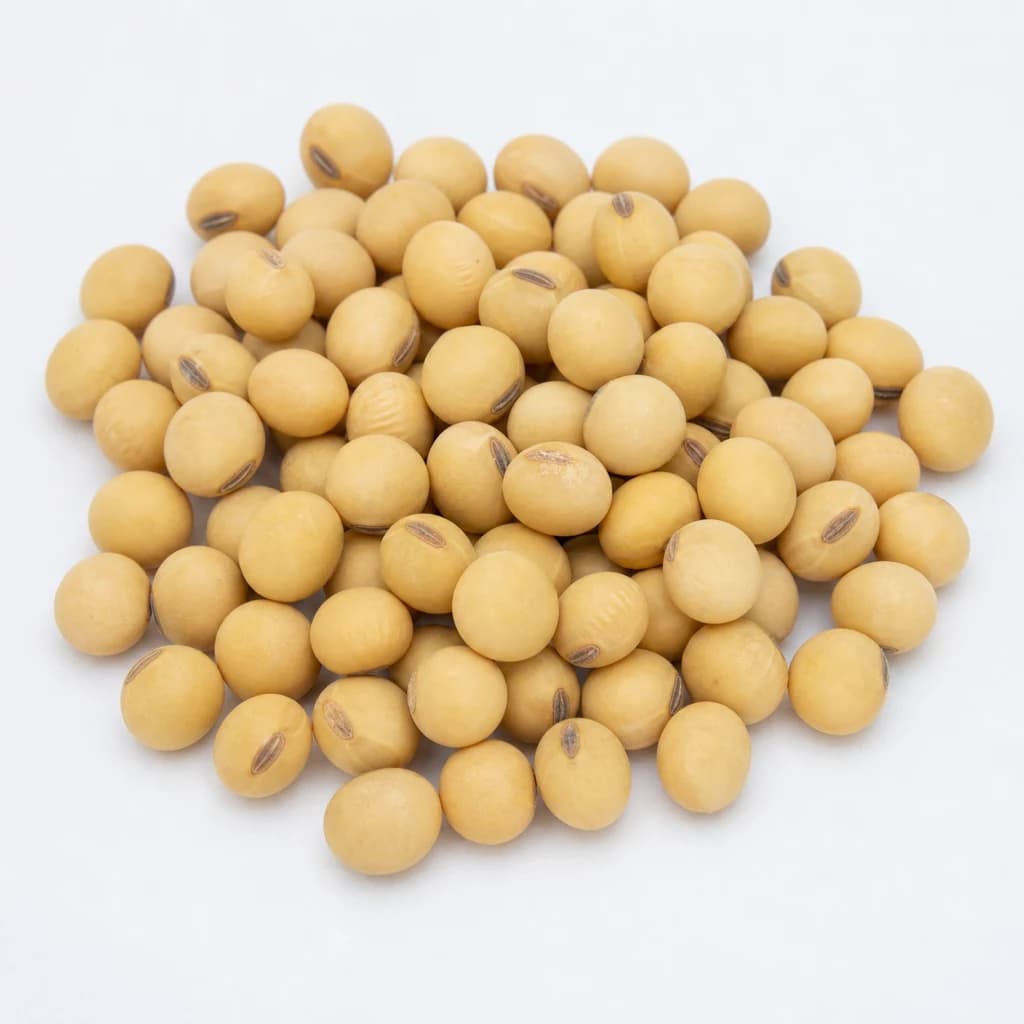
Soybeans
Protein-packed beans, the base for tofu and miso