Proteins
Italian Sausage (Salsiccia)
Fresh pork sausage seasoned with fennel, available sweet or hot.
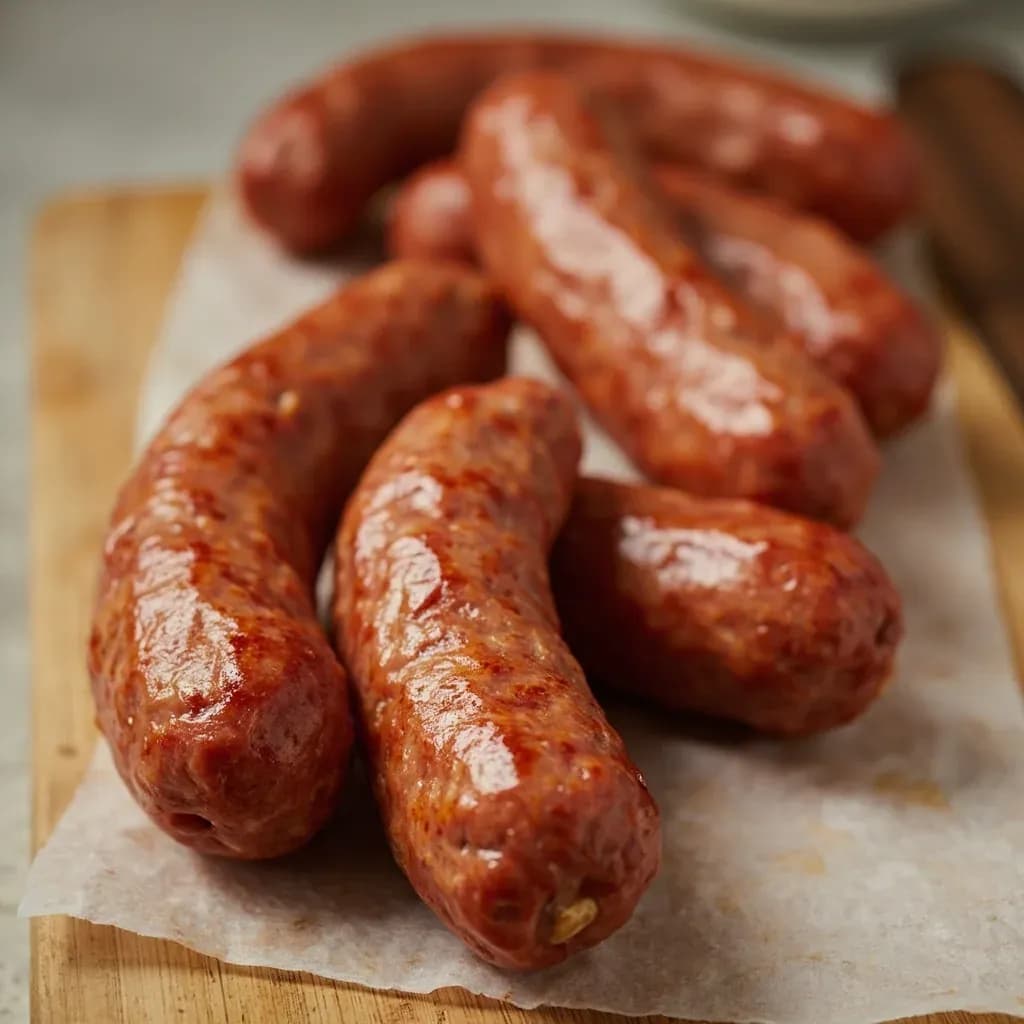
Italian sausage, or salsiccia, is a fresh pork sausage classically seasoned with fennel seed and garlic, made in sweet (mild) and hot (chili) versions. It is grilled, browned for pasta sauces, crumbled into ragù, or roasted with peppers. The fennel is its signature aromatic, distinguishing it from other fresh sausages.
Fresh Italian sausage — salsiccia in Italian — is the everyday fresh pork sausage of Italian butcher shops, sold raw and meant to be cooked the same day. Unlike cured salami, it is uncured, unsmoked, and packed in natural or collagen casings as links, or sold loose in bulk. The defining flavor is fennel seed, often joined by garlic, black pepper, and sometimes anise, paprika, or hot pepper flakes; the hot version, salsiccia piccante, adds peperoncino or cayenne.
The American 'sweet' or 'hot Italian sausage' familiar from grocery stores is the standardized descendant of the fennel-forward southern and central Italian styles that Italian-American butchers adapted in the early 20th century. In Italy itself, the name changes by region — Tuscan sausage typically skips fennel for rosemary and garlic, while Neapolitan and Calabrian versions lean further into chili and wine. Recognizing the regional differences matters because the right sausage can make a dish sing without any other seasoning.
In the pan, fresh Italian sausage behaves like any well-made fresh pork sausage: it renders a generous amount of flavorful fat, browns deeply, and stays juicy if you do not pierce the casing. That rendered fat is itself an asset — it becomes the cooking medium for peppers, onions, beans, or tomato, building the foundation of the dish.
- Measured in
- g
- Storage
- Fridge
Types & varieties
The sweet/mild style — fennel, black pepper, garlic; the most widely exported 'sweet Italian sausage.'
The hot style — same base as dolce plus peperoncino, cayenne, or Calabrian chili.
Tuscan fresh sausage traditionally seasoned with garlic, black pepper, and rosemary, often with no fennel; classically simmered with beans.
Neapolitan style with garlic, red wine, and a notable fennel note; used in ragù and stuffed preparations.
From Calabria — strongly spiced with Calabrian chili and often a touch of paprika.
Long, thin, often unlinked coil from northern Italy (Lombardy, Veneto); seasoned simply with pepper, garlic, and sometimes grappa or wine.
Puglian version often incorporating white wine and sometimes aged in lard.
Generic 'with fennel' designation across regions; the most familiar style to U.S. cooks.
Wild boar sausage from Tuscany, Umbria, and Sardinia; gamier, often with juniper, bay, and wine.
Truffle-laced fresh sausage, common in Umbria and Piedmont; intensely aromatic.
Regional Distinctions Matter
Treated as a single product, 'Italian sausage' flattens out a rich regional map. Knowing the differences helps you build a dish around the right flavor profile rather than trying to override it.
- Tuscan sausage is fennel-free and rosemary-tinged — built to simmer with cannellini beans, not to fight tomato and chili.
- The Neapolitan style carries the fennel Americans expect, and pairs naturally with tomato-based pasta sauces and pizza.
- Calabrian sausage is hot by design; if your recipe already adds chili, dial back elsewhere or swap to dolce.
- Luganega (northern) is mild and simply seasoned — works in risotto and as a delicate stuffing.
- Game versions (cinghiale, truffle) are luxury ingredients: use them where their flavor will be the star, not buried in a long-simmered ragù.
Common uses
Tips & pitfalls
- Always cook Italian sausage from raw — it is not cured, smoked, or dried in its fresh form.
- For crumbled applications (pasta sauces, pizza, soups), slip the meat from its casing before browning; for whole-link presentation, leave the casing on and score lightly if needed.
- Render the sausage low and slow first to coax out fat, then crisp at higher heat — this fat becomes the flavor base for the rest of the dish.
- Avoid piercing the casing during cooking unless you intend to release the fat; whole, intact links stay juicier.
- Do not overcook — pull links at 160°F (71°C) internal; carryover heat will finish them.
- Let cooked sausage rest a few minutes before slicing so juices redistribute.
- Taste a tiny cooked piece of the seasoned mixture before stuffing or batching to dial in salt, heat, and fennel balance.
- Freeze raw links on a sheet pan first, then bag — they hold their shape and you can sear them straight from frozen.
Nutrition
Energy
1213 kJ · per 100 g
Where the calories come from
Protein
13.9g
28% DV
Carbs
3g
1% DV
Fat
24.3g
31% DV
Fiber
0g
0% DV
Sugars
1.2g
of which
Sodium
563mg
24% DV
Source · USDA FoodData Central · Sausage, Italian, pork, mild, raw
View on FDC →In the shops
Matched grocery products
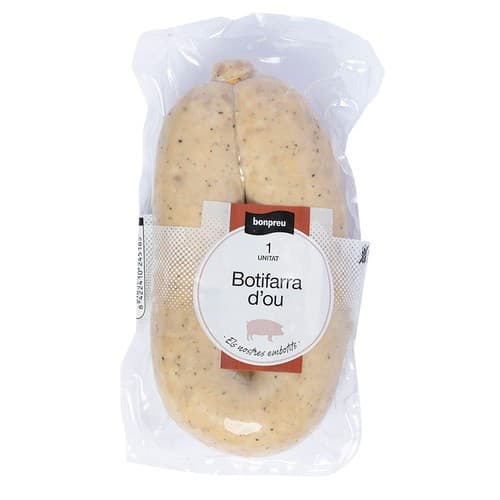 €3.79
€3.79Egg Sausage
BONPREU · kg · Bonpreu
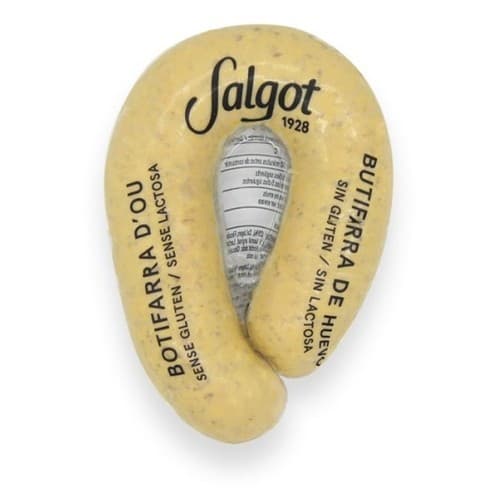 €4.99
€4.99Egg Sausage
SALGOT · kg · Bonpreu
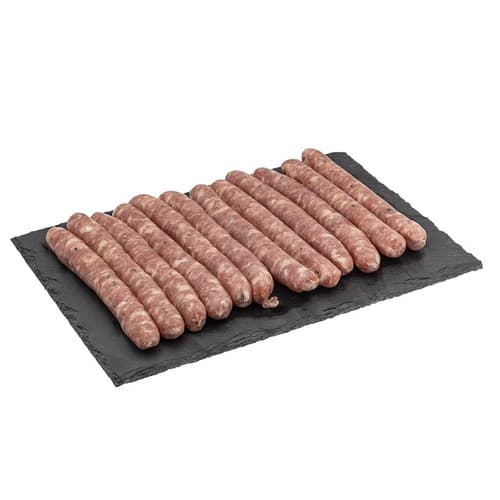 €5.99
€5.99Pork Sausage
BONPREU DE L'ERA · kg · Bonpreu
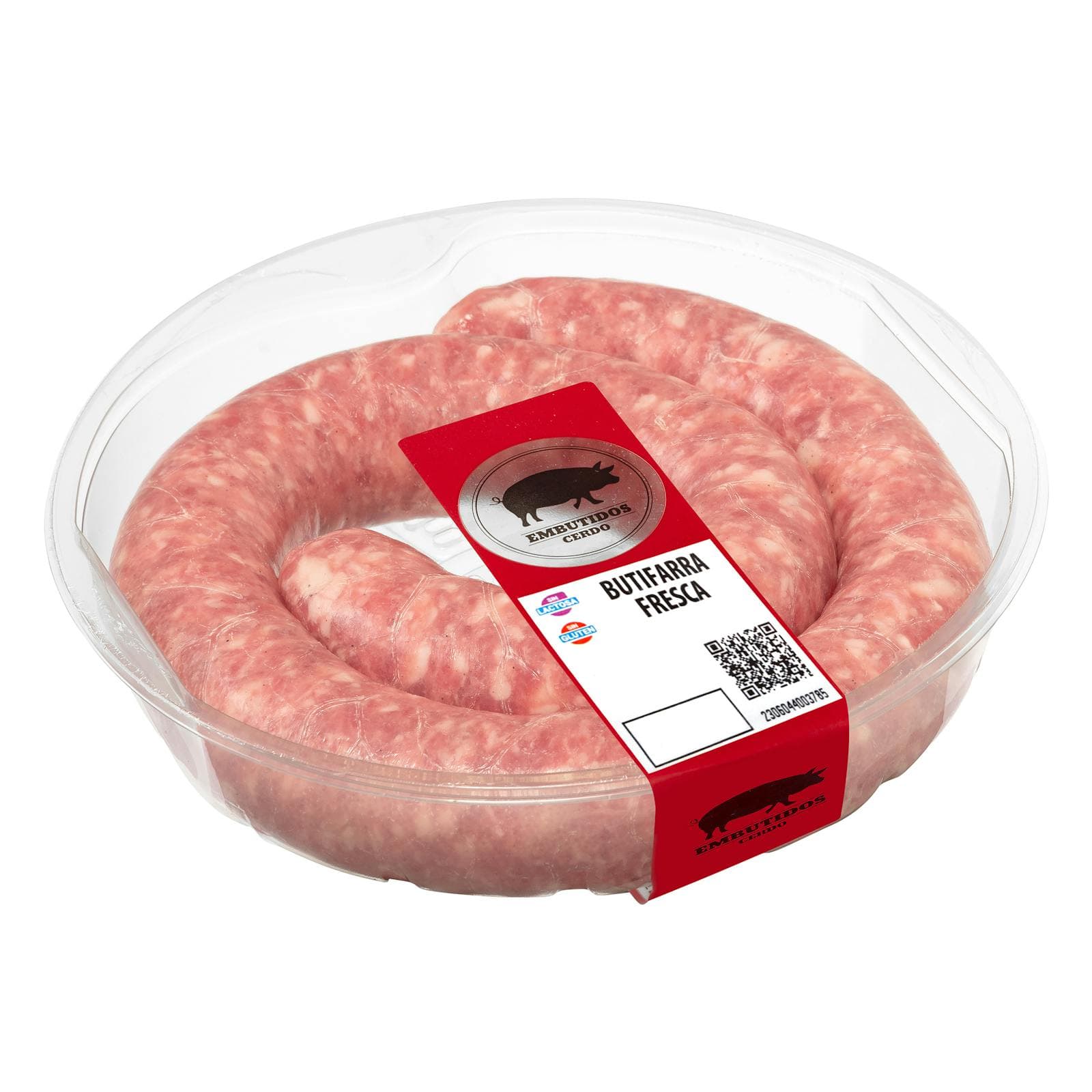 €3.62
€3.62Fresh Sausage
640 g · Mercadona
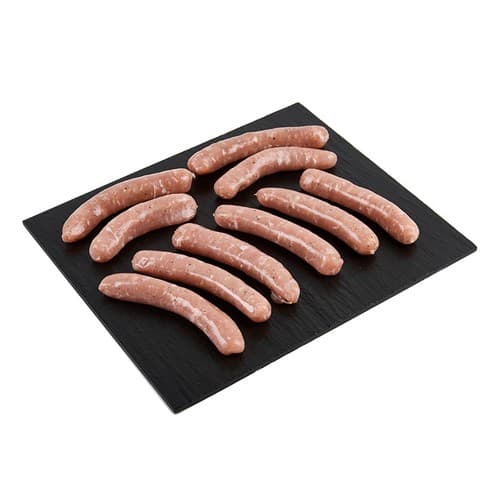 €6.75
€6.75Rabbit Sausage
BONPREU · kg · Bonpreu
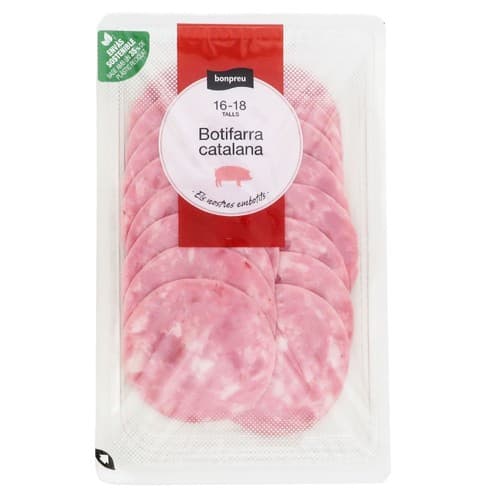 €1.89
€1.89Catalan Sausage
BONPREU · kg · Bonpreu
Good to know
- Origin
- Italy, with strong regional traditions; the modern fennel-seasoned style is closely associated with southern and central Italy.
- Primary meat
- Fresh (uncured) pork, typically shoulder/butt with about 25–30% fat for moisture and flavor.
- Signature seasoning
- Fennel seed is the defining spice; garlic, black pepper, and sometimes anise, paprika, or hot pepper flakes are common additions.
- Form
- Sold fresh in natural pork casings as links or in bulk (casings removed); U.S. packs are typically 1 lb (450 g) of 3–5 links.
- Casing
- Hog middle casings are traditional; collagen casings are common in commercial U.S. production.
- Two main styles
- Salsiccia dolce (sweet/mild, fennel-forward) and salsiccia piccante (hot, with peperoncino or cayenne).
- Curing status
- Fresh sausage — must be cooked before eating; it is neither air-dried nor smoked in its traditional form.
- Storage (raw)
- Refrigerate 1–2 days unopened; freeze up to 3 months. Cooked sausage keeps 3–4 days refrigerated.
- Yield
- About 70–75% edible meat after cooking; significant fat renders out during browning.
- Shelf life in Italy
- Often eaten within a day or two of making; in Italy it is a butcher's fresh product, not a packaged staple.
Substitutes
- Other fresh pork sausage — Polish kielbasa (after a light simmer) or country-style breakfast sausage punched up with fennel and garlic work in a pinch.
- Fresh Mexican chorizo — Pork-based, well-spiced (paprika, chili), uncased; similar in form and function, but a different flavor profile — works in pasta, rice, and bean dishes.
- Merguez — North African lamb-and-spice sausage; richer and gamier, but appropriate for stews, tagines, and grilled applications.
- Toulouse sausage — French fresh pork sausage; mild and herbaceous, missing the fennel, but behaves the same in cassoulet and rustic dishes.
- Breakfast sausage + fennel seed — Lean, mild breakfast sausage punched up with toasted fennel seed and a pinch of red pepper flakes is the closest do-it-yourself substitute.
Pairs with
Also called
Salsiccia
Related

Egg
The kitchen's everything ingredient — bind, leaven, enrich, or fry

Chicken Breast
Lean, quick-cooking white meat for everyday dinners

Ground Beef
Versatile minced beef for burgers, ragù, tacos, and meatballs

Pork Loin
Lean, tender roasting cut that stays juicy with care

Salmon
Rich, rosy fish that roasts, grills, or cures beautifully

Egg White
Pure protein that whips to airy peaks for meringue and more

Egg Yolk
Rich, golden yolk for custards, mayonnaise, and pasta

Quail Egg
Tiny, speckled eggs for garnishing and elegant bites