Proteins
Ground Veal
Mild, tender minced veal used in meatballs, terrines and classic meatloaf blends.
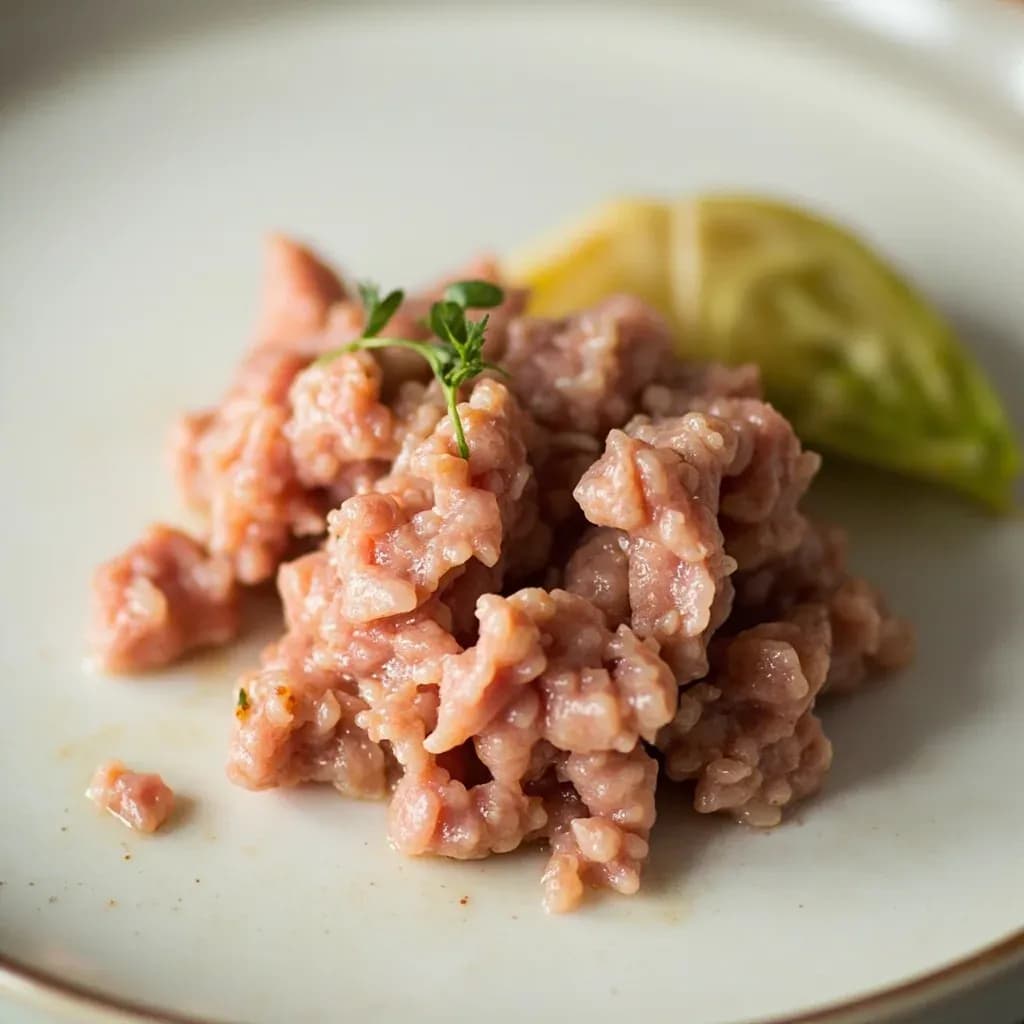
Ground veal is finely minced young beef with a delicate flavor and pale color. It is a classic component of Italian meatballs, terrines, ragus and the traditional meatloaf trio with pork and beef. Its mildness and tender texture lighten richer mixtures.
Ground veal is the finely minced meat from young calves, typically slaughtered at three to eight months old while still on a diet of milk or grain. This young animal produces meat that is notably more tender and delicately flavored than beef from older cattle, with a fine-grained, velvety texture that responds differently to heat and handling. The mildness that defines veal is both its greatest asset and its most demanding characteristic: it absorbs and carries other flavors without asserting itself, making it exceptionally versatile in applications from rustic meatballs to refined French forcemeats. However, that same restraint means it requires more careful seasoning than bolder meats and tends to dry out quickly when overcooked, demanding technique rather than just heat. In professional kitchens, ground veal serves as a building block for dishes that require a tender, neutral backdrop—like the silken ragù of Bologna, the delicate köttbullar of Sweden, or the rich terrines of the French charcuterie tradition. Specialty butchers who grind to order produce the finest product, fresher and with better texture than pre-packaged supermarket versions, which are often frozen and lose the subtle qualities that make veal worth seeking out.
- Measured in
- g
- Storage
- Fridge
Types & varieties
Standard 90–95% lean blend from trimmings of various cuts; the most common retail option and suitable for most applications
Ground from the shoulder primal; contains slightly more connective tissue but delivers robust flavor; excellent for meatballs and meatloaf
Ground from the sirloin; leanest and most tender cut; preferred for delicate preparations like tartare or light, refined meatballs
Butcher-ground to order from a specific cut or custom combination; fresher and allows control over fat content and grind coarseness
Equal parts veal and pork fat; adds moisture and traditional richness; common in Central and Eastern European preparations like classic veal burgers
Understanding Veal's Behavior Under Heat
Ground veal cooks differently than ground beef or pork because of its leanness and fine muscle structure. The lack of intramuscular fat means there is no internal lubrication during cooking, so the meat relies on external fats or sauces to remain moist. Over medium-high heat, veal proteins tighten and expel moisture rapidly, which is why high-heat searing of plain ground veal often yields a dry, tight texture. The solution is not lower heat but rather better technique: incorporating cold fat into the mixture, adding moisture-binding panades, basting with butter during cooking, or serving immediately with abundant sauce. In slow-cooked preparations like ragù or braised dishes, ground veal excels because the extended moist heat gently breaks down proteins without the risk of dryness, producing a silky, cohesive texture impossible to achieve with fattier meats.
- Cold fat blends in better: chill all fats and tools before mixing into ground veal
- Panades (bread soaked in milk) act as moisture reservoirs that release steam during cooking, keeping meatballs tender
- Rest formed patties 15–30 minutes before cooking to allow the proteins to relax and hold shape better
Buying and Storing Quality Ground Veal
The quality of ground veal varies dramatically depending on source and handling. Pre-packaged ground veal found in most supermarkets is often produced from larger batches, may have been frozen, and lacks the freshness needed for the best texture—particularly for raw applications like tartare. Specialty butcher shops that grind to order provide superior product: the meat is fresher, you can specify the cut and fat content, and the shorter time between grinding and cooking preserves the delicate flavor and texture. When buying ground veal, look for a pale pink color with a faint sweetness to the aroma—any sour or gamey smell indicates older meat. For tartare or carpaccio preparations, buy from a trusted source and use within 24 hours of grinding, or ask the butcher to grind it fresh while you wait.
- Ask your butcher to grind veal to your specifications: cut, fat content, and coarseness
- Smell is a reliable indicator of freshness; fresh veal smells mild and slightly sweet, never sour
- For raw applications, buy the freshest available and plan to use it the same day
Tips & pitfalls
- Keep everything cold: chill the meat, fats, mixing bowls, and utensils before and during preparation—cold fat incorporates evenly and prevents a greasy, uneven texture in the finished dish
- Add a panade for meatballs and meatloaf: torn bread soaked in milk or cream and folded into the meat mixture adds moisture, binding, and tenderness without denseness
- Don't overwork the meat: mix with a light hand, working in seasonings and binders just until combined—overmixing develops gluten strands that create a tight, rubbery texture instead of the tender, yielding result you want
- Season and taste at the raw stage: because veal is mild, cook a small teaspoon-sized portion in a pan before final seasoning to calibrate salt and aromatics accurately
- Account for leanness in cooking method: the minimal fat content means veal dries out quickly over high heat—baste with butter, add a panade or pork fat, or serve with generous sauce
- Choose your grind size deliberately: coarse grind for rustic, hearty meatballs; medium grind for general-purpose cooking; fine grind for delicate preparations like mousselines, quenelles, or tartare
- Rest formed patties and meatballs before cooking: 15–30 minutes in the refrigerator allows the proteins to relax and the fat to firm up, helping them hold shape better during cooking
- Use fresh, high-quality meat for raw applications: for tartare or steak tartare, purchase from a reputable source and use the same day—no freezing allowed
Nutrition
Energy
824 kJ · per 100 g
Where the calories come from
Protein
18.6g
37% DV
Carbs
0g
0% DV
Fat
13.1g
17% DV
Fiber
0g
0% DV
Sugars
0g
of which
Sodium
103mg
4% DV
Source · USDA FoodData Central · Veal, ground, raw
View on FDC →In the shops
Matched grocery products
 €6.50
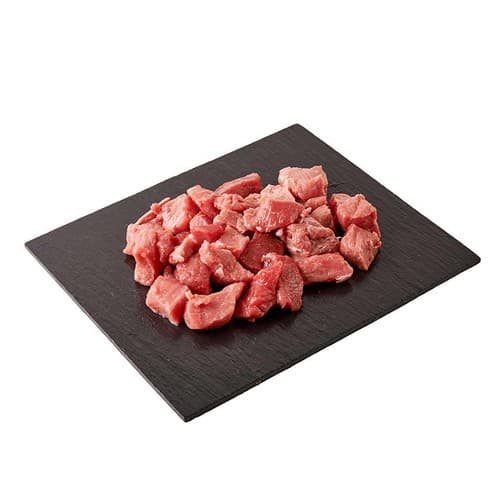
€6.50Veal Stew
BONPREU DE L'ERA · ud · Bonpreu
 €7.76
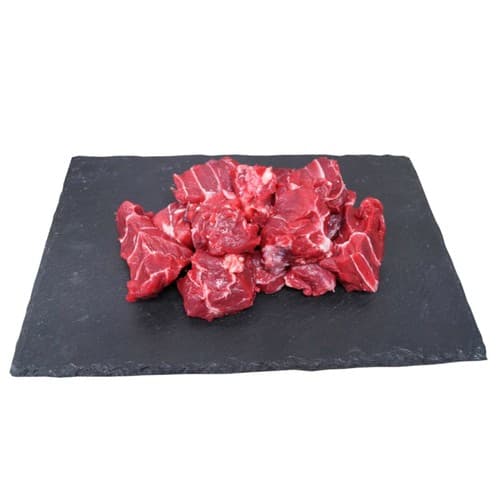
€7.76Veal Stew
BONPREU DE L'ERA · ud · Bonpreu
 €2.25
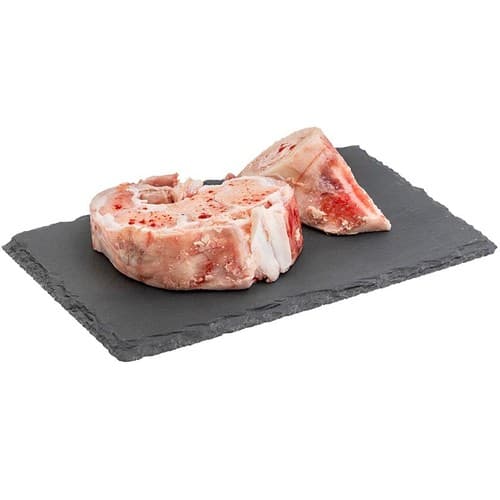
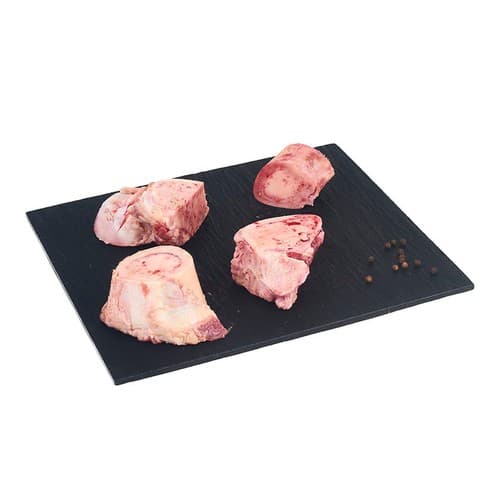
€2.25Veal Bones
BONPREU · kg · Bonpreu
 €3.20
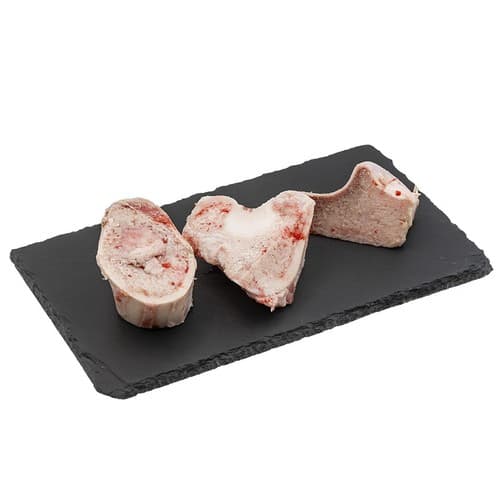
€3.20Veal Bones
BONPREU DE L'ERA · kg · Bonpreu
 €3.45
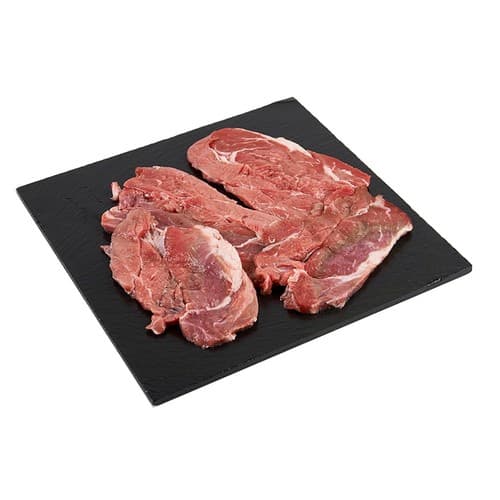
€3.45Veal Bones
BONPREU · kg · Bonpreu
 €6.60
€6.60Veal Steak
BONPREU DE L'ERA · ud · Bonpreu
Good to know
- Source
- Young calves, 3–8 months old, on a diet of milk or grain; the young age and diet produce the characteristic tenderness and mild flavor
- Lean Content
- Typically 90–95% lean, making it significantly leaner than standard ground beef and requiring technique to prevent dryness
- Texture
- Fine-grained and velvety, breaking down easily under heat—the result of the animal's young age and less developed connective tissue
- Flavor
- Delicate, mildly sweet, and clean; lacks the iron-bright intensity of older beef, which allows it to carry other flavors without competition
- Typical Cuts
- Trim from shoulder, leg, sirloin, and breast; specialty butchers grind specific cuts to order for better quality and customization
- Fat Percentage
- Usually 5–10% fat by weight; some traditional preparations blend with pork fat for moisture and richness
- Fresh Storage
- Refrigerate and use within 1–2 days; freeze in airtight packaging for up to 3–4 months, though fresh is always preferable
- Safe Cooking Temp
- 160°F (71°C) internal temperature for fully cooked preparations
Also called
Minced Veal
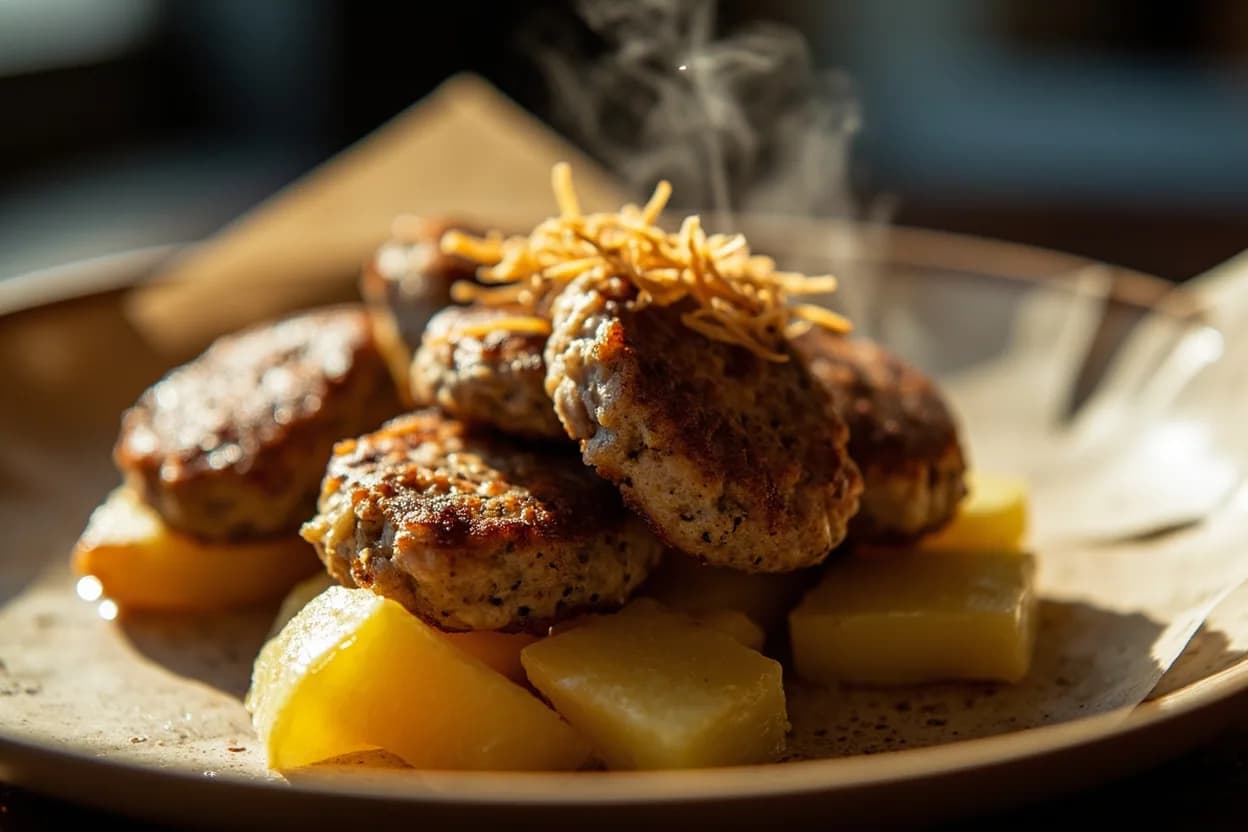
Appears in these dishes
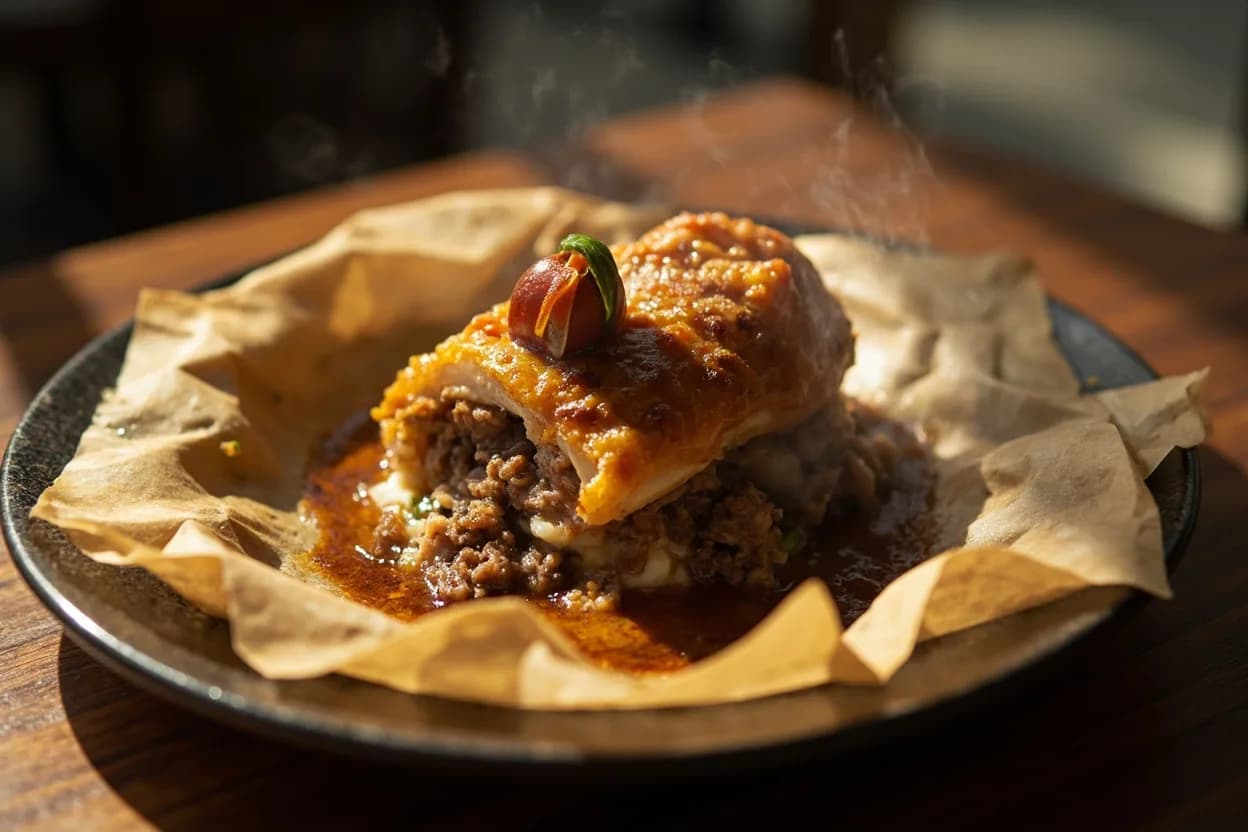
Related
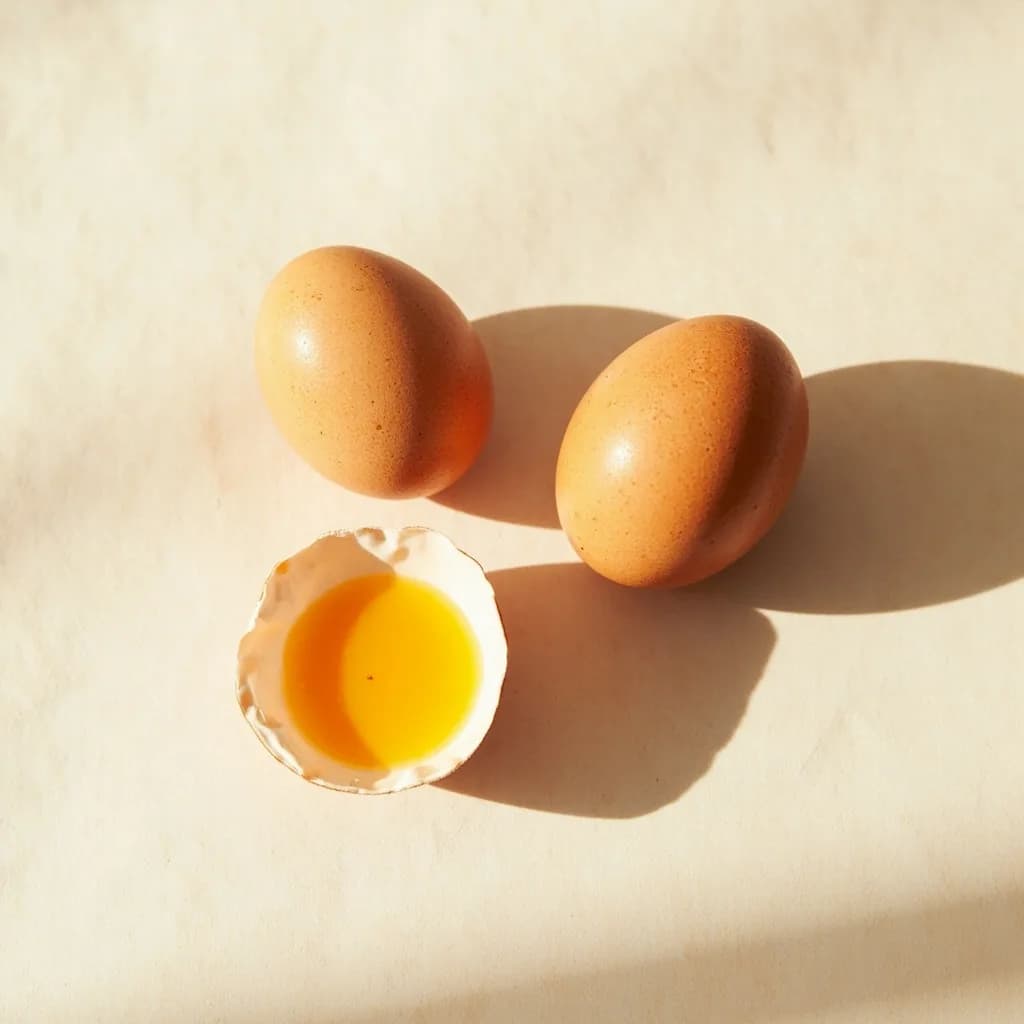
Egg
The kitchen's everything ingredient — bind, leaven, enrich, or fry
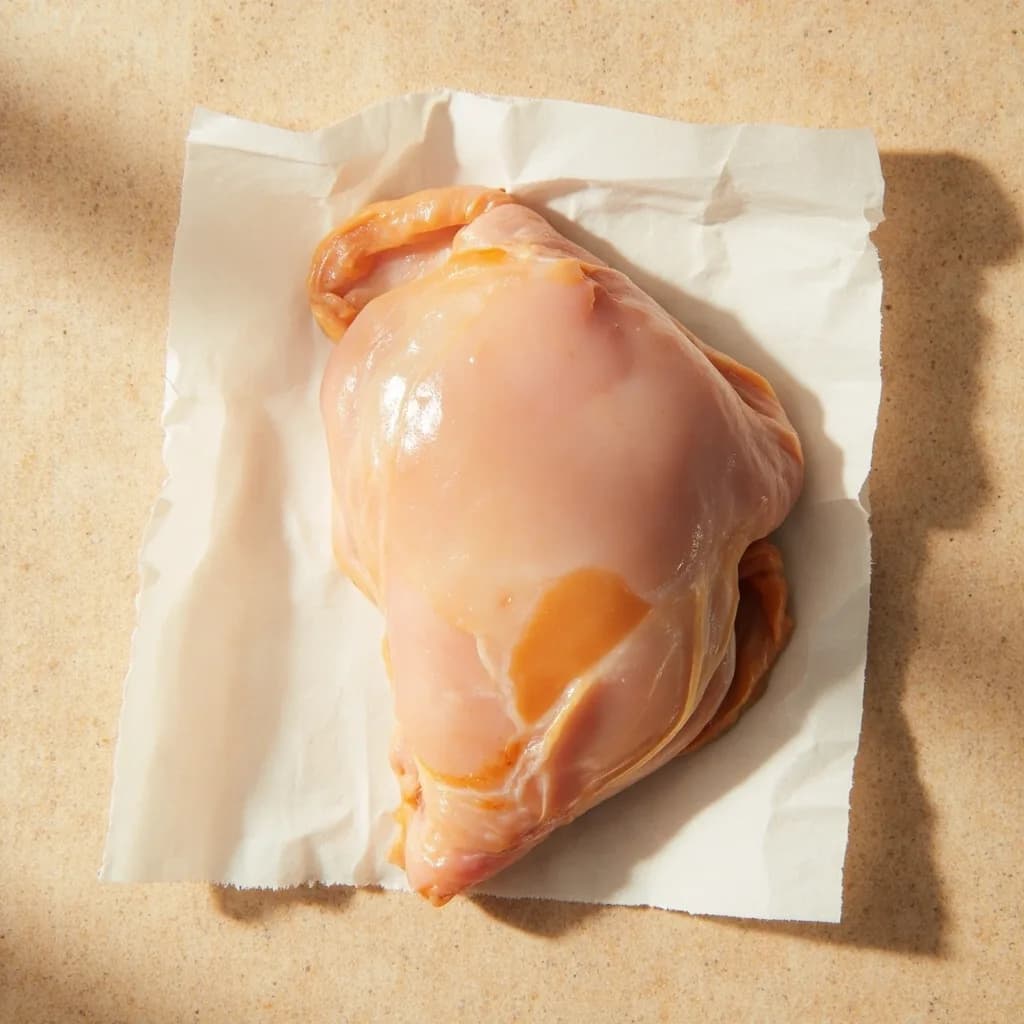
Chicken Breast
Lean, quick-cooking white meat for everyday dinners

Ground Beef
Versatile minced beef for burgers, ragù, tacos, and meatballs
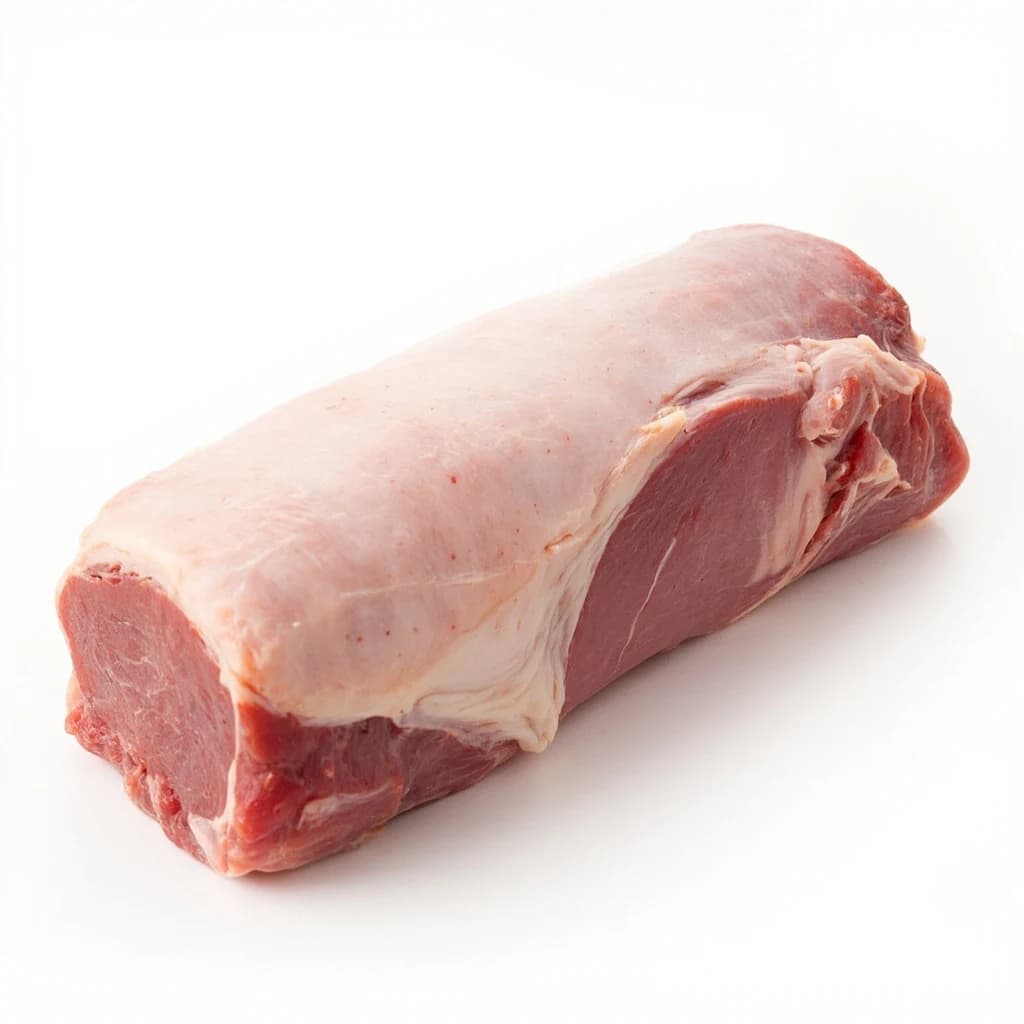
Pork Loin
Lean, tender roasting cut that stays juicy with care
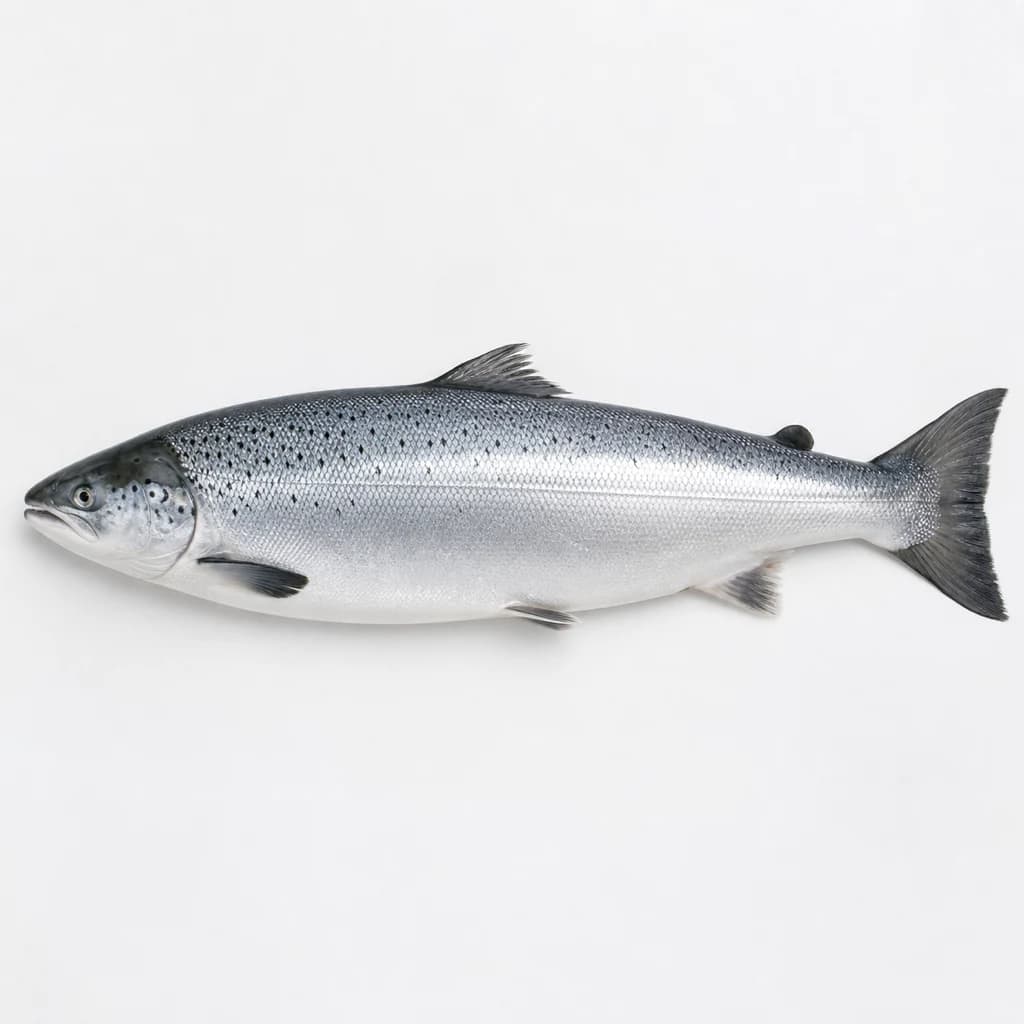
Salmon
Rich, rosy fish that roasts, grills, or cures beautifully

Egg White
Pure protein that whips to airy peaks for meringue and more
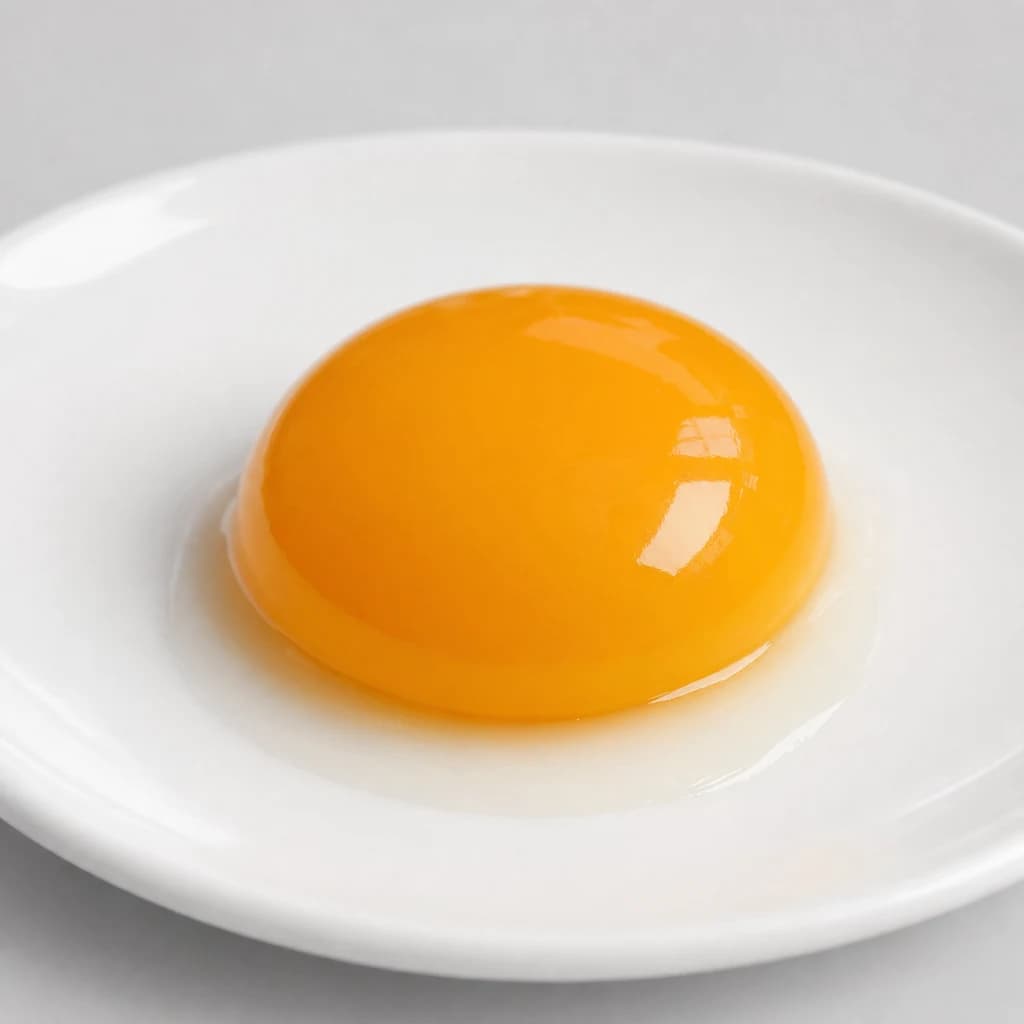
Egg Yolk
Rich, golden yolk for custards, mayonnaise, and pasta

Quail Egg
Tiny, speckled eggs for garnishing and elegant bites