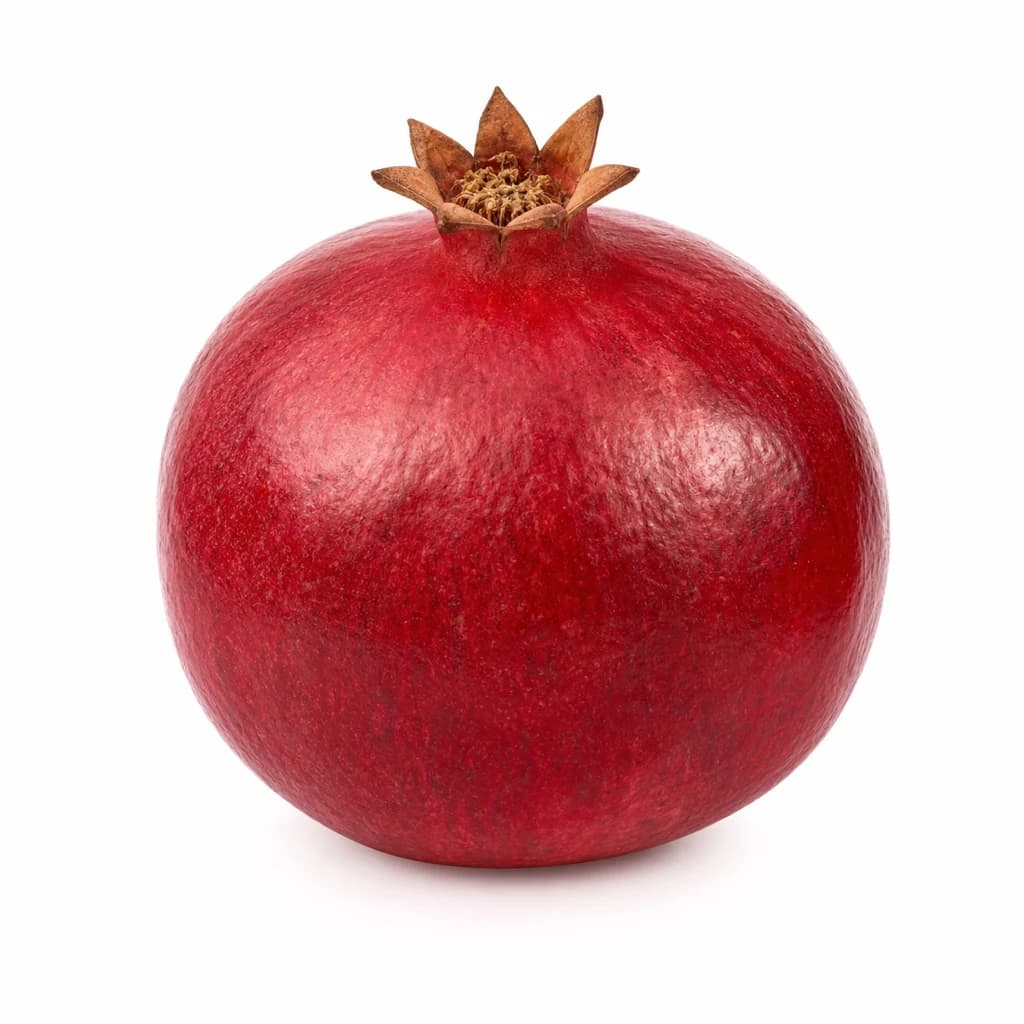
Natural form
A whole pomegranate showing its thick, leathery red skin and persistent crown.
Shows readers how to identify an uncut pomegranate at market — its distinctive shape, crown, and deep red exterior.
Produce
Pomegranate
Jewel-like, tart-sweet seeds for garnishing and salads
Ruby arils burst with tart-sweet juice, scattering jewel-bright crunch over salads, grain bowls, and desserts. The whole fruit keeps for weeks, cold.
The pomegranate is a leathery-skinned globe packed with hundreds of jewel-like arils — ruby seeds wrapped in tart-sweet, crunchy juice. Those arils scatter sparkling color and a burst of acidity over salads, grain bowls, hummus, roasted meats, and desserts, while their juice cooks down into the tangy molasses that defines much of Middle Eastern and Persian cooking. Intimidating to open at first, it's simple once you know the trick — and the reward is one of the prettiest, most refreshing garnishes around.
- Measured in
- piece
- Storage
- Refrigerate
- Shelf life
- 30 days
Find it in
Types & varieties
The common large, deep-red variety; tart-sweet, juicy
Reduced juice; thick, tangy syrup for cooking and dressings
The seeds sold ready-to-use; convenient but pricier
How to choose
Heavier means juicier — pick a pomegranate that feels heavy and dense for its size, with firm, taut, unblemished skin. Riper fruit often looks a little squared-off and angular (from the packed arils inside) rather than perfectly round. Skin color isn't a reliable ripeness guide; surface scratches are fine, but avoid soft, cracked, or moldy spots.
How to store
Whole pomegranates are excellent keepers — a couple of weeks at room temperature, and up to two months in the fridge. Once opened, store the loose arils in an airtight container in the fridge for several days, or freeze them on a tray and bag them for longer keeping.
- Whole fruit keeps for weeks to months
- Refrigerate arils, airtight, for several days
- Freeze arils on a tray to keep longer
How to open it without the mess
Score the skin around the equator (or into segments) and avoid cutting deep into the arils, which squirt staining juice. Then either pull the fruit apart over a bowl and pop the arils out by hand, or — the popular trick — hold a halved pomegranate cut-side down over a bowl and whack the skin firmly with a wooden spoon so the arils rain out. Doing it submerged in a bowl of water keeps splatter down: arils sink, the bitter white pith floats off.
- Score, don't cut into the arils
- Whack the skin to release the seeds
- Work underwater to avoid juice stains
Common uses
Tips & pitfalls
- Open it underwater to stop juice staining everything (and your hands)
- Whack the skin of a halved fruit with a spoon to knock the arils loose
- Scatter arils raw and last — they're a finishing garnish, not for cooking down
- Use pomegranate molasses for tangy depth in dressings, marinades, and dips
- Freeze extra arils for later
Nutrition
Energy
347 kJ · per 100 g
Where the calories come from
Protein
1.7g
3% DV
Carbs
18.7g
7% DV
Fat
1.2g
2% DV
Fiber
4g
14% DV
Sugars
13.7g
of which
Sodium
3mg
0% DV
Source · USDA FoodData Central · Pomegranates, raw
View on FDC →In the shops
Matched grocery products
No matched grocery products for Pomegranate yet.
Good to know
- Peak season
- Fall through winter (October–January)
- Flavor
- Tart-sweet, bright, juicy; crunchy seeds inside
- Origin
- Iran and Central Asia (ranging to northwest India); one of the oldest cultivated fruits
- Nutrition
- ~83 kcal/100g (arils); fiber, vitamin C, K, antioxidants (punicalagins)
- How to buy
- Heavy for size, firm, taut skin; squared-off, slightly angular shape
Substitutes
- Pomegranate molasses — For the tangy flavor when fresh arils aren't available
- Dried cranberries — For a tart-sweet jewel-like garnish (chewier)
- Fresh currants / tart cherries — For a similar bright, jewel-like pop
Also called
granada · magrana
Appears in these dishes
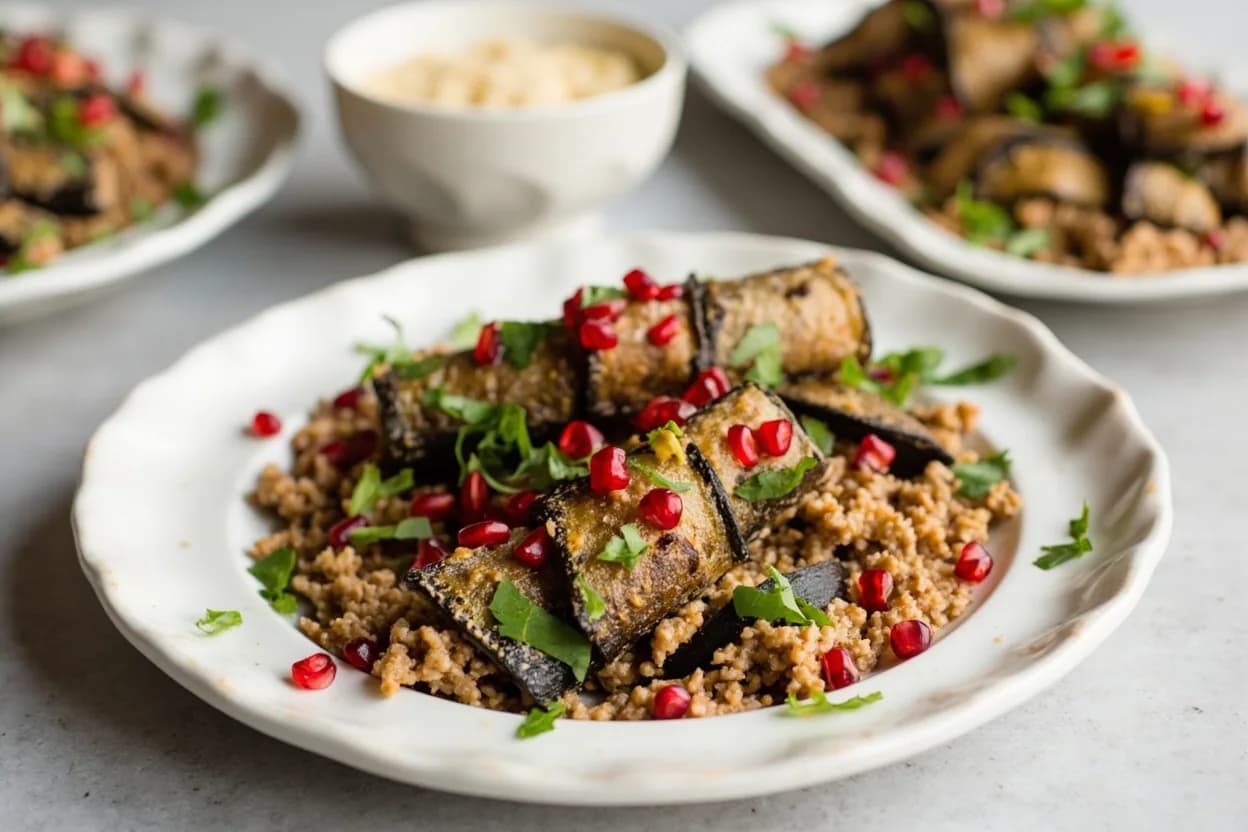
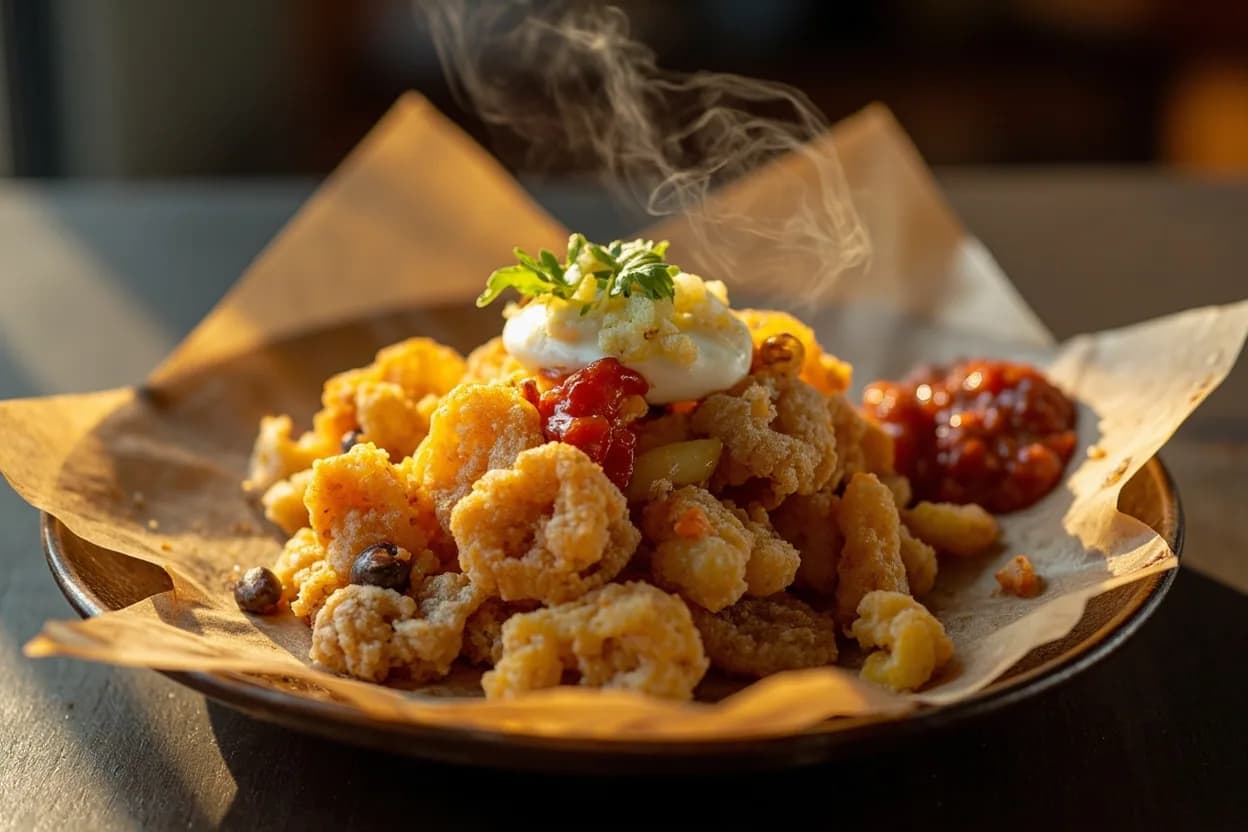
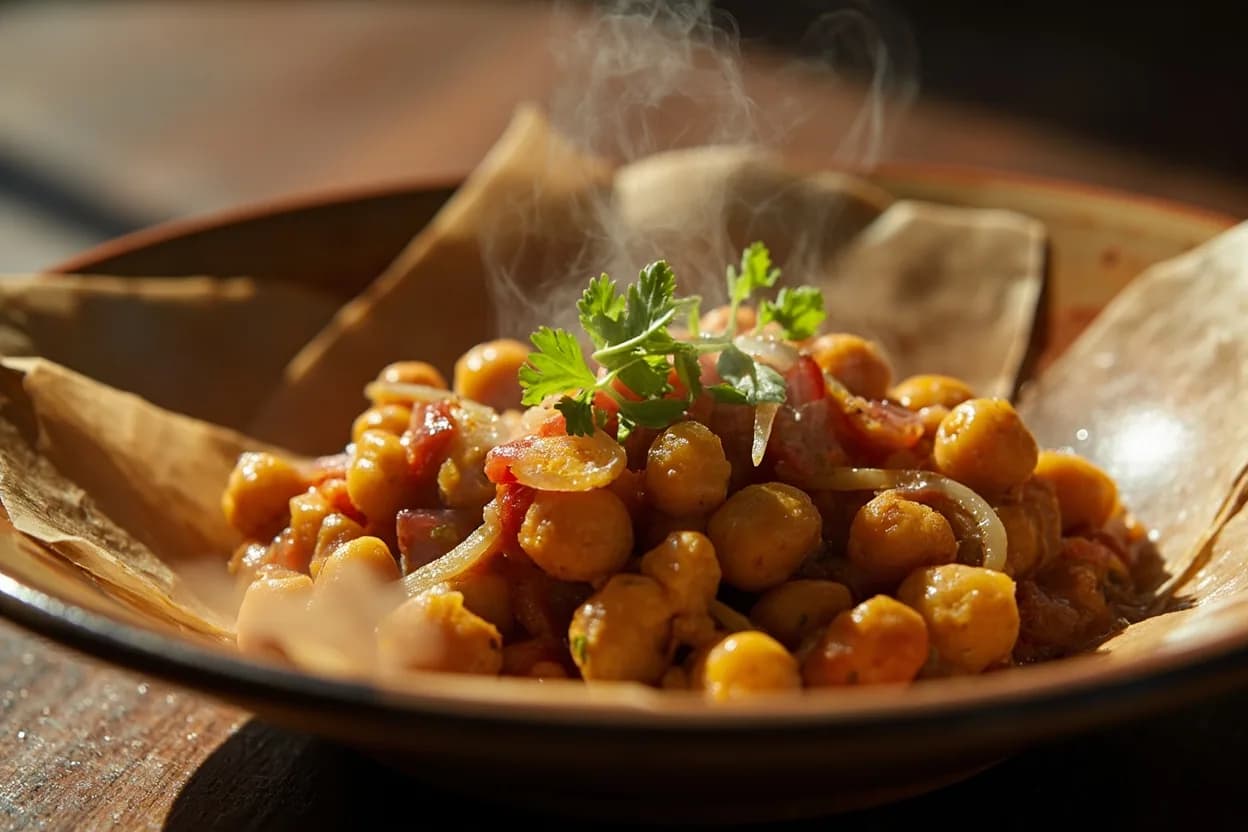


Related
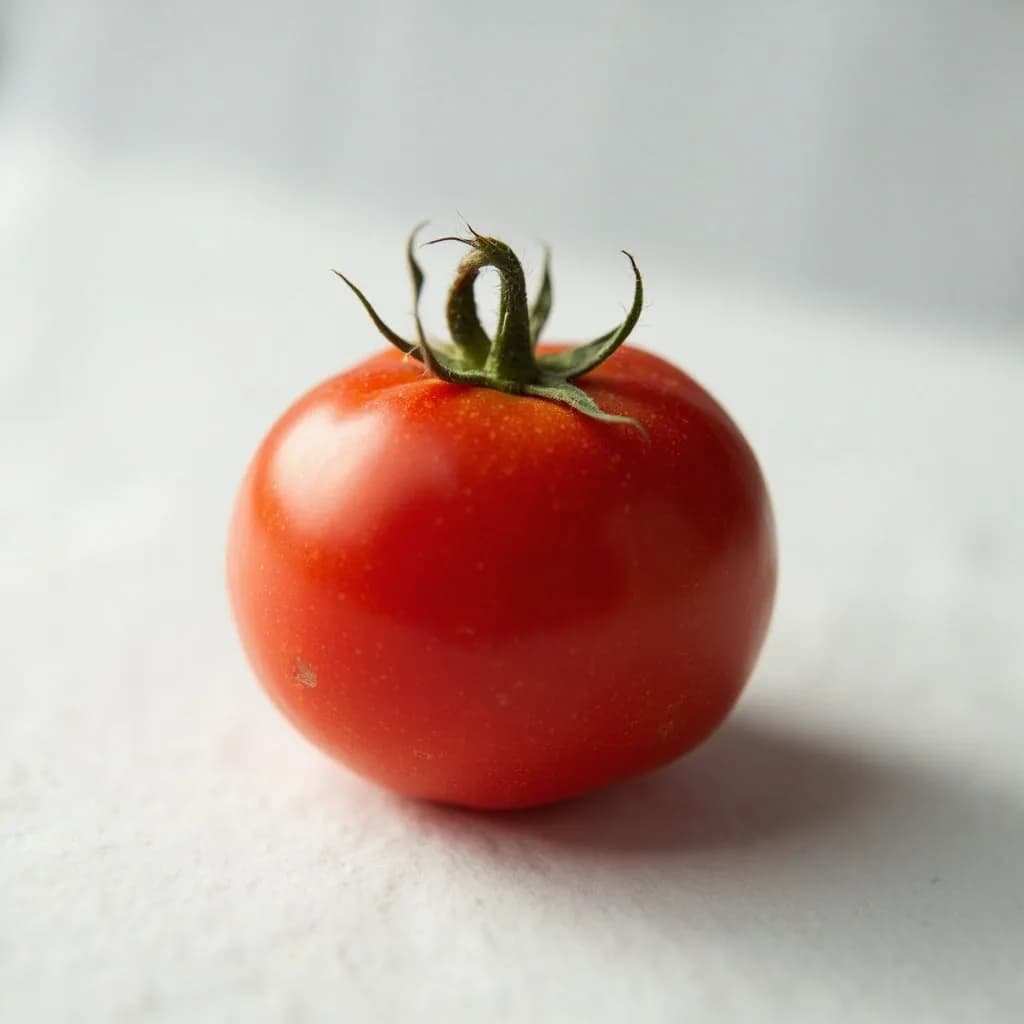
Tomato
Juicy, sun-sweet fruit for sauces, salads, and slow-cooked depth
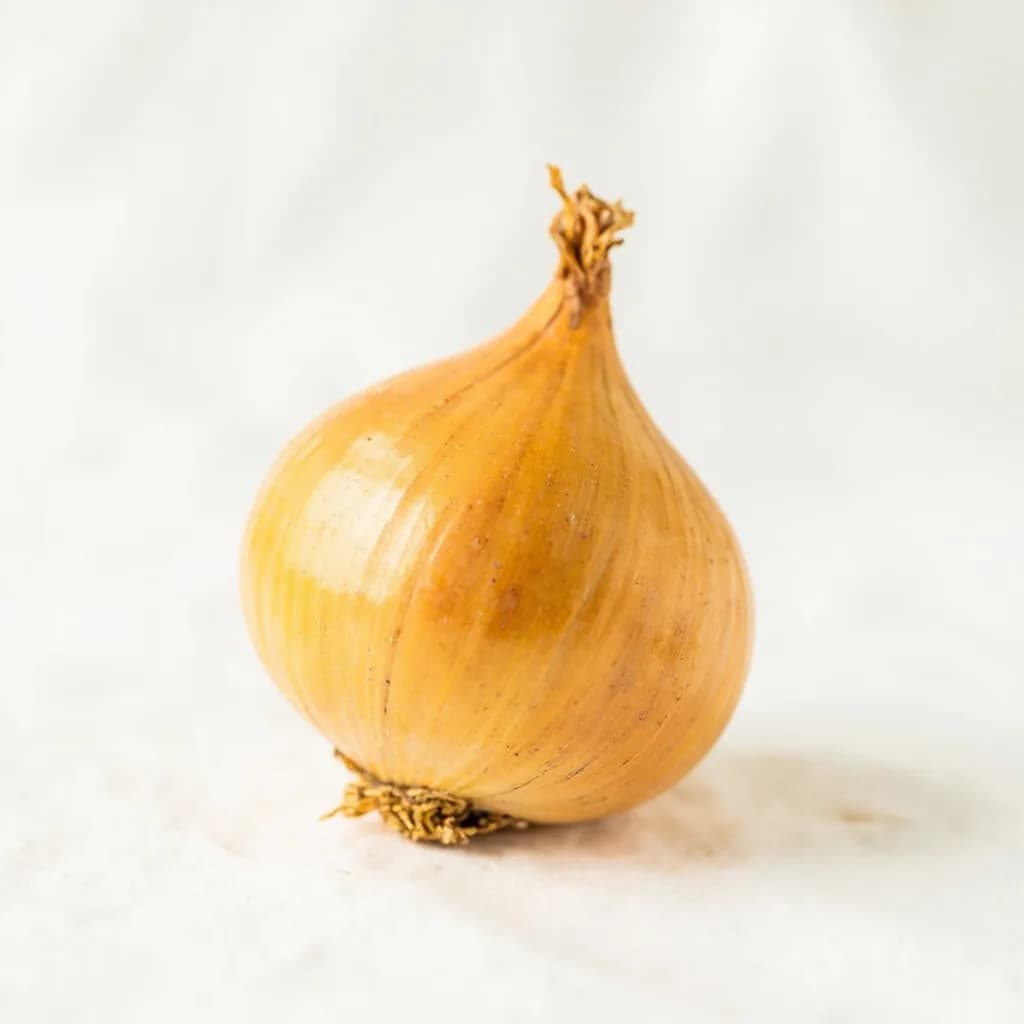
Yellow Onion
The aromatic backbone of soups, sofritos, and braises
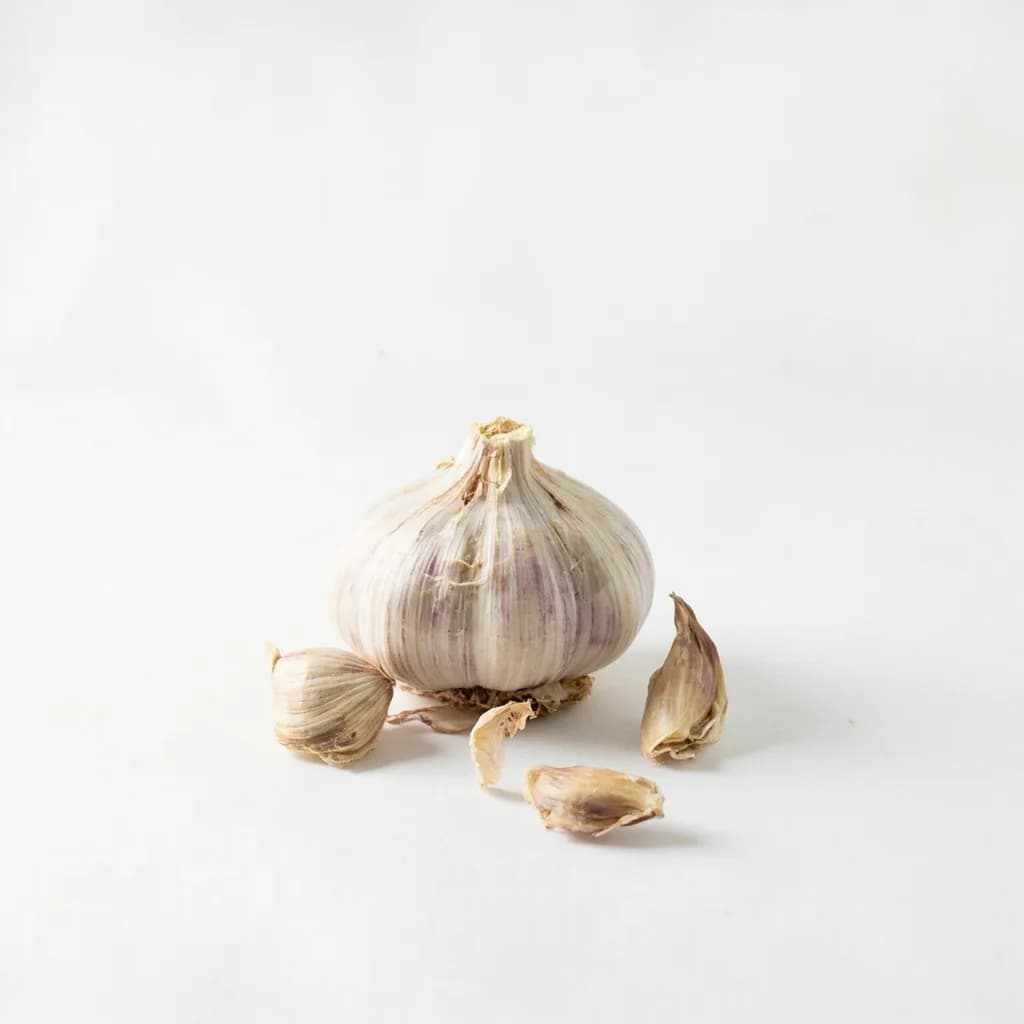
Garlic
Pungent cloves that perfume nearly every savory dish
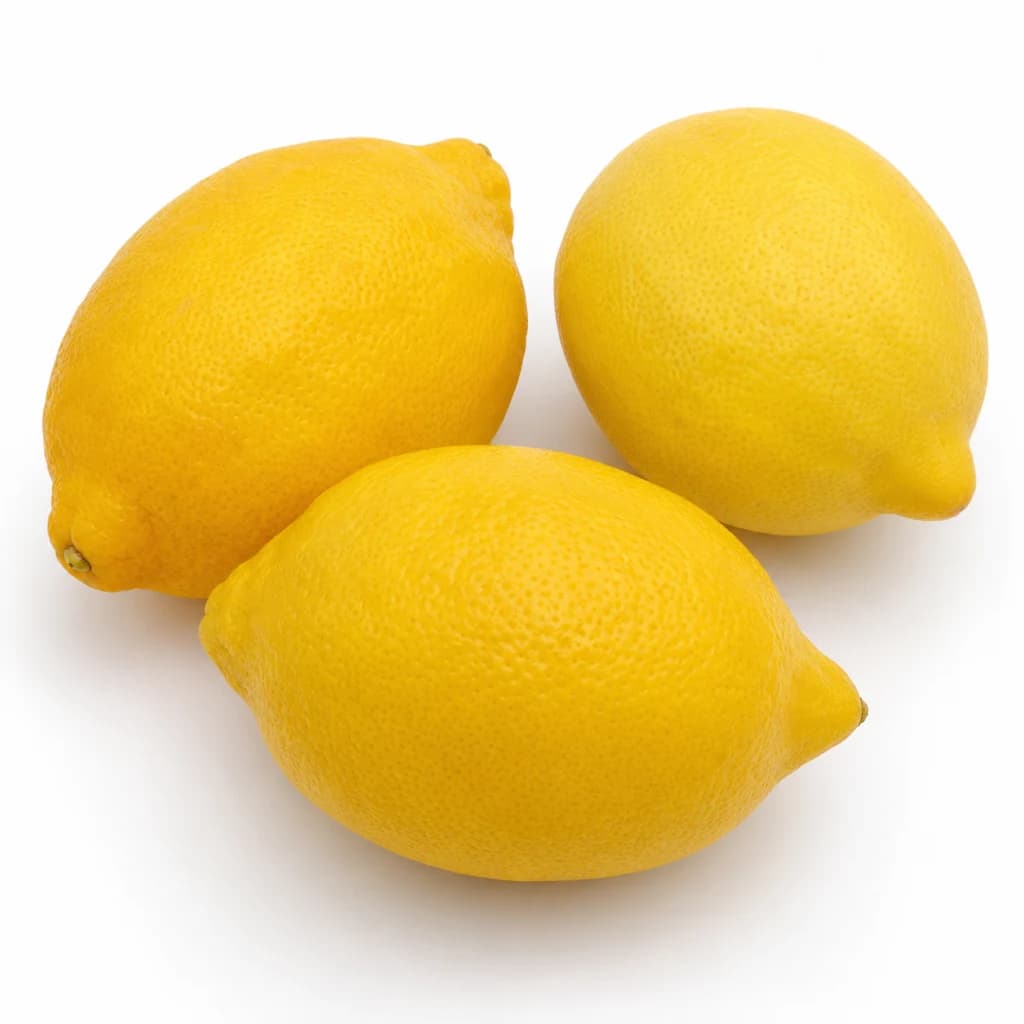
Lemon
Bright, acidic citrus that wakes up almost any dish
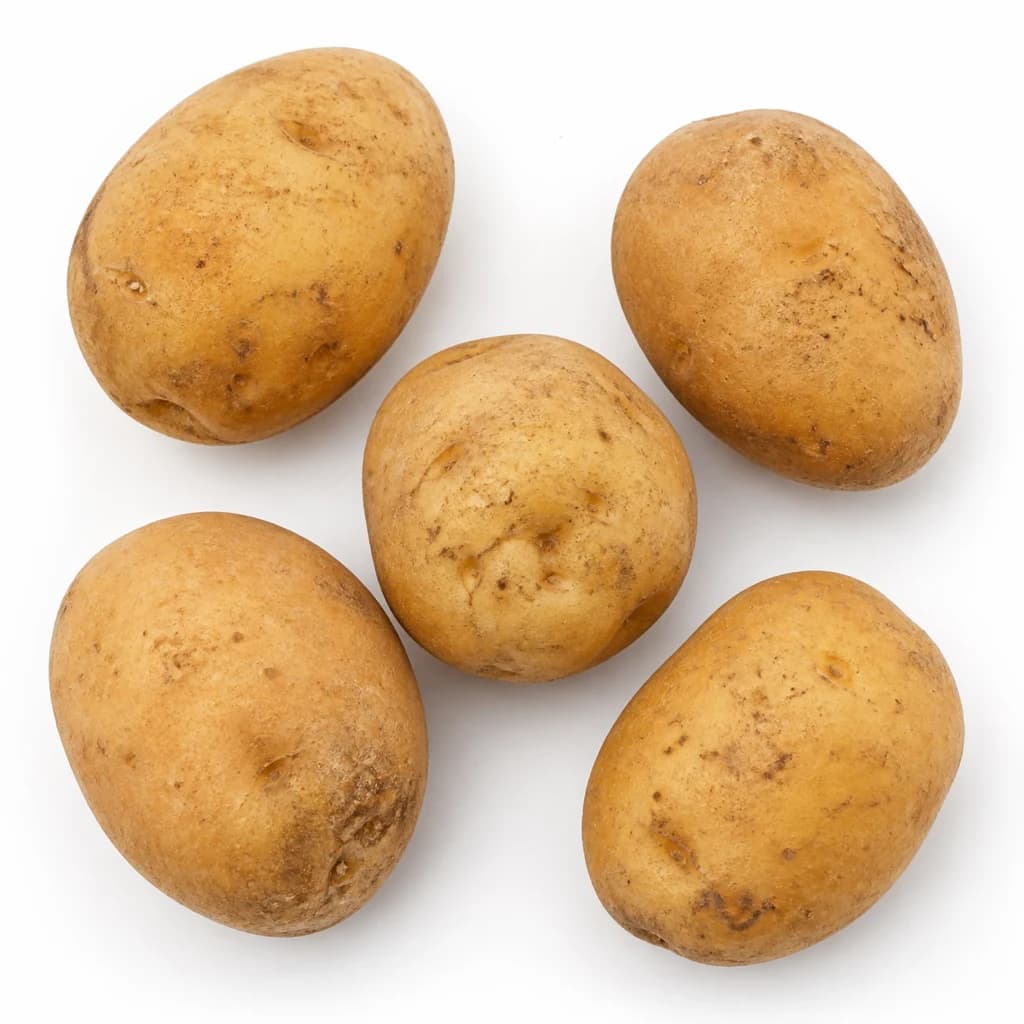
Potato
Humble, hearty staple — roast, mash, fry, or boil
Carrot
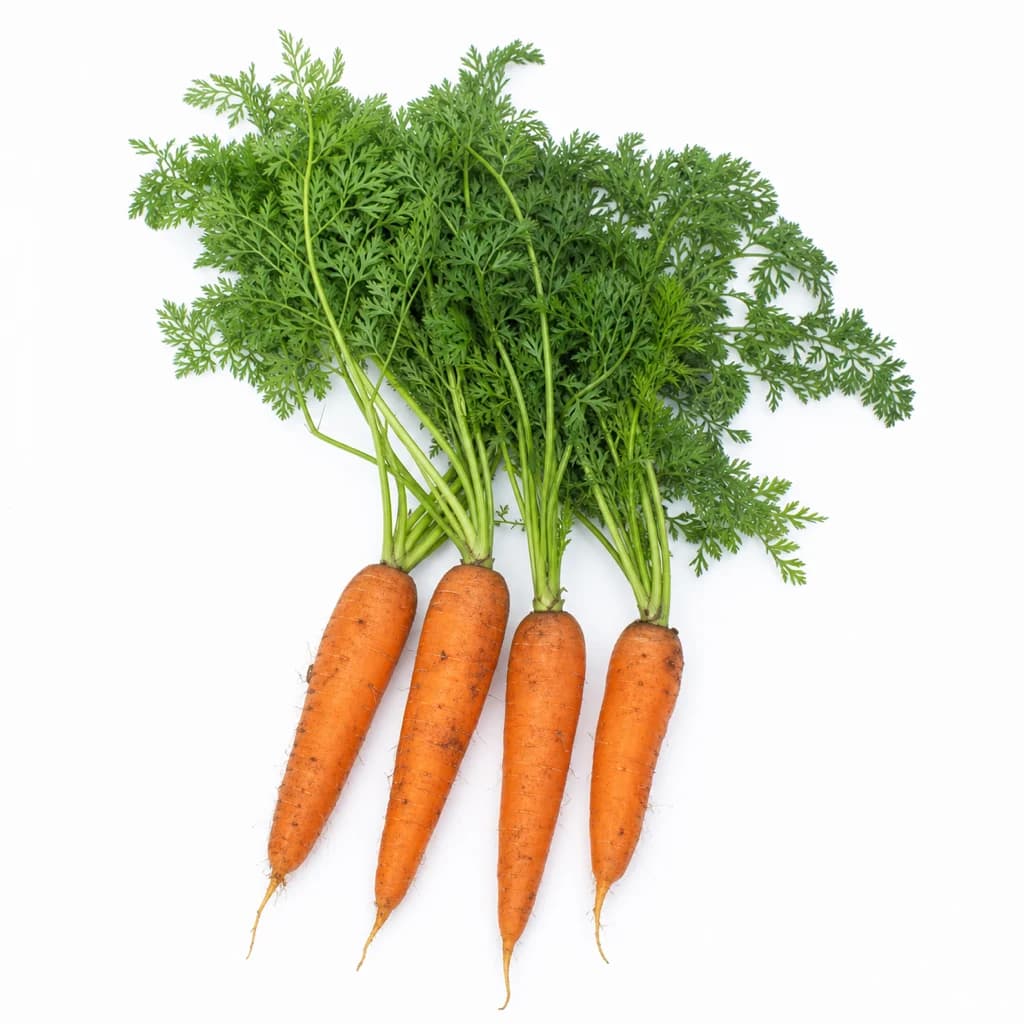
Sweet, crunchy root — raw, roasted, or the base of a sofrito
Cucumber
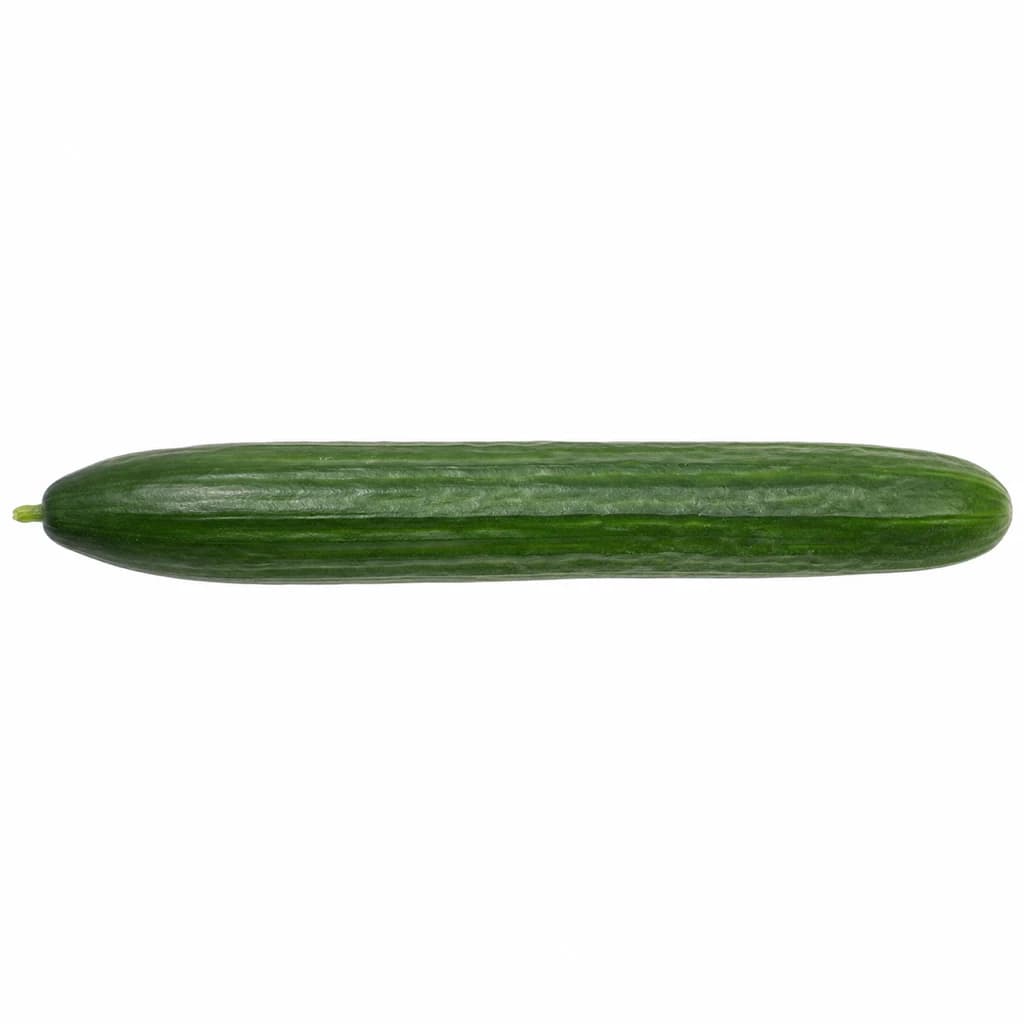
Cool, crisp, and watery — for salads, pickles, and tzatziki

Lettuce
Crisp leaves for salads, wraps, and a fresh crunch