Varieties
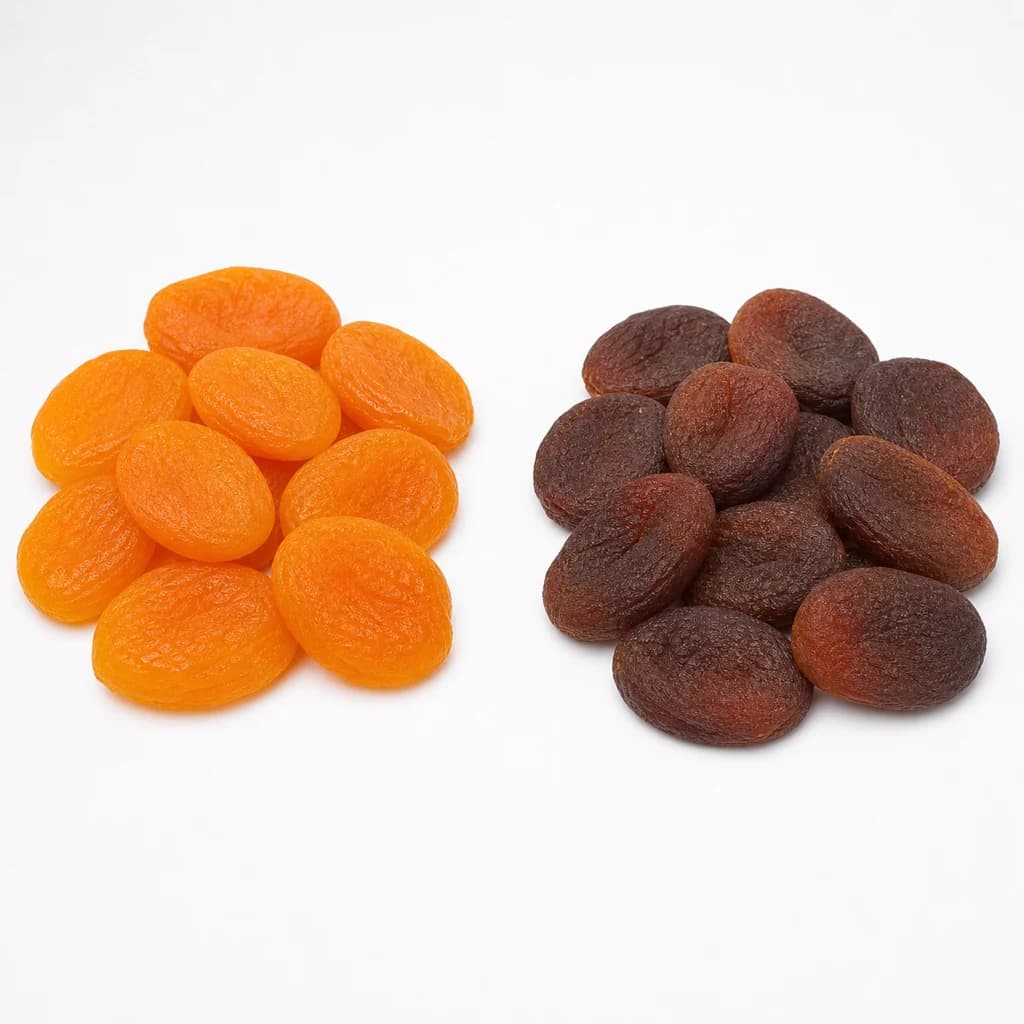
Sulfured dried apricots stay vivid orange; unsulfured ones turn deep amber-brown.
The most important identification distinction for dried apricots is sulfured vs. unsulfured color — teaching this prevents confusion between two commercially common forms.
Produce
Dried Apricot
Chewy, tangy-sweet dried fruit eaten as a snack or simmered into stews, tagines, and pilafs.
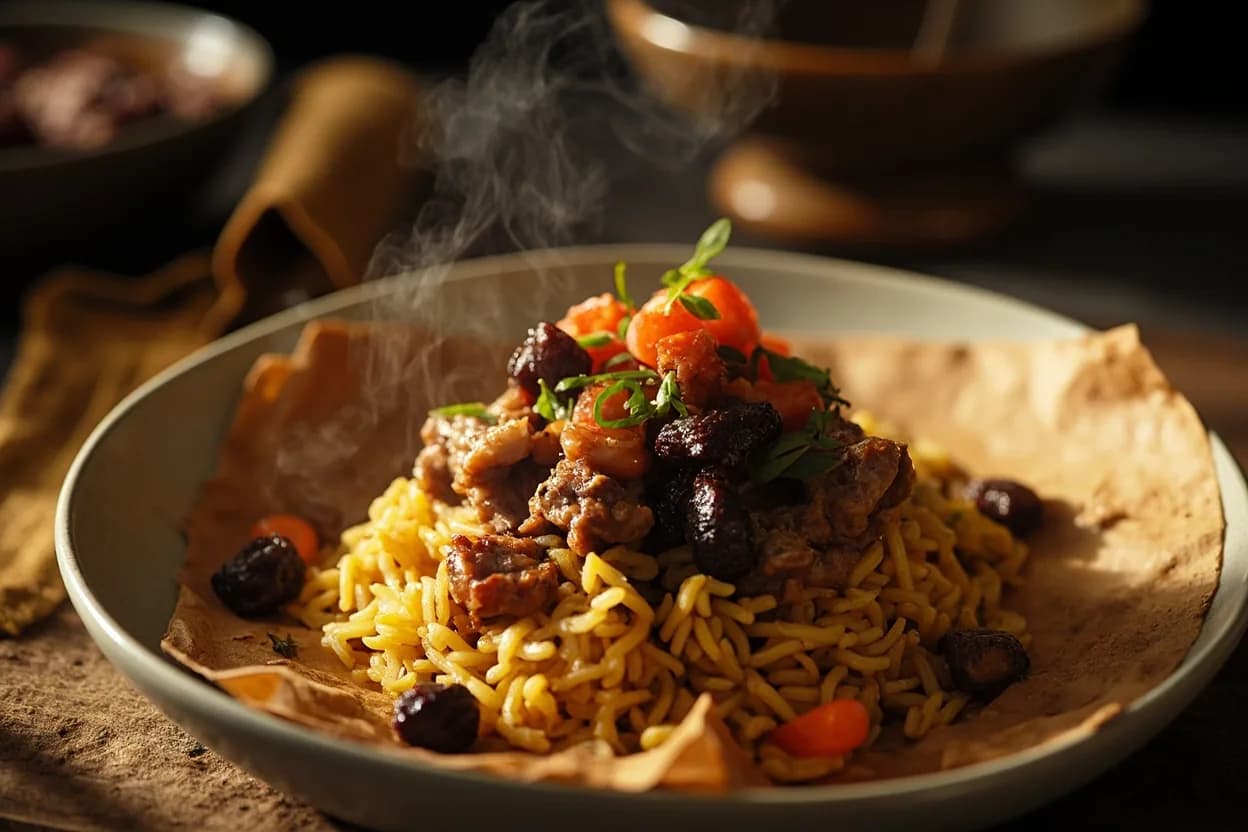
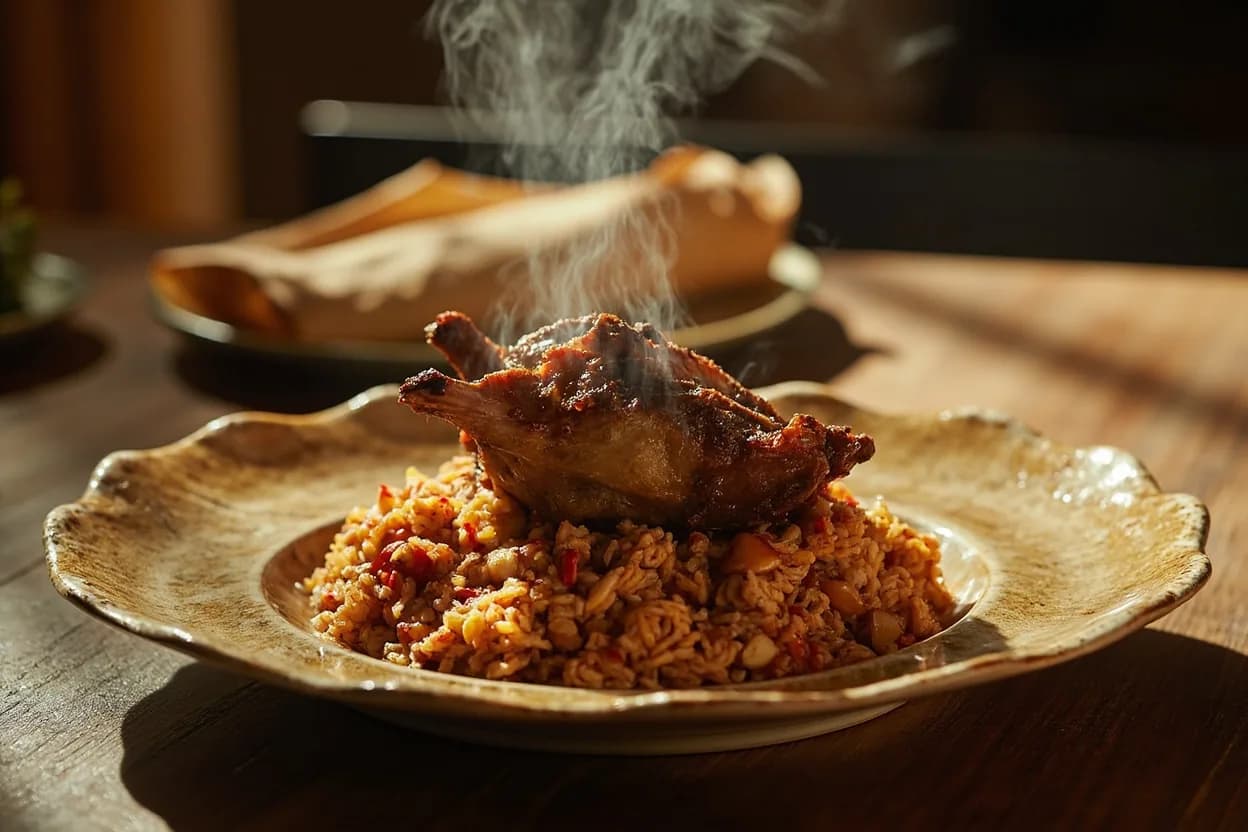
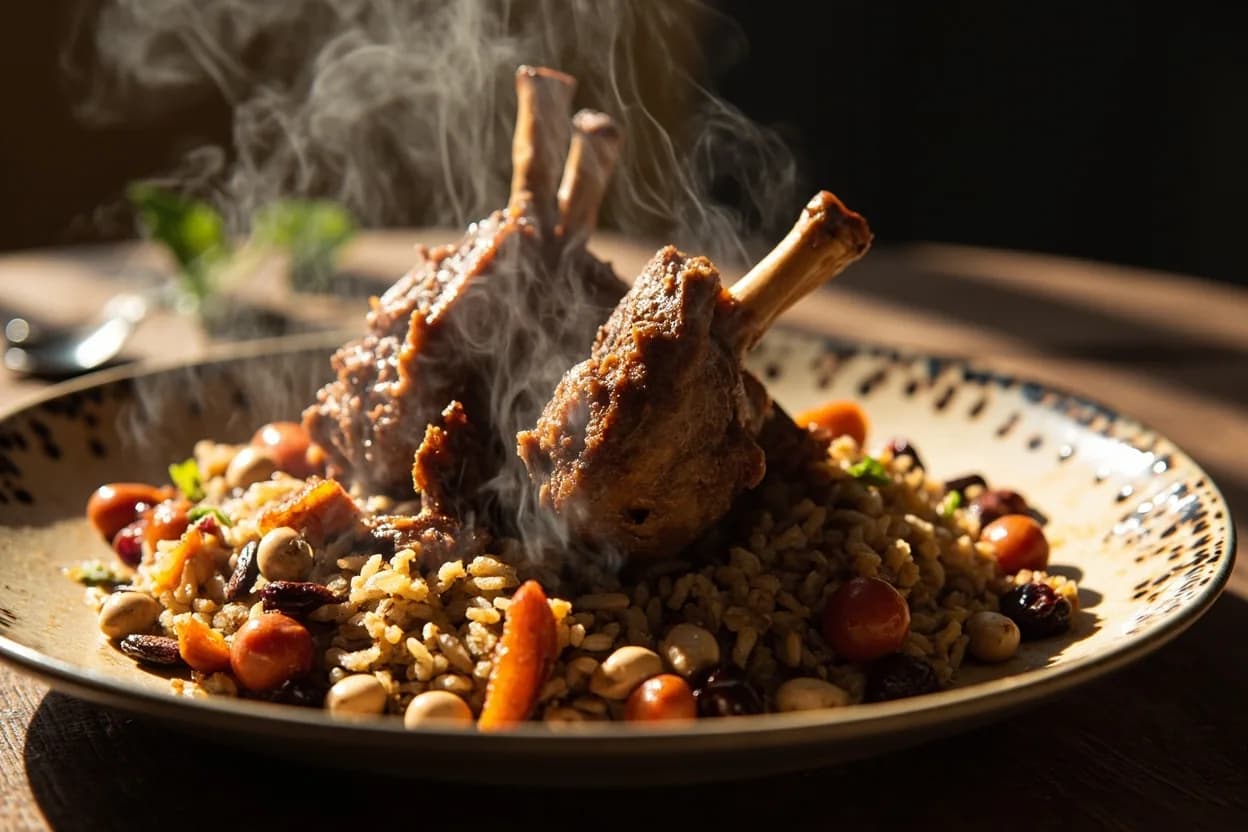
Dried apricots are apricots that have been dried until chewy and concentrated, intensifying their tangy-sweet flavor. They are eaten as a snack, chopped into baked goods, or simmered into Middle Eastern and Central Asian stews, tagines, and rice pilafs. Sulfured varieties stay bright orange, while unsulfured ones turn dark brown but keep a deeper flavor.
Dried apricots are fresh Blenheim, Bebeco, and similar apricot varieties subjected to sun-drying or mechanical dehydration, a process that transforms the delicate stone fruit into a chewy, intensely flavored pantry staple. The drying concentrates the fruit's natural sugars and organic acids, creating a pronounced tangy-sweetness fundamentally different from fresh apricot's subtle flavor. This concentration also means dried apricots behave differently in the kitchen: they absorb liquid and flavor during cooking, lending body and complexity to long-simmered dishes while their inherent sweetness becomes a counterpoint to savory, fatty, or acidic ingredients.
Two broad stylistic traditions define the commercial dried apricot market. Turkish production, centered in the Marmara region, yields large, pliant, bright-orange halves, often treated with sulfur dioxide to preserve color and extend shelf life. California production, dominated by the small, intensely flavored Blenheim variety, tends toward smaller, denser, traditionally unsulfured pieces that oxidize to a dark amber or near-black hue. The choice between sulfured and unsulfured is not merely cosmetic: sulfur dioxide is a known allergen, and unsulfured varieties develop a mildly smoky flavor that works well in certain preparations. Both types share the apricot's natural affinity for warming spices, nuts, and the sweet-savory balance central to Middle Eastern, North African, and Mediterranean cuisines.
In the kitchen, dried apricots are workhorses. They rehydrate predictably—roughly one cup dried to one and a half cups warm liquid over thirty to sixty minutes—and once hydrated, they meld into pilafs, tagines, and braises while retaining enough chew to provide textural contrast. Their high pectin content means they break down readily when simmered, thickening compotes and chutneys naturally. The dried fruit's acidity also makes it effective for balance: in a rich lamb tagine or a fatty pork braise, the apricot's tang cuts through the heaviness, while its sweetness provides counterpoint rather than dominance.
- Measured in
- g
- Storage
- Pantry
Types & varieties
Large, soft, pliant halves; typically sulfured for bright color; preferred for slow-cooked tagines and savory applications
Small, intensely flavored halves; traditionally unsulfured, darker in color; excellent for baking and snacking
Medium-sized, sweet-tart balanced; similar to Turkish style; versatile across sweet and savory uses
Frequently unsulfured; darker coloration; robust, concentrated flavor
No sulfur dioxide added; naturally dark brown to black; essential for sulfite-sensitive individuals; mildly smoky flavor
Pre-cut for convenient use in baking, granola, trail mix, and salads; rehydrate evenly and quickly
Sulfured vs. Unsulfured: Choosing the Right Apricot
The sulfur dioxide treatment applied to many commercial dried apricots serves a practical purpose: it inhibits enzymatic browning, preserves the bright orange color, and acts as an antioxidant to extend shelf life. For most cooks, sulfured apricots are perfectly fine and widely available. However, roughly one percent of the general population has sulfite sensitivity, which can trigger allergic reactions ranging from mild digestive discomfort to severe respiratory symptoms. Those individuals should seek out unsulfured varieties, which are increasingly common in natural food stores and specialty markets.
Beyond health considerations, the two types differ in flavor and appearance. Unsulfured apricots oxidize during drying, turning dark brown or nearly black. Their flavor develops a faint smokiness that some cooks prize and others find distracting. For tagines and North African preparations where the vibrant orange color contributes to the dish's visual appeal, sulfured Turkish apricots are the traditional choice. For baking where color matters less and the mild smoky note complements brown butter or molasses, unsulfured California Blenheim halves are excellent.
- If color presentation matters—say, scattered visibly on a cheese board—choose sulfured Turkish apricots for their bright hue.
- For baking into dark breads or dense cakes where the fruit disappears into the crumb, unsulfured varieties add depth without distraction.
- In savory dishes with acidic elements like preserved lemon or pomegranate molasses, unsulfured apricots' smoky note can integrate more harmoniously.
Rehydration Mastery
Getting rehydration right separates amateur results from professional ones. The goal is a plump, pliable apricot that retains some chew—completely soft, mushy apricots have over-rehydrated. Always use warm to hot liquid, not cold, and always use enough liquid to fully submerge the fruit. A standard ratio is one cup dried apricots to one and a half cups liquid, soaked for thirty to sixty minutes depending on the apricot's age and initial moisture content.
The soaking liquid itself is flavor. As apricots rehydrate, they leach some of their sugars and acids into the surrounding liquid, creating a faintly sweet, tangy infusion. For pilafs and tagines, reserve this liquid and add it to the cooking vessel—it carries flavor that would otherwise be discarded. White wine, apple juice, or chicken stock all make excellent rehydration liquids, each imprinting subtle nuance onto the apricot as it plumps.
When time is short, the simmer method delivers results in five to eight minutes: place apricots in cold liquid, bring to a gentle simmer, cover, and remove from heat. Let stand fifteen minutes. The apricots will be fully tender and ready to chop or fold into the dish. This method works well when the cooking liquid itself is part of the recipe, as in a tagine where the rehydration liquid becomes part of the braising sauce.
- Never use cold water for rehydration; warm or hot liquid cuts rehydration time by half or more.
- Taste the soaking liquid before discarding it—you'll often find it has developed genuine flavor worth saving.
- For one-off uses in a pilaf, rehydrate only as many apricots as you need; leftover rehydrated apricots freeze well but dried ones keep indefinitely.
- If apricots are old and very dry, add a pinch of sugar to the rehydration liquid to help draw moisture in.
Common uses
Tips & pitfalls
- Always check for pit fragments: some processing methods leave small, hard pieces that can damage teeth. Run your fingers through rehydrated apricots before using.
- Rehydrate in the liquid you'll use in the dish—water for neutral applications, white wine for Mediterranean cooking, apple juice for sweetness, stock for savory depth.
- For tagines and pilafs, add rehydrated apricots in the last twenty to thirty minutes of cooking; they should retain a slight chew when served.
- Balance sweetness in savory dishes with acidic ingredients: preserved lemon, tamarind paste, pomegranate molasses, or a squeeze of fresh lime.
- Do not substitute dried apricots directly for fresh in salads—the texture and sweetness concentration are too different to work harmoniously.
- Store away from light and air in airtight containers; both UV exposure and oxidation degrade color and flavor over weeks.
- When a recipe calls for fresh apricots and you have only dried, use a three-to-one ratio (one cup fresh equals roughly one-third cup dried, rehydrated).
- For quick rehydration without a long soak, simmer apricots in the cooking liquid for five to eight minutes, then use the fruit and liquid together in the dish.
- Unsulfured apricots can develop a mildly smoky or musty flavor if stored too long; always check older stock before using in sweet applications.
Nutrition
Energy
1008 kJ · per 100 g
Where the calories come from
Protein
3.4g
7% DV
Carbs
62.6g
23% DV
Fat
0.5g
1% DV
Fiber
7.3g
26% DV
Sugars
53.4g
of which
Sodium
10mg
0% DV
Source · USDA FoodData Central · Apricots, dried, sulfured, uncooked
View on FDC →In the shops
Matched grocery products
No matched grocery products for Dried Apricot yet.
Good to know
- Primary Origins
- Central Asia; major commercial production in Turkey (Marmara region), California (San Joaquin Valley), and Spain
- Drying Methods
- Sun-dried or mechanically dehydrated; sulfur dioxide gas treatment preserves vibrant orange color and extends shelf life
- Color Range
- Bright orange (sulfured) or dark brown to black (unsulfured, naturally oxidized)
- Available Forms
- Whole halves, halves and pieces, or pre-diced; irregular, wrinkled texture throughout
- Shelf Life
- 6–12 months in a cool, dark pantry; up to 18 months refrigerated or frozen in airtight containers
- Key Nutrients
- Excellent source of dietary fiber, potassium, iron, and vitamin A (from beta-carotene)
- Sulfite Sensitivity
- Sulfur dioxide (E220) is commonly used; unsulfured varieties available for those with sulfite sensitivity
- Rehydration Ratio
- 1 cup dried to approximately 1.5 cups liquid; soak 30–60 minutes in warm water, wine, or juice
Substitutes
- Dried peaches — Closest texture and tangy sweetness profile; slightly less acidity than apricots, so adjust seasoning
- Dried nectarines — Similar stone-fruit character with comparable rehydration behavior; good all-purpose swap
- Medjool dates — Much sweeter and softer; acceptable for baking and snacking but shifts savory dishes toward dessert territory
- Golden raisins or currants — Different flavor entirely; acceptable in baked goods and trail mix only, not as a savory apricot replacement
- Prunes — Too sweet and overly soft; best avoided unless specifically seeking a pruny flavor note
- Sun-dried tomatoes — Completely different flavor; not a true substitute but can provide chewy texture in savory applications
Pairs with
Also called
Khushk Zardalu
Appears in these dishes
Related
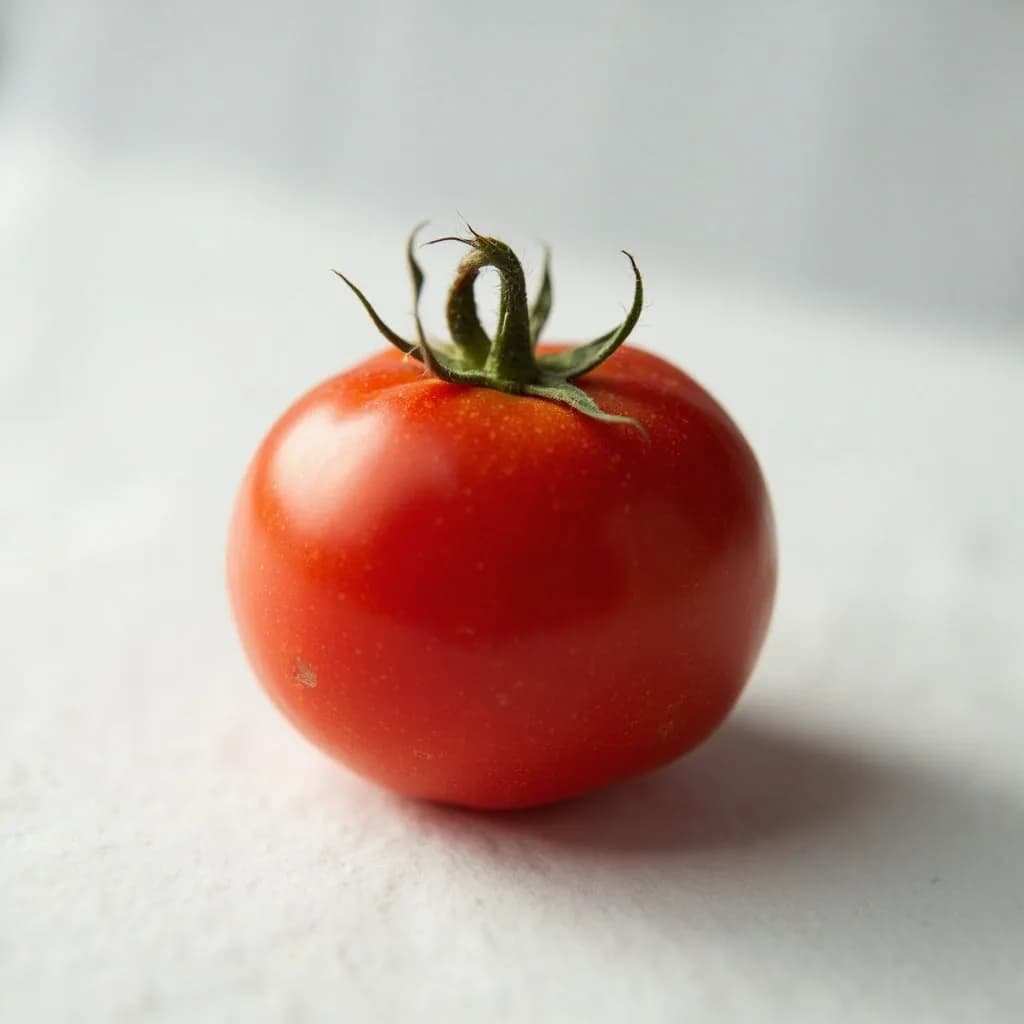
Tomato
Juicy, sun-sweet fruit for sauces, salads, and slow-cooked depth
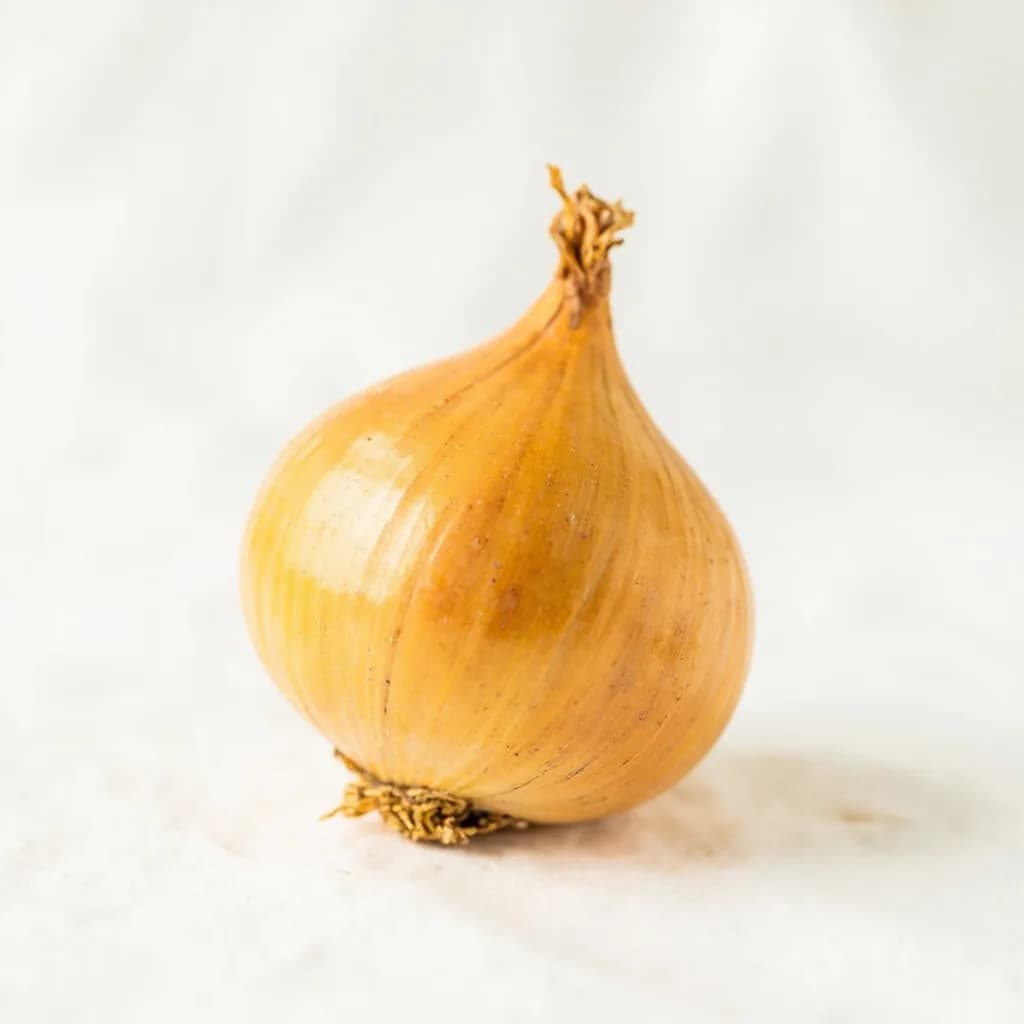
Yellow Onion
The aromatic backbone of soups, sofritos, and braises
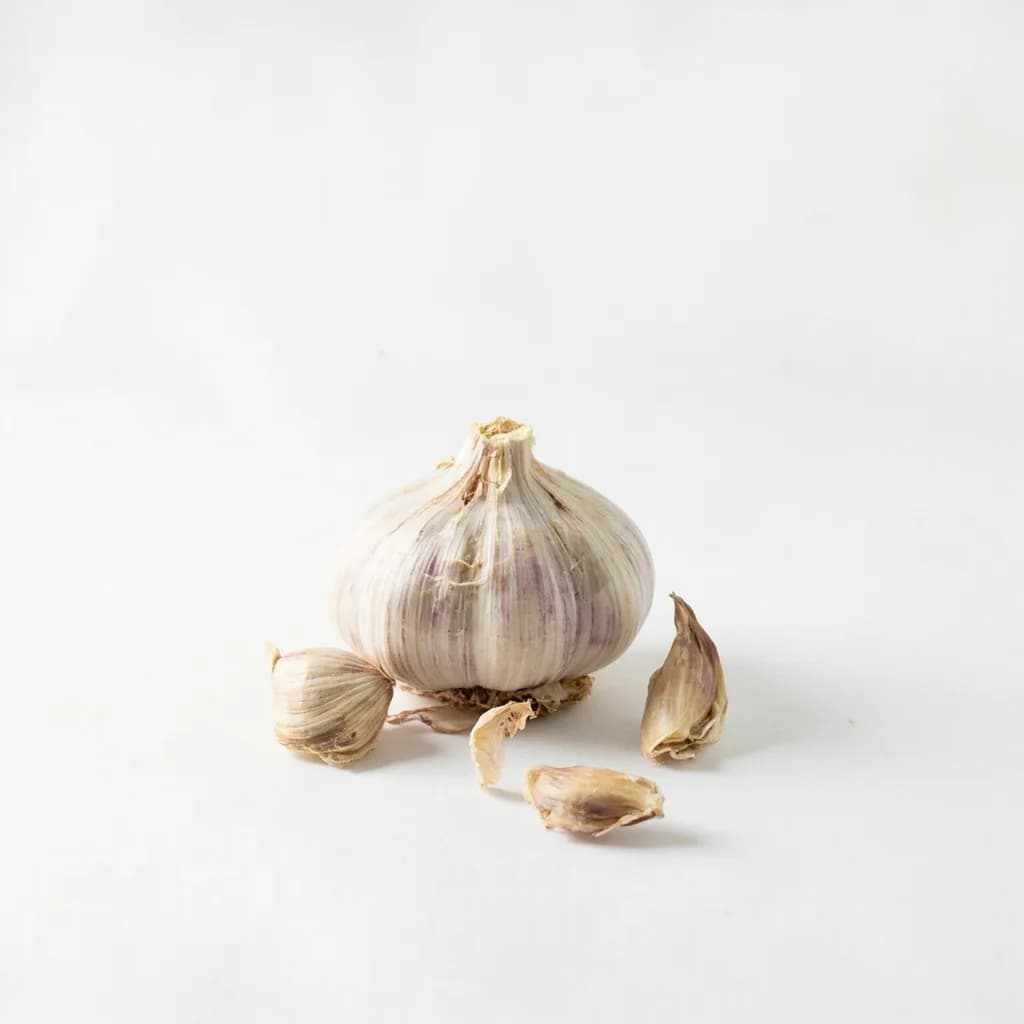
Garlic
Pungent cloves that perfume nearly every savory dish
Lemon
Bright, acidic citrus that wakes up almost any dish
Potato
Humble, hearty staple — roast, mash, fry, or boil
Carrot
Sweet, crunchy root — raw, roasted, or the base of a sofrito
Cucumber
Cool, crisp, and watery — for salads, pickles, and tzatziki

Lettuce
Crisp leaves for salads, wraps, and a fresh crunch