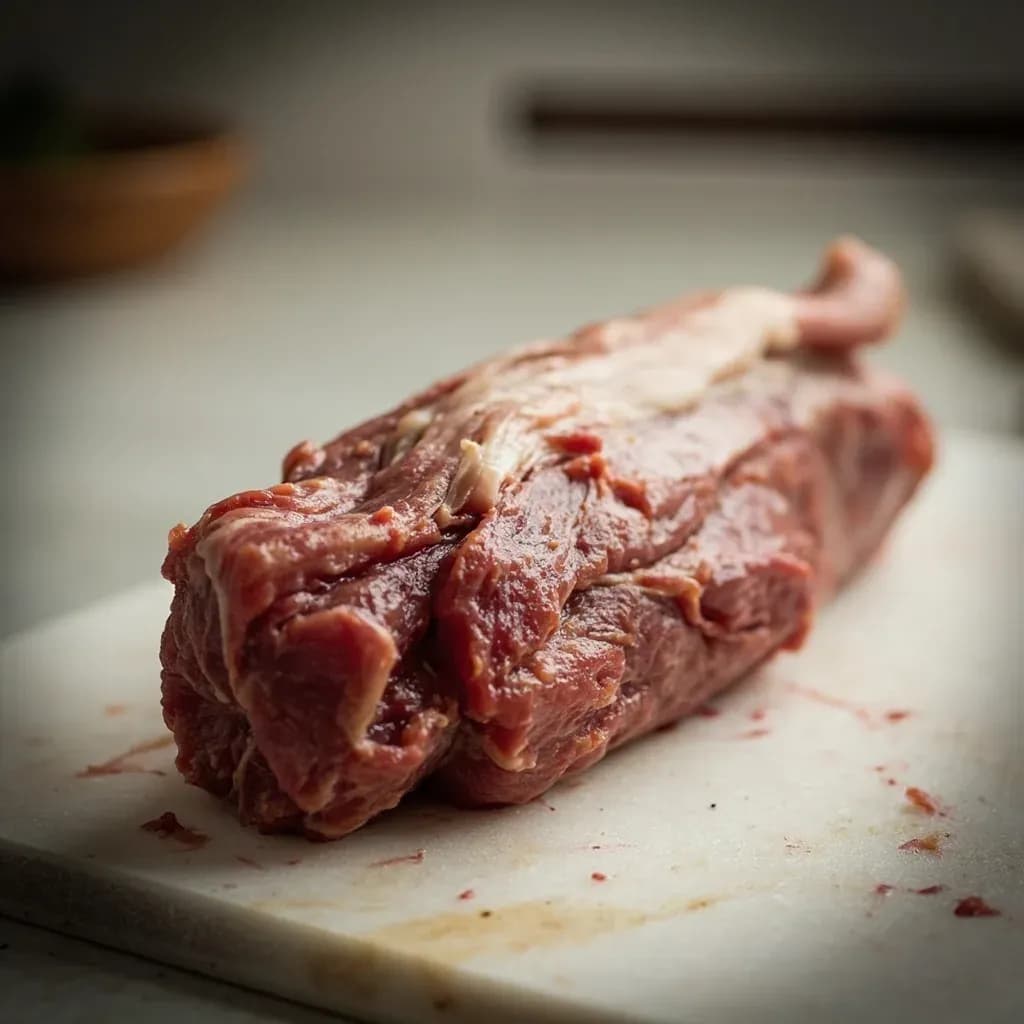
Proteins
Hogget
Sheep meat aged between lamb and mutton, deeper-flavored than lamb but still tender.
Hogget is meat from a sheep between one and two years old, sitting between mild lamb and stronger mutton. It has a fuller, more developed flavor than lamb while retaining good tenderness. It is roasted, braised or grilled, popular in British, Australian and New Zealand cooking.
Hogget occupies the sweet spot between lamb and mutton, harvested from sheep aged 12–24 months. At this age, the animal has developed significantly more complex flavor than spring lamb while retaining much of its tenderness — the meat has substance and structure without the often tough character of older animals. This middle ground makes hogget extraordinarily versatile: it stands up to long, slow cooking methods that would strip the delicate flavor from lamb, yet responds beautifully to quick, high-heat applications that mutton cannot tolerate. The well-marbled fat, which carries considerably more flavor than lamb fat, is the defining characteristic of hogget — it bastes the meat during roasting, creates exceptional pan sauces, and can be deployed as a cooking fat for vegetables and starches. In regions where hogget is formally classified (New Zealand, Australia, parts of the United Kingdom), it commands serious respect among chefs and butchers who recognize its culinary advantages over both younger and older sheep. Where formal classification doesn't exist, requesting "older lamb" — typically spring lamb carried through summer and autumn, or specifying 18–20 month-old animals — will usually yield hogget or hogget-equivalent meat.
- Measured in
- g
- Storage
- Fridge
Types & varieties
From pasture-raised Romney, Coopworth, and Perendale sheep; clean, grassy mineral notes; the most exported hogget internationally
Traditionally finished on Welsh mountain pastures; intense, complex flavor with herbal and slightly bitter notes; highly prized in British cuisine
From Merino and crossbred flocks; often well-marbled; the fat has distinctive lanolin character
From hill and upland breeds; leaner than New Zealand or Welsh varieties; earthy, robust flavor
From the heritage Southdown breed; exceptionally tender with a buttery, sweet richness; premium product when available
Understanding the Age Spectrum
The sheep age spectrum runs from milk-fed lamb (under 8 weeks) through lamb (under 12 months) to hogget (12–24 months) and finally mutton (over 24 months, or with permanent incisor teeth). Each stage brings distinct changes: lamb offers delicate, mild flavor and very tender texture but can easily dry out during cooking; mutton delivers profound depth and excellent yield in long cooking but requires extended braising to break down connective tissue and achieve tenderness. Hogget sits between these extremes, having accumulated enough intramuscular fat and flavor development to withstand cooking errors while still tender enough for quick applications. For the most dramatic demonstration of hogget's advantages, prepare identical cuts of hogget and lamb side by side — same seasoning, same method — and taste them sequentially. The hogget will show greater depth and complexity while the lamb will taste noticeably thinner and less satisfying.
- The age classification varies by country — always confirm local definitions with your butcher
- Spring lamb carried through summer becomes hogget by autumn in many markets
- Mutton can become tender with long, moist cooking but requires different techniques than hogget
Working with Hogget Fat
The fat is not incidental to hogget — it is central to cooking it well. The substantial subcutaneous fat cap and intermuscular fat deposits carry concentrated flavor compounds that lamb simply cannot match. During roasting, this fat bastes the meat continuously, preventing the drying that plagues leaner cuts. The rendered fat is exceptionally useful for cooking accompaniments: potato wedges roasted in hogget fat achieve a crisp, savory crust impossible with butter or oil alone. For grinding (called "groundhogget"), ensure the fat is incorporated evenly — it should comprise roughly 20% of the mixture for proper binding and moisture. When searing chops or rack, start fat-side down in a cold pan to slowly render the fat and build a golden, flavorful crust before turning. The fat also makes hogget far more forgiving in sauces: pan drippings from hogget create deeply flavored bases for gravy that lamb simply cannot produce.
- Reserve fat trimmings from butchery for roasting potatoes, vegetables, or making a finishing fat
- Score the fat cap generously before roasting to allow fat to render and create caramelized edges
- Use hogget bones for stock — they yield a richer, more gelatinous result than lamb bones due to the animal's age and denser bone structure
Common uses
Tips & pitfalls
- Remove hogget from refrigeration 30–45 minutes before cooking to allow the meat to come to room temperature — this ensures more even cooking, especially for roasts
- Score the fat cap generously before roasting; this allows fat to render and baste the meat while creating crisp, caramelized edges
- Do not overcook the tender cuts — despite being from older animals than lamb, hogget rack and loin still has the tenderness to suffer from prolonged dry heat; medium-rare to medium (57–65°C internal) is ideal for these cuts
- Rest meat for at least 10–15 minutes after roasting — the juices redistribute and the carryover cooking completes the process; cutting too early loses significant moisture
- Season aggressively with salt well in advance (30–60 minutes) if time permits; the salt draws out moisture which then reabsorbs with seasoning, resulting in better-flavored, more moist meat
- When braising, brown the meat thoroughly before adding liquid — the Maillard reactions on hogget's well-developed fat create layers of savory compounds that enrich the braising liquid
- Match hogget's robust flavor with equally bold cooking fats: duck fat, beef tallow, or a generous amount of olive oil rather than neutral vegetable oils
- Common mistake: treating hogget like full mutton and using very long cooking times on the tender cuts — the meat is still young enough to suffer from overcooking in dry methods
Nutrition
Nutrition
No USDA FoodData Central match for Hogget yet. We surface a per-100 g profile once a generic whole-food entry is matched and verified.
In the shops
Matched grocery products
No matched grocery products for Hogget yet.
Good to know
- Classification
- Sheep meat from animals aged 12–24 months (between lamb and mutton)
- Primary Regions
- New Zealand, Australia, Wales, Scotland, and Northern England
- Flavor Profile
- Richer and more complex than lamb; deeper, slightly gamey notes with well-developed fat that carries more flavor than lamb fat
- Texture
- Tender but with more substance and resistance than lamb; fine-grained meat with better structure for carving
- Fat Content
- Well-marbled with more subcutaneous and intermuscular fat than lamb; this fat bastes the meat during cooking and carries significant flavor
- Aging
- Benefits from dry-aging 7–14 days; extended aging develops even more complex flavors
- Culinary Difficulty
- Straightforward; suits both quick-high and low-slow methods; forgiving of longer cooking times than lamb
- Storage (Fresh)
- Refrigerate at 0–4°C; use within 3–4 days for optimal quality
- Storage (Frozen)
- Freeze at -18°C or below; best quality within 6–9 months
Substitutes
- Lamb — The closest substitute; use for a milder, slightly sweeter flavor. Increase cooking time slightly if using lamb leg or shoulder as hogget is slightly denser.
- Mutton — For an even deeper, more pungent flavor and denser texture. Reduce cooking times slightly as mutton can become tough if overcooked.
- Goat — Comparable in depth and gameiness; the leaner meat of goat requires careful attention to moisture during cooking; excellent in slow braises and curries.
- Young Veal — In savory preparations where only the rich, meaty flavor is needed; veal lacks the same fat character and depth but provides similar tenderness in braised dishes.
Pairs with
Related
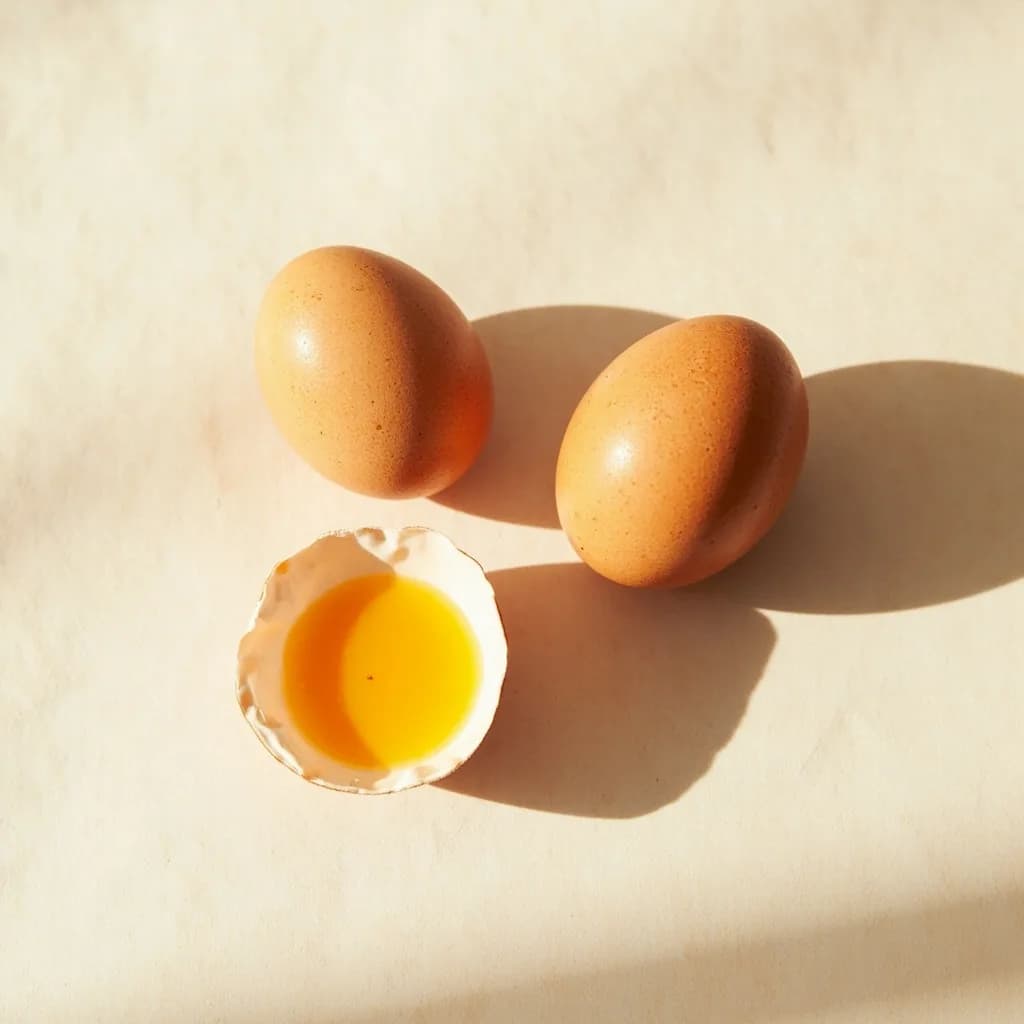
Egg
The kitchen's everything ingredient — bind, leaven, enrich, or fry
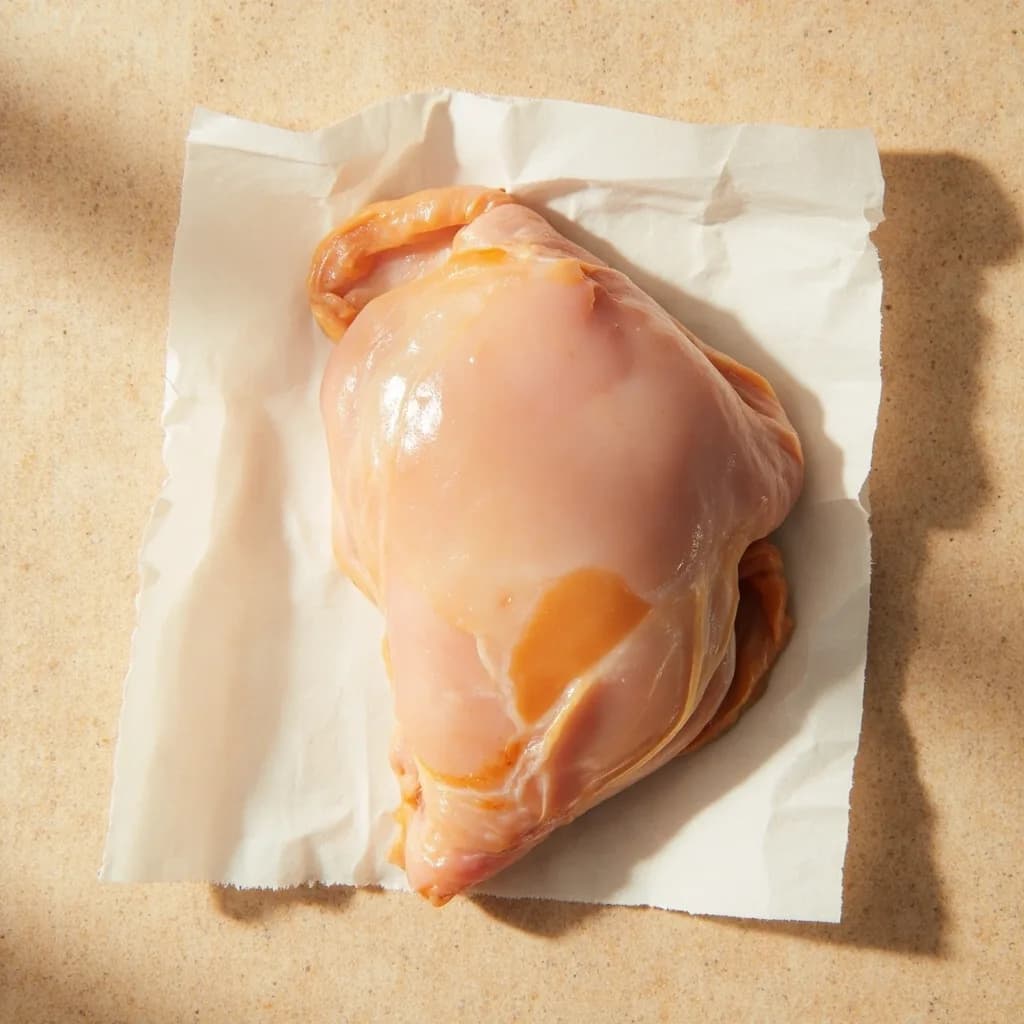
Chicken Breast
Lean, quick-cooking white meat for everyday dinners

Ground Beef
Versatile minced beef for burgers, ragù, tacos, and meatballs
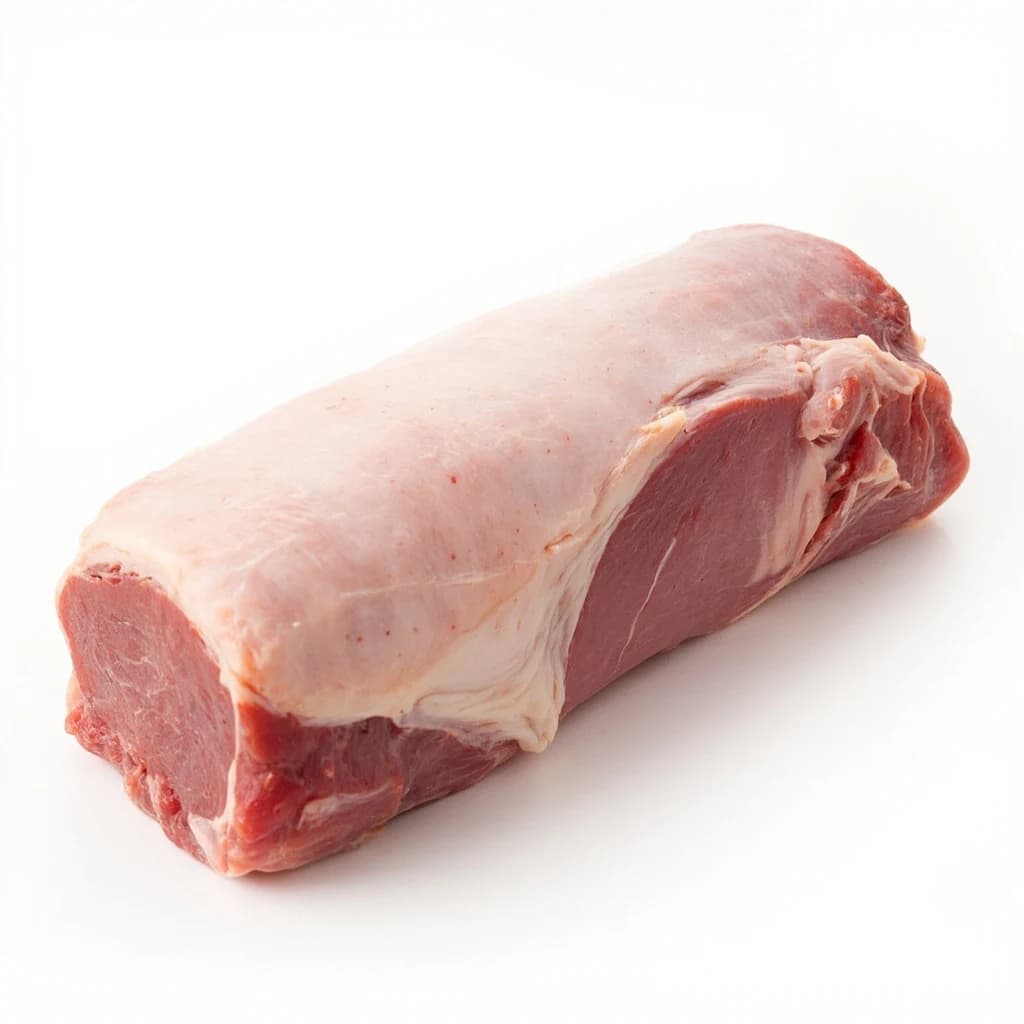
Pork Loin
Lean, tender roasting cut that stays juicy with care
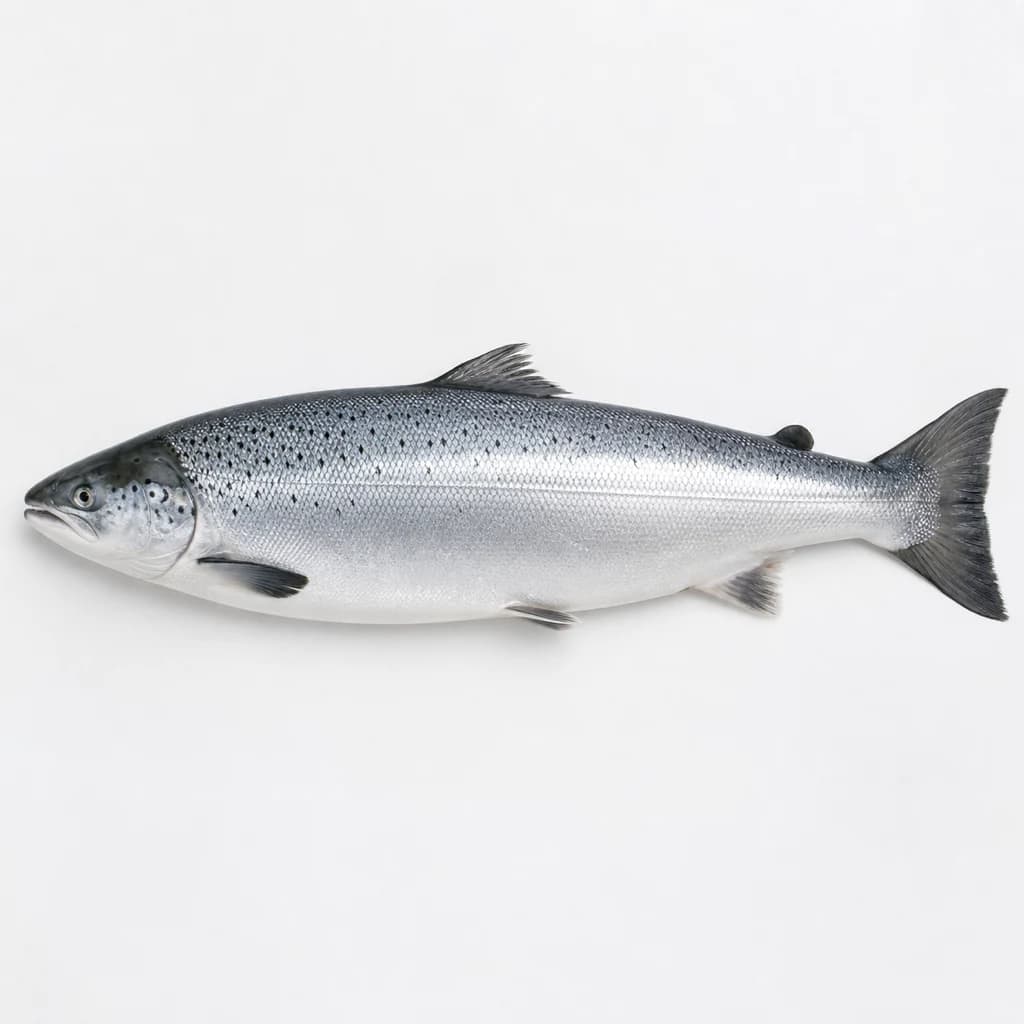
Salmon
Rich, rosy fish that roasts, grills, or cures beautifully

Egg White
Pure protein that whips to airy peaks for meringue and more
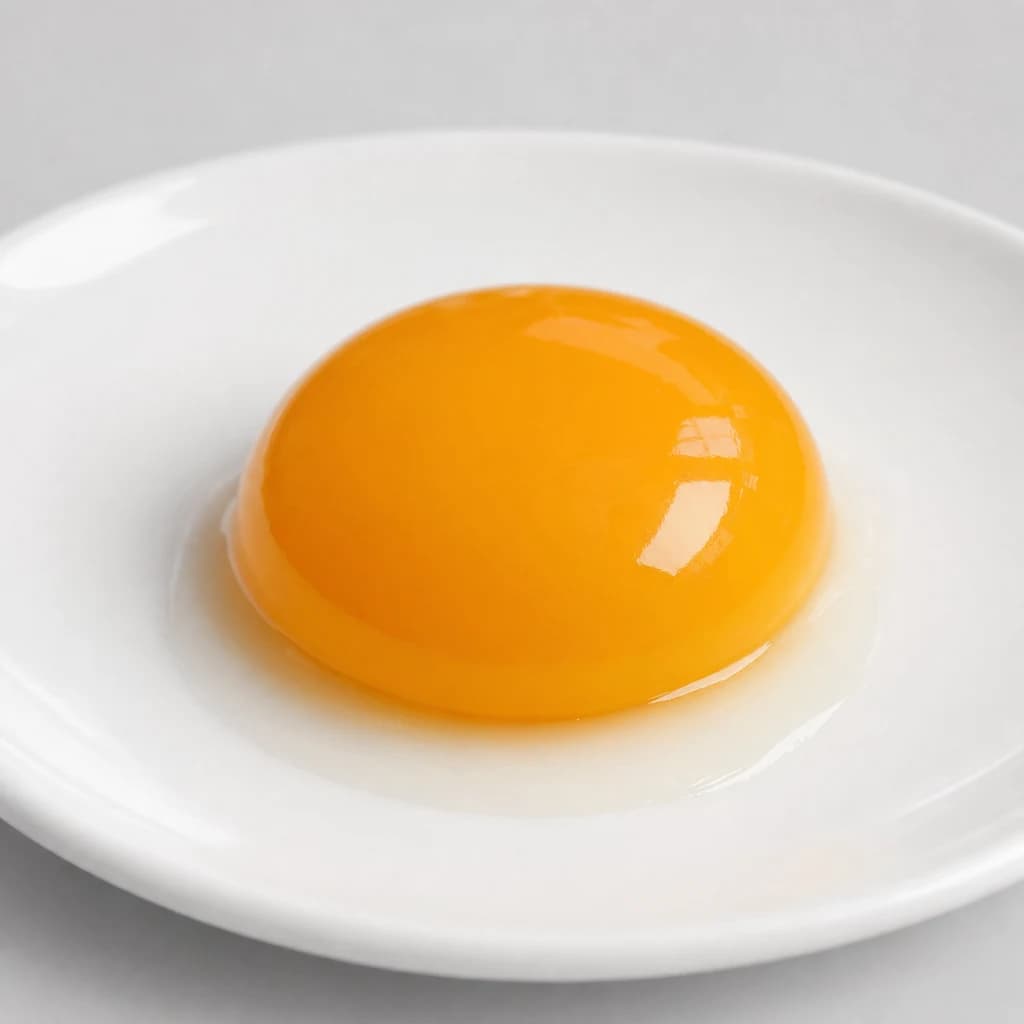
Egg Yolk
Rich, golden yolk for custards, mayonnaise, and pasta

Quail Egg
Tiny, speckled eggs for garnishing and elegant bites