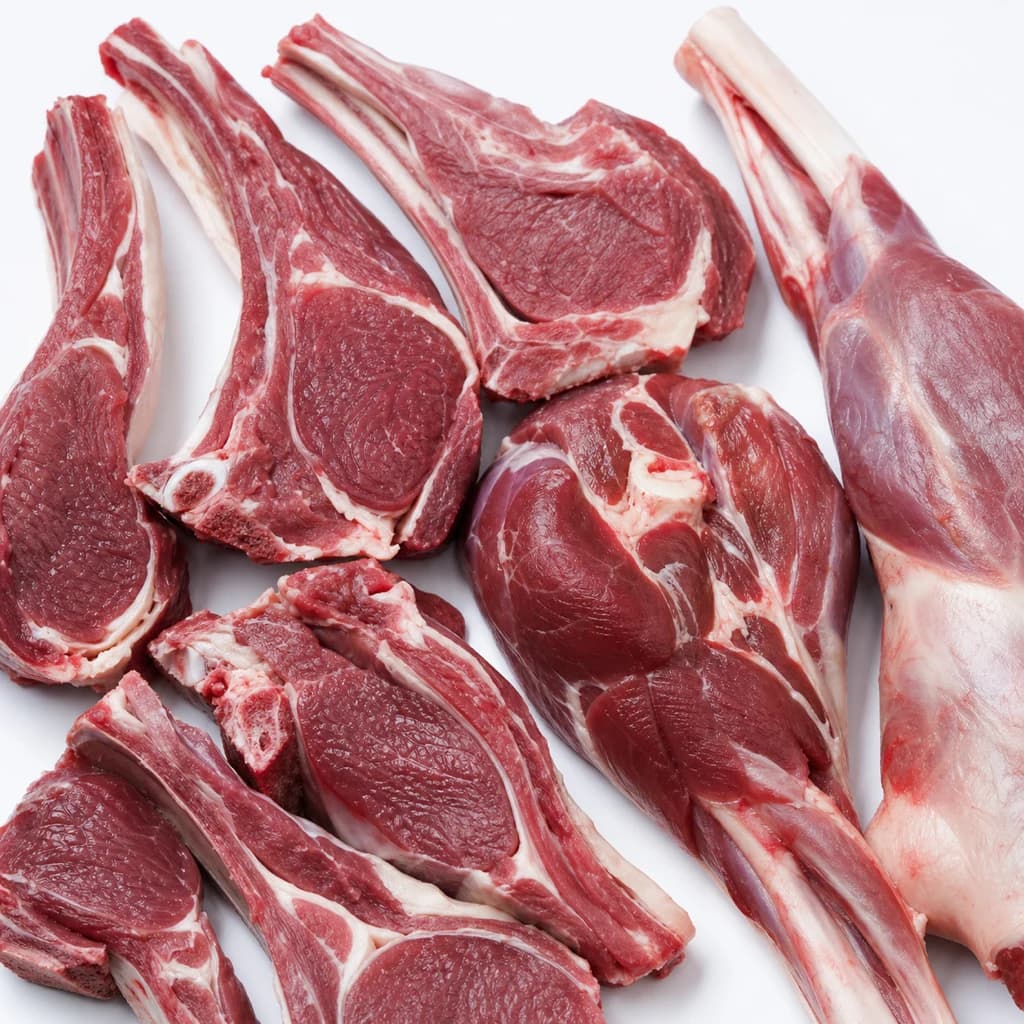
Natural form
Raw bone-in goat meat pieces showing the lean, dark red muscle and exposed bone.
Shows the uncooked form, color, lean muscle texture, and bone-in cuts that define goat meat for a reader who has never seen it.
Proteins
Goat Meat
Lean, deeply flavored red meat central to curries, stews, and grills across Africa, the Caribbean, and South Asia.
Goat meat is a lean, robustly flavored red meat that is one of the most consumed meats globally outside the West. It is typically slow-cooked in spiced curries, stews, and birrias, or grilled, since its low fat content benefits from moist, gentle heat. Bone-in pieces add richness to the cooking liquid.
Goat meat—known as chevon in French-speaking contexts, cabrito in Spanish-speaking regions, and capretto in Italian—is the world's most widely consumed red meat, yet it remains underutilized in Anglophone kitchens. The meat ranges from pale pink and delicate (in milk-fed kids under six months) to deep cherry-red and robustly flavored (in animals over twelve months), with a distinctive sweet, mildly gamey character that distinguishes it from lamb or beef. Its appeal lies in remarkable leanness—60% less fat than beef, comparable to skinless chicken breast—combined with high protein (~27g per 100g) and abundant taurine. While often compared to lamb in cooking contexts, goat deserves its own methodology: its low fat content makes it unforgiving when overcooked, yet its high collagen transforms into silky gelatin when properly braised, yielding the fall-apart tenderness that defines great goat dishes. From the yogurt-spiced goat curries of the Indian subcontinent to the scotch bonnet-inflected preparations of the Caribbean, from Moroccan tagines to Mexican cabrito asado, the meat's versatility across cuisines reflects its global ubiquity rather than a single culinary identity.
The cooking imperative with goat is matching technique to age. Young kids (three to six months) respond well to high-heat methods—grilling, roasting, quick braising—where their tenderness and mild flavor shine. Mature animals (over twelve months) require the long, moist cooking that breaks down their abundant collagen: braising, pressure cooking, or spit-roasting. This distinction matters more than breed; a well-cooked kid from any source outperforms a poorly executed mature goat every time. Goat's leanness, while healthier than conventional red meats, demands respect: it dries out readily when overcooked, and the common impulse to "cook it longer" to ensure safety actually ruins the meat. The result is often chalky and tough rather than tender. Properly cooked goat—whether a Caribbean curry, a Pakistani biryani, or a South African braai—achieves a silkiness and depth of flavor that keeps the meat beloved across ninety-plus countries.
In markets, goat is typically sold bone-in, which is preferable for flavor and structural integrity during cooking. Halal slaughter is standard in South Asian, Middle Eastern, and most Caribbean communities; if this matters, verify before purchase. The animal's age is often indicated by color (pale pink versus deep red) and should be requested from butchers who source directly. Ground goat requires full cooking to 160°F due to bacterial surface exposure from grinding—a food safety necessity that whole cuts do not demand. Leftover goat bones make exceptional stock after three to four hours of simmering, yielding a deeply savory base for future dishes or a unique soup in its own right.
- Measured in
- g
- Storage
- Fridge
Types & varieties
Milk-fed young goat, typically 3–6 months; most tender; pale pink meat; mildest flavor; prized in Italian, Greek, and Latin American cuisines
General term for goat meat (French); usually from animals 1–2 years old; firmer texture, deeper red, more pronounced flavor than kid
Spanish term, specifically young goat roasted whole; traditional in Mexican cuisine, especially northern Mexico and Texas
Goat over 12–18 months; dark red, robust flavor; requires braising or pressure cooking; traditional in South Asian and Caribbean preparations
South African breed, most common commercial goat for meat in the US; moderate fat marbling; mild flavor
Descended from Spanish goats brought to the Americas; lean, flavorful; traditionally used for range goat meat production
New Zealand breed developed from feral goats; hardy, lean carcass; growing commercial presence
Dairy breed producing slightly higher-fat meat than meat-specific breeds; used in UK and US for chevon; richer mouthfeel
Caribbean breed; prized for jerk goat and curry goat; distinct regional identity in Jamaican and Trinidadian cuisine
Major Indian breed; large, heavily muscled; primary source of meat for South Asian curries and biryanis
Butchery and Cuts
Goat butchery differs from standard beef or lamb cuts in that the shoulder is often left whole or divided through the aitchbone for braising, the neck is split and seen as flavor-intensive, and the rack is French-trimmed for elegant presentation. Leg cuts (raan in South Asian contexts) are prized for roasting or braising whole. Rib chops and T-bone cuts from younger animals respond well to grilling. When purchasing, ask your butcher to cut through bones—attempting to saw through aitchbone or vertebrae at home is frustrating and dangerous. Bone-in cuts are always preferable for cooking; they add flavor during braising and prevent the meat from drying out. Ground goat is increasingly available and should be cooked to 160°F for food safety.
- Ask butcher to cut through bones rather than attempting at home
- Bone-in shoulder and neck are best for braising; leg for roasting
- Rack and chops from young kids ideal for high-heat cooking
- Ground goat requires full 160°F internal temperature
Storage and Handling
Fresh goat should be refrigerated at 32–36°F and used within 2–3 days, or frozen at 0°F for 6–9 months. Cooked goat must be refrigerated within two hours of cooking and used within 3–4 days. The cooked yield from bone-in cuts is approximately 60–65% of raw weight; boneless yields run 70–75%. Goat fat (tallow) congeals at room temperature, which can make finished braises appear greasy—skim fat during cooking and consider refrigerating the sauce overnight before serving to remove solidified fat cleanly. Goat stock, made from bones with aromatics, benefits from a minimum three to four hour simmer to extract gelatin and flavor; it can serve as a base for future goat dishes or stand alone as a distinctive soup.
- Refrigerate fresh at 32–36°F; use within 2–3 days; freeze at 0°F for 6–9 months
- Cooked yield: 60–65% bone-in, 70–75% boneless
- Skim fat during braising; refrigerate sauce to remove congealed tallow
- Goat stock requires 3–4 hours minimum simmering
Common uses
Tips & pitfalls
- Purchase bone-in cuts whenever possible — bones add flavor during braising and prevent drying out; ask your butcher to cut through the bones rather than trying to saw through them yourself
- Age of the animal matters more than breed — a well-cooked kid (6 months) beats a poorly cooked mature goat every time; ask your butcher or supplier for age if not marked
- Marinate overnight for tough cuts — yogurt-based marinades (with ginger-garlic paste and spices) tenderize and penetrate more effectively than quick marinades; even 8 hours makes a difference
- Don't overcook young goat — kid and capretto are lean and tender enough for grilling and roasting; aim for medium-rare to medium (130–140°F internal) for chops and rack; overcooking makes them dry, not safer
- Use a pressure cooker for mature goat — 45–60 minutes under pressure equals 2–3 hours of conventional braising; release pressure naturally for best texture; this is the most practical modern approach for tough cuts
- Brown the meat well — high heat rendering before braising creates fond (Maillard reaction products) that forms the flavor base of the entire dish; don't crowd the pan or rush this step
- Rest meat before carving — 5–10 minutes of carryover cooking lets juices redistribute; cutting too soon loses moisture; this applies to all cuts including braised goat
- Season generously — lean goat needs salt not just for flavor but to help retain moisture during cooking; salt 30 minutes before cooking (or as part of a marinade) for best results
- Ground goat should always be cooked to 160°F — due to surface area exposure from grinding, comminuted goat (unlike whole cuts) requires full doneness for food safety; this applies even if you prefer rare lamb
- Add acidic ingredients halfway through cooking — tomatoes, tamarind, or yogurt added too early can toughen the exterior; add in the last 30–45 minutes of braising
Nutrition
Energy
456 kJ · per 100 g
Where the calories come from
Protein
20.6g
41% DV
Carbs
0g
0% DV
Fat
2.3g
3% DV
Fiber
0g
0% DV
Sodium
82mg
4% DV
Source · USDA FoodData Central · Game meat, goat, raw
View on FDC →In the shops
Matched grocery products
No matched grocery products for Goat Meat yet.
Good to know
- Common Names
- Chevon (French), Cabrito (Spanish-speaking Americas), Capretto (Italian for young goat)
- Flavor Profile
- Distinctive, slightly sweet, mildly gamey; lean with clean finish; less lamb-like than often described
- Leanness
- 60% less fat than beef; comparable fat content to skinless chicken breast; ~27g protein per 100g serving
- Meat Color by Age
- Pale pink (kid, under 6 months) to deep cherry-red (mature animals over 12 months)
- Cooking Properties
- High collagen benefits long, moist cooking in mature animals; quick-cooks well when young; low fat means prone to drying if overcooked
- Safe Internal Temperature
- 145°F for cuts with visible fat or ground; 160°F for all other preparations (USDA standard matches lamb)
- Global Standing
- Most widely eaten red meat worldwide; consumed in over 90 countries; India consumes ~40% of global supply
Substitutes
- Lamb — Best substitute; similar texture and fat content; slightly milder flavor; use in equal proportions; adjust for slightly longer cooking time if using mature lamb shoulder
- Mutton — Acceptable when true goat unavailable; older sheep has comparable gameiness and cooking properties; cook similarly to mature goat
- Venison — Good substitute for lean preparations; similar leanness and mild gamey character; cook more carefully as venison dries out faster; best marinated or cooked medium-rare
- Lean Beef — Workable in curries and stews where long cooking tenderizes; lacks goat's distinctive flavor; not suitable for high-heat applications where goat's character shines
Pairs with
Also called
Goat · Goat Meat (Mutton/Bakra) · Bakra · Chevon
Appears in these dishes
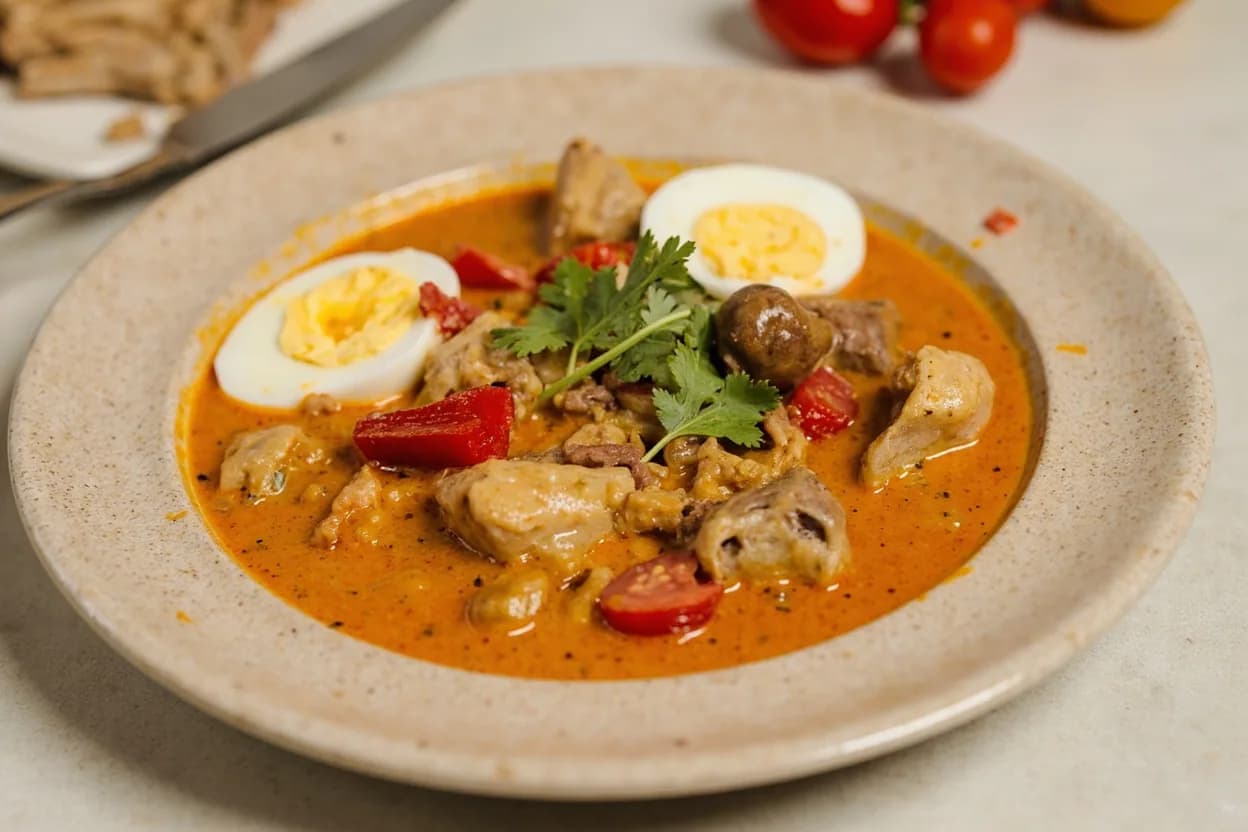
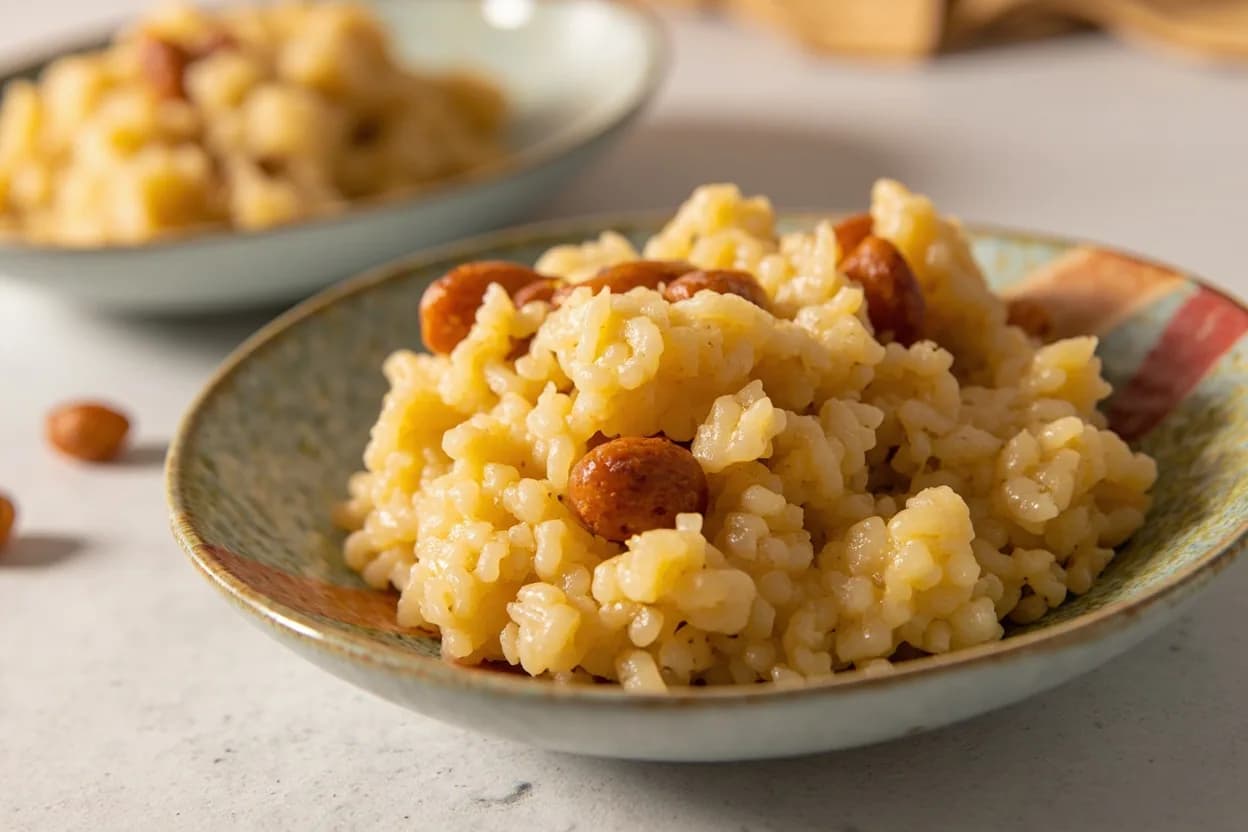
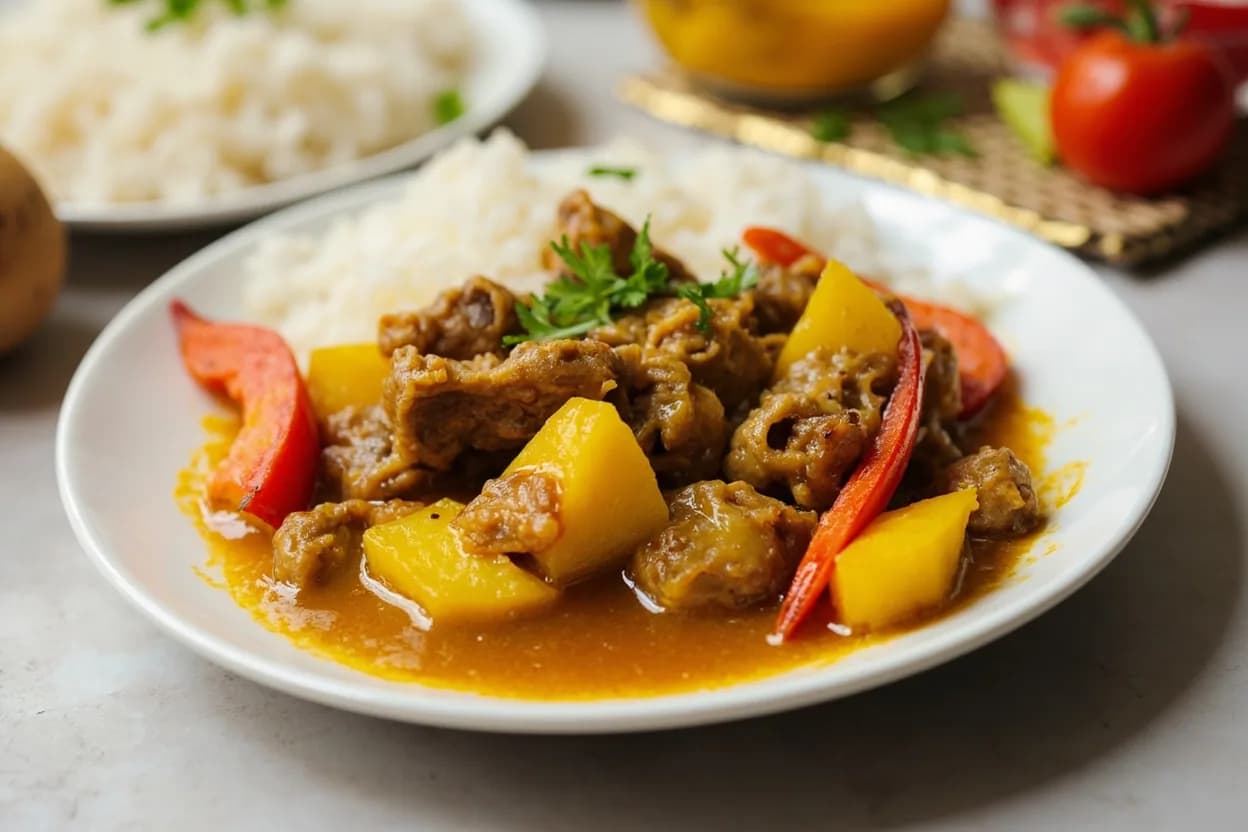
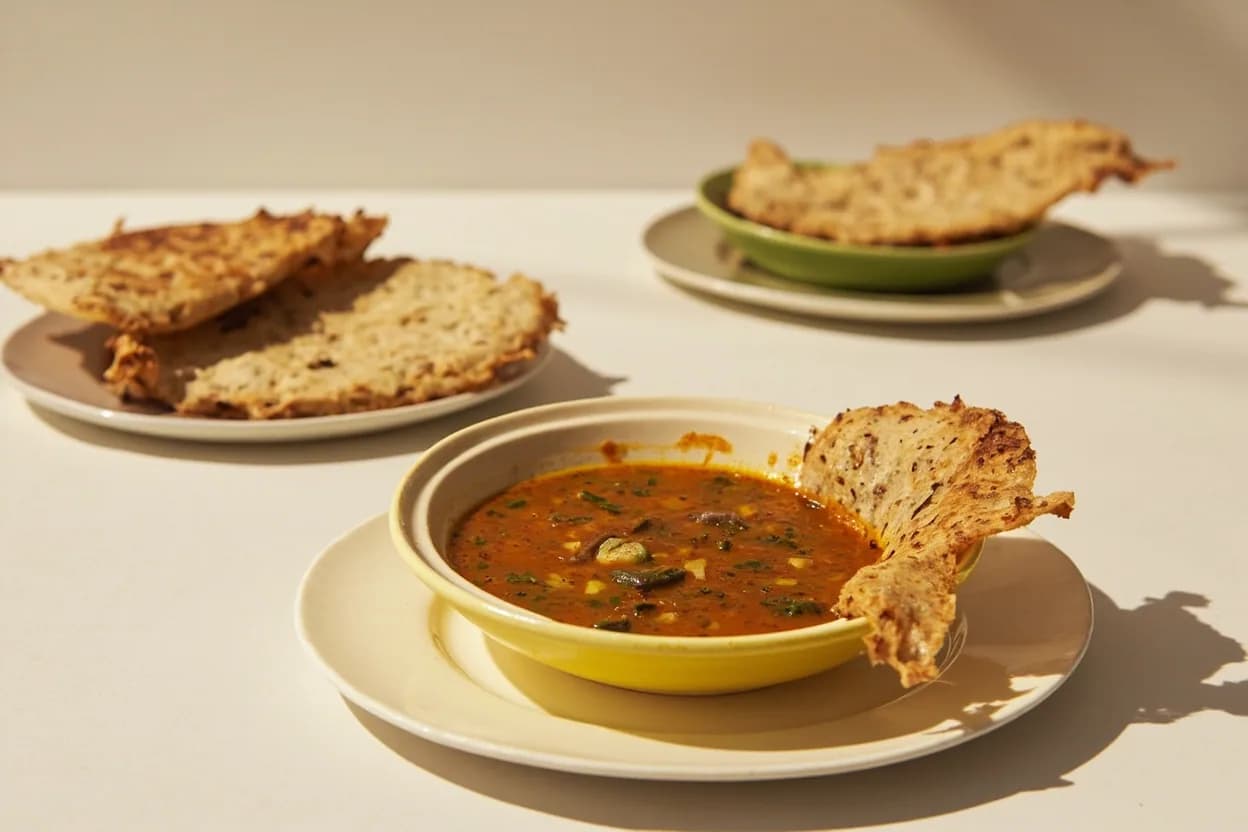
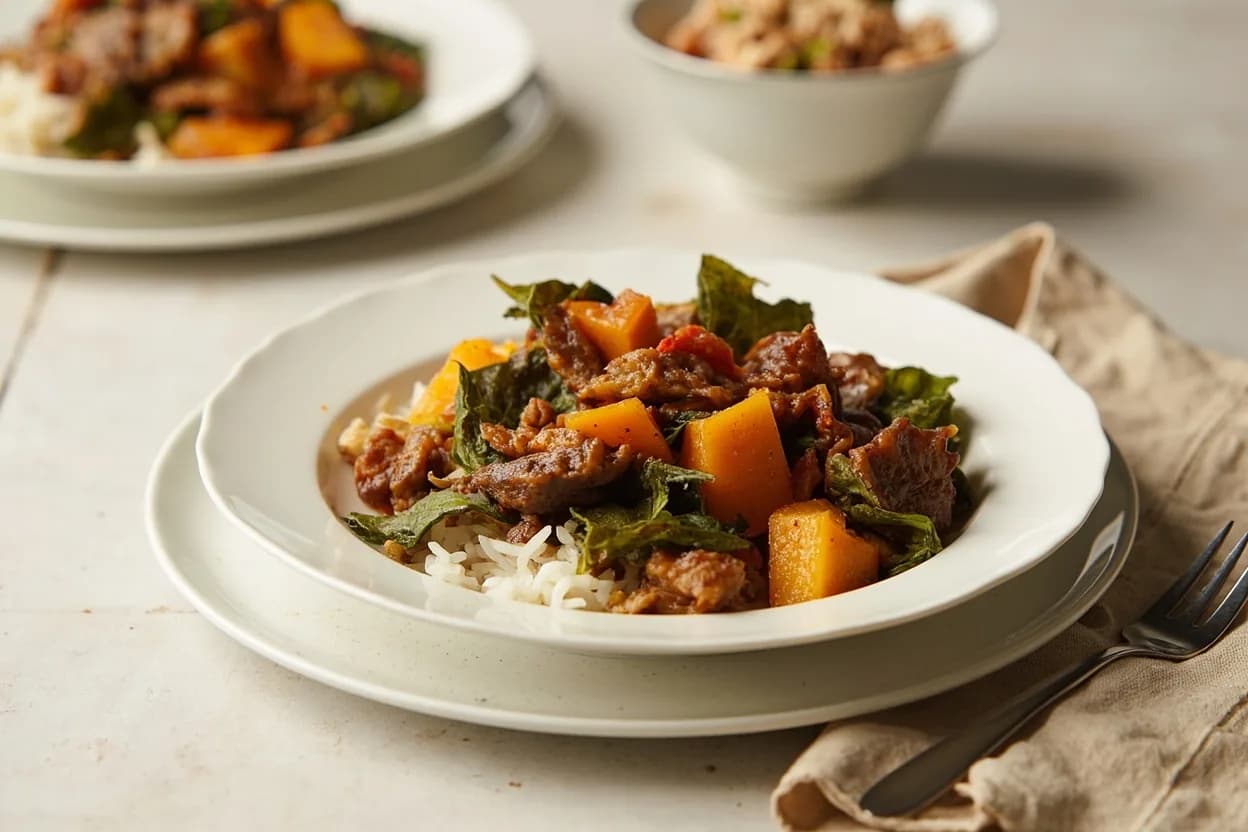
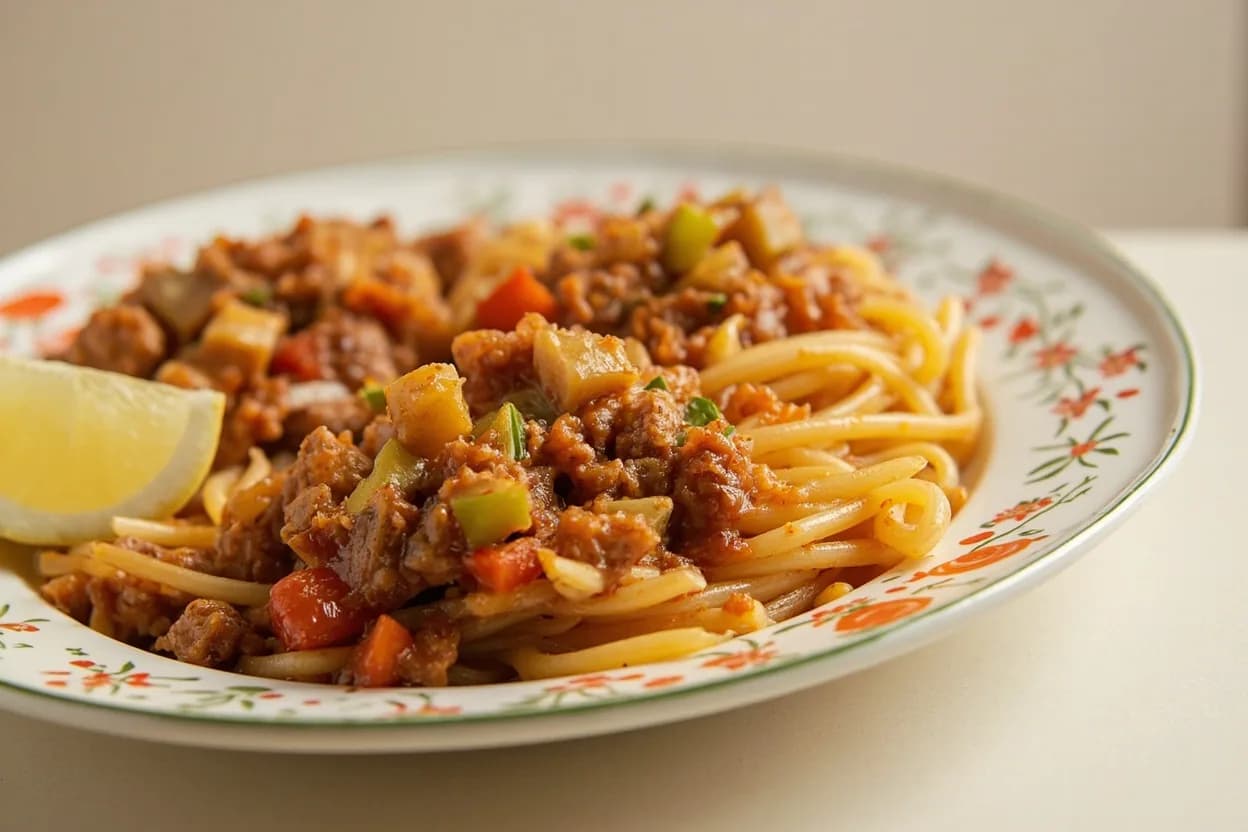
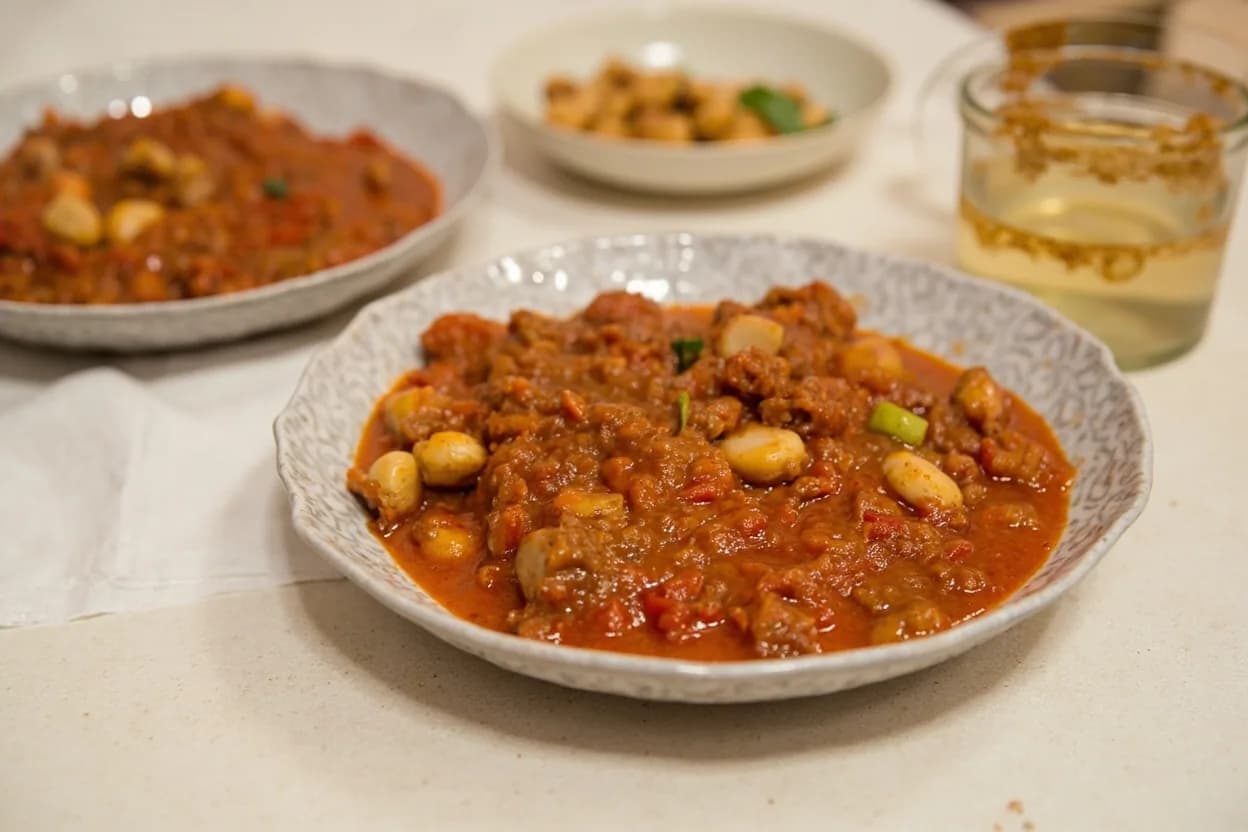
Related
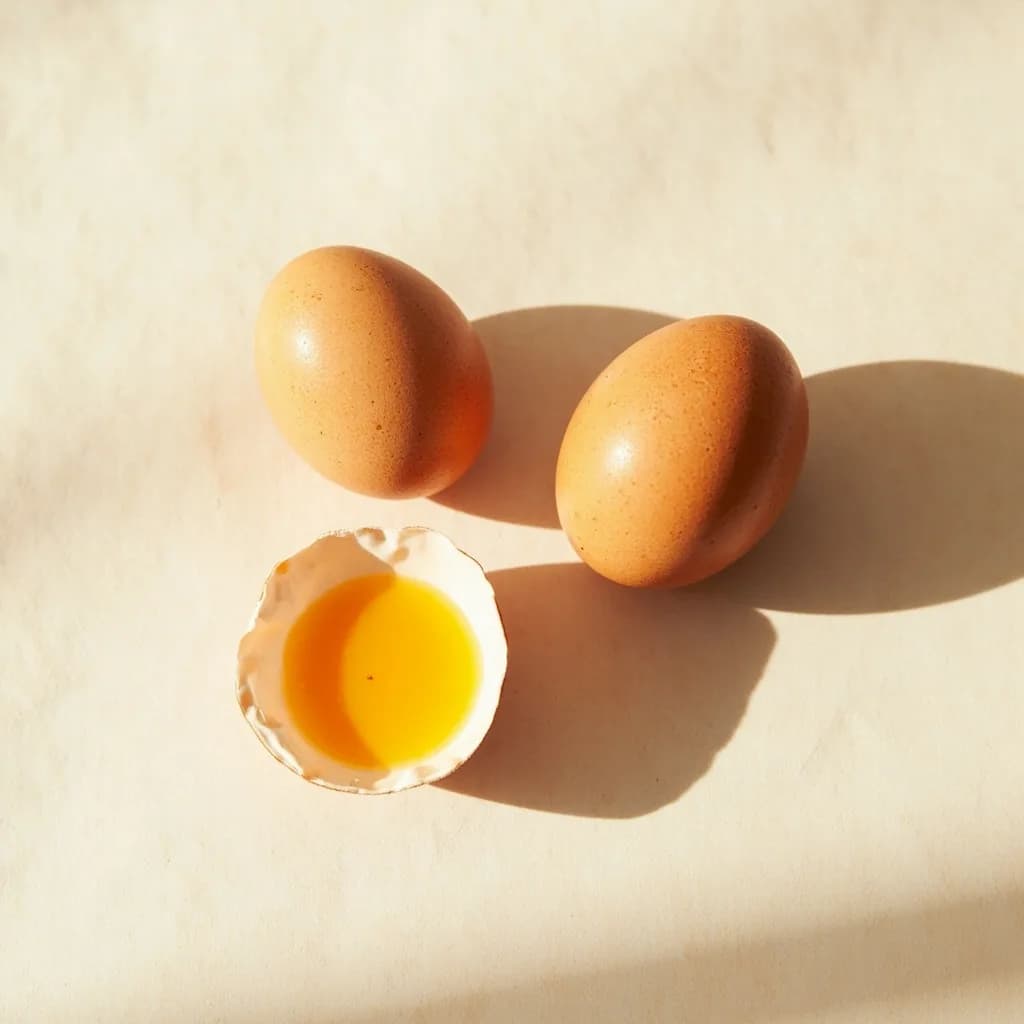
Egg
The kitchen's everything ingredient — bind, leaven, enrich, or fry
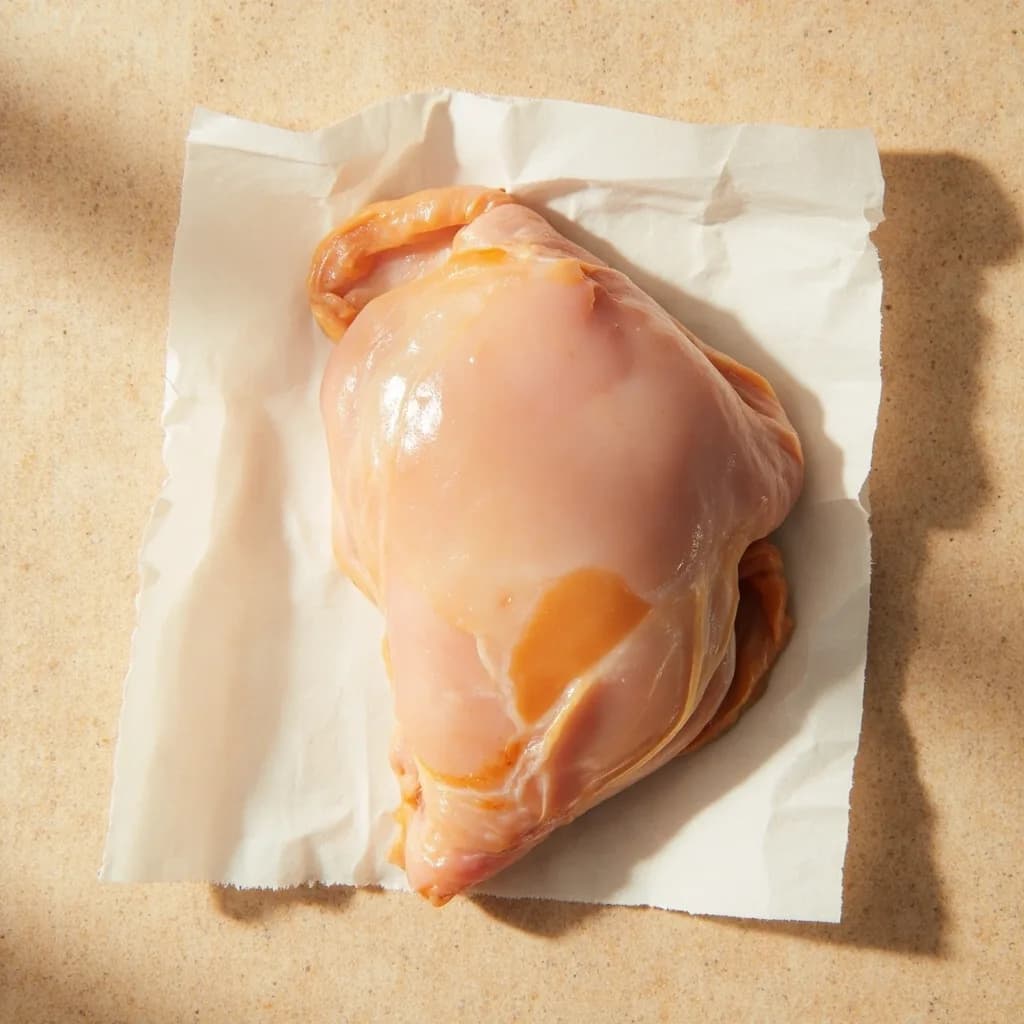
Chicken Breast
Lean, quick-cooking white meat for everyday dinners

Ground Beef
Versatile minced beef for burgers, ragù, tacos, and meatballs
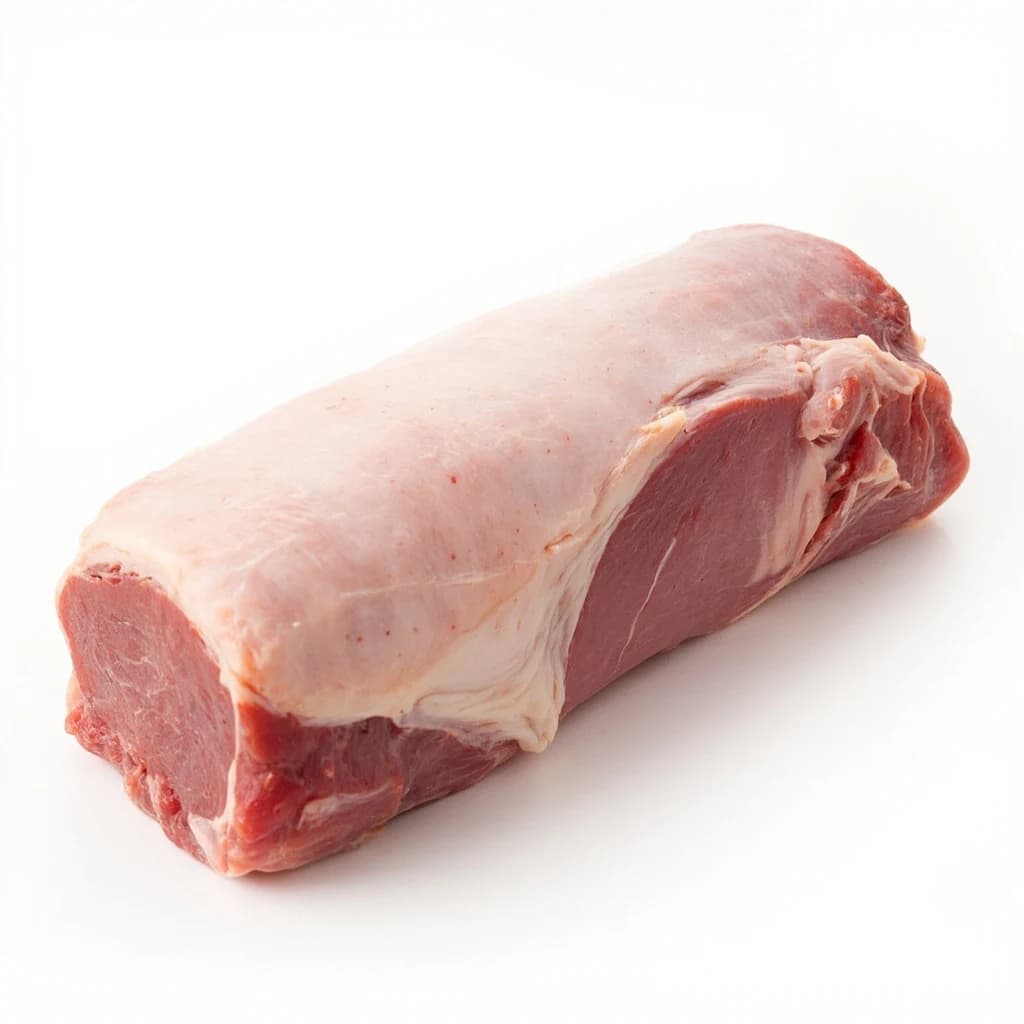
Pork Loin
Lean, tender roasting cut that stays juicy with care
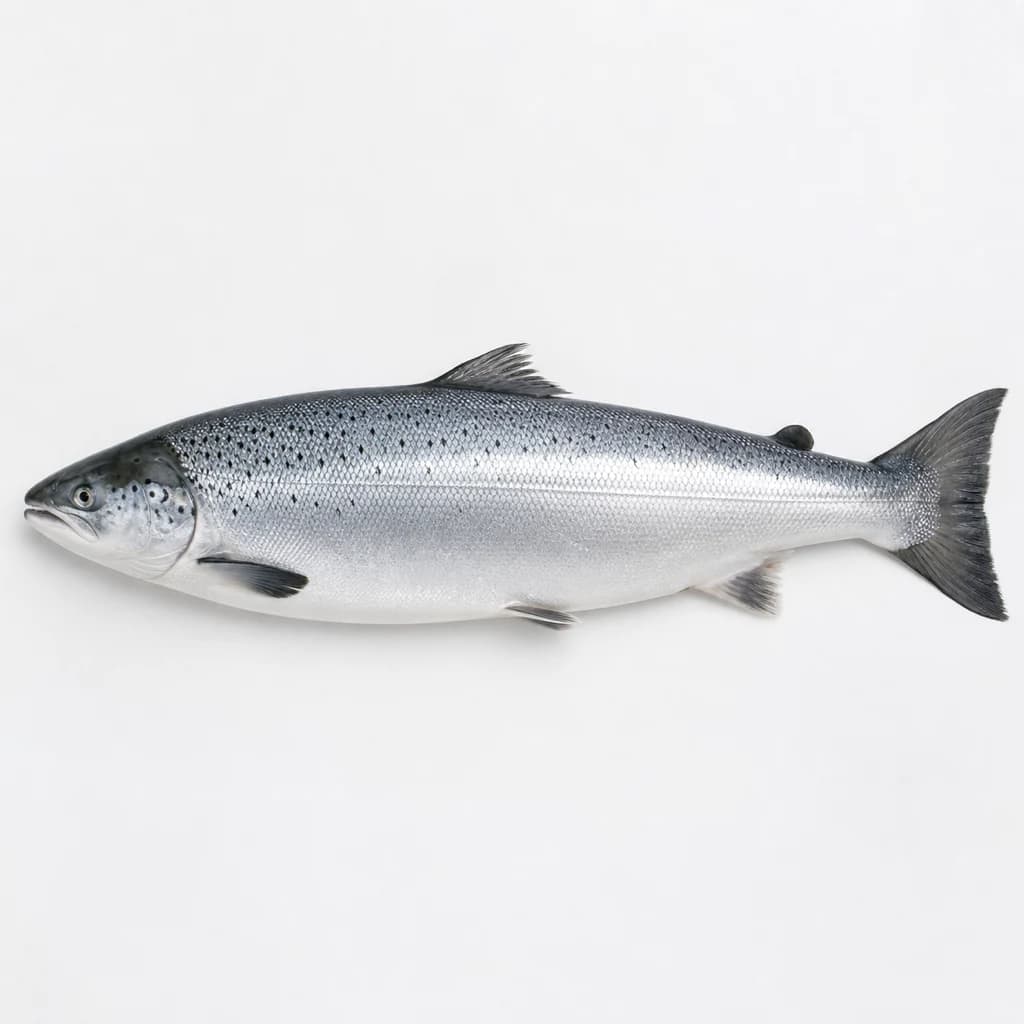
Salmon
Rich, rosy fish that roasts, grills, or cures beautifully

Egg White
Pure protein that whips to airy peaks for meringue and more
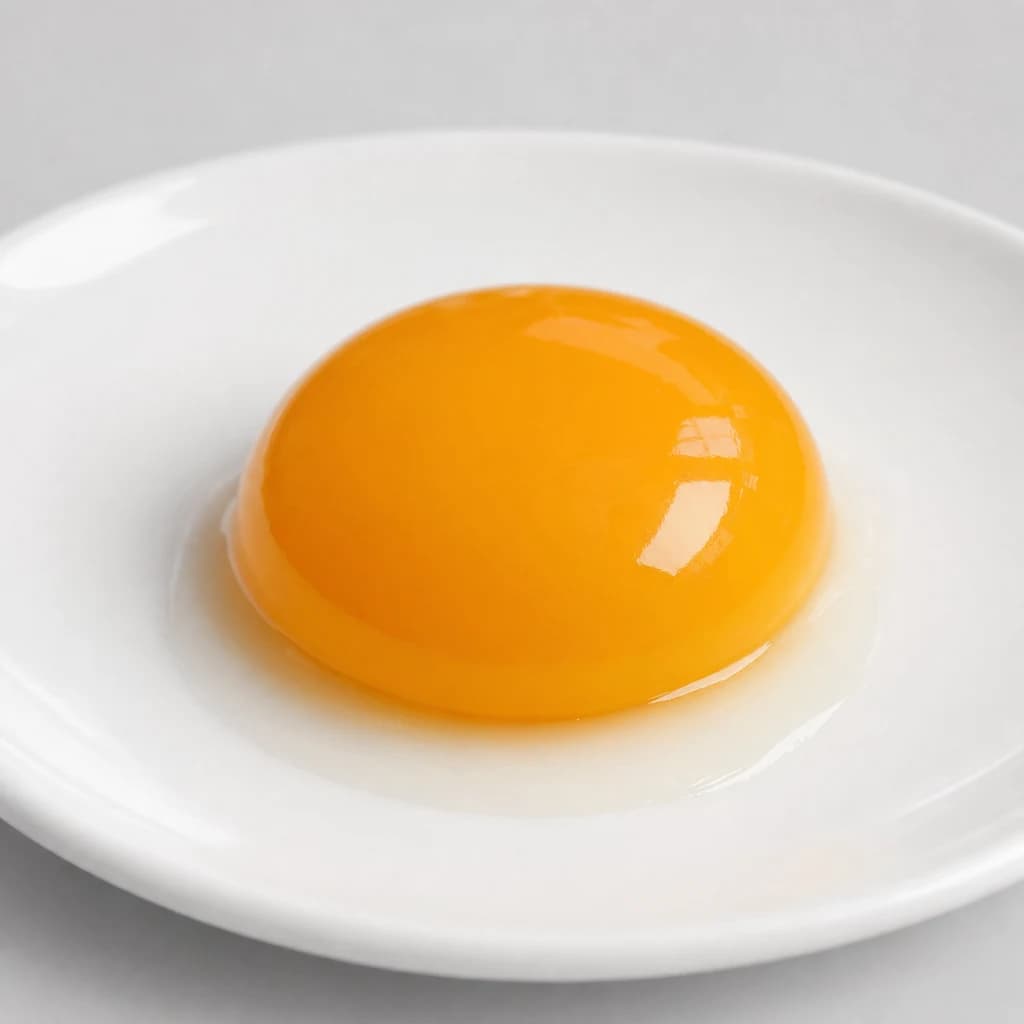
Egg Yolk
Rich, golden yolk for custards, mayonnaise, and pasta

Quail Egg
Tiny, speckled eggs for garnishing and elegant bites