Spices
Kosher Salt
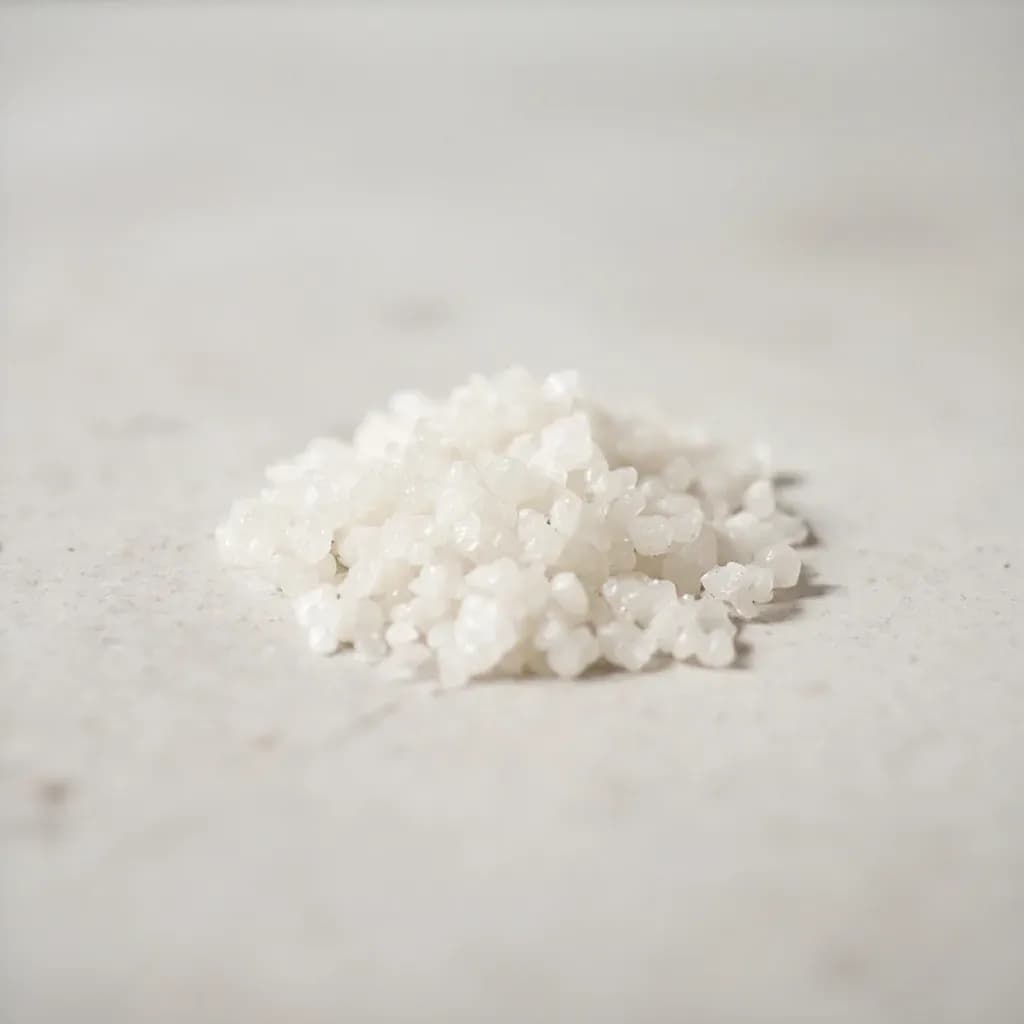
Coarse, additive-free flake salt that is easy to pinch and the standard for seasoning.
Kosher salt is a coarse-grained salt with large, flat flakes and no additives, named for its use in koshering meat. Its grain size makes it easy to pinch and distribute evenly, making it the default seasoning salt in many professional kitchens. Because the flakes are large, it measures less salty by volume than fine salt.
Kosher salt is a coarse, additive-free flake salt designed for easy pinching and even dispersion during cooking. Unlike table salt, it contains no iodine, anti-caking agents, or additives—just pure sodium chloride. The name derives from its traditional role in the Jewish koshering process, where it was used to draw blood from meat, not from any production in Israel. The hollow, irregular flakes crush easily between your fingers, scatter evenly over food, and dissolve faster than coarser salts like pickling salt or rock salt. This combination of tactile ease and quick dissolution is why it has become the dominant seasoning salt in American professional and home kitchens. The critical variable that trips up many cooks is brand: Diamond Crystal and Morton Kosher Salt differ in density by approximately a factor of two, meaning the same measured tablespoon delivers twice as much salt from Morton. Always identify which brand a recipe assumes.
- Measured in
- g
- Storage
- Pantry
Types & varieties
Lighter, airier flakes; preferred in most U.S. restaurant kitchens; ⅓ teaspoon provides about 590 mg sodium
Denser, flatter flakes; approximately twice as salty by volume as Diamond Crystal; easier to crush
Larger crystal size; slower to dissolve; suited for curing, brining, or salt crusts
The Brand Disparity Problem
This is the single most important practical issue with kosher salt. Diamond Crystal's flakes are lighter and airier, while Morton's are denser and flatter. A recipe calling for '1 tablespoon kosher salt' written with Diamond Crystal in mind will produce roughly double the seasoning if you substitute Morton. Most contemporary American cookbooks—particularly from authors like Cook's Illustrated, Ina Garten, and most Food Network personalities—use Diamond Crystal proportions. If a recipe does not specify a brand and the salt amount seems aggressive, you are likely looking at a Diamond Crystal recipe. When in doubt, taste as you go and adjust.
- Read the recipe headnote for brand specifications before you begin
- If no brand is specified, default to Diamond Crystal proportions and correct by tasting
- Morton measures roughly 2× saltier than Diamond Crystal by volume
Why Kosher Salt Dominates Professional Kitchens
The hollow flake structure serves real ergonomic and culinary purposes. The irregular shape creates air pockets that make the salt lighter and easier to pinch in controlled amounts. When you press your thumb and forefinger together, the flakes crush and spread evenly rather than clumping or shooting off in a burst. This control matters when seasoning a steak or finishing a dish. The fast dissolution means you can add it earlier in cooking and trust it will integrate fully without gritty residue—a problem you encounter with coarser sea salts or rock salt. The lack of additives also means no lingering metallic or chemical notes, letting the pure saline flavor come through.
- The hollow flake design is functional, not cosmetic
- No additives means cleaner, purer salt flavor
- Fast dissolution works in your favor at every stage of cooking
Common uses
Tips & pitfalls
- If a recipe calls for '1 tablespoon kosher salt' and you use Morton instead of Diamond Crystal, you will oversalt by roughly 2×—always know which brand the recipe assumes
- The most reliable way to measure kosher salt consistently is by weight, not volume; use a kitchen scale when precision matters
- Taste as you go—kosher salt's fast dissolution means you can adjust seasoning mid-cook without grit
- Do not confuse 'kosher salt' with 'koshering salt'—the latter is an industrial product with a specific grain size for commercial meat processing
- Iodized table salt measures roughly equal to Morton by volume; if substituting for Diamond Crystal, reduce the quantity by half and taste carefully
- Store kosher salt away from moisture; the lack of anti-caking agents makes it prone to clumping in humid environments
- Sea salt flakes like Maldon or Fleur de Sel are not equivalent substitutes—they are less dense and lack the consistent grind that makes kosher salt reliable for cooking
- When pre-salting proteins, season with roughly ½ teaspoon per pound and let rest uncovered on a rack in the refrigerator for 30–45 minutes to improve surface drying and seasoning penetration
Nutrition
Energy
0 kJ · per 100 g
Protein
0g
0% DV
Carbs
0g
0% DV
Fat
0g
0% DV
Fiber
0g
0% DV
Sugars
0g
of which
Sodium
38758mg
1685% DV
Source · USDA FoodData Central · Salt, table
View on FDC →In the shops
Matched grocery products
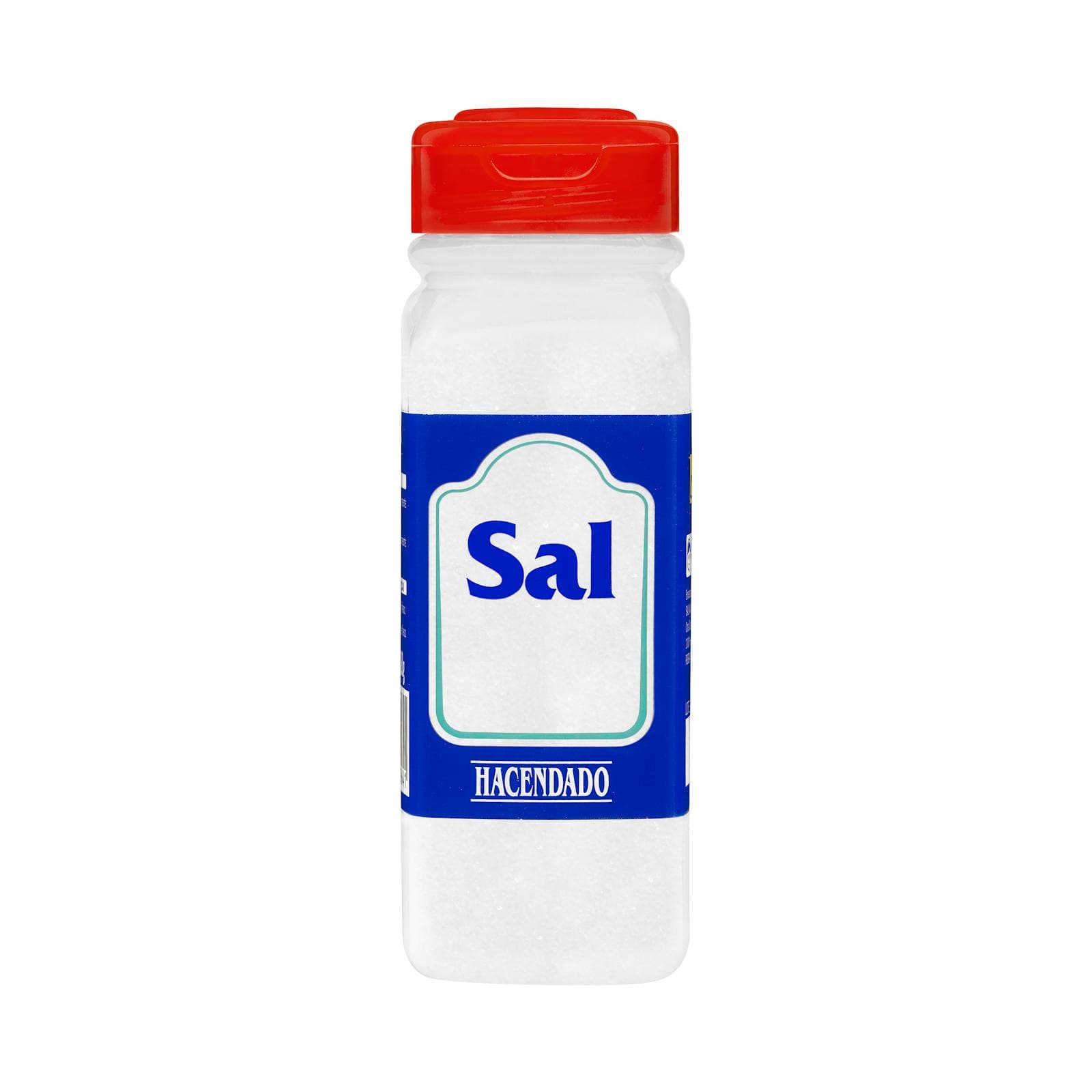 €0.75
€0.75Fine Table Salt
Hacendado · 300 g · Mercadona
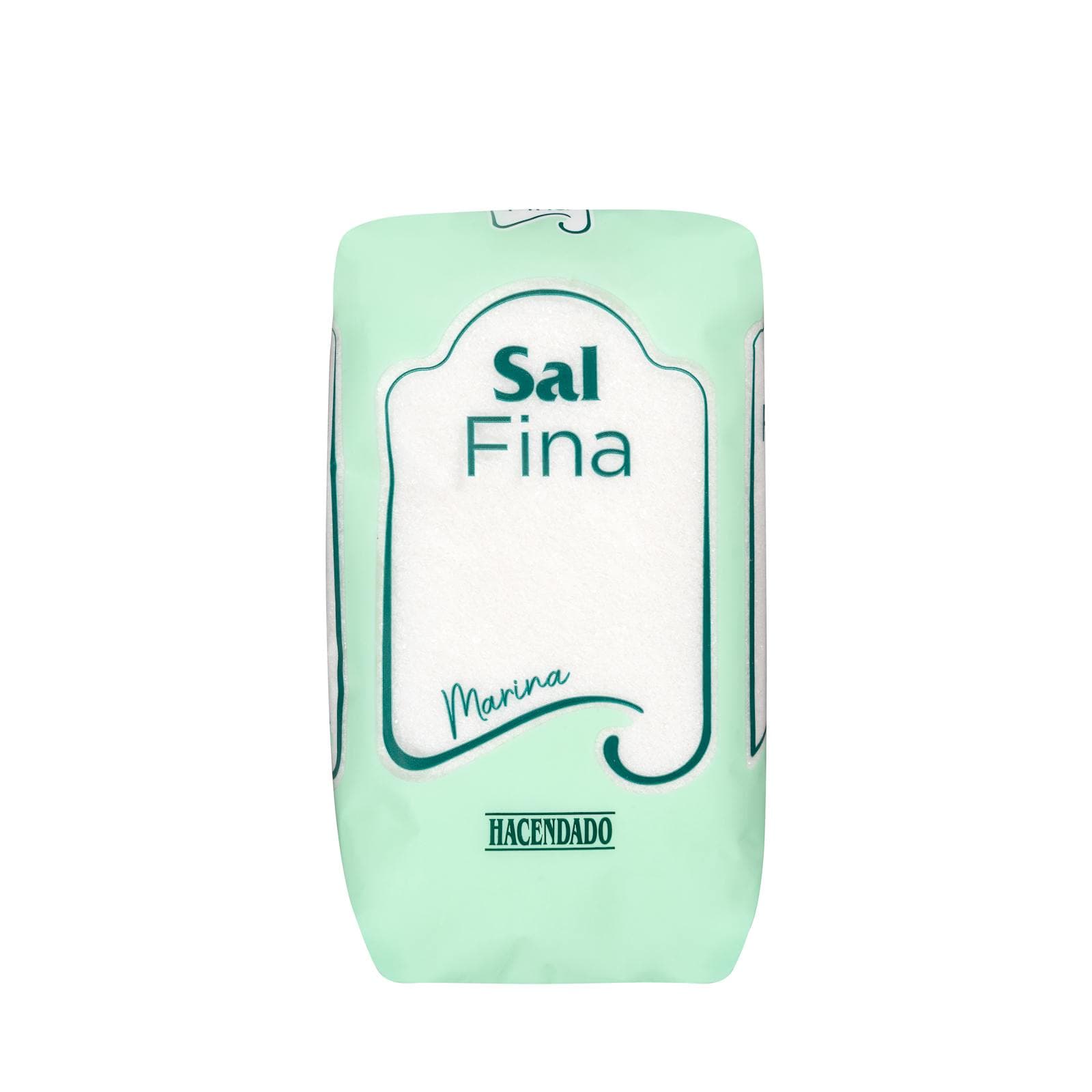 €0.40
€0.40Fine Salt
Hacendado · 1 kg · Mercadona
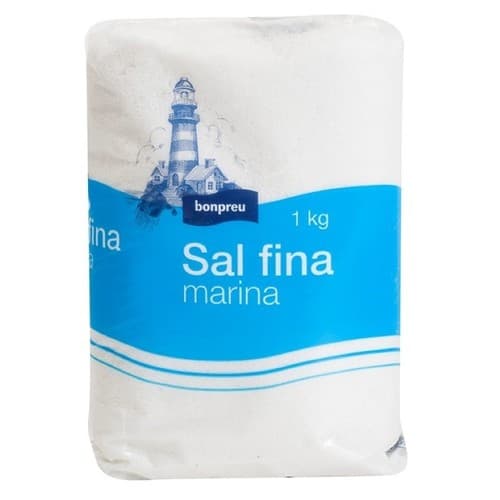 €0.40
€0.40Fine Sea Salt
BONPREU · kg · Bonpreu
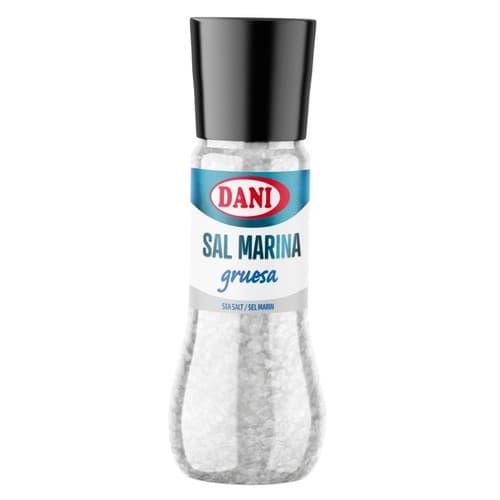 €2.99
€2.99Coarse Sea Salt
DANI · kg · Bonpreu
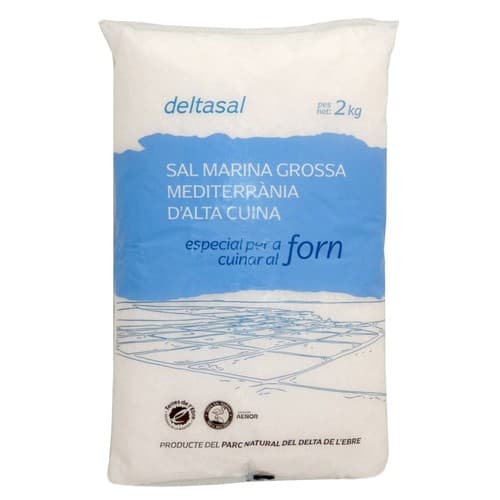 €1.40
€1.40Deltasal Coarse Sea Salt
DELTASAL · kg · Bonpreu
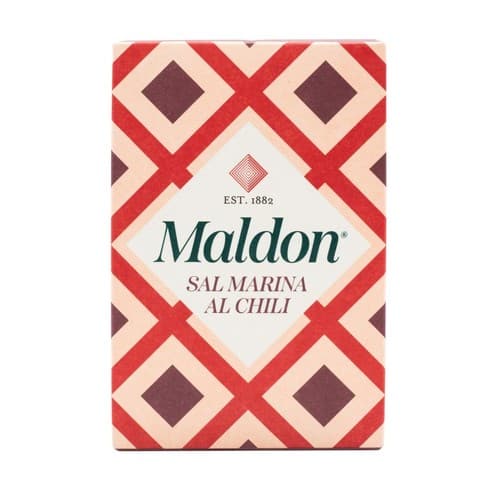 €5.89
€5.89Maldon Chili Sea Salt
MALDON · kg · Bonpreu
Good to know
- Composition
- Sodium chloride with no additives, anti-caking agents, or iodine
- Texture
- Coarse, hollow flakes that crush easily between fingers and dissolve quickly
- Origin of name
- Named for its use in Jewish koshering to draw blood from meat, not for production in Israel
- Brand density difference
- Diamond Crystal is roughly half as dense as Morton by volume
- Sodium content
- Approximately 1,720 mg per teaspoon for Diamond Crystal; roughly 2,300–2,360 mg per teaspoon for Morton; varies by brand and crystal size
- Dissolution rate
- Fast—thin flakes dissolve more quickly than pickling salt or rock salt
- Shelf life
- Indefinite when stored dry in an airtight container
- Available grades
- Standard, coarse, and extra-coarse varieties
Substitutes
- Fine sea salt — Much denser; use roughly half the volume; dissolves faster, so add later in cooking to avoid overseasoning
- Table salt — Approximately 2× saltier by volume than Diamond Crystal, roughly equal to Morton; measure half the amount the recipe specifies for kosher salt
- Coarse sea salt — Similar grain size but denser; use slightly less; slower to dissolve, so add earlier in cooking
- Pickling salt — No additives (unlike table salt), fine grain; very dense; use approximately half the volume; dissolve in liquid before adding
Pairs with
Also called
kosher · coarse-kosher-salt
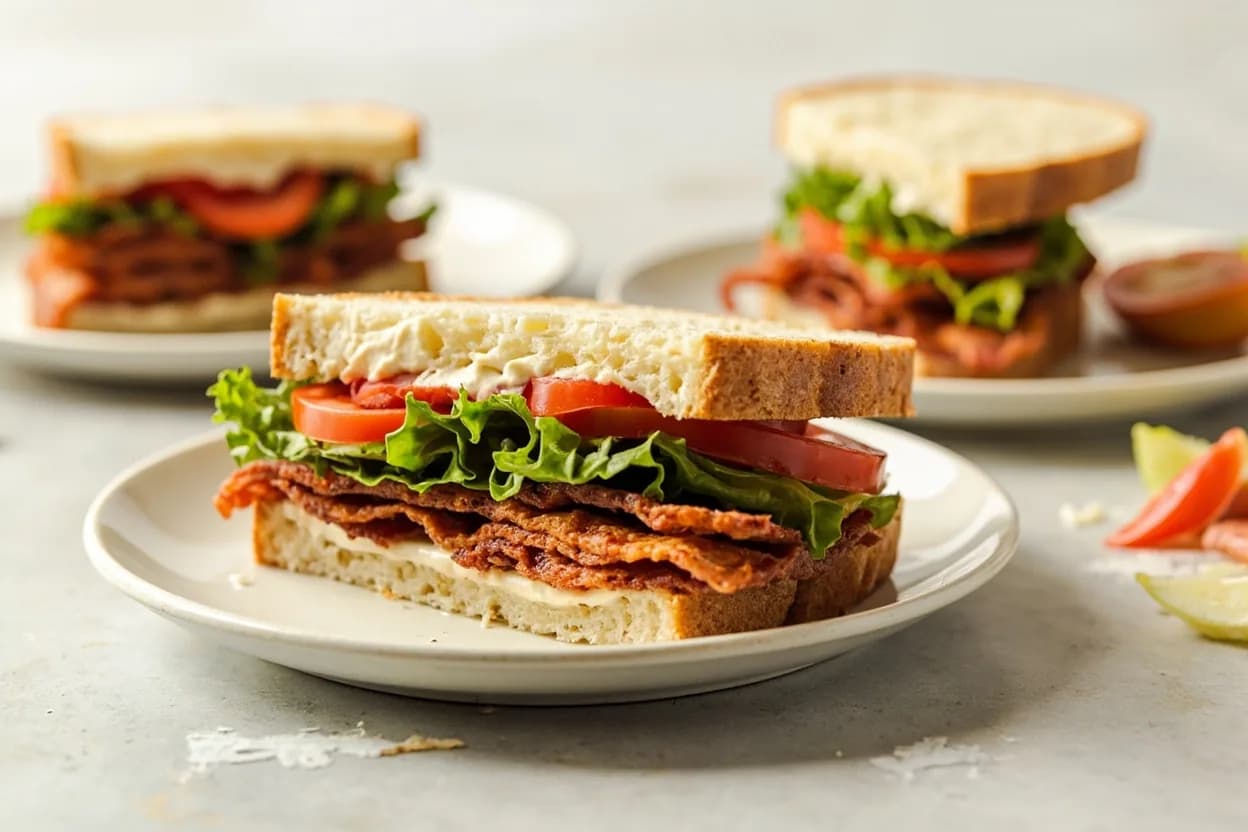
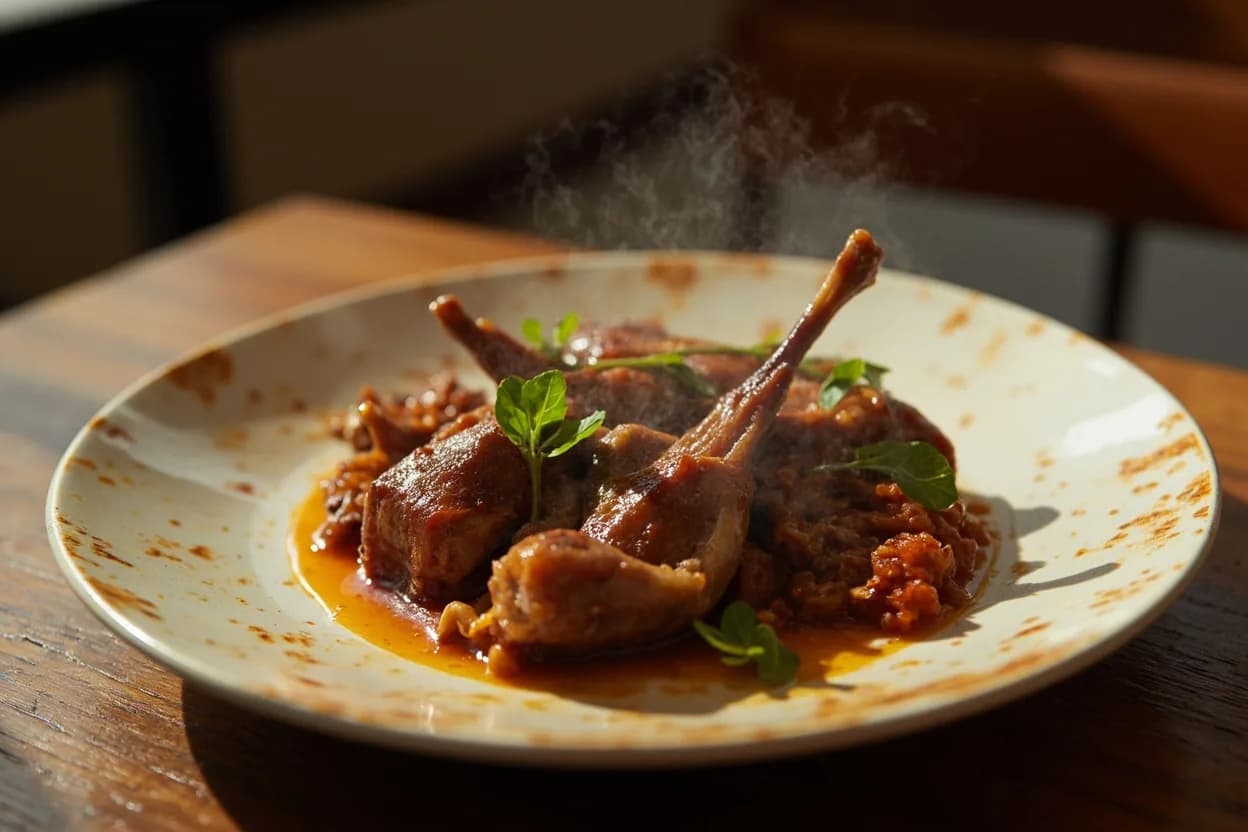
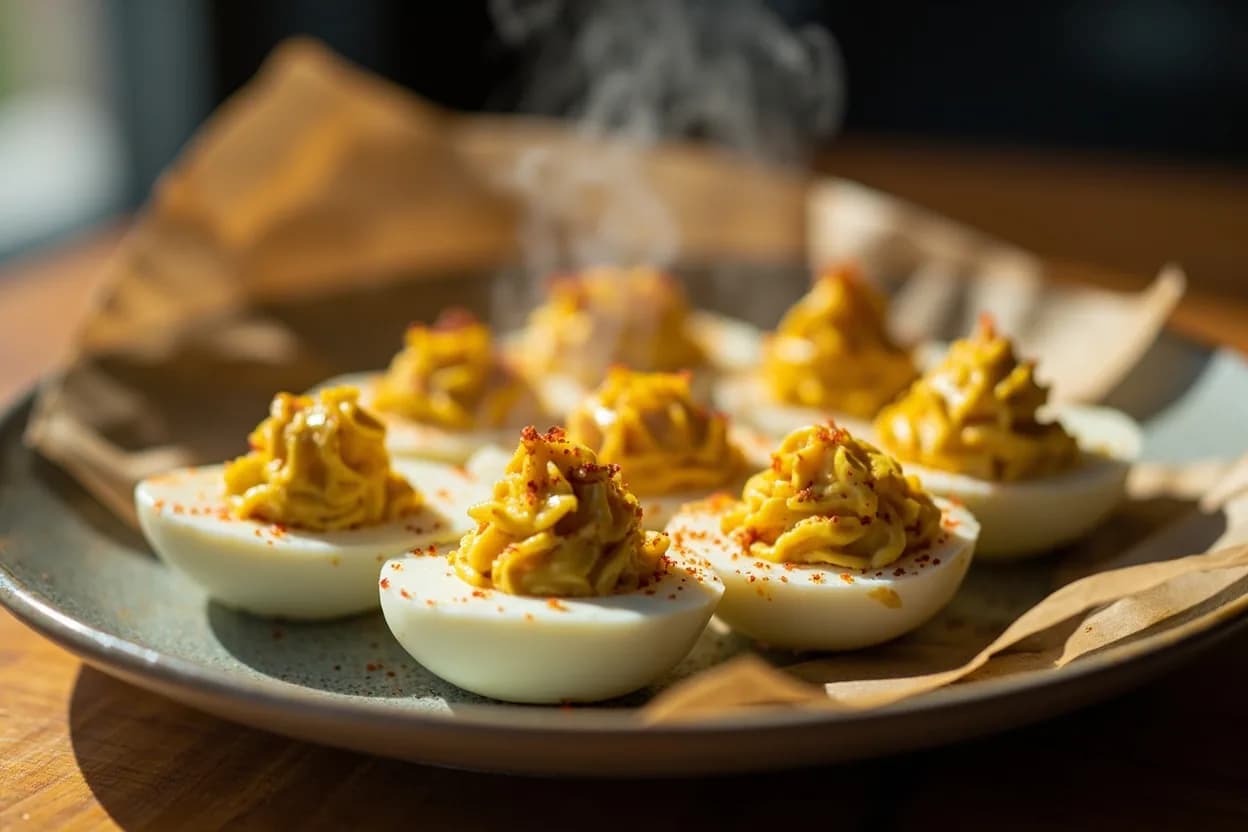
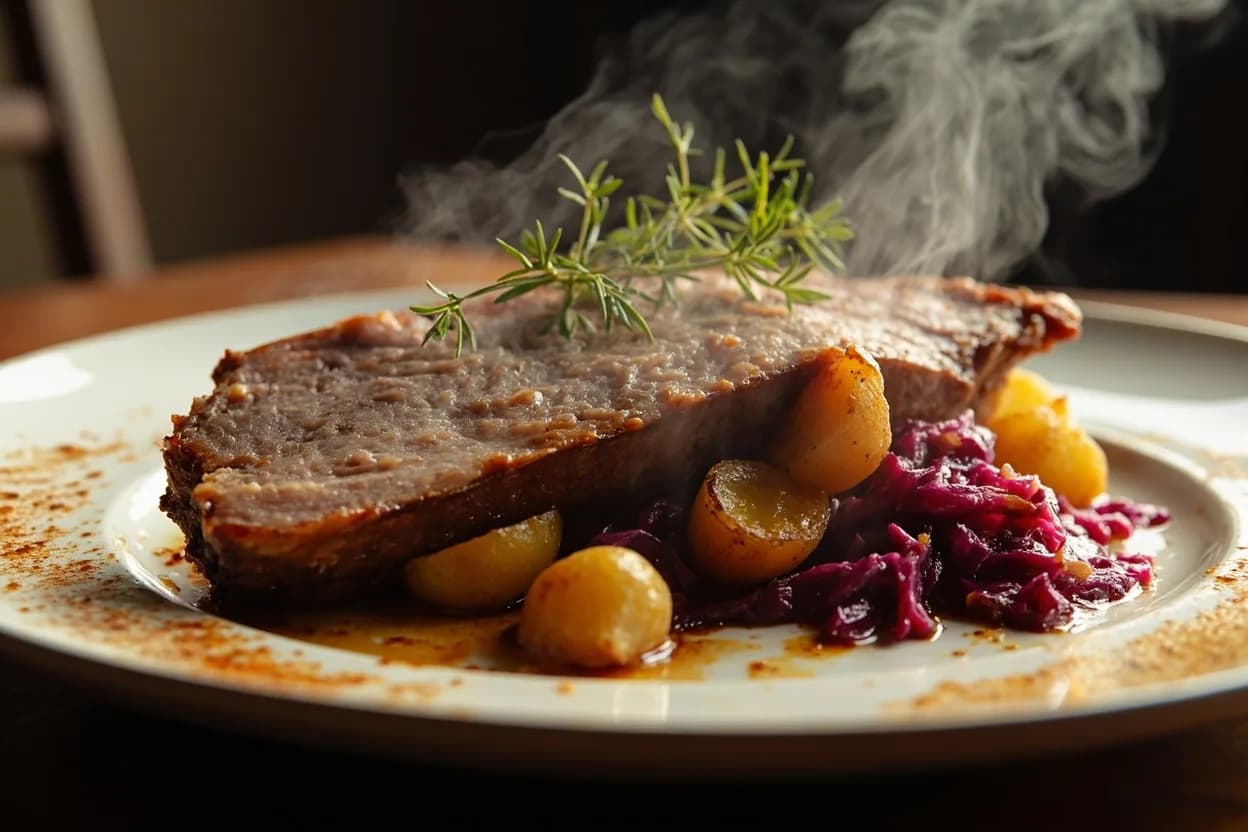
Appears in these dishes
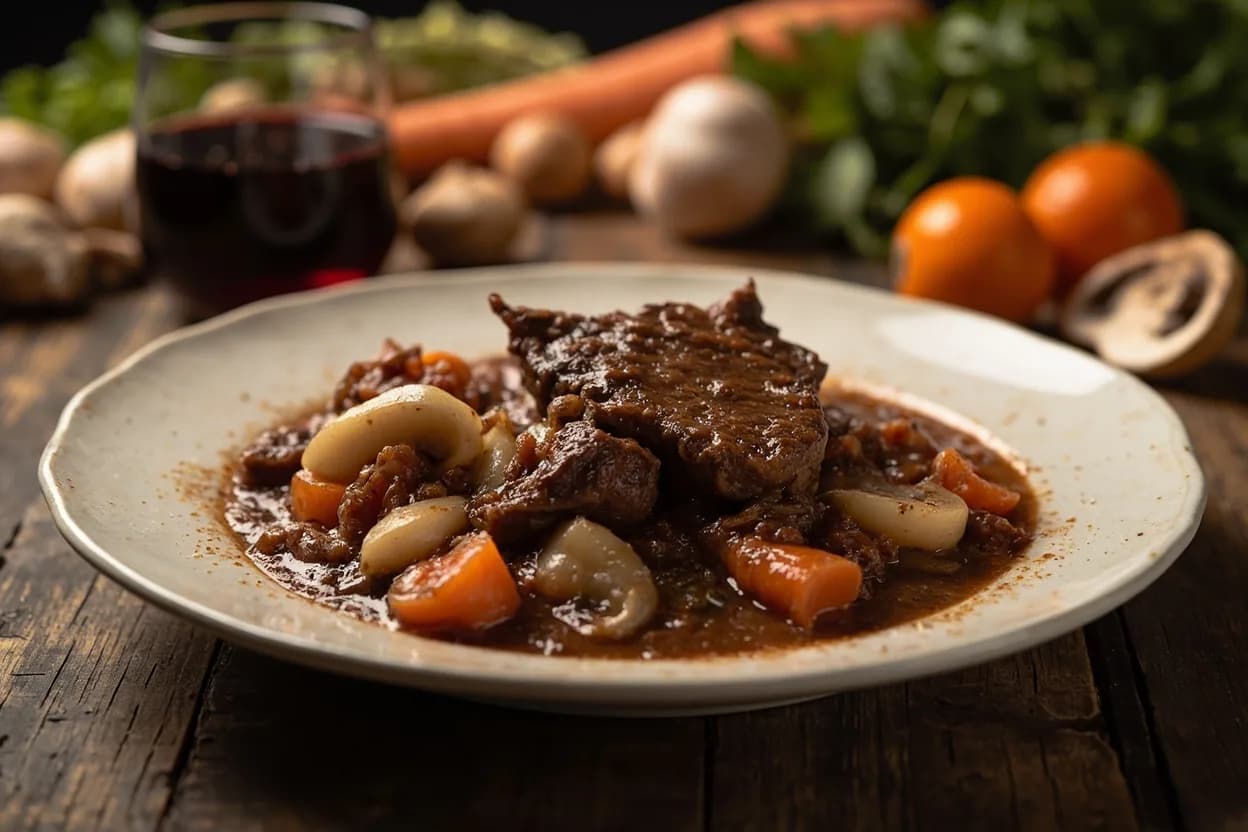



Related
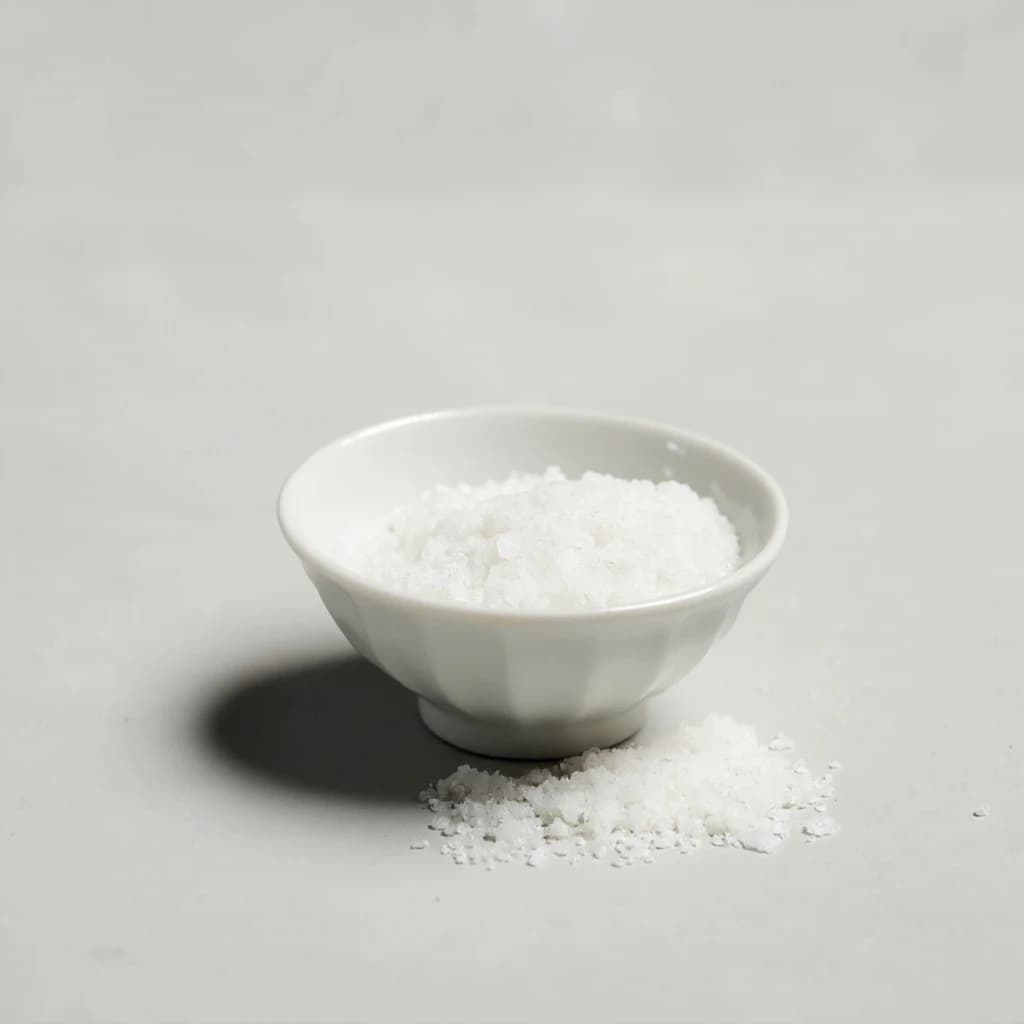
Salt
The one seasoning that makes everything else taste like itself

Black Pepper
Pungent, woody heat — best cracked fresh over anything savory
Amchur
Dried unripe mango ground to a tart, fruity souring powder
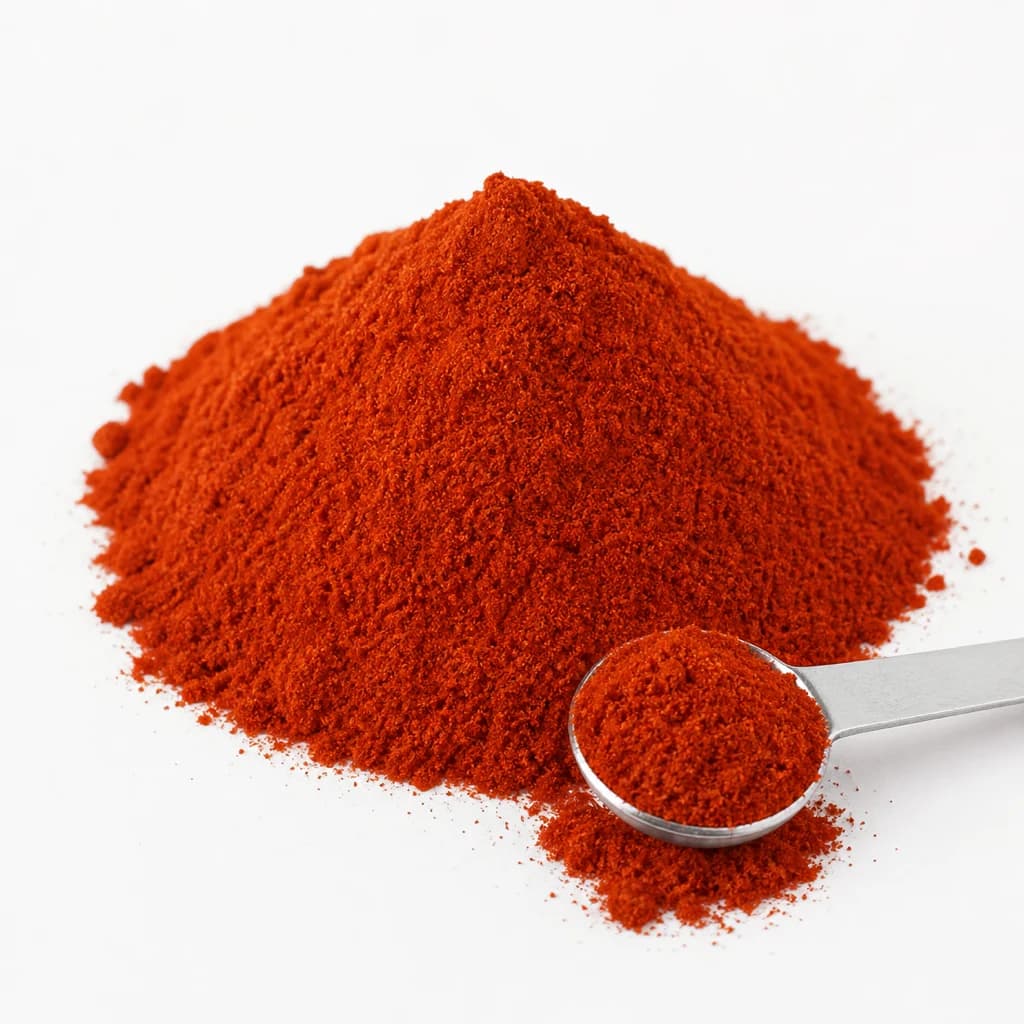
Paprika
Sweet, vivid ground pepper for color and gentle warmth
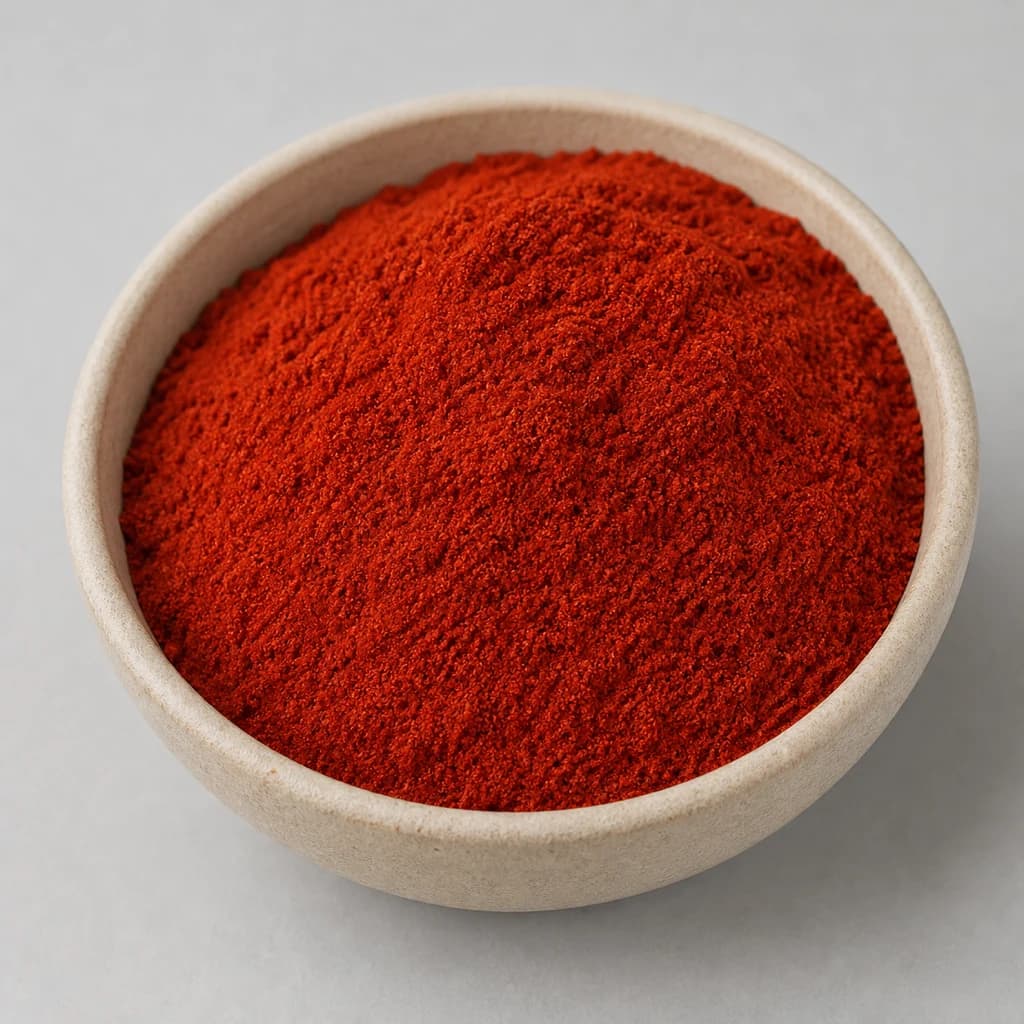
Smoked Paprika
Deep, smoky ground pepper for a campfire warmth
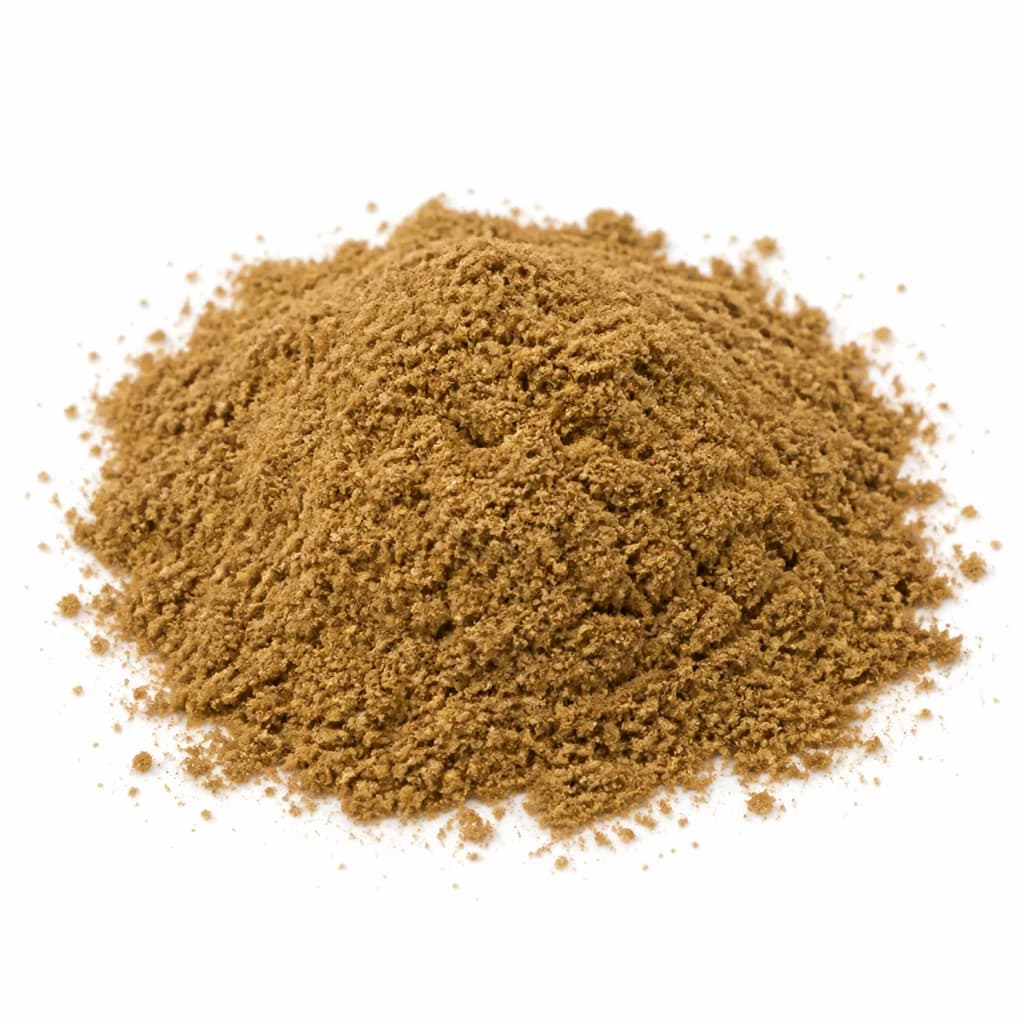
Cumin
Warm, earthy spice central to curries, chili, and tacos
Coriander Seed
Citrusy, warm seed for curries, pickles, and rubs
Turmeric
Golden, earthy spice for curries, rice, and color