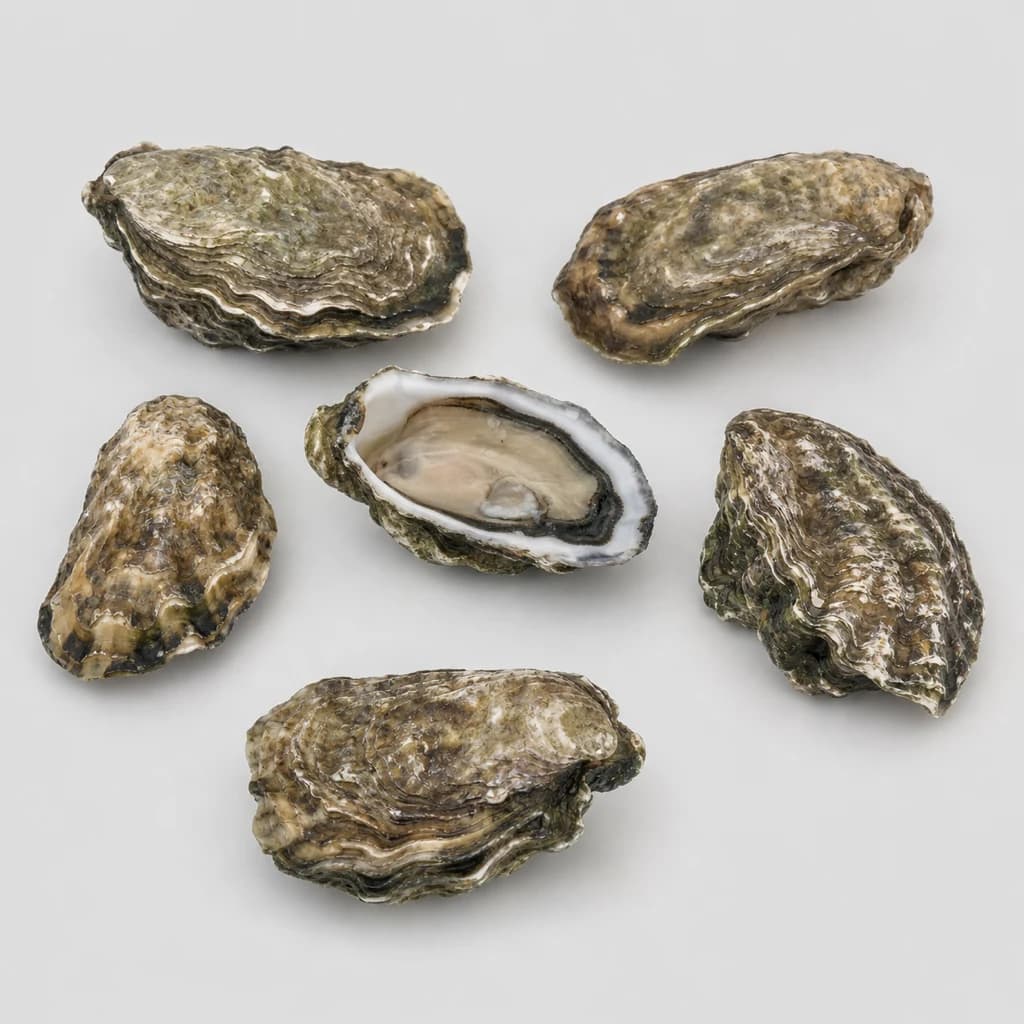
Natural form
Live oysters in their rough, irregular shells showing the cupped lower valve and flat upper valve.
Shows the reader exactly what an unshucked oyster looks like — its asymmetric, layered, grey-brown shell and cupped shape — so it is unmistakable at market.
Proteins
Oyster
Briny bivalve eaten raw on the half-shell, grilled, fried, or simmered into stews and sauces.
Oysters are bivalve mollusks with soft, briny flesh that captures the flavor of the sea. They are eaten raw on the half-shell with lemon or mignonette, grilled, fried, or simmered into stews, po'boys, and Asian omelets. Their flavor ranges from sweet and creamy to sharply saline depending on where they are grown.
Oysters are marine bivalve mollusks belonging to the family Ostreidae, filter-feeding on plankton in coastal waters from tidal shallows to deeper estuaries. Their flavor is not inherent to the animal alone but is overwhelmingly determined by merroir—the specific combination of water salinity, substrate composition, latitude, and algal diet in which they grow. This is why a Kumamoto from Puget Sound tastes fundamentally different from a Belon from Brittany, and why a Blue Point from Long Island Sound differs markedly from one grown in different waters. The same species cultivated in different waters will exhibit dramatically distinct profiles: clean versus metallic, sweet versus briny, with finish notes ranging from cucumber to copper. Understanding merroir is essential to choosing oysters intentionally rather than blindly.
Live oysters must be used for raw consumption. The moment an oyster's shell opens and the animal dies, it must be cooked immediately or discarded—never returned to raw service. When purchasing, accept only closed shells or those that close tightly when tapped; any oyster that gapes open is dead and unsafe. Oysters arrive at peak quality in the Northern Hemisphere from September through April (the traditional 'R' months), though cultivation methods and regional climates create year-round harvests in many areas. The meat should be plump, glossy, and held in its liquor; a fresh oyster smells clean and briny, like the sea itself, never ammoniacal or rotten. Shucked oysters deteriorate rapidly, making live-on-shell the only acceptable form for raw service.
- Measured in
- piece
- Storage
- Fridge
Allergens
Types & varieties
Long Island Sound, New York; medium brine, mild sweetness, reliable quality and availability
Pacific species; small, deep-cupped shell, sweet and buttery with slight nutty flavor, easy to shuck
Cape Cod, Massachusetts; clean brine, medium size, firm texture
Prince Edward Island, Canada; sweet, clean, minerally; considered premium
Pacific Northwest; small, coppery, intense flavor; slow-growing, expensive but distinctive
Brittany, France and Maine; round shell, metallic and intense
Maine; briny, crisp, medium size, excellent all-purpose variety
Hood Canal, Washington; sweet with distinctive cucumber finish
Washington; rich, buttery, consistently high quality
Florida and Mexico; mild brine, larger size, excellent for grilling
Australia; small, intense, savory; highly prized locally, gaining recognition internationally
Plump, frilly-shelled oyster with a sweet, melon-cucumber finish. Excellent raw on the half shell, and robust enough to grill or roast with butter.
Briny, teardrop-shelled oyster with a clean salty bite. Classic raw on the half shell, and the go-to for oysters Rockefeller or po'boys.
Common uses
Tips & pitfalls
- Purchase from a reputable supplier and ask for the harvest date; accept only closed shells or those that close tightly when tapped sharply
- Test freshness by tapping: a live oyster will close tightly when disturbed; discard any that gape open or fail to close
- Store immediately in refrigeration at 35–45°F, never in standing water; place shell-side down on ice in a container to retain liquor
- Chill oysters 30–60 minutes in the refrigerator before shucking to relax the abductor muscle—this makes opening them significantly easier
- Work with the flat shell side up when shucking; insert the blade at the hinge, twist to pop, then slide along the top shell to sever the muscle cleanly
- Never shuck with the cupped (bowl) side up—liquor will spill out and the oyster will die before service
- Serve raw oysters on chilled plates or beds of crushed ice within minutes of shucking; keep them cold and return unopened shells to ice between shucking and service
- Discard any oyster that smells of ammonia, rot, or is otherwise suspect before cooking rather than after
- For fried applications, use freshly shucked oysters; frozen shucked oysters develop a mealy texture when reheated
- The liquid inside the shell (liquor) is precious—pour it into the serving shell after shucking raw oysters for maximum flavor
- Grill oysters shell-side down over high heat (500°F or higher) until the shell pops open, usually 3–5 minutes; serve immediately before the oyster overcooks
- Cooked oysters are done when the edges curl; overcooking to the point where they become firm and rubbery ruins texture entirely
Nutrition
Energy
138 kJ · per 100 g
Where the calories come from
Protein
3.3g
7% DV
Carbs
6.1g
2% DV
Fat
0.4g
1% DV
Fiber
2.3g
8% DV
Sugars
1.1g
of which
Sodium
18mg
1% DV
Source · USDA FoodData Central · Mushrooms, oyster, raw
View on FDC →In the shops
Matched grocery products
No matched grocery products for Oyster yet.
Good to know
- Scientific name
- Primarily Crassostrea virginica (Eastern), Crassostrea gigas (Pacific/Kumamoto), Ostrea edulis (European flat/Belon)
- Origin
- Coastal waters worldwide; major U.S. production in Louisiana, Virginia, Washington, Massachusetts, and Oregon
- Flavor
- Clean brine, metallic minerality, sweetness; intensity varies by salinity and merroir of growing waters
- Peak season
- September through April in the Northern Hemisphere; varies by region and cultivation method
- Shelf life
- 10–14 days if kept alive; must arrive closed and stay closed when tapped
- Storage
- Refrigerated at 35–45°F, on ice, shell-side down to retain liquor; never in sealed plastic
- Yield
- Approximately 40–60% meat by weight after shucking, depending on season and fatness
- Size
- Typically 2–5 inches in shell; market grade 'select' is 3 inches, 'standard' is 2.5 inches
- Equipment
- Oyster knife (sturdy, short blade with rounded tip), cut-resistant glove, clean cloth
- Nutrition
- High in zinc, protein, vitamin B12, selenium, iron; low in fat
- Common forms
- Live in shell, shucked (fresh or frozen), canned/preserved, dried
Substitutes
- Clams (littleneck or cherrystone) — Best for raw service or steaming; milder brine, similar texture when cooked, more universally available inland
- Mussels — Suitable for cooked preparations; sweeter and softer, easier to source live, excellent in stews and gratins
- Scallops (quahog or sea) — Work well in fried or grilled preparations; richer flavor but lacks the distinctive brine and minerality
- Cockles — Can substitute in hot preparations; smaller, requires less cooking time, good in pasta and salads
Pairs with
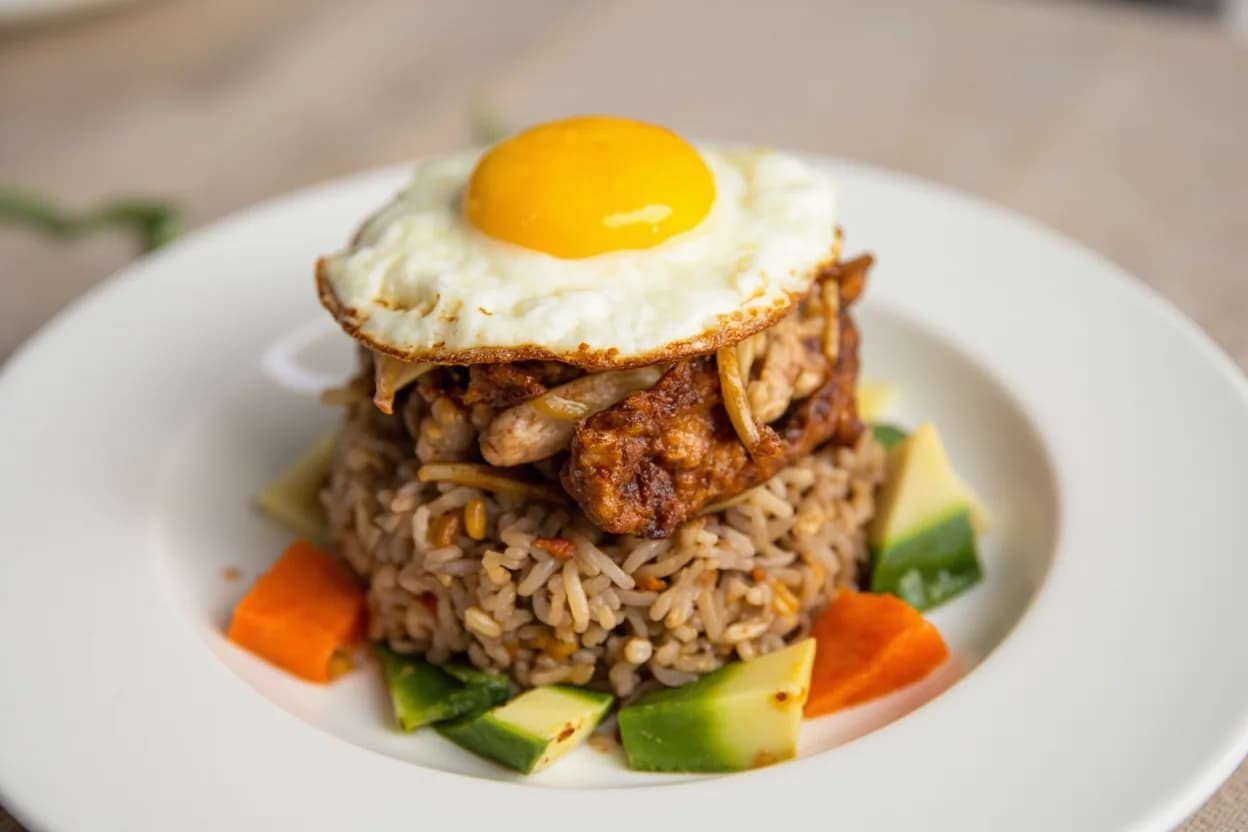
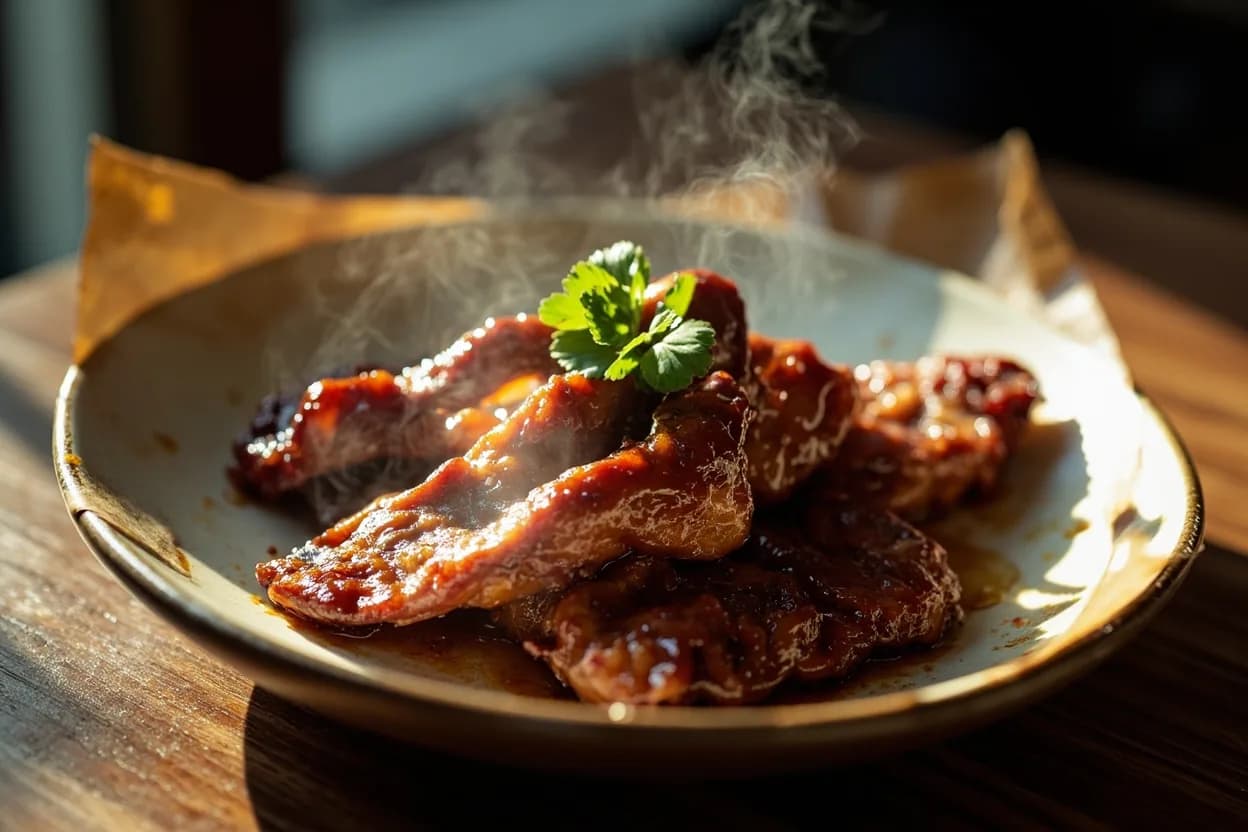
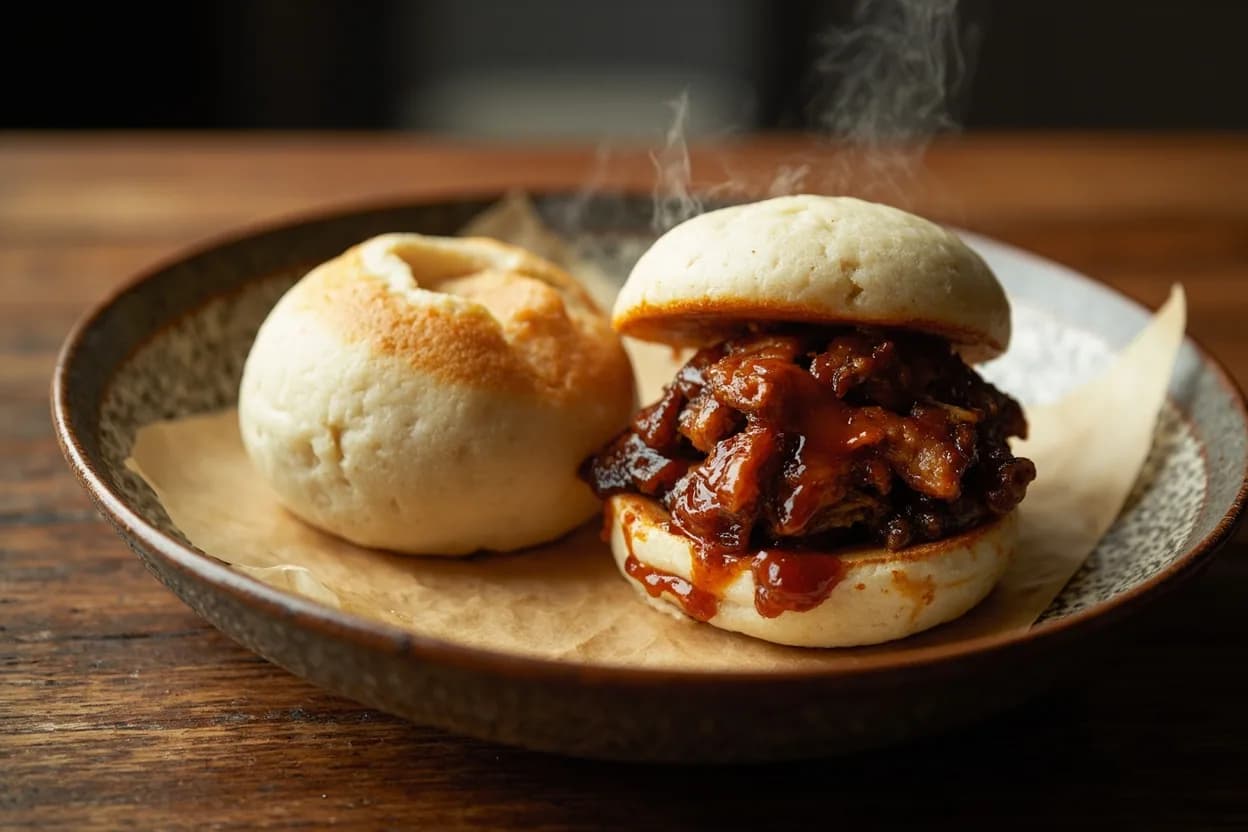
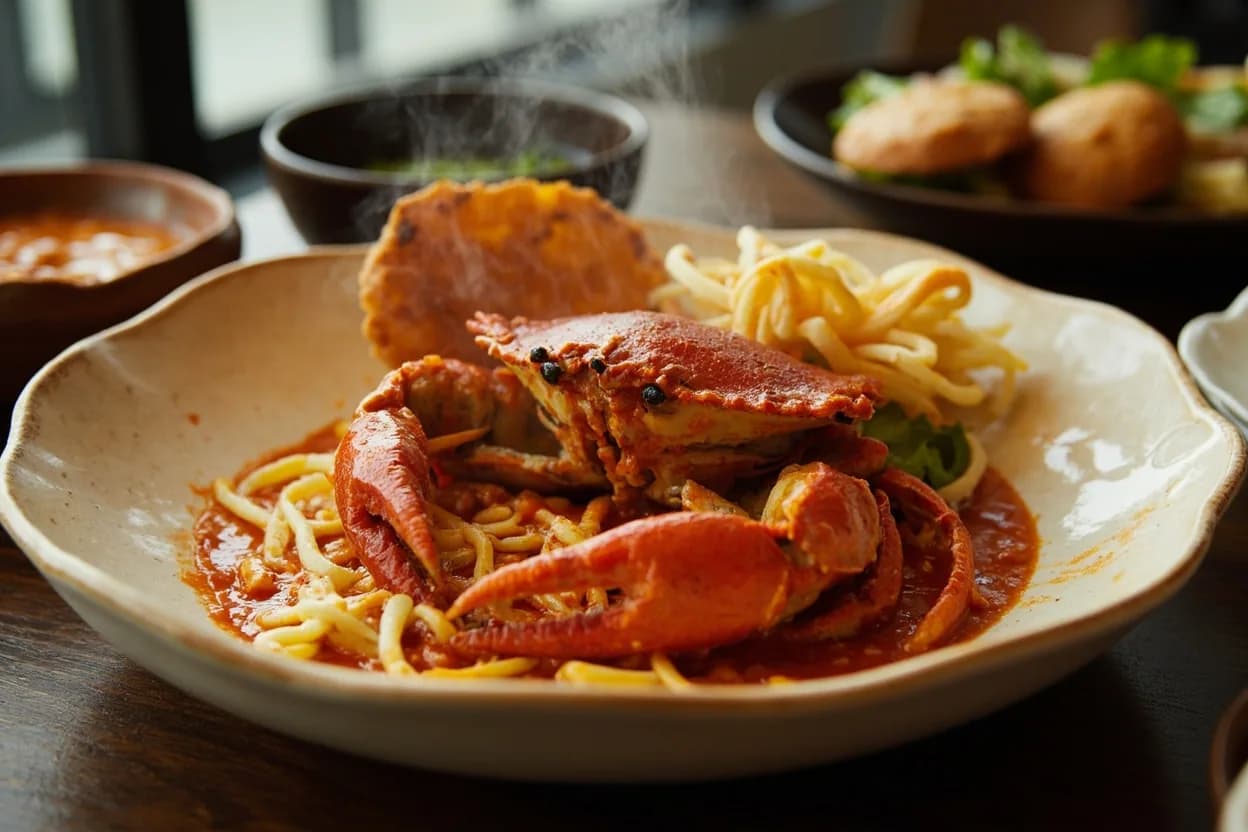
Appears in these dishes
Related
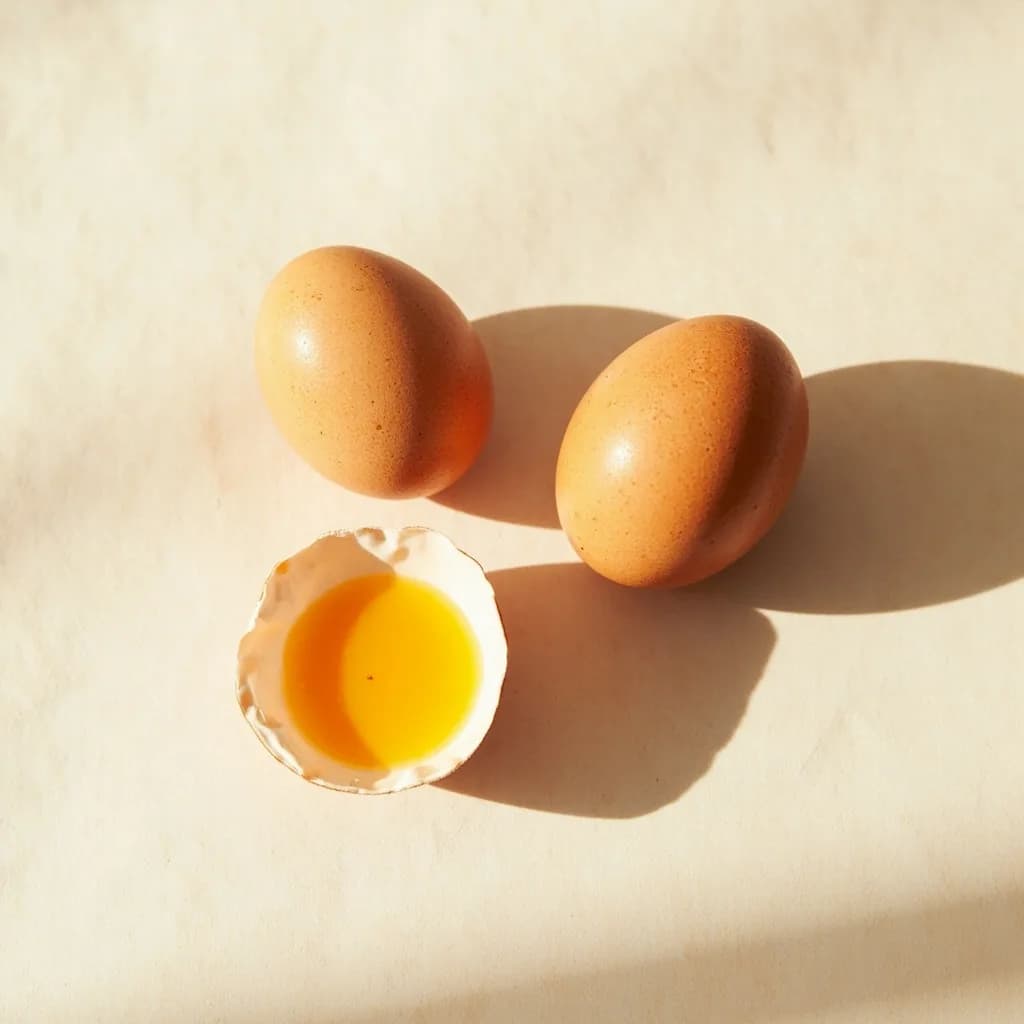
Egg
The kitchen's everything ingredient — bind, leaven, enrich, or fry
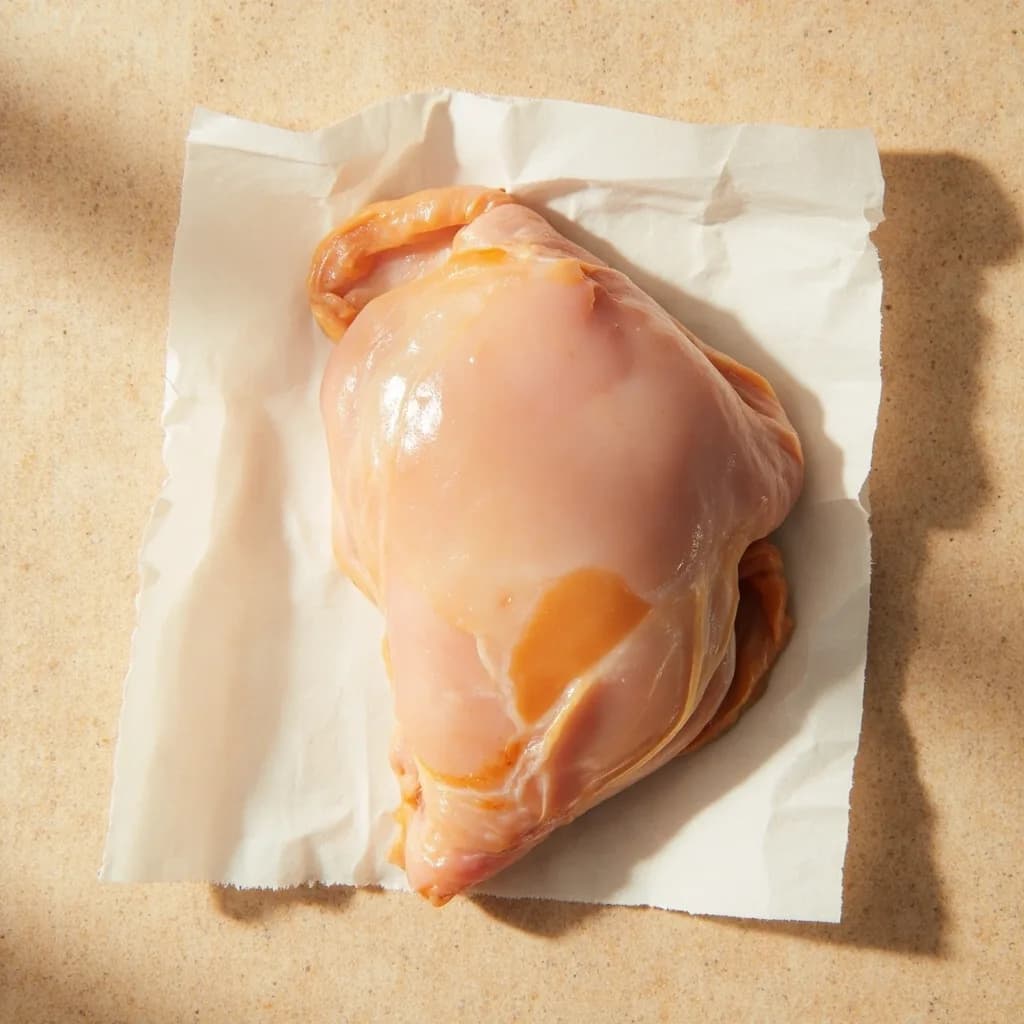
Chicken Breast
Lean, quick-cooking white meat for everyday dinners

Ground Beef
Versatile minced beef for burgers, ragù, tacos, and meatballs
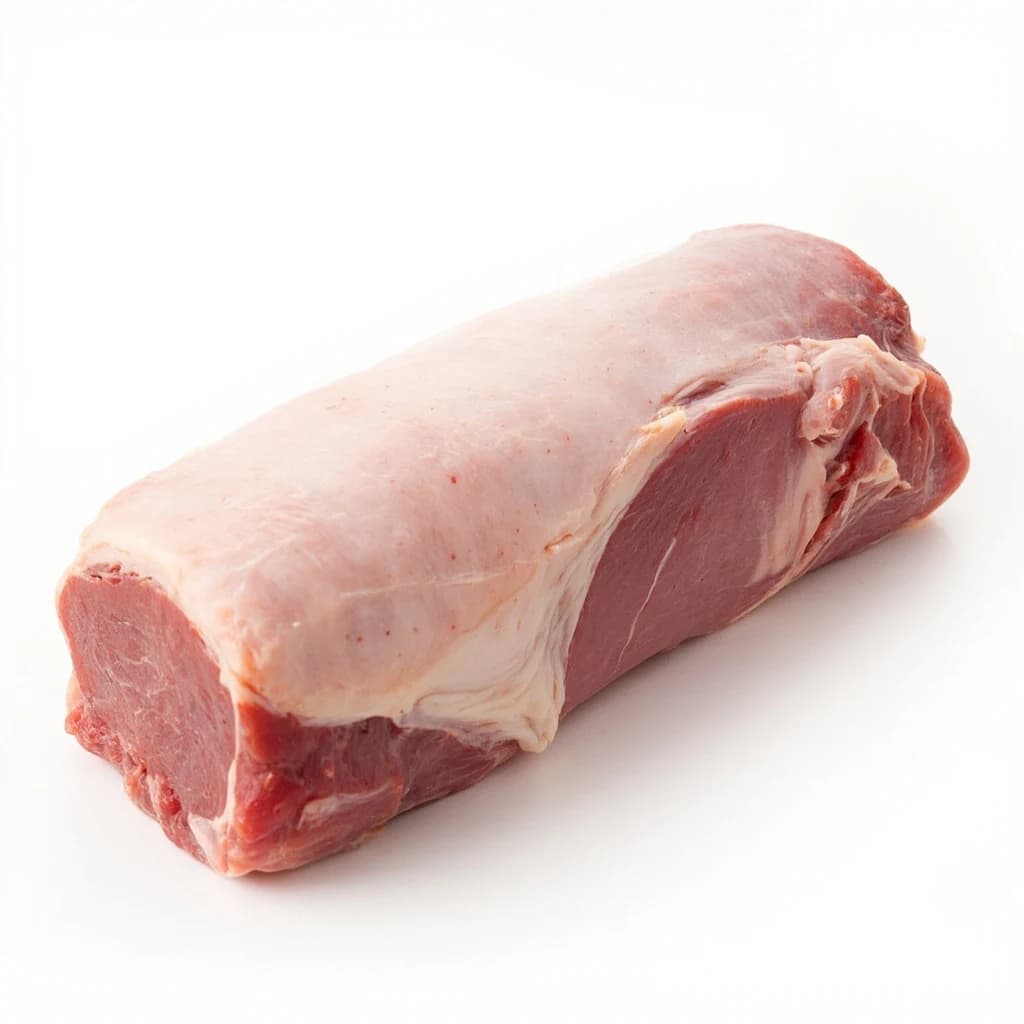
Pork Loin
Lean, tender roasting cut that stays juicy with care
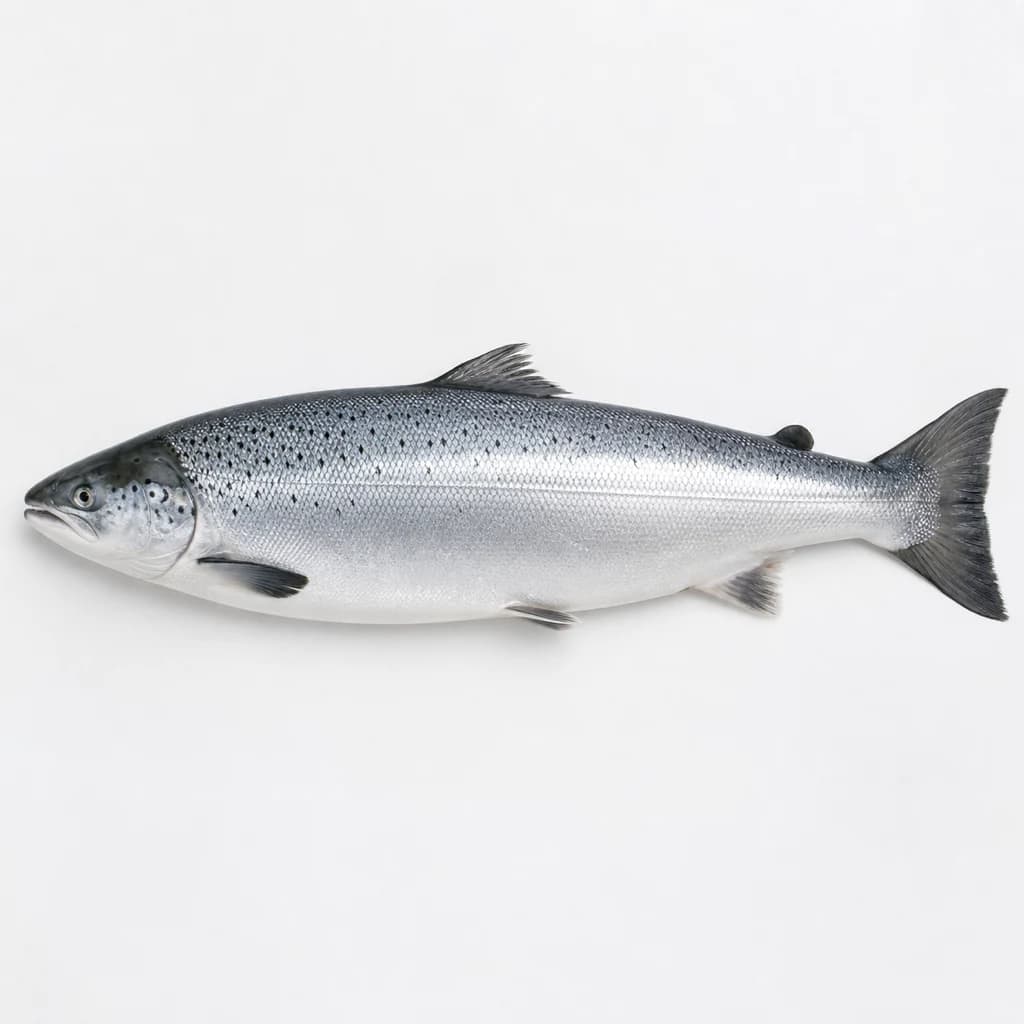
Salmon
Rich, rosy fish that roasts, grills, or cures beautifully

Egg White
Pure protein that whips to airy peaks for meringue and more
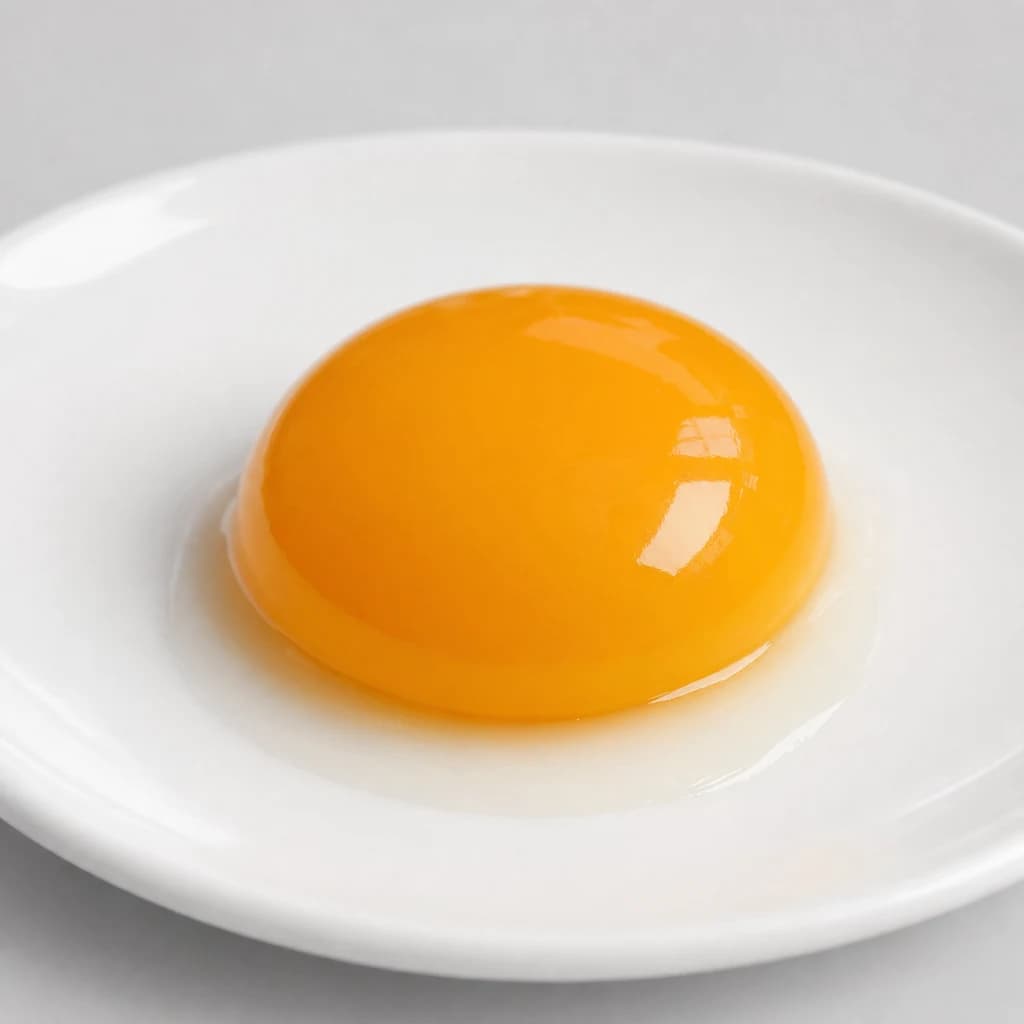
Egg Yolk
Rich, golden yolk for custards, mayonnaise, and pasta

Quail Egg
Tiny, speckled eggs for garnishing and elegant bites