Proteins
Corned Beef
Salt-brined beef brisket, slow-simmered for deli plates or sold tinned for quick hashes and curries.
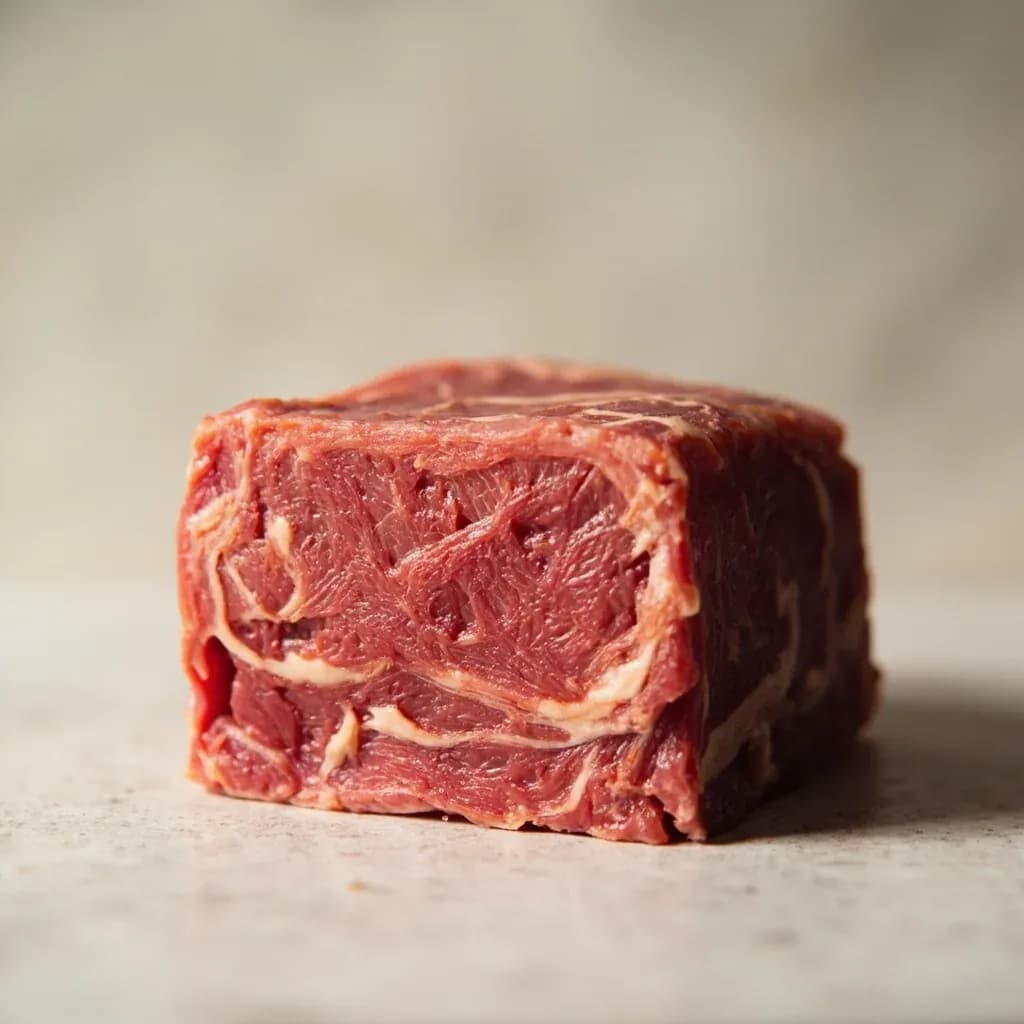
Corned beef is beef brisket cured in a salt-and-spice brine (the 'corns' are coarse salt grains) until pink and savory. Fresh corned beef is boiled for Irish-American boiled dinners and Reuben sandwiches, while the tinned version is a shelf-stable staple fried into hash or stewed across the Pacific and Caribbean. It is salty, tender, and faintly peppery.
Corned beef is beef brisket that has been cured in a salt brine, traditionally with large-grained salt crystals and sometimes sodium nitrite or nitrate. The term "corned" derives from 17th-century England, where "corn" referred to any granular particle—in this case, the coarse salt used in the cure. The brisket cut is ideal because its intermuscular fat and connective tissue transform into gelatin during long, slow cooking, yielding fork-tender meat that slices cleanly. The characteristic pink color in standard corned beef comes from nitrite reacting with myoglobin; uncured versions remain gray-brown despite identical texture.
This ingredient occupies a unique position at the intersection of Irish, Jewish-American, and British culinary traditions. The Irish-American association solidified through 19th and 20th-century immigration and urban deli culture, while Jewish-American delis developed their own spicier, more assertive cure profiles. The spice blend typically includes whole peppercorns, mustard seed, bay leaves, and sometimes allspice or cloves—aromatics that penetrate the meat during cooking and become inseparable from its identity.
Corned beef performs differently depending on the cut. Flat cut offers leaner, more uniform slices preferred for deli sandwiches, while point cut provides more marbling, a thicker fat cap, and deeper flavor but less consistent presentation. Both cuts require the same patient approach: low, slow heat that allows collagen to fully convert to gelatin without drying the meat. Leftover corned beef freezes and reheats well, making it practical for meal prep.
- Measured in
- g
- Storage
- Pantry
Types & varieties
Leaner, more uniform slices; preferred for deli presentation and sandwiches
More marbling and fat cap; tends to be more flavorful and tender but less uniform slices
Traditional pink color; longer shelf life; most common in supermarkets
Uses celery powder or other natural nitrates; gray-brown when cooked; shorter refrigerated shelf life
Typically leaner, spiced with peppercorns, bay leaf, and sometimes allspice
Often spicier with more pronounced cure; associated with New York Jewish delis
Common uses
Tips & pitfalls
- Never start with hot water—bring cold water to a simmer slowly so the exterior doesn't seize before the interior warms through
- Rinse the raw brisket under cold water before cooking to reduce sodium levels if desired
- Test doneness with a fork: it should slide in with absolutely no resistance; undercooking leaves it tough and chewy
- Let the cooked brisket rest 15–20 minutes in its cooking liquid before slicing; this keeps it moist and makes clean slicing far easier
- Identify the grain on the flat cut—the muscle fibers run in one consistent direction—and slice perpendicular to them at a slight angle
- For sandwiches, slice as thin as possible against the grain; a deli slicer or sharp chef's knife held at a low angle achieves this
- Leftover sliced corned beef crisps beautifully in a hot skillet—useful for reviving cold deli meat or adding texture to sandwiches
- Common mistake: cutting with the grain, which produces tough, chewy slices regardless of how long the meat cooked
Nutrition
Energy
828 kJ · per 100 g
Where the calories come from
Protein
14.7g
29% DV
Carbs
0.1g
0% DV
Fat
14.9g
19% DV
Fiber
0g
0% DV
Sodium
1217mg
53% DV
Source · USDA FoodData Central · Beef, cured, corned beef, brisket, raw
View on FDC →In the shops
Matched grocery products
No matched grocery products for Corned Beef yet.
Good to know
- Base cut
- Beef brisket (flat or point); also round or chuck for some products
- Primary cure
- Salt brining with large-grained salt crystals; may include sodium nitrite/nitrate for color and preservation
- Origin
- 17th-century England; "corn" referred to granular salt crystals, not grain
- Color explanation
- Pink hue comes from nitrite reacting with myoglobin; uncured versions remain gray-brown
- Typical weight
- Whole brisket cuts range 3–6 lbs (1.4–2.7 kg)
- Storage (raw in brine)
- Refrigerate 7–10 days; freeze up to 3 months in original packaging
- Storage (canned)
- Unopened 2–5 years per manufacturer; refrigerate opened portions 3–5 days
- Cook time
- Simmer 45–50 minutes per pound until fork-tender (typically 3–4 hours for a 4-lb piece)
- Yield
- Approximately 50% weight loss after cooking; 4 lbs raw yields about 2 lbs cooked
- Served
- Hot or cold; traditionally sliced thin for deli sandwiches
Substitutes
- Pastrami — Uses a different spice rub (coriander, mustard seed) but similar texture; acceptable for sandwiches
- Salt beef (UK) — Traditional British equivalent; similar brined beef though often less spiced
- Turkey corned beef — Turkey breast cured the same way; lower fat and different flavor but similar texture and applications
- Slow-cooked brisket with heavy cure — Brisket rubbed with salt, sugar, and spices and slow-cooked; not identical but workable in most applications
Pairs with
Also called
Corned Beef Hash · Tinned Corned Beef · Bulimakau · Salt Beef
Appears in these dishes
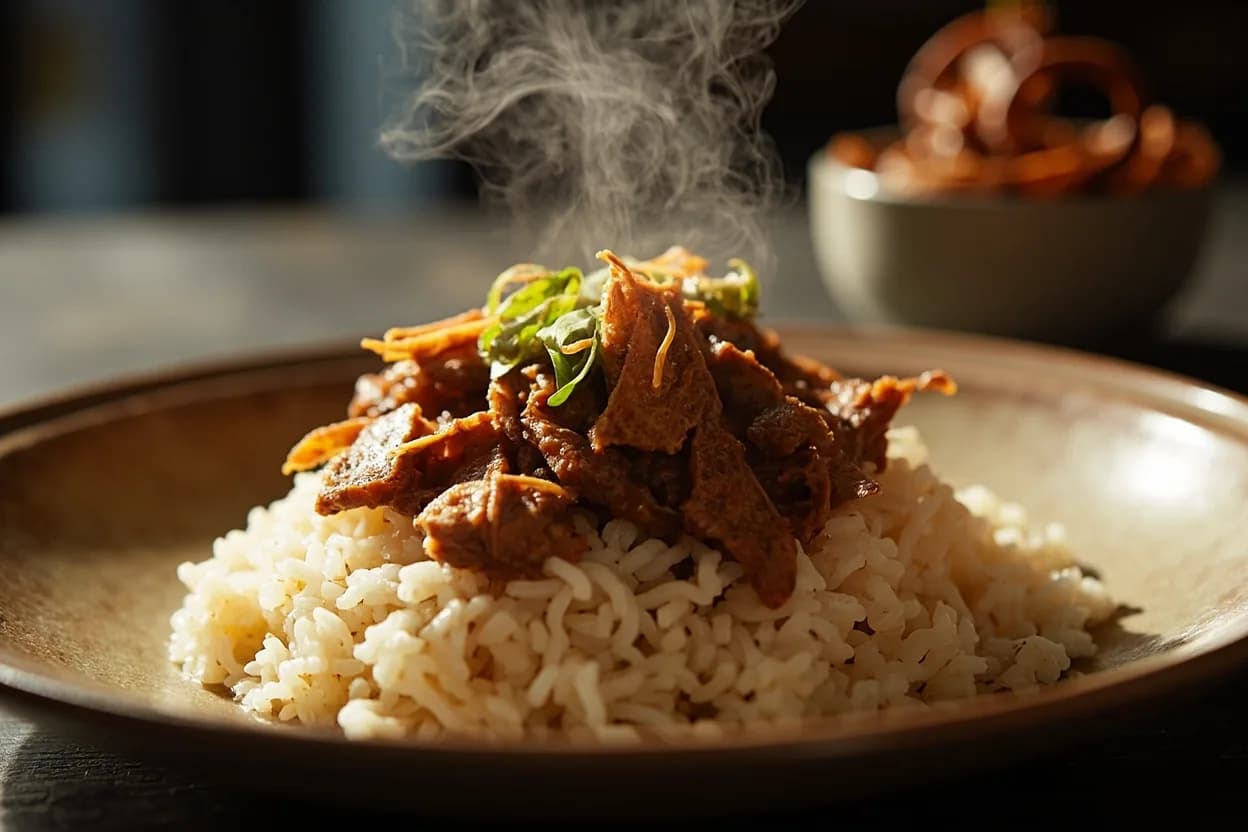

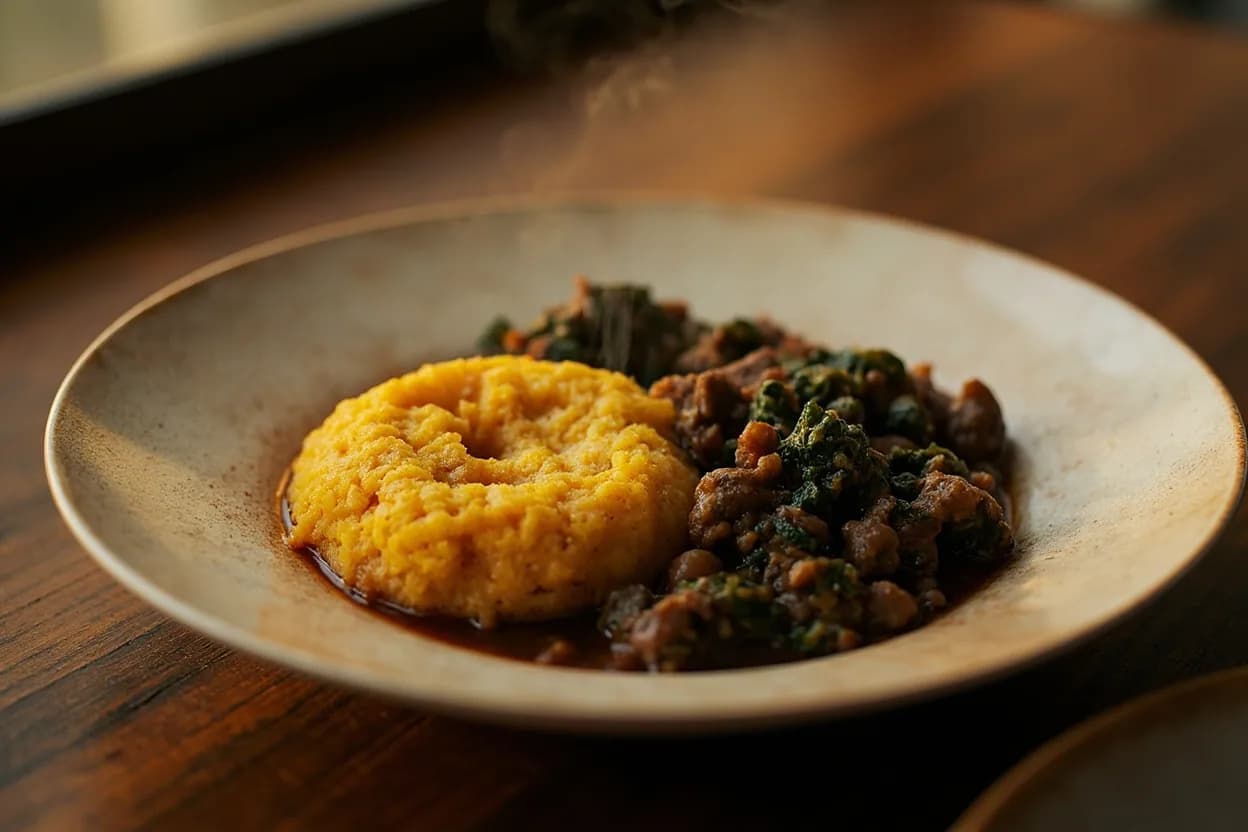
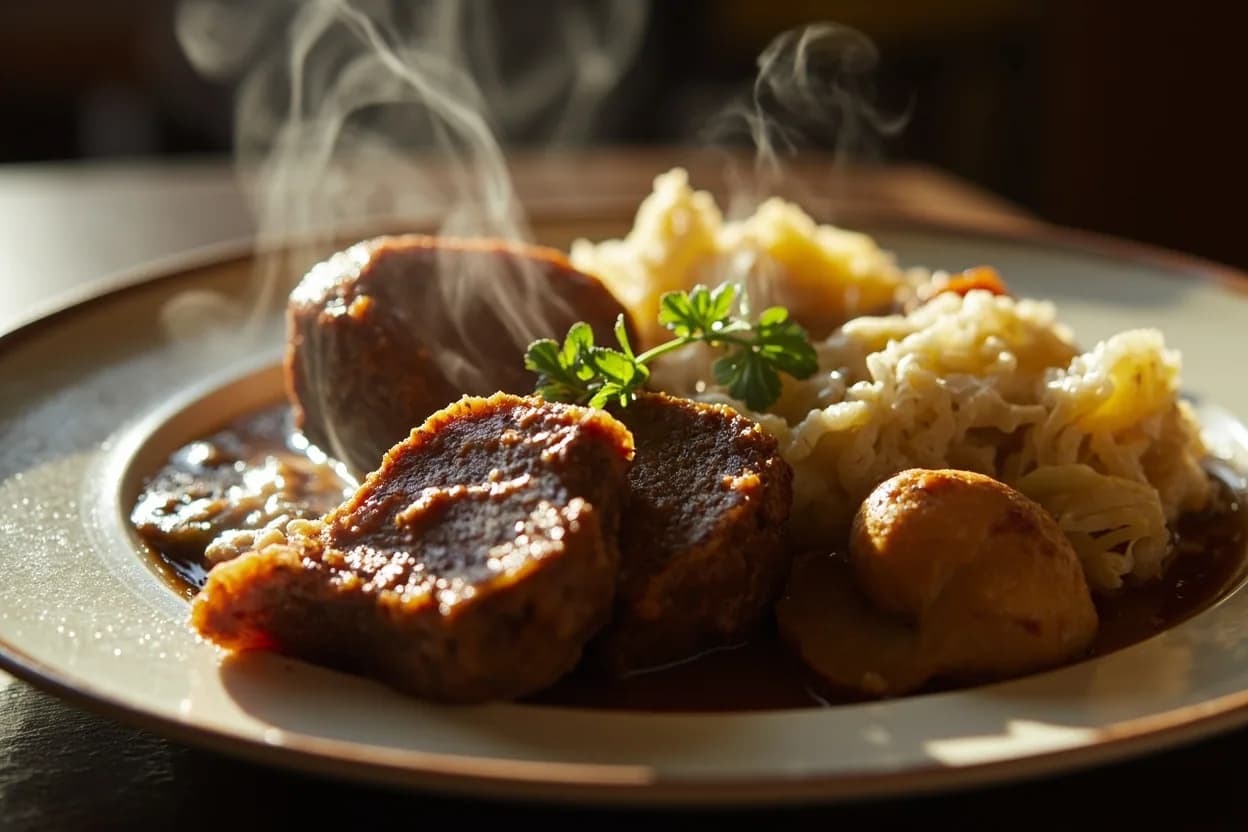
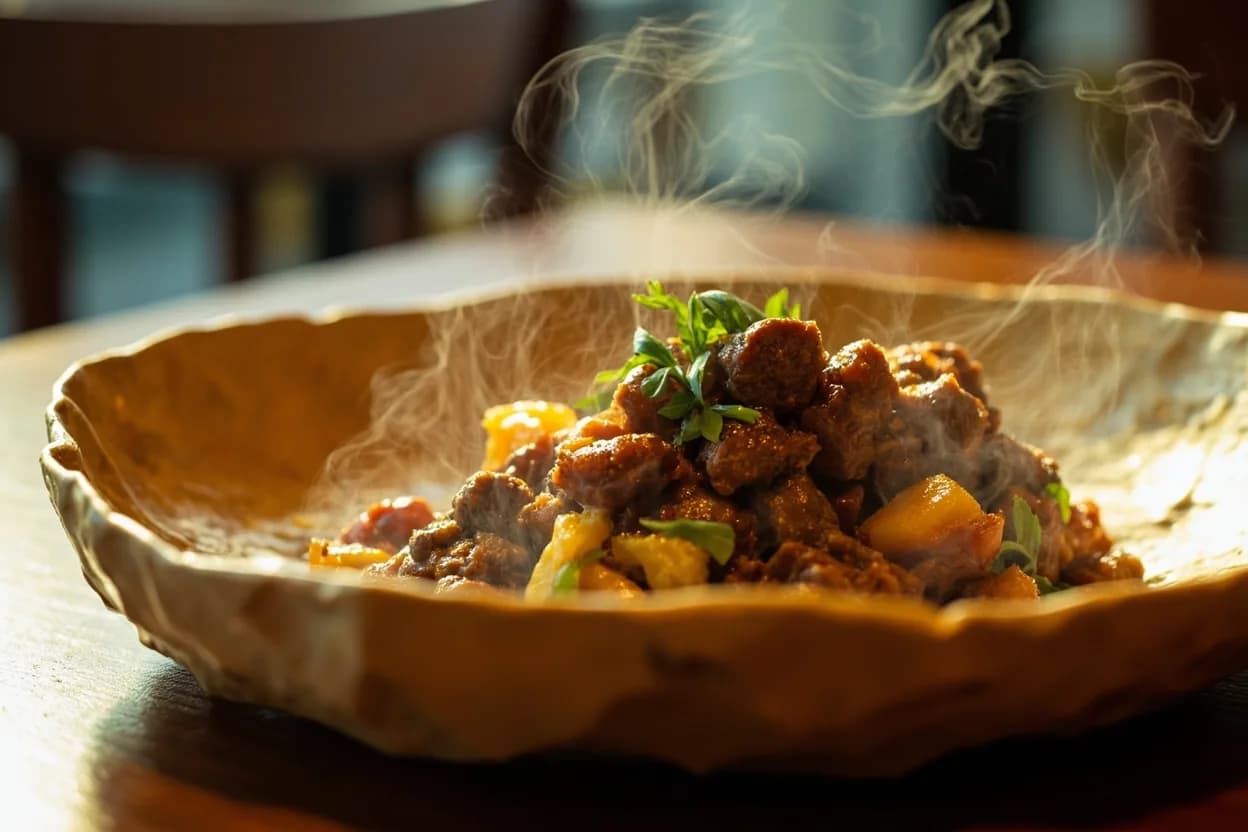
Related

Egg
The kitchen's everything ingredient — bind, leaven, enrich, or fry
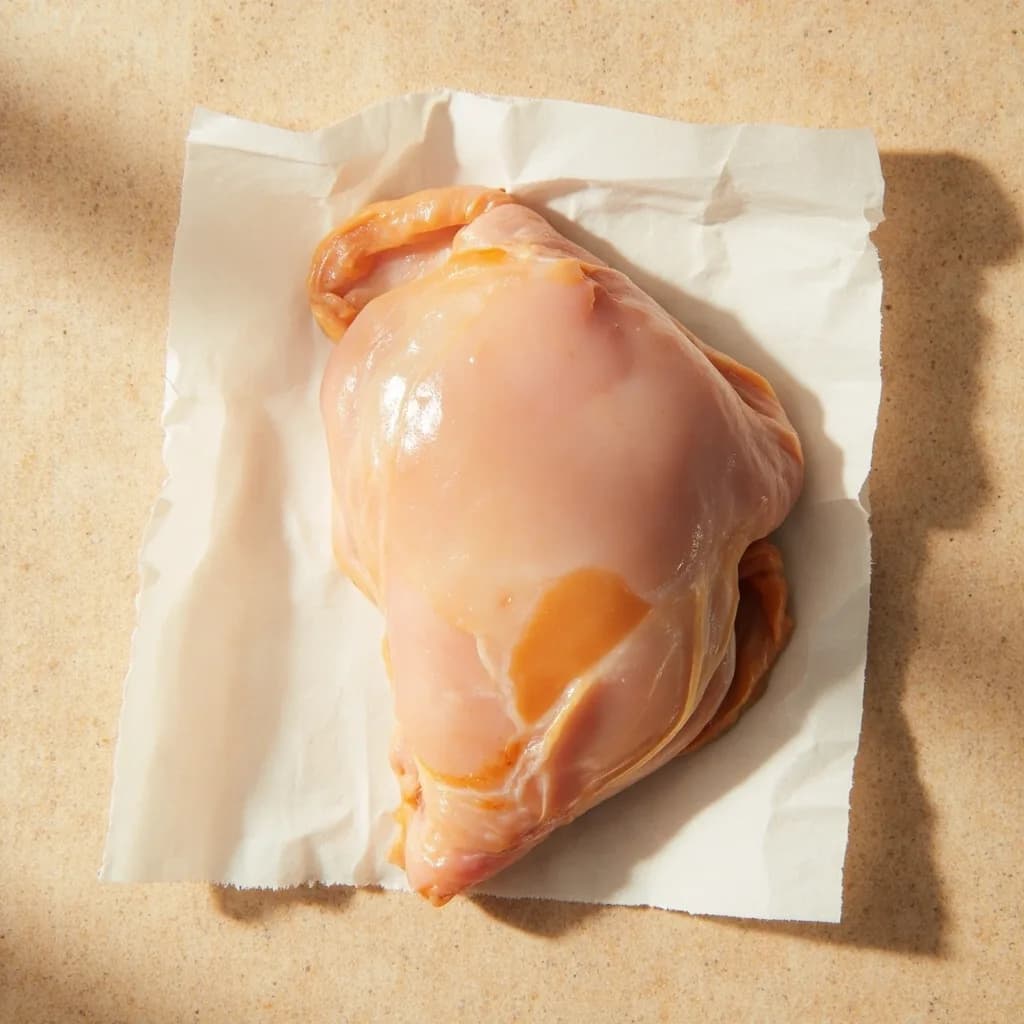
Chicken Breast
Lean, quick-cooking white meat for everyday dinners

Ground Beef
Versatile minced beef for burgers, ragù, tacos, and meatballs
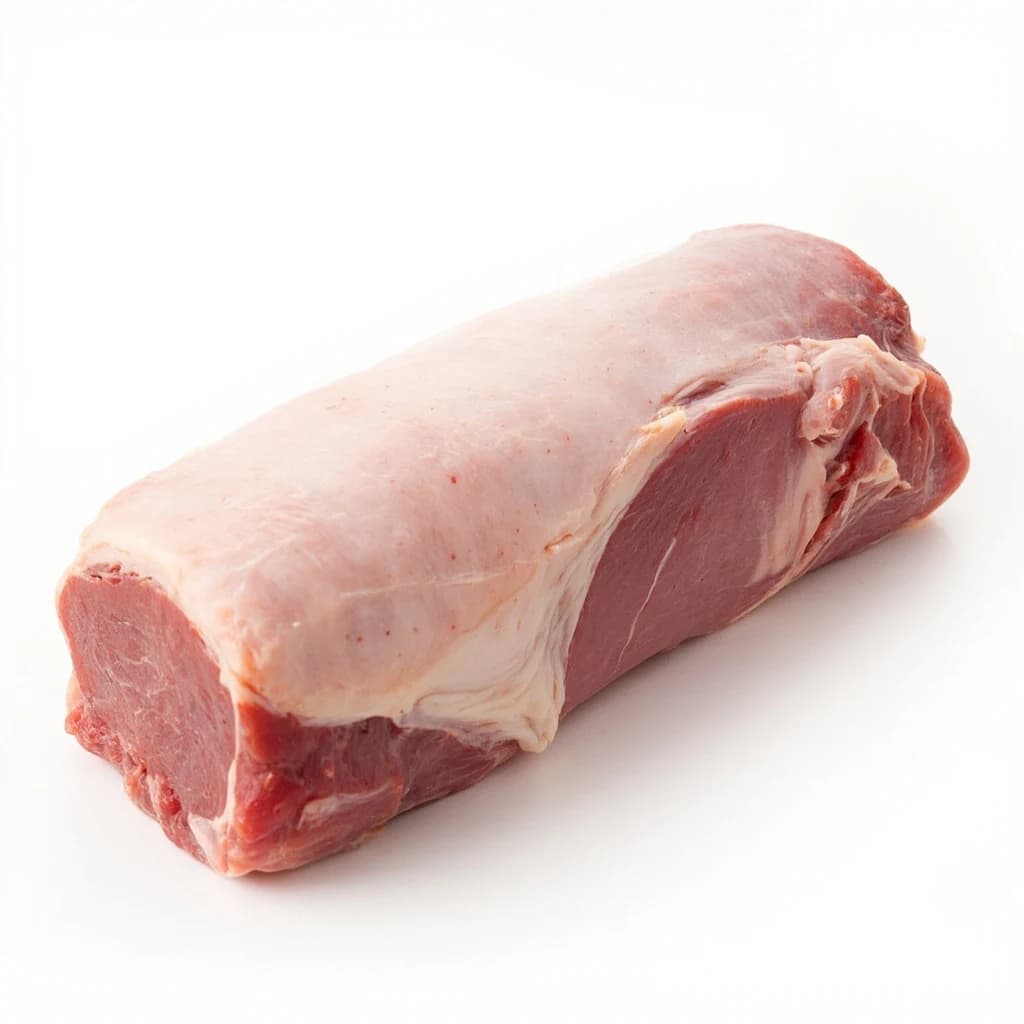
Pork Loin
Lean, tender roasting cut that stays juicy with care
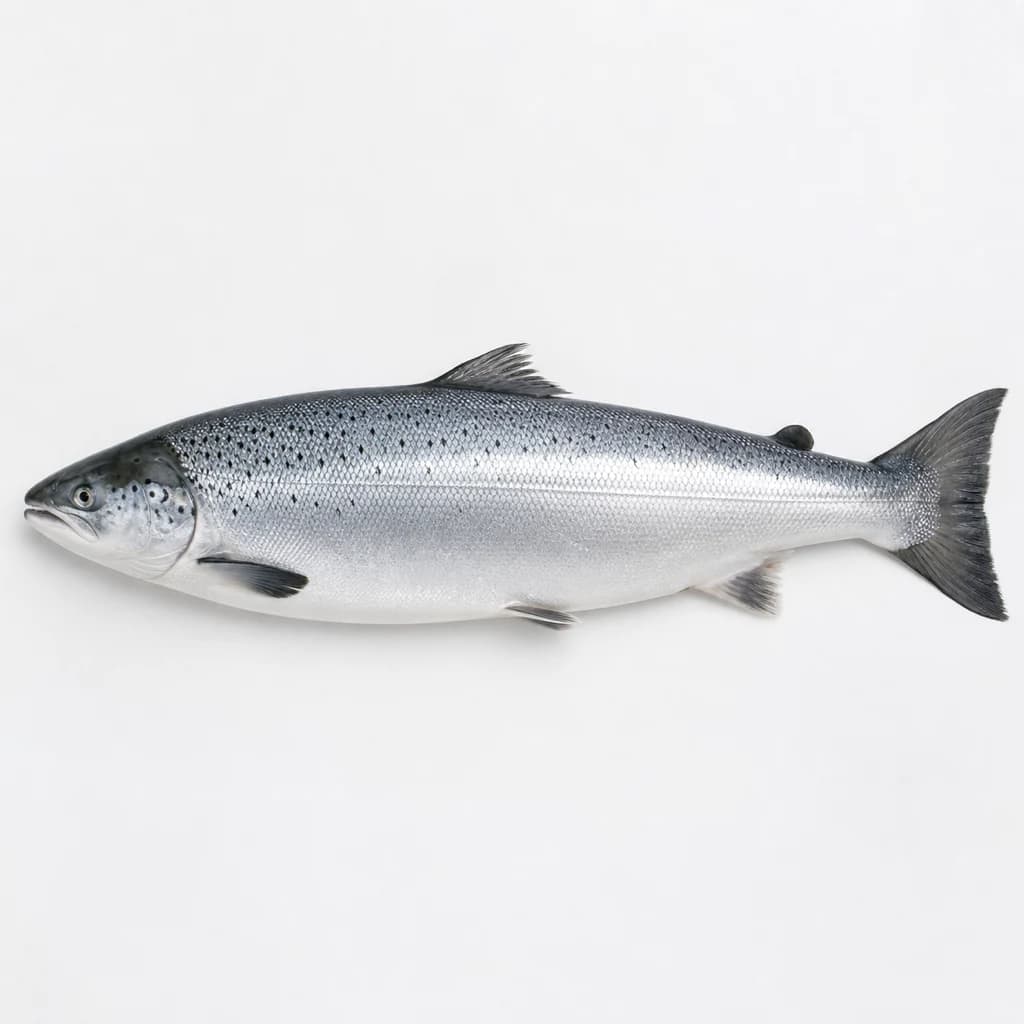
Salmon
Rich, rosy fish that roasts, grills, or cures beautifully

Egg White
Pure protein that whips to airy peaks for meringue and more

Egg Yolk
Rich, golden yolk for custards, mayonnaise, and pasta

Quail Egg
Tiny, speckled eggs for garnishing and elegant bites