Grains & Rice
Whole-Grain Bread
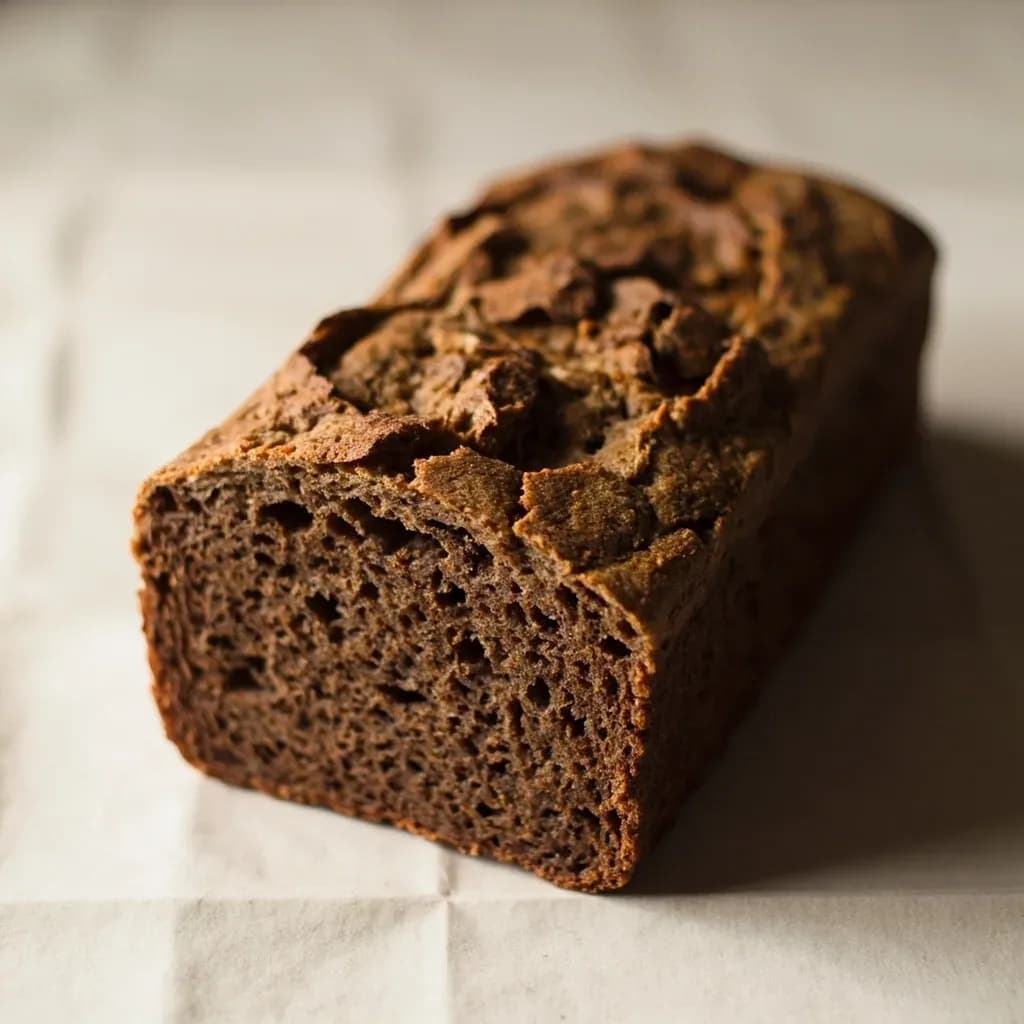
Hearty bread baked with whole-grain flour for a dense, nutty loaf.
Whole-grain bread is made with flour that retains the bran and germ, giving a denser crumb, nutty flavor, and more fiber than white bread. It is a daily staple for sandwiches and toast, with Dutch bruin brood among many regional versions. Loaves may include seeds, cracked grains, or rye for added texture.
Whole-grain bread is made with flour containing the entire wheat kernel—bran, germ, and endosperm—rather than just the starchy endosperm refined away in white flour. The bran adds texture and fiber, the germ contributes healthy fats and nutrients, and the endosperm provides structure. This composition makes the dough less elastic and more hydration-hungry than white dough, which is why whole-grain loaves tend toward density and a coarse, open crumb rather than the featherlight interior of a white baguette. The bran physically punctures gluten strands as it integrates, requiring adjustments to both mixing time and liquid ratio.
The flavor profile is notably more complex than refined white bread: expect nutty, slightly sweet, and earthy notes that intensify as the bread toasts. The germ's natural oils oxidize faster than in white bread, leading to stale flavor before the bread loses moisture. This is not a flaw but a marker of the bread's nutritional integrity.
Nutritionally, whole-grain bread delivers significantly more fiber, B vitamins (particularly B1, B3, and B6), iron, magnesium, and zinc than its refined counterpart. The trade-off is gluten content: unless made with certified gluten-free whole grains, whole-grain bread contains gluten proteins that give dough its structure, making it unsuitable for those with celiac disease or gluten sensitivity.
- Measured in
- piece
- Storage
- Pantry
Allergens
Types & varieties
Made entirely with whole-wheat flour; densest texture, strongest nutty flavor, shortest shelf life due to higher oil content in the germ
Blend of two or more whole grains such as wheat, oats, rye, barley, and millet; seeds like sunflower, flax, or pumpkin often added
Made from whole grains that have been sprouted before milling; slightly sweeter, better digestibility, moister crumb; typically found frozen rather than fresh
Fermented with wild yeasts and bacteria; the long fermentation breaks down gluten and phytic acid, improving digestibility and developing a tangy, complex flavor
Made primarily with whole rye flour; denser, moister, and more pungent than wheat-based whole-grain bread; includes varieties like pumpernickel
Milled between traditional stone wheels, which keeps the grain cooler and preserves more nutrients; often produces a coarser, more textured crumb
Common uses
Tips & pitfalls
- Read labels carefully: 'multigrain' and 'made with whole grain' do not guarantee the flour is whole-grain; look for '100% whole wheat' or 'whole-grain flour' as the first ingredient
- Do not overknead: whole-wheat dough develops gluten more quickly than white dough because the abrasive bran punctures gluten strands; 4–5 minutes of hand-kneading or 6–8 minutes in a stand mixer is sufficient
- Increase hydration: whole-grain flours absorb more liquid than refined flour (add 10–20% more water by weight); dough should be tacky, not stiff
- Let the dough rest: an autolyse (10–30 minute rest after mixing flour and water) allows the bran to fully hydrate and softens the dough, improving volume and crumb structure
- Add vital wheat gluten if your flour is low in protein: standard whole-wheat flour has less gluten-forming protein than bread flour; 1–2 teaspoons per cup of flour improves rise and elasticity
- Use a thermometer: dough temperature at the end of mixing should be 76–80°F (24–27°C); the germ's natural oils make whole-grain dough more prone to fermentation issues if the dough is too warm
- For a lighter texture, substitute up to half the whole-grain flour with bread flour; this is common in commercial whole-grain breads
- Store properly: the germ contains oils that oxidize and turn the bread stale faster than white bread; slice and freeze what you will not eat within 2 days
Nutrition
Energy
816 kJ · per 100 g
Where the calories come from
Protein
5.2g
10% DV
Carbs
43.3g
16% DV
Fat
1.5g
2% DV
Fiber
4.7g
17% DV
Sugars
2.4g
of which
Sodium
631mg
27% DV
Source · USDA FoodData Central · approx. Bread, boston brown, canned
View on FDC →In the shops
Matched grocery products
No matched grocery products for Whole-Grain Bread yet.
Good to know
- Primary Grain
- Whole wheat (Triticum aestivum); may include oats, rye, barley, spelt, or millet
- Flour Type
- Whole-grain flour containing bran, germ, and endosperm
- Flavor Profile
- Nuttier, slightly sweet, more complex than refined white bread; notes of earthiness
- Texture
- Dense, hearty, chewy; coarser crumb than white bread
- Typical Loaf Size
- 1 to 1.5 lb standard home-baked loaf; commercial loaves vary
- Shelf Life
- 2–3 days at room temperature; 5–7 days refrigerated; up to 3 months frozen
- Nutrition Advantage
- Higher in fiber, B vitamins (especially B1, B3, B6), iron, magnesium, zinc, and healthy fats from the germ compared to refined white bread
- Gluten Content
- Contains gluten unless made with certified gluten-free whole grains
Substitutes
- Whole-Wheat Pita or Naan — Lighter texture but maintains whole-grain nutrition; good for wraps and dipping
- Whole-Grain Tortillas — Portable, flexible; work for quesadillas, burrito-style wraps, and pizza bases
- Sourdough Rye Bread — Even denser with a more pronounced tang; excellent for open-faced sandwiches
- Sprouted Grain Bread (e.g., Ezekiel 4:9) — Made from sprouted whole grains; slightly different flavor and texture but nutritionally equivalent or superior
- Oat Bread — Made with whole oat flour; milder, sweeter flavor; check that oats are processed in a gluten-free facility if needed
- Whole-Grain Hamburger Buns or English Muffins — Good for breakfast sandwiches; toasts well and holds together
- Multigrain Bread (verified whole-grain) — May contain a wider variety of seeds and grains; similar density and nutrition if 100% whole-grain flour is used
Pairs with
Also called
Whole-Grain Sandwich Bread · Brown Bread · Bruin Brood · Wholemeal Bread
Related

White Rice
Fluffy long-grain rice — the neutral base for almost any meal

White Bread
Soft sandwich loaf for toast, sandwiches, and crumbs
Brown Rice
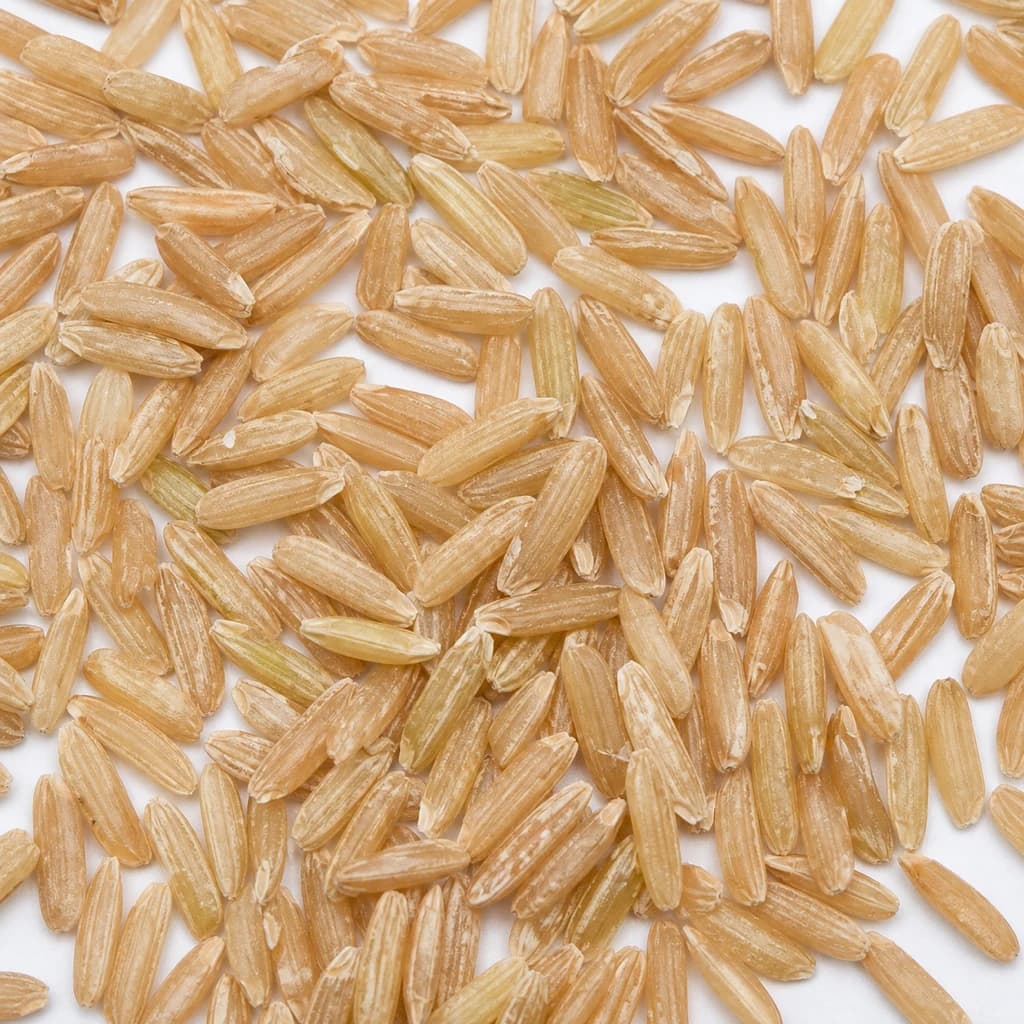
Nutty, whole-grain rice with chew and extra fiber

Basmati Rice
Fragrant, long-grain rice that cooks up light and separate
Jasmine Rice
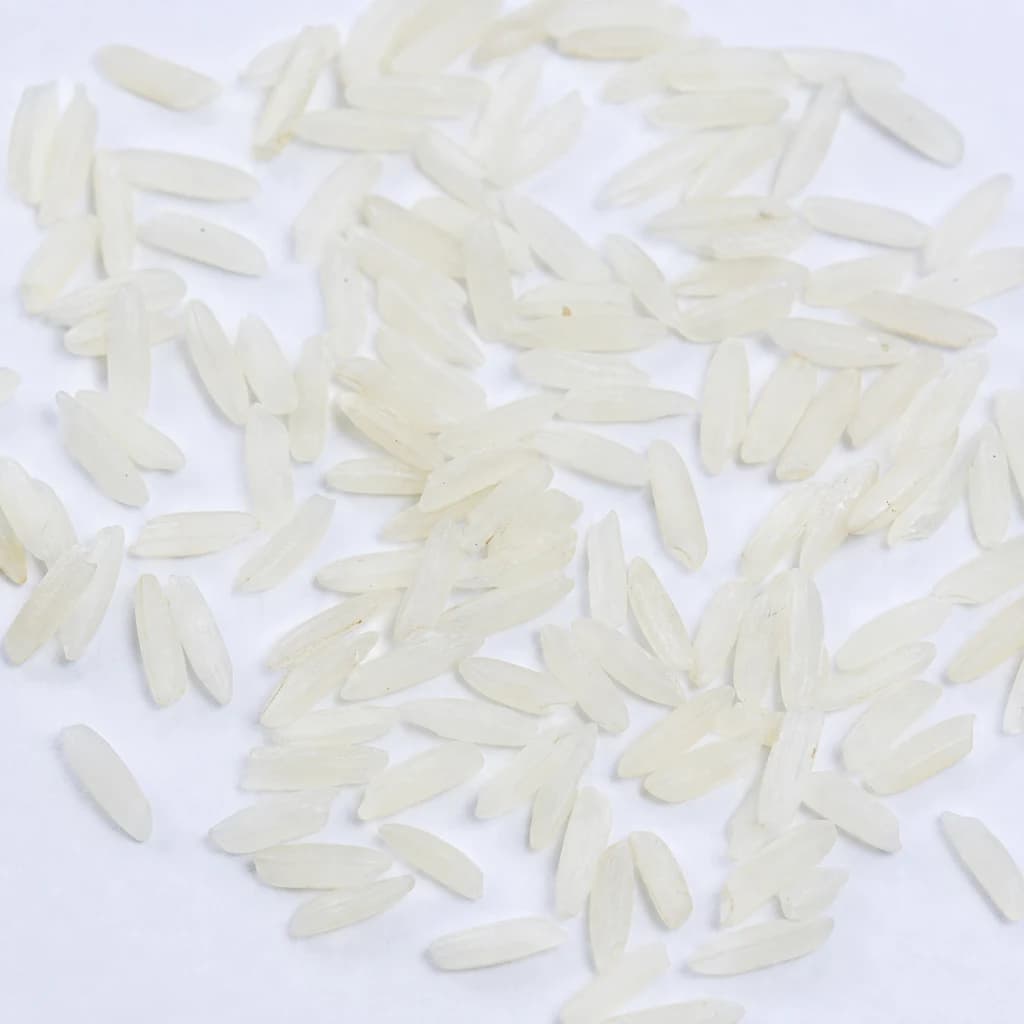
Soft, floral-scented rice that's the pillar of Thai meals
Arborio Rice
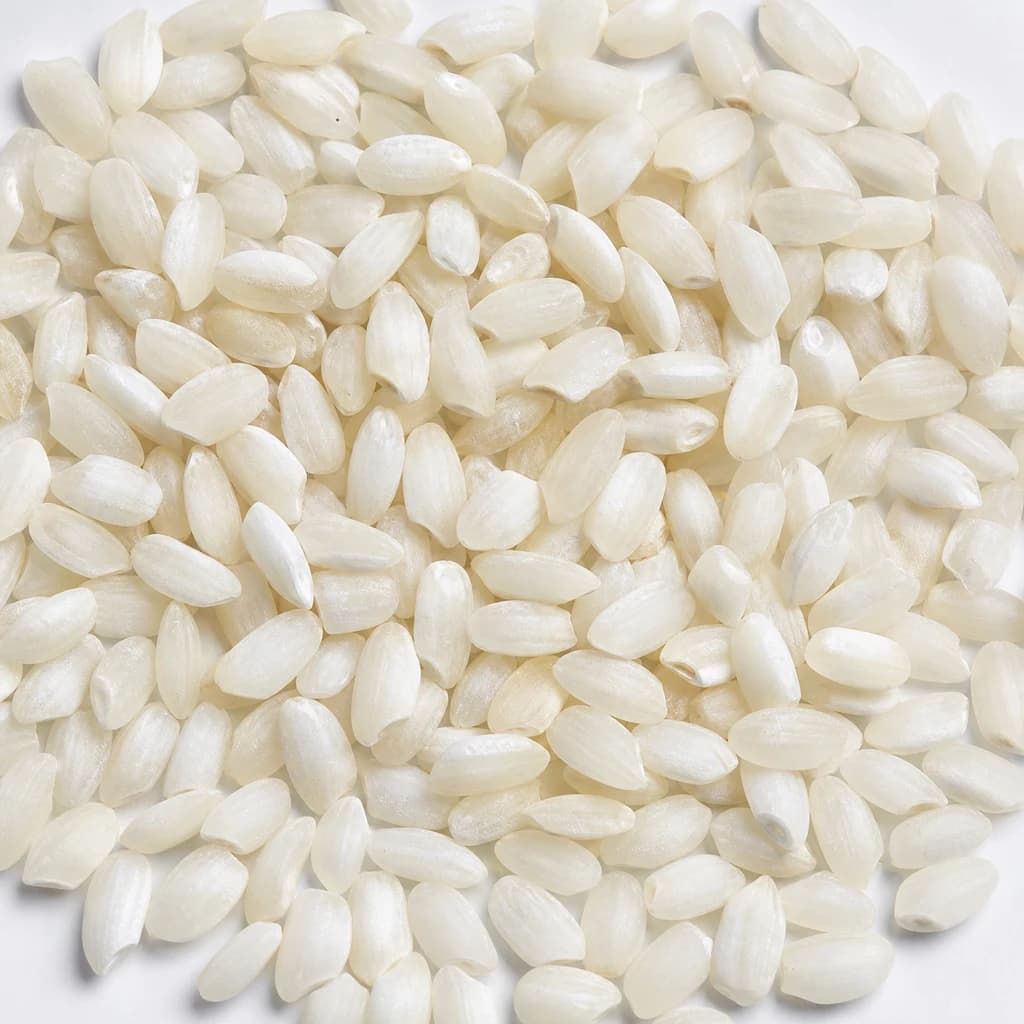
Plump, starchy rice that makes risotto creamy
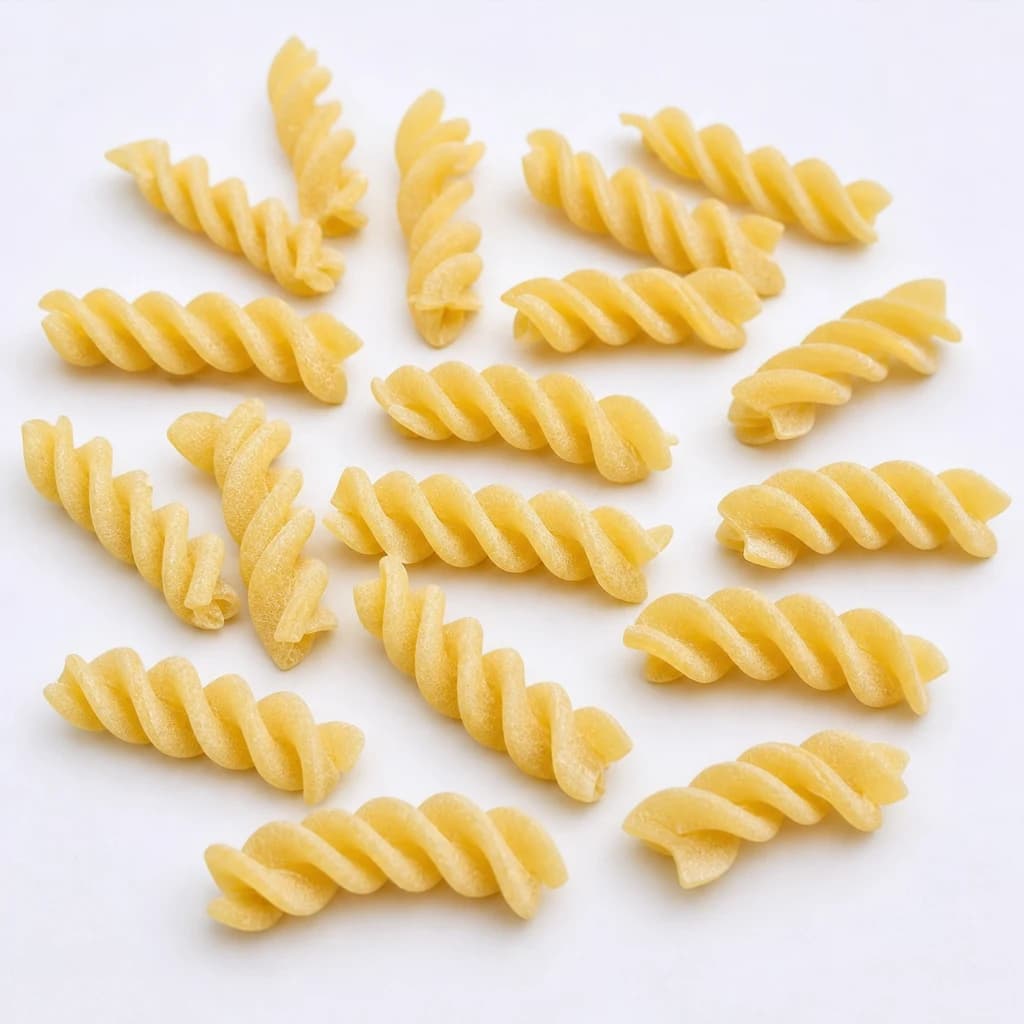
Fusilli
Spiraled pasta that twirls up sauce and dresses cold salads
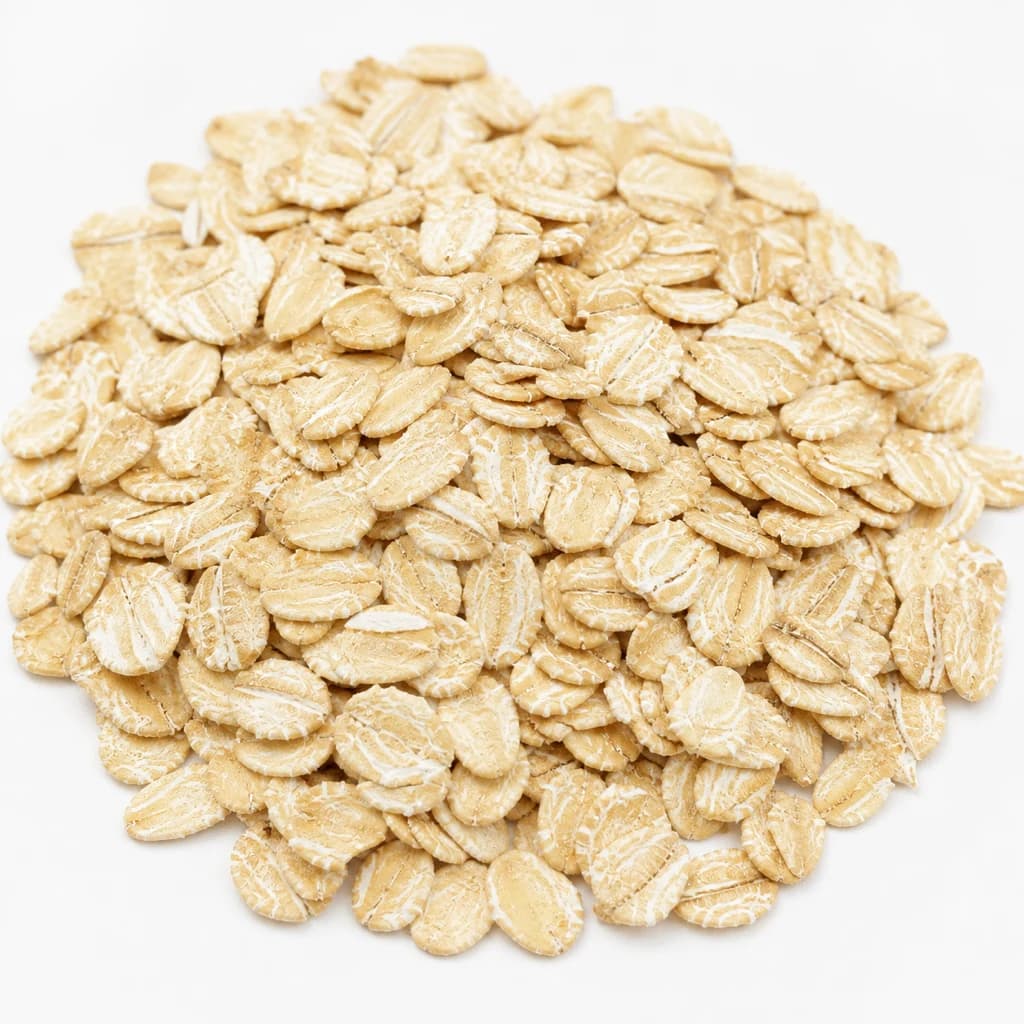
Rolled Oats
Hearty flakes for porridge, granola, and chewy cookies