
Stored
A rectangular tin of canned corned beef shown sealed, its distinctive tapered shape visible.
Shows the iconic packaging form readers will recognize on store shelves and in pantries.
Proteins
Canned Corned Beef
Salt-cured, finely chopped beef in a tin — a shelf-stable staple fried with onions, eggs, or vegetables.
Canned corned beef is salt-cured, cooked, and finely chopped beef packed in a tin for long shelf life. It is a convenient pantry protein fried with onions and potatoes, scrambled into eggs, or stretched into quick weeknight hashes and stews. Popular across the Caribbean, Pacific islands, and Africa, it has a soft, salty, savory texture.
Canned corned beef is a fully cooked, shelf-stable protein made from salt-cured beef that has been finely chopped, pressed into a loaf, and sealed in tins. The term "corned" refers to the large-grained salt crystals—historically called "corns"—used in the curing brine. Unlike its deli counterpart, which is typically brined and sliced whole, canned corned beef is ground and compressed, giving it a dense, sliceable texture that holds together well in the pan. The product was standardized for military rations during and after World War II, which is why it spread globally through U.S. military presence to Latin America, the Caribbean, and Pacific islands, where it now appears in entirely different culinary traditions than in the United States. Today it remains a pantry staple in countries like Mexico, Brazil, Colombia, the Philippines, and Guam.
The texture of a quality canned corned beef loaf is firm enough to slice cleanly and dense enough to hold its shape when crumbled and fried. Higher-fat versions tend to slice more easily and develop better mouthfeel when pan-fried, while leaner versions can be dry and crumbly. The meat is already fully cooked during canning, so it only needs to be reheated through, which makes it one of the fastest protein options in the pantry. When fried, the pinkish-red interior turns a gray-brown with crispy edges where fat renders and caramelizes. The flavor is intensely savory, salty, and slightly mineral from the curing process—qualities that pair well with high-fat and acidic accompaniments.
Quality varies enormously between brands and regions. Avoid generic store brands with a pale, paste-like consistency; these are often made with lower meat content and excessive water, resulting in a mushy texture that falls apart in the pan. Established brands like Swift Premium in the US and Hereford in the UK and Latin America consistently produce denser loaves with better fat content and structure. The high sodium content—typically 400–600 mg per 2-oz serving—is inherent to the curing process and cannot be entirely eliminated, though rinsing and draining can reduce it somewhat.
- Measured in
- g
- Storage
- Pantry
Types & varieties
Standard pressed, sliced format; most common in US and Latin American markets
Some Latin American and Caribbean brands add paprika, garlic, or pepper for regional flavor variation
Higher meat content and firmer texture; marketed by brands like Swift Premium
Reduced-salt versions exist but are harder to find; still fully processed and cured
Regional Traditions
Canned corned beef took divergent culinary paths after World War II. In the United States it remains a nostalgic breakfast ingredient, typically fried as hash with potatoes and onions or served cold on rye sandwiches. In Latin America and the Caribbean it became a versatile pantry protein incorporated into empanadas, rice dishes, and hashes with local peppers and spices. In the Philippines it appears in silogs (silog dishes combining garlic rice, eggs, and protein) and is scrambled with tomatoes and onions. In the Pacific islands it fries alongside taro or breadfruit. Each tradition has adapted the same shelf-stable product to local flavors and cooking styles, making it one of the most globally versatile canned proteins available.
- US: Breakfast hash with potatoes, sandwiches on rye with mustard
- Mexico/Latin America: Empanadas, rice dishes, scrambled with tomatoes and peppers
- Philippines: Silog plates, fried with garlic rice and eggs
- Caribbean: Fried hash with local peppers, hot sauce on the side
- Pacific Islands: Fried with taro, breadfruit, or green bananas
Common uses
Tips & pitfalls
- Always pan-fry over medium-high heat in a dry or lightly oiled skillet—this renders the fat and develops a savory, caramelized crust that dramatically improves texture over microwave reheating
- The meat is already fully cooked; you only need to heat it through, about 2–3 minutes per side for slices, or 5–7 minutes stirring occasionally for crumbled
- To reduce sodium, drain the liquid from the can and briefly rinse under cold water before cooking, then pat dry
- Store opened canned corned beef in an airtight container, covered with a little water or broth to prevent drying out, up to 5 days refrigerated
- Quality varies significantly by brand—Swift Premium and Hereford are consistently denser with better texture; thin, paste-like canned beef is a different, inferior product
- If frying hash, refrigerate the crumbled beef first to let excess moisture evaporate—this yields noticeably crispier results
- Avoid adding to high-heat pans immediately, as the exterior will seize before the fat renders, leaving you with a rubbery texture
- Season your dish cautiously—most brands already contribute significant salt, so taste before adding additional seasoning
Nutrition
Energy
1046 kJ · per 100 g
Where the calories come from
Protein
27.1g
54% DV
Carbs
0g
0% DV
Fat
14.9g
19% DV
Fiber
0g
0% DV
Sugars
0g
of which
Sodium
897mg
39% DV
Source · USDA FoodData Central · Beef, cured, corned beef, canned
View on FDC →In the shops
Matched grocery products
No matched grocery products for Canned Corned Beef yet.
Good to know
- Type
- Cured, cooked, and canned beef product
- Primary Use
- Quick-cooking protein in fried, sautéed, or sandwich preparations
- Shelf Life
- 2–5 years unopened; 3–5 days refrigerated after opening
- Sodium Content
- High — typically 400–600 mg per 2-oz serving
- Form
- Pressed loaf; slices cleanly or crumbles from tin
- Color
- Pink to reddish-brown when sliced; gray-brown when fried
- Key Brands
- Swift Premium (US), Hereford (UK/Latin America), Pritt (Germany)
- Origin of Term
- "Corned" refers to the large salt crystals (corns) used in the curing brine
Substitutes
- SPAM (Original) — Similar shelf-stable cured canned meat; slightly softer texture and milder flavor; interchangeable in most preparations
- Fresh Corned Beef Brisket — The uncanned, raw cured version—must be simmered 3–4 hours before use; far superior texture but requires significantly more cooking time
- Roast Beef (canned) — Less commonly available; different flavor but similar convenience; avoid products labeled "chopped ham"
- Bacon, Diced Small — Provides salty, savory cured-pork flavor; different texture but works in hashes and egg dishes
- Canned Ham Chunks — Less dense than corned beef; acceptable in fried preparations where texture matters less
Pairs with
Also called
Salt Beef · Bully Beef
Appears in these dishes
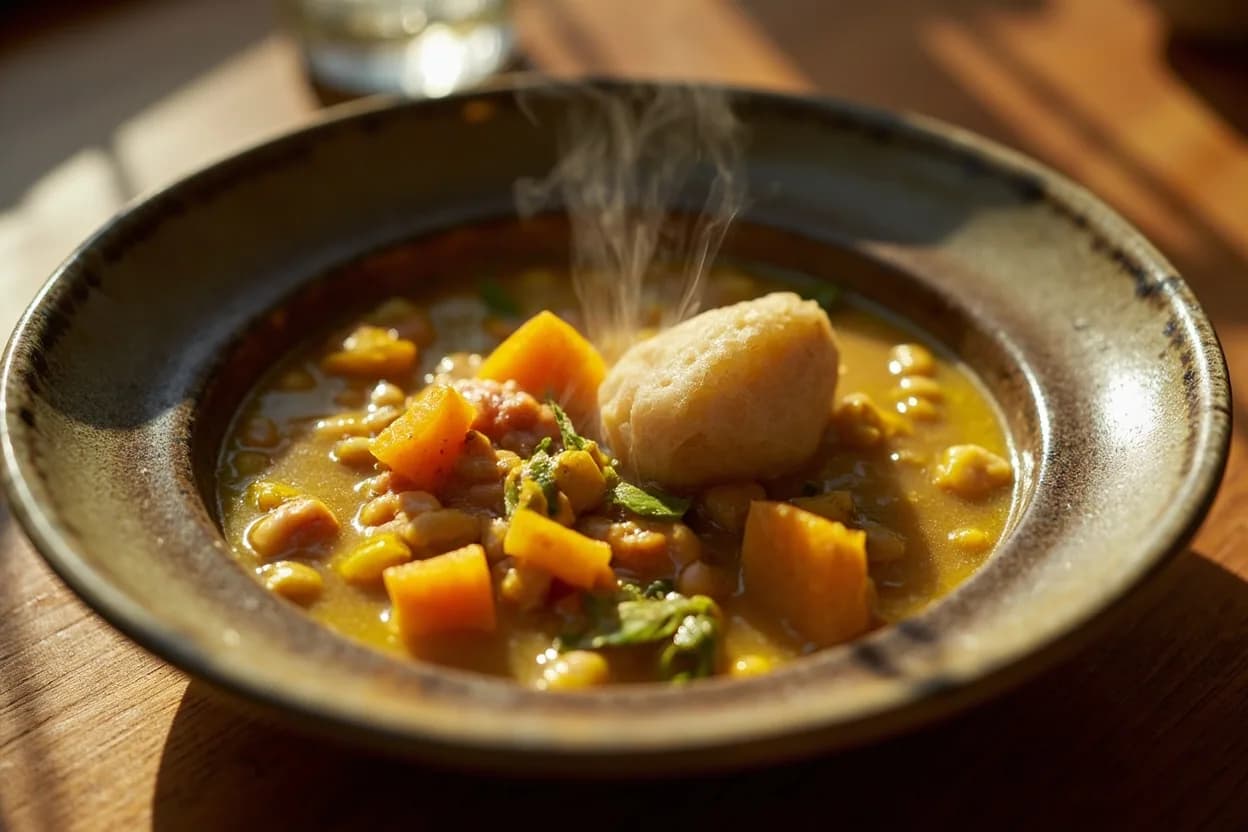
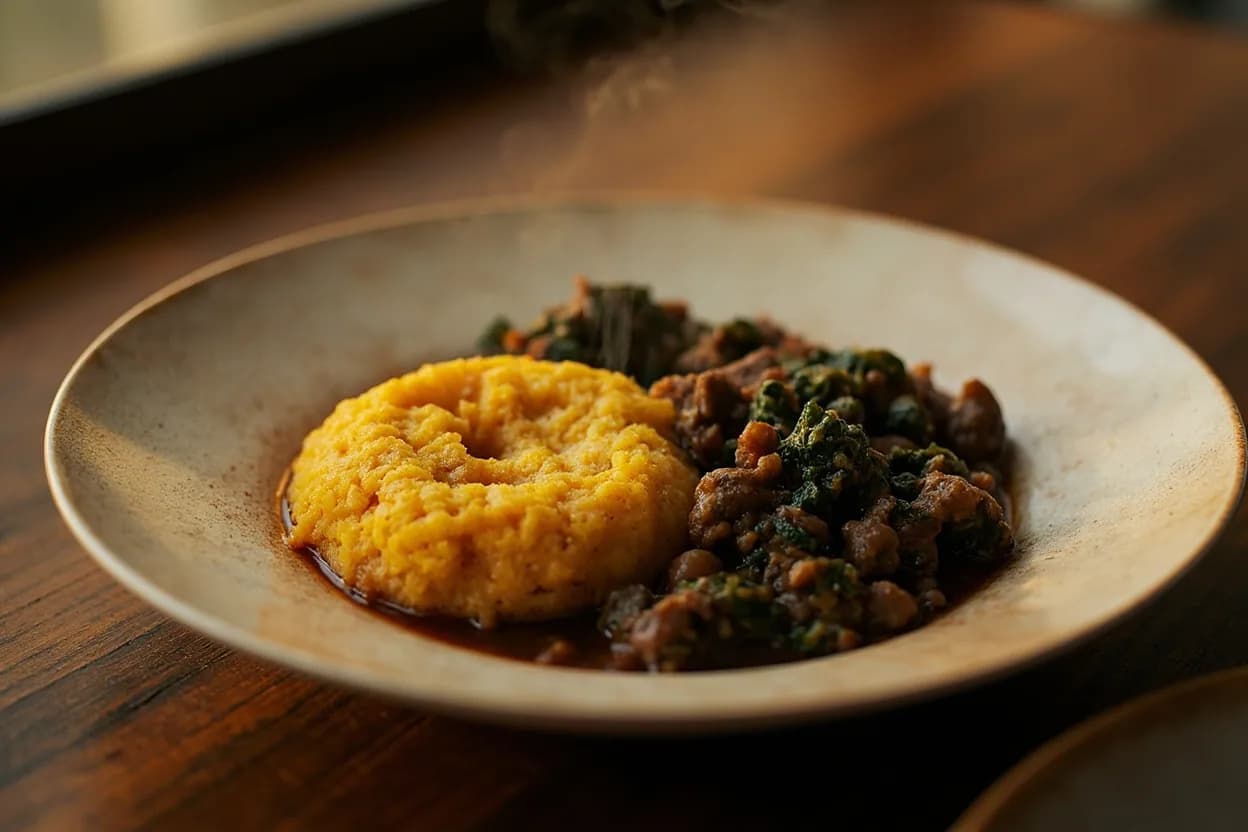
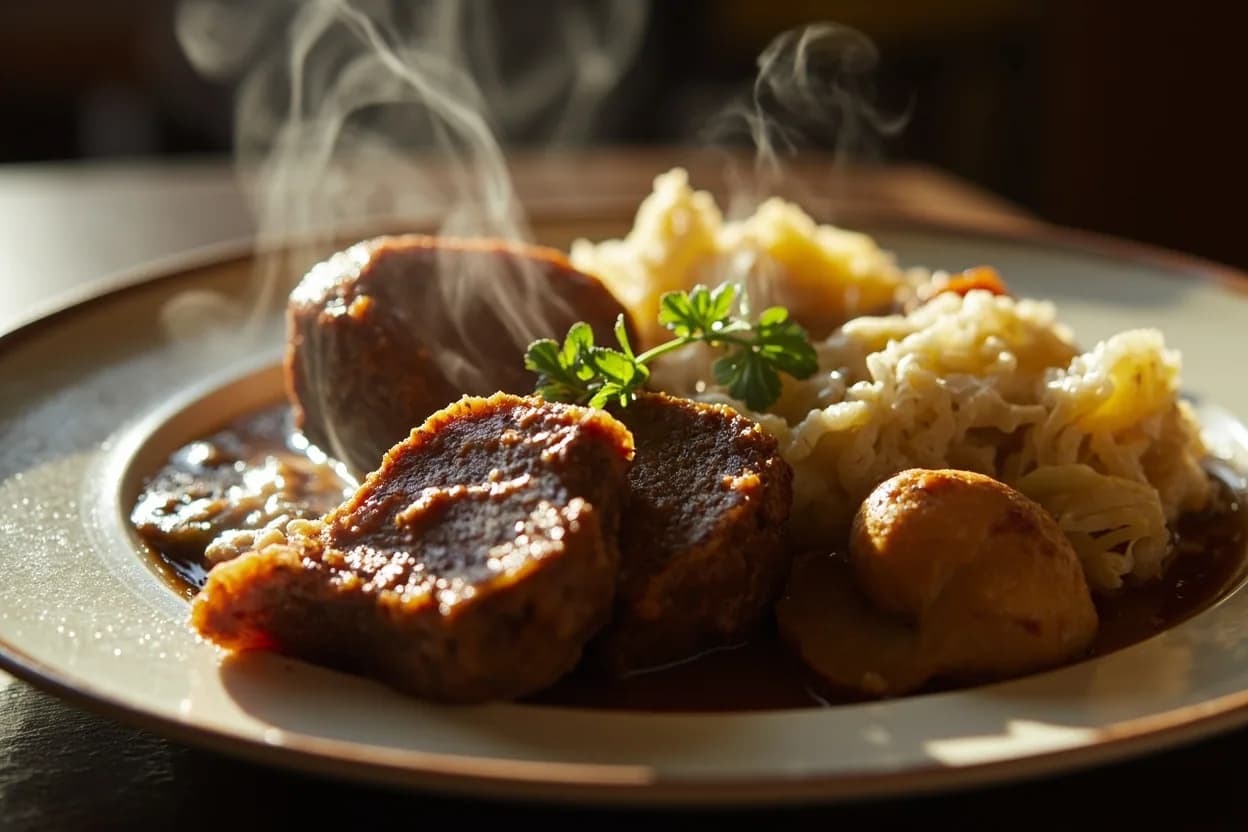
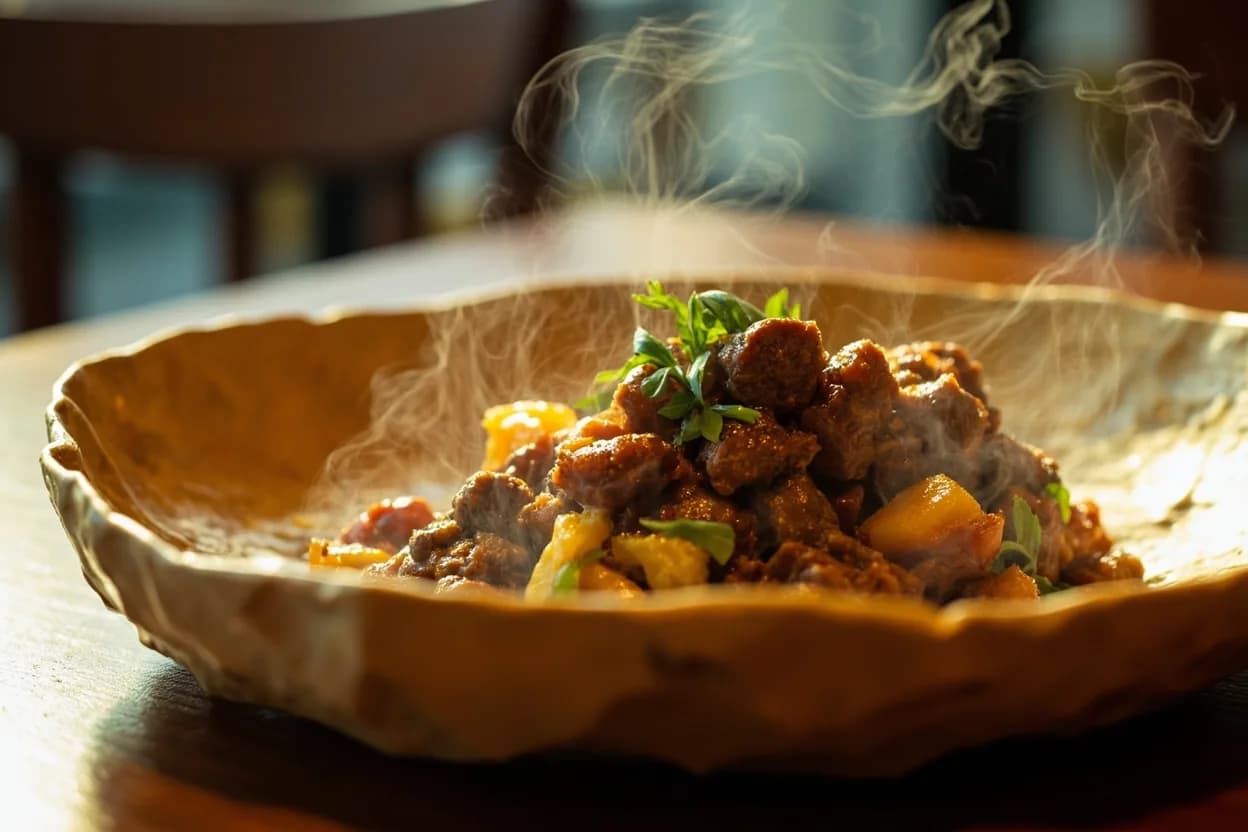
Related

Egg
The kitchen's everything ingredient — bind, leaven, enrich, or fry
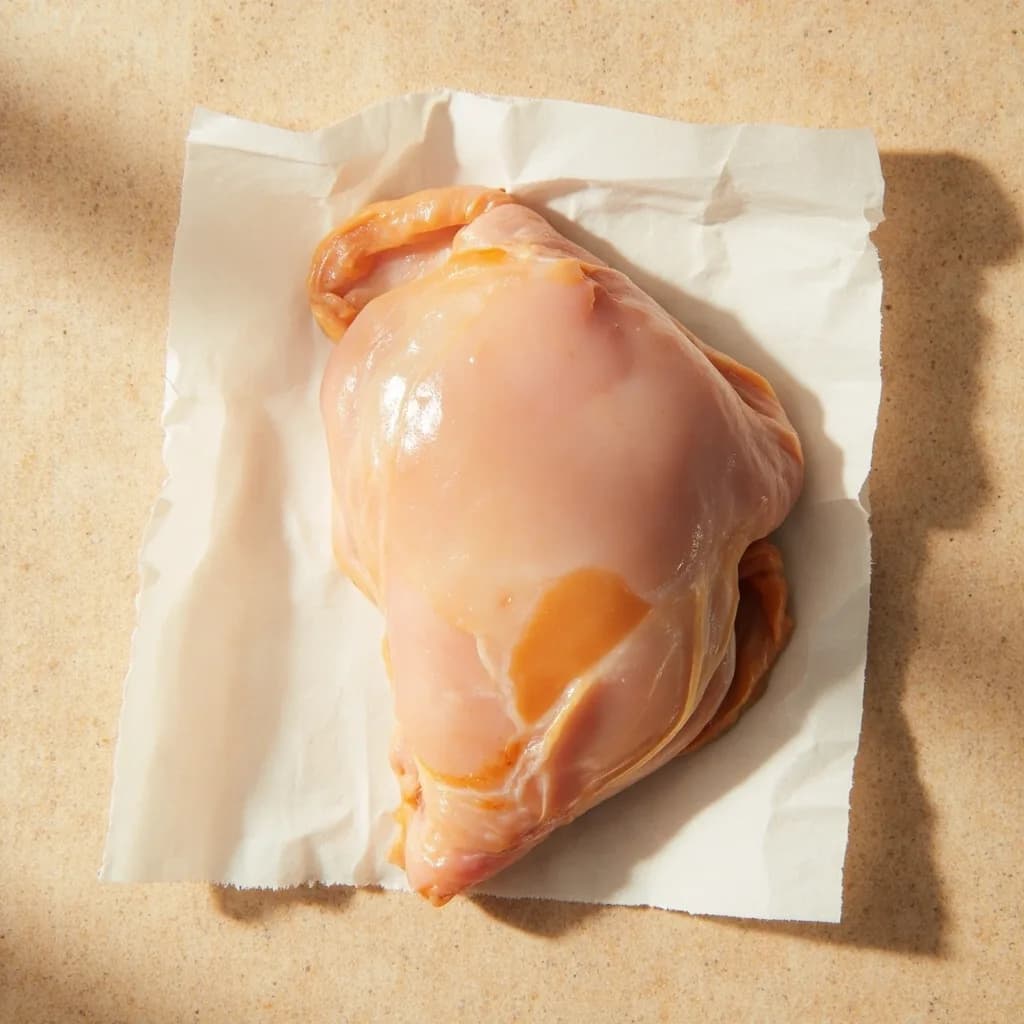
Chicken Breast
Lean, quick-cooking white meat for everyday dinners

Ground Beef
Versatile minced beef for burgers, ragù, tacos, and meatballs
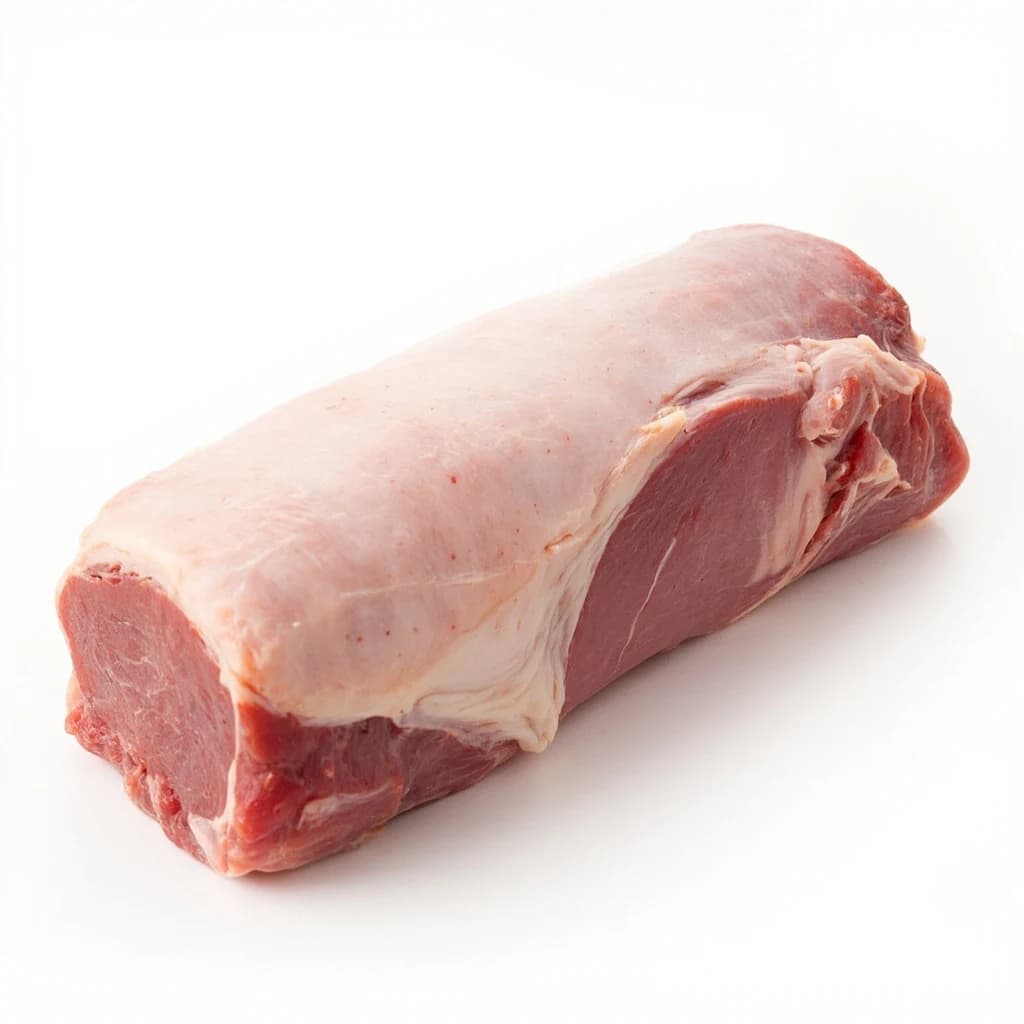
Pork Loin
Lean, tender roasting cut that stays juicy with care
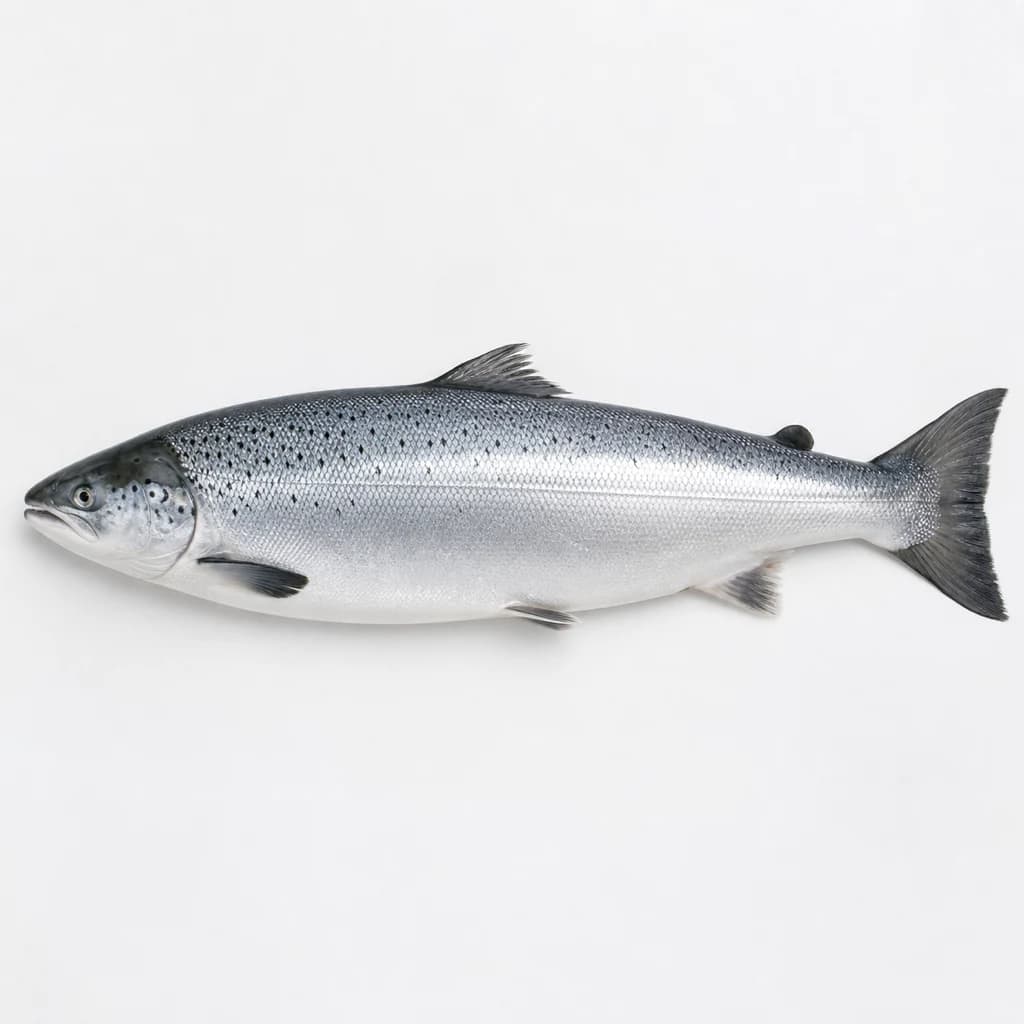
Salmon
Rich, rosy fish that roasts, grills, or cures beautifully

Egg White
Pure protein that whips to airy peaks for meringue and more

Egg Yolk
Rich, golden yolk for custards, mayonnaise, and pasta

Quail Egg
Tiny, speckled eggs for garnishing and elegant bites