
Natural form
A whole beef chuck roast showing its uncooked exterior marbling and fat cap.
Shows the reader what a raw beef roast looks like before preparation, including fat distribution and muscle texture.
Proteins
Beef Roast
Large cut for slow roasting and Sunday-dinner carving
A generous cut that roasts low and slow to a tender, sliceable centerpiece. Sear first for a deep crust, then rest before carving. Keep it cold and cook within a few days.
A beef roast is a large cut cooked whole — and the cut determines everything. Tender, lean roasts from the rib and loin (prime rib, tenderloin, sirloin) are roasted hot and fast and carved pink, the centerpiece of a Sunday or holiday dinner. Tougher, collagen-rich roasts from the chuck and brisket are braised low and slow until that connective tissue melts into gelatin and the meat pulls apart. Knowing which camp a roast belongs to — quick-roast-and-rest versus long-and-slow-braise — is the whole secret; cooking a braising cut like a tender one (or vice versa) is the classic mistake.
- Measured in
- g
- Storage
- Refrigerate
- Shelf life
- 4 days
Find it in
Types & varieties
Marbled and tender — the showpiece roast, cooked pink.
Lean and very tender; roast quickly, don't overcook.
Leaner everyday roasts; rest well and slice thin.
Collagen-rich braising cut for pot roast and stew.
Tough, fatty cut for low-and-slow braising and barbecue.
How to choose
Decide your method first. For roasting to pink, buy a tender, marbled rib or loin cut. For pot roast, braises, and pulled beef, buy a tough, well-marbled chuck or brisket full of connective tissue — those collagen-rich cuts are exactly what turns silky over hours. Good marbling signals flavor and moisture either way.
How to store / food safety
Refrigerate at or below 4°C; large roasts keep a few days. As a whole muscle, a roast is safe cooked to medium-rare in the center because heat handles the surface — but cook any rolled or mechanically tenderized roast through. Let big roasts come toward room temperature before cooking for evenness, and rest well after. Refrigerate leftovers promptly.
How to cook
Roast tender cuts: sear or high-blast for crust, then roast at moderate heat to ~55°C for medium-rare, and rest a large roast 20–30 minutes (carryover can climb several degrees). Braise tough cuts: brown well, then cook submerged in liquid, covered, low (oven ~150°C or a gentle simmer) for hours until a fork slides in — rushing keeps them tough. A thermometer is essential for roasting cuts.
Common uses
Tips & pitfalls
- Match method to cut: hot-roast tender cuts, low-braise tough ones.
- Bring a big roast toward room temperature before cooking for even doneness.
- Use a thermometer and pull tender roasts early for carryover.
- Rest large roasts 20–30 minutes before carving.
- Braising cuts only get tender with time — don't rush them.
Nutrition
Energy
933 kJ · per 100 g
Where the calories come from
Protein
15.3g
31% DV
Carbs
3.7g
1% DV
Fat
16.3g
21% DV
Fiber
0.2g
1% DV
Sugars
0.7g
of which
Sodium
724mg
31% DV
Source · USDA FoodData Central · Roast beef spread
View on FDC →In the shops
Matched grocery products
No matched grocery products for Beef Roast yet.
Good to know
- Cut/type
- Large cut; tender (rib/loin) or braising (chuck/brisket)
- Flavor
- Deeply beefy; tender roasts mild, braising cuts rich
- Cook to
- Tender: 55°C med-rare, rest; braising: ~90°C+ till tender
- Nutrition
- ~250 kcal/100g cooked, ~27g protein
- Buy
- Marbled for roasting, well-marbled/connective for braising
Substitutes
- Beef steak (cut to size) — For small roasts or when buying tender cuts.
- Pork shoulder — Similar collagen-rich braising behavior.
- Lamb shoulder — Another forgiving slow-roast/braise cut.
Also called
roast beef · asado de ternera · redondo de ternera · rostit de vedella
Appears in these dishes
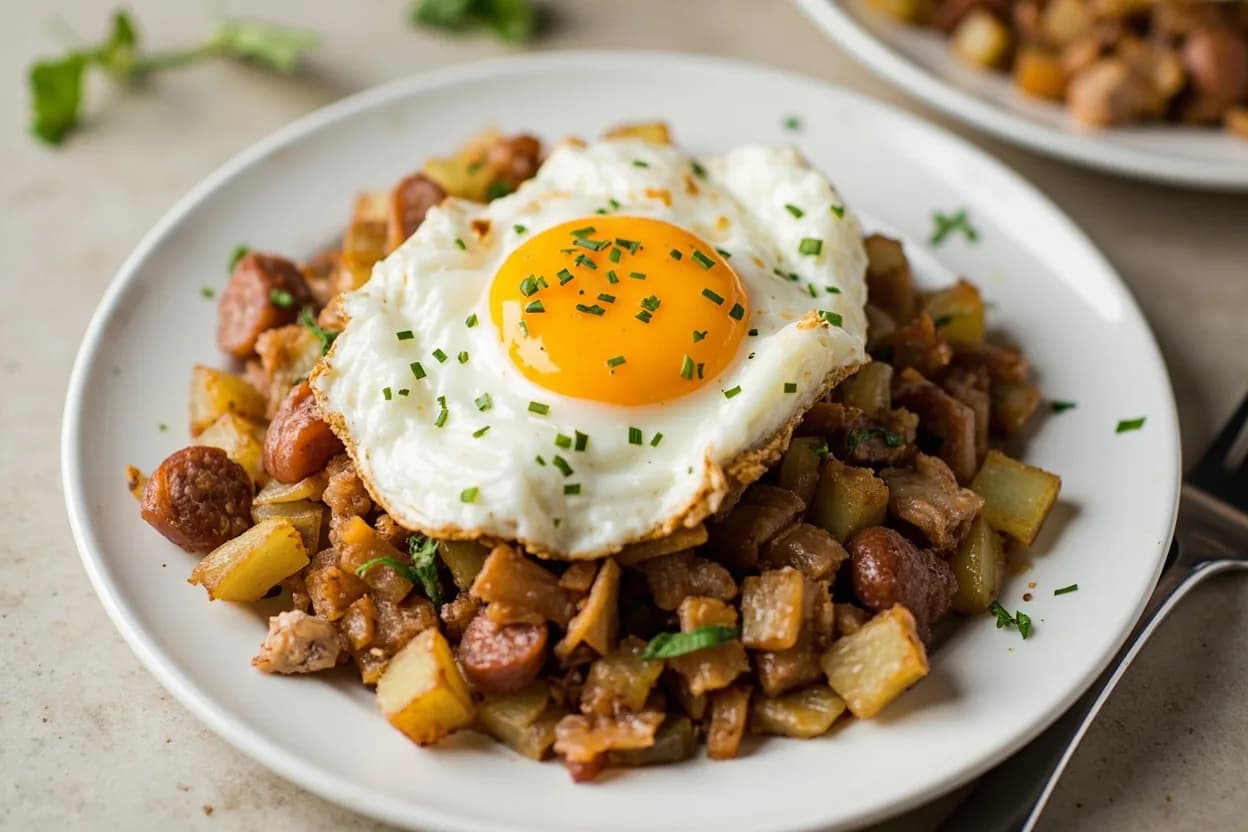
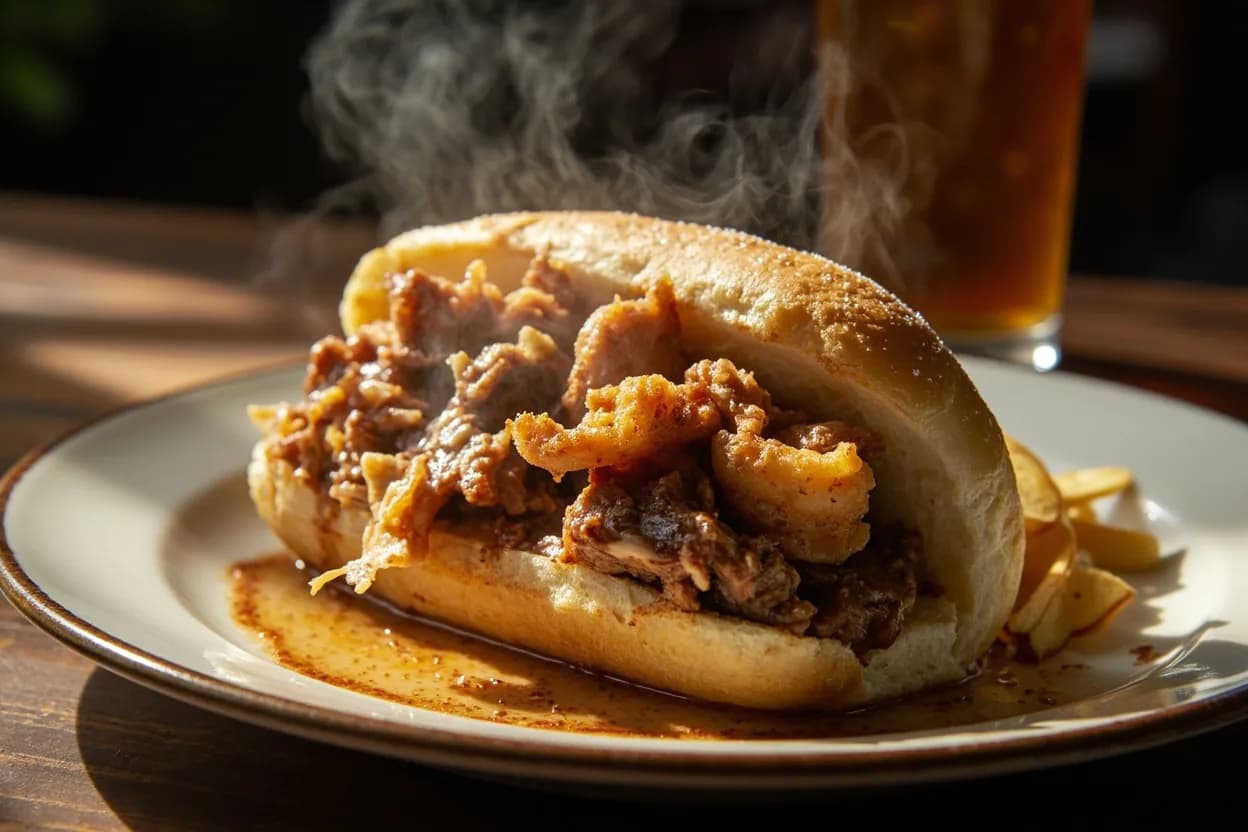
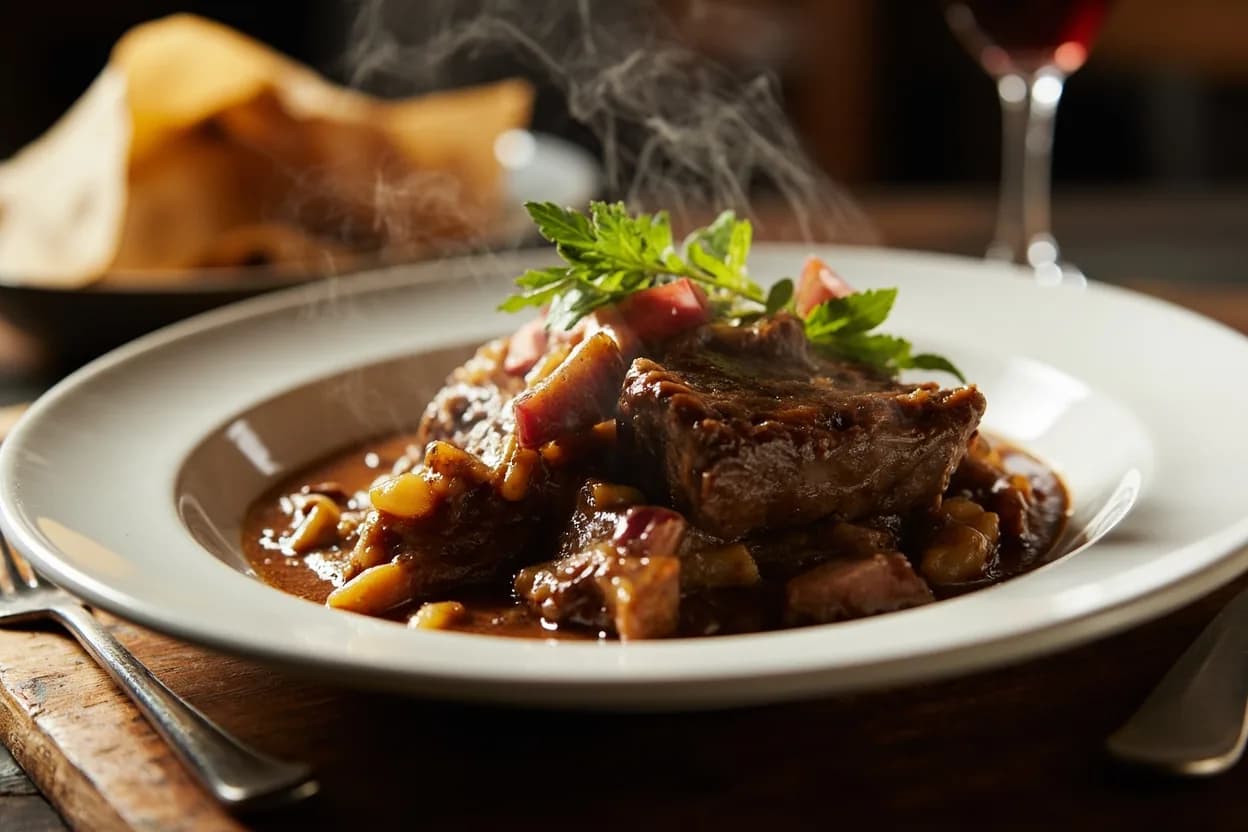
Related
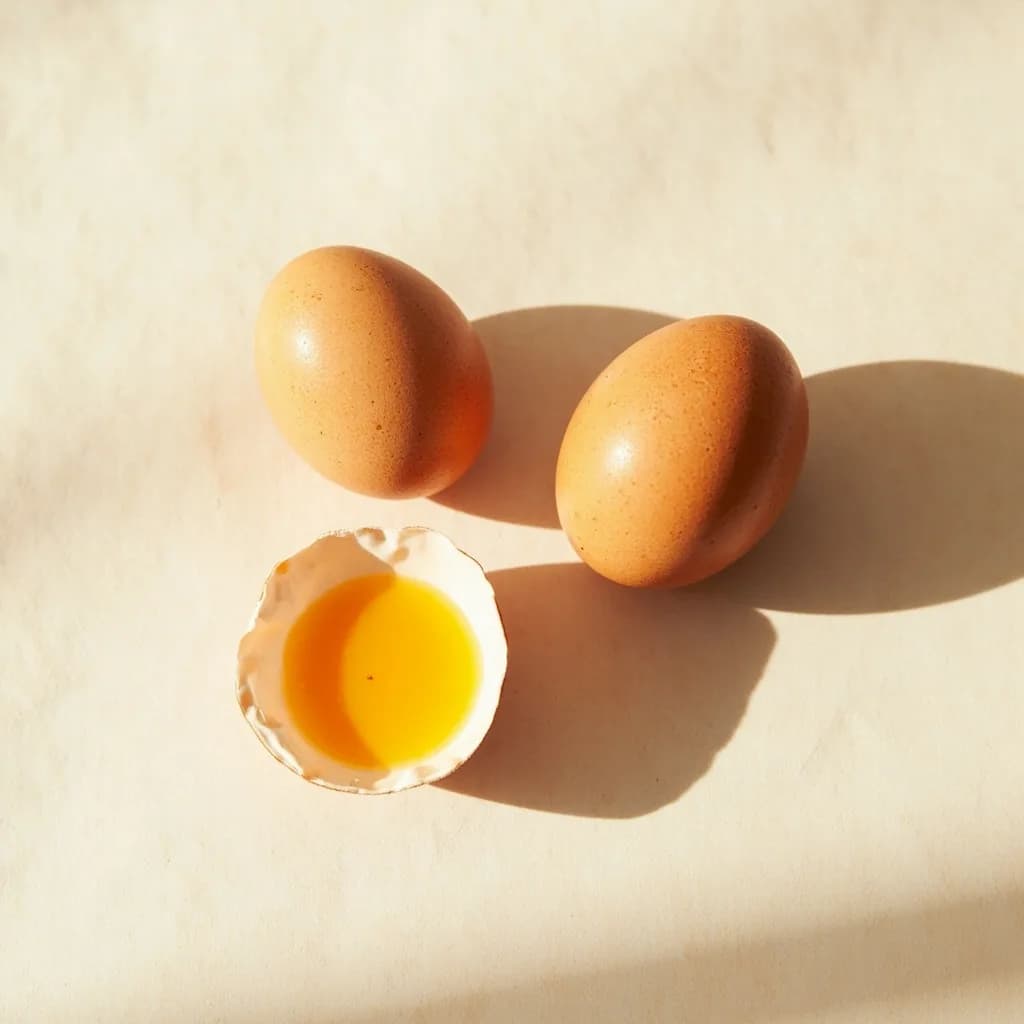
Egg
The kitchen's everything ingredient — bind, leaven, enrich, or fry
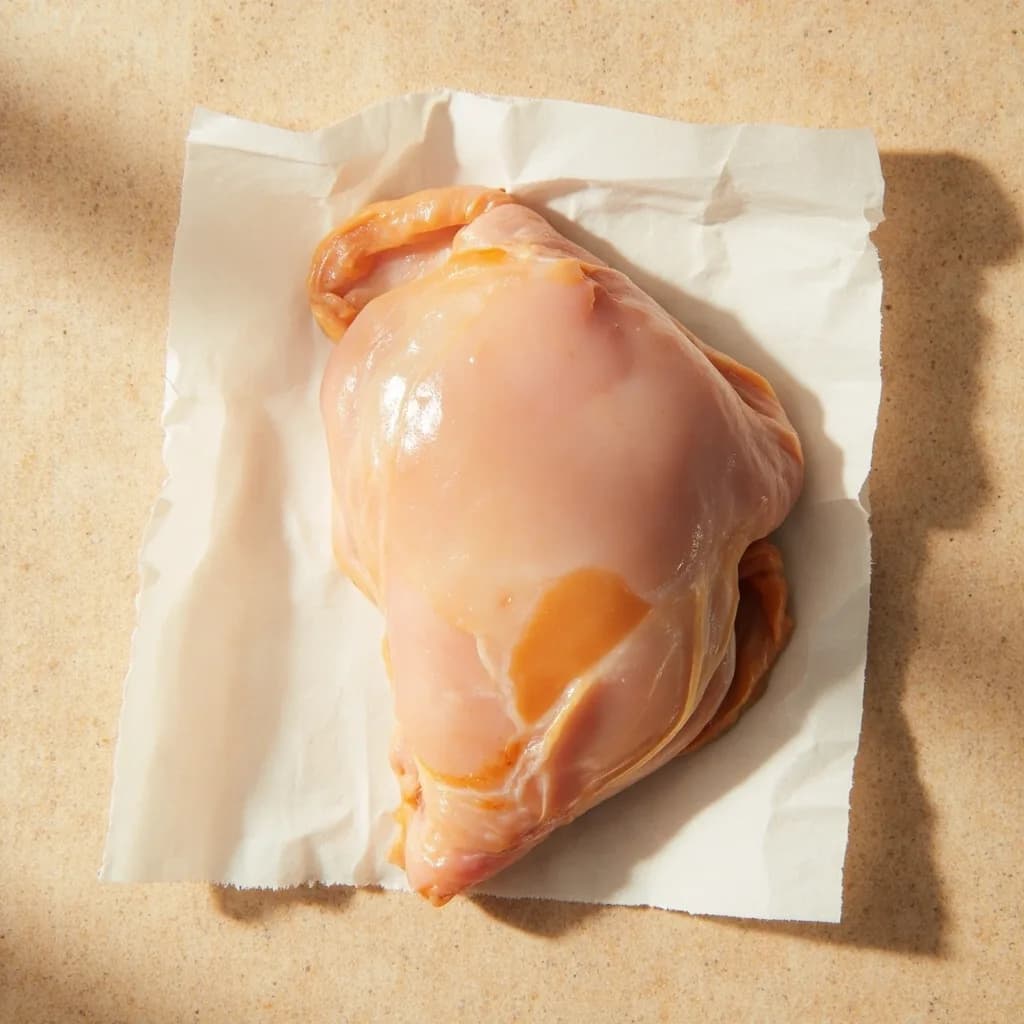
Chicken Breast
Lean, quick-cooking white meat for everyday dinners

Ground Beef
Versatile minced beef for burgers, ragù, tacos, and meatballs
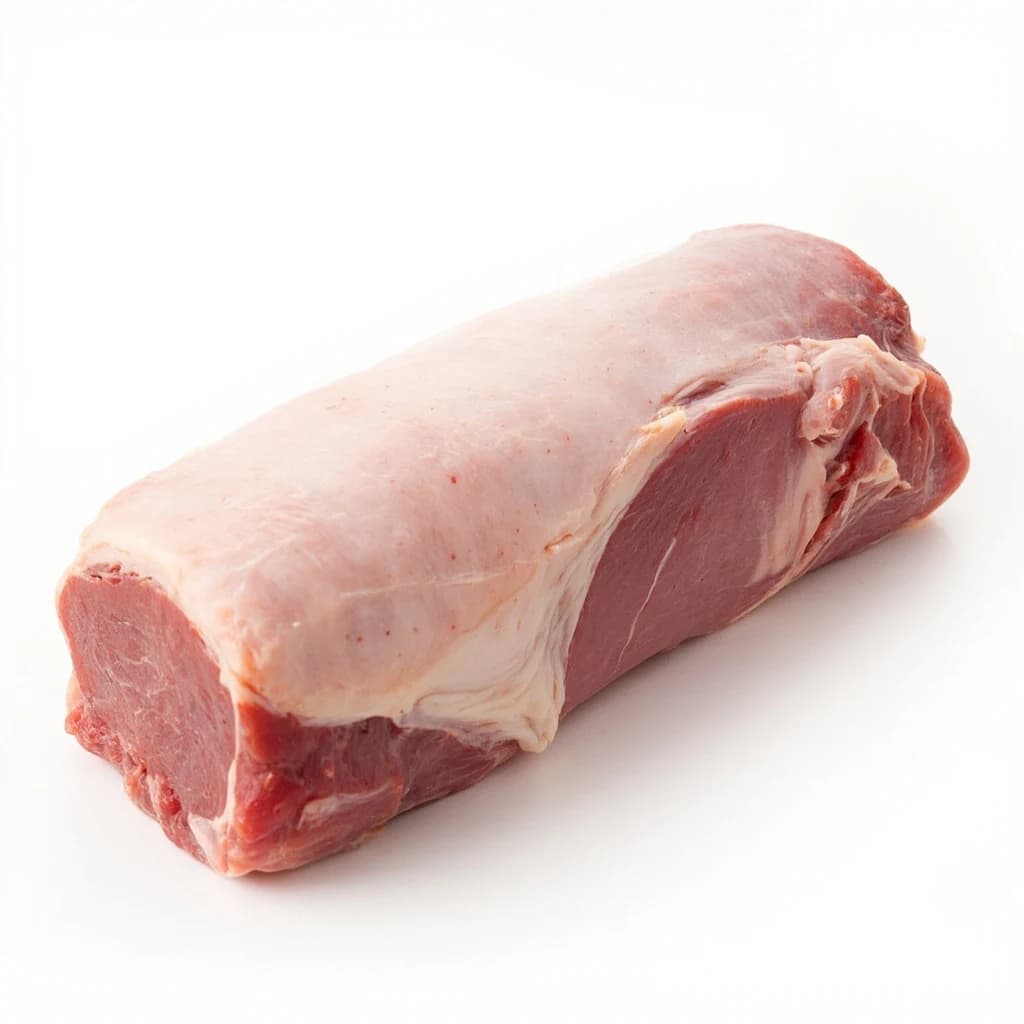
Pork Loin
Lean, tender roasting cut that stays juicy with care
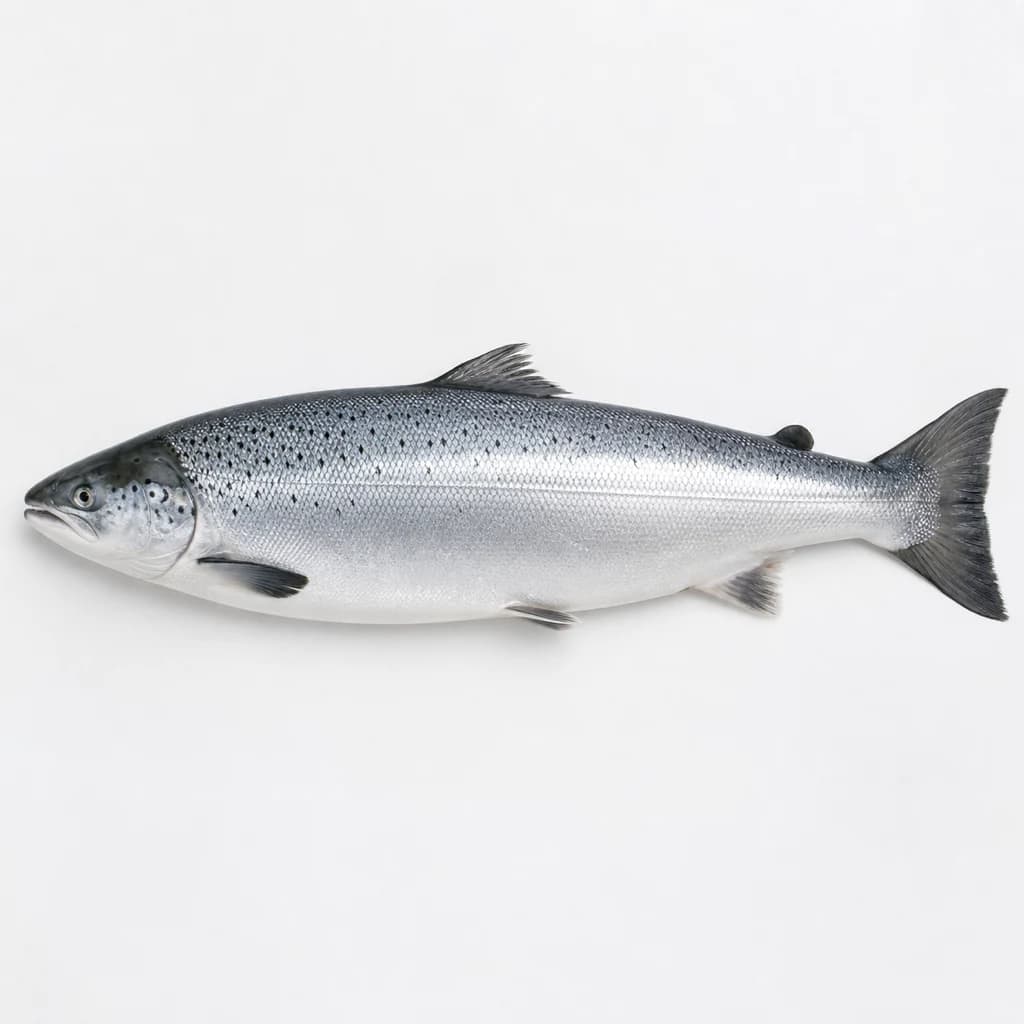
Salmon
Rich, rosy fish that roasts, grills, or cures beautifully

Egg White
Pure protein that whips to airy peaks for meringue and more
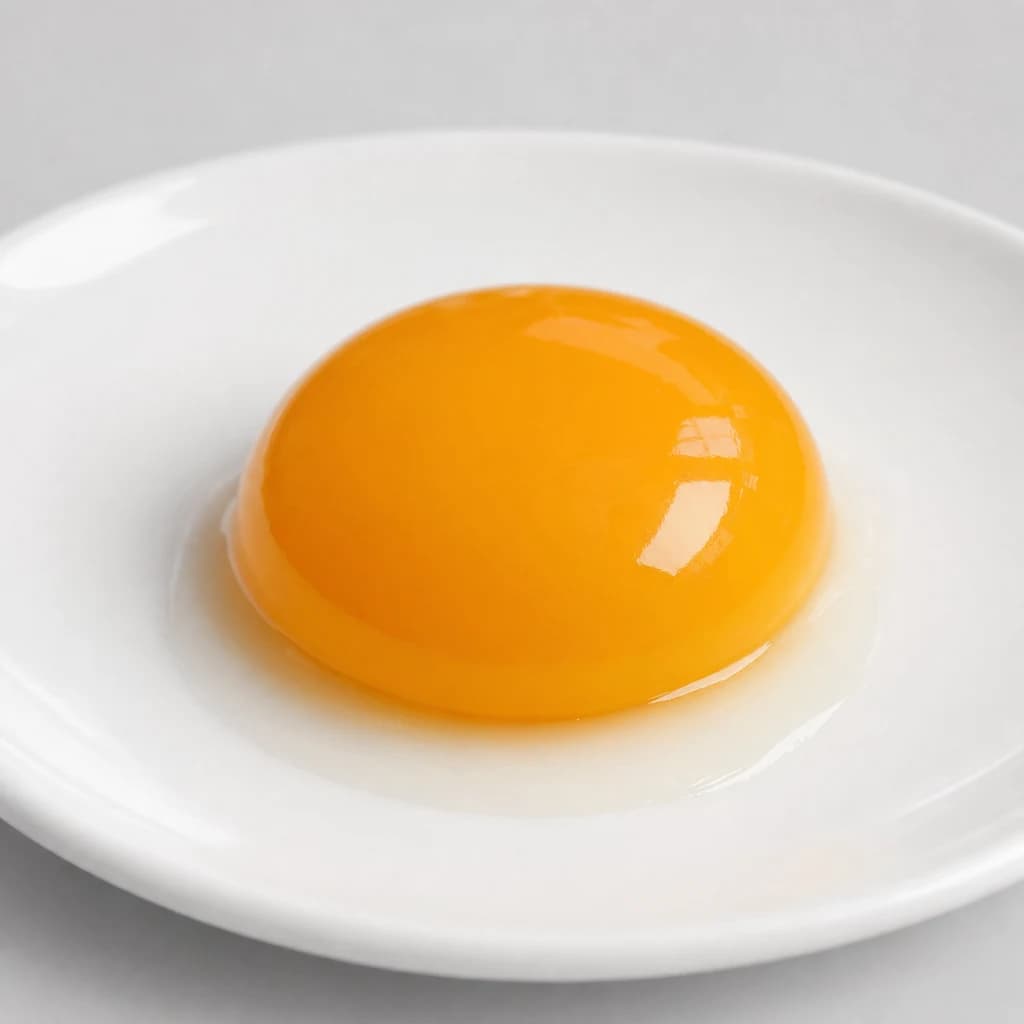
Egg Yolk
Rich, golden yolk for custards, mayonnaise, and pasta

Quail Egg
Tiny, speckled eggs for garnishing and elegant bites