Proteins
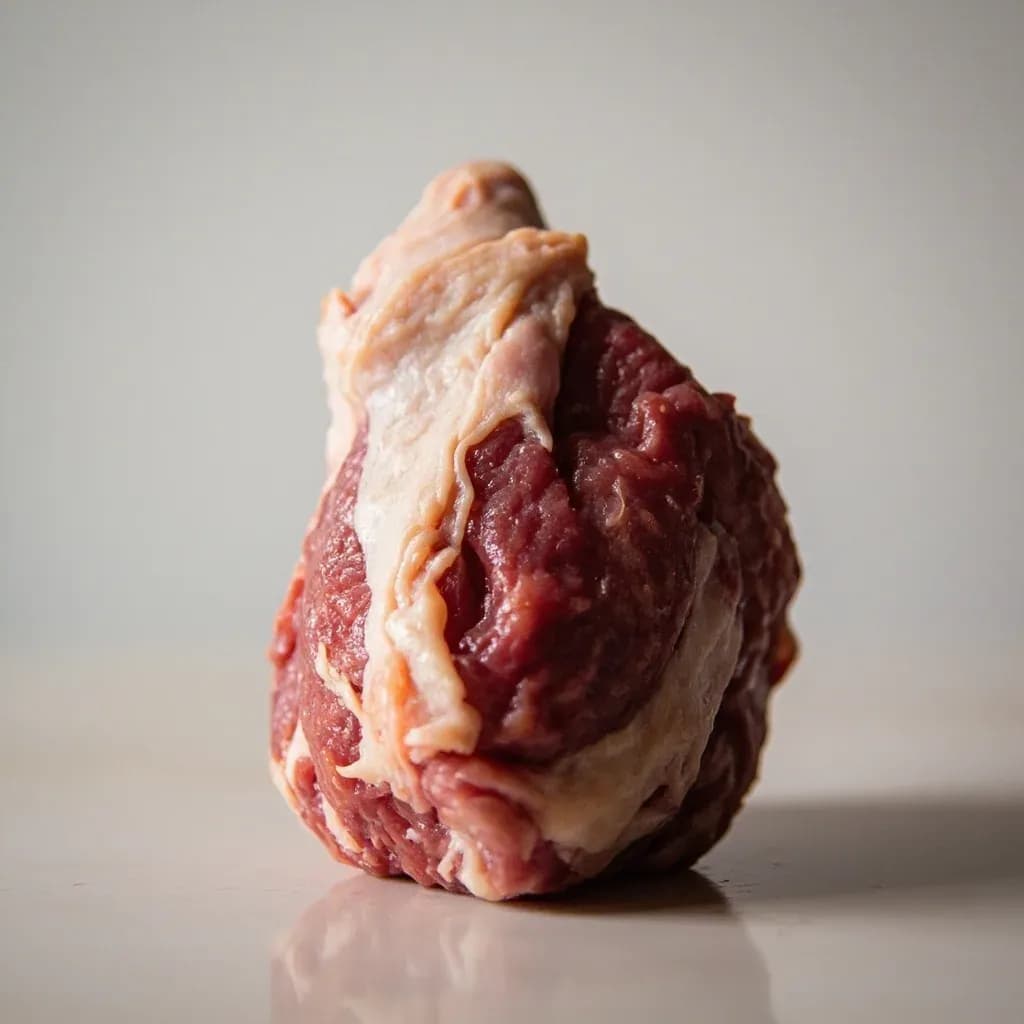
Lamb Shoulder
Well-marbled, flavorful lamb cut ideal for slow roasting and braising.
Lamb shoulder is a fatty, well-marbled cut from the front of the animal with rich flavor and plenty of connective tissue. It rewards low and slow cooking, becoming meltingly tender when roasted, braised, or pulled, and is also diced for curries and stews. More forgiving and flavorful than leg, it stays moist over long cooking.
Lamb shoulder is the front-quarter primal taken from above the foreleg, comprising the blade (scapula) and arm (humerus) sections. As a hard-working muscle, it is laced with intramuscular fat and connective tissue — qualities that make it unsuitable for fast, dry-heat cooking but ideal for the long, moist methods that break collagen down into gelatin. That transformation is the entire point of the cut: given enough time and gentle heat, shoulder becomes the silkiest, most shreddable meat on the animal, and carries a richer, gamier flavor than leg or rack. A bone-in shoulder weighing 4 to 6 lb will feed four to six generously, with leftovers that reheat well in their own juices. Boneless, rolled versions trade a little of that body for easier slicing and stuffing, while thin chops cut across the blade can be pan-seared like small steaks.
The defining rule is patience: an oven around 300–325°F and an internal temperature well past 190°F are non-negotiable for tender results.
- Measured in
- g
- Storage
- Fridge
Types & varieties
The primal section sold intact with the blade bone in; richest flavor and best for slow roasting or braising.
Shoulder butterflied, rolled, and tied; easier to slice and stuff, but slightly less succulent than bone-in.
Cut across the blade with a small disc of bone; often broiled or pan-seared like a small steak.
Cut from the lower shoulder near the leg; leaner than blade chop with a round cross-section bone.
Butcher's larger section including the first four ribs; common in British and Australian butchery.
The lower neck/upper shoulder; traditional in Irish stew and mutton broths.
Sometimes the chump is sold attached, adding the sirloin-like rump muscle to the roast.
Bone-in versus boneless
The bone-in shoulder is the default for slow roasts and braises, and for good reason. The marrow and connective tissue that leach out of the blade bone give the braising liquid genuine body, and the bone acts as a natural rack, holding the meat above the pan so it braises rather than stews. Boneless, rolled shoulder is more convenient for stuffing (spinach, herbs, dried fruit) and for carving into neat rounds, but it cooks slightly faster and produces a thinner sauce unless you compensate with extra stock or reduction. When a recipe calls for shoulder without specifying, assume bone-in.
- Choose bone-in for whole-roast presentations, stews, tagines, and any dish where the braising liquid becomes the sauce.
- Choose boneless, rolled shoulder when you want to stuff, slice, or carve into portioned rounds.
- If substituting boneless for bone-in, reduce the cooking liquid by roughly one-third to avoid a watery result.
- Chops cut from the shoulder behave like steaks and should be cooked to medium-rare, not to the long-braise temperatures used for whole shoulders.
Why low and slow is non-negotiable
Lamb shoulder is loaded with connective tissue. That collagen will not soften in the time it takes to sear a steak; it needs sustained heat in the 180–200°F range for several hours to hydrolyze into gelatin. The same is true of the intramuscular fat, which renders slowly and self-bastes the meat as it cooks. Pull the shoulder at 160°F, as you would a leg, and you will be eating shoe leather. Push past 195°F and the collagen has had time to melt, the muscle fibers relax, and the meat shreds with a fork. This is also why shoulder rewards the oven over the pressure cooker for flavor: dry heat at 300°F concentrates the juices and browns the surface, while pressure cooking produces tender but flatter-tasting meat.
- Collagen converts to gelatin only after sustained heat past 180°F (82°C) — typically 2–3 hours minimum.
- Fat renders gradually, keeping the meat self-basting as long as the cap is left intact.
- An uncovered finish in the last 30–45 minutes encourages browning on a braised shoulder that has been tented earlier.
- Rest the meat 20–30 minutes before pulling so the released juices reabsorb into the muscle.
Common uses
Tips & pitfalls
- Sear the shoulder hard on all sides before braising to build a Maillard crust; the fond flavors the cooking liquid.
- Score a crosshatch through the fat cap (without cutting into the meat) so seasoning and rendered fat penetrate.
- Keep the bone in when possible — marrow and collagen from the bone add real body to the braising liquid.
- Salt 12–24 hours ahead as a dry brine for better seasoning penetration and a crisper exterior.
- Common mistake: pulling the shoulder at 160°F. It will still be tough; push past 195°F for true shreddability.
- Save the braising liquid — strain, degrease, and reduce it into a sauce; the gelatin is free body.
- Common mistake: leaving the shoulder uncovered the entire time. Tent with foil early to prevent drying, then uncover to brown at the end.
- Season the braising liquid generously — a 4–6 lb shoulder needs more salt than you think.
Nutrition
Energy
644 kJ · per 100 g
Where the calories come from
Protein
19.7g
39% DV
Carbs
0g
0% DV
Fat
8.3g
11% DV
Fiber
0g
0% DV
Sugars
0g
of which
Sodium
73mg
3% DV
Source · USDA FoodData Central · approx. Lamb, New Zealand, imported, square-cut shoulder, separable lean only, raw
View on FDC →In the shops
Matched grocery products
No matched grocery products for Lamb Shoulder yet.
Good to know
- Source
- Front shoulder (forelimb) of a young sheep, above the foreleg.
- Primal cut
- Shoulder primal, comprising the scapula (blade) and humerus (arm) sections.
- Typical weight
- Bone-in whole shoulder 4–6 lb (1.8–2.7 kg); boneless rolled roast 2–4 lb (0.9–1.8 kg).
- Fat content
- Moderate to high; thick surface fat cap with intramuscular marbling and connective tissue.
- Flavor profile
- Rich, savory, distinctly 'lamb-y' with a pronounced gamy note; stronger than leg or rack.
- Best cooking methods
- Braising, low-and-slow roasting, stewing, smoking, confit, sous vide.
- Internal doneness
- 190–205°F (88–96°C) for connective-tender meat; pull-apart at ~203°F (95°C).
- Oven temperature
- 300–325°F (150–160°C) for whole-shoulder braise or roast.
- Cook time (whole shoulder)
- Roughly 3–4 hours at 325°F; up to 6–8 hours at 275°F.
Substitutes
- Lamb shank — Closest match in flavor and fat; a trimmer cut, so adjust cooking liquid and time slightly.
- Goat shoulder — Almost identical texture and gaminess; works in any braise or curry calling for lamb shoulder.
- Beef chuck roast — Similar collagen-rich structure and forgiving nature; slightly milder, beefier flavor.
- Pork shoulder (Boston butt) — Equal fat and connective tissue; substitute in pulled-meat and braise applications, not in strongly lamb-flavored dishes.
- Lamb leg (boneless) — Leaner and less forgiving; works only if cooked gently and sliced against the grain, not pulled.
- Mutton shoulder — Older-sheep shoulder; stronger flavor that needs even longer braising.
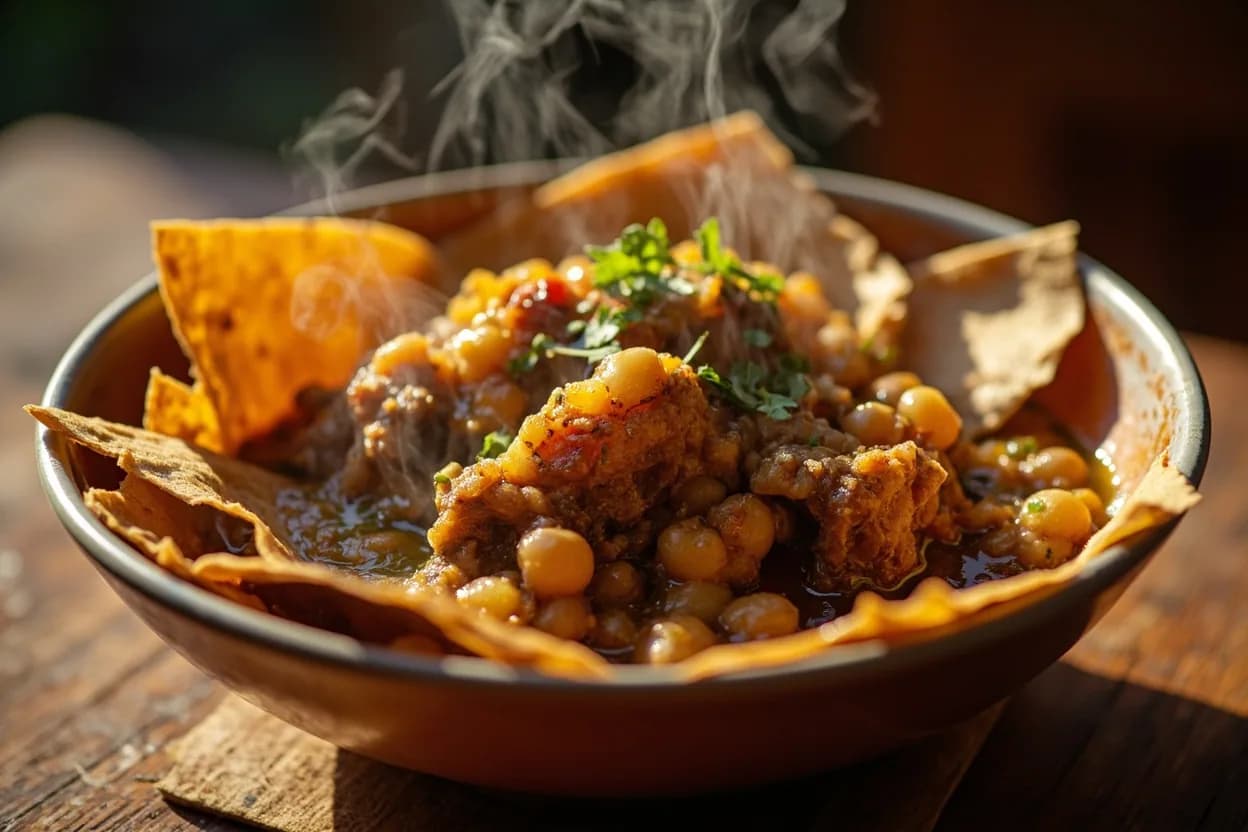
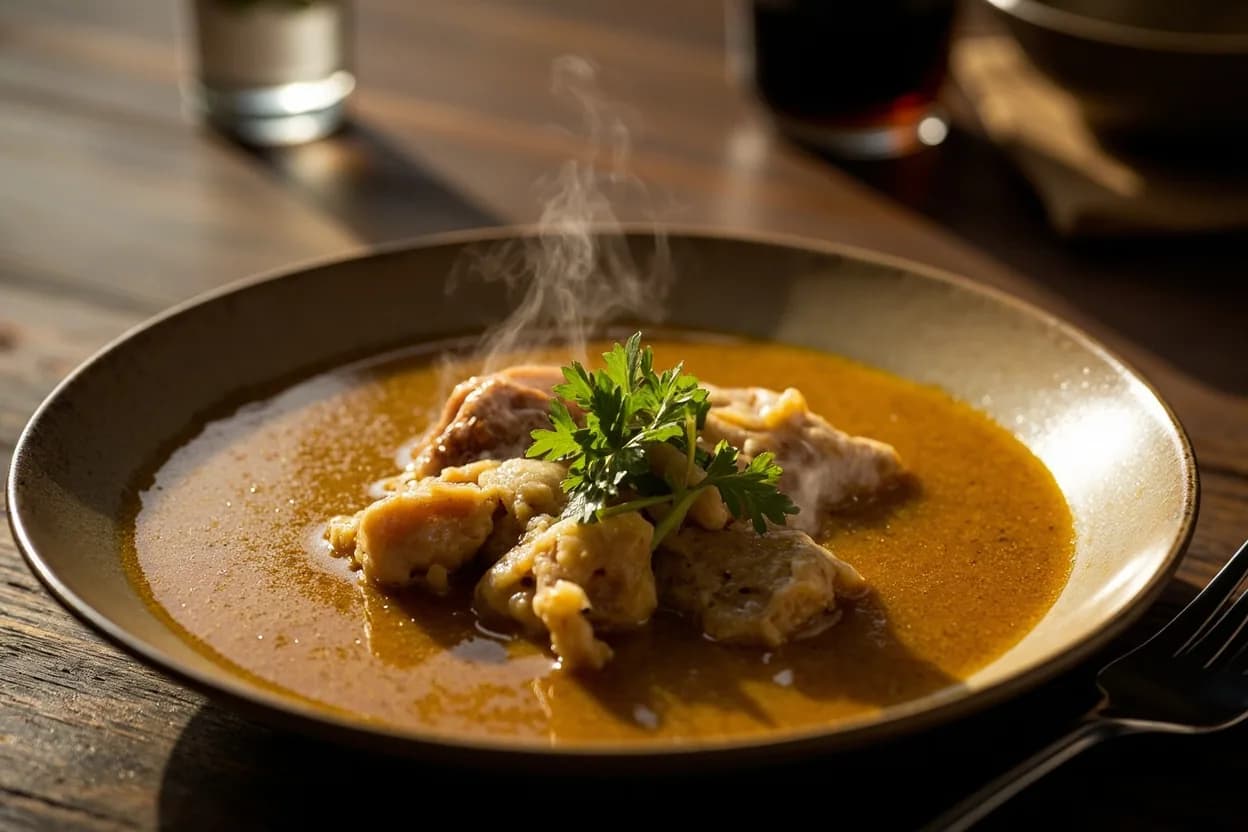
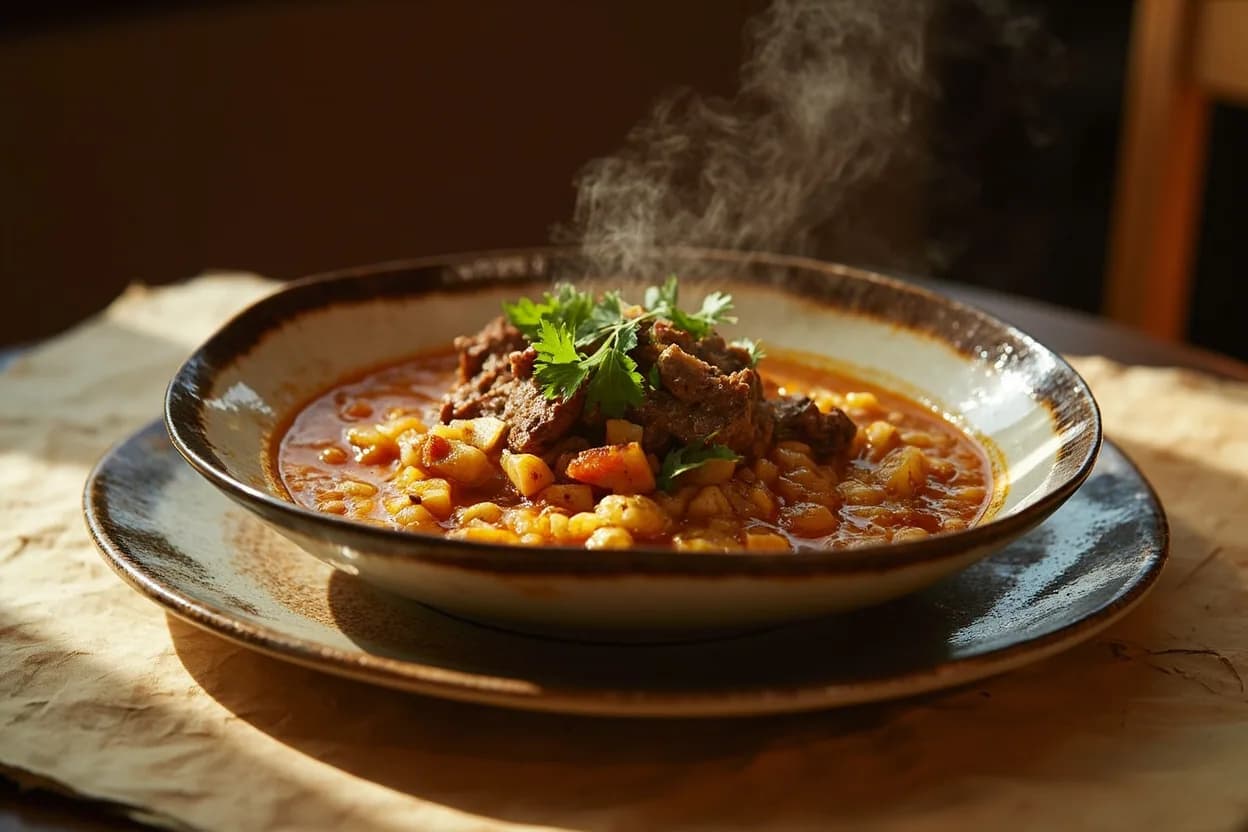
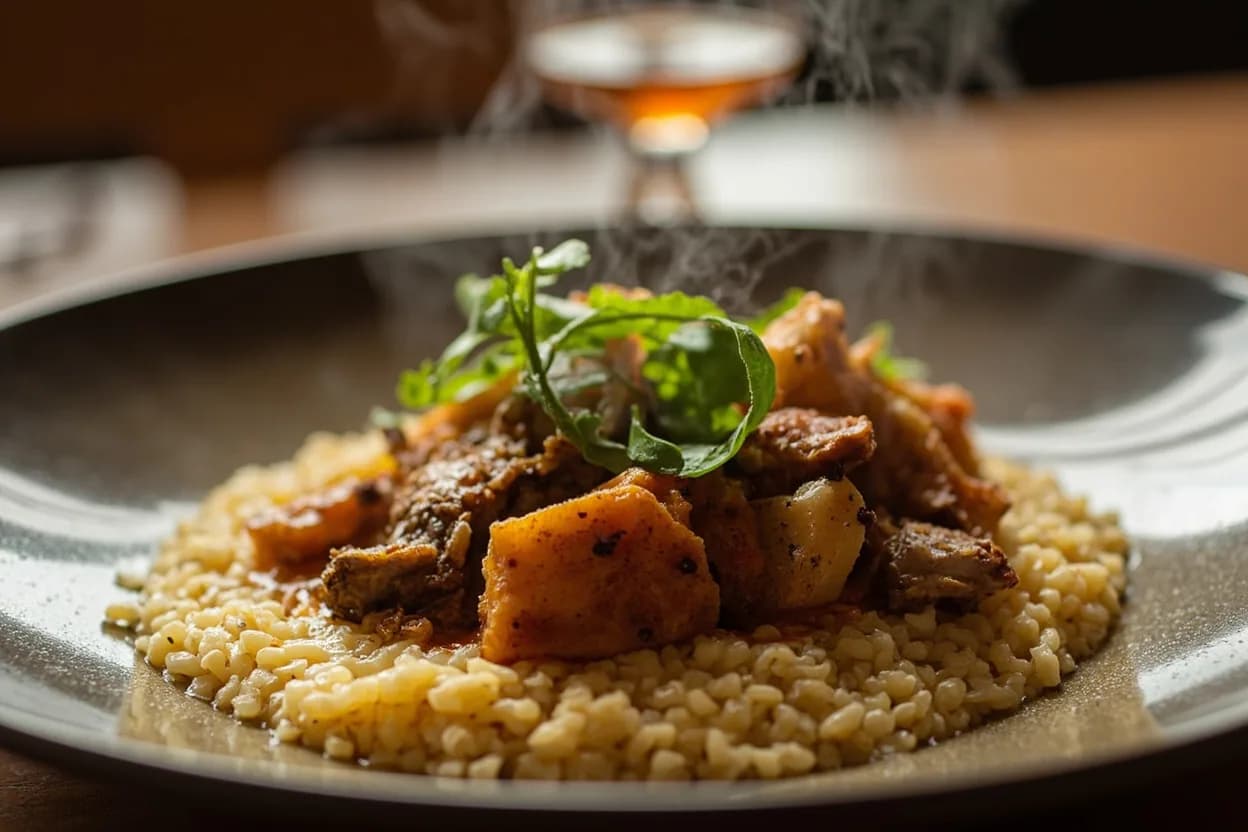
Appears in these dishes
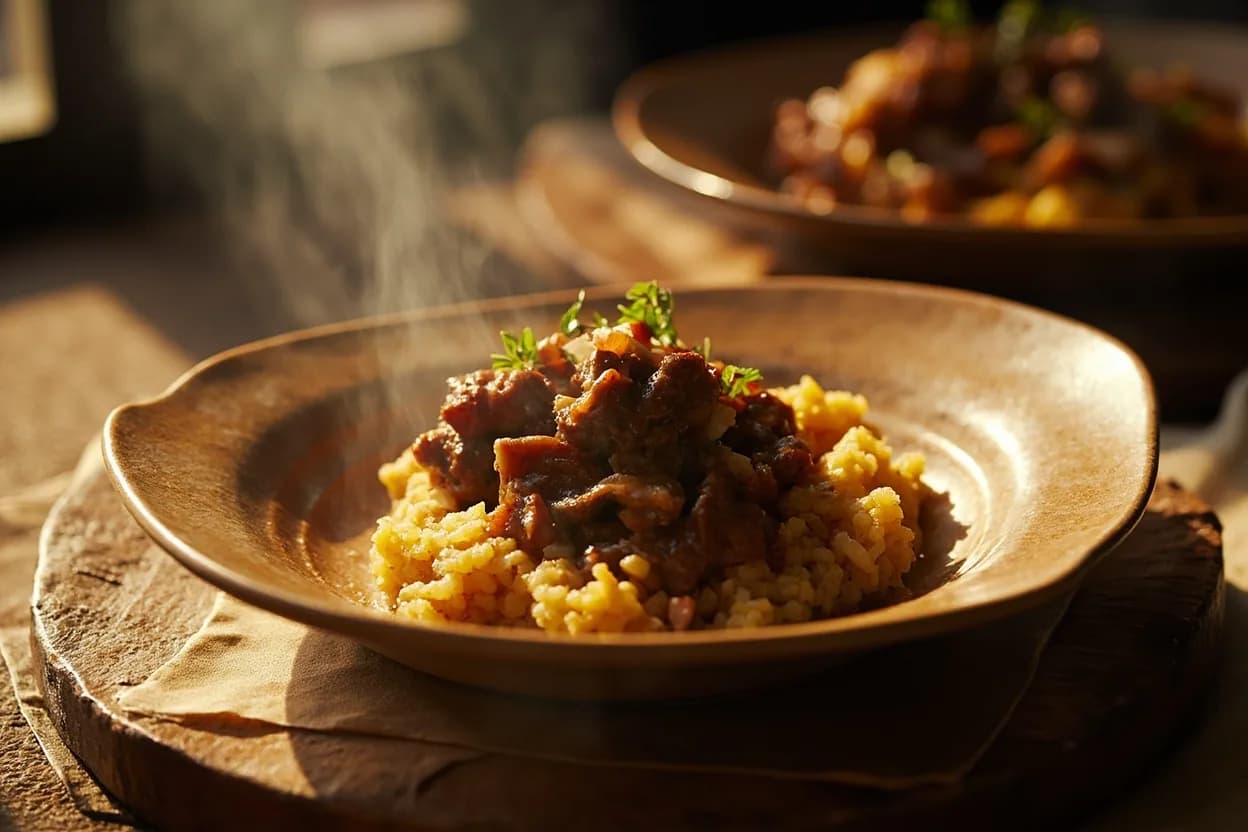
Related
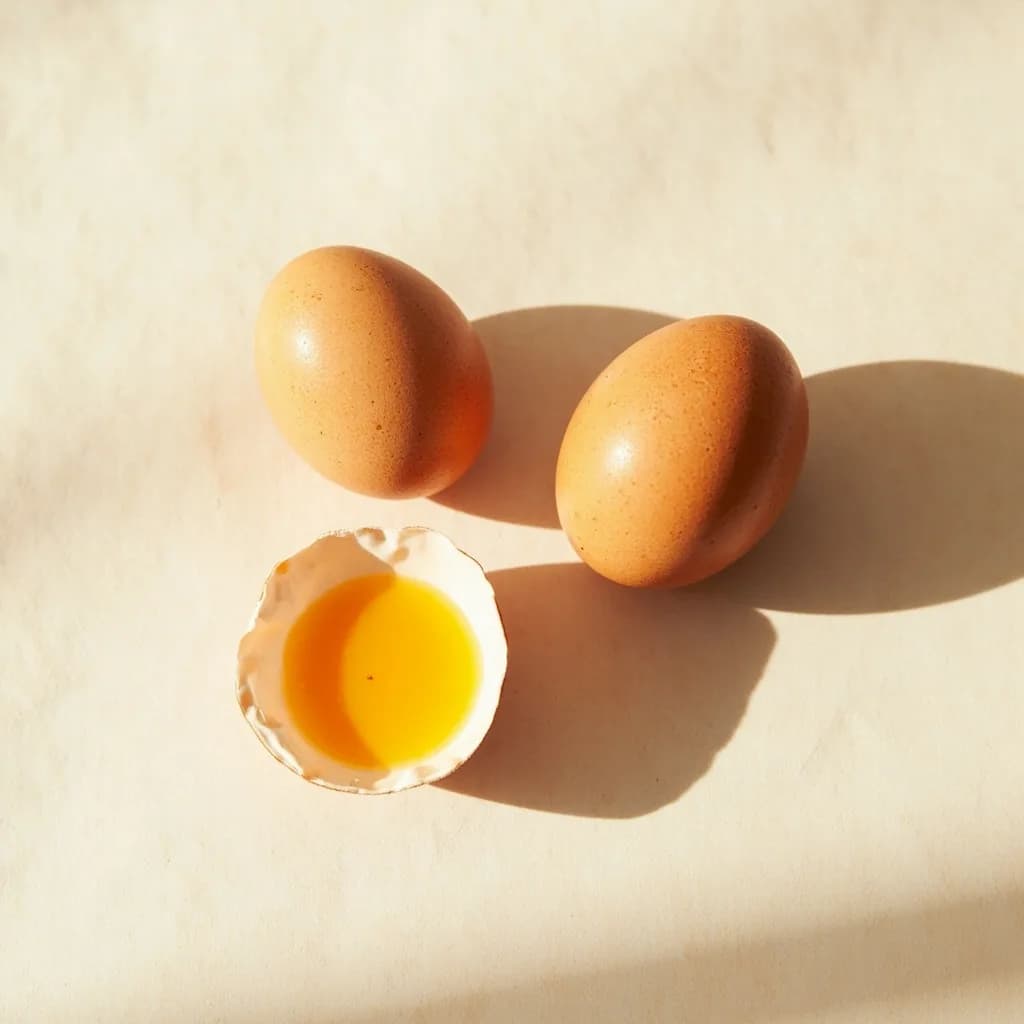
Egg
The kitchen's everything ingredient — bind, leaven, enrich, or fry
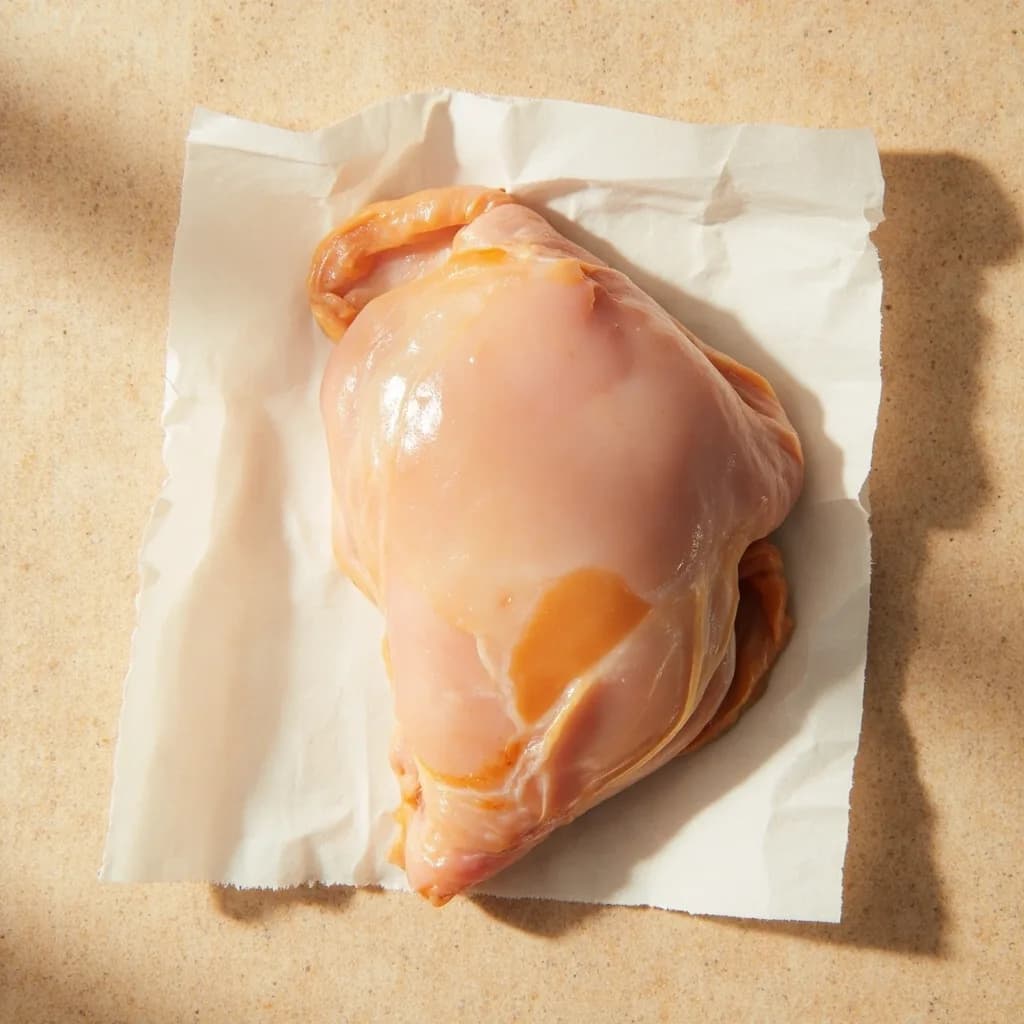
Chicken Breast
Lean, quick-cooking white meat for everyday dinners

Ground Beef
Versatile minced beef for burgers, ragù, tacos, and meatballs
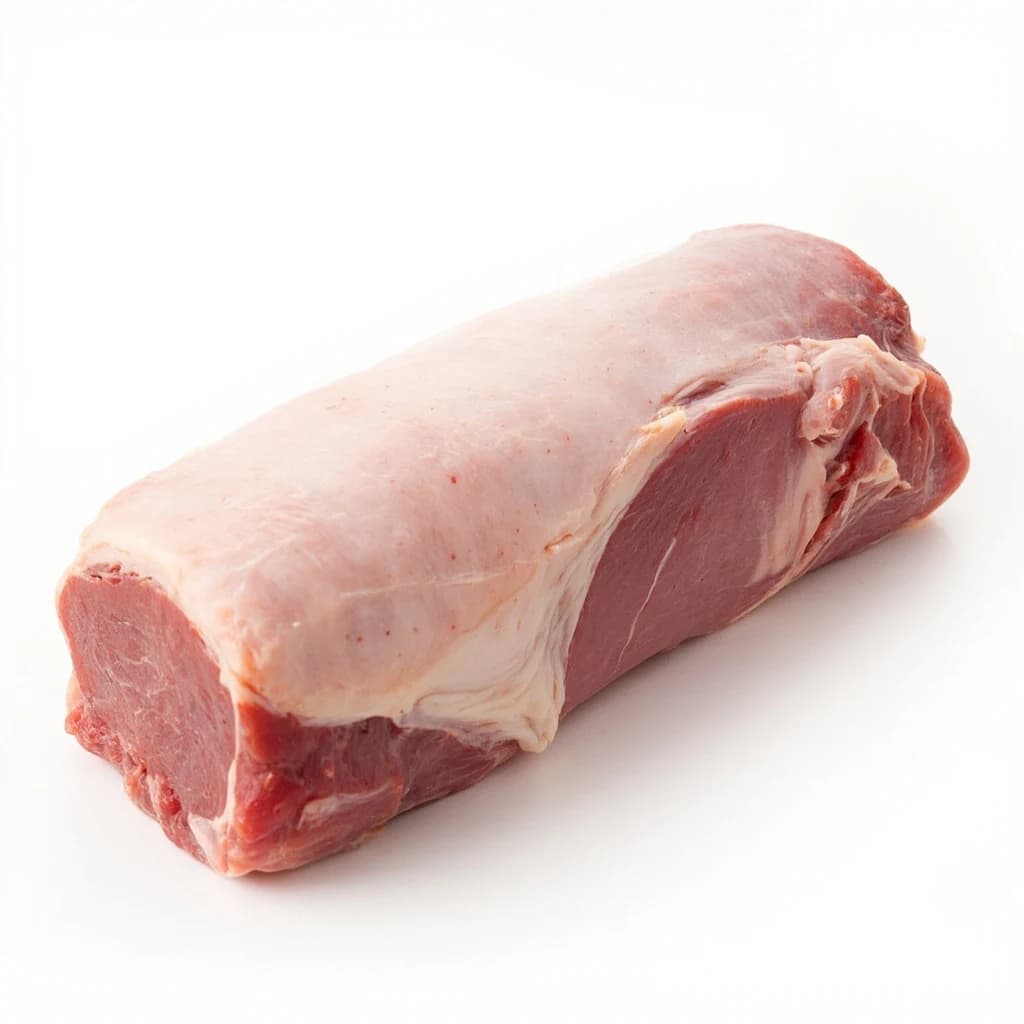
Pork Loin
Lean, tender roasting cut that stays juicy with care
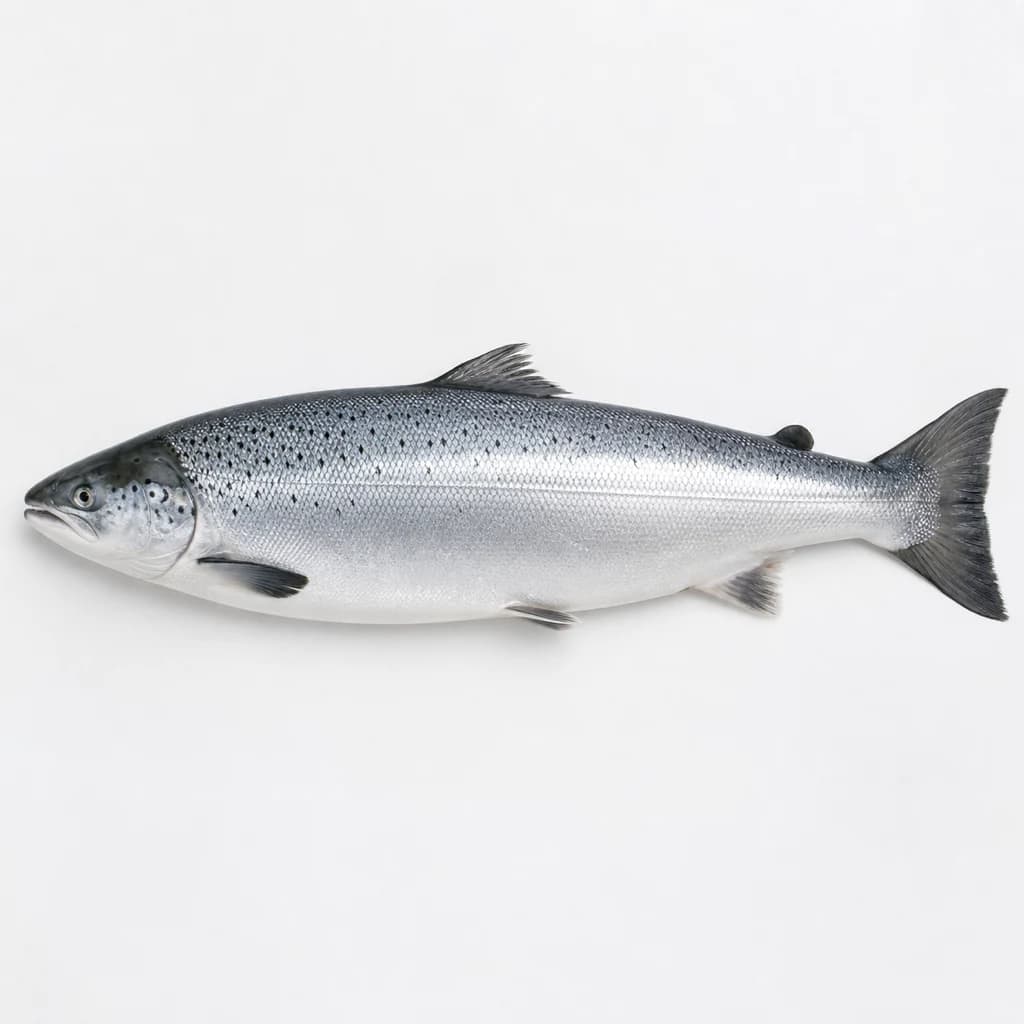
Salmon
Rich, rosy fish that roasts, grills, or cures beautifully

Egg White
Pure protein that whips to airy peaks for meringue and more
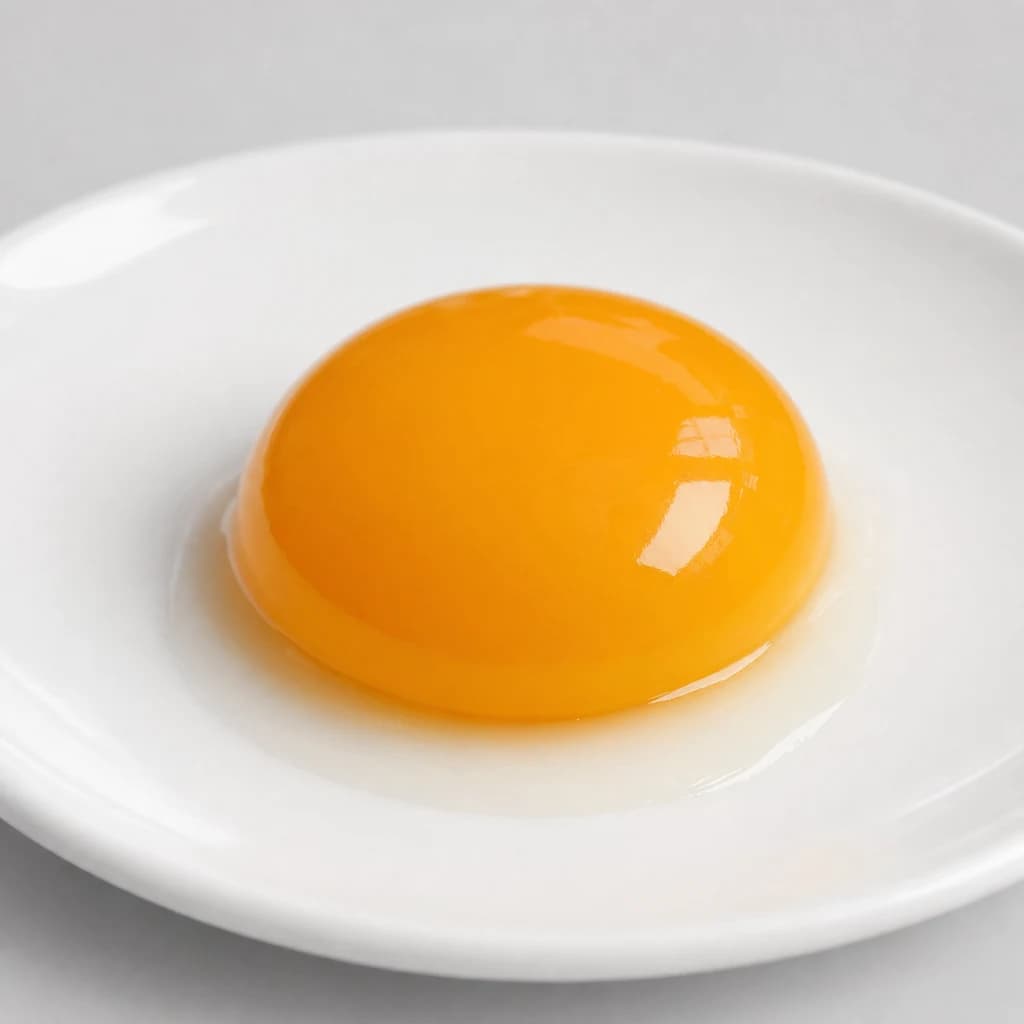
Egg Yolk
Rich, golden yolk for custards, mayonnaise, and pasta

Quail Egg
Tiny, speckled eggs for garnishing and elegant bites