Proteins
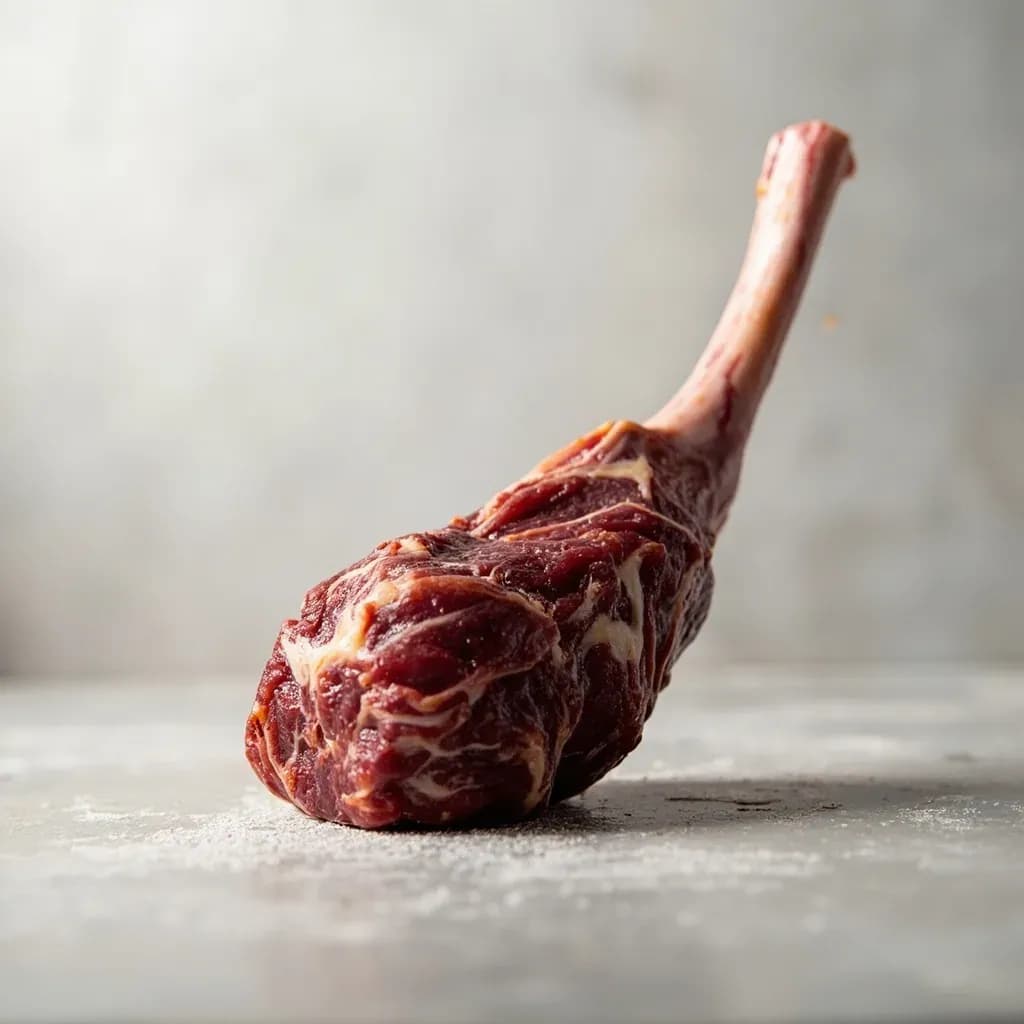
Lamb Shank
Bone-in lower leg of lamb, slow-braised until fall-off-the-bone tender.
Lamb shank is the lower portion of the leg, a tough, sinewy cut full of connective tissue and marrow. Slow braising or roasting breaks it down into rich, succulent, fall-off-the-bone meat, classic in Mediterranean and Middle Eastern stews. The bone and gelatin give braising liquids deep body and flavor.
The lamb shank is the cross-cut lower leg of the animal — the muscular section between the knee and the ankle, taken from either the front (foreleg) or rear (hind) leg. A whole hind shank runs roughly 8 to 14 ounces around a single bone, surrounded by lean, sinewy meat wrapped in silver skin. It is one of the hardest-working muscles on the animal, which is exactly why it is so tough when raw — and so deeply rewarding when given time and moisture.
In raw form the shank is a puzzle of dense muscle, fascia, and connective tissue that no quick application of heat can resolve. Given two to three hours in a covered braise at 300 to 325°F, however, that collagen dissolves into gelatin, the meat pulls cleanly from the bone, and the bone's marrow softens into the sauce. The internal temperature at the point of doneness — 195 to 205°F — is well past what any steak cook would tolerate, because the goal here is not protein firmness but tenderness. A lamb shank that has been braised correctly is one of the silkiest, most savory bites in the entire animal.
Around the world the shank anchors some of the most beloved long-cooked dishes in the cuisine: French navarin, Greek kleftiko, Italian stinco, Irish stew, Moroccan tagine, and Persian khoresh. It is also a modest cut, historically humble and still reasonably priced compared to rack or loin. Because the finished dish improves overnight in the refrigerator — the gelatin sets, the flavors meld, and the fat rises for easy skimming — the lamb shank is one of the best candidates in a home cook's repertoire for advance planning.
- Measured in
- piece
- Storage
- Fridge
Types & varieties
Larger and meatier cut from the back leg; the most widely available and the one most often braised whole for restaurant-style presentations.
Smaller, leaner cut from the front leg; cooks faster and is a workhorse for curries, stews, and stocks.
Shank with the bone scraped clean and exposed at one end; a presentation treatment, not a flavor change.
Cut into thick rounds through the bone with marrow visible; classic for Mediterranean braises served with a bright garnish.
Why This Cut Demands Braising
A lamb shank cannot be rushed, and understanding why turns it from a chore into a pleasure. The mechanics are simple and worth knowing cold:
- Collagen — the white, rubbery tissue that makes the shank so tough raw — only converts to gelatin at sustained temperatures above roughly 160°F (71°C), and the conversion takes time. A 20-minute braise leaves you with gristle; a two-hour braise gives you silk.
- The bone is not garnish. Marrow softens, melts, and enriches the braising liquid; minerals and a subtle body also leach out. This is why a shank braise is deeper and more savory than the same dish made with boneless shoulder.
- Liquid level matters. A bath that fully submerges the shanks poaches them and dilutes flavor; a liquid that comes only halfway up allows the exposed tops to caramelize and concentrate. Aim for halfway, then baste once or twice during cooking.
- Resting in the cooking liquid is non-negotiable. Gelatin needs time to set around the meat fibers; slicing too early lets all that body run out onto the board instead of staying in the dish.
Common uses
Tips & pitfalls
- Sear the shanks hard on all sides before braising — deep browning is where most of the dish's flavor comes from, and skipping it is the single most common mistake.
- Pat the shanks dry and salt them at least 40 minutes (ideally overnight, uncovered in the fridge) before browning; a dry, seasoned surface develops a far better crust than one seared straight from the package.
- Avoid overcrowding the pan when browning — sear in batches. Crowded meat steams, stays pale, and you lose the fond that drives the final sauce.
- Cook low and slow: 300–325°F (150–165°C) is plenty. Higher heat toughens the proteins, reduces the liquid too fast, and risks a dry, over-concentrated sauce.
- Use just enough liquid to come halfway up the shanks; the exposed portion browns and concentrates while the submerged portion stays moist and tender.
- Don't pull them early. The meat should yield to a spoon and pull cleanly from the bone with no resistance. If it resists, give it another 20–30 minutes — undercooking is a far worse failure here than overcooking.
- Rest the shanks in their braising liquid for at least 15–20 minutes, or refrigerate overnight; the gelatin sets, the sauce clings, and the flavor rounds out.
- Skim excess fat from the braising liquid before reducing it into a finished sauce — a cold rest in the fridge makes this almost effortless.
- Reduce the strained braising liquid to a glossy, nappe consistency — it is the real reward of the dish, not the meat alone.
- Finish with a small splash of red wine vinegar or lemon juice if the sauce tastes flat; braised lamb loves a final acid hit to lift the richness.
Nutrition
Energy
510 kJ · per 100 g
Where the calories come from
Protein
22.1g
44% DV
Carbs
0g
0% DV
Fat
3.8g
5% DV
Fiber
0g
0% DV
Sugars
0g
of which
Sodium
82mg
4% DV
Source · USDA FoodData Central · Lamb, New Zealand, imported, fore-shank, separable lean only, raw
View on FDC →In the shops
Matched grocery products
 €7.00
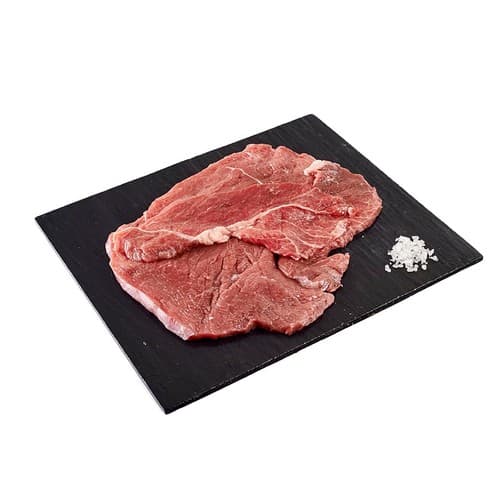
€7.00Bonpreu Beef Steak
BONPREU · ud · Bonpreu
 €3.49
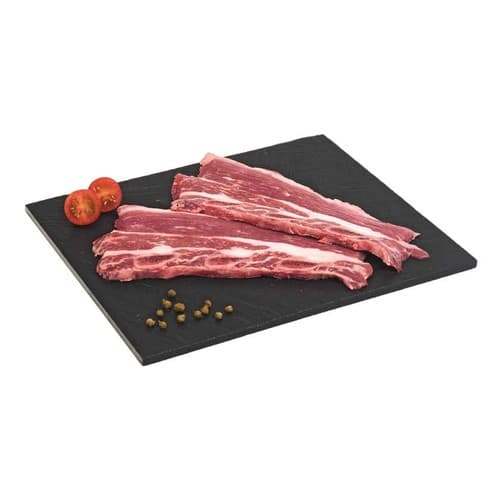
€3.49Ecological Beef Steak
BONPREU · kg · Bonpreu
 €10.01
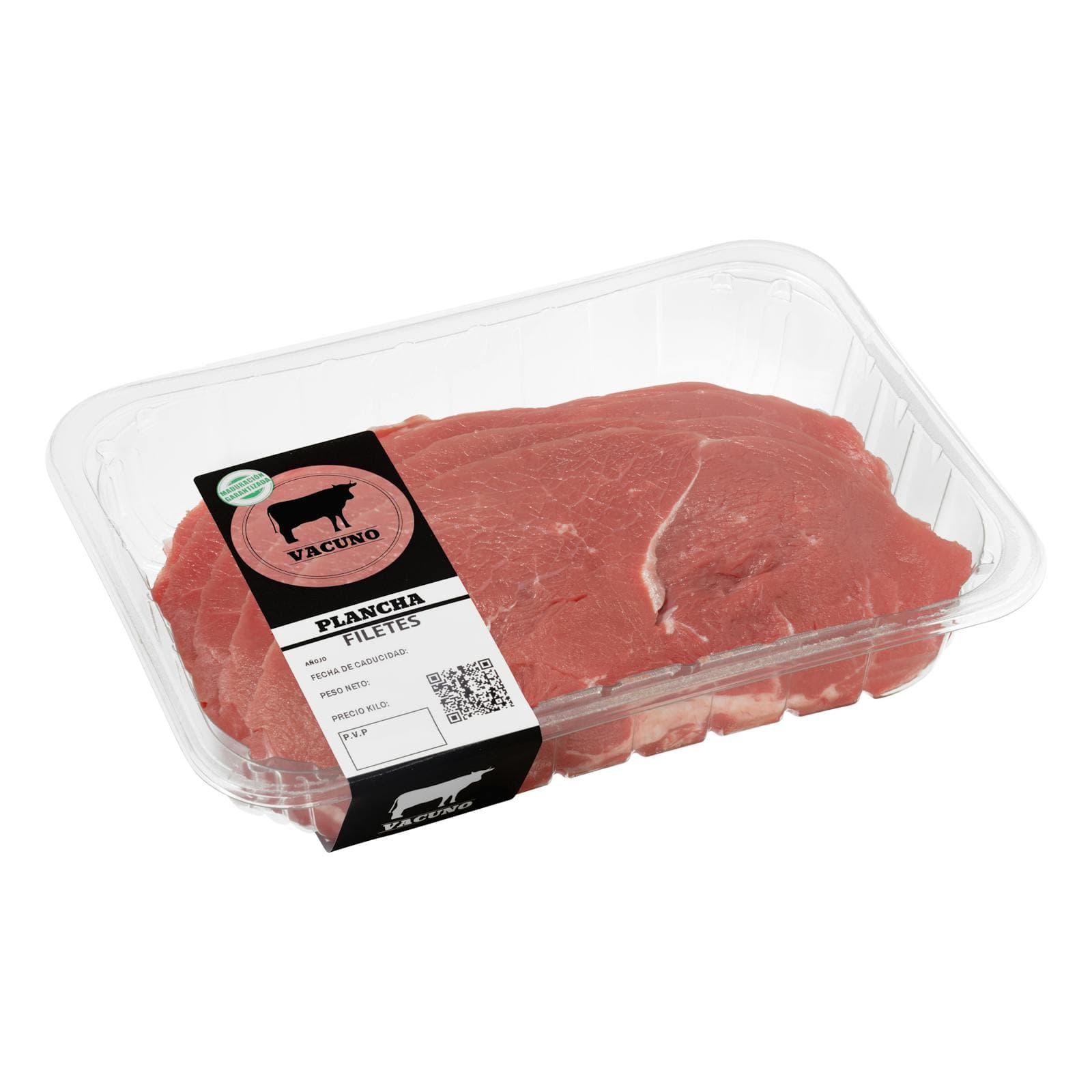
Yearling Beef Steaks for Griddle
550 g · Mercadona
Good to know
- Cut
- Cross-cut through the lower leg bone, including the surrounding muscle, silver skin, and connective tissue.
- Bone
- Bone-in, containing marrow that softens during braising and enriches the sauce.
- Per Carcass
- Four shanks total — two foreleg shanks (smaller) and two hind shanks (larger, more widely sold).
- Typical Weight
- Roughly 8–14 oz (225–400 g) per hind shank; foreleg shanks run smaller.
- Best Method
- Low, slow, moist-heat cooking — braising, stewing, or tagine — to break down collagen.
- Internal Temp (Finished)
- 195–205°F (90–96°C); well past conventional doneness, because tenderness, not protein state, is the goal.
- Cook Time
- Approximately 2–3 hours covered, depending on size and oven temperature.
- Flavor Profile
- Deeply savory with a gamier edge than loin or shoulder, enriched by marrow leaching from the bone.
- Storage (Raw)
- Refrigerate 1–2 days; freeze up to 6–9 months vacuum-sealed.
- Storage (Cooked)
- Refrigerate up to 3 days; freezes well for 2–3 months — flavor often improves overnight.
- Price Tier
- Modest — historically a humble cut, still cheaper than rack or loin though more popular than it once was.
Substitutes
- Veal Shank — Closest textural and flavor match; classic for osso buco style, though milder and more delicate.
- Beef Shank — Heartier and larger; works in long braises but needs more time and shifts the dish's character toward beef.
- Goat Shank — Good substitute in Caribbean, Indian, and Mexican braises; slightly stronger and gamier in flavor.
- Lamb Shoulder (Boneless, Tied) — Approachable swap for stews and tagines; less collagen means the sauce won't gelatinize quite as much.
- Oxtail — Similar bone-in, collagen-rich profile and excellent in stews, though distinctly beefy.
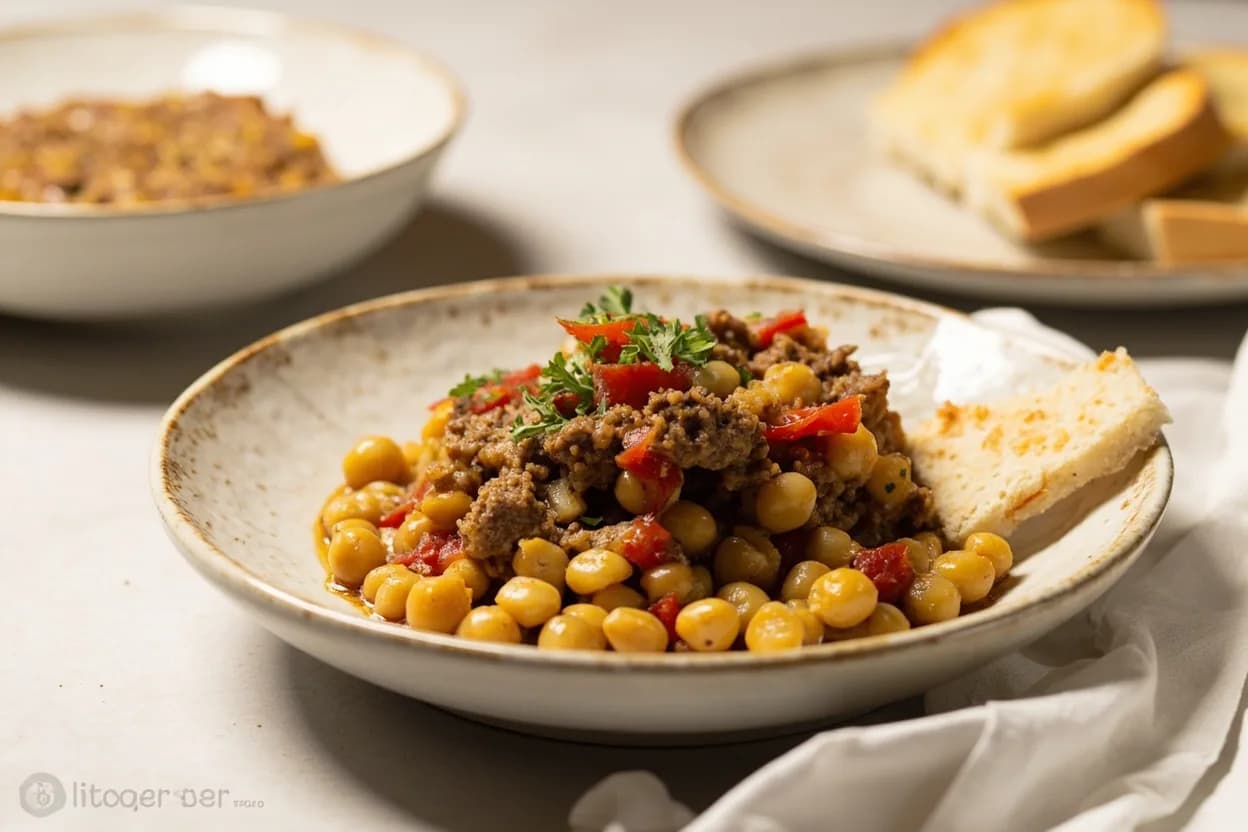
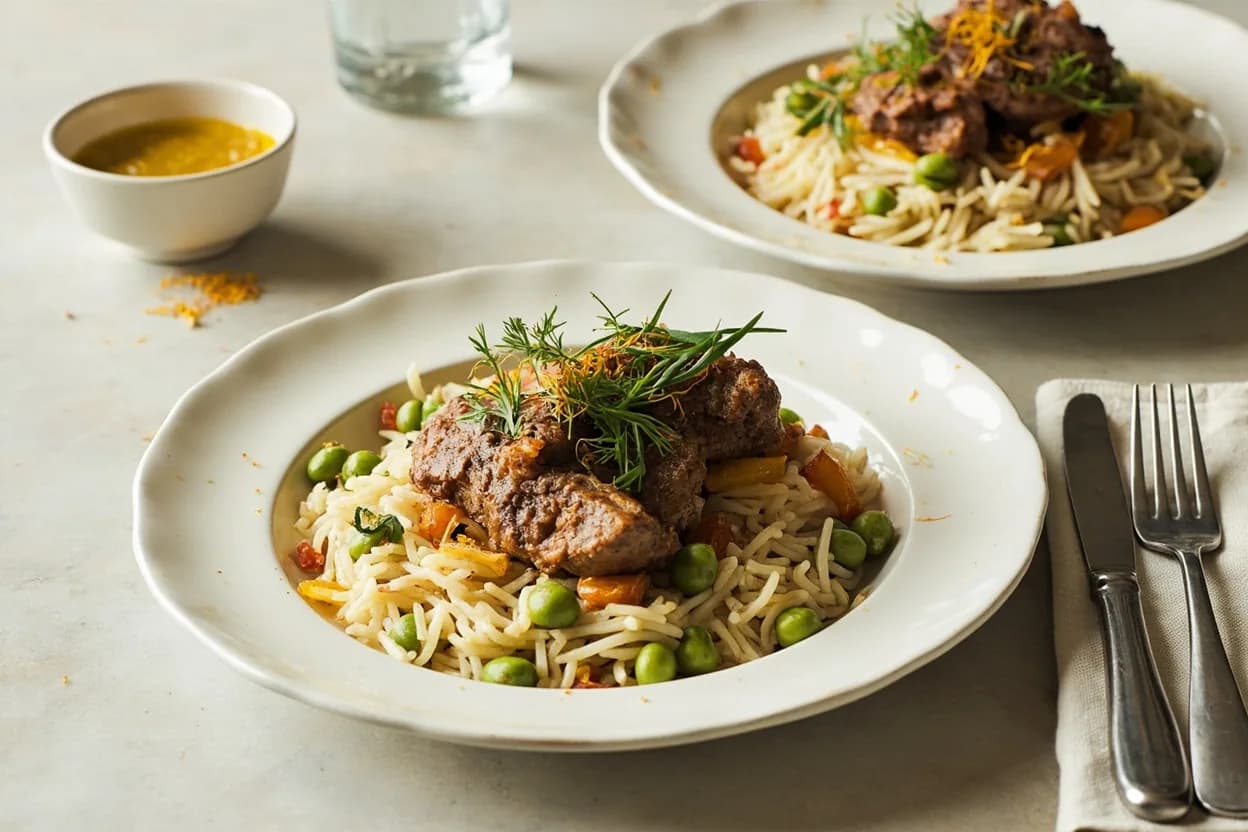
Appears in these dishes
Related
Egg
The kitchen's everything ingredient — bind, leaven, enrich, or fry
Chicken Breast
Lean, quick-cooking white meat for everyday dinners

Ground Beef
Versatile minced beef for burgers, ragù, tacos, and meatballs
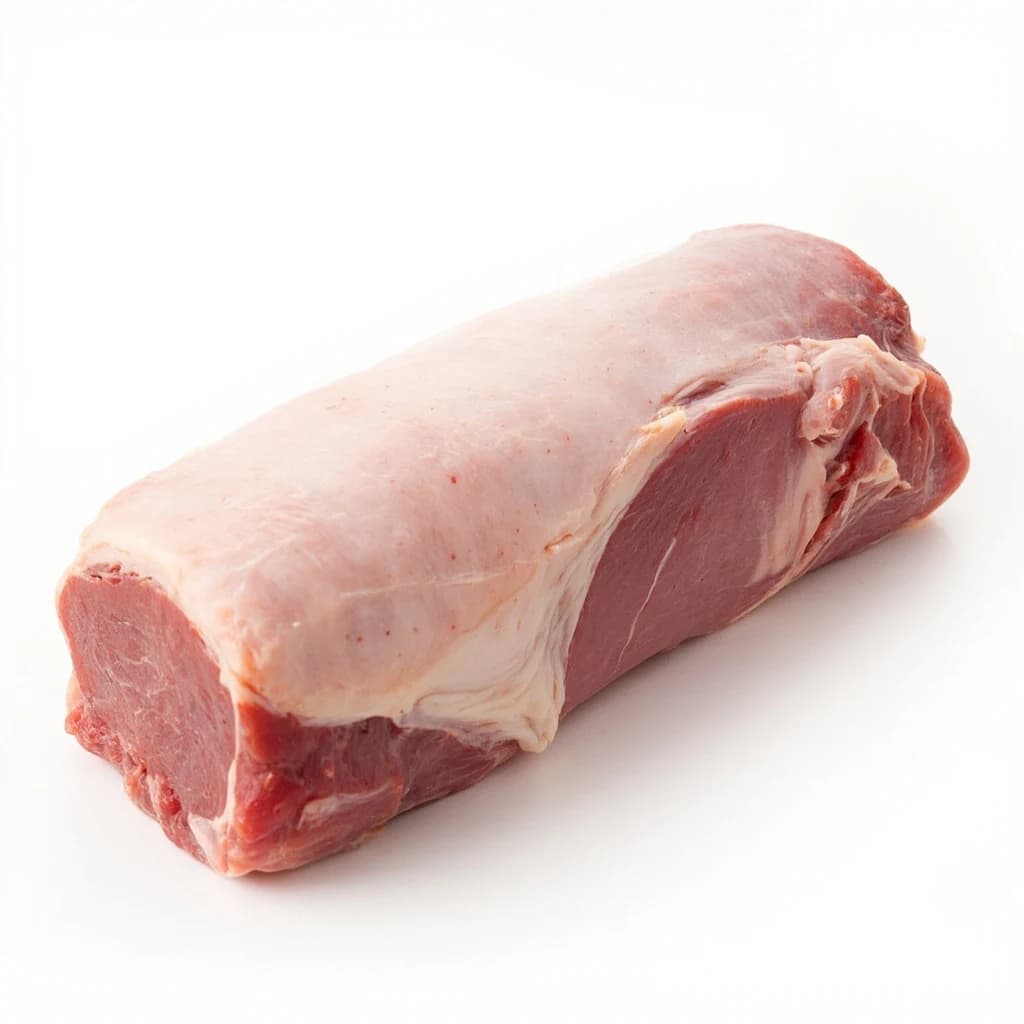
Pork Loin
Lean, tender roasting cut that stays juicy with care
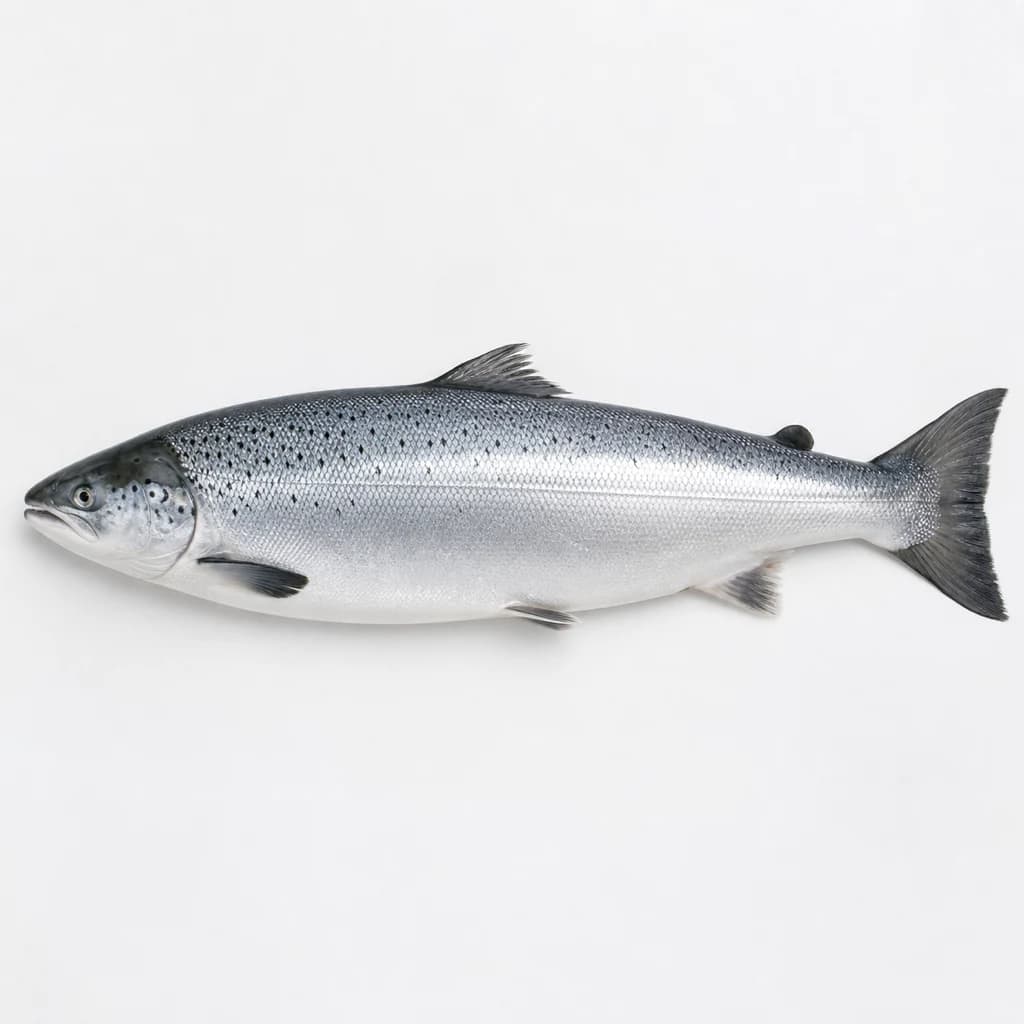
Salmon
Rich, rosy fish that roasts, grills, or cures beautifully

Egg White
Pure protein that whips to airy peaks for meringue and more
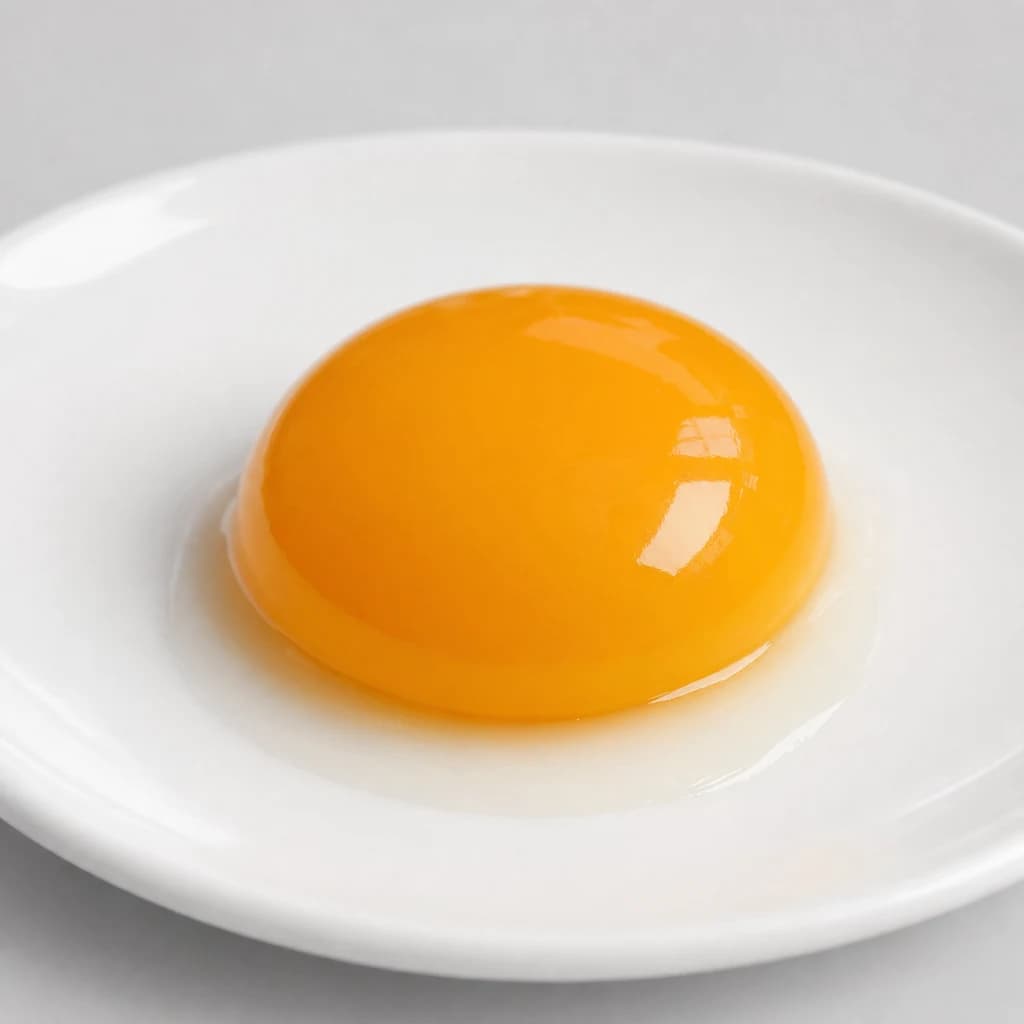
Egg Yolk
Rich, golden yolk for custards, mayonnaise, and pasta

Quail Egg
Tiny, speckled eggs for garnishing and elegant bites