
Natural form
Raw bone-in beef shank cross-cut, showing the central marrow bone and surrounding lean meat.
Shows the defining structure of the cut — thick round bone encased in lean, sinewy beef — so readers immediately recognize it raw at the butcher.
Proteins
Beef Shank
Tough, collagen-rich leg cut that braises into tender, gelatinous meat.
Beef shank is a lean, sinewy cut from the leg, full of connective tissue and often surrounding a marrow bone. Slow braising or simmering breaks down the collagen into rich gelatin, making it ideal for osso buco, soups, and stews. Its deep, beefy flavor and body make it a favorite for hearty long-cooked dishes.
Beef shank is the leg portion of a steer or heifer, cut from above the knee joint. It consists of heavily worked muscle interlaced with thick bands of connective tissue—primarily collagen—and contains a cross-section of the femur with its marrow deposit. This cut is lean, dense, and extraordinarily tough by nature, which is precisely why it rewards patient, low-heat cooking methods. Under prolonged moist heat, the collagen hydrolyzes into gelatin, which thickens sauces, creates body in soups, and imparts a silky, unctuous quality to the meat itself. The marrow contributes a mild, buttery richness that no other cut provides. Understanding this transformation is the key to unlocking the shank's potential: there is no shortcut to a properly braised shank, and attempts to quick-cook this cut will yield only disappointment. It is among the most undervalued cuts in American retail but among the most prized in European and Asian traditions, where slow-cooked preparations have long recognized its capacity to build depth and richness.
- Measured in
- g
- Storage
- Fridge
Types & varieties
Larger cross-section, more meat per piece than hind shank
Smaller diameter, slightly more tender due to less work load
Sliced perpendicular to the bone; shows characteristic ring of meat, bone, and connective tissue; ideal for braising whole
Cut along the length of the leg; often used for grinding or thin-slicing for shabu-shabu
Selecting Quality Shank
When purchasing, look for shanks with a clean cut surface and firm flesh that rebounds when pressed. The bone should appear dense and off-white; spongy or greenish-tinged bone may indicate age. Cross-cut sections should display a clear distinction between the outer ring of lean meat, the thick band of connective tissue, and the central bone cavity. Avoid pieces with an excessive amount of surface moisture, which suggests the meat may have been previously frozen and thawed.
- Choose firm, dry cut surfaces
- Look for dense, off-white bone
- Select cross-cuts with visible tissue layers
Common uses
Tips & pitfalls
- Always remove the thick silverskin (connective tissue) before cooking—it will not break down and creates a rubbery, inedible layer
- Sear over high heat until deeply browned before adding liquid—this is not a step to skip; the Maillard reaction builds the flavor foundation
- Use enough liquid to come about two-thirds up the shank; the top will brown and caramelize
- Braise at a low simmer (180–200°F), not a rolling boil—boiling makes the meat tough and stringy
- Cook until the meat offers zero resistance when tested with a skewer—expect 2.5–4 hours for bone-in pieces in a Dutch oven
- A pressure cooker reduces braising time to 45–60 minutes while achieving the same collagen-to-gelatin conversion
- Save the rendered cooking liquid—it is a concentrated, gelatinous sauce base that will jelly when chilled
- Do not slice the meat immediately after cooking; rest it covered for 15–20 minutes so juices redistribute
- Slice across the grain for serving—the muscle fibers run lengthwise along the bone
- Skim fat from the surface of braising liquid when cooled if using for a refined sauce
Nutrition
Energy
477 kJ · per 100 g
Where the calories come from
Protein
21.5g
43% DV
Carbs
0g
0% DV
Fat
3.1g
4% DV
Fiber
0g
0% DV
Sugars
0g
of which
Sodium
63mg
3% DV
Source · USDA FoodData Central · approx. Beef, New Zealand, imported, hind shin, separable lean only, raw
View on FDC →In the shops
Matched grocery products
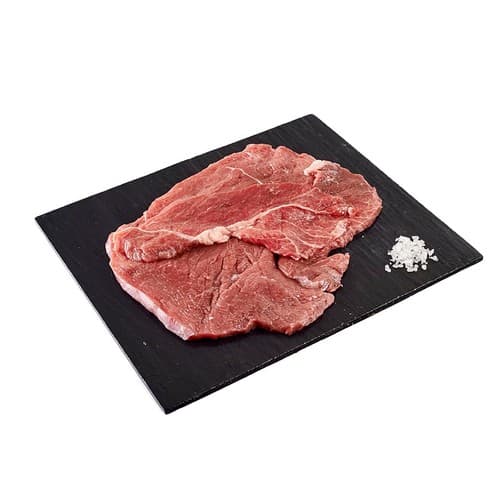 €7.00
€7.00Bonpreu Beef Steak
BONPREU · ud · Bonpreu
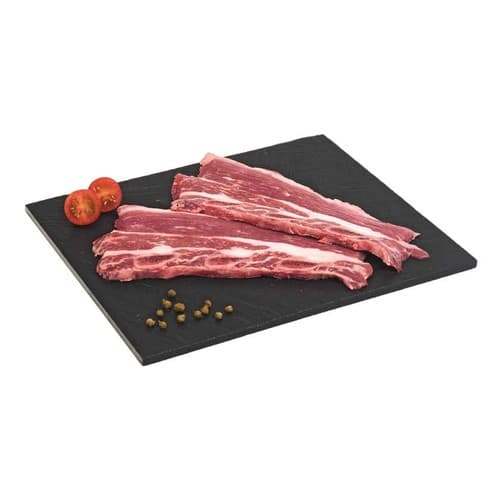 €3.49
€3.49Ecological Beef Steak
BONPREU · kg · Bonpreu
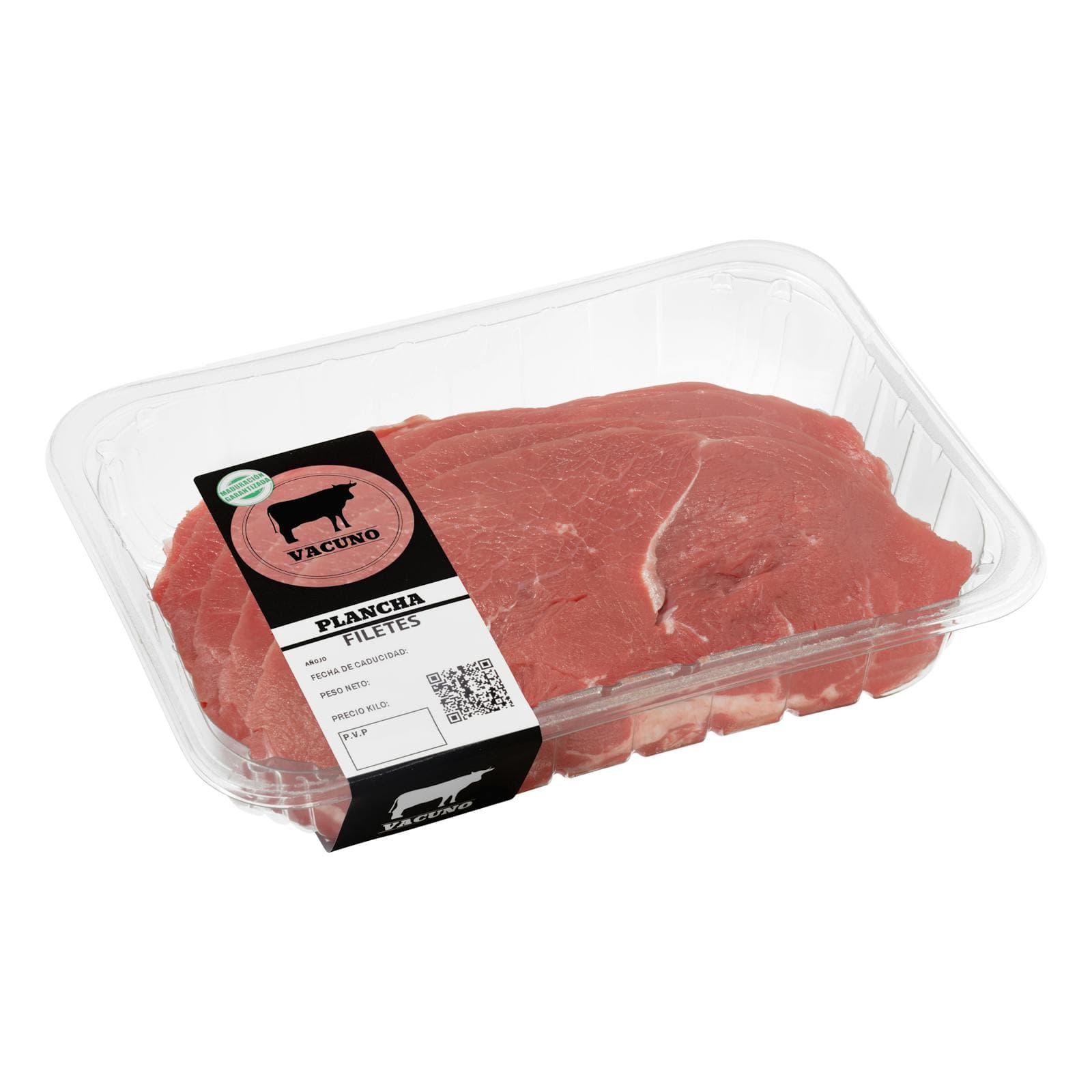 €10.01
Yearling Beef Steaks for Griddle
550 g · Mercadona
Good to know
- Cut Location
- Leg of a steer or heifer, above the knee joint
- Bone Type
- Contains a cross-section of the femur (marrow bone)
- Primary Challenge
- Extremely tough—made of heavily worked muscle with thick silverskin
- Collagen Content
- Very high; converts to gelatin when slow-cooked properly
- Fat Content
- Lean; minimal marbling
- Flavor Profile
- Deep, beefy, savory; marrow adds richness
- Typical Weight
- 1–2 lbs per piece for cross-cut shanks
- Fresh Storage
- 3–5 days refrigerated, up to 6 months frozen
Substitutes
- Oxtail — Closest substitute; equally collagen-rich and becomes tender with long, slow cooking; higher fat content than shank
- Chuck Roast — Works for braising and stews; not as collagen-rich and lacks the marrow element; use in larger chunks
- Short Ribs — More marbling and fat; tenderizes well but richer and fattier; different texture and appearance
- Flank or Skirt Steak — Only viable as a quick-cook substitute when sliced thin against the grain; not suited to braising; entirely different preparation
Pairs with
Also called
Osso Buco · Shin
Appears in these dishes
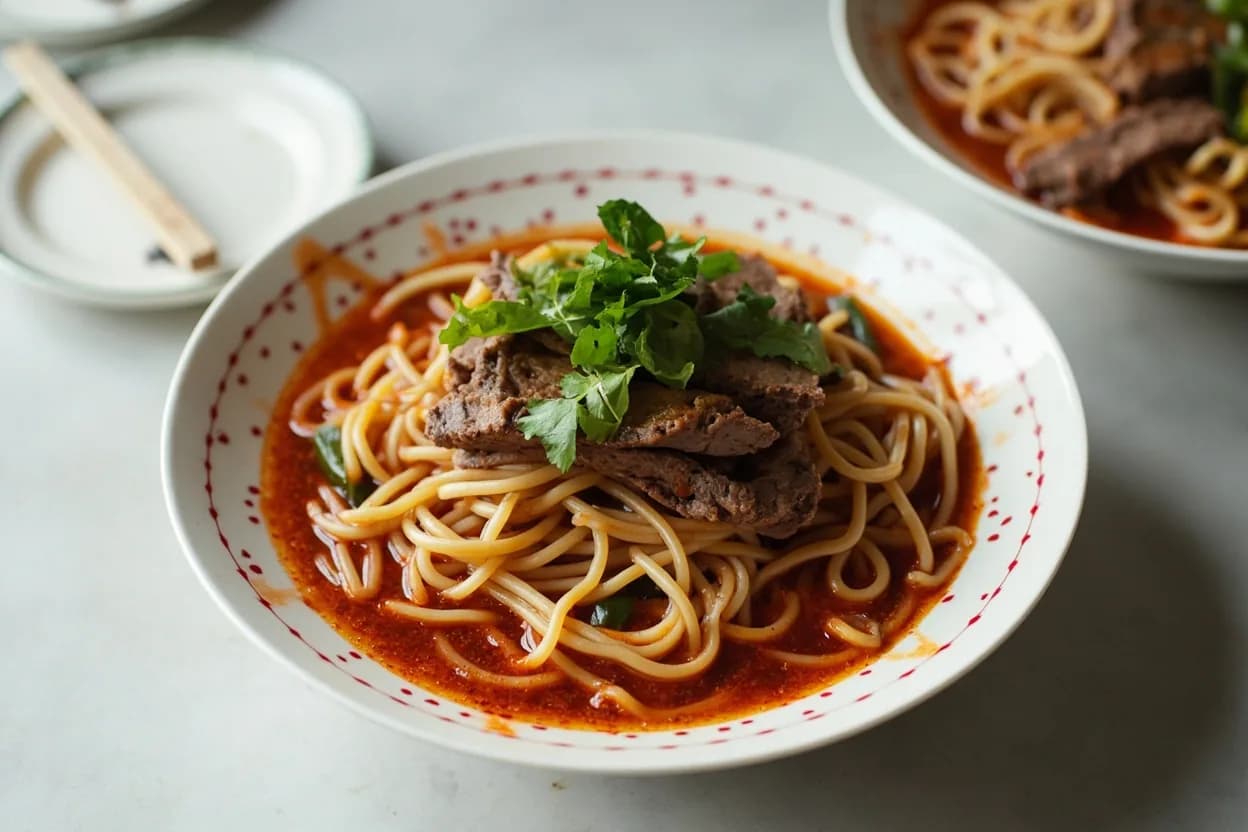
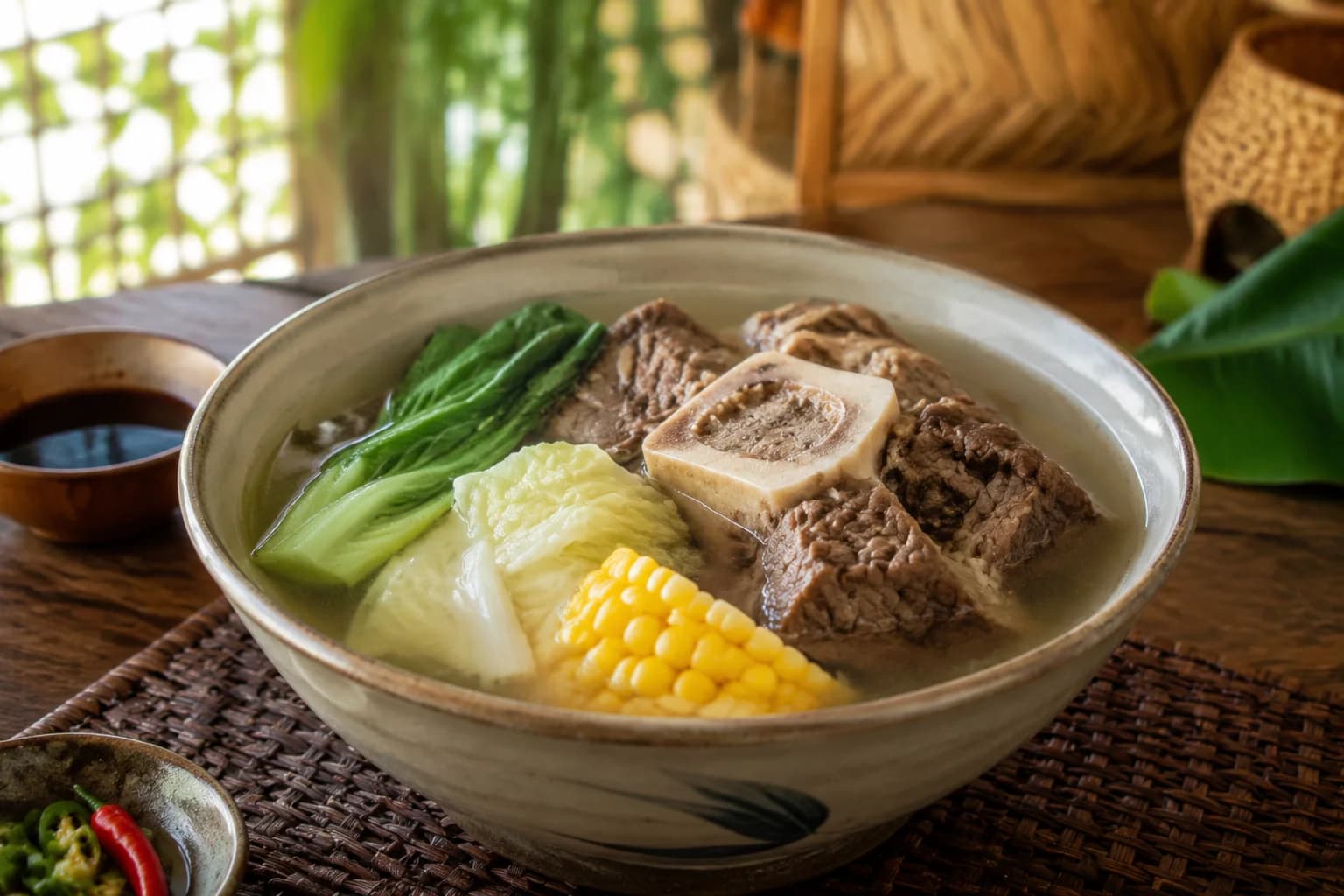
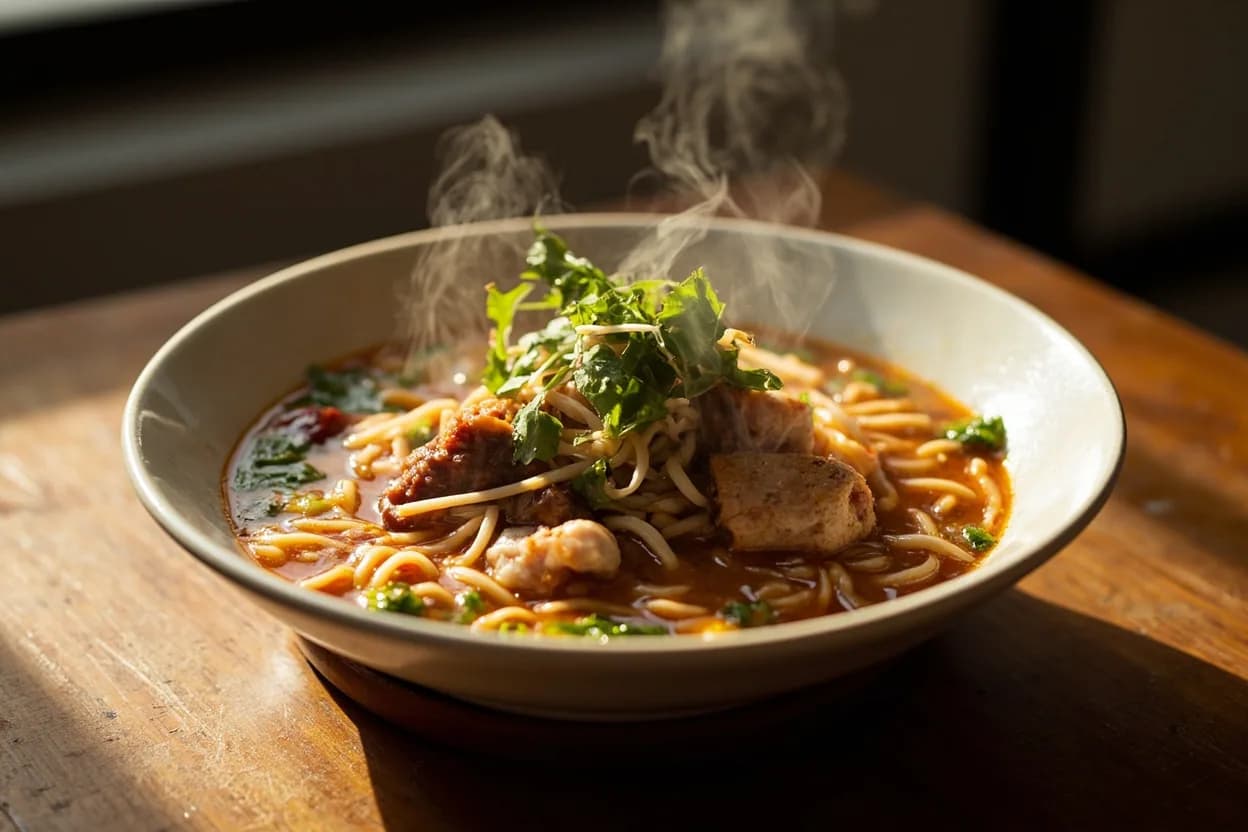
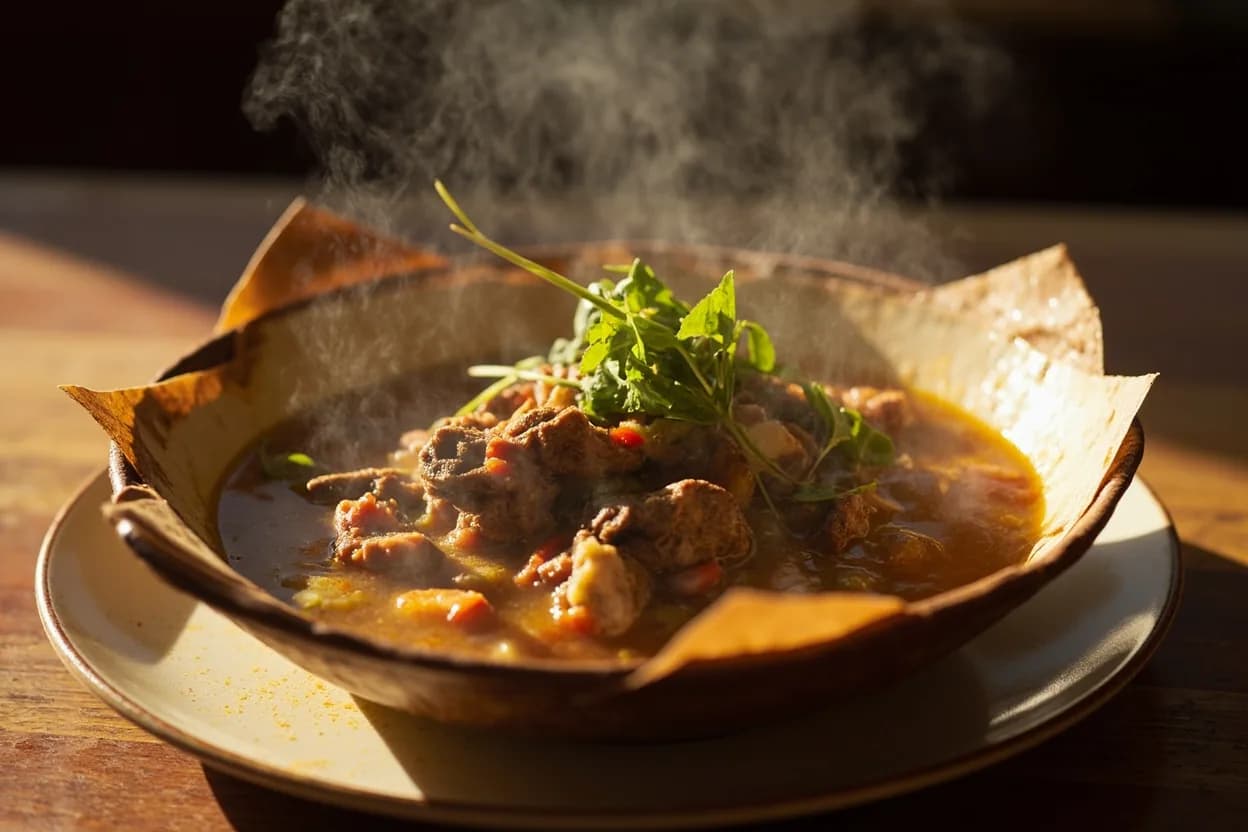
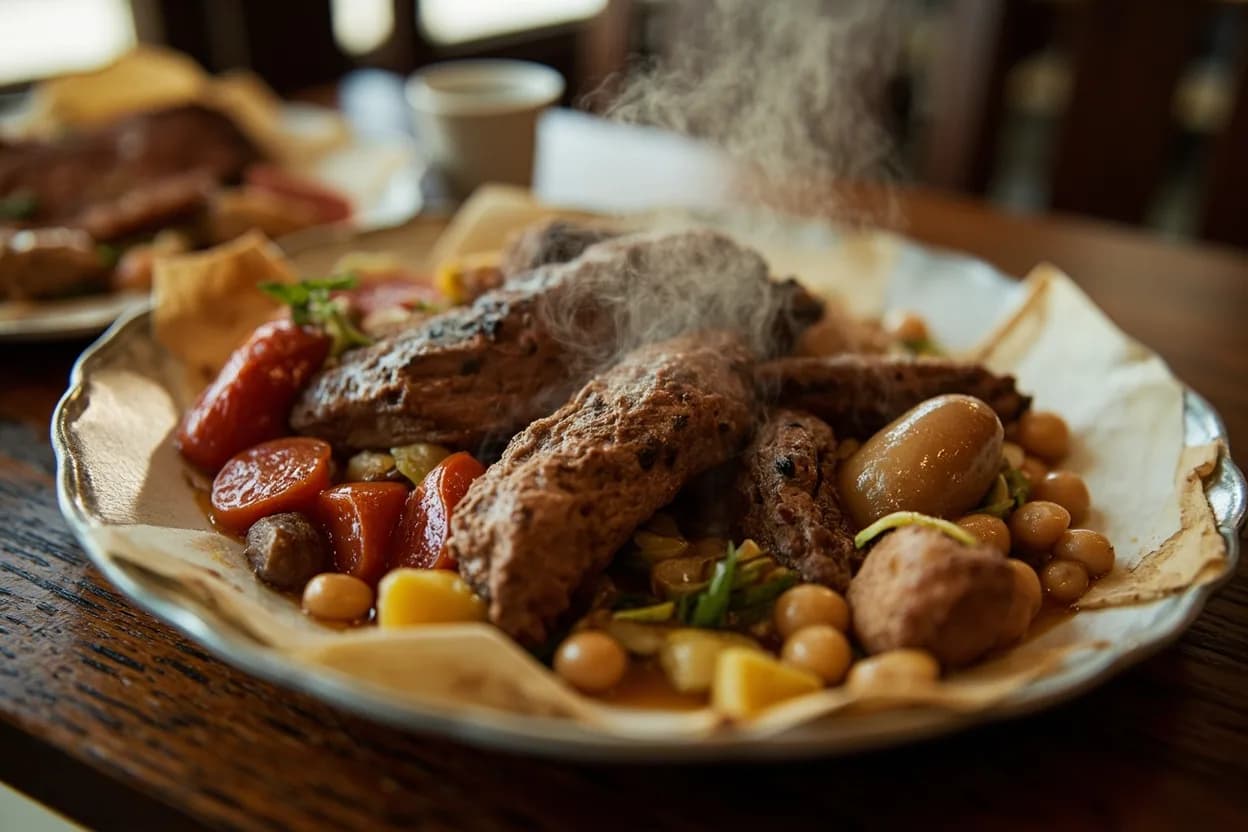
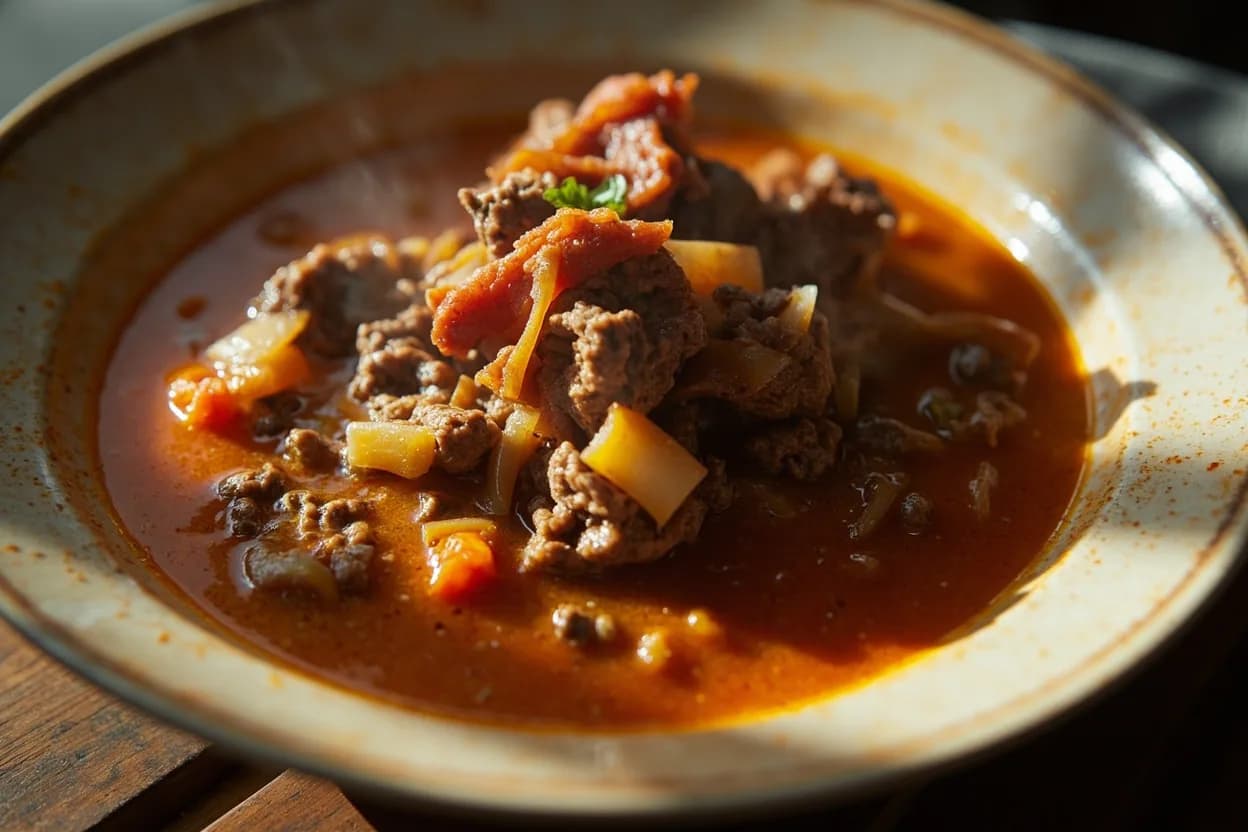
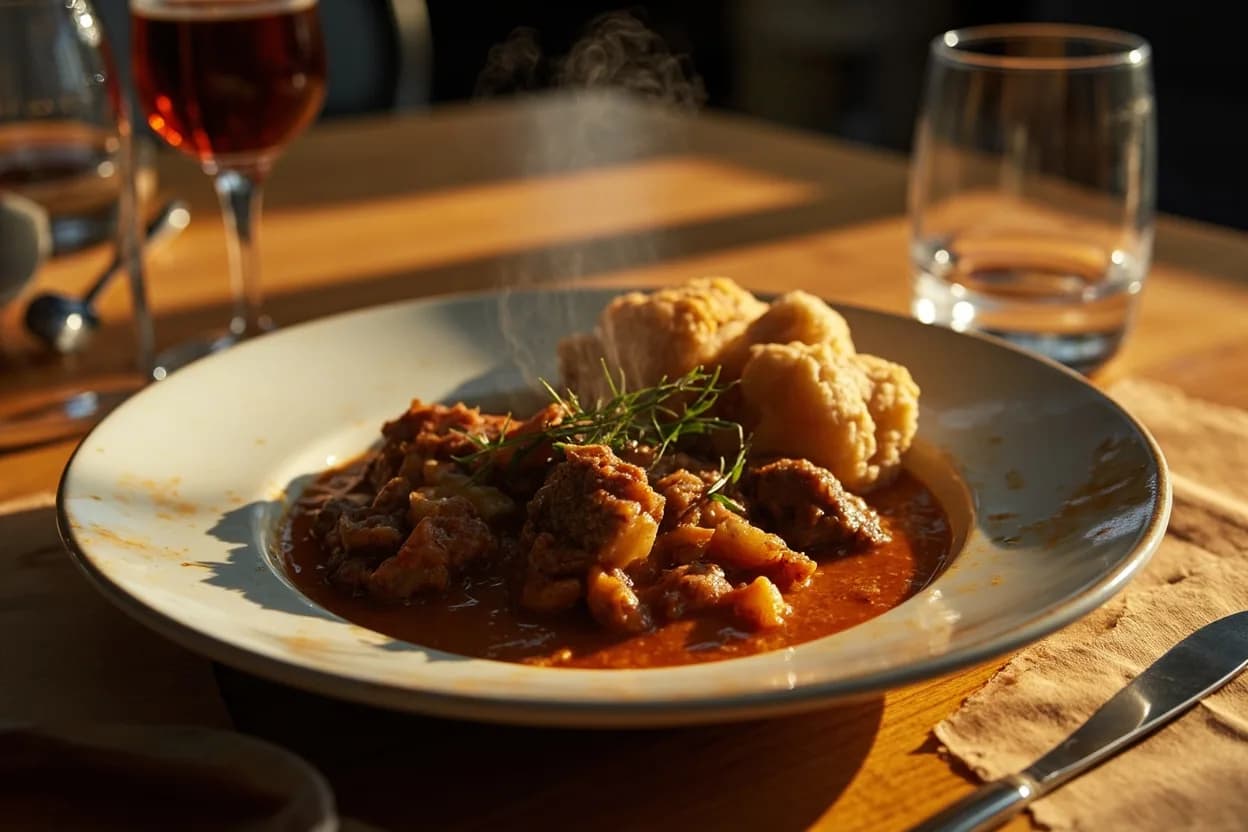
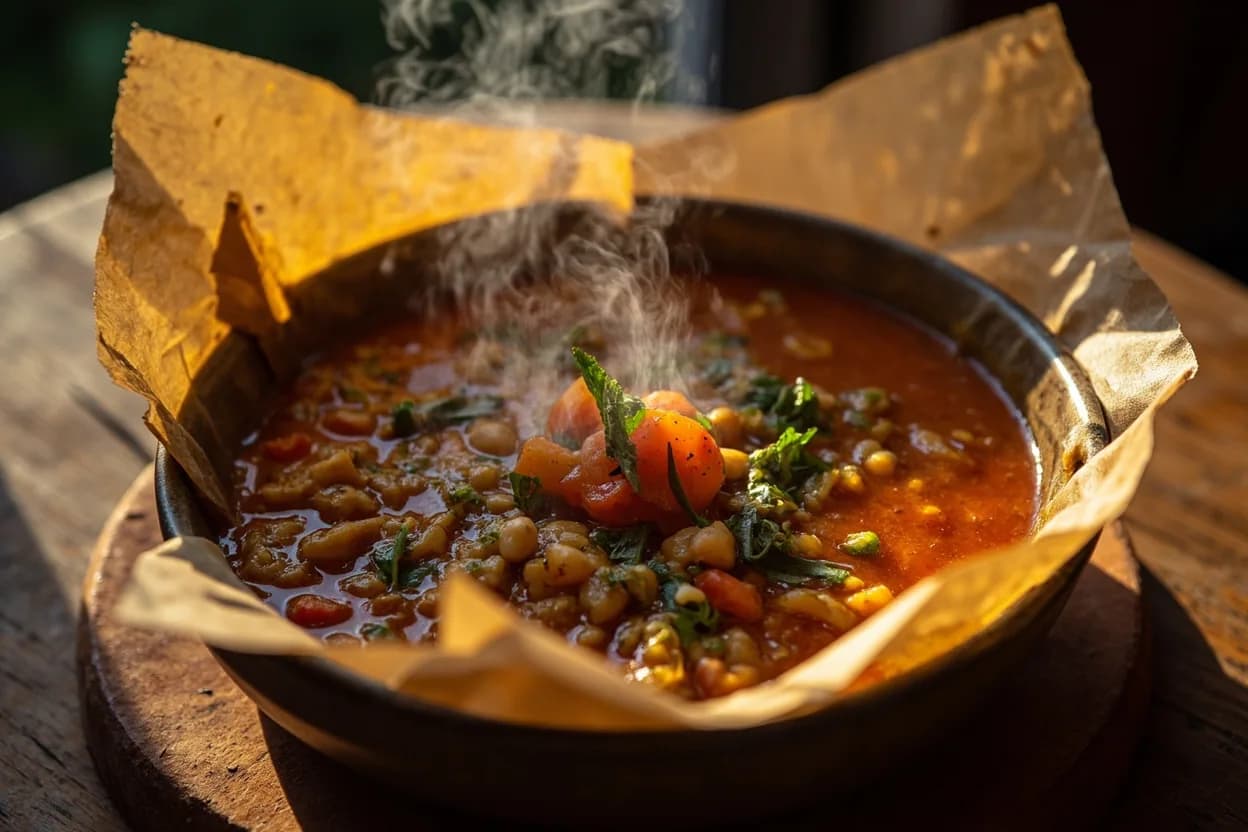
Related
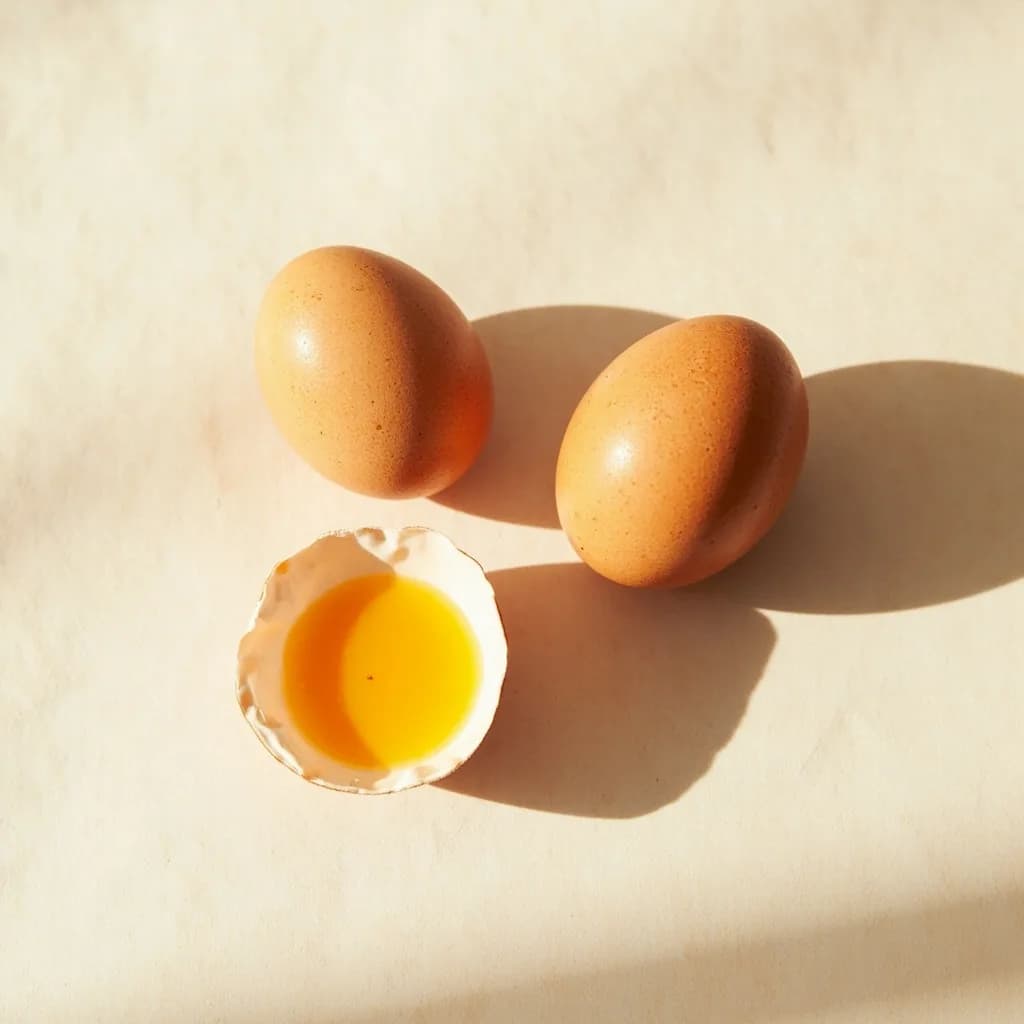
Egg
The kitchen's everything ingredient — bind, leaven, enrich, or fry
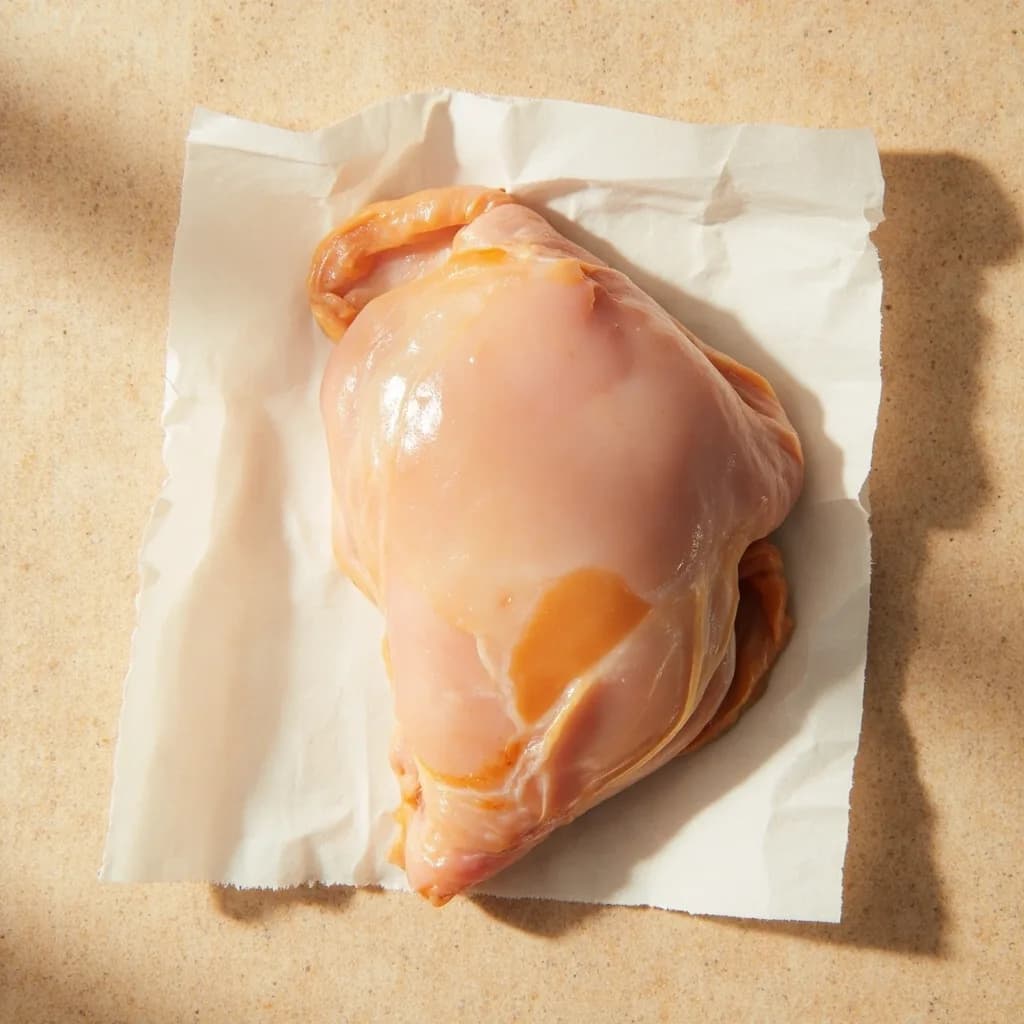
Chicken Breast
Lean, quick-cooking white meat for everyday dinners

Ground Beef
Versatile minced beef for burgers, ragù, tacos, and meatballs
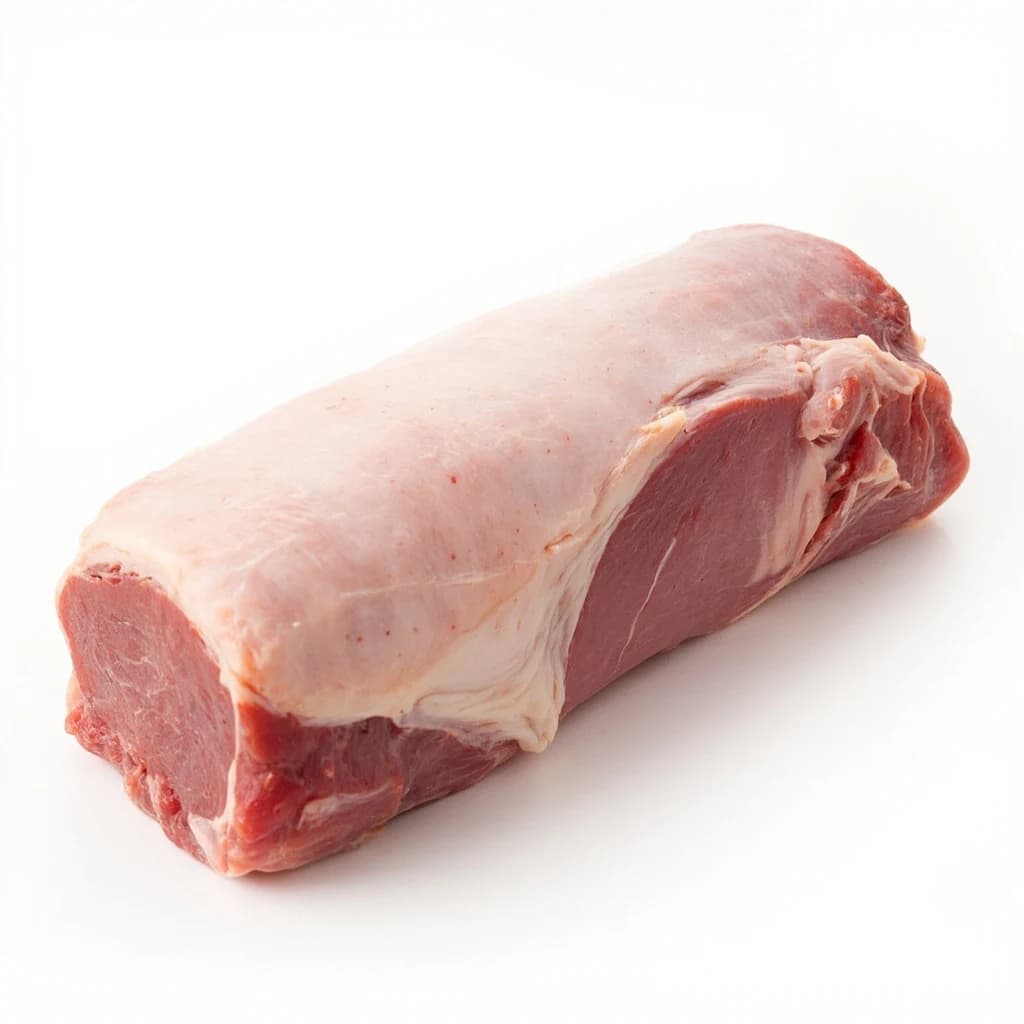
Pork Loin
Lean, tender roasting cut that stays juicy with care
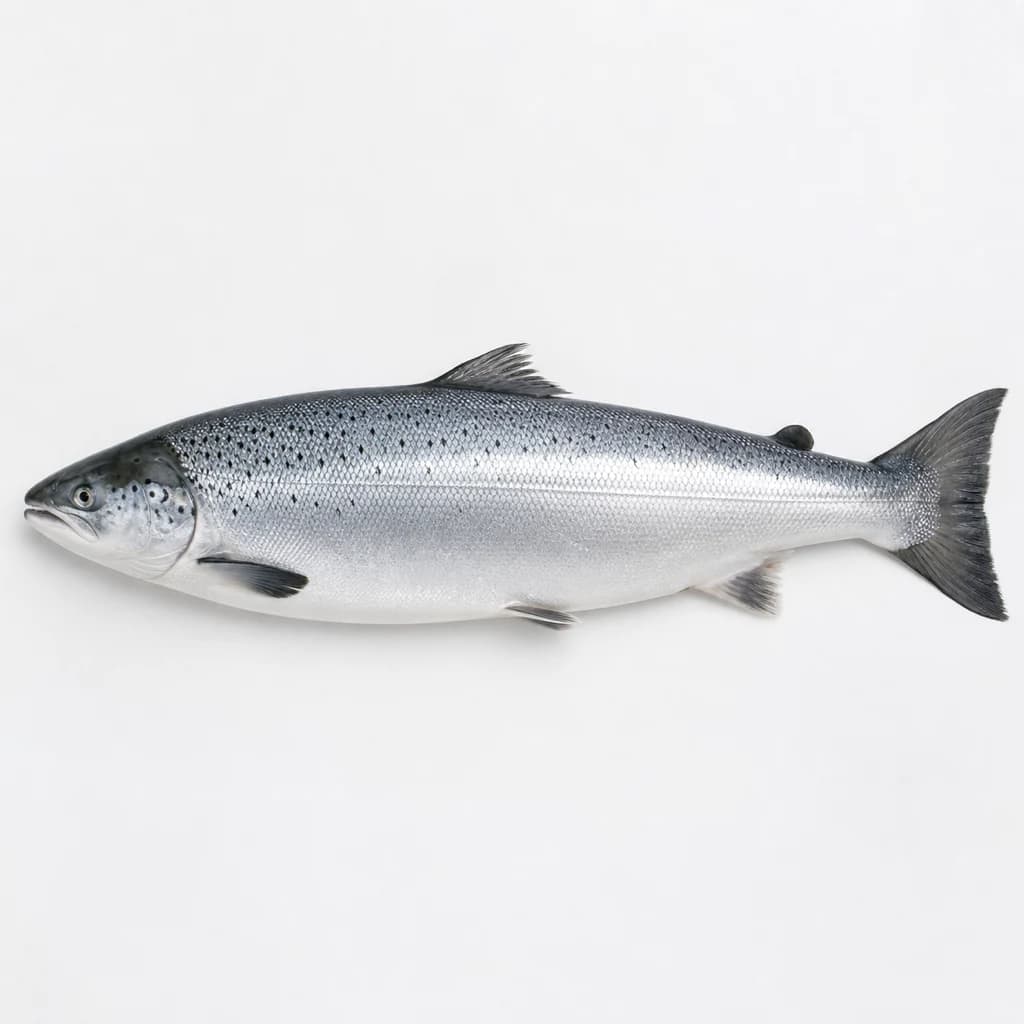
Salmon
Rich, rosy fish that roasts, grills, or cures beautifully

Egg White
Pure protein that whips to airy peaks for meringue and more
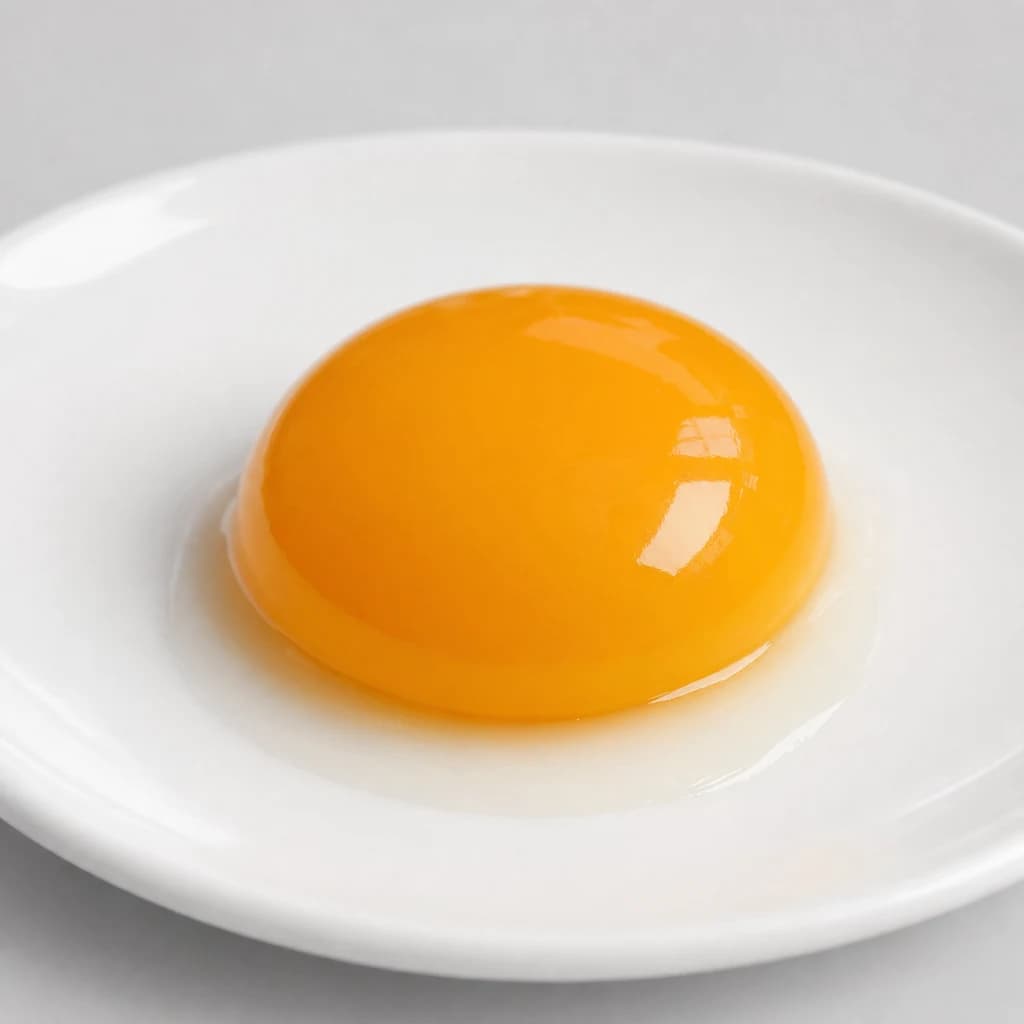
Egg Yolk
Rich, golden yolk for custards, mayonnaise, and pasta

Quail Egg
Tiny, speckled eggs for garnishing and elegant bites