Natural form
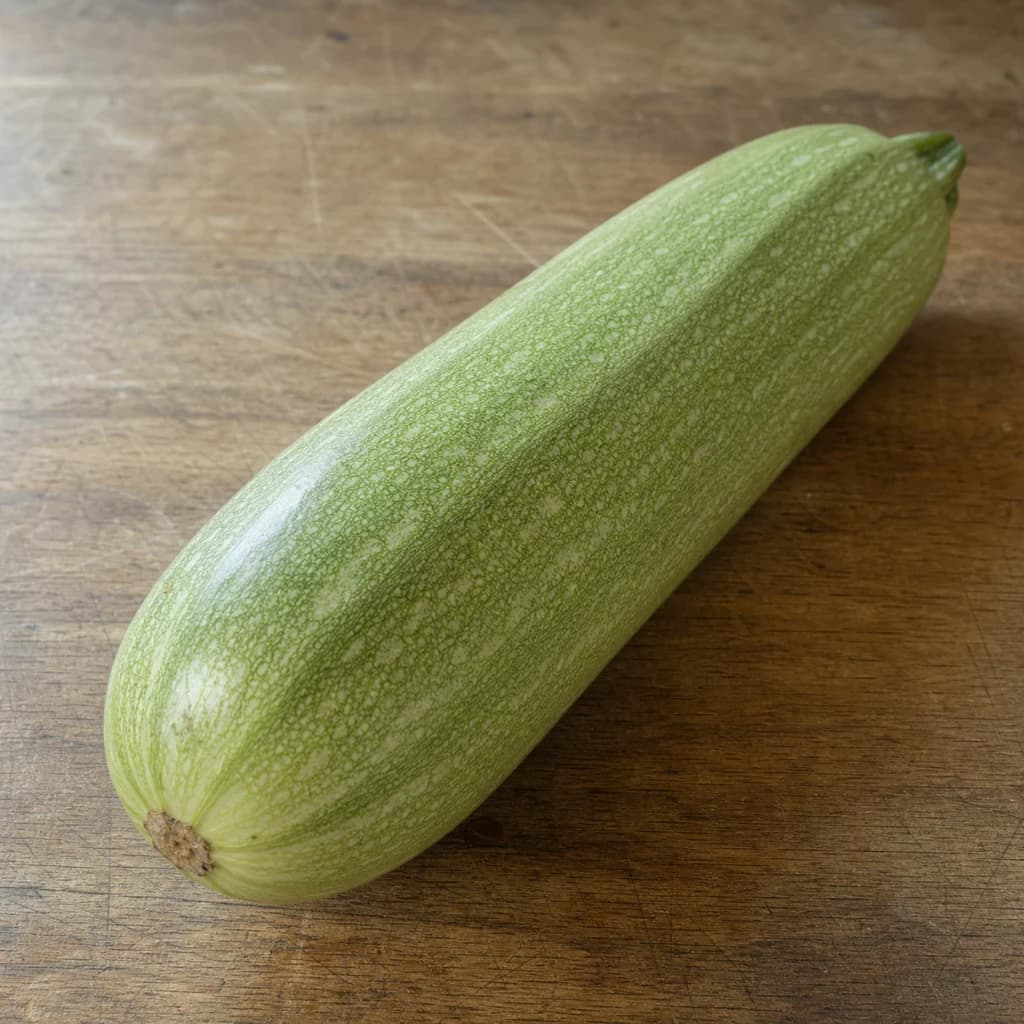
A whole marrow resting on a wooden surface, showing its full pale green form.
Establishes the marrow's defining characteristic: its large, elongated shape and pale green skin that distinguishes it from a young courgette.
Produce
Marrow (Courgette)
Large mature courgette with mild flesh; stuffed, baked, or stewed.
A marrow is a large, mature courgette (zucchini) with pale green skin and watery, mild flesh. Because of its size and subtle flavor it is usually stuffed and baked, stewed, or simmered into chutneys rather than eaten raw. It needs assertive seasoning and is often paired with herbs, tomatoes, and cheese to bring it to life.
Marrow is simply a courgette harvested at full maturity rather than picked young. The distinction is one of harvest timing and size, not variety — any courgette can be grown on to become a marrow. As the fruit matures, the skin thickens and develops a waxy coating, the flesh becomes denser and less watery, the seeds enlarge into a prominent central cavity, and the flavour deepens into something subtly sweeter and more pronounced. In British and Australian usage, 'marrow' denotes this mature specimen intended for baking and stuffing; in American kitchens the same mature fruits are typically called summer squash or large zucchini.
Because of its substantial flesh and lower moisture content, marrow behaves very differently from young courgette in the kitchen. It holds its shape when baked whole, slices cleanly for gratins, and tolerates longer cooking without collapsing into mush. The trade-off is that you must address the seed cavity before cooking — the seeds are large and tough, and the seedy core will water down any dish. Marrow is also far more forgiving of seasoning and strong flavours than its baby counterpart, which makes it a versatile vehicle for bold stuffings, rich sauces, and aromatic herbs.
- Measured in
- piece
- Storage
- Fridge
Types & varieties
Classic green-striped marrow; reliable and widely available
White to pale green skin; mild flavour
Green with pale stripes; compact growing habit
Golden-yellow skin; slightly sweeter than green varieties
Round marrow variety; ideal for stuffing
Can be harvested young as courgette or left to mature as marrow
Rich, fatty interior of beef leg bones. Roast canoe-cut bones until the marrow softens and spreads like butter on toast; also enriches stocks, sauces, and braises.
Common uses
Tips & pitfalls
- Always scoop out and discard the central seed cavity — the seeds are large and tough, and the seedy core releases excess water during cooking, diluting flavour and texture
- Salt sliced marrow generously and leave it to drain for 20–30 minutes before cooking to draw out moisture; pat dry thoroughly before proceeding
- If the skin is very thick and waxy, peel it; younger marrows with thinner skin can be left unpeeled
- Do not overcook: marrow holds its shape better than young courgette, but becomes mushy if cooked too long
- When baking whole or halved, score the cut surface deeply with a knife and rub with oil to prevent splitting under heat
- Marrow freezes well after cooking and is particularly useful for winter stews; blanch cubed marrow for 3 minutes before freezing
- The seedy core water content means stuffed marrow should be seasoned and allowed to rest after filling, before baking, to prevent a soggy base
Nutrition
Nutrition
No USDA FoodData Central match for Marrow (Courgette) yet. We surface a per-100 g profile once a generic whole-food entry is matched and verified.
In the shops
Matched grocery products
No matched grocery products for Marrow (Courgette) yet.
Good to know
- Botanical name
- Cucurbita pepo
- Family
- Cucurbitaceae (gourd family)
- Origin
- Domesticated in Mesoamerica; cultivated for thousands of years
- Season
- Late summer through autumn
- Flavour
- Mild and slightly sweet; sweeter and less watery than young courgette when cooked
- Typical size
- 20–40 cm when harvested as marrow; can grow much larger if left on the plant
- Skin
- Tougher than young courgette; often requires peeling or scoring
- Flesh
- Denser, dryer, and more substantial than young courgette
- Seeds
- Large and prominent; must be removed before cooking
- Storage
- 1–2 weeks at cool room temperature; up to 2 weeks in refrigerator
- Nutrition
- Low calorie; good source of vitamin C, potassium, and dietary fibre
Substitutes
- Pattypan squash — Similar density and mild flavour; best for stuffing when harvested mature
- Summer squash (straightneck or crookneck) — Comparable texture; may be slightly sweeter; substitute 1:1
- Pumpkin flesh — Denser and sweeter; works in stews and purées; not ideal for stuffed preparations
- Aubergine — Similar meaty texture and neutral flavour; suitable for baked and grilled dishes
- Large unpeeled courgette — If harvested at maximum size, nearly indistinguishable; substitute 1:1
Pairs with
Also called
Courgette · Vegetable Marrow
Appears in these dishes
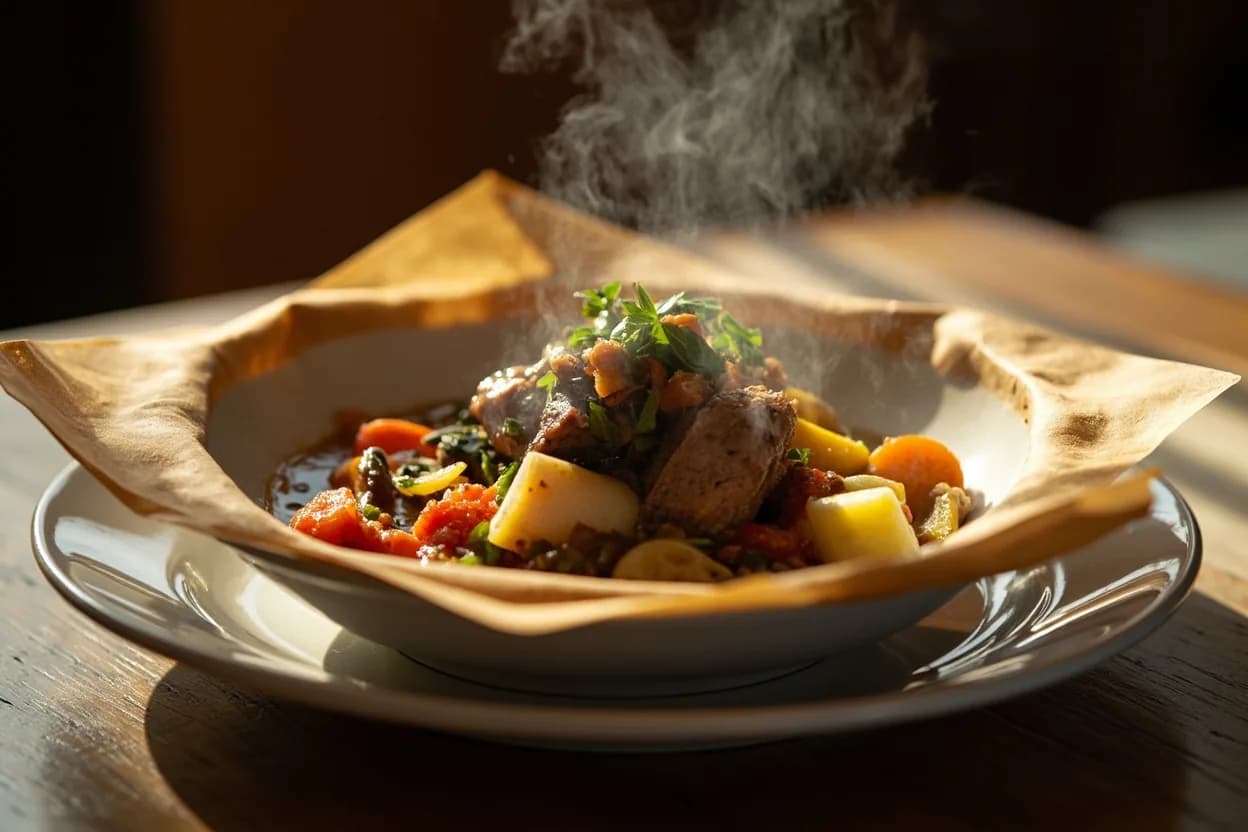
Related
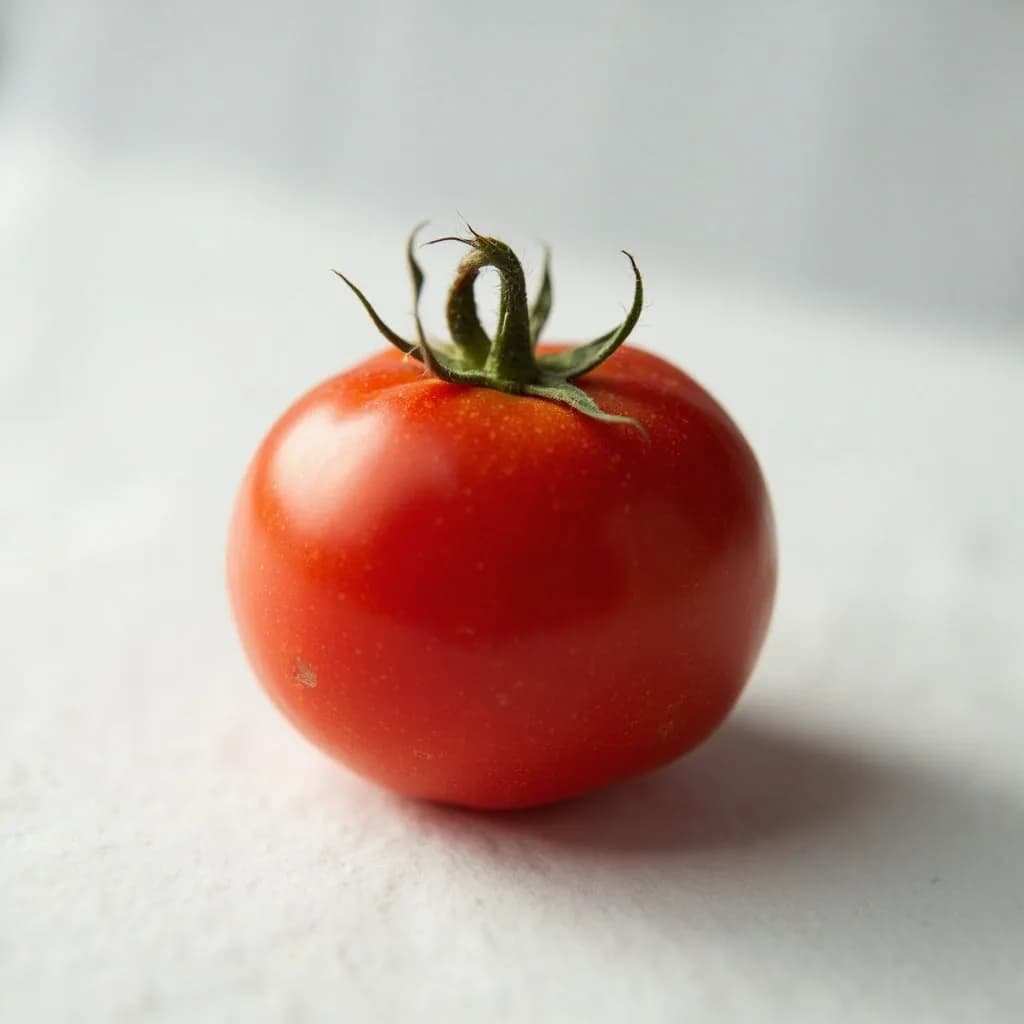
Tomato
Juicy, sun-sweet fruit for sauces, salads, and slow-cooked depth
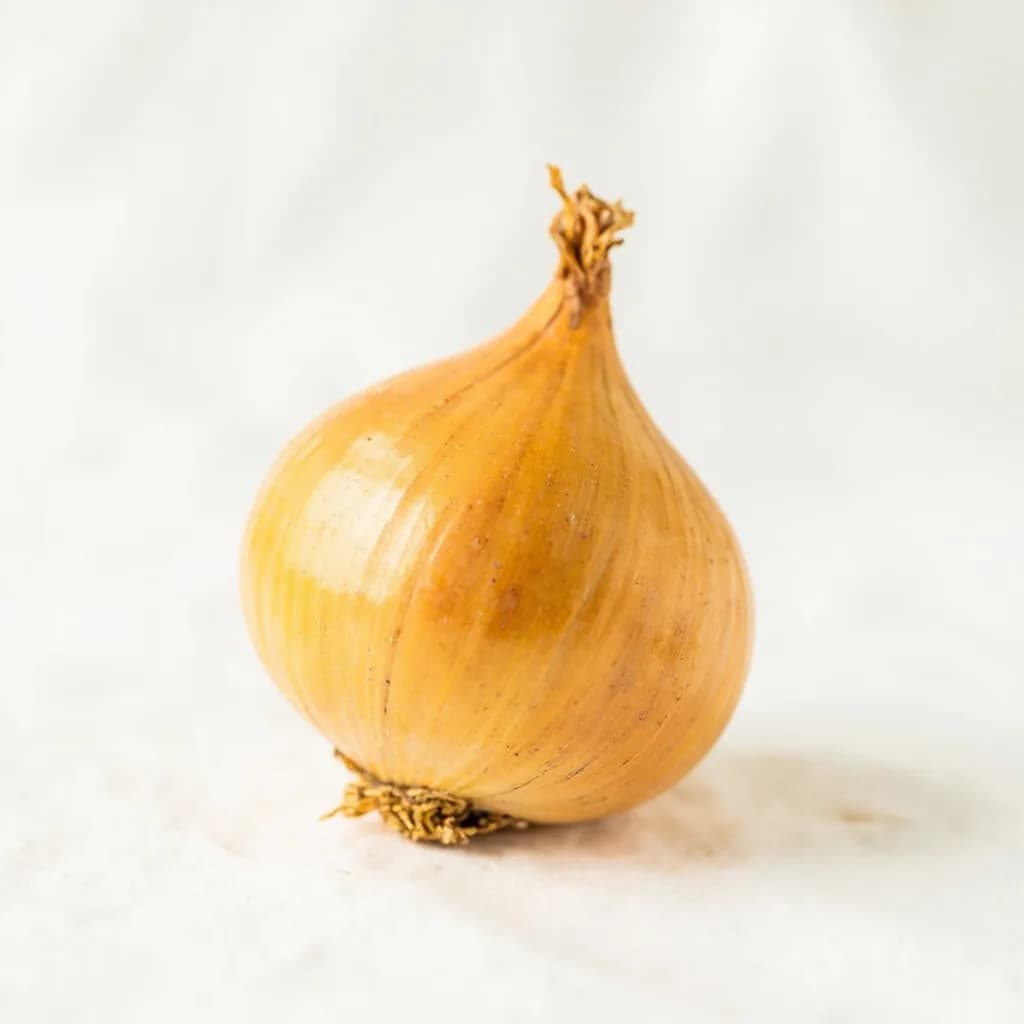
Yellow Onion
The aromatic backbone of soups, sofritos, and braises
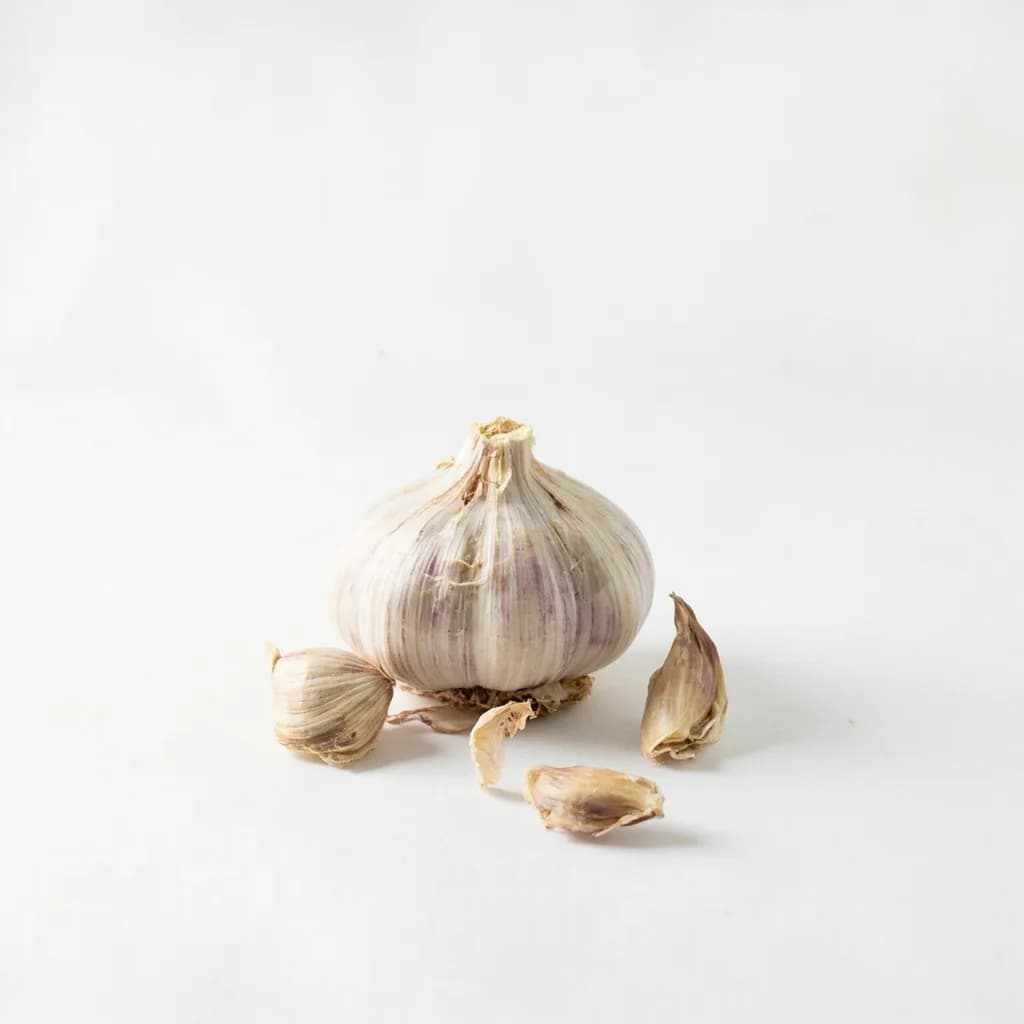
Garlic
Pungent cloves that perfume nearly every savory dish
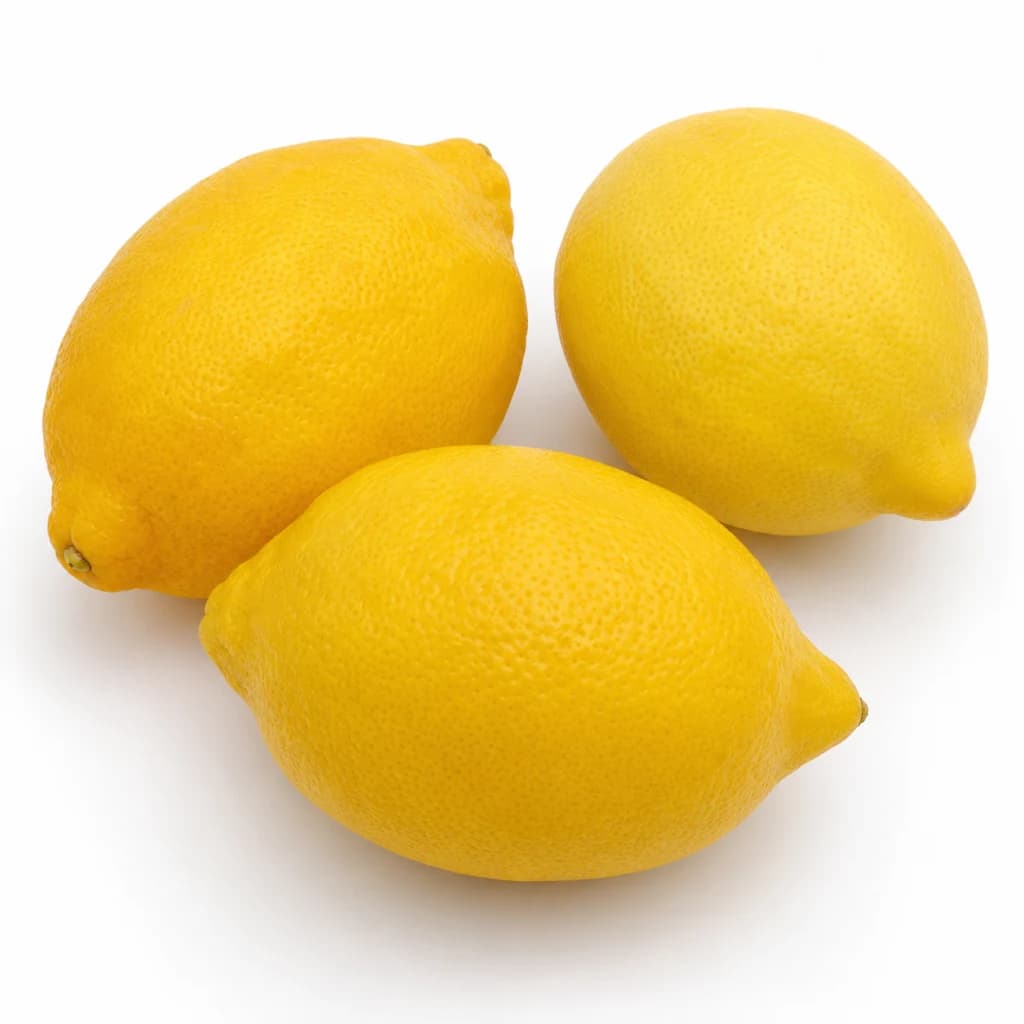
Lemon
Bright, acidic citrus that wakes up almost any dish
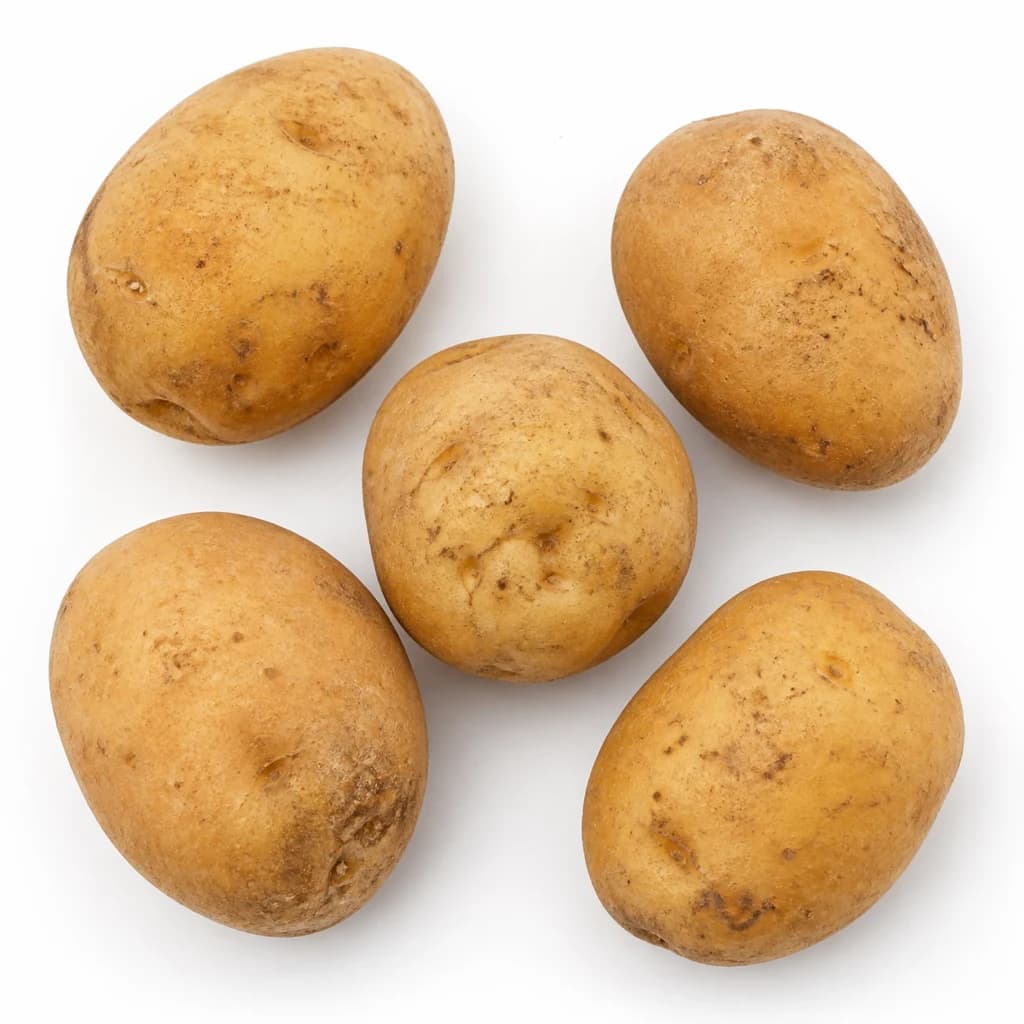
Potato
Humble, hearty staple — roast, mash, fry, or boil
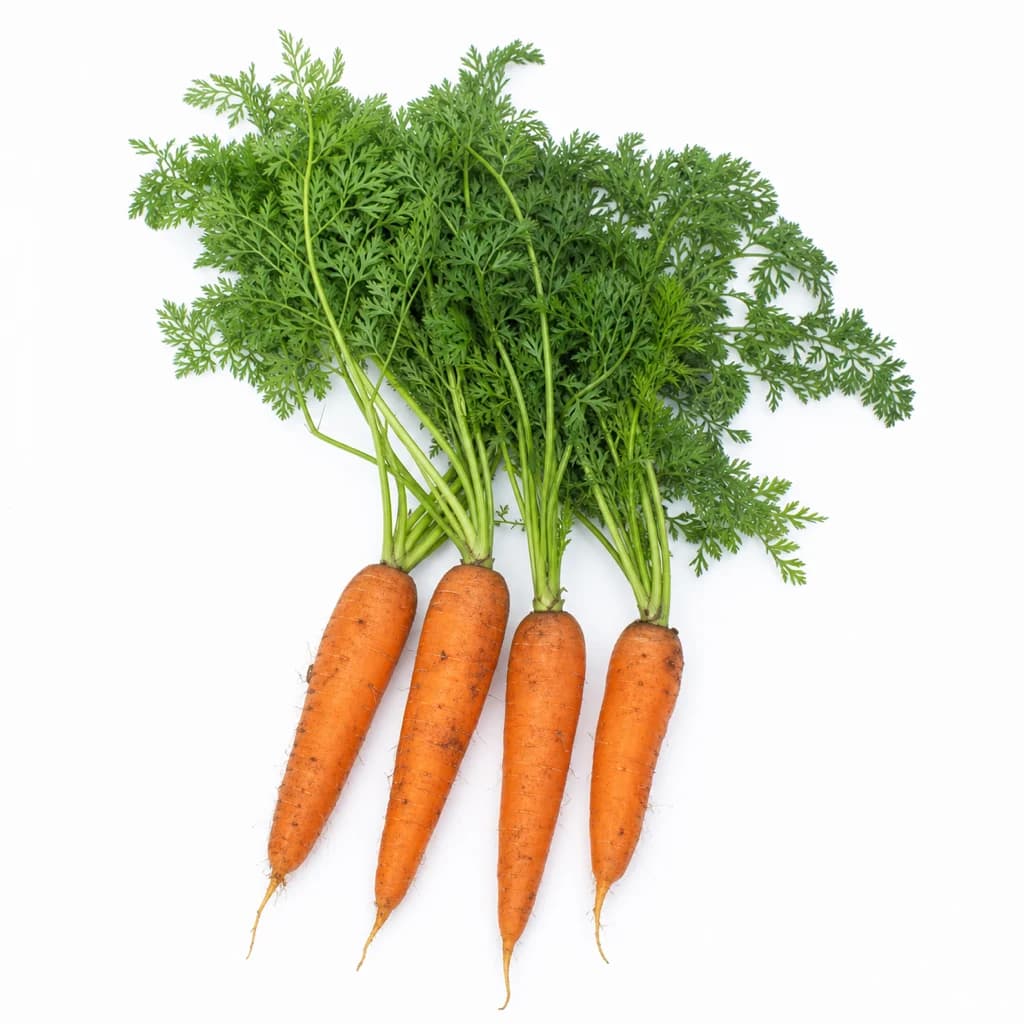
Carrot
Sweet, crunchy root — raw, roasted, or the base of a sofrito
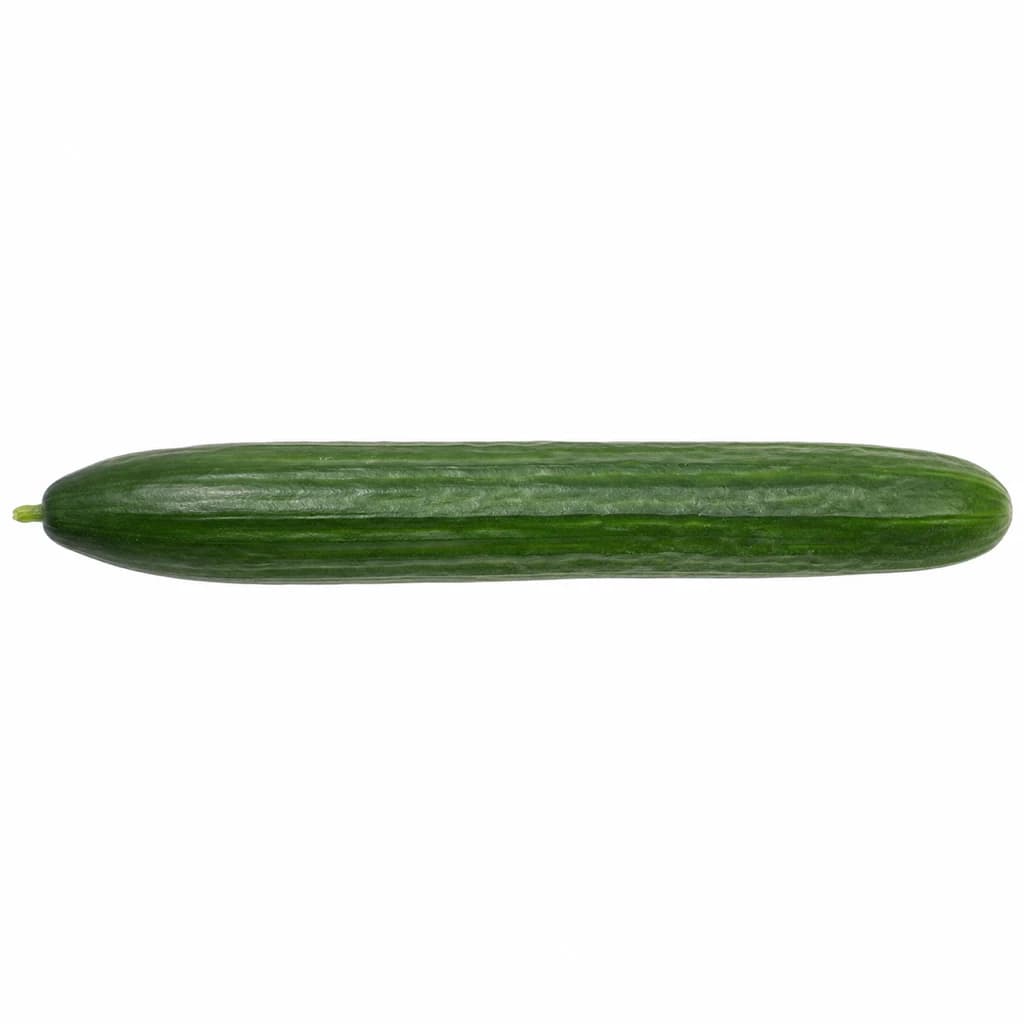
Cucumber
Cool, crisp, and watery — for salads, pickles, and tzatziki

Lettuce
Crisp leaves for salads, wraps, and a fresh crunch