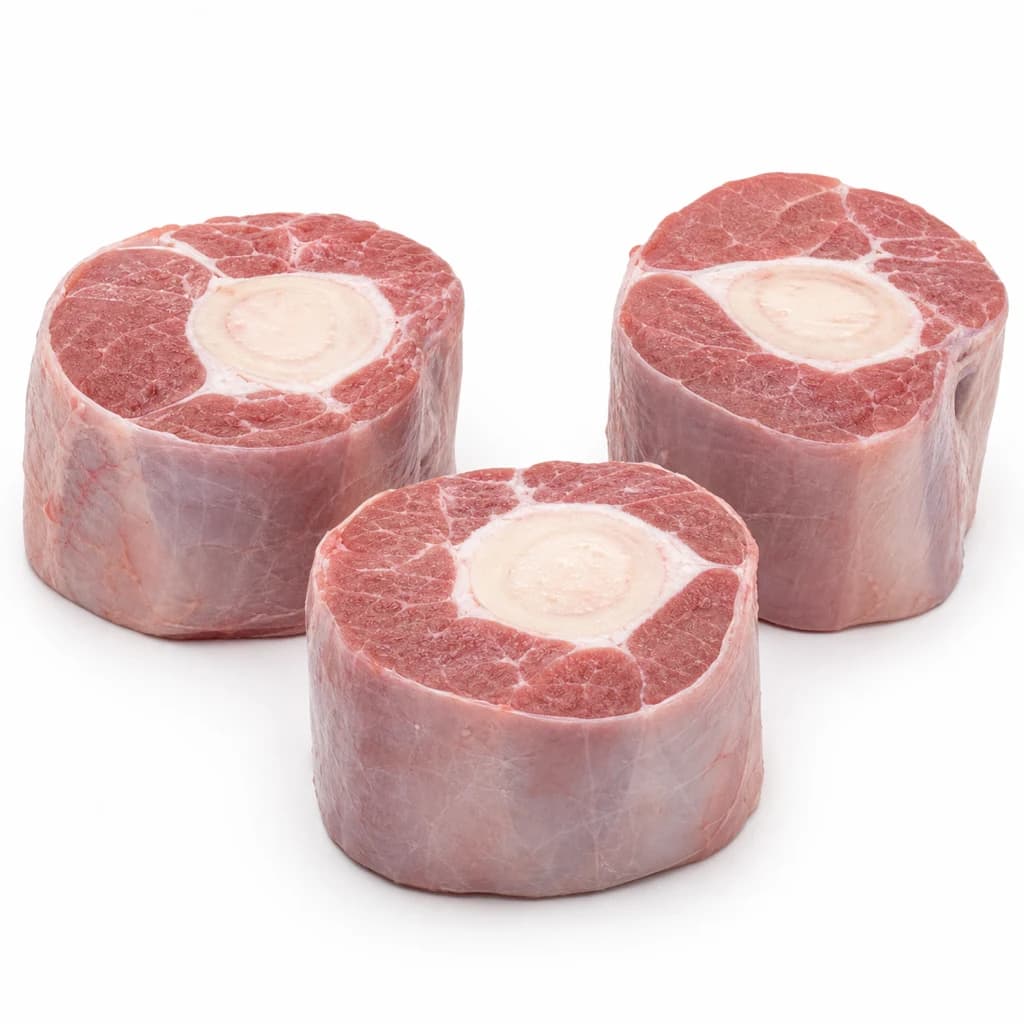
Natural form
Raw veal shank cross-sections showing the central marrow bone and surrounding meat.
Shows the defining anatomical feature — the cross-cut bone with visible marrow — that identifies this cut and distinguishes it from other shanks.
Proteins
Veal Shank (Osso Buco)
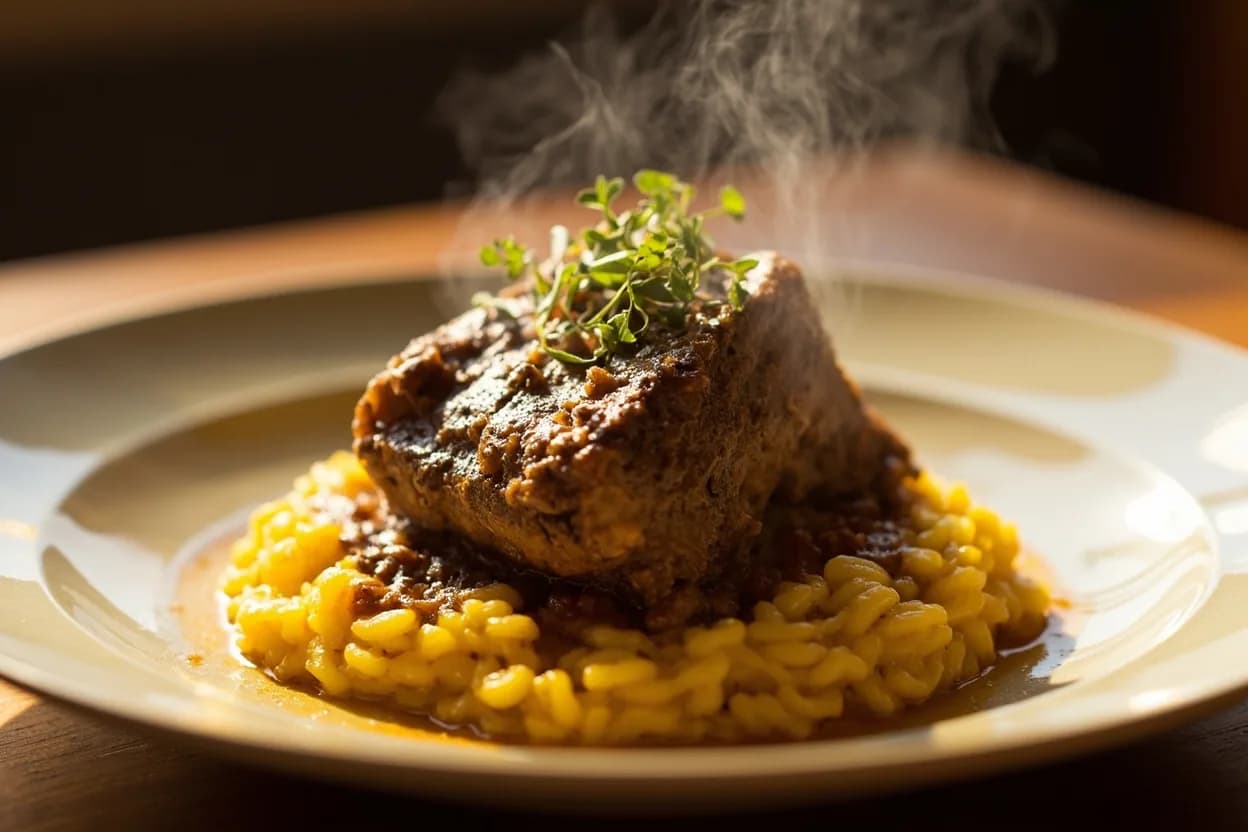
Cross-cut veal leg with marrow bone, braised low and slow for the Milanese classic osso buco.
Veal shank is the lower leg of a calf, cut crosswise into thick rounds that show a central marrow bone. Braised slowly with wine, tomato and broth it becomes meltingly tender, the iconic preparation being Milanese osso buco served with gremolata. The soft marrow is scooped from the bone as a delicacy.
Ossobuco is the cross-section of the veal leg cut through the tibia or fibula bone, exposing the characteristic marrow-filled cavity that gives the cut its Italian name—osso buco meaning "bone with a hole." This exposure of marrow is not incidental; it defines the cut and is central to its identity. The shank comes from the lower leg, a muscle group that does considerable work, yielding an abundance of connective tissue and collagen that transforms, under sustained moist heat, into rich, silky gelatin—the backbone of exceptional braised dishes. The meat itself is lean and delicate, pale pink for milk-fed veal, with a texture that becomes fork-tender after prolonged cooking while remaining juicy. The marrow at the center is firm and ivory-colored, intensely flavored and traditionally considered the prize of the dish, to be spooned onto bread or melted into the sauce. The veal's mild, subtly sweet flavor makes it more refined than beef, requiring supporting elements—aromatics, wine, tomato—to build complexity. Milan is the canonical home, where ossobuco has been a fixture since at least the 19th century, traditionally served with risotto alla Milanese and finished with gremolata. The cut rewards patience: insufficient cooking produces tough, chewy results, while a proper long braise yields meat that nearly falls from the bone and a sauce of exceptional body and gloss.
- Measured in
- g
- Storage
- Fridge
Types & varieties
Slightly more meat coverage, more connective tissue; excellent for stews, ground applications, and stocks
More prominent marrow cavity; the classic choice for osso buco; preferred for braising whole cross-cuts
Braised with white wine, tomatoes, aromatics; finished with gremolata—parsley, lemon zest, garlic
Braised with red wine, tomato paste, and a thicker vegetable base; bolder and more rustic than Milanese preparation
Typically from dairy-bred calves; milk-fed for pale, tender meat with milder flavor
Pasture-raised; slightly deeper rose color; grass-fed characteristics with marginally more pronounced flavor
Understanding the Marrow
The exposed marrow cavity is the defining feature of ossobuco and should never be discarded. The marrow is a concentrated source of richness, providing a buttery, slightly mineral depth to the braise. During cooking, the marrow softens but retains its shape, suspended in the bone. At the table, guests traditionally spoon it onto crusty bread or let it melt into the sauce. Some cooks prefer to remove the marrow before serving and incorporate it back into the finished dish for even distribution throughout the sauce.
- Look for ivory-colored, firm marrow that appears fresh and moist, not dried out or gray
- The marrow should remain intact within the bone throughout cooking
- If serving the marrow on bread, provide small spoons or spreaders for guests
- In some preparations, the marrow is removed before final serving and stirred back into the sauce
Regional Traditions
While ossobuco is now prepared throughout Italy and internationally, the Milanese version remains the reference preparation. The key distinction between regional styles lies in the braising liquid and finishing technique. Milanese ossobuco calls for dry white wine, a light tomato presence, and a soffritto base of onion, carrot, and celery, finished with the bright, raw flavor of gremolata. Tuscan preparations tend toward red wine, more assertive tomato, and may omit the gremolata in favor of different herbs.
- Milanese: white wine, light tomato, gremolata finish
- Tuscan: red wine, tomato paste, thicker sauce, often no gremolata
- Some Lombard variations add orange zest to the gremolata
- Both traditions rely on long, slow braising at low temperature
Selecting Quality Veal Shank
Quality directly impacts the final dish. The meat should be pale pink to light pink, firm, and slightly moist without being wet or slimy. The marrow should be ivory to off-white, solid, and free from any discoloration or drying at the edges. Ask your butcher for the cross-cut section specifically—you want the full exposure of the marrow cavity for authentic ossobuco. Spring veal (milk-fed) is traditionally considered the finest, but pasture-raised veal from Australia or New Zealand offers excellent results with slightly deeper color and flavor.
- Pale pink indicates milk-fed; light pink suggests pasture-raised
- Avoid any cut where the marrow appears dried, cracked, or discolored
- Request cross-cuts of even thickness (1.5–2 inches) for uniform cooking
- The bone should be clean-cut with no splinters or ragged edges
Common uses
Tips & pitfalls
- Tie the shank crosswise with kitchen twine before searing to maintain its shape throughout the long cooking process
- Season aggressively with salt and pepper; sear in hot fat until deeply browned on all sides—browning builds the foundation of flavor for the entire braise
- Use enough liquid to reach halfway up the shank; do not submerge completely or the meat will steam rather than braise
- Braise at 300–325°F (150–160°C) for 2–2.5 hours until the meat is fork-tender and nearly falling from the bone
- Add aromatics (carrot, celery, onion, bay leaf, thyme) after searing the meat to prevent burning
- Finish with a proper gremolata: finely minced parsley, lemon zest, and garlic—this bright, raw garnish is essential to balance the richness
- Do not discard the marrow—it is the centerpiece; serve it spread on bread or let guests spoon it out at the table
- Rest the braised shank in its cooking liquid for 15–20 minutes before serving to allow juices to redistribute
- If the sauce reduces too quickly during braising, add small amounts of stock or water—never let it scorch
- Common mistake: rushing the cook; under-braised shank will be tough and chewy, not tender
Nutrition
Energy
452 kJ · per 100 g
Where the calories come from
Protein
19.3g
39% DV
Carbs
0g
0% DV
Fat
2.8g
4% DV
Sodium
85mg
4% DV
Source · USDA FoodData Central · Veal, shank (fore and hind), separable lean only, raw
View on FDC →In the shops
Matched grocery products
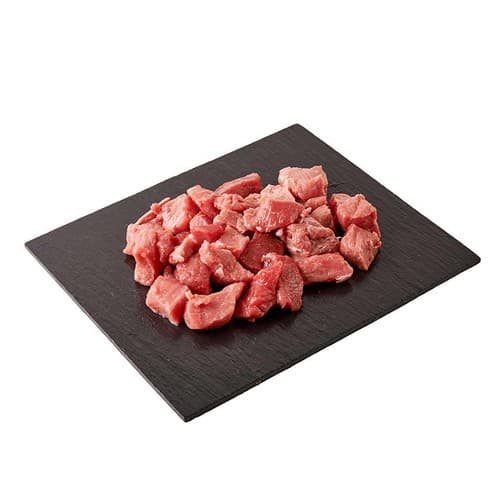 €6.50
€6.50Veal Stew
BONPREU DE L'ERA · ud · Bonpreu
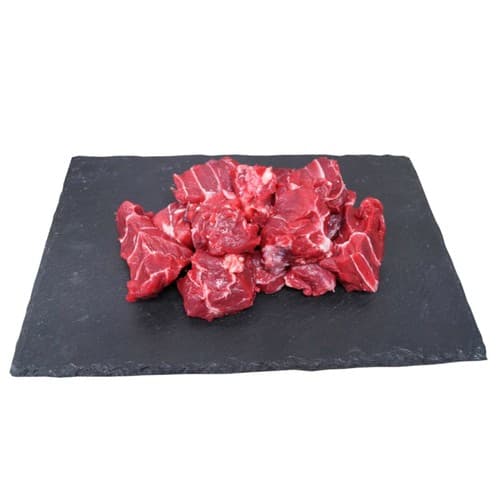 €7.76
€7.76Veal Stew
BONPREU DE L'ERA · ud · Bonpreu
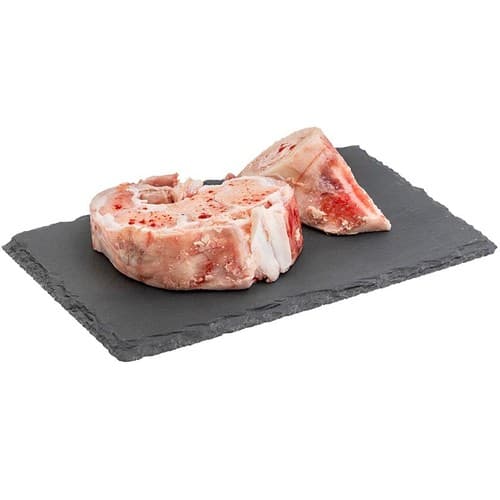 €2.25
€2.25Veal Bones
BONPREU · kg · Bonpreu
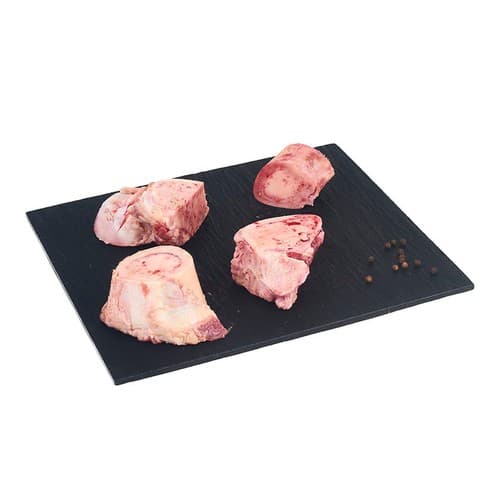 €3.20
€3.20Veal Bones
BONPREU DE L'ERA · kg · Bonpreu
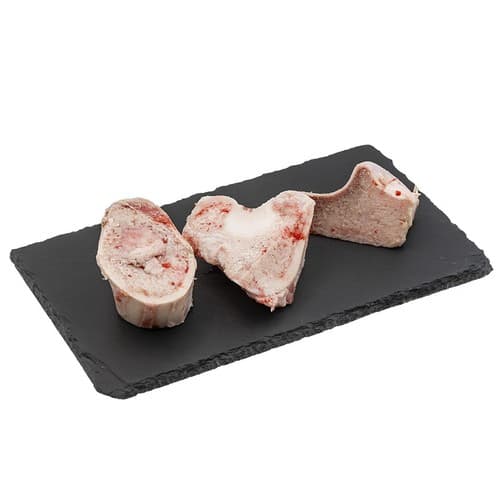 €3.45
€3.45Veal Bones
BONPREU · kg · Bonpreu
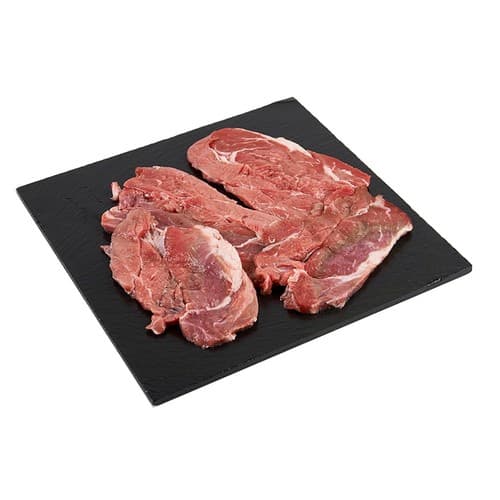 €6.60
€6.60Veal Steak
BONPREU DE L'ERA · ud · Bonpreu
Good to know
- Cut type
- Cross-section of veal leg (tibia/fibula)
- Origin
- Lombardy, Italy (Milan)
- Italian name
- Ossobuco (osso buco = "bone with a hole")
- Flavor
- Delicate, subtle, sweet; milder than beef; rich marrow depth
- Texture
- Tender when properly braised; meat yields around firm marrow center
- Typical weight
- 8–12 oz (225–340 g) per cross-cut piece, 1.5–2 inches thick
- Primary cooking method
- Braising (low, slow, wet heat)
- Yield
- Cooked weight ~60% of raw; significant shrinkage from connective tissue breakdown
- Storage (fresh)
- 2–3 days refrigerated below 40°F (4°C)
- Storage (frozen)
- 3–4 months at 0°F (-18°C) or below
- Best season
- Year-round; spring (milk-fed) veal traditionally considered finest quality
Substitutes
- Beef shank — More pronounced beefy flavor; requires 30–40% longer cooking time; excellent substitute when veal is unavailable
- Lamb shank — Similar connective tissue and cooking behavior; distinct lamb flavor; adjust aromatics accordingly
- Pork hock — Smaller portions; higher fat content; good for stocks and rustic braises
- Oxtail — Higher bone-to-meat ratio; excellent gelatin; different presentation but comparable results in slow braises
Pairs with
Also called
Osso Buco · Veal Hind Shank
Appears in these dishes
Related
Egg
The kitchen's everything ingredient — bind, leaven, enrich, or fry
Chicken Breast
Lean, quick-cooking white meat for everyday dinners

Ground Beef
Versatile minced beef for burgers, ragù, tacos, and meatballs
Pork Loin
Lean, tender roasting cut that stays juicy with care
Salmon
Rich, rosy fish that roasts, grills, or cures beautifully

Egg White
Pure protein that whips to airy peaks for meringue and more
Egg Yolk
Rich, golden yolk for custards, mayonnaise, and pasta

Quail Egg
Tiny, speckled eggs for garnishing and elegant bites