Proteins
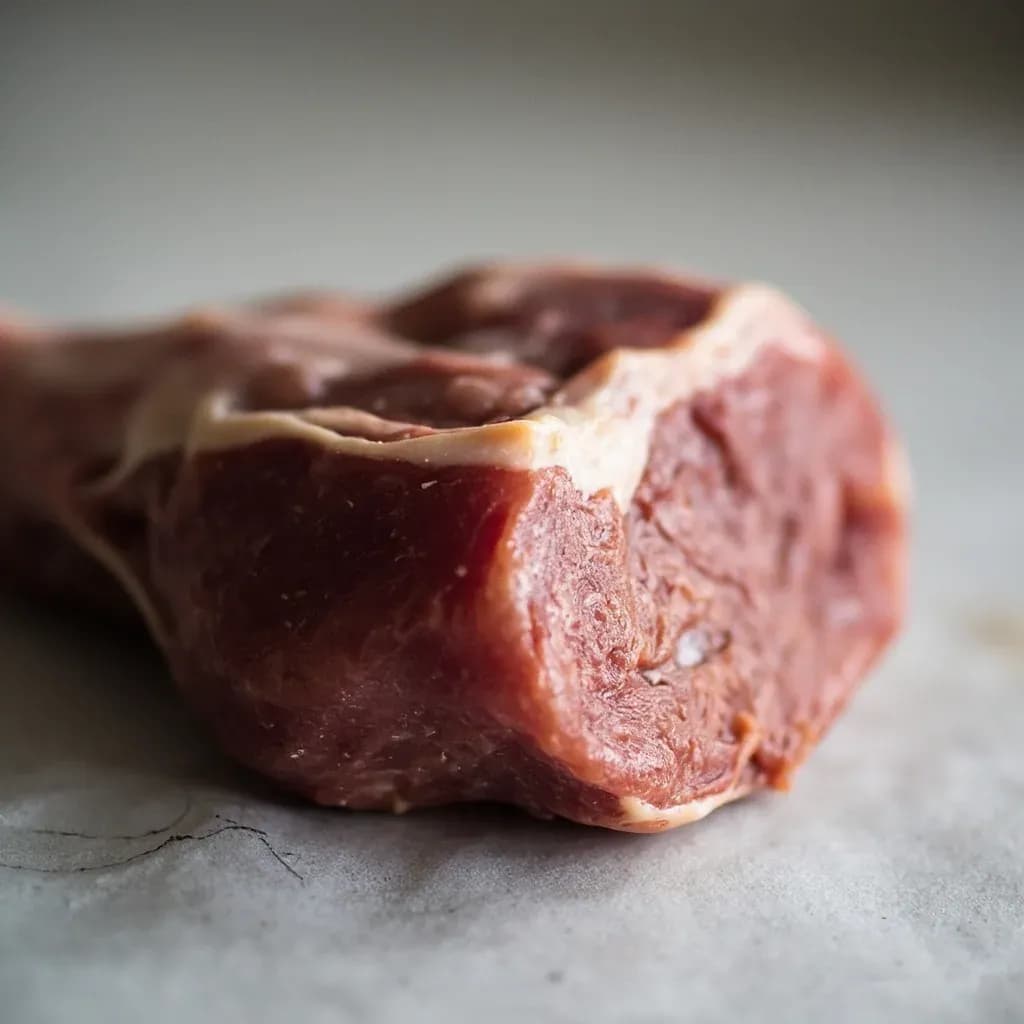
Leg of Lamb
Lean, tender lamb leg cut, classic for roasting whole as a centerpiece.
Leg of lamb is a large, relatively lean cut prized as a roasting joint, sold bone-in or butterflied. It is roasted whole studded with garlic and rosemary, grilled when boned out, or sliced into steaks. Because it is lean, it is best cooked to medium and rested to keep the meat juicy.
The leg of lamb is the hind quarter of a young sheep, running from the pelvic bone (often called the aitch bone) down to the hock. It is functionally two cuts in one: the sirloin half at the top, which is tender and frequently boned for stuffing or butterflying, and the shank half at the bottom, which is leaner and firmer and suits slower, moister methods. Because the leg carries the animal's weight, it is more exercised than the loin or rack, yet in young lamb — typically under twelve months — the muscle stays tender enough to roast whole to medium-rare without long braising.
What distinguishes the leg is its leanness combined with a clean, mildly sweet, grassy flavor. A young milk-fed spring lamb may carry almost no external fat, while an older or hill-fed carcass has a thin cap that should be scored before roasting so it renders, seasons the meat, and allows browning. Cooked past medium, the leg dries out quickly because there is little intramuscular fat to keep it lubricating, which is why a thermometer and a proper rest are non-negotiable rather than optional.
The leg is also one of the most culturally traveled cuts in the kitchen. Every lamb-eating tradition has its own version: the British Sunday roast with mint sauce, the Greek psito with lemon and oregano, the Indian raan marinated in yogurt and garam masala, the Moroccan braise with preserved lemon and ras el hanout, the Levantine spit-roasted leg perfumed with garlic and sumac. Each preparation reflects the same underlying truth — that a good leg rewards bold aromatics, a watchful eye on internal temperature, and enough resting time for the juices to settle before the knife goes in.
- Measured in
- g
- Storage
- Fridge
Types & varieties
The classic centerpiece; both ends intact, longest cooking time, most dramatic table presentation.
Lower half containing the shank; leaner, smaller, more uniform in thickness, suits smaller households and slow braising.
Upper half including part of the sirloin; richer and more tender but uneven thickness, often boned and stuffed.
Aitch and shank bones removed, leg bone (femur) left in; easier to carve while keeping the meat moist.
Fully deboned and tied into a neat roast; even cooking, and easy to layer with garlic, herbs, or a forcemeat stuffing.
Fully boned and opened flat; the most versatile form for grilling, broiling, or high-heat roasting, and ideal for absorbing marinade.
Shank bone exposed and cleaned of meat and fat for visual effect; sometimes paired with frenched racks as a 'guard of honour.'
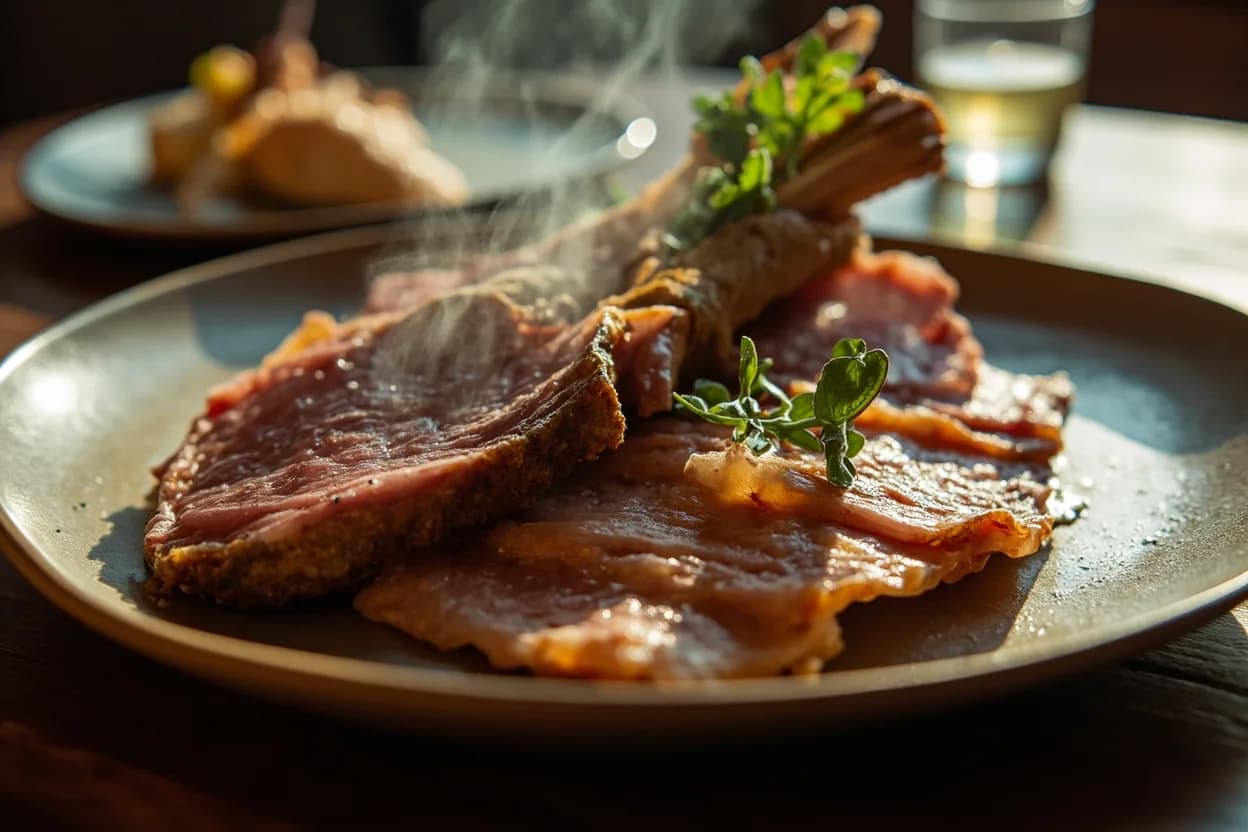
Cross-cut steaks from the bone-in leg; quick-cooking, grill-friendly, best served medium-rare.
Choosing and buying
Pick the form of leg that matches your cooking method and head count. A whole bone-in leg (5–8 lb) feeds six to eight generously and is the most forgiving roast in the catalog — the bone insulates the meat and slows drying. Boneless or butterflied legs cook faster and more evenly, and let you tuck garlic, herbs, anchovies, or a herb-breadcrumb stuffing into the cavities where the bones were, but they demand careful tying and a watchful thermometer. Half legs suit smaller households; the sirloin half is richer and tender, the shank half is leaner and slightly firmer, and the two cook at different rates, so keep them separate rather than roasting them as one piece. Origin matters too: New Zealand and Australian lamb is grass-fed year-round and tends to be lean and mild; UK and Irish lamb is strongly seasonal (peak in late summer and autumn) with more pronounced flavor; American lamb is often grain-finished and carries a thicker fat cap.
Regional preparations at a glance
- British Sunday roast: rosemary-and-garlic rub, roasted alongside potatoes, served with mint sauce or jelly and redcurrant.
- Greek psito: scored and marinated in lemon, olive oil, garlic, and oregano, roasted over potatoes that absorb the pan juices.
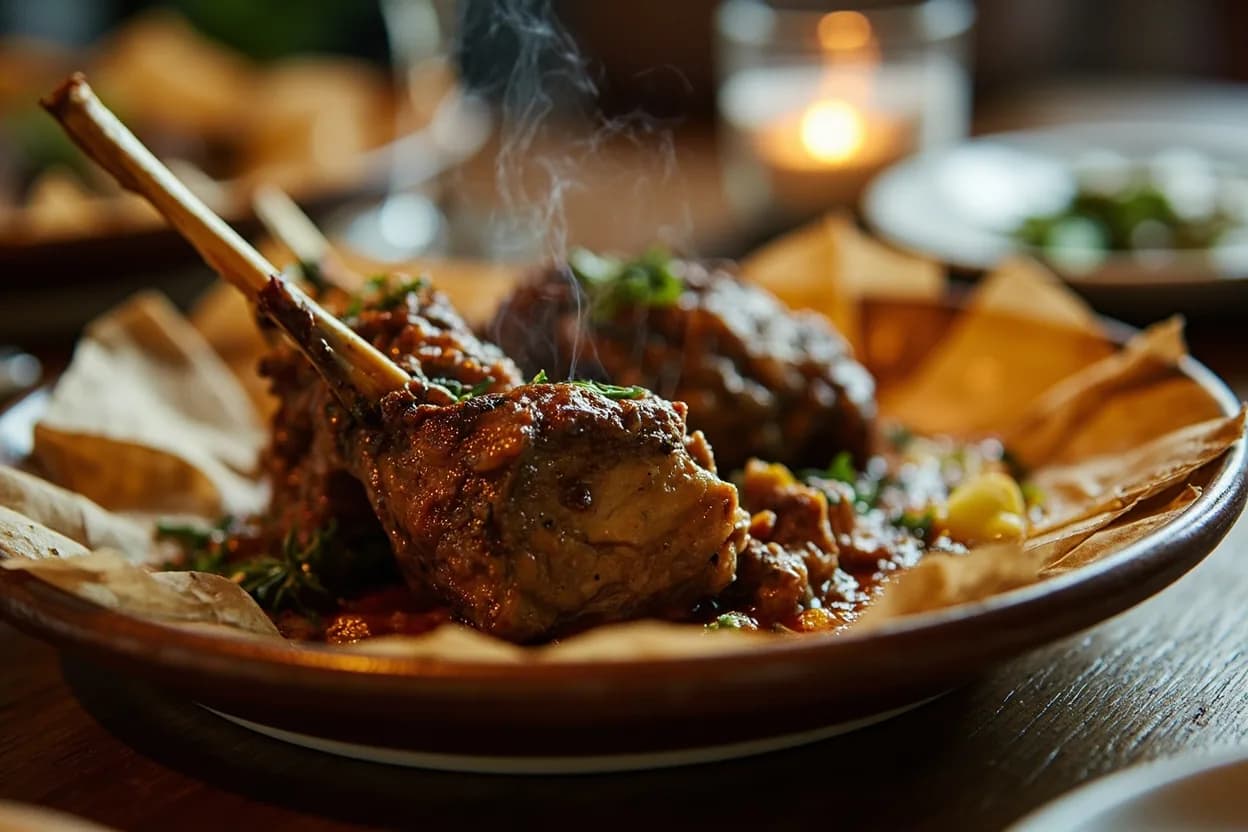
- Indian raan: overnight marinade of yogurt, ginger, garlic, garam masala, and Kashmiri chili, slow-roasted and finished with reduced pan drippings.
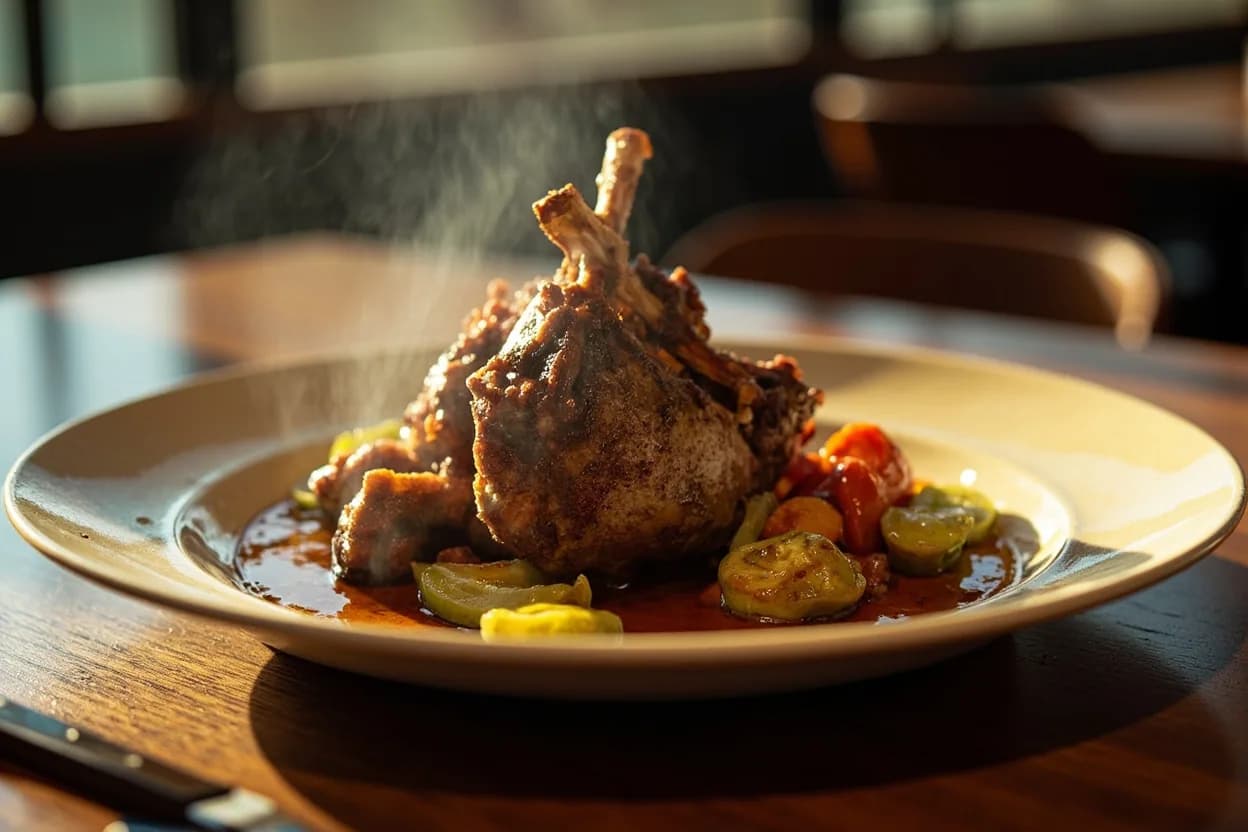
- Moroccan braise (often shoulder or shank): browned and simmered with ras el hanout, preserved lemon, chickpeas, or dried apricots.
- Levantine and Turkish: garlic-and-sumac paste, sometimes finished with pomegranate molasses, served with parsley, yogurt, and flatbread.
- Italian abbacchio-style: roasted with rosemary, anchovies, and white wine, finished with a squeeze of lemon.
Common uses
Tips & pitfalls
- Bring the leg to room temperature (about 1 hour out of the fridge) before roasting so the center is not raw when the outside is done.
- Score the fat cap in a shallow crosshatch and rub with olive oil, garlic, and salt; this drives seasoning in and lets the fat render rather than trap steam.
- Use a leave-in instant-read probe thermometer — the leg's leanness punishes overcooking more than almost any other lamb cut.
- Pull the roast 5–10°F below your target temperature; carryover heat during the rest will finish the job.
- Rest at least 10 minutes (15–20 for a whole leg), tented loosely with foil, so the juices redistribute instead of flooding the board when you carve.
- Dry-brine with salt 12–24 hours ahead for the best seasoned crust and the most even internal moisture.
- Apply any sweet glaze — mustard, honey, pomegranate molasses — only in the final 15–20 minutes, or the sugars will scorch.
- Common mistake: cooking straight from the fridge, which guarantees a raw center and an overcooked exterior.
- Common mistake: skipping the rest, which sends the juices straight onto the cutting board and leaves the meat tasting dry.
- Common mistake: salting only at the end; surface salt never penetrates the lean muscle in time.
Nutrition
Energy
1180 kJ · per 100 g
Where the calories come from
Protein
16.6g
33% DV
Carbs
0g
0% DV
Fat
23.4g
30% DV
Fiber
0g
0% DV
Sugars
0g
of which
Sodium
59mg
3% DV
Source · USDA FoodData Central · approx. Lamb, ground, raw
View on FDC →In the shops
Matched grocery products
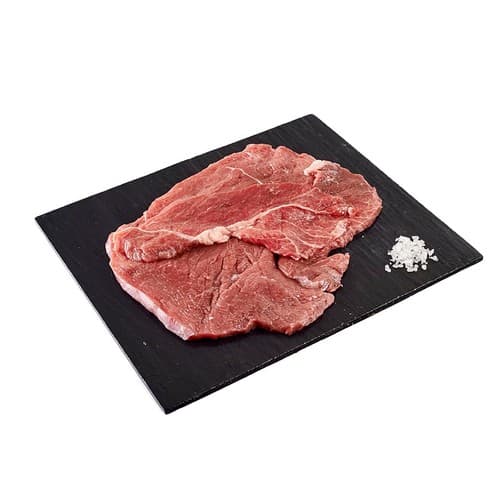 €7.00
€7.00Bonpreu Beef Steak
BONPREU · ud · Bonpreu
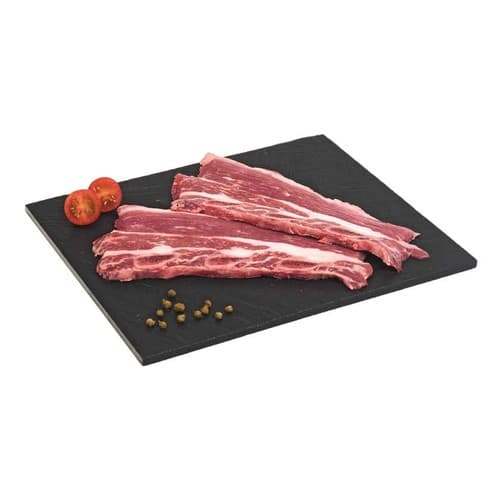 €3.49
€3.49Ecological Beef Steak
BONPREU · kg · Bonpreu
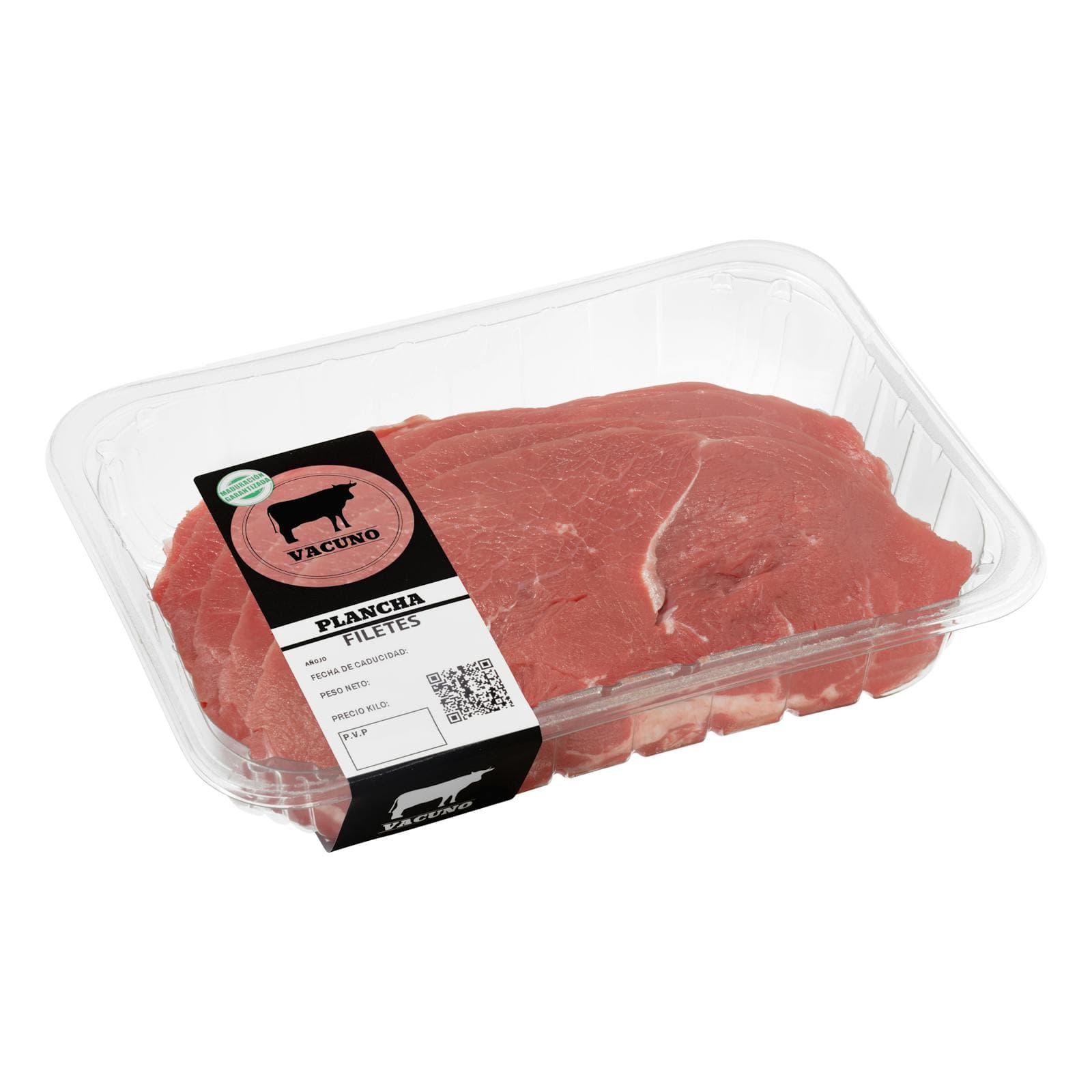 €10.01
Yearling Beef Steaks for Griddle
550 g · Mercadona
Good to know
- Anatomical source
- Hind leg of young sheep (under 12 months), from the pelvic/aitch bone to the hock
- Typical whole weight
- 5–8 lb (2.3–3.6 kg); half legs 2–4 lb
- Bone-in vs boneless
- Sold bone-in, semi-boneless (shank removed), boned and rolled, or butterflied
- Fat content
- Lean cut with an external fat cap typically 1/4 inch or less, sometimes absent on milk-fed spring lamb
- Internal doneness targets
- Rare 125°F/52°C; medium-rare 130–135°F/54–57°C; medium 140–145°F/60–63°C; USDA recommends 145°F with a 3-minute rest
- Roasting time (bone-in, whole)
- Roughly 15–20 min per lb at 325°F/165°C for medium-rare; butterflied legs cook in 25–40 minutes total at high heat
- Yield after cooking
- About 55–65% of raw weight for a bone-in leg; roughly 70–75% for a boned and rolled leg
- Storage
- Refrigerate at 32–34°F/0–1°C for 3–5 days; freeze below 0°F for 9–12 months
Substitutes
- Boneless leg of mutton — Same cut from an older sheep; richer, stronger flavor and more fat, requires longer, slower cooking.
- Bone-in lamb shoulder — Fattier and more forgiving; substitute for slow-roasted preparations, trimmed and tied to mimic the shape.
- Boneless leg of pork — Closest match in shape and lean texture; milder flavor — boost with garlic, rosemary, and a little anchovy.
- Bone-in leg of goat (chevon) — Similar leanness and a touch more gaminess; common in Caribbean, South Asian, and African cooking.
- Boneless veal leg roast — Very lean and mild; works for stuffed, tied roasts but needs careful temperature control.
- Butterflied beef top round — Substitute for grilled, marinated applications; richer and beefier, more forgiving on the grill.
Pairs with
Also called
Lamb Leg
Appears in these dishes
Related
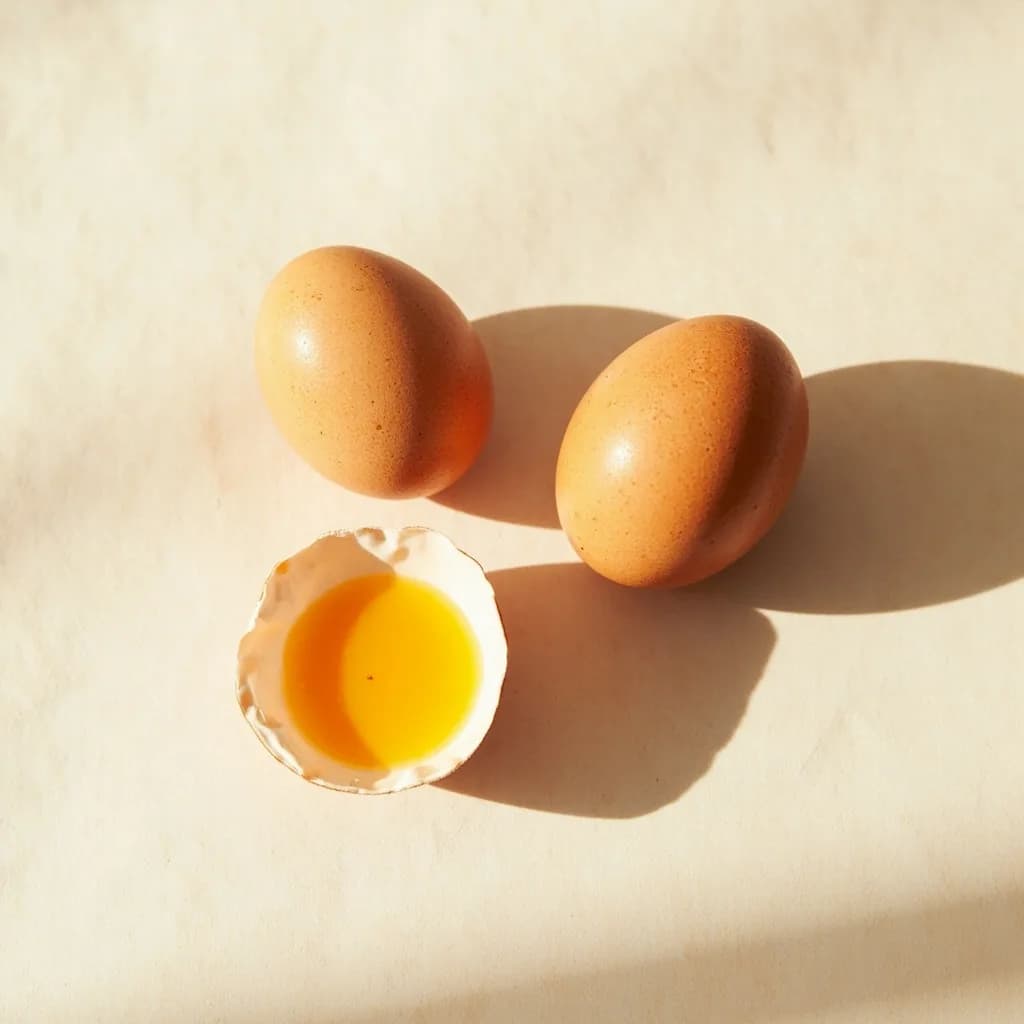
Egg
The kitchen's everything ingredient — bind, leaven, enrich, or fry
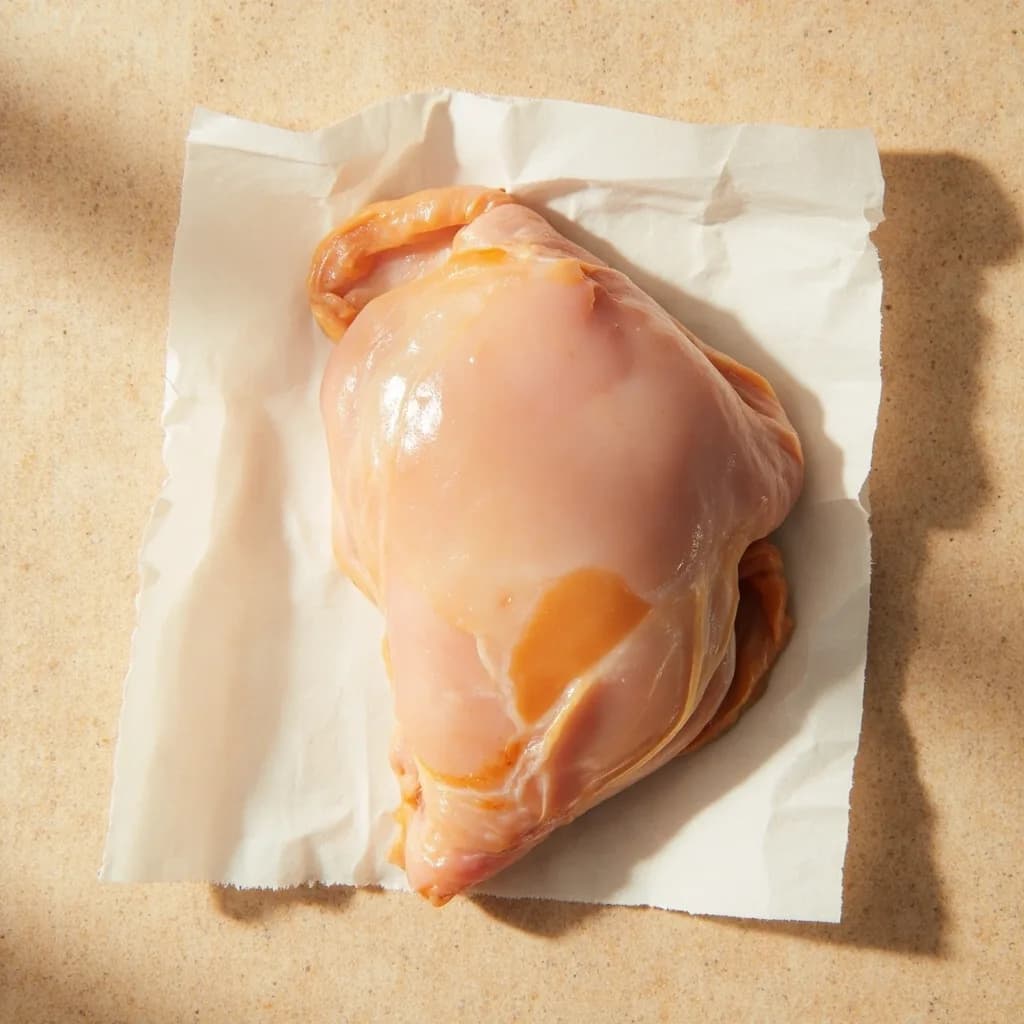
Chicken Breast
Lean, quick-cooking white meat for everyday dinners

Ground Beef
Versatile minced beef for burgers, ragù, tacos, and meatballs
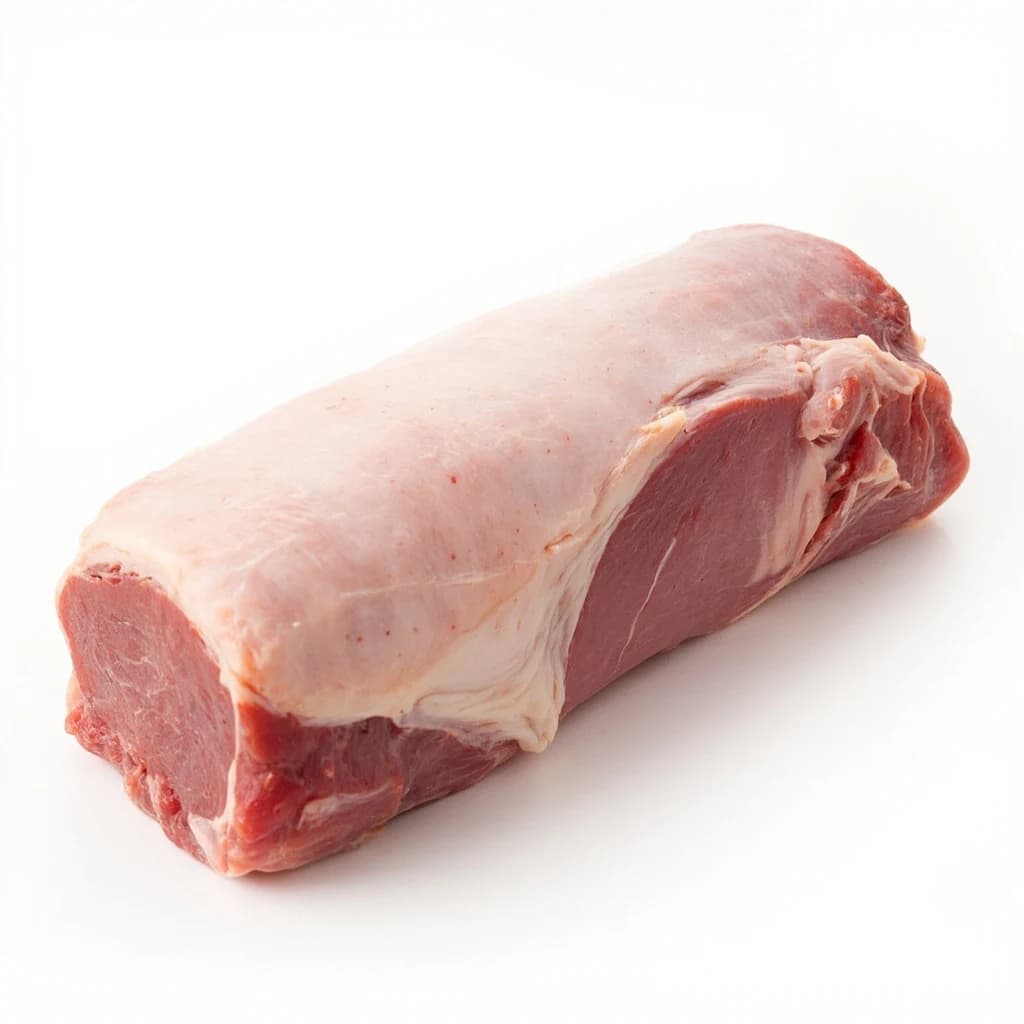
Pork Loin
Lean, tender roasting cut that stays juicy with care
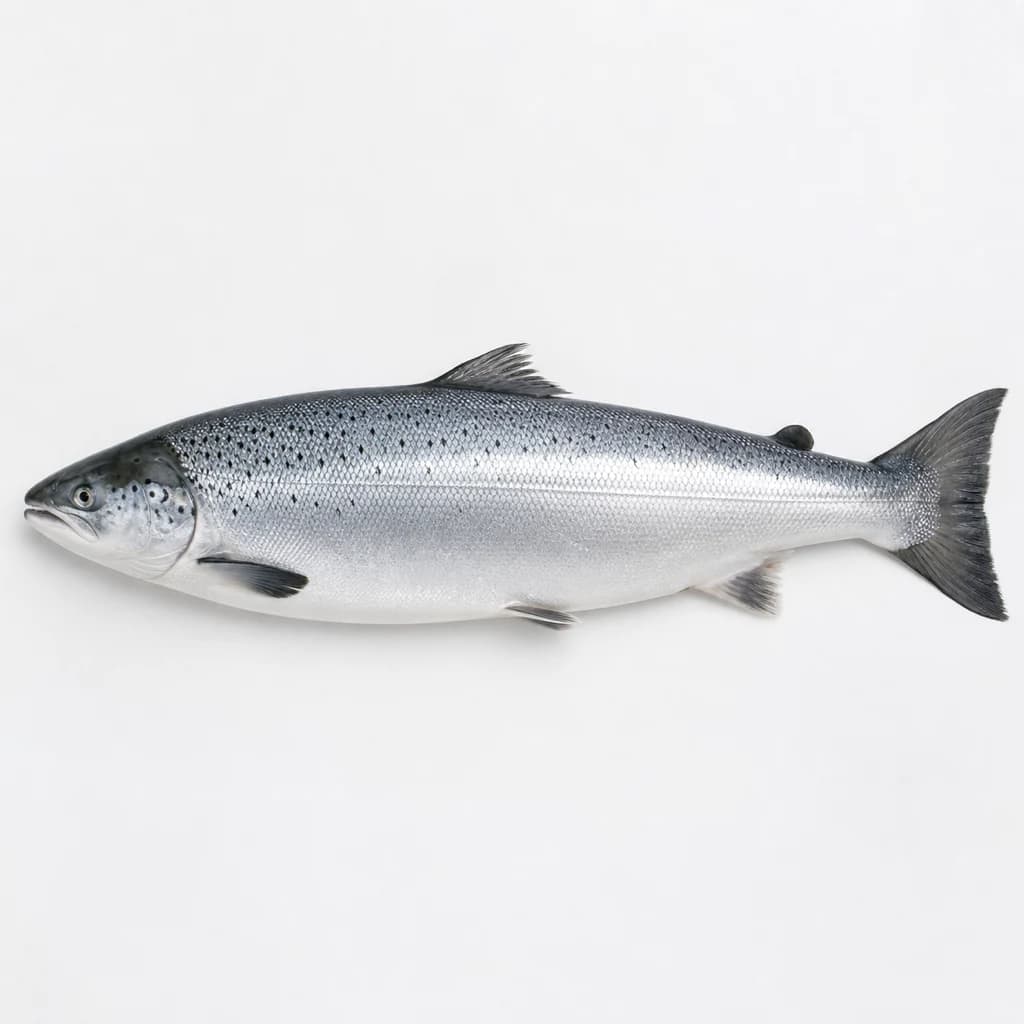
Salmon
Rich, rosy fish that roasts, grills, or cures beautifully

Egg White
Pure protein that whips to airy peaks for meringue and more
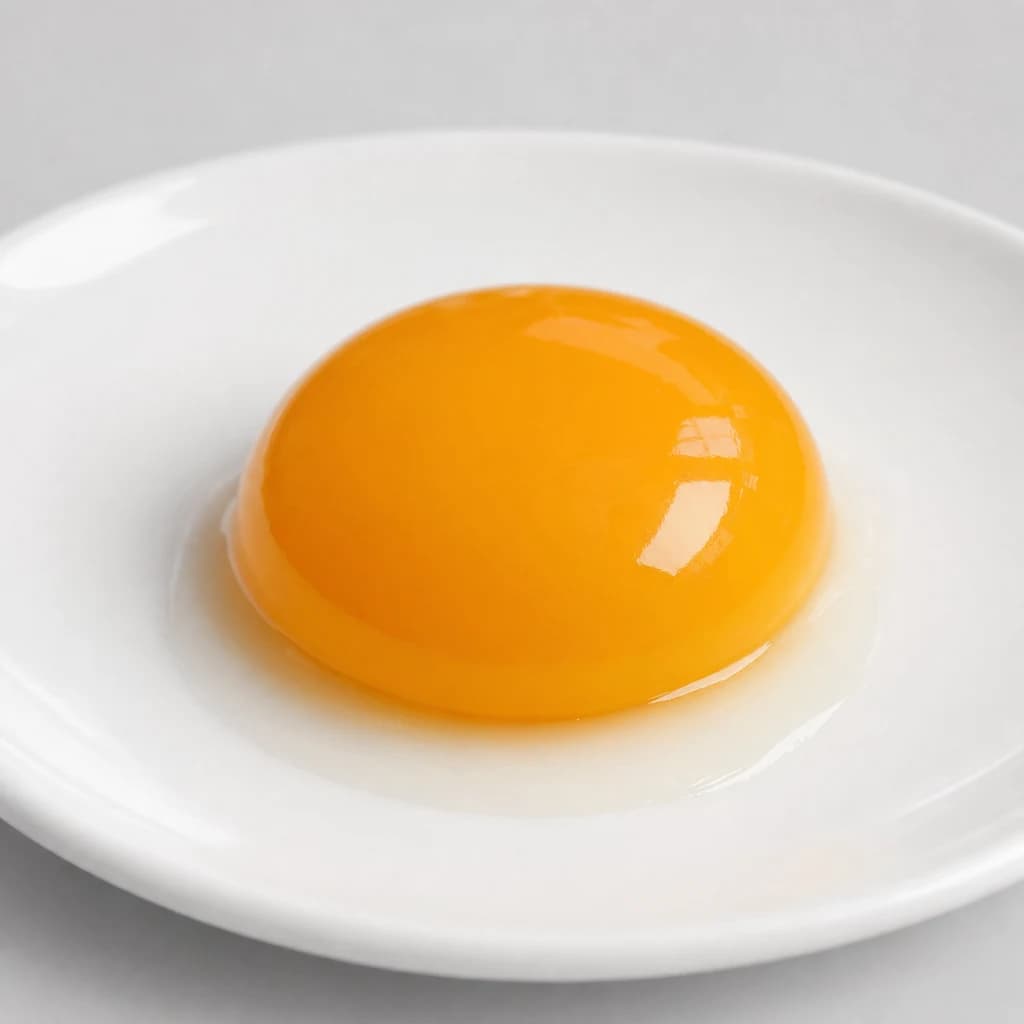
Egg Yolk
Rich, golden yolk for custards, mayonnaise, and pasta

Quail Egg
Tiny, speckled eggs for garnishing and elegant bites