Proteins
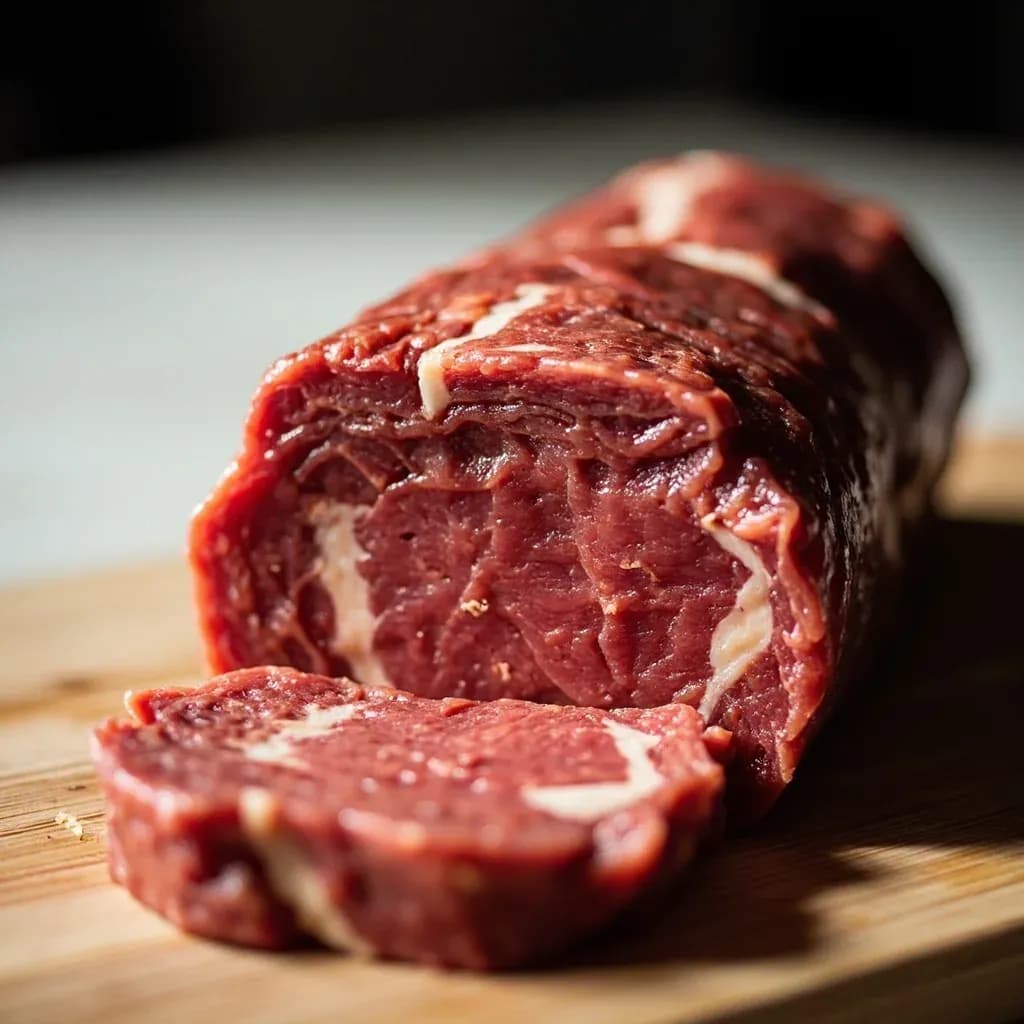
Beef Tenderloin
The leanest, most tender beef cut (source of filet mignon); roasted whole or seared as steaks.
Beef tenderloin is a long, lean muscle from the loin that does little work, making it the most tender cut of beef and the source of filet mignon and chateaubriand. Mild in flavor and very tender, it is roasted whole for special occasions, sliced into steaks, or used raw for carpaccio and tartare. Because it is so lean, it is best cooked rare to medium and often paired with rich sauces.
Beef tenderloin is the most tender muscle in the steer, running along the interior of the spine from the 13th rib to the hip bone. This muscle bears almost no weight during the animal's life, resulting in the lowest connective tissue content of any beef cut and a texture that yields effortlessly to the knife. Its fibers are predominantly Type I (slow-twitch), the same oxidative fiber type found in endurance muscles, which accounts for its extraordinary tenderness and fine grain. Historically called "filet de bœuf" in French classical cuisine, it has been the centerpiece of haute cuisine since the 19th century, prized for its buttery texture rather than its beefy intensity.
The tenderloin's defining characteristic is its leanness—with only 1–2% intramuscular fat, it lacks the marbling that gives other cuts their robust flavor and moisture. This mildness is a feature, not a flaw: the meat acts as a blank canvas that absorbs and frames sauces gracefully, from classic Béarnaise to a simple red wine reduction. The muscle tapers significantly from the thick center (the source of filet mignon) to the thin tail, meaning a whole tenderloin is rarely uniform and must be handled accordingly during butchery and cooking.
Purchasing a whole tenderloin yields roughly 3–4 pounds of usable meat after trimming—the silver skin, chain muscle, and fat cap account for 20–30% loss. The fat cap, when present, is worth preserving: it protects the lean interior during high-heat searing and adds a thin layer of moisture. Because of its low fat content, the tenderloin is unforgiving: it dries out quickly when overcooked and loses its appeal above 130°F (54°C) internal temperature. Precision in temperature control and resting time separates a perfectly cooked filet from a disappointing one.
- Measured in
- g
- Storage
- Fridge
Types & varieties
Thick center portion; most expensive and tender; typically 2–2.5 inches in diameter
Cut from the thick center; 2–3 inches thick, serves 2; often butter-basted and roasted or grilled
Slices from the narrower tail end; 1–1.5 inches thick; smaller than filet mignon
Tapering ends; ideal for kabobs, stir-fry, carpaccio, or grinding
Full muscle with the chain removed; the main canvas for butchering into smaller cuts
Butchery Essentials
The tenderloin arrives from the butcher with the chain muscle still attached—this is a separate, narrower strip that runs alongside the main tenderloin and should be removed (it can be ground or used for stir-fry). The silver skin is a tough, shiny membrane that will not render during cooking and makes the meat chewy; remove it carefully with a flexible boning knife, working with the grain initially before turning the knife perpendicular for the final passes. If a fat cap is present, leave it intact: it protects the lean meat during searing and can be trimmed to your preference after cooking or left as a decorative frame.
- Remove the chain muscle before any other preparation
- Cut silver skin off with a flexible boning knife, never tear it
- Leave the fat cap intact during initial searing; trim later if desired
Temperature and Doneness
The tenderloin's low fat content makes it uniquely sensitive to overcooking. Unlike ribeye, which tolerates medium doneness due to its marbling, the tenderloin dries out rapidly once it passes medium-rare. The target internal temperature for a perfect medium-rare is 120–125°F (49–52°C), but remember that carryover cooking will raise the temperature by approximately 5°F during resting. Always pull the roast from the oven or grill when it is 10°F below your target temperature and tent it loosely with foil for 15 minutes. Use an instant-read thermometer inserted into the thickest part of the roast for accuracy—steam escaping from the probe hole can affect readings if left in too long.
- Pull at 110–115°F for medium-rare, accounting for carryover
- Never leave the thermometer in during roasting
- Rest 15 minutes tented with foil before slicing
Common uses
Tips & pitfalls
- Let the tenderloin rest at room temperature for 45–60 minutes before cooking to ensure even doneness throughout.
- Season simply: salt and cracked pepper suffice; the cut's appeal is its purity and texture, not fat flavor.
- Use butcher's twine to tie the roast at 1.5-inch intervals for uniform thickness and even cooking.
- Sear in a ripping-hot pan (cast iron or stainless steel) with a high-smoke-point oil for 2 minutes per side to develop a deep mahogany crust before roasting.
- For a whole roast, finish in a 400°F (200°C) oven until within 10°F of target temperature; rest 15 minutes tented with foil before slicing.
- Slice against the grain into 3/4-to-1-inch medallions with a sharp, non-serrated knife for clean edges and tender texture.
- Do not press down on the steak while searing—this squeezes out juices and results in a dry, dense interior.
- Common mistake: cooking past medium-rare; the lean profile means it dries out quickly and loses its appeal above 130°F (54°C) internal temperature.
Nutrition
Energy
586 kJ · per 100 g
Where the calories come from
Protein
21.2g
42% DV
Carbs
0g
0% DV
Fat
6.1g
8% DV
Fiber
0g
0% DV
Sugars
0g
of which
Sodium
39mg
2% DV
Source · USDA FoodData Central · Beef, New Zealand, imported, tenderloin, separable lean only, raw
View on FDC →In the shops
Matched grocery products
No matched grocery products for Beef Tenderloin yet.
Good to know
- Location
- Inside the spine, from 13th rib to hip bone
- Weight
- Whole: 4–6 lbs (1.8–2.7 kg); individual steaks: 6–10 oz (170–285 g)
- Fat Content
- Leanest major beef cut; only 1–2% intramuscular fat
- Connective Tissue
- Very low; the muscle does no weight-bearing work
- USDA Grades Used
- Prime preferred for roasting; Choice or Select acceptable for steaks
- Cold-Chain Temp
- Refrigerate at 28–32°F (−2 to 0°C) for 5–7 days; freeze at 0°F (−18°C) up to 6 months
- Ideal Internal Temp
- 120–125°F (49–52°C) for rare to medium-rare; carryover adds ~5°F
- Yield
- 20–30% trimming loss; usable yield ~3–4 lbs per whole tenderloin
Substitutes
- Center-Cut Pork Tenderloin — Similar dimension and leanness; cook to 145°F; noticeably different flavor but comparable tenderness
- Eye of Round — Lean but much less tender; requires marinating and slow, moist cooking; poor direct substitute for steak applications
- Ribeye Steaks — Higher fat content and more beefy flavor; significantly less tender per bite; not interchangeable in delicate preparations
Pairs with
Also called
Filet Mignon · Fillet of Beef · Eye Fillet
Appears in these dishes
Related
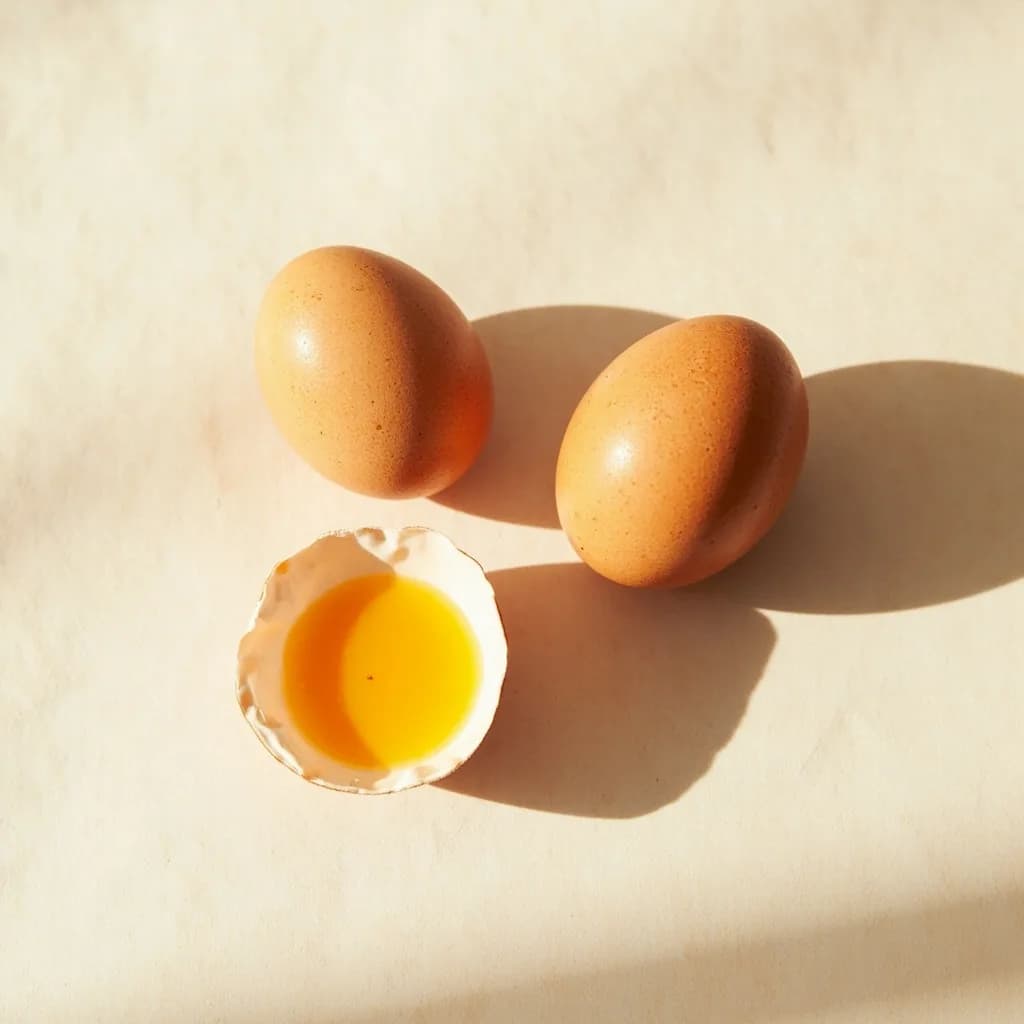
Egg
The kitchen's everything ingredient — bind, leaven, enrich, or fry
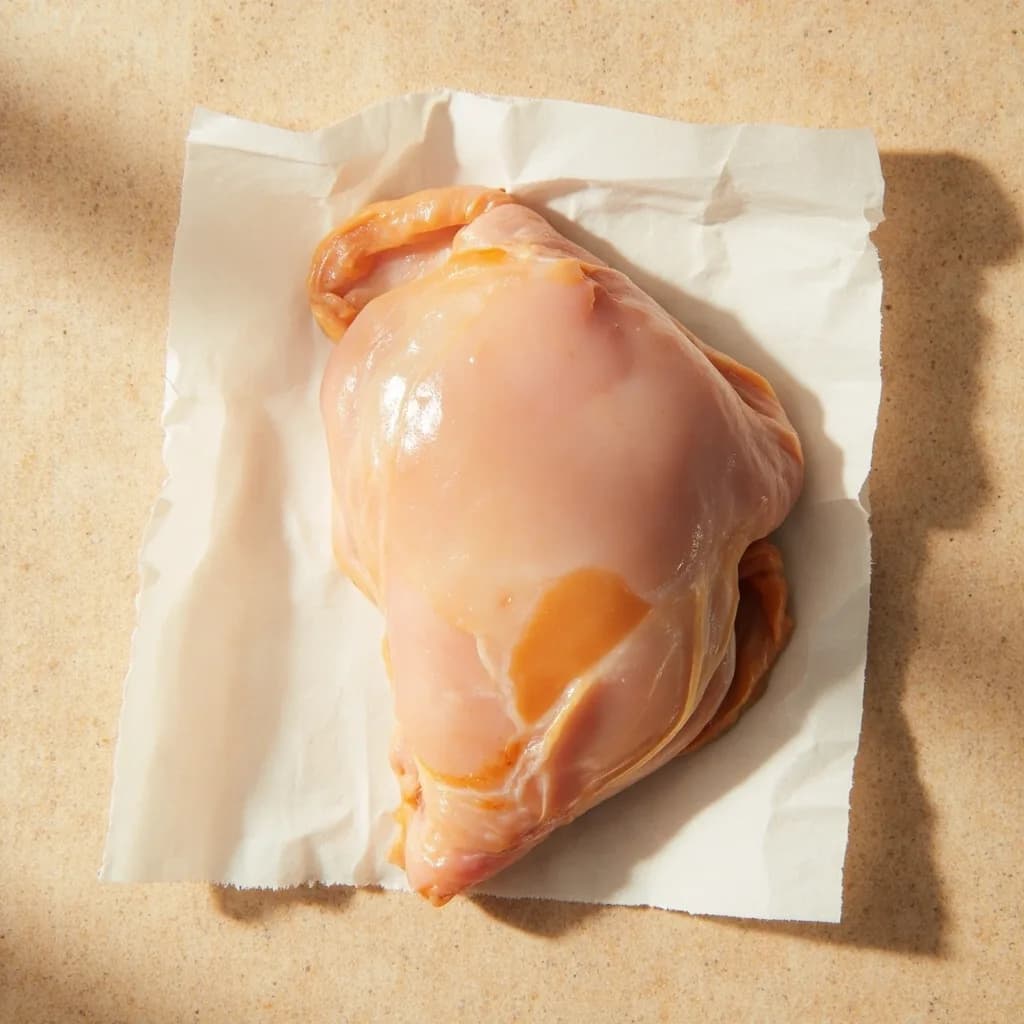
Chicken Breast
Lean, quick-cooking white meat for everyday dinners

Ground Beef
Versatile minced beef for burgers, ragù, tacos, and meatballs
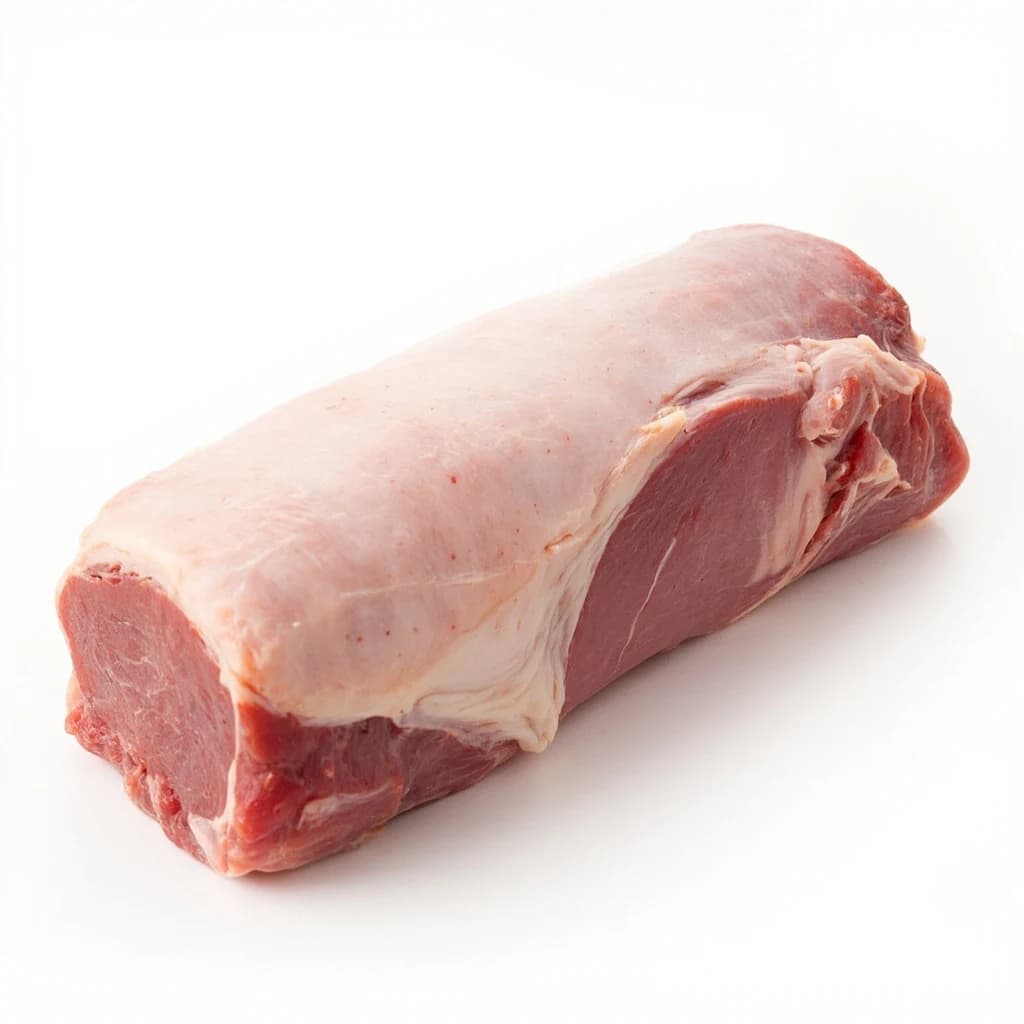
Pork Loin
Lean, tender roasting cut that stays juicy with care
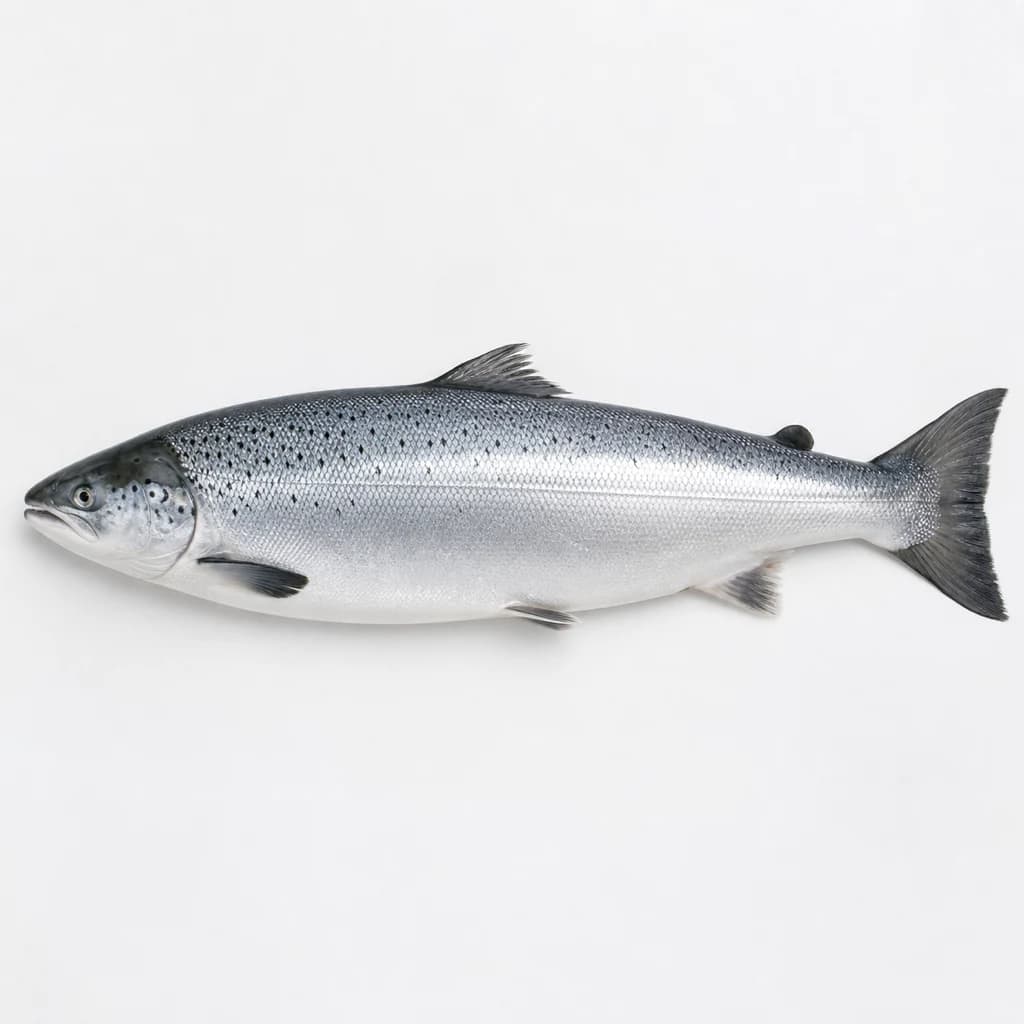
Salmon
Rich, rosy fish that roasts, grills, or cures beautifully

Egg White
Pure protein that whips to airy peaks for meringue and more
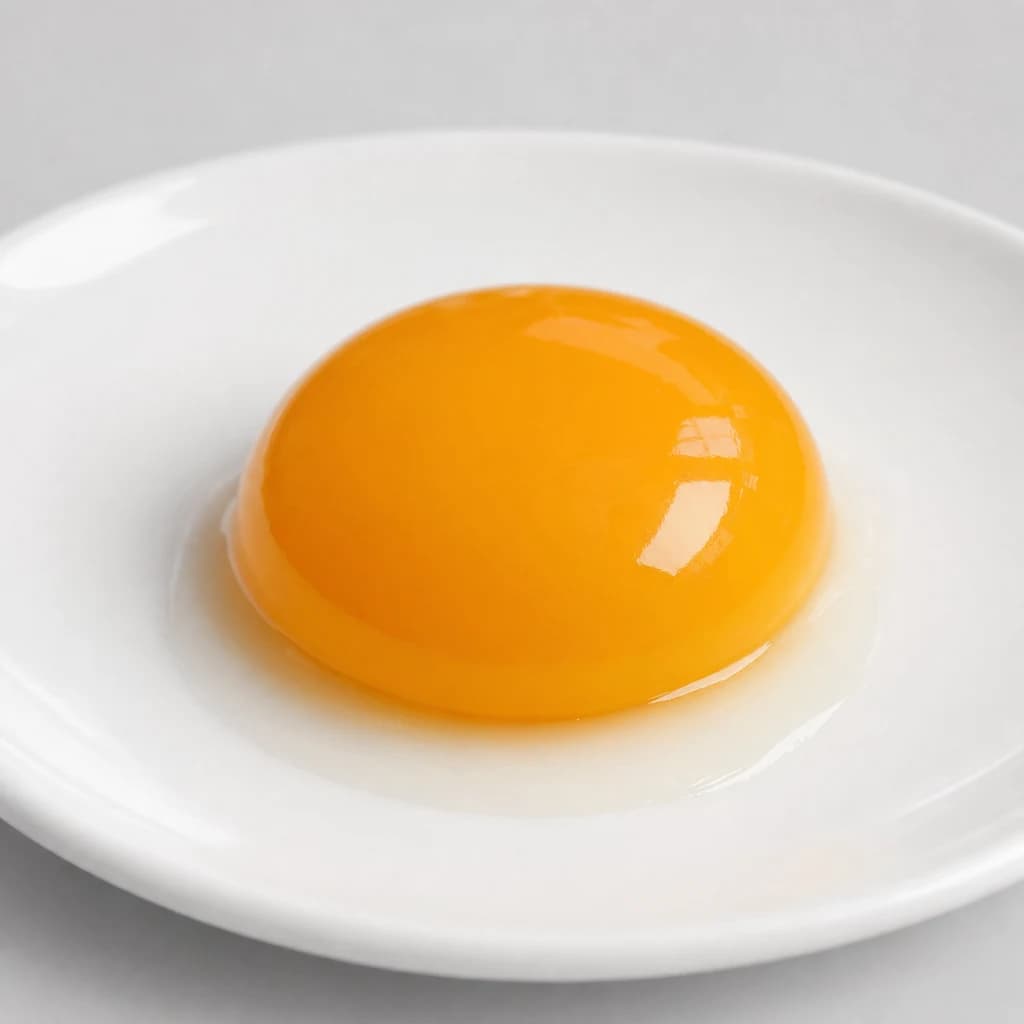
Egg Yolk
Rich, golden yolk for custards, mayonnaise, and pasta

Quail Egg
Tiny, speckled eggs for garnishing and elegant bites