Proteins
Filet Mignon
The tenderloin's most tender steak, lean and buttery when seared.
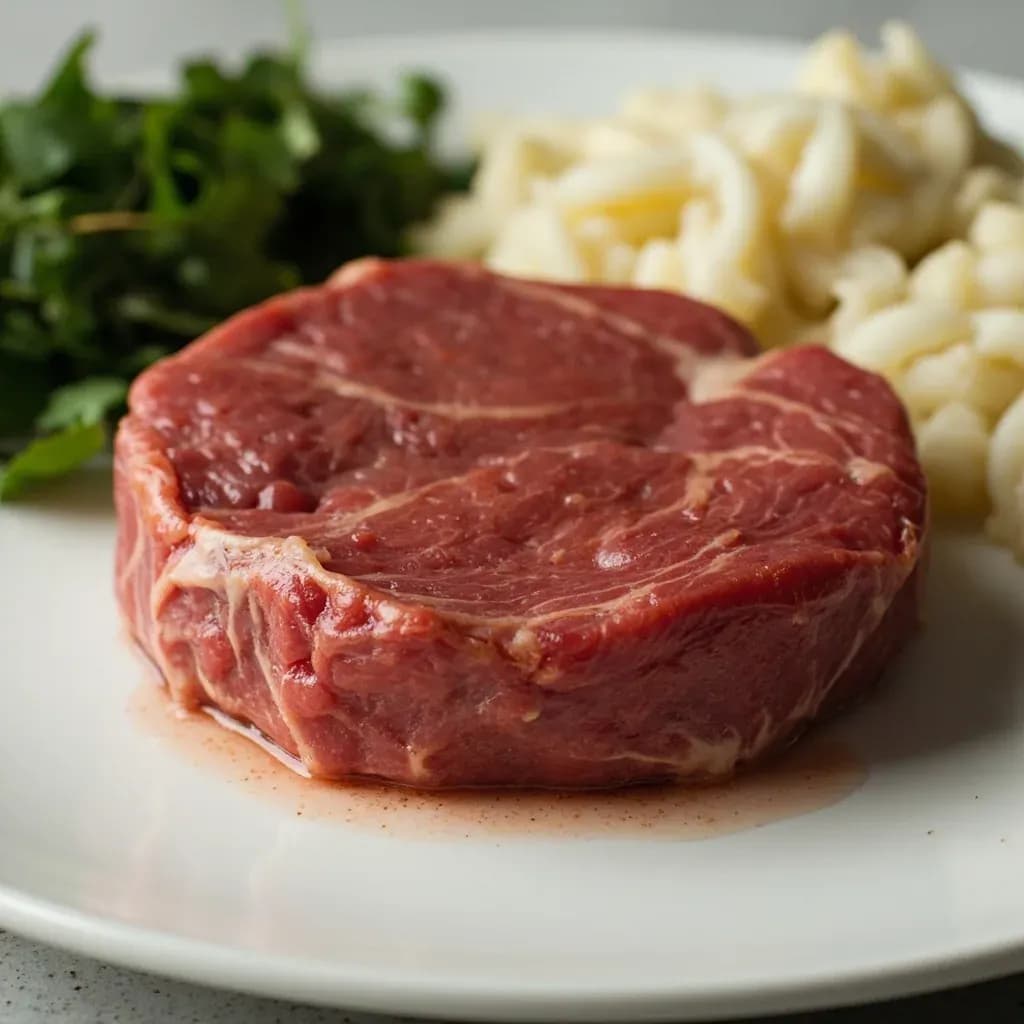
Filet mignon is cut from the small end of the beef tenderloin, the most tender steak on the animal. Lean and mild, it is quickly seared or grilled and often served with a sauce or wrapped in bacon to add richness. It is a special-occasion cut prized for its texture rather than bold beefy flavor.
Filet mignon is the most tender cut of beef, carved from the psoas major muscle running along the spine of the cow. This is the least-worked muscle in the animal, which explains its legendary tenderness: fine muscle fibers and minimal connective tissue mean it yields effortlessly to the knife. The name comes from French, where "filet" means fillet or strip, and "mignon" means small or dainty; together, the term translates loosely to "dainty fillet." The cut has earned its reputation as the premium steak in fine dining establishments worldwide.
The defining characteristic of filet mignon is its leanness. Where a ribeye rewards with marbling and bold beefy flavor, the filet offers texture as its virtue. Filet mignon is not inherently flavorful compared to other cuts—its virtue is tenderness, not taste. This leanness is not a flaw but a feature—it allows the meat to melt on the palate when properly cooked. However, this same leanness makes the cut unforgiving. Because there is no fat to baste the meat from within, overcooked filet mignon (beyond medium-rare) becomes dry and chalky, a waste of both the ingredient and the premium price. The difference between a perfectly cooked filet and a ruined one is often less than 20°F (11°C) of internal temperature.
Because the filet lacks the fat and connective tissue that carry flavor in other cuts, it is almost always paired with rich accompaniments. Classic preparations like Tournedos Rossini (topped with foie gras and truffle), Beef Wellington (wrapped in puff pastry), or a simple béarnaise sauce are not indulgent extras—they are essential to building flavor. A skilled cook knows that the sauce is half the dish. Restaurants charging premium prices for unsauced, unadorned filet mignon rely on the customer's assumption that the cut itself justifies the cost; the informed cook understands that technique and accompaniment elevate the ingredient.
- Measured in
- g
- Storage
- Fridge
Types & varieties
The most prized portion; uniform diameter and thickness for even cooking
Slightly more flavor; may have a bit more irregular shape; often sold as 'tapered end'
Thin-cut rounds from the tenderloin's center; 3–4 oz each; cook very quickly
Cut from the thick head of the tenderloin; typically 16–24 oz for sharing; named for the 19th-century French diplomat François-René de Chateaubriand
The entire muscle; butchers sell it whole for catering or DIY portioning
Buying and Storing
When purchasing filet mignon, look for a deep cherry-red color with a moist but not wet surface. Avoid any steaks with a brownish tinge or visible pooling liquid, which indicates age or improper handling. The thickness matters more than diameter—a 2-inch-thick steak will cook more evenly than a 1-inch steak of the same quality. For whole tenderloin, ask your butcher to trim any remaining silver skin and to tie the roast at 1-inch intervals for even cooking. Store raw filet mignon in the coldest part of your refrigerator (31–33°F / -1 to 1°C) for 1–2 days maximum. For longer storage, double-wrap in plastic and freeze at 0°F (-18°C); properly stored, it maintains quality for up to 6 months. Always thaw frozen steaks in the refrigerator, never on the counter.
- Purchase USDA Prime or Choice grade for best results
- Look for uniform thickness when buying individual steaks
- Refrigerate raw steaks 1–2 days; freeze up to 6 months
- Thaw frozen steaks slowly in the refrigerator, not on the counter
The Reverse-Sear for Thick Cuts
Standard high-heat searing works well for steaks up to 1.5 inches thick. For 2-inch-thick cuts and above, the reverse-sear method produces superior results. This technique, developed by Cook's Illustrated and now standard in professional kitchens, involves slow-roasting the steak in a low oven (225°F / 107°C) until it reaches 10–15°F below your target temperature, then finishing with a hard sear in a ripping-hot pan. The slow cook ensures even doneness throughout the steak, while the final sear develops the crust without overcooking the center. The result is a steak with a perfect gradient from edge to center, with a thick mahogany crust that a traditional approach cannot achieve on thick cuts without overcooking the inside.
- Roast at 225°F (107°C) on a wire rack set over a baking sheet
- Use a probe thermometer to monitor internal temperature precisely
- Sear hard (450–500°F / 230–260°C) for 90 seconds to 2 minutes per side after roasting
- Rest 8–10 minutes before slicing
Common uses
Tips & pitfalls
- Bring to room temperature 30–45 minutes before cooking — cold steak cooks unevenly from edge to center
- Pat completely dry with paper towels before seasoning — surface moisture prevents proper browning and steaming
- Salt generously 30–60 minutes before cooking (dry-brining) and pat dry again before searing for better crust development
- Use high smoke-point fat (avocado oil, refined tallow) for the sear — butter and olive oil burn too quickly
- Sear in a ripping-hot pan (450–500°F / 230–260°C) — aggressive Maillard browning, not gentle cooking, builds the crust
- Do not move the steak for at least 2–3 minutes per side after placing it in the pan — flipping too early breaks the sear
- For thick cuts (2"+), use the reverse-sear method: roast at 225°F (107°C) to within 10–15°F of target, then sear hard
- Rest on a wire rack (not a plate) for at least 5–10 minutes — cutting too early loses all the juices onto the cutting board
- Slice against the grain for maximum tenderness when portioning
- Barding (wrapping in bacon) adds fat and moisture; secure with kitchen twine if searing at high heat
- Common mistake: cooking beyond medium-rare — the leanness means there is no fat to keep the meat moist, so medium results in dry, chalky texture
- Common mistake: skipping the rest period — cutting immediately causes the juices to run out onto the plate rather than staying in the meat
Nutrition
Energy
577 kJ · per 100 g
Where the calories come from
Protein
20.9g
42% DV
Carbs
0g
0% DV
Fat
6.1g
8% DV
Fiber
0g
0% DV
Sugars
0g
of which
Sodium
63mg
3% DV
Source · USDA FoodData Central · approx. Beef, Australian, imported, grass-fed, loin, tenderloin steak/roast, boneless, separable lean only, raw
View on FDC →In the shops
Matched grocery products
No matched grocery products for Filet Mignon yet.
Good to know
- Cut
- Tenderloin (psoas major muscle)
- Origin
- French; "filet mignon" translates loosely to "dainty fillet"
- Location
- Along the spine, behind the ribs — the least-worked muscle in the cow
- Marbling
- Minimal (leanness is a defining characteristic, not a flaw)
- Texture
- Extremely tender; the most tender beef cut due to fine muscle fibers and low connective tissue
- Typical Weight
- 6–8 oz (170–225 g) per steak; thicker cuts can reach 12–16 oz
- Typical Thickness
- 1–2 inches; thicker cuts require modified cooking approach (reverse-sear or two-stage)
- Ideal Doneness
- Rare to medium-rare; leanness means medium and beyond dries out quickly
- USDA Grades
- Prime (best marbling), Choice (common in restaurants), Select (leanest)
- Storage — Refrigerator
- 1–2 days raw; 3–4 days cooked
- Storage — Freezer
- Up to 6 months at 0°F (-18°C)
- Portion Per Person
- 6–8 oz raw (roughly a deck-of-cards size)
Substitutes
- Beef Tenderloin (whole, portioned) — Same cut, less expensive if you buy the whole tenderloin and cut it yourself
- Ribeye — More marbling and beefy flavor; still tender but not as melt-soft as filet; better for those who want more fat and taste
- New York Strip — Less tender; firmer texture; good if budget is a concern and you compensate with careful cooking and slicing against the grain
- Pork Tenderloin — Comparable leanness and tenderness; cooks faster; significantly less expensive; different flavor profile
- Center-Cut Pork Loin Chop — Thicker, bone-in; mild flavor; decent substitute in a pinch for those avoiding beef
Pairs with
Also called
Beef Tenderloin Steak · Filet
Related
Egg
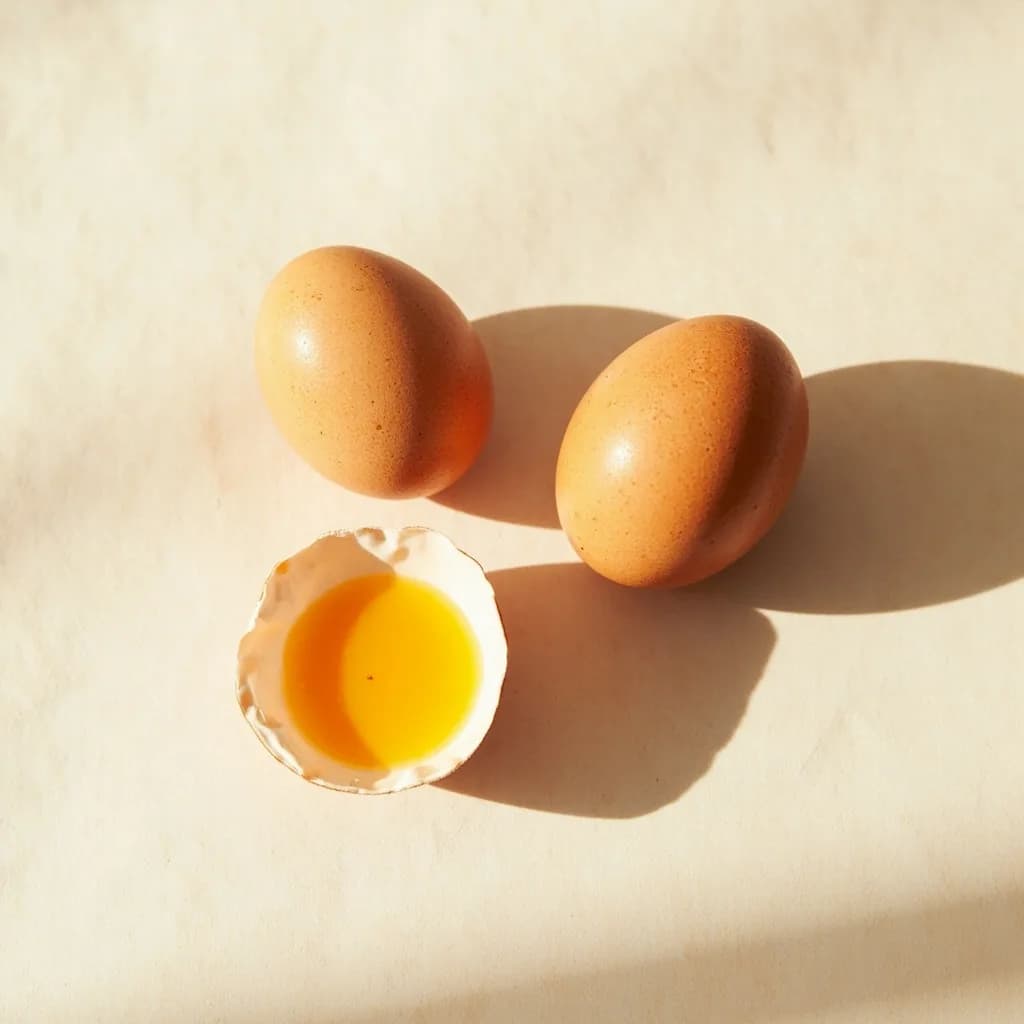
The kitchen's everything ingredient — bind, leaven, enrich, or fry
Chicken Breast
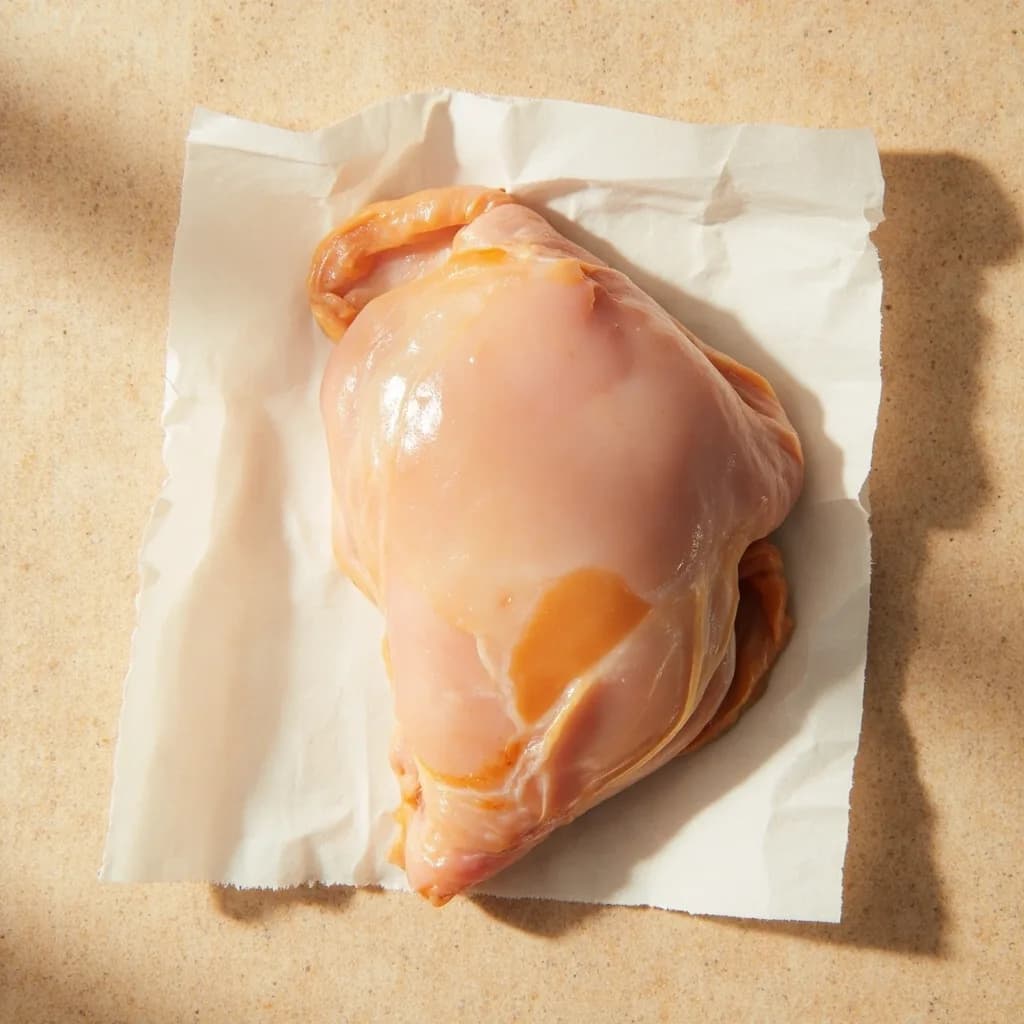
Lean, quick-cooking white meat for everyday dinners

Ground Beef
Versatile minced beef for burgers, ragù, tacos, and meatballs
Pork Loin
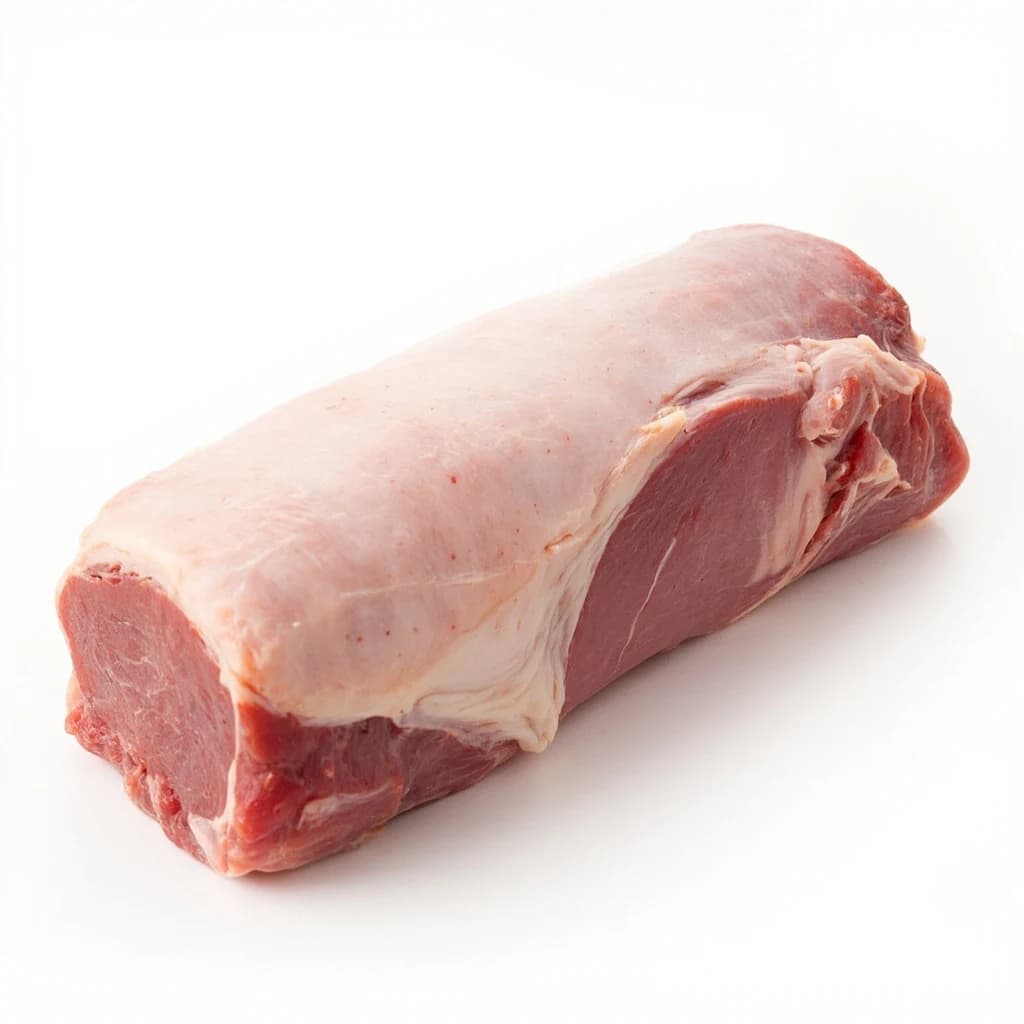
Lean, tender roasting cut that stays juicy with care
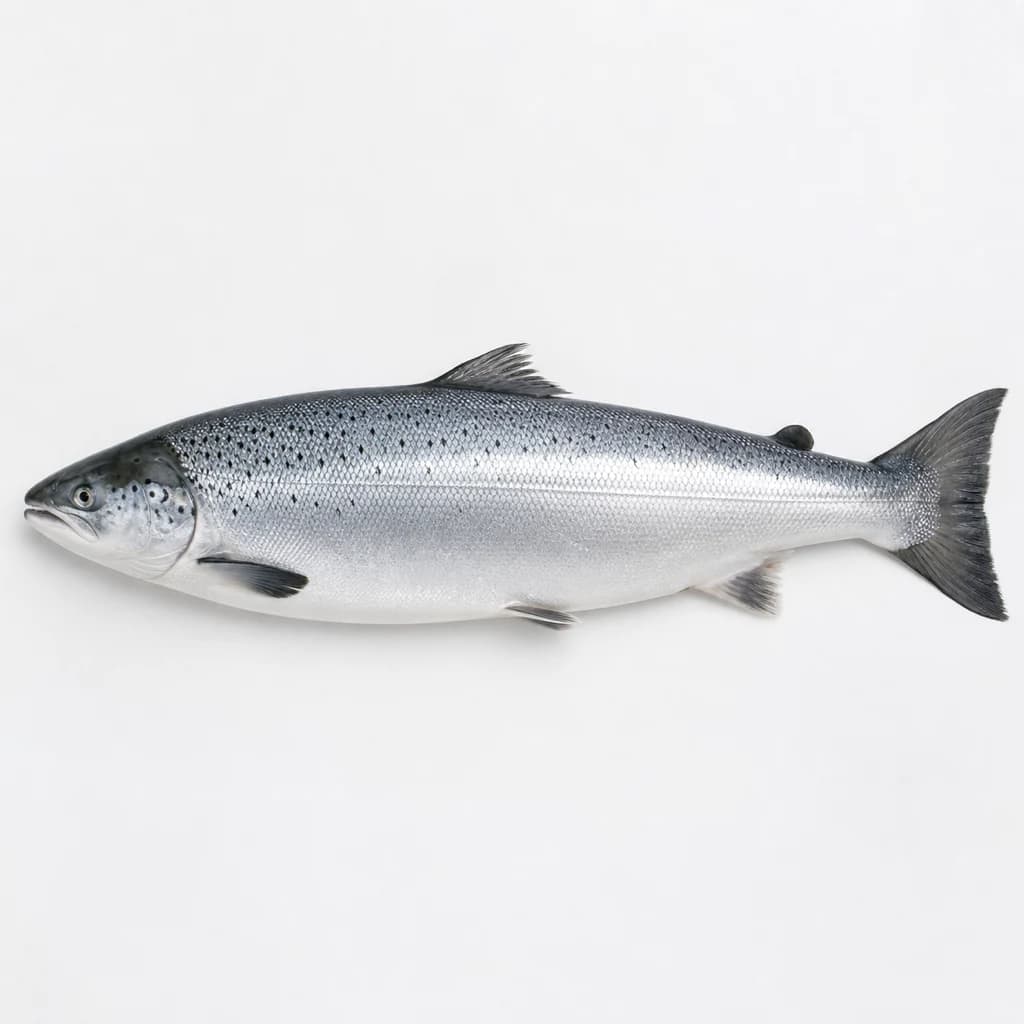
Salmon
Rich, rosy fish that roasts, grills, or cures beautifully

Egg White
Pure protein that whips to airy peaks for meringue and more
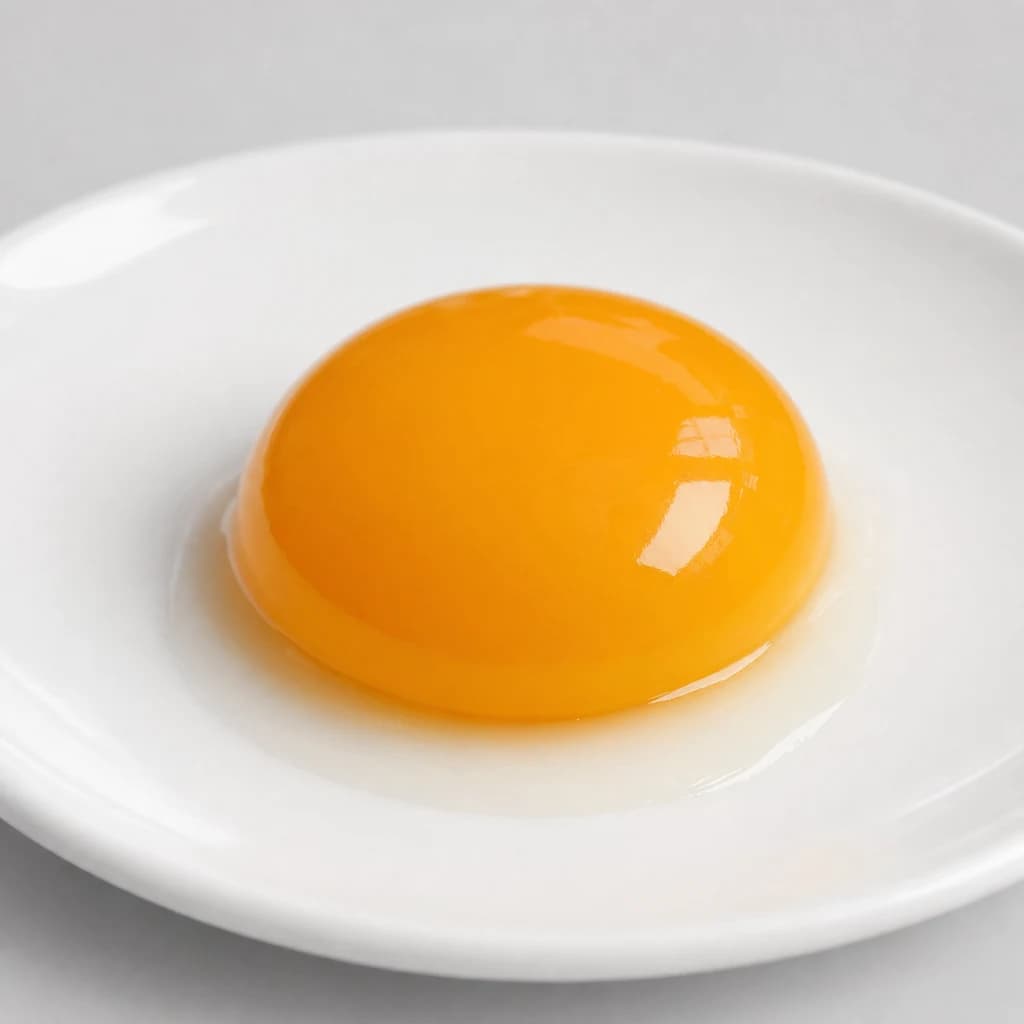
Egg Yolk
Rich, golden yolk for custards, mayonnaise, and pasta

Quail Egg
Tiny, speckled eggs for garnishing and elegant bites