Proteins
Ribeye Steak
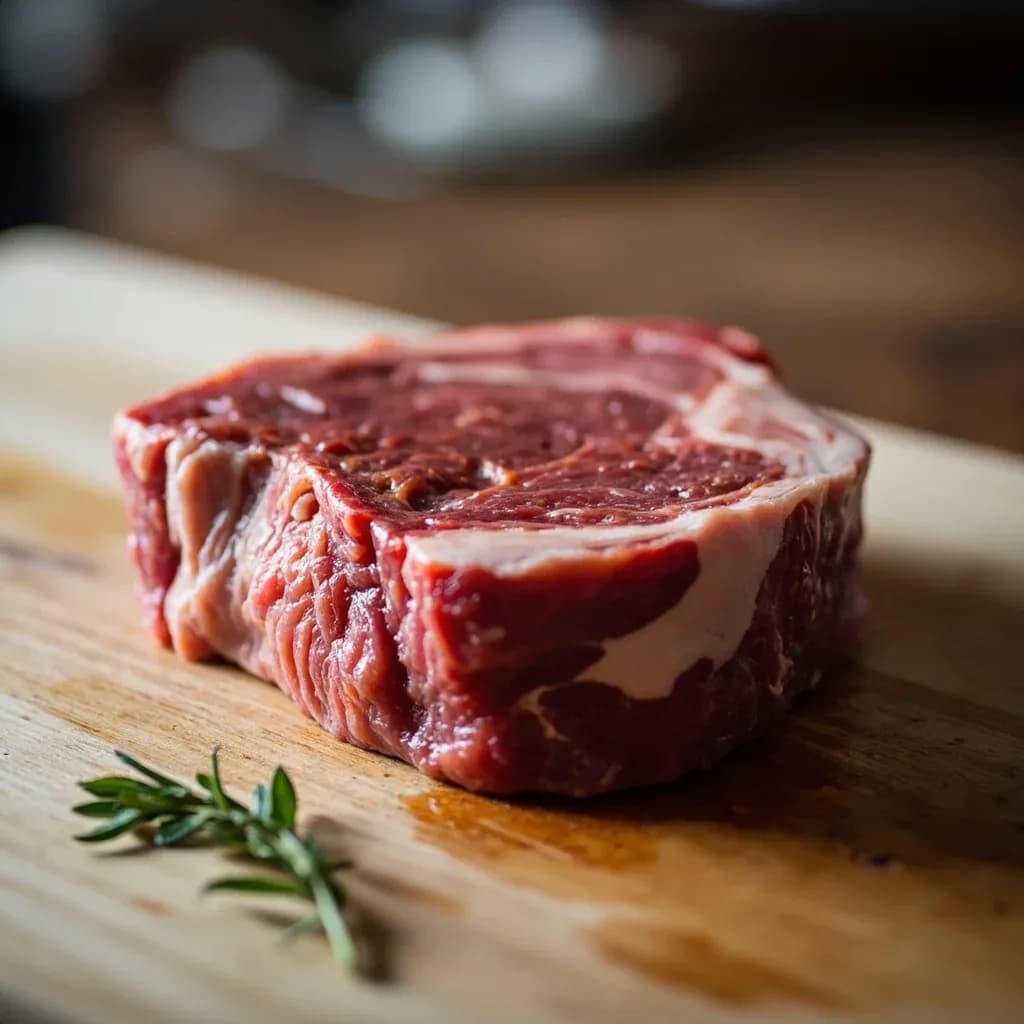
Heavily marbled steak from the rib section, rich and juicy; the classic choice for grilling or searing.
Ribeye is a beef steak cut from the rib primal, prized for its generous marbling that bastes the meat with flavor and keeps it juicy. It is a favorite for high-heat cooking such as grilling, pan-searing, and broiling, where the fat renders into a rich, beefy taste. Available bone-in or boneless, it is considered one of the most flavorful steak cuts.
Ribeye is cut from the rib section of the beef carcass, specifically from the longissimus dorsi muscle that runs along the spine from ribs 6 through 12. This muscle does minimal work during the animal's life, which is why the meat remains tender, but it sits in a region where intramuscular fat accumulates generously. That marbling—the white flecks and threads of fat woven through the red muscle—is not merely cosmetic; it is the engine of the ribeye's flavor and moisture. As the steak cooks, fat renders and bastes the meat from within, so even an overconfident cook struggles to produce a truly dry ribeye at medium-rare or medium. This self-basting quality is what makes ribeye the forgiving, indulgent choice it is.
The ribeye is sold bone-in (cut from a standing rib roast) or boneless (the longissimus with the spinalis cap, or dorsal muscle, still attached). The spinalis, sometimes called the ribeye cap, is the most marbled portion of the entire carcass and separates naturally from the longissimus in primal fabrication; when left on the boneless steak, it adds concentration and richness. The bone, when present, provides flavor through proximity to marrow and connective tissue. Either way, ribeye sits at the intersection of luxury and practicality: it is the steakhouse standard, the grill-master's showpiece, and a cut forgiving enough for a beginner learning high-heat technique.
Purchasing quality matters more here than with leaner cuts. Look for consistent, fine marbling distributed throughout the steak, not a single strip of fat along one edge. USDA Prime offers the highest marbling, Choice is widely available and excellent, and Select is leaner but still serviceable. Aging—dry-aged 21 to 45 days or wet-aged 7 to 14 days—concentrates flavor and texture. The ribeye's extraordinary marbling means it peaks at medium-rare to medium; beyond that, the fat renders away and the protein tightens, wasting the very qualities that make the cut worth its price.
- Measured in
- g
- Storage
- Fridge
Types & varieties
Most common retail form; the longissimus muscle with the spinalis cap attached, denuded of bone and exterior fat
Entire rib section with bone intact; includes rib bone which adds flavor during cooking; cut from standing rib roast
Boneless ribeye with a thin margin of external fat left on one edge; compromises between bone-in and fully trimmed
Originally referred to as bone-in ribeye from the 1870s New York restaurant; today often means a boneless ribeye, typically cut 1–1.5 inches thick
Australian/New Zealand term for bone-in ribeye; exterior fat is typically trimmed closer than American bone-in cuts
USDA-certified version of boneless ribeye with rib cap intact; stricter sourcing specifications than Delmonico
Thick-cut bone-in ribeye, usually 2 inches or more; frenched rib bone exposed for presentation
Bone-in ribeye with the entire rib bone left on and frenched to form a handle; fat cap remains intact; typically 2–3 inches thick; primarily a presentation cut
Choosing and Identifying Quality Ribeye
Not all ribeyes are equal, and the grading system provides a reliable framework. USDA Prime represents the highest marbling, though it is a small percentage of carcasses. Choice is the workhorse of retail and restaurant use and is often excellent—look for upper-Choice lots with bright red color and consistent fat distribution. Select is leaner and acceptable for those monitoring fat intake but will not deliver the same richness or forgiveness during cooking. Beyond grade, examine the steak itself: marbling should appear as fine white threads distributed throughout, not concentrated in one corner. The muscle should be bright cherry-red, the fat ivory to cream-colored, and the surface dry with no excessive moisture or off odors. Avoid steaks with large, isolated fat pockets running along one edge—these render out and leave gaps rather than basting the meat evenly.
- Fine, evenly distributed marbling outperforms large isolated fat pockets
- Bright cherry-red color indicates fresh, well-handled beef
- Avoid ribeyes with dull color, strong odor, or excessive surface moisture
- Tomahawk and cowboy cuts command premium prices primarily for visual drama, not eating quality
The Reverse-Sear Method for Thick Cuts
Thick ribeyes—1.5 inches or more—benefit from the reverse-sear technique, which eliminates the gray band of overcooked meat that radiates from the surface in traditional high-heat methods. Start the steak in a low oven (225–275°F / 107–135°C) on a wire rack set over a sheet pan, probe the center with a digital thermometer, and remove the steak when it reaches 10–15°F below target doneness. Then sear in a screaming-hot cast-iron skillet (or directly over hot coals) 60–90 seconds per side until a deep mahogany crust forms. The result is a steak with a uniform gradient from edge to center, a crust that extends almost to the bone, and a more predictable outcome than the traditional sear-first method.
- Oven temperature: 225–275°F (107–135°C) until steak reaches 10–15°F below target
- Rest briefly after oven phase, 2–3 minutes, before searing
- Searing surface must be 500°F (260°C) or hotter; cast-iron over high gas burner or cast-iron under the broiler
- Final sear: 60–90 seconds per side; resist rotating or moving the steak unnecessarily
Common uses
Tips & pitfalls
- Bring steak to room temperature for 30–45 minutes before cooking; cold steak cooks unevenly and produces steam rather than sear
- Pat completely dry with paper towels before seasoning; surface moisture is the enemy of a good Maillard reaction and crust
- Season generously with kosher or sea salt 30 minutes to 2 hours before cooking for reverse-sear, or just before for traditional sear; add pepper only after searing because it burns
- Use a heavy cast-iron or carbon-steel skillet for indoor searing; stainless steel alone does not conduct or retain heat optimally
- For bone-in cuts, sear the bone side briefly to render collagen and prevent a raw-bone appearance at serving
- Resist pressing the steak with a spatula during cooking; this forces out the juices you are trying to retain
- Flip only once for even cooking and optimal crust development; a steak cooked mostly on one side will crust properly before the center overcooks
- Use a digital instant-read thermometer to monitor internal temperature; never rely on touch test alone for expensive ribeye
- Rest the steak uncovered on a wire rack, not a plate, to prevent steaming the crust; minimum 5 minutes
- Slice against the grain (perpendicular to the muscle fibers) when serving; this shortens the muscle fibers and dramatically improves perceived tenderness
- For pan sauce, remove the steak, add aromatics like shallot and garlic to the fond, deglaze with wine or stock, and finish with cold butter to emulsify
Nutrition
Nutrition
No USDA FoodData Central match for Ribeye Steak yet. We surface a per-100 g profile once a generic whole-food entry is matched and verified.
In the shops
Matched grocery products
No matched grocery products for Ribeye Steak yet.
Good to know
- Primal cut
- Rib (ribs 6–12)
- Primary muscle
- Longissimus dorsi with spinalis (dorsal) cap attached
- Typical weight
- 10–16 oz (280–450 g) per steak; tomahawk and cowboy cuts can exceed 2 lbs (900 g)
- Marbling
- Intramuscular fat is the defining characteristic; higher marbling yields richer flavor and better moisture retention during cooking
- USDA grades
- Prime (highest marbling), Choice (common retail grade), Select (leaner)
- Aging
- Dry-aged 21–45 days concentrates flavor; wet-aged 7–14 days in vacuum-sealed packaging is industry standard
- Doneness guide
- Rare 125°F (52°C); medium-rare 130–135°F (54–57°C); medium 140–145°F (60–63°C); medium-well 150–155°F (65–68°C); well done 160°F (71°C)+
- Rest time
- Minimum 5 minutes after cooking; internal temperature rises 3–5°F during rest
- Cooking difficulty
- Forgiving due to fat content; excellent choice for beginners learning high-heat methods
- Storage (raw)
- Refrigerate at 32–36°F (0–2°C); use within 3–5 days or freeze up to 6 months at 0°F (-18°C)
- Storage (cooked)
- Refrigerate in airtight container up to 4 days; freeze up to 3 months
Substitutes
- New York Strip (Strip Loin) — Different muscle group from the short loin; slightly firmer texture and less marbling; excellent but less rich than ribeye
- Sirloin Steak — From the sirloin primal; less marbling and slightly coarser texture; acceptable budget substitute but noticeably leaner
- Top Blade (Flat Iron) — From the chuck/shoulder; good marbling but contains a connective tissue line that must be removed; better ground than sliced for tenderness
- Porterhouse / T-bone — Contains both the strip loin and a portion of tenderloin on either side of the T-bone; good substitute but the tenderloin portion is leaner
- Rib Roast (Prime Rib) — The bone-in ribeye's parent cut; a standing rib roast is essentially multiple ribeye steaks joined by the bone; cook whole and slice, or ask your butcher to cut into individual steaks
Pairs with
Also called
Ribeye Steak · Rib-Eye · Scotch Fillet · Entrecôte
Appears in these dishes
Related

Egg
The kitchen's everything ingredient — bind, leaven, enrich, or fry
Chicken Breast
Lean, quick-cooking white meat for everyday dinners

Ground Beef
Versatile minced beef for burgers, ragù, tacos, and meatballs
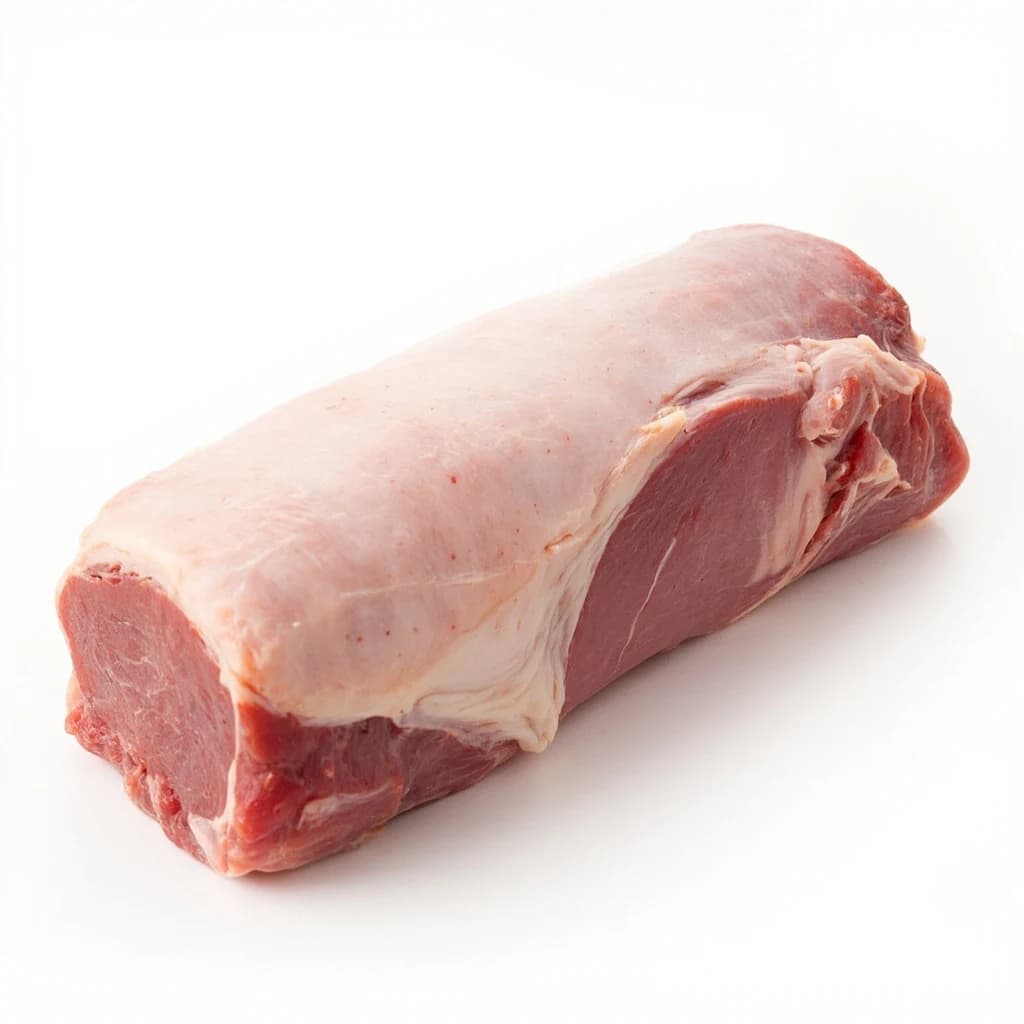
Pork Loin
Lean, tender roasting cut that stays juicy with care
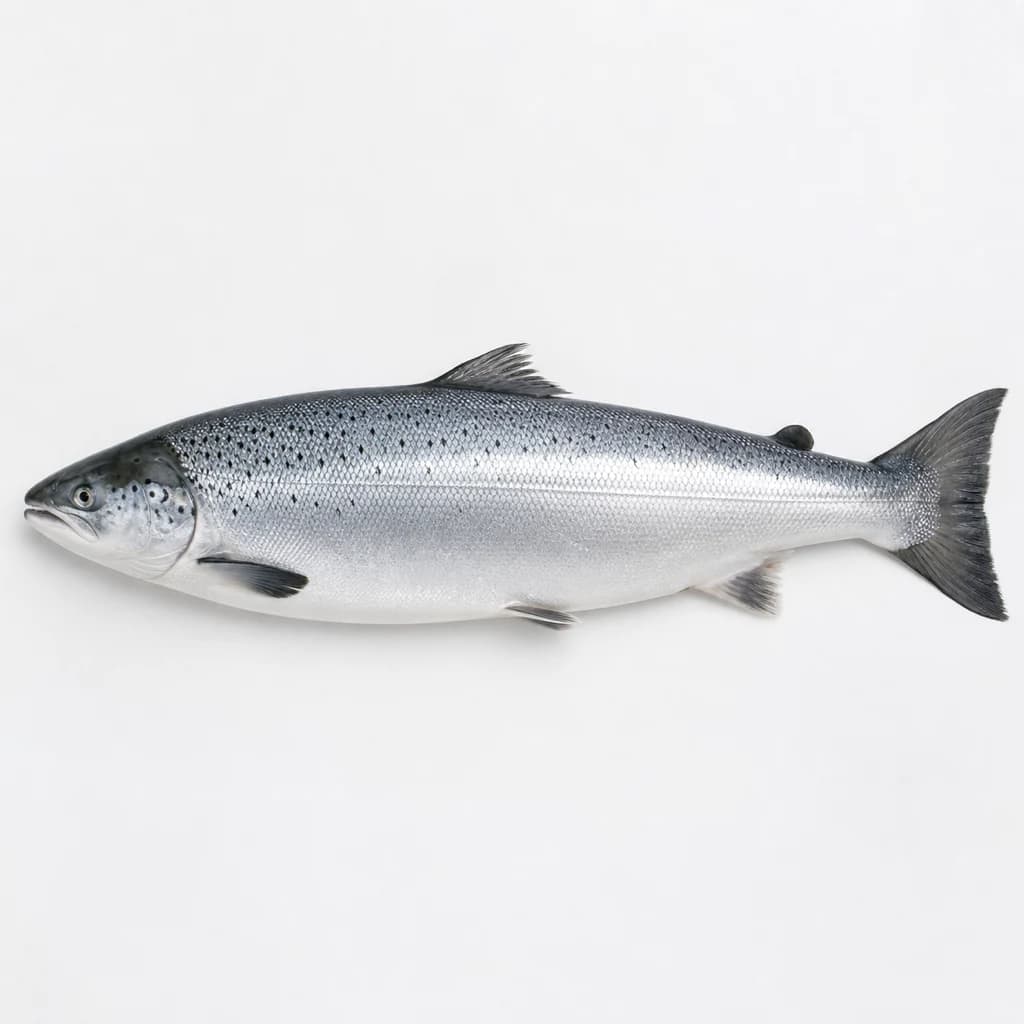
Salmon
Rich, rosy fish that roasts, grills, or cures beautifully

Egg White
Pure protein that whips to airy peaks for meringue and more
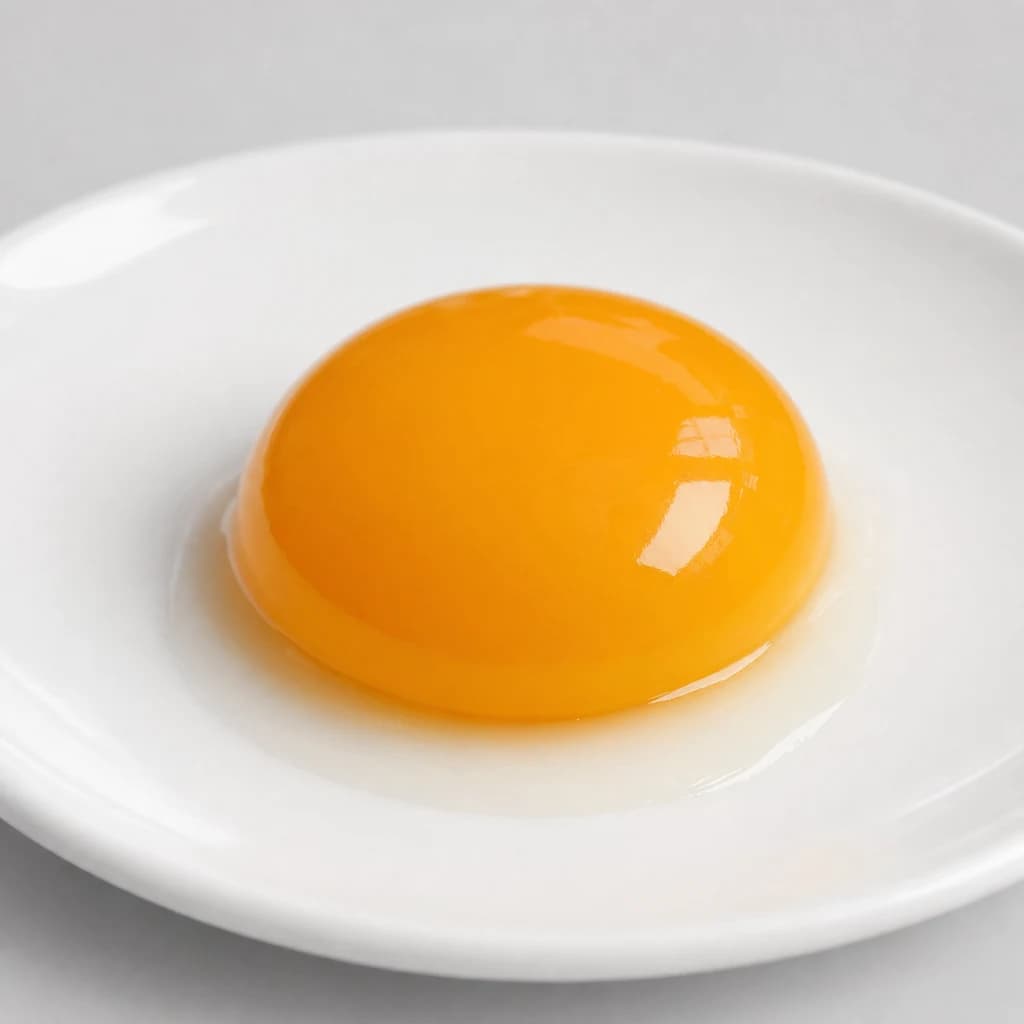
Egg Yolk
Rich, golden yolk for custards, mayonnaise, and pasta

Quail Egg
Tiny, speckled eggs for garnishing and elegant bites