Proteins
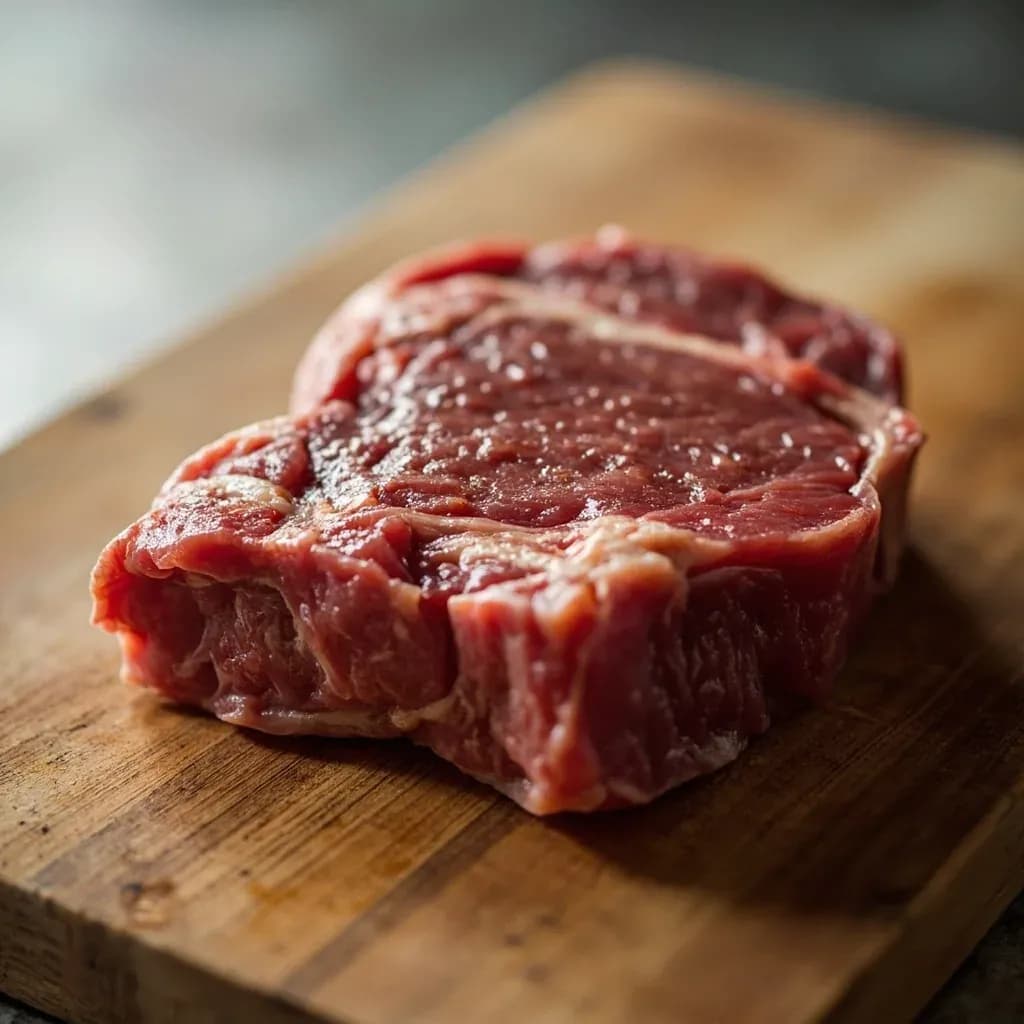
Sirloin
Lean, flavorful beef cut from the rear back, grilled or pan-seared as steaks.
Sirloin is a beef cut from the rear back of the animal, balancing tenderness and beefy flavor at a moderate price. The striploin (New York strip) and top sirloin are popular steaks, while larger sections roast well. It is best cooked quickly over high heat and rested before slicing across the grain.
Sirloin is a primal cut from the rear back section of the cow, posterior to the short loin and extending toward the round. This cut divides into two sub-primals: the smaller, more prized top sirloin (from the center of the muscle) and the larger bottom sirloin (which yields the tri-tip and sirloin tip). The top sirloin occupies a balanced position in the beef hierarchy—leaner and more affordable than ribeye or tenderloin, yet more tender and less intensely beefy than flank or skirt. Its moderate marbling and firm texture respond well to high-heat cooking methods that develop a savory crust while keeping the interior juicy. The bottom sirloin's tri-tip has become a barbecue staple, prized for its bold flavor and manageable price. Unlike heavily marbled cuts that can handle a range of doneness, sirloin's lower fat content means it genuinely excels served at medium-rare to medium—past this, the meat dries out and toughens noticeably. For home cooks seeking a versatile, flavorful beef that won't break the bank, top sirloin is the reliable workhorse of the steak world.
- Measured in
- g
- Storage
- Fridge
Types & varieties
The most prized sirloin cut; lean, moderately tender, and flavorful. Sold bone-in or boneless from the top center of the sirloin. Excellent for grilling or pan-searing.
Larger cut yielding multiple steaks; includes tri-tip and sirloin tip. Less tender than top sirloin, benefits from marinating or slow cooking.
Triangular muscle from the bottom sirloin; lean and flavorful. Excellent for grilling, smoking, or roasting. A California barbecue staple.
Cut from the sirloin's forward end; lean and moderately tender. Good for roasting whole or cutting into stir-fry and kebab strips.
Sirloin steak with the aitchbone (hip bone) attached; flavorful but requires careful cooking around the bone for even results.
Fat-covered muscle cap at the top of the sirloin; well-marbled and tender. Often sold as a roast or individual steaks.
French term for sirloin flap meat from the bottom sirloin; intensely beefy. Best sliced paper-thin against the grain after quick, high-heat cooking.
Common uses
Tips & pitfalls
- Bring steaks to room temperature for 30–45 minutes before cooking—cold meat cooks unevenly and the exterior overcooks before the center is done
- Pat steaks completely dry with paper towels before seasoning—surface moisture prevents proper browning and creates steam instead of crust
- Season generously with salt and pepper—sirloin's leanness means it needs robust seasoning; don't be timid with the salt
- Sear in a screaming hot pan or grill (450–500°F / 232–260°C) for 3–4 minutes per side for a 1-inch steak at medium-rare; resist the urge to move the steak
- Use tongs instead of a fork to turn steaks—piercing the meat releases precious juices that you want to stay inside
- Let steaks rest tented loosely with foil for 5–10 minutes after cooking—cutting too soon sends all the accumulated juices onto the cutting board
- Slice against the grain into 1/4-inch strips—sirloin fibers run lengthwise, and cutting against them is essential for tenderness
- Avoid overcooking past medium—sirloin's low fat content means it dries out quickly and becomes tough beyond medium-rare
- A quick compound butter (herb, garlic, or pepper) baste while the steak rests adds moisture and richness
- For tougher bottom sirloin cuts, marinate 2–4 hours in an acid (citrus or vinegar) with oil and aromatics before cooking
Nutrition
Energy
460 kJ · per 100 g
Where the calories come from
Protein
20.2g
40% DV
Carbs
0g
0% DV
Fat
2.6g
3% DV
Fiber
0g
0% DV
Sodium
80mg
3% DV
Source · USDA FoodData Central · approx. Veal, sirloin, separable lean only, raw
View on FDC →In the shops
Matched grocery products
No matched grocery products for Sirloin yet.
Good to know
- Primal Cut
- Sirloin (rear back section, posterior to short loin)
- Sub-primals
- Top Sirloin (center); Bottom Sirloin (tri-tip, sirloin tip)
- Tenderness
- Moderately tender; benefits from proper technique and slicing against the grain
- Fat Content
- Lean to moderately lean; less marbling than ribeye but more than flank
- Best Cooking Methods
- High-heat grilling, pan-searing, broiling, or roasting at high temperature
- Ideal Doneness
- Medium-rare (135°F / 57°C) to medium (145°F / 63°C)
- USDA Grades
- Choice and Select most common; Prime for premium quality and better marbling
- Storage (Raw)
- Refrigerate 3–5 days; freeze up to 12 months at 0°F (-18°C)
- Storage (Cooked)
- Refrigerate 3–4 days; freeze up to 3 months
Substitutes
- New York Strip — From the short loin, similar leanness and beefy flavor; more tender and significantly pricier than sirloin
- T-Bone / Porterhouse — Include top loin and portion of tenderloin; bone adds flavor and similar cooking properties to sirloin
- Flank Steak — Leaner and more fibrous than sirloin; requires marinating and must be sliced against the grain for tenderness
- Tri-Tip — Same primal region as bottom sirloin; equally lean, excellent for grilling with a triangular shape that grills evenly
- Chuck Eye Steak — From the chuck roll adjacent to the ribeye; similar marbling and beefy flavor at a lower price point
- Rump Roast (for stew/slicing) — Lean but tougher cut from the round; benefits from braising or slow cooking when used as a roast
Pairs with
Also called
Striploin · New York Strip · Top Sirloin
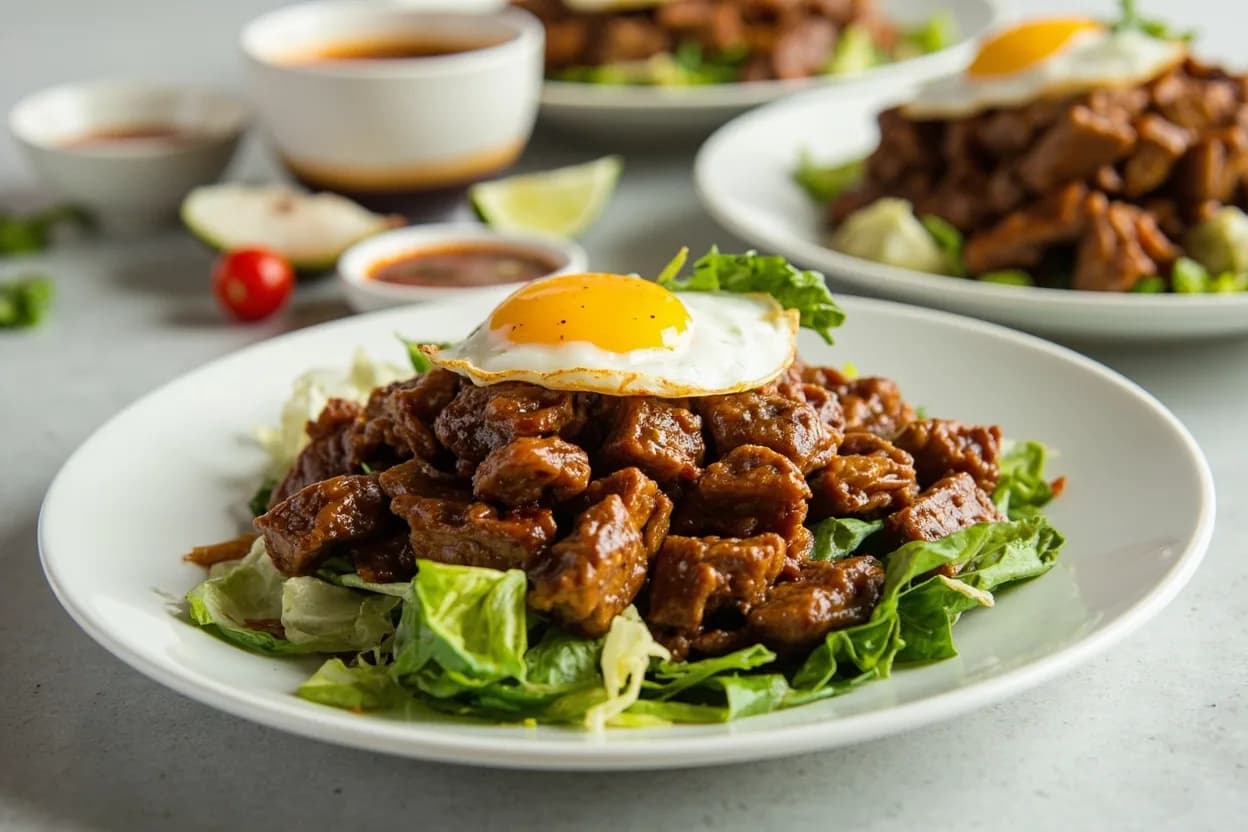
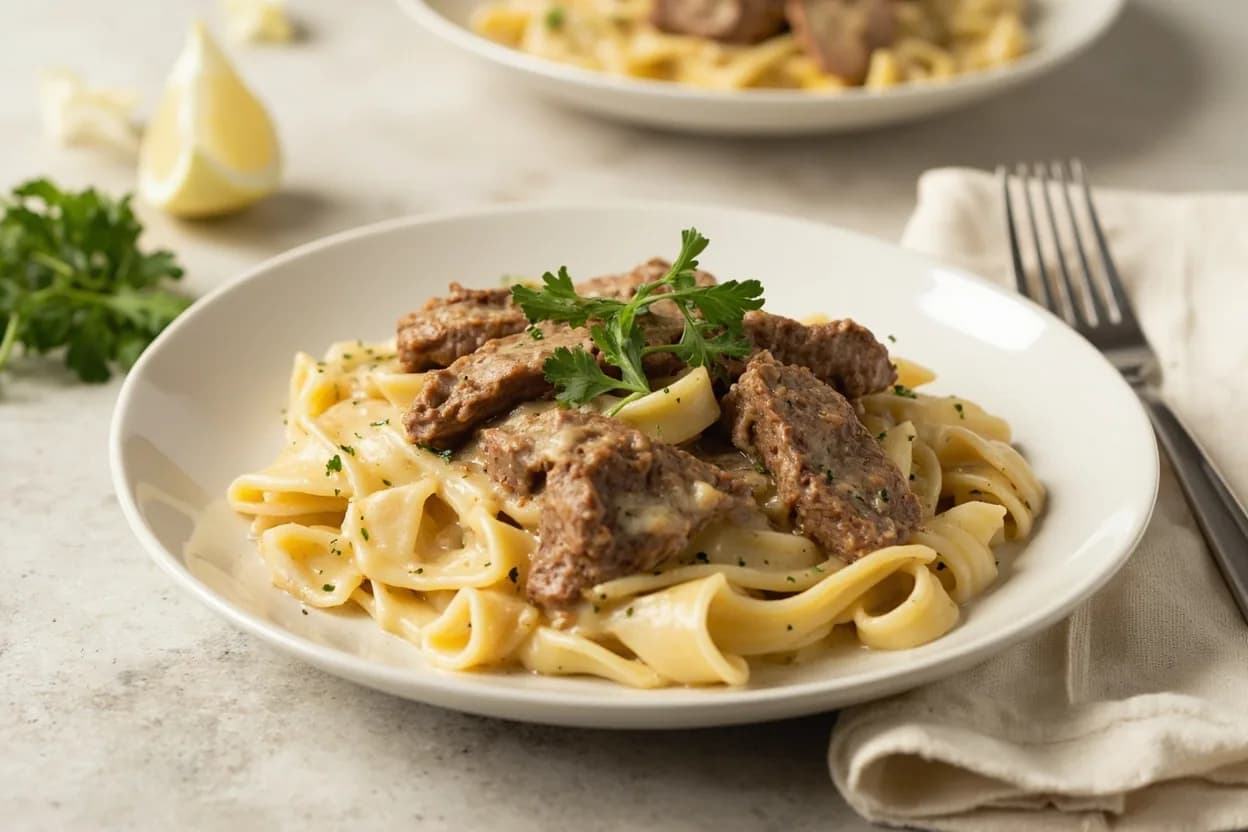
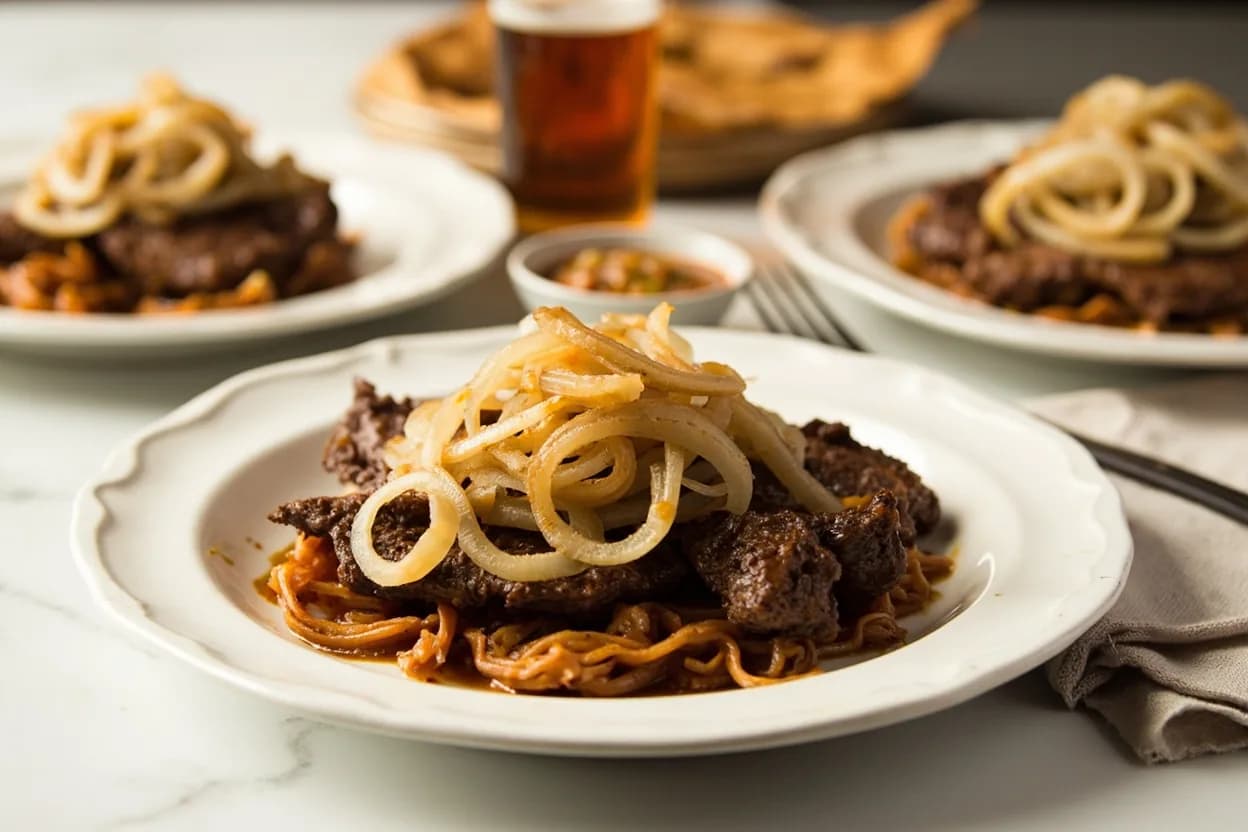
Appears in these dishes
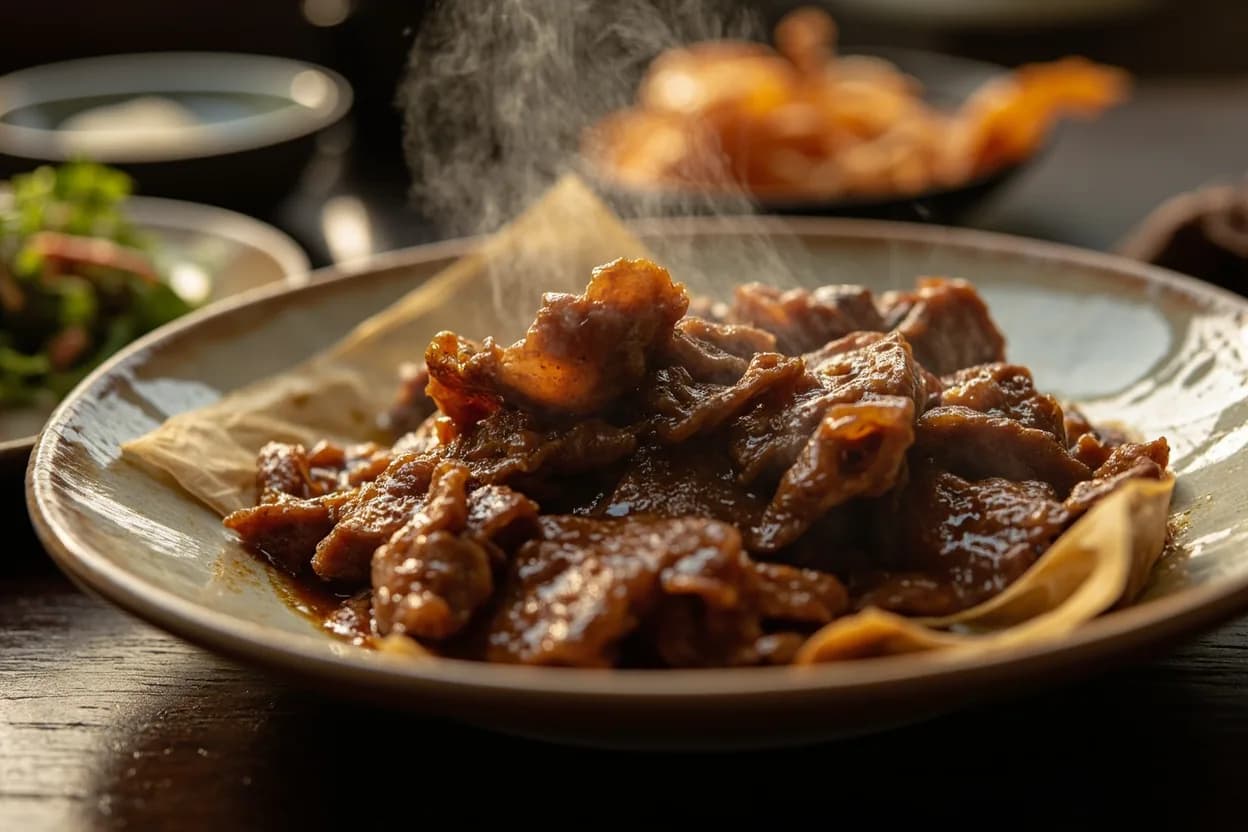
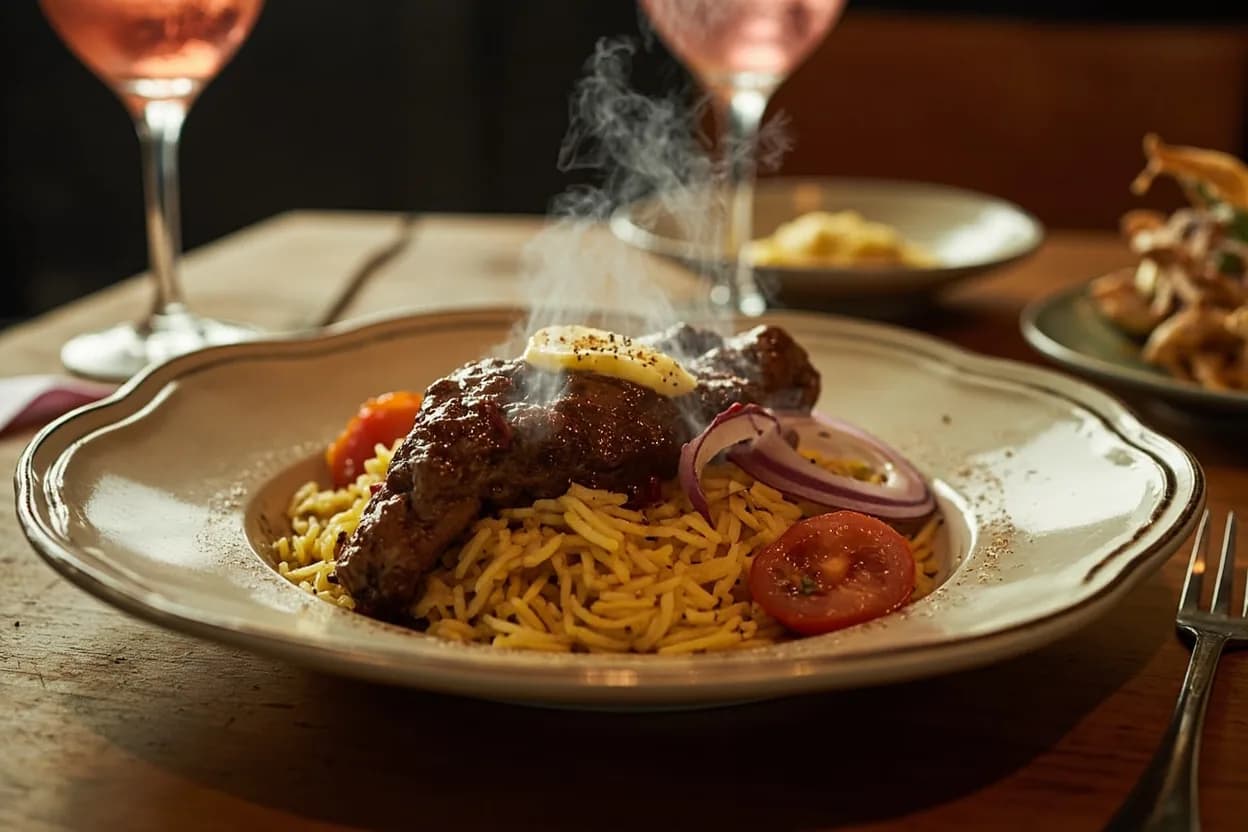
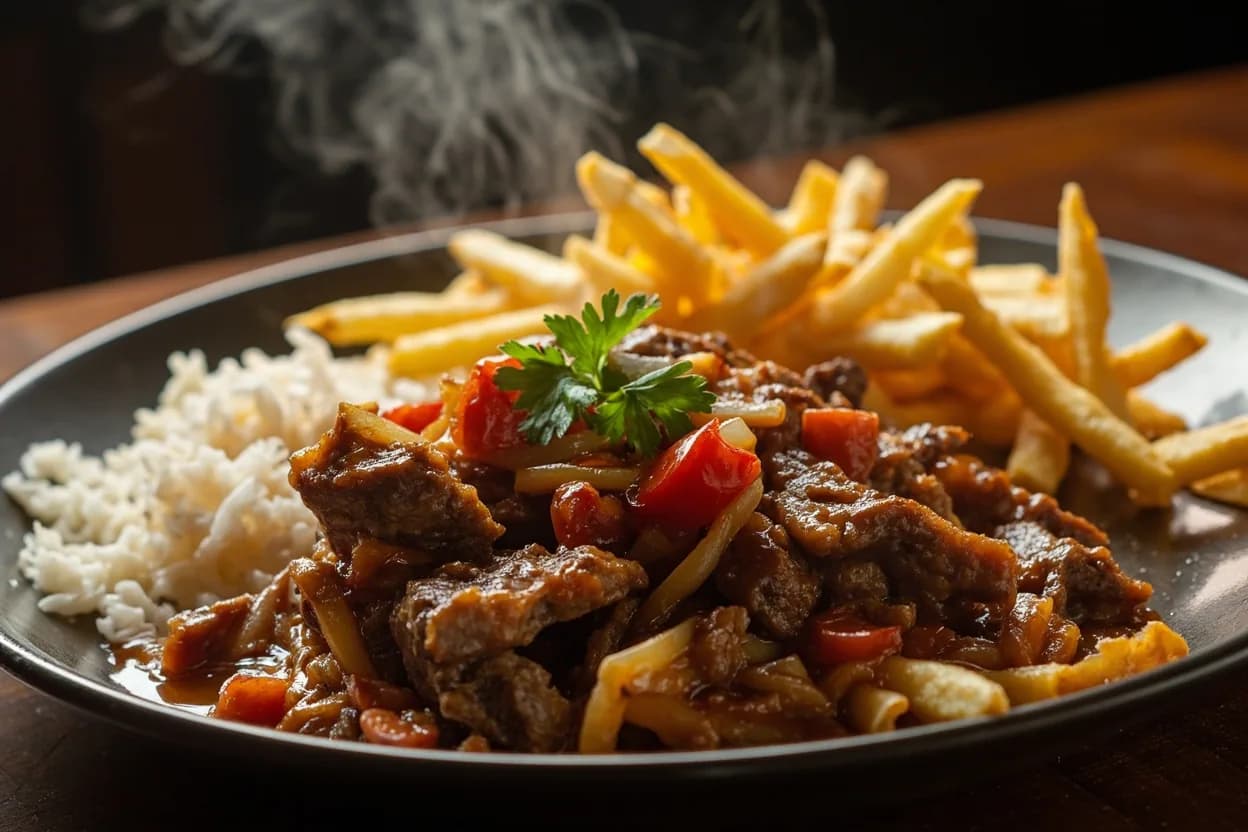
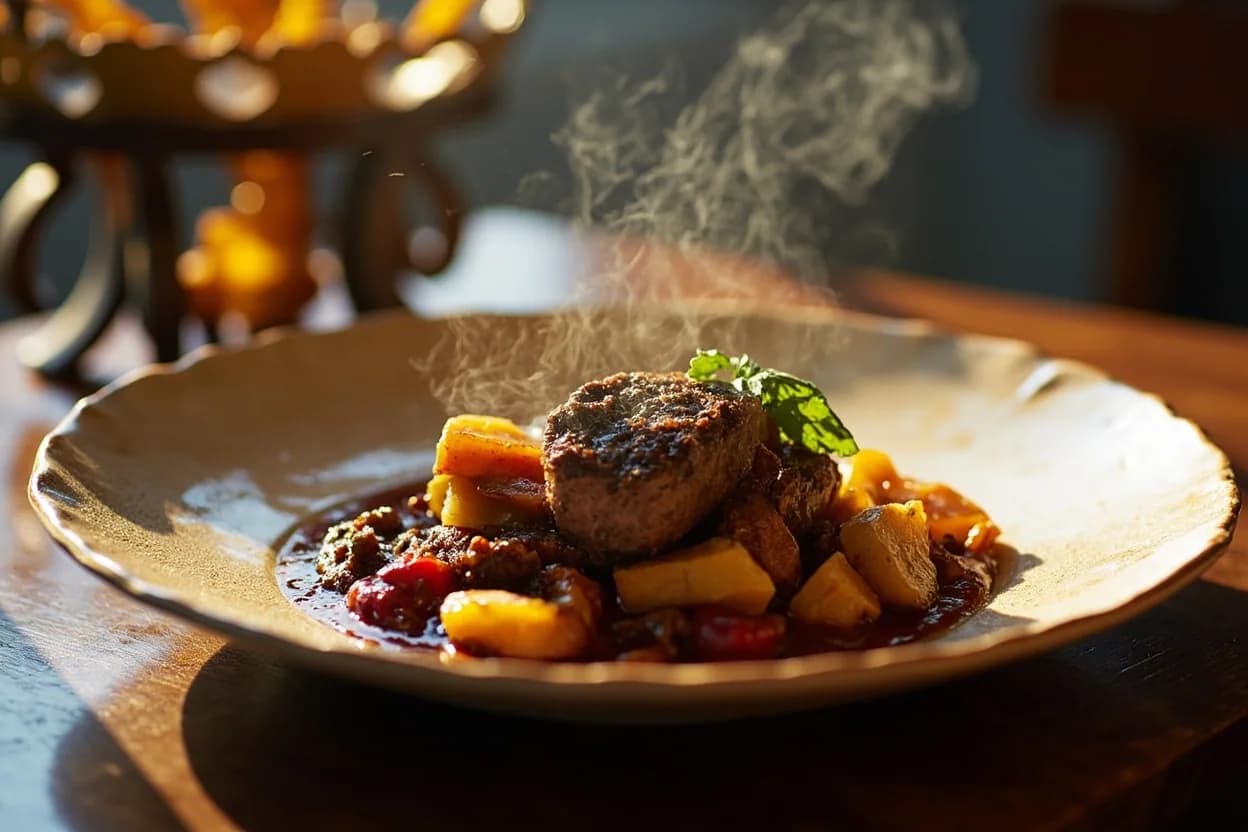
Related
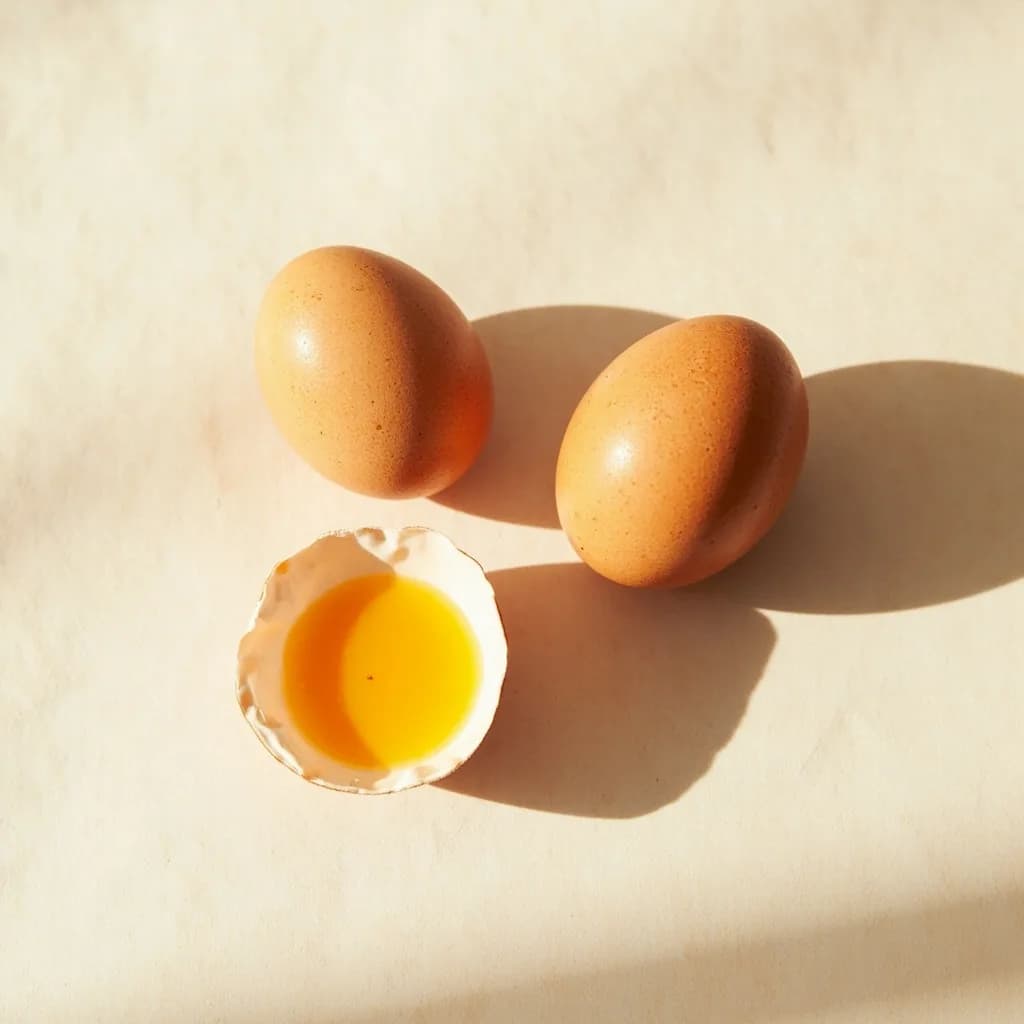
Egg
The kitchen's everything ingredient — bind, leaven, enrich, or fry
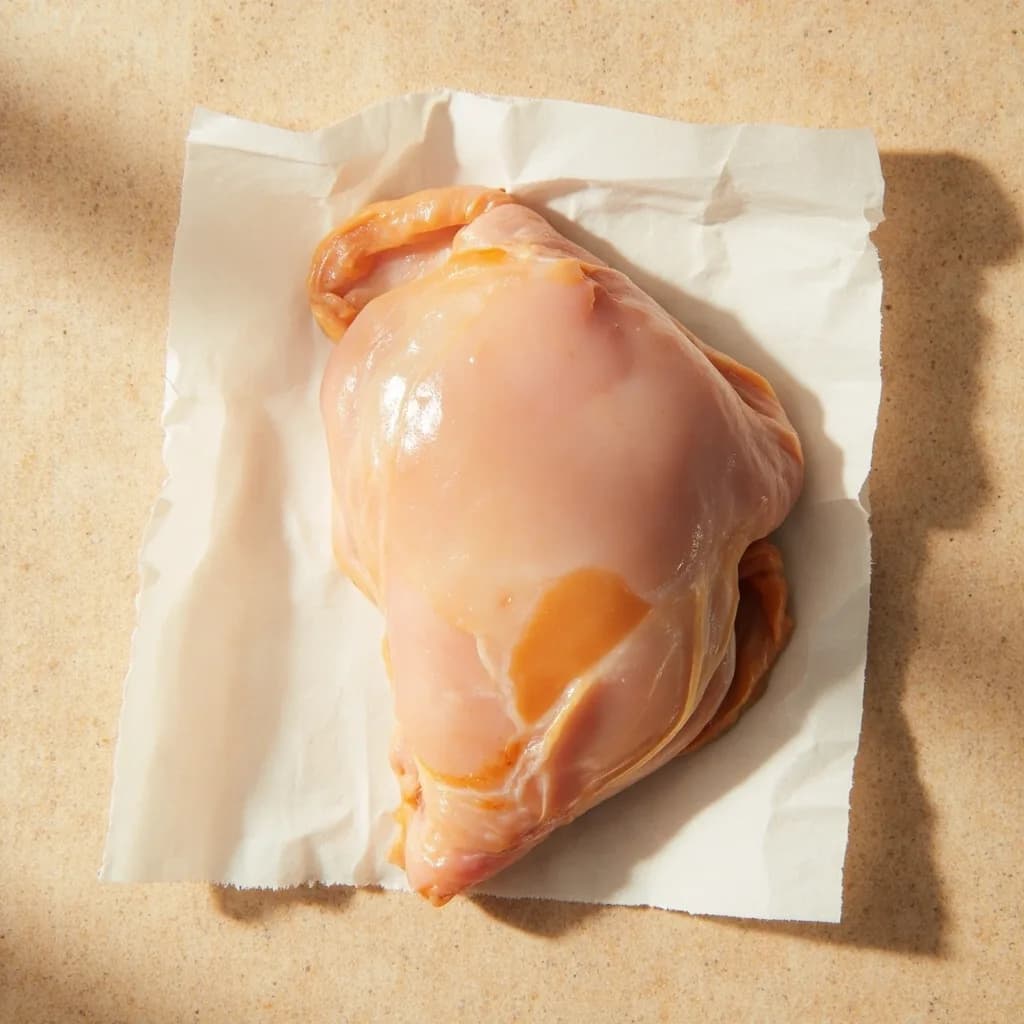
Chicken Breast
Lean, quick-cooking white meat for everyday dinners

Ground Beef
Versatile minced beef for burgers, ragù, tacos, and meatballs
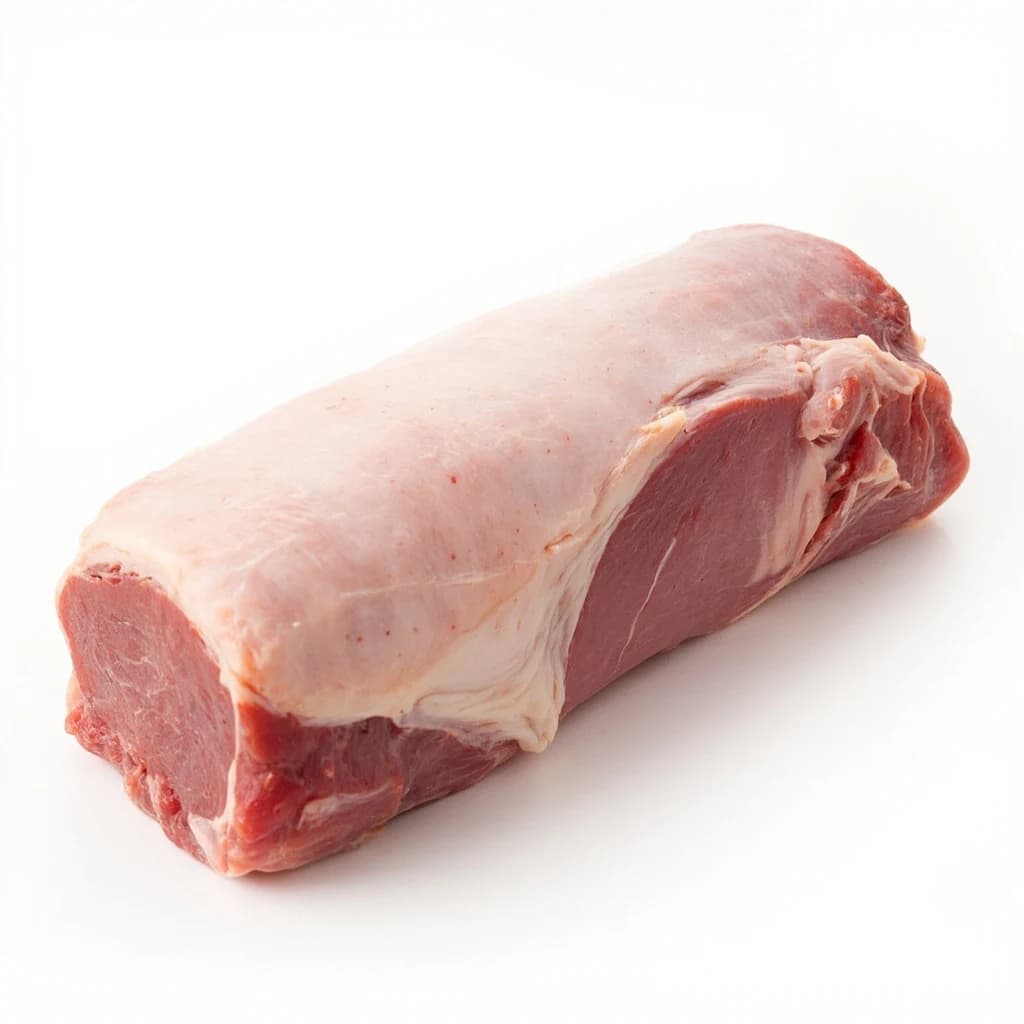
Pork Loin
Lean, tender roasting cut that stays juicy with care
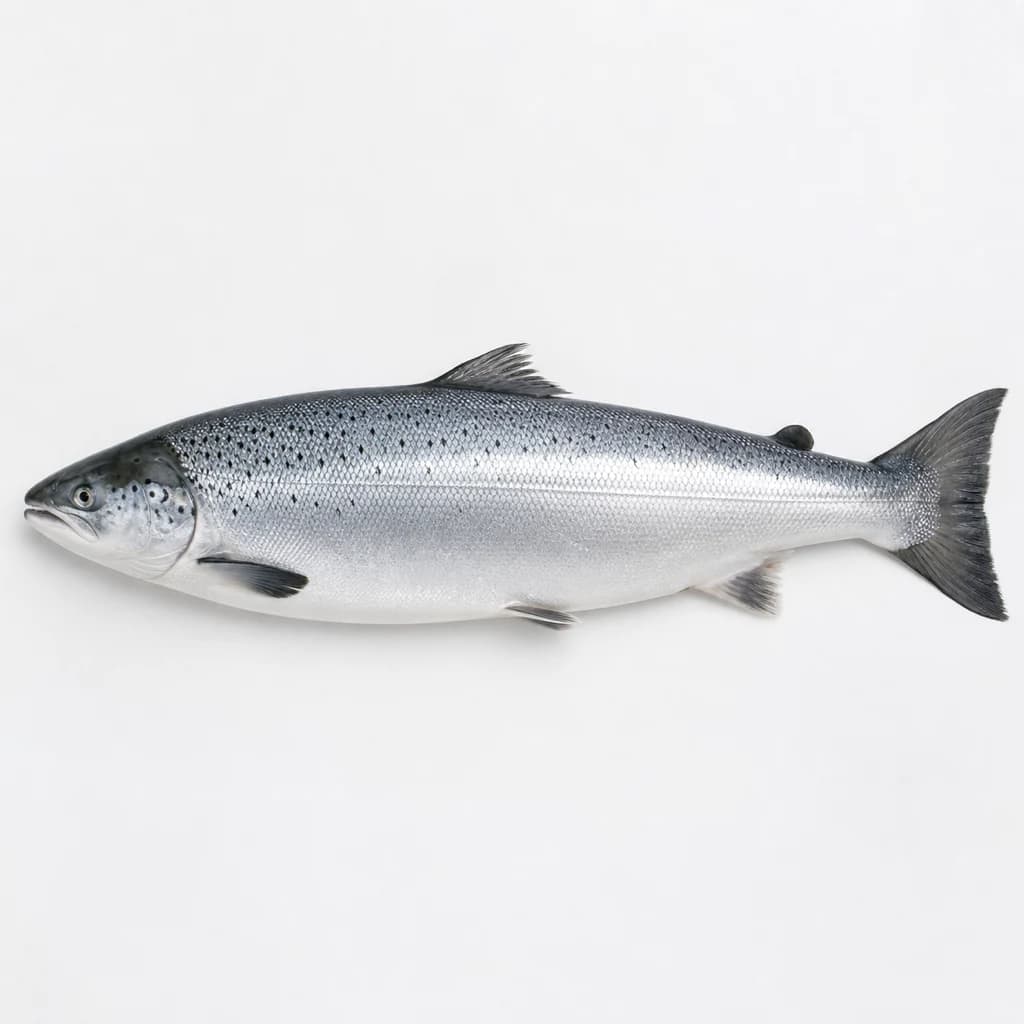
Salmon
Rich, rosy fish that roasts, grills, or cures beautifully

Egg White
Pure protein that whips to airy peaks for meringue and more
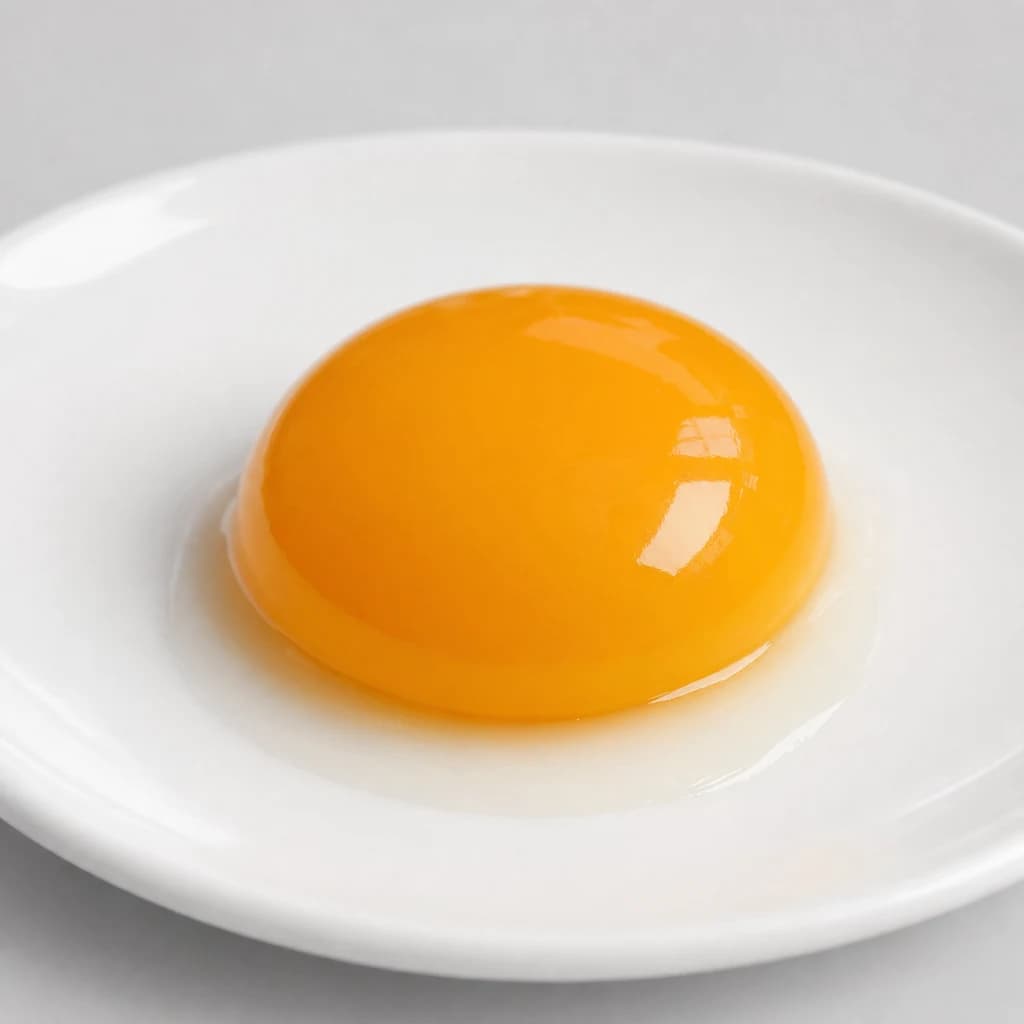
Egg Yolk
Rich, golden yolk for custards, mayonnaise, and pasta

Quail Egg
Tiny, speckled eggs for garnishing and elegant bites