Proteins
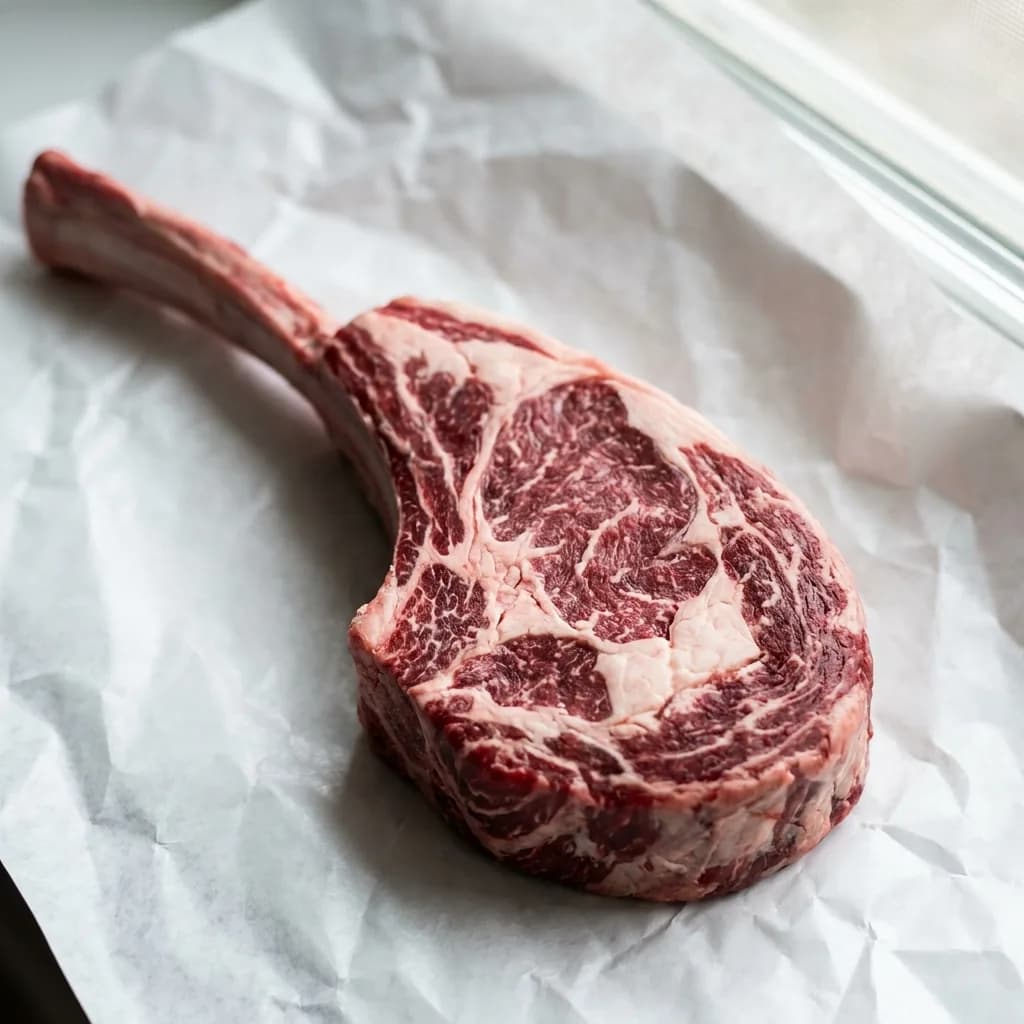
Aged Beef Rib Chop
Thick bone-in, dry-aged rib steak (txuleta) grilled hard over coals.
An aged beef rib chop is a thick, bone-in steak from the rib section, often dry-aged for concentrated, nutty flavor. The Basque txuleta is grilled hard over wood coals to a deep crust while staying rare inside, then sliced and salted at the table. Dry aging tenderizes the meat and intensifies its beefiness.
The aged beef rib chop is a thick-cut, bone-in steak from the rib primal, encompassing the longissimus dorsi (the "eye" of the steak) and the prized spinalis dorsi, the fat-marbled cap that runs along the top of the rib bone. Cut between ribs 6 through 12, these chops typically weigh 16–24 ounces and measure 1.5–2.5 inches thick. The bone is left intact—either Frenched clean or left with some fat coverage—which conducts heat during cooking and contributes to the distinctive rich flavor near the bone.
Dry aging sets this cut apart. A minimum of 21 days on the bone concentrates the beef's inherent savoriness, developing slightly nutty, umami-deep flavors that intensify as aging extends to 45 or 60 days. The exterior may show harmless surface mold, which is trimmed before cooking; the interior meat becomes progressively more tender and the fat more golden. The aging process fundamentally changes the meat's texture and flavor chemistry, making even a modest 21-day-aged chop taste more complex than a fresh-cut equivalent.
This cut is the centerpiece of two of the world's great beef traditions. In the Basque Country, txuleta is so central to regional identity that San Sebastián and Bilbao host annual festivals in its honor. In Argentine asado culture, the equivalent costilla or vacío is the most coveted cut, cooked over wood or charcoal with extraordinary patience. Both traditions treat the chop simply: high heat, salt, and the meat itself. Nothing more is needed or wanted.
- Measured in
- g
- Storage
- Fridge
Types & varieties
Basque-style thick rib chop, traditionally grilled over vine cuttings or oak; served on the bone with olive oil and garlic drizzled over sliced meat
Cut from the vacío or costilla section; thicker than typical US cuts, grilled low and slow over wood with fat cap left on
Minimum aging for meaningful flavor concentration; beefy, slightly nutty; most common in US steakhouses
Intensely concentrated flavor, nutty and buttery; exterior may show mild surface mold trimmed before cooking
Tomahawk is a rib chop with the full rib bone left long and Frenched; same meat, greater visual drama and slightly more bone-surface flavor
Single-rib is one intercostal space; double-rib includes two ribs, yielding 2+ lbs per chop—typical for sharing or feeding two
Understanding Dry Aging
Dry aging differs fundamentally from wet aging. In dry aging, primal cuts hang unpackaged in a controlled environment (temperature 28–32°F, humidity 80–85%) for weeks. Moisture evaporates from the surface, concentrating flavor. Natural enzymes break down muscle tissue, tenderizing from the outside inward. The result is a crust of darkened, dried surface that gets trimmed away, leaving intensely flavored, almost buttery meat beneath.
A 21-day aging is the practical minimum—any shorter and you won't taste much difference from a fresh steak. By 45 days, the nutty, almost mushroomy notes become pronounced. Beyond 60 days, the intensity can border on funk; this is a matter of taste. Japanese Wagyu or Australian beef aged 60+ days represents the extreme end, with price tags to match. When buying, trust your source: reputable butchers and steakhouses have the equipment and turnover to ensure proper aging without spoilage.
- Evaporative loss means a 21-day-aged chop may weigh 5–10% less than a fresh-cut equivalent of the same original size
- The enzymatic breakdown continues during cooking, which is why aged beef feels more tender even at the same doneness
- Extended aging (>45 days) creates a pronounced exterior crust that many cooks prefer to remove and discard rather than trim closely
The Regional Traditions
Txuleta is not just a cut—it is a statement of Basque culinary identity. The tradition demands a chop at least 5 cm (2 inches) thick, grilled directly over hot coals until the exterior is deeply charred while the interior remains blush-red and buttery at the center. It is served on a wooden board, never sauced. The traditional finishing is a generous drizzle of olive oil and a sprinkle of garlic salt or minced raw garlic pressed into the sliced meat. Fleur de sel applied tableside provides the final crunch. The fat cap, if present, is grilled to crisp, ruby-edged succulence.
Argentine asado follows a different philosophy. The costilla is cooked over low, indirect heat from wood or charcoal, with the cook adding small pieces of fuel to manage temperature over 45 minutes to an hour or more. The goal is to render the substantial fat cap fully, achieving meat that pulls from the bone in strands. Chimichurri and malbec are the canonical accompaniments. Unlike the Basque approach, the Argentine method involves a longer, more gradual cook that textures the exterior differently—less shattering char, more settled, cohesive crust.
Common uses
Tips & pitfalls
- Bring the chop to room temperature for about 1 hour before cooking—this is not optional if you want even doneness from edge to center
- Salt heavily (coarse kosher or sea salt) 45–60 minutes before cooking and leave uncovered in the refrigerator; this draws out moisture and produces a far superior crust
- Grill over the hottest part of the fire, bone-side down, for the first 60% of cooking time, then flip only once—excessive flipping prevents proper crust formation
- Never press the steak with a spatula; this forces out the juices that make the difference between a juicy, medium-rare center and a dried-out result
- Rest a minimum of 10 minutes, loosely tented with foil, before slicing—cutting too soon loses all the liquid you've worked to retain
- Slice starting from the small end toward the bone to maintain the presentation shape and follow the curvature of the rib
- The bone conducts heat and causes the meat adjacent to it to cook faster—factor this into your timing, especially for thicker cuts
- For a 2-inch-thick chop, estimate roughly 4–5 minutes per side for medium-rare over hot charcoal, but use a probe thermometer rather than relying on time alone
- Pull the steak off the grill 5–10°F below your target temperature—it will rise during resting, so pull at 120–125°F for medium-rare
Nutrition
Nutrition
No USDA FoodData Central match for Aged Beef Rib Chop yet. We surface a per-100 g profile once a generic whole-food entry is matched and verified.
In the shops
Matched grocery products
No matched grocery products for Aged Beef Rib Chop yet.
Good to know
- Primal source
- Beef rib primal, between ribs 6–12
- Muscles
- Longissimus dorsi (eye) and spinalis dorsi (cap)
- Typical weight
- 16–24 oz (450–680 g) per chop
- Typical thickness
- 1.5–2.5 inches (4–6 cm)
- Aging
- 21–60+ days dry-aged on the bone or as sub-primal before cutting
- Ideal serving temperature
- Medium-rare (130°F/54°C) to medium (140°F/60°C)
- Grilling fuel
- Hardwood charcoal (oak, walnut, or vine cuttings)
- Storage (raw)
- Refrigerate at 28–32°F (-2–0°C); use within 3–5 days or by aging date
Substitutes
- Bone-in ribeye steak — Same primal and muscles; if cut thinner than 1.5 inches, adjust cooking time accordingly—thinner cuts lose the edge-to-center temperature gradient that makes a great chop
- Porterhouse from the short loin — Different muscles (tenderloin plus strip); lacks the spinalis cap and the depth of rib fat flavor; acceptable substitute when rib is unavailable
- Denver cut (chuck rib) — Different primal (chuck), less marbling and beefy depth; acceptable budget substitute for everyday cooking but not for the real txuleta experience
Pairs with
Also called
Txuleta · Bone-In Ribeye · Rib Steak
Related
Egg
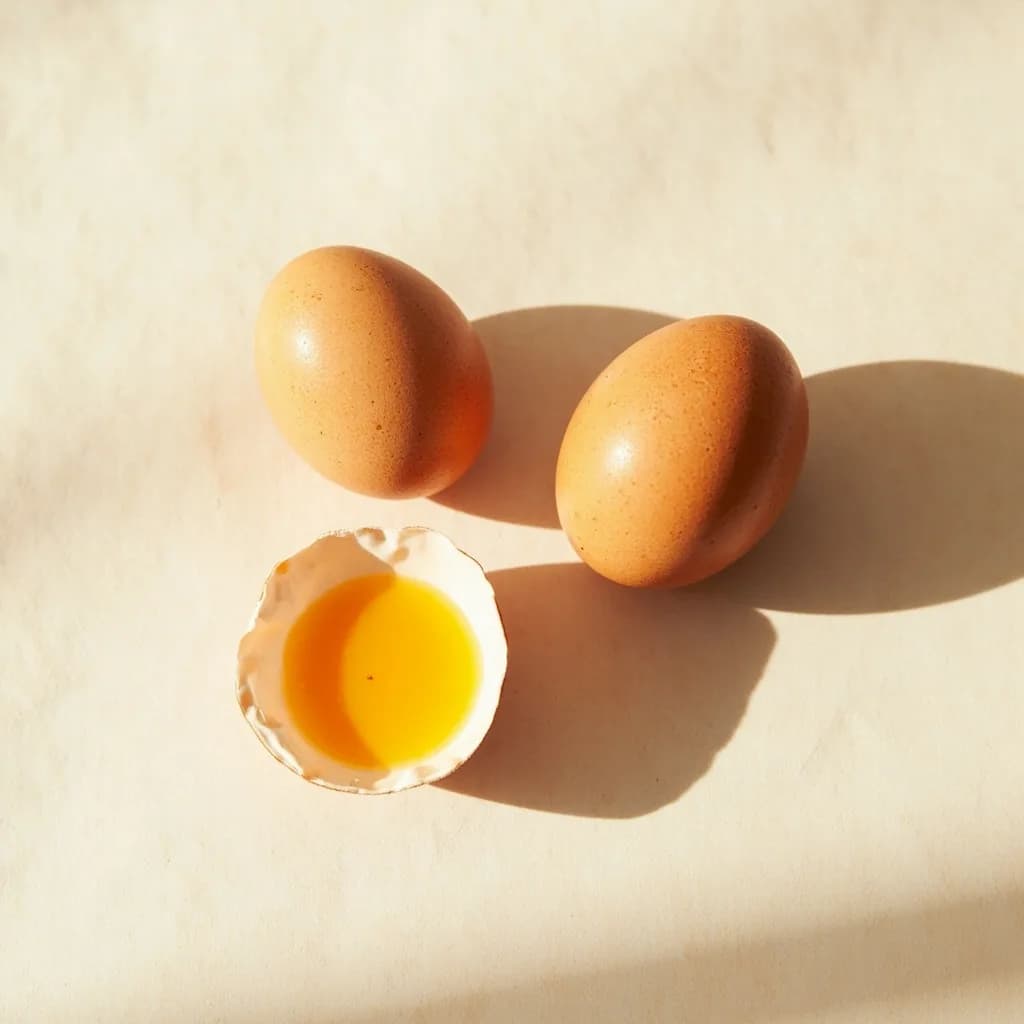
The kitchen's everything ingredient — bind, leaven, enrich, or fry
Chicken Breast
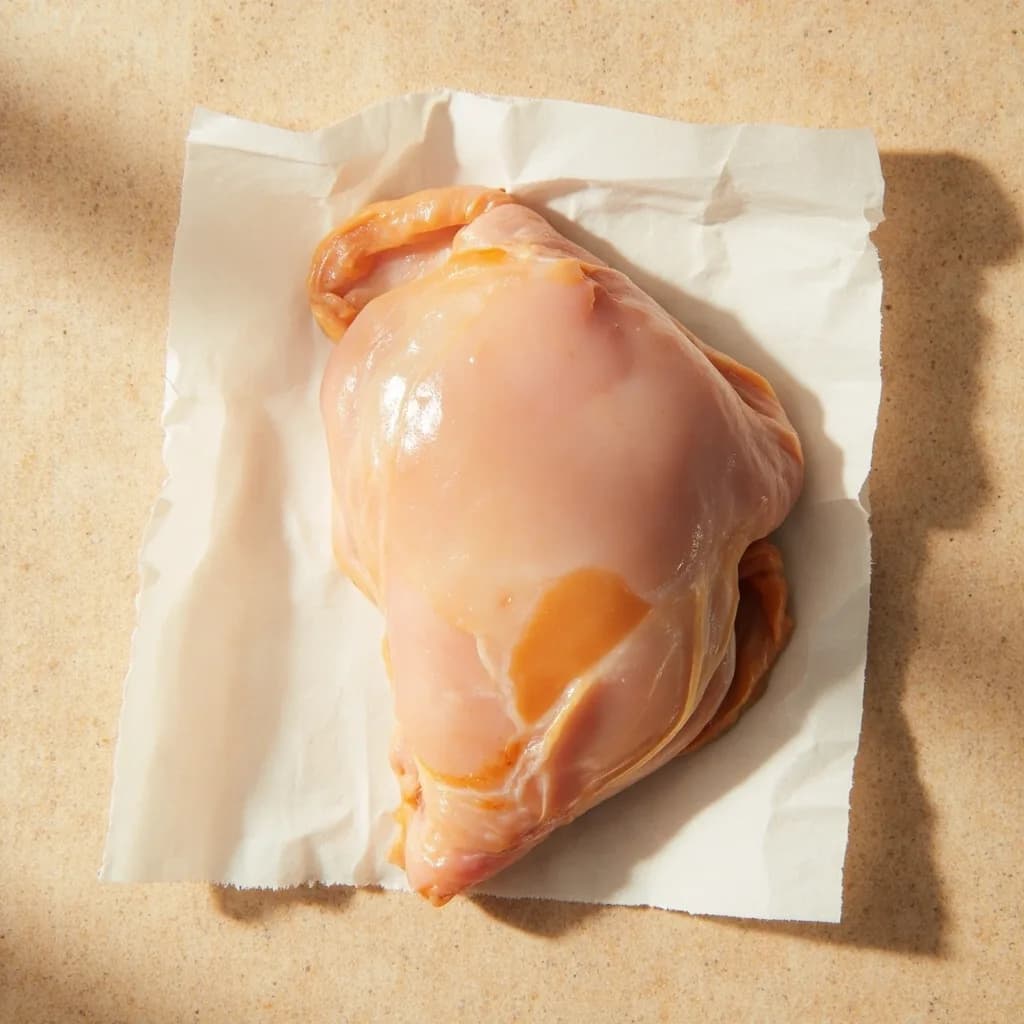
Lean, quick-cooking white meat for everyday dinners

Ground Beef
Versatile minced beef for burgers, ragù, tacos, and meatballs
Pork Loin
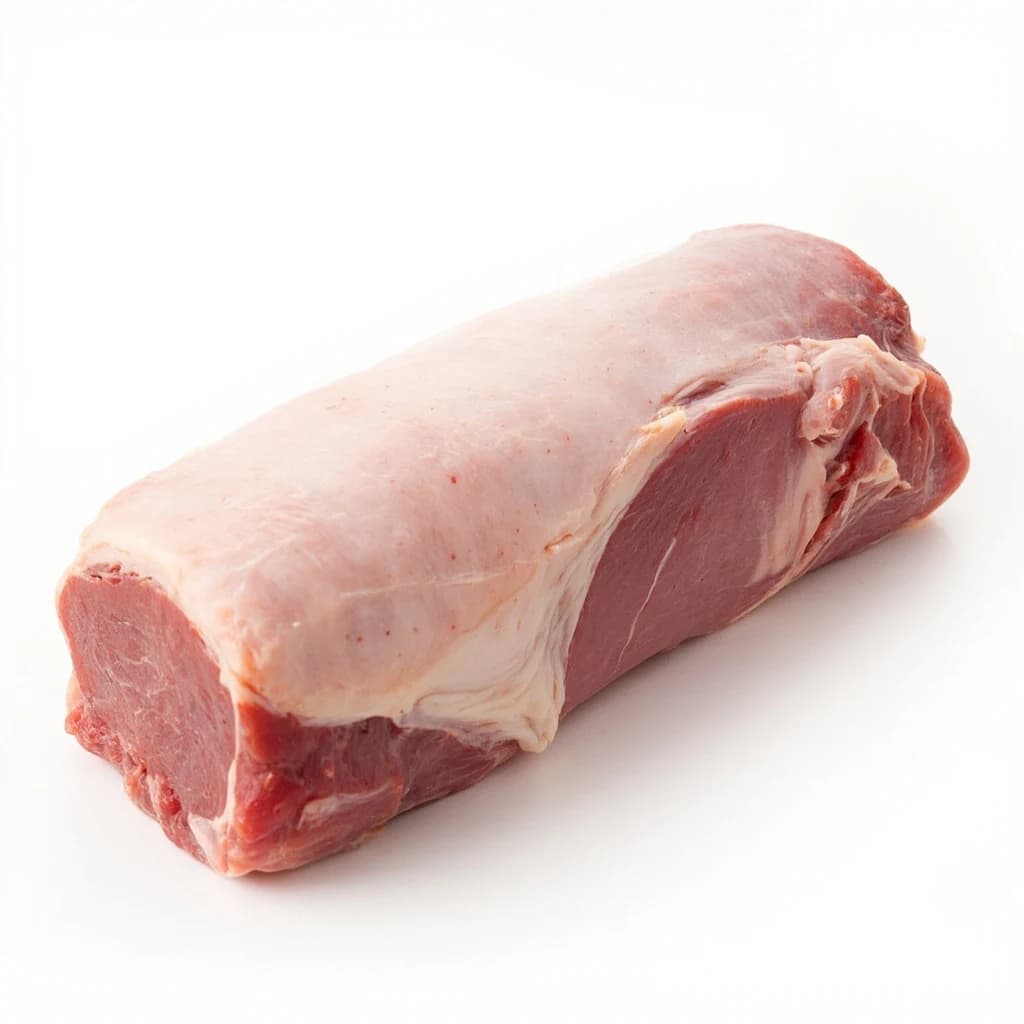
Lean, tender roasting cut that stays juicy with care
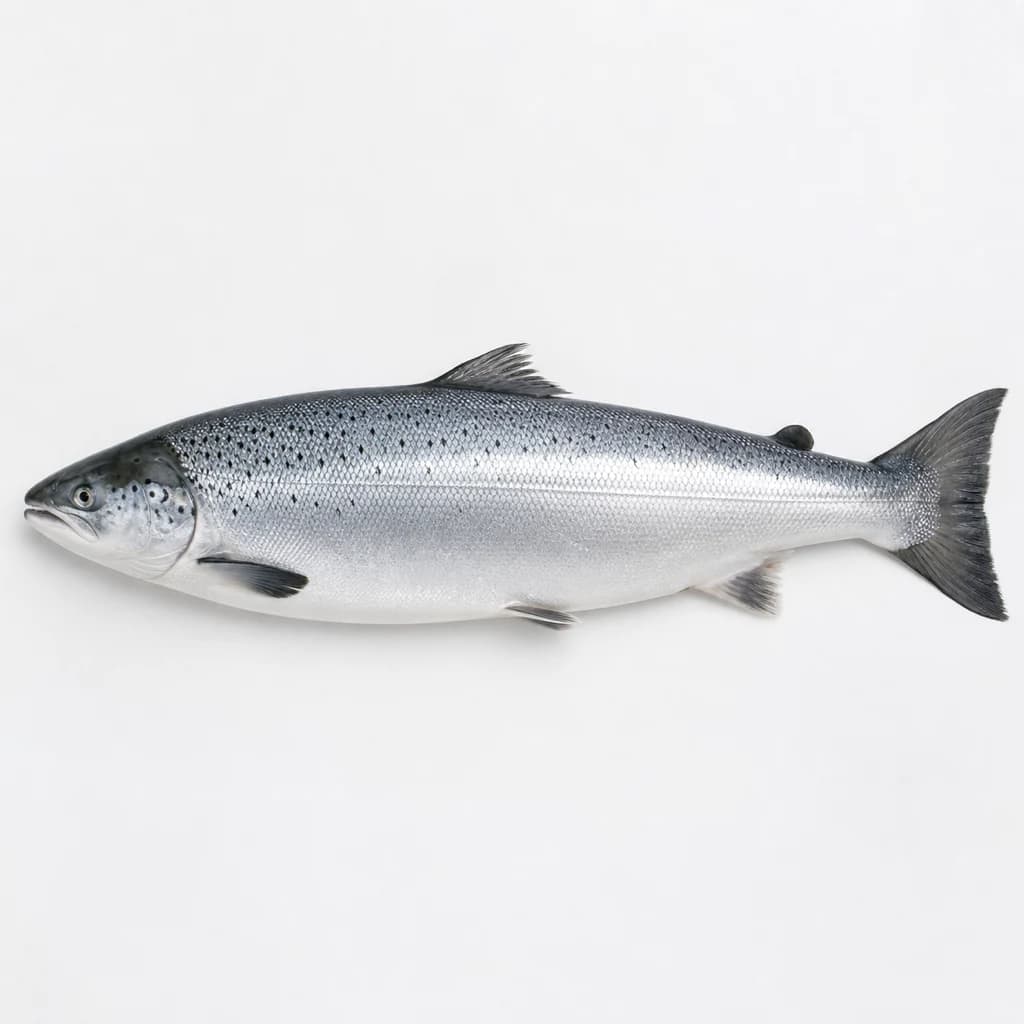
Salmon
Rich, rosy fish that roasts, grills, or cures beautifully

Egg White
Pure protein that whips to airy peaks for meringue and more
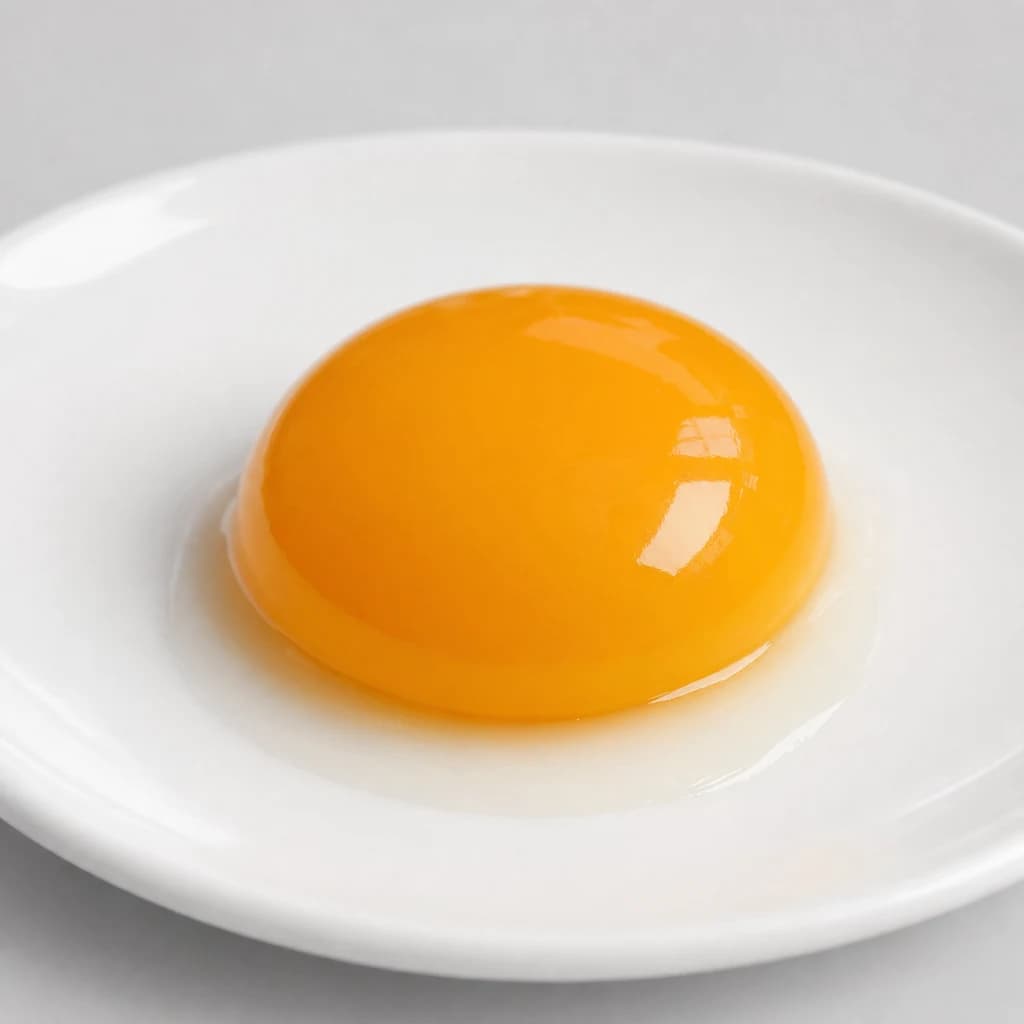
Egg Yolk
Rich, golden yolk for custards, mayonnaise, and pasta

Quail Egg
Tiny, speckled eggs for garnishing and elegant bites