Grains & Rice
Matzo
Crisp unleavened flatbread eaten during Passover and ground into matzo meal.
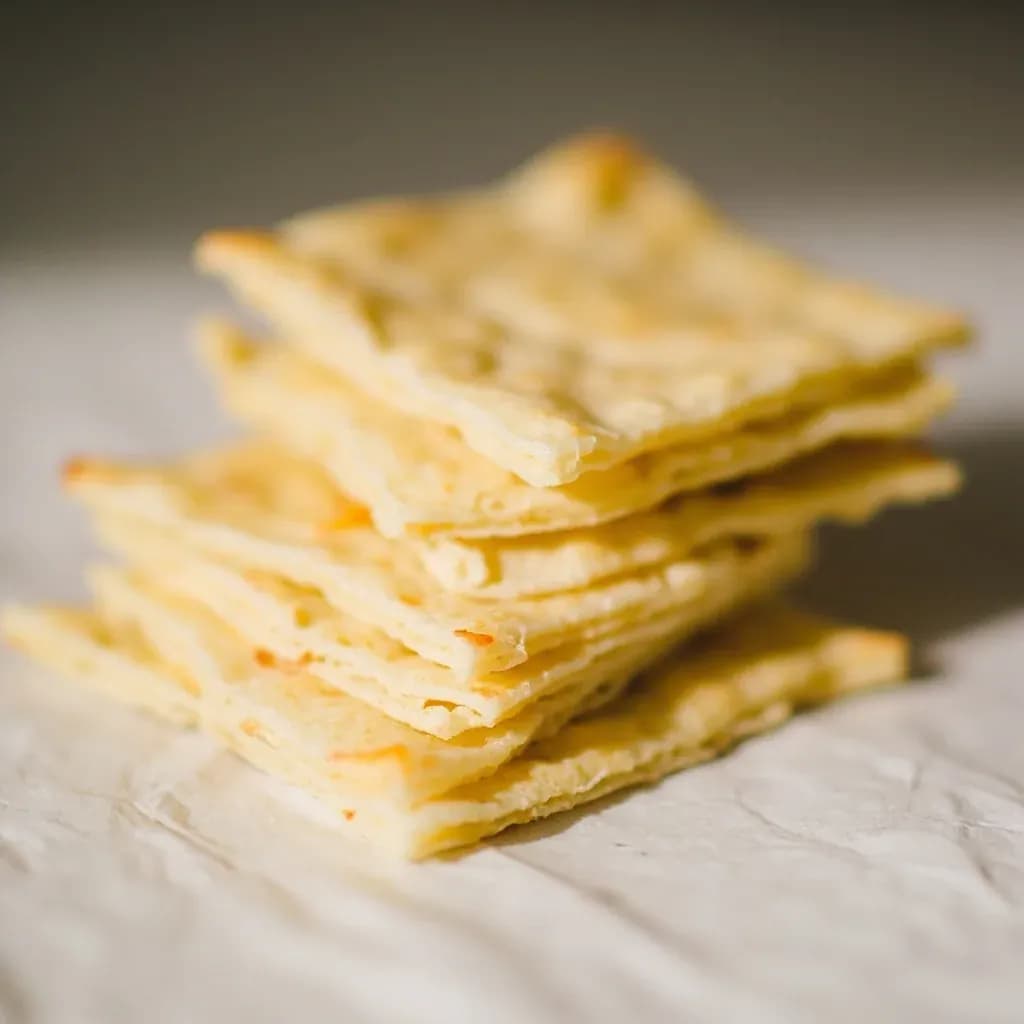
Matzo is a thin, crisp unleavened bread made only from flour and water, baked quickly so it cannot rise, central to the Jewish Passover. It is eaten as a cracker, layered in matzo brei, or ground into matzo meal for matzo balls and breading. Its plain, toasty flavor and brittle snap come from the strict no-leavening preparation.
Matzo is an unleavened flatbread made from just flour and water, baked so quickly that there is no time for fermentation or rising. The defining religious constraint — the entire process from first contact of flour and water to finished cracker must take 18 minutes or less — exists to fulfill the Biblical mandate that Passover bread remain "machmetz," unraised. This hurried production gives matzo its characteristically nutty, mildly toasted flavor and its signature behavior: it shatters with a clean snap rather than bending, and it absorbs liquid rapidly without becoming gummy. In Ashkenazi tradition, plain water-matzo is reserved exclusively for Passover, while egg matzo — richer from added yolk — is eaten year-round. Sephardic communities observe different grain restrictions, making matzo from spelt, oats, or barley acceptable during Passover for those traditions. Beyond its religious role, matzo has earned a permanent place in the secular kitchen as an exceptionally crisp breading, a sturdy delivery vehicle for toppings, and the foundation of dishes from matzo ball soup to matzo toffee.
- Measured in
- piece
- Storage
- Pantry
Allergens
Types & varieties
Hand-made; grains watched from harvest through milling with extra religious supervision. Considered premium; often used for the Passover Seder plate.
Factory-produced; more common for everyday use; faster production, slightly different texture than hand-made.
Contains egg yolk for richer flavor and slightly softer texture; popular in Ashkenazi communities and as a year-round snack.
Made from whole wheat flour; denser, nuttier; increasingly available in health-food markets year-round.
Made from spelt flour; some find it more digestible; accepted by some authorities for Passover use.
Made from oat, barley, or rye flour for those avoiding wheat. Oat-based versions can be gluten-free if using certified gluten-free oats; barley and rye contain gluten. Acceptable for Sephardic Passover but not for Ashkenazi observance.
Sheet matzo coated with chocolate; popular year-round snack in Jewish bakeries.
Common uses
Tips & pitfalls
- Freeze matzo for Passover: it thaws quickly and freezing preserves crispness; wrap tightly to prevent moisture absorption
- To prevent sogginess in breading: let wet-coated food rest 5 minutes before frying so the matzo layer sets
- Toast matzo meal briefly in butter before using in matzo balls for a nuttier, more developed flavor
- Do not use waxed paper or plastic bags for long-term storage — these trap moisture and cause sogginess
- Process matzo in a food processor for uniformly fine meal; hand-crushing yields uneven texture that performs inconsistently in baking
- For lighter matzo balls: add seltzer or club soda to the batter and chill the dough 30 minutes before shaping
- Crackers marked 'Jewish-style' may contain leavening and are not acceptable substitutes for religious use — always check the ingredient label
- When making matzo pie or crust, press firmly into the pan and par-bake 5 minutes to set before adding wet filling
Nutrition
Energy
1653 kJ · per 100 g
Where the calories come from
Protein
10g
20% DV
Carbs
83.7g
30% DV
Fat
1.4g
2% DV
Fiber
3g
11% DV
Sugars
0.3g
of which
Sodium
0mg
0% DV
Source · USDA FoodData Central · approx. Crackers, matzo, plain
View on FDC →In the shops
Matched grocery products
No matched grocery products for Matzo yet.
Good to know
- Origin
- Jewish; mandatory during Passover (Pesach) per Biblical commandment (Exodus 12:39)
- Core ingredients
- Flour (typically wheat, also spelt) and water only; no leavening agents
- Critical time rule
- From first contact of flour and water to completion of baking: 18 minutes maximum (religious requirement to prevent fermentation)
- Shelf life
- Indefinite if stored cool, dry, and sealed; best texture within 6–12 months
- Forms
- Whole sheets, matzo meal (finely ground), matzo farfel (coarsely crumbled), matzo cake meal (fine for baking)
- Typical dimensions
- Rectangular sheets approximately 15 × 18 cm (6 × 7 inches)
- Kashrut distinction
- Ashkenazi tradition prohibits wheat, barley, spelt, rye, and oats on Passover; Sephardic tradition allows those grains
- Production method
- Dough is sheeted and either hand-punched or machine-pierced with holes before baking to ensure even cooking
Substitutes
- Unsalted saltine crackers (like Unsalted Tops Premium) — Closest flavor and texture; no leavening or very minimal — acceptable for non-religious breading use
- Stretched filo dough baked briefly — For making mock-matzo if none is available; brush with oil, stack and bake until crisp
- Ground-up matzo crackers — Any unleavened flatbread works as a substitute for matzo meal in recipes
- Unsalted oyster crackers — Can be crushed for breading; flavor is slightly different but works in a pinch
Pairs with
Also called
Matzah · Matzoh · Unleavened Bread
Related

White Rice
Fluffy long-grain rice — the neutral base for almost any meal

White Bread
Soft sandwich loaf for toast, sandwiches, and crumbs
Brown Rice
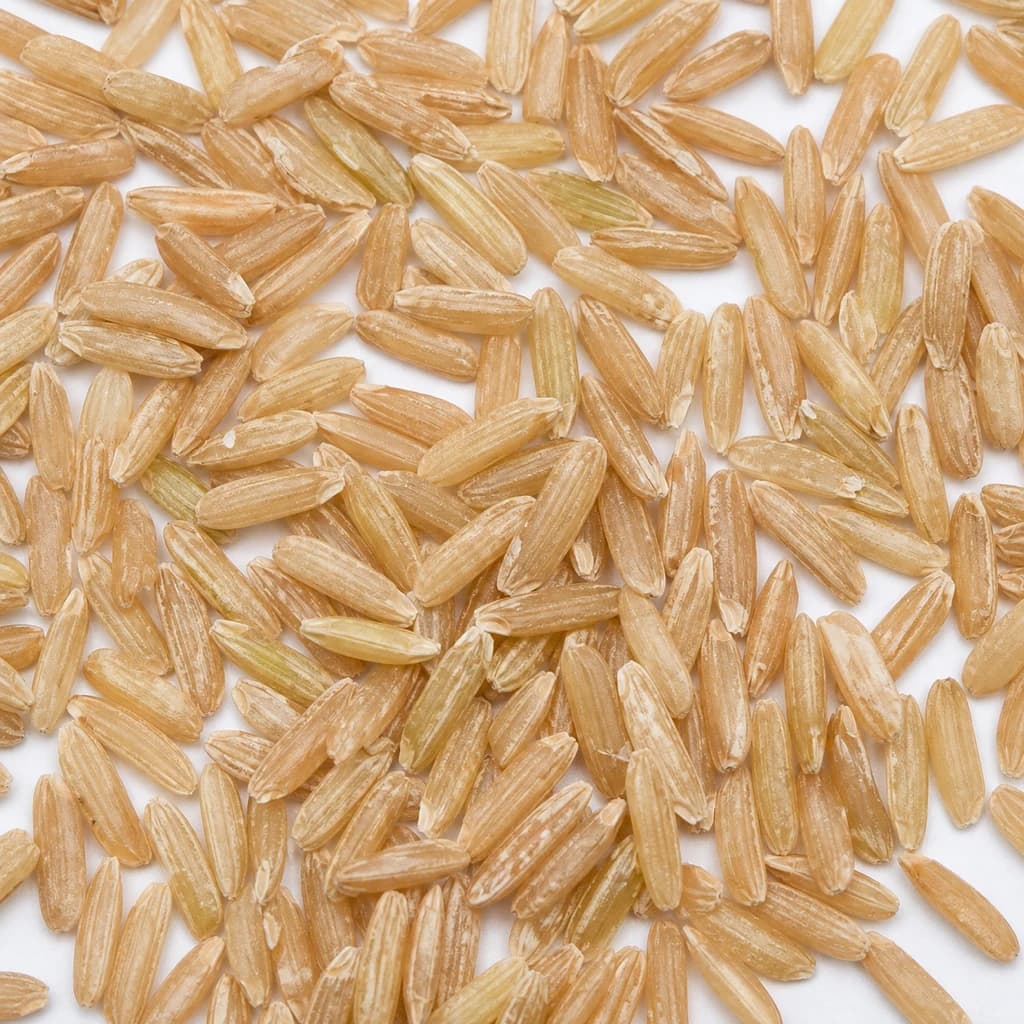
Nutty, whole-grain rice with chew and extra fiber

Basmati Rice
Fragrant, long-grain rice that cooks up light and separate
Jasmine Rice
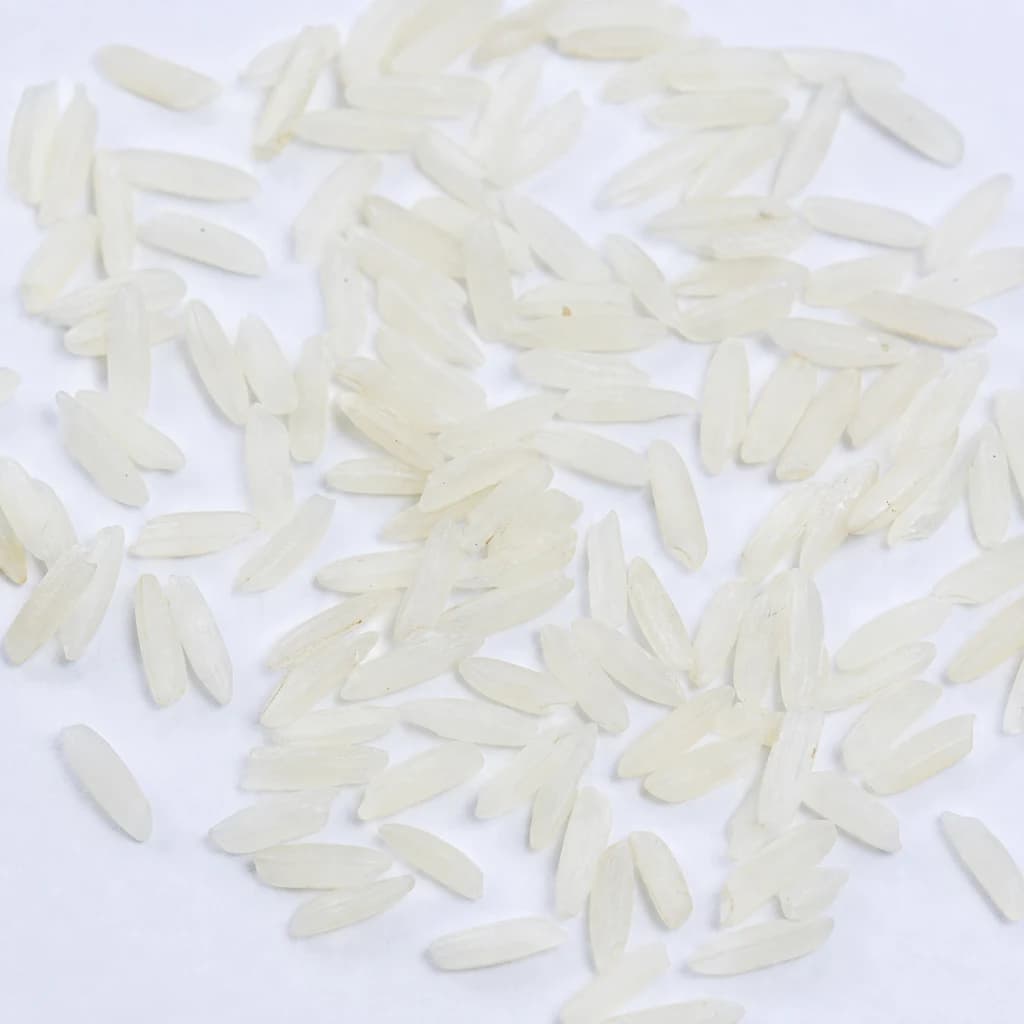
Soft, floral-scented rice that's the pillar of Thai meals
Arborio Rice
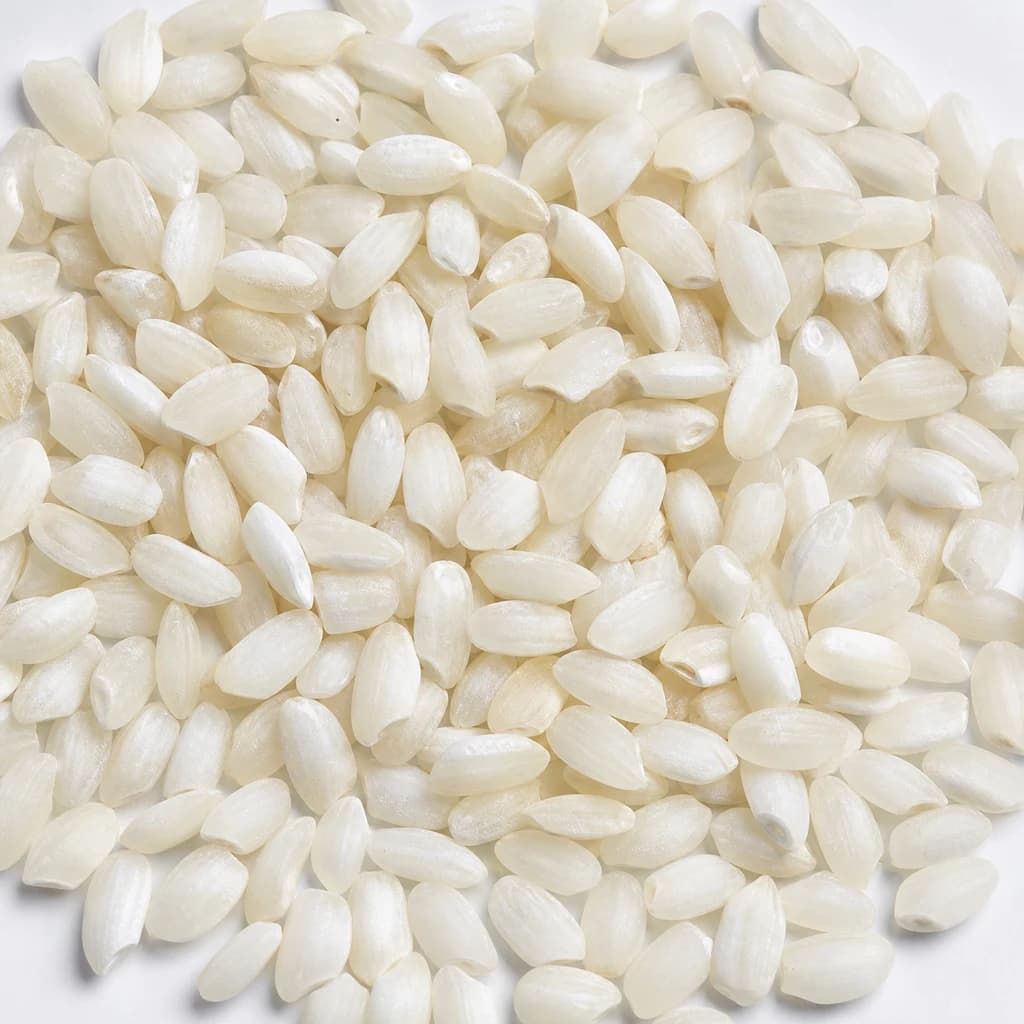
Plump, starchy rice that makes risotto creamy
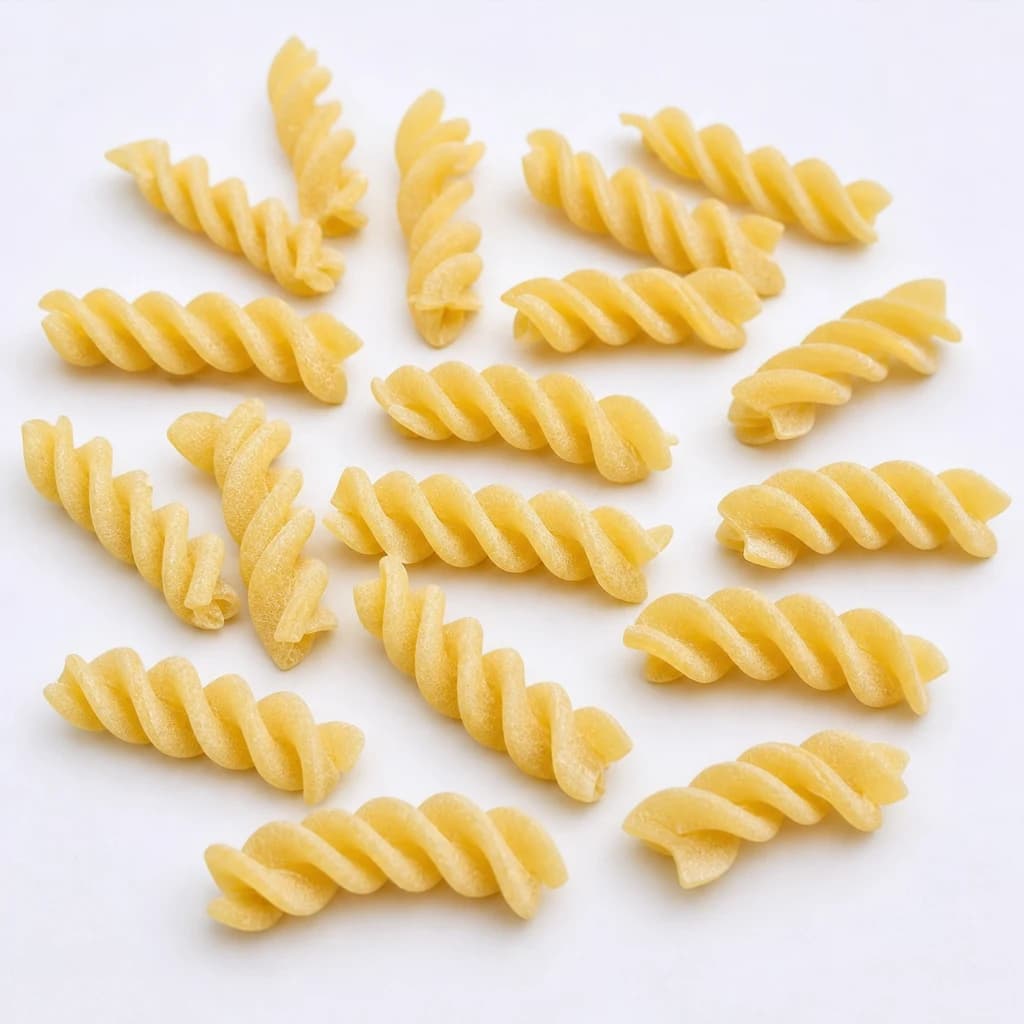
Fusilli
Spiraled pasta that twirls up sauce and dresses cold salads
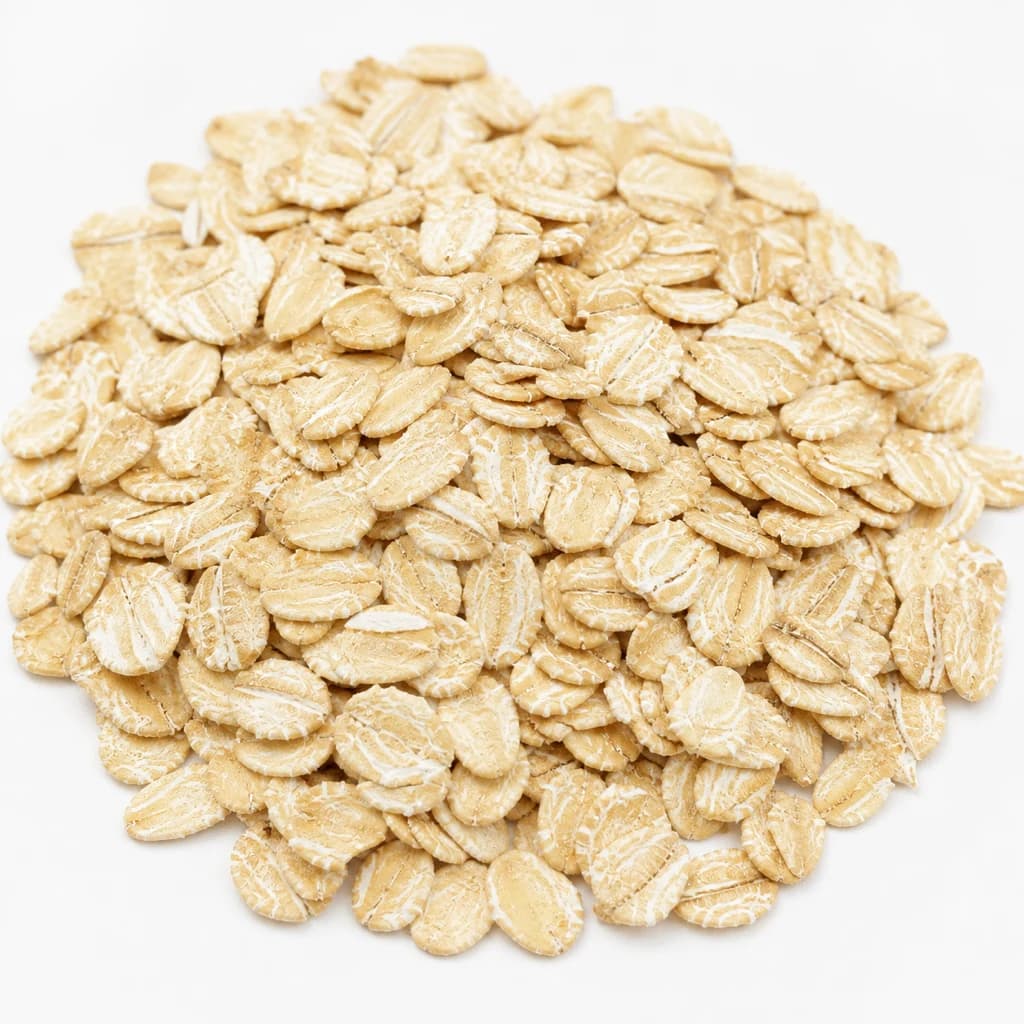
Rolled Oats
Hearty flakes for porridge, granola, and chewy cookies