Transform & Preserve
Velveting
Coating meat in starch and egg white, then blanching it, for a silky tender Chinese stir-fry texture.
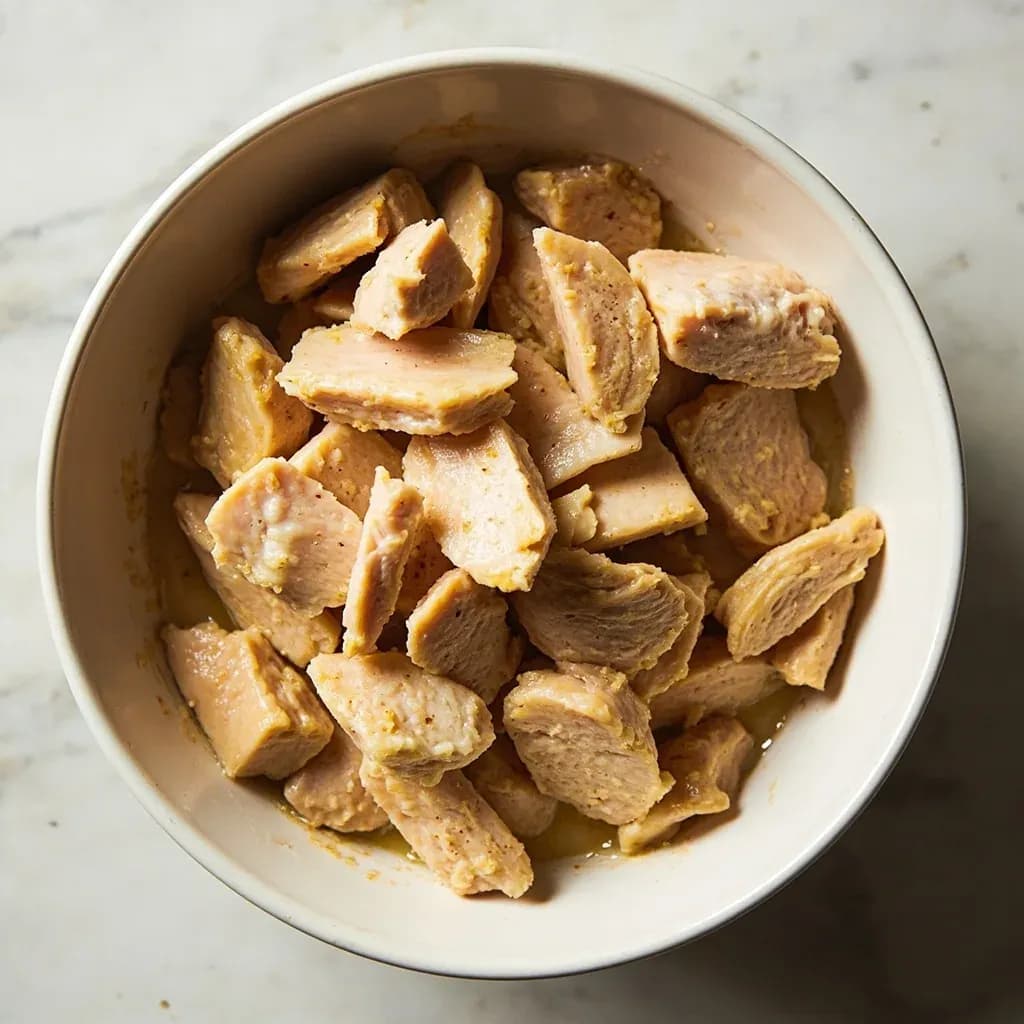
Velveting is a Chinese technique of marinating sliced meat or seafood in cornstarch, egg white, and often a little oil or rice wine, then briefly blanching it in hot oil or water before the final stir-fry. The starch-protein coating seals in juices and shields the surface from harsh heat, leaving the meat exceptionally smooth and tender. The brief oil blanch (guoyou) sets the coating and partially cooks the protein so the final toss in the wok is fast.
Velveting is a Chinese pre-cooking technique that gives lean proteins — beef, chicken, pork, and seafood — the silken, almost translucent texture that defines restaurant-quality stir-fries. The process is two-part: the sliced protein is first marinated in a seasoned mixture of egg white, cornstarch, salt, and often Shaoxing wine, then slipped briefly through barely-simmering water or low-temperature oil so the coating sets into a thin, glossy film. That film locks in moisture during the subsequent high-heat stir-fry, when an unprotected piece of meat would seize, toughen, and dry out.
The name is literal: the finished bite feels velvet-smooth, with none of the grainy chew of a plainly stir-fried slice. The technique is most associated with Cantonese cooking, but it is used across Chinese restaurant kitchens for the same reason — it forgives the brutal heat of a wok and turns even cheap, lean cuts into something plush.
Two ideas to internalize before trying it: velveting is not just marinating. Cornstarch and egg white left on raw meat and dumped into a hot wok will clump, scorch, and turn gummy; the gentle pre-cook is what makes the coating transparent and silky. It is also not a finishing technique — velveted meat goes back into the wok only briefly, just long enough to heat through and pick up sauce. Get those straight, and the rest is timing and slice thickness.
- Difficulty
- Medium
Types & varieties
Marinated meat is slipped into barely-simmerming, lightly salted water until just opaque, then drained. Lighter, healthier, and the standard in Cantonese home kitchens.
Meat is passed through low-temperature oil (around 250–300°F) for under a minute. Standard in restaurant woks because it is faster and the surface stays glossier for a second stir-fry.
The classic coating: egg white plus cornstarch, salt, and wine. Produces the most pronounced silky, glossy surface.
Uses the whole egg instead of just the white; yields a slightly richer flavor and a softer coating, common in northern Chinese and Taiwanese cooking.
A leaner version using cornstarch and a splash of wine or water, with no egg. Useful for seafood, pork loin, and cooks avoiding raw egg.
A small pinch of baking soda (about 1/4 tsp per pound) is sometimes added to the initial marinade to raise pH and tenderize tougher cuts like flank or skirt steak. Common in Sichuan-style beef.
Meat is tossed with cornstarch and a pinch of salt, rested 20–30 minutes, and added directly to the stir-fry without a separate pre-cook. A shortcut used for very thin slices when speed matters more than gloss.
How to do it
- 1
Slice the protein thinly and uniformly
Partially freeze the meat (20–30 minutes in the freezer) so it firms up for slicing. Cut across the grain into 1/8 to 1/4 inch (3–6 mm) slices or thin strips. Uniformity is the single biggest factor in even cooking and even coating; aim for slices that look the same thickness to the eye.
- 2
Season and add liquid
In a mixing bowl, toss the sliced meat with 1 tsp salt per pound, 1–2 tsp Shaoxing wine (or dry sherry), and optionally a small pinch of white pepper. Mix by hand for about 30 seconds, until the meat absorbs the liquid and looks slightly tacky on the surface.
- 3
Add egg white
Whisk 1 large egg white per pound of meat just until uniform (no streaks of yolk), then fold it into the meat and massage briefly so every piece is coated. The egg white is what produces the silken, glossy surface once set.
- 4
Coat with cornstarch
Sprinkle 1 to 1 1/2 Tbsp cornstarch (or potato starch) per pound over the meat and toss until no dry starch remains and the meat feels lightly tacky, not powdery. If you are using the whole-egg or baking-soda variant, add those ingredients at this stage.
- 5
Seal with oil
Drizzle in 1 tsp neutral oil and toss once more. The oil keeps the coating pliable and prevents pieces from sticking to each other or to the bowl during the rest.
- 6
Rest
Cover and rest 20–30 minutes at cool room temperature, or up to 2 hours in the refrigerator. The cornstarch hydrates and the egg white relaxes onto the fibers so the coating will set cleanly in the next step.
- 7
Velvet in water or oil
WATER METHOD: bring a wide pot of lightly salted water to 150–180°F (65–80°C) — just below a simmer, with the occasional bubble. Slide the meat in one piece at a time, stir gently with chopsticks, and poach 30–60 seconds until just opaque. Drain in a colander and pat dry. OIL METHOD: heat neutral oil to 250–300°F (120–150°C) in a wok. Slip the pieces in, separate them with chopsticks, and cook 30–60 seconds until the surface sets and the meat barely changes color. Lift out with a spider skimmer and drain on a rack.
- 8
Use or chill
Use the velveted protein immediately in a stir-fry, or chill in a covered bowl up to 24 hours. Add it at the very end of the stir-fry: the wok should be hot, the sauce ready, and the meat should only need a brief toss to heat through and pick up glaze.
Water velveting vs. oil velveting
The two methods produce nearly identical end results, but they suit different kitchens. Water velveting is the home cook's default: it uses no extra fat, tolerates slightly thicker slices, and is forgiving if the temperature wanders a few degrees. Oil velveting is what restaurant lines reach for because the surface stays glossier, larger batches can move through quickly, and the pre-cooked protein holds its texture longer on a busy pass. Pick water when you want the cleanest flavor and a healthier result; pick oil when you need speed, sheen, or are holding the protein for several minutes before the final stir-fry.
- Water is the safer choice for chicken breast, pork loin, scallops, and shrimp — proteins that scorch easily and benefit from the gentlest possible pre-cook.
- Oil is faster (about 30 seconds per batch) and the coating keeps its gloss longer on a sheet pan or in a holding container.
- In water, the temperature matters more than the time: keep it below 180°F, otherwise the egg-white coating tears and the meat turns rubbery.
- In oil, keep the temperature below 300°F; above that, the egg white sets too fast and the surface becomes gummy rather than silken.
- A useful rule of thumb: if you would normally blanch the protein (shrimp, scallops, sliced squid), use water. If the protein is going to be held and finished later (banquet service, meal prep), use oil.
Common uses
Tips & pitfalls
- Always slice against the grain, 1/8 to 1/4 inch thick; velveting will not rescue a cut sliced with the grain, which will always chew tough no matter how well coated.
- Mix the marinade in the order protein, then wine and salt, then egg white, then cornstarch, then a thin film of oil. The oil seals in moisture and keeps the coating from clumping during the rest.
- Whisk the egg white lightly with a fork; you do not want meringue peaks, just a uniform liquid that slips evenly over the meat.
- For water velveting, keep the water below a true boil — about 150–180°F — so the coating sets gently rather than tearing. Slide pieces in one at a time so they do not clump together.
- For oil velveting, the oil should be cool enough to sizzle gently, not smoke. Thirty to sixty seconds is plenty; if the meat changes color much, the oil was too hot.
- Pat the velveted meat dry before the final stir-fry. Surface water or oil will splatter, dilute the sauce, and stop the wok from searing properly.
- Crowding the wok during the final stir-fry drops the temperature and undoes the protective coating. Cook in small batches if needed, and return the meat to the wok only at the end to heat through and glaze.
- Do not re-velvet and re-cook the same piece of meat. Velveting is a one-pass treatment; from there, the protein gets a brief finish in a hot wok and that is it.
- If using baking soda for a tougher cut, rest the meat only 20–30 minutes, then rinse and pat dry before the cornstarch step. Too long gives a soapy, mushy, slightly metallic flavor.
- Velveted protein keeps in the refrigerator for up to 24 hours, tightly covered, and can be finished in a hot wok straight from cold — no need to bring it back to room temperature first.
Good to know
- Origin
- Chinese cooking technique, most associated with Cantonese cuisine and the broader stir-fry tradition; widely adopted in Chinese restaurant cooking worldwide.
- Primary purpose
- Creates a silky, tender, almost velvety mouthfeel in meats and seafood, and protects them from overcooking in a fast, hot wok.
- Core coating
- Egg white, cornstarch (sometimes potato starch or tapioca), salt, and often a splash of Shaoxing wine and a teaspoon of neutral oil.
- Two main methods
- Water velveting (blanching in seasoned water, 150–180°F / 65–80°C) and oil velveting (slip the meat through 250–300°F / 120–150°C oil for 30–60 seconds).
- Marination time
- 15–30 minutes at room temperature, or up to 1–2 hours refrigerated for thicker cuts.
- Effect on texture
- The coating gelatinizes into a thin protective film that locks in moisture, yielding a glossy, tender bite even after high-heat stir-frying.
- Common dishes
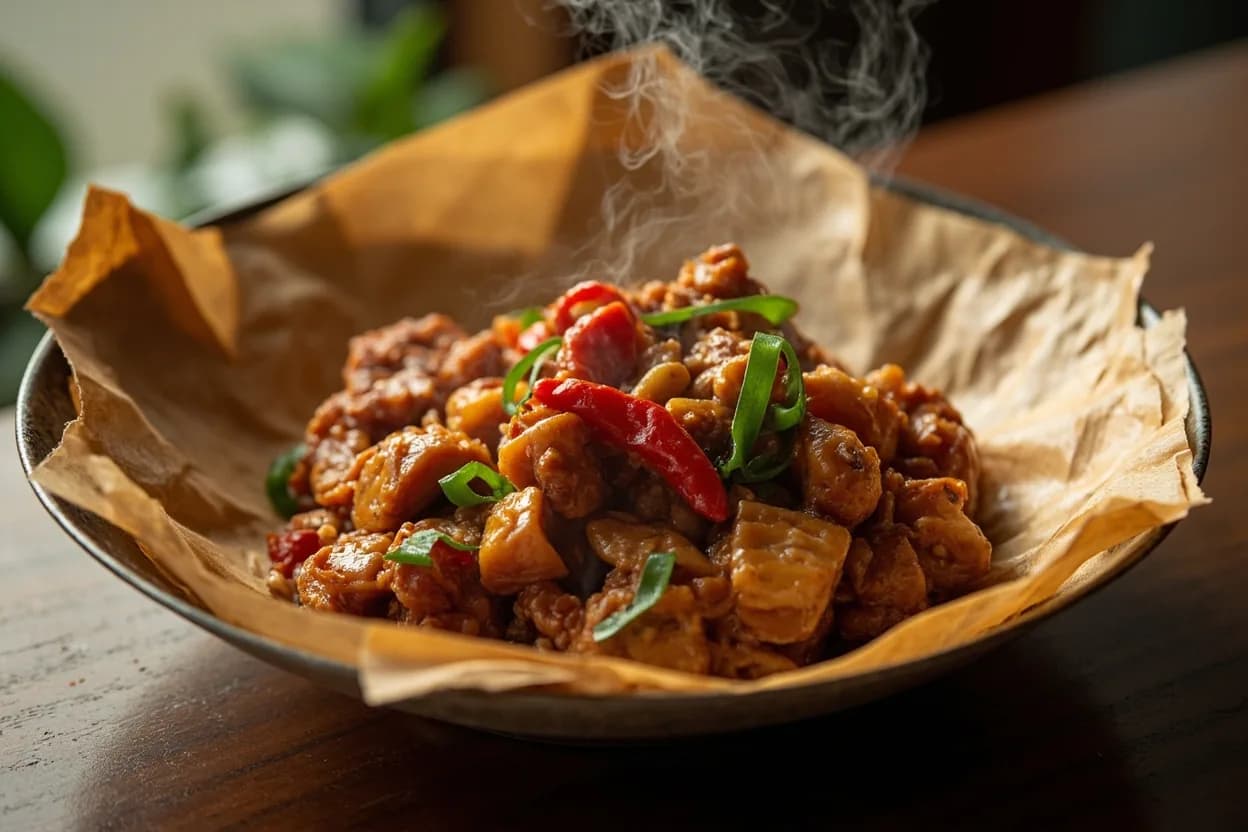
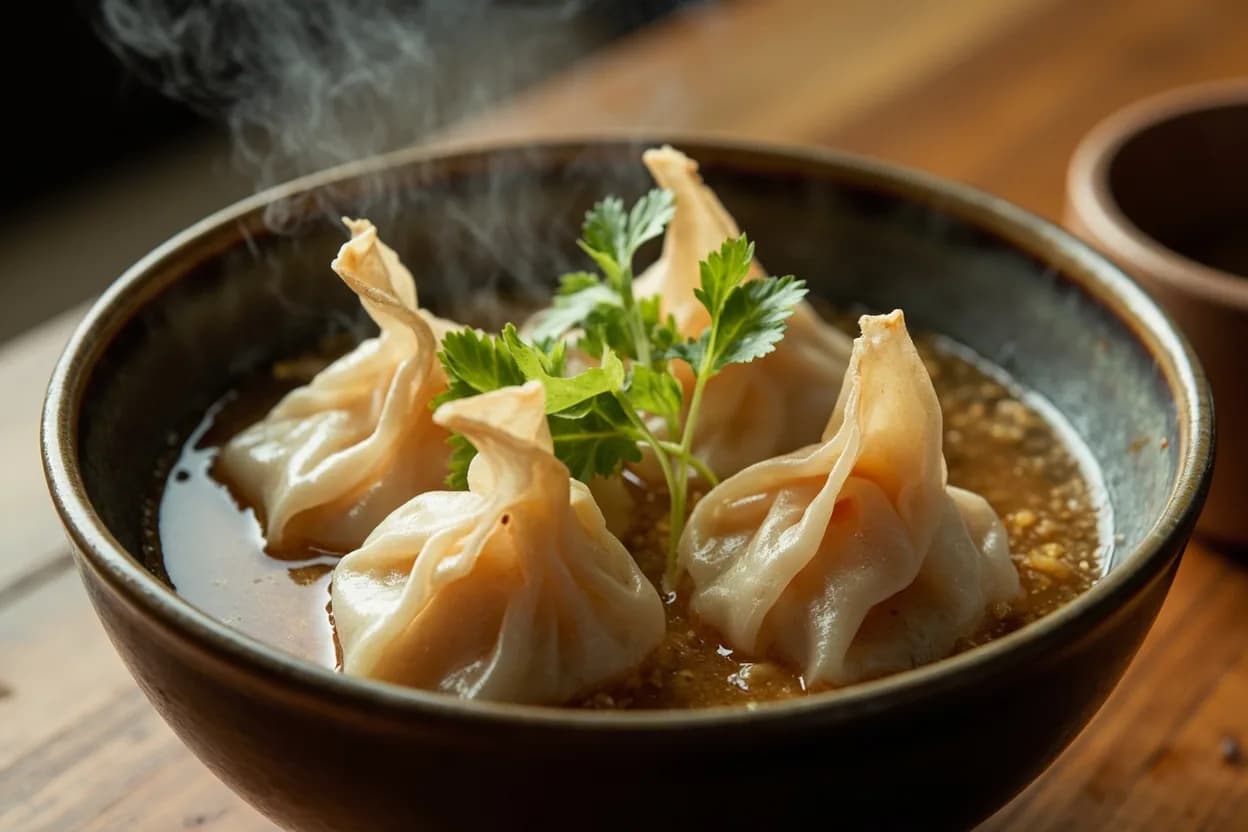
- Beef with broccoli, kung pao chicken, Mongolian beef, moo goo gai pan, shrimp with lobster sauce, and most Cantonese-American takeout stir-fries.
- Also called
- Slip-velveting, pass-through, and in Chinese 水滑 (shuǐ huá, water-velveting) or 油滑 (yóu huá, oil-velveting).
Also called
Velveting · 上浆 · Oil Blanching · 过油
Dishes that rely on it
Related

Confit
Cook slowly submerged in fat for silky tenderness and keeping

Cure
Draw out moisture with salt and time to preserve and concentrate

Pickle
Steep in acidic brine for bright, tangy, crunchy preservation

Ferment
Let friendly microbes transform food into tangy, complex flavor

Marinate
Soak in a seasoned mix to flavor and tenderize before cooking

Brine
Soak in salt water so meat stays juicy and seasoned throughout

Dehydrate
Slowly dry out moisture to concentrate flavor and extend shelf life

Cold-Smoke
Perfume cured food with smoke without cooking it through