Knife Skills
Shredding
Cutting or tearing food into long thin strands, as for slaws and salads.
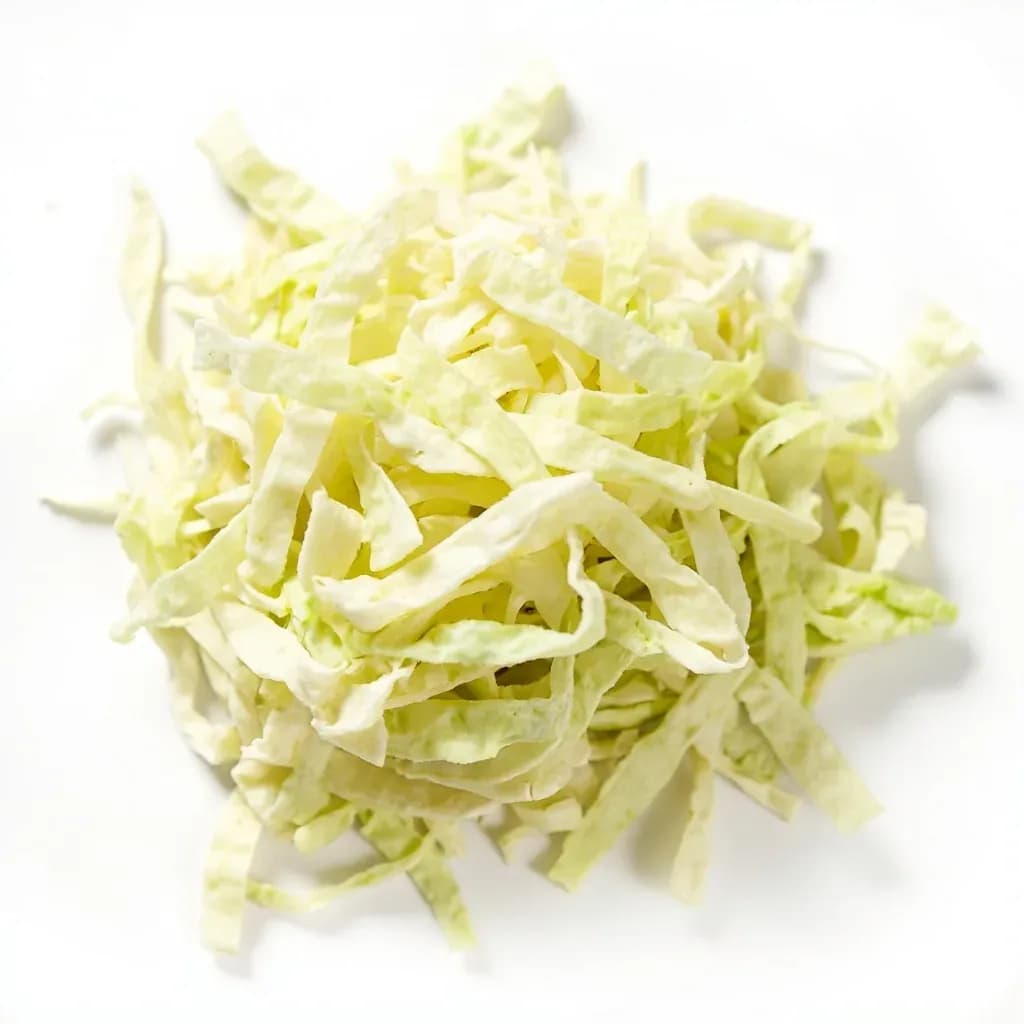
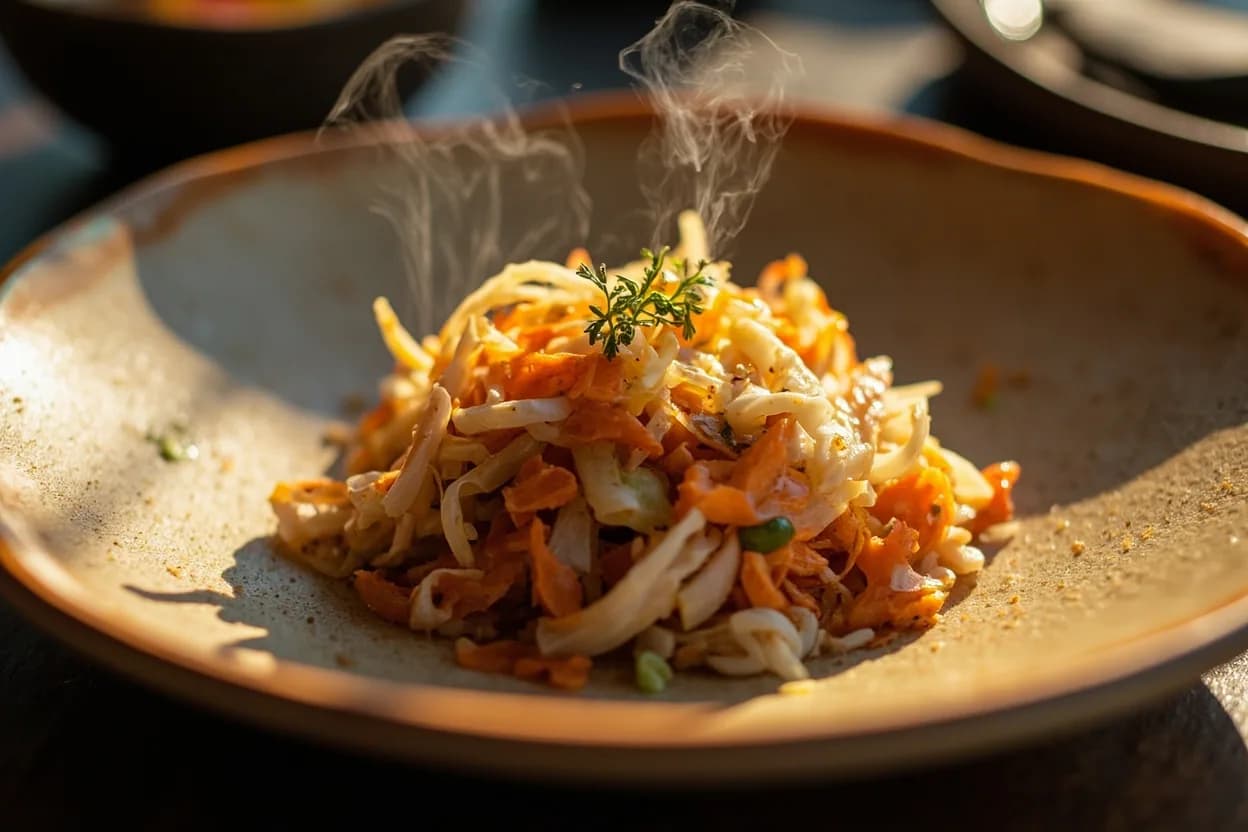
Shredding cuts food into thin, long strips, by stacking and slicing finely with a knife, by box grater, or by tearing. It's the basis of cabbage for slaw, green papaya for salad, and pulled meats teased into strands. Fine, even shreds wilt and dress evenly and give a light, tangled texture that holds dressing well.
Shredding is the reduction of food into long, thin strands — typically 2–5 mm wide and 4–10 cm long — and it sits in the middle of the knife-skill spectrum between slicing and grating. The defining feature is strand length: a shred is longer than a grate and less uniform than a julienne. Shredding is one of the most-used techniques in a working kitchen because it changes how an ingredient behaves in the finished dish: it dramatically increases surface area, which speeds up cooking, dressing absorption, and salt penetration, while also changing mouthfeel from a solid bite to something that hangs together yet falls apart on the fork.
The technique behaves differently depending on what is being shredded. Hard vegetables and firm cheese yield cleanly with a sharp edge because cell walls sever rather than crush; softer produce (tomatoes, soft cheeses, overripe zucchini) turn pulpy if forced through a rough surface. Cooked meats are shredded by pulling fibers apart along the grain after a long, moist cook — a fundamentally different motion from cutting. Understanding these distinctions is what separates a crisp, dressed slaw from a watery one, or a pile of soft, juicy pulled pork from a pan of chopped chunks.
Because shredding shows up in everything from coleslaw to tacos to hash browns, the right tool matters. A sharp chef's knife produces the cleanest strands and the least cell damage for cold applications; a box grater or food processor trades some cleanliness for speed; a mandoline delivers uniform, presentation-quality strands in seconds; and two forks (or a stand mixer's paddle) handle meat. Picking the right combination of tool and method is often the difference between a dish that holds together for an hour and one that goes limp before it reaches the table.
- Difficulty
- Easy
Types & varieties
Manual method producing the cleanest, longest strands; best for cabbage, carrots, zucchini, beets.
Multi-sided metal tool with graduated hole sizes; efficient for large quantities of cheese, carrots, and potatoes.
Hand-pushed slicer with a julienne or shredding blade; fast and uniform but requires the safety guard.
Shredding disc processes pounds of vegetables in seconds; can crush delicate produce like tomatoes or soft cheese.
Used for cooked meats (pork shoulder, brisket, chicken, jackfruit); two forks or gloved hands pull fibers apart along the grain.
A shredding variant for leafy greens and herbs: stack leaves, roll into a cigar, slice crosswise into thin ribbons.
Paddle attachment on low speed pulls apart warm, cooked meat in under a minute.
How to do it
- 1
Knife shred (stack-and-slice method)
1. Trim the produce: peel if desired, then cut a flat side so the item sits flush on the board without rocking. Remove any tough core, stem, or seeds (cabbage core, zucchini seed core, beet stem). 2. Slice thinly: hold the knife in a pinch grip, curl the fingertips of your guiding hand into a claw, and slice crosswise into thin sheets about 2–3 mm (1/8 inch) thick. Slice with the grain of the food for the longest shreds. 3. Stack the slices: lay 3–4 slices flat on top of each other, aligning one long edge. 4. Cut into matchsticks: slice across the stack at 3–5 mm intervals to produce shreds of your target width. 5. Loosen and fluff: use your fingertips or a bench scraper to separate the shreds and lift them into an airy pile. 6. Repeat with the remaining produce, re-stabilizing with a fresh flat cut as the piece gets smaller.
- 2
Box grater shredding
1. Stabilize the grater: set it on a folded damp kitchen towel or inside a deep rimmed sheet pan to prevent slipping. 2. Pick the correct hole size: coarse holes for cabbage, potatoes, and apples; medium for carrots and most cheeses; fine for hard aged cheeses and citrus zest. 3. Prep the food: peel if needed, and cut into pieces roughly 8–10 cm long so you have a safe grip and a clearance buffer for your knuckles. 4. Grip safely: use the grater's plastic food guard if it has one; otherwise reserve a 2–3 cm stub of food at the end to hold. 5. Apply steady, even pressure: use a smooth, vertical up-and-down motion — don't bear down at an angle, which bends the grater. 6. Watch your knuckles: stop the stroke the moment your fingers approach the grating surface. 7. Clear the back side frequently: tap the grater against the counter or run a bench scraper along the inside to release accumulated shreds.
- 3
Pulling or shredding cooked meat
1. Cook to the right doneness: braise or smoke pork shoulder and brisket to about 95 °C / 205 °F internal until a probe slides in with no resistance; cook chicken to 75 °C / 165 °F. 2. Rest briefly: let the meat sit 5–10 minutes so juices redistribute but the fibers are still pliable. 3. Transfer to a wide pan or bowl: a sheet pan gives you room to work. 4. Pull with two forks (or by hand with food-safe gloves): hold each piece steady with one fork and rake against the grain with the other, separating fibers into long strands about 5–8 cm long. 5. Discard fat, gristle, cartilage, and bone as you encounter them — they don't pull apart cleanly. 6. Toss with sauce or seasoning while the meat is still warm so it absorbs flavor evenly. 7. For very large batches, a stand mixer with the paddle attachment on low speed does the same job in under a minute.
- 4
Chiffonade (shredding leafy greens and herbs)
1. Wash and thoroughly dry the leaves — water on the surface will cause them to clump and bruise. 2. Stack 4–6 similar-sized leaves on top of each other, largest on the bottom. 3. Roll the stack tightly from one long side into a compact cylinder (a 'cigar'). 4. Slice crosswise through the roll with a sharp knife into ribbons 2–5 mm wide. 5. Unfurl the ribbons and use immediately — the cut edges oxidize and darken within minutes for basil and other tender herbs.
Shred vs. grate vs. julienne
The English-speaking kitchen uses 'shred' and 'grate' almost interchangeably, which causes real problems at the cutting board. Shredding produces long, identifiable strands that you can pick up with a fork; grating produces shorter, more granular particles closer to a powder or pulp. A box grater's large holes yield true shreds; the small holes yield gratings. A julienne is the most precise member of the family — true matchsticks cut at roughly 1–2 mm × 1–2 mm × 4–5 cm — and is reserved for dishes where the cut is part of the presentation, such as vegetable garnishes, Vietnamese salads, or fine condiments. Chiffonade is the shredding cut applied to leaves rather than firm flesh. Knowing which one a recipe wants is half the battle; substituting a coarse grate for a hand-shred will change the texture of coleslaw entirely.
- Shred: 2–5 mm wide strands, several cm long, produced by slicing or coarse grating
- Julienne: 1–2 mm × 1–2 mm × 4–5 cm matchsticks, knife-cut for precision
- Chiffonade: 2–5 mm ribbons of leafy greens or herbs, produced by stacking and rolling
- Grate: short, granular particles from fine holes or a Microplane
Cell damage and moisture management
Shredding is a wet technique whether the cook wants it to be or not. Every cut severs cell walls and exposes the liquid inside; the question is how much. A sharp knife slices cleanly between cells and leaves most of them intact, which is why hand-shredded cabbage holds its crunch for hours. A coarse grater tears cells open roughly, which is fine for cooked applications (latkes, hash browns, quick breads) but disastrous for raw salads. Salt is the other major factor: salt draws water out of cut cells via osmosis, so any salted slaw, cucumber salad, or dressed cabbage needs to be salted at the last moment or drained after a short rest. For pickles and sauerkraut, that same moisture release is exactly what you want — it creates the brine in which lactobacilli will ferment.
- Sharp knife = clean cells = dry, crunchy result
- Dull blade or rough grater = crushed cells = wet, limp result
- Salt shreds only at the end of preparation, never in advance
- For cooked dishes (pancakes, breads, sautés) crushed cells are an asset
Common uses
Tips & pitfalls
- Always use a sharp knife; a dull blade crushes cell walls and turns cabbage into wet pulp.
- For the cleanest slaw, slice cabbage by hand on a chef's knife rather than grating it — the cells stay intact and the slaw stays crunchy.
- Place the box grater on a folded damp kitchen towel so it doesn't skate across the counter mid-stroke.
- Keep your guiding-hand knuckles curled (claw grip) and use the last stub of food as a natural buffer for your fingers.
- Grate cheese while it's cold (from the fridge) for clean shreds; bring it to room temperature before melting so it softens evenly.
- For long, even strands of carrot or zucchini, stack thin slices 3–4 deep before cutting into matchsticks.
- Pull cooked meat while it's still warm — cold fibers seize up and shred into chunks rather than clean strands.
- With a food processor, feed produce through the tube in a steady column and never let uncut food sit on the spinning disc, or you'll get uneven, chewed shreds.
- Salt shredded vegetables (especially cabbage and cucumber) only at the last moment to avoid drawing out moisture before serving.
- For pulled meat, remove large sheets of fat and gristle as you go — they don't shred down well and will ruin the texture.
Good to know
- Technique family
- Knife skills / mechanical reduction
- Typical shred dimensions
- 2–5 mm wide, 4–10 cm long (varies by application)
- Difficulty
- Easy to moderate
- Primary tools
- Chef's knife, box grater, mandoline, food processor with shredding disc, stand mixer with paddle
- French culinary terms
- déchiqueter (cut into strips), râper (grate), effilocher (pull apart meat)
- Shred vs. grate (U.S. usage)
- Shredding yields longer strands; grating yields smaller, more granular particles
- Best cabbage shred
- Hand-sliced on a sharp chef's knife (3 mm) gives cleaner cells and better slaw texture than a grater
- Yield loss
- Negligible if shreds are uniform; dull blades or rough graters crush cells and release liquid
Also called
Shredding Cabbage · Shredding Green Papaya
Dishes that rely on it
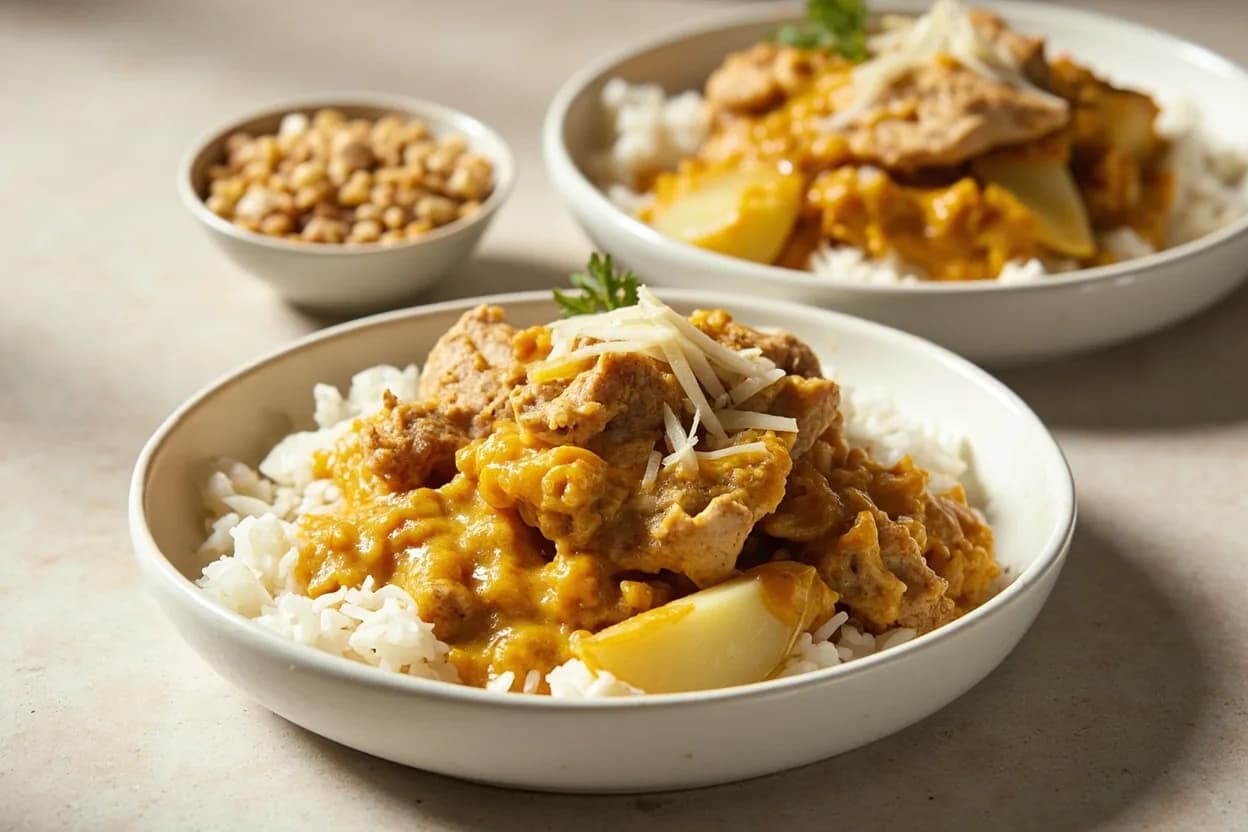
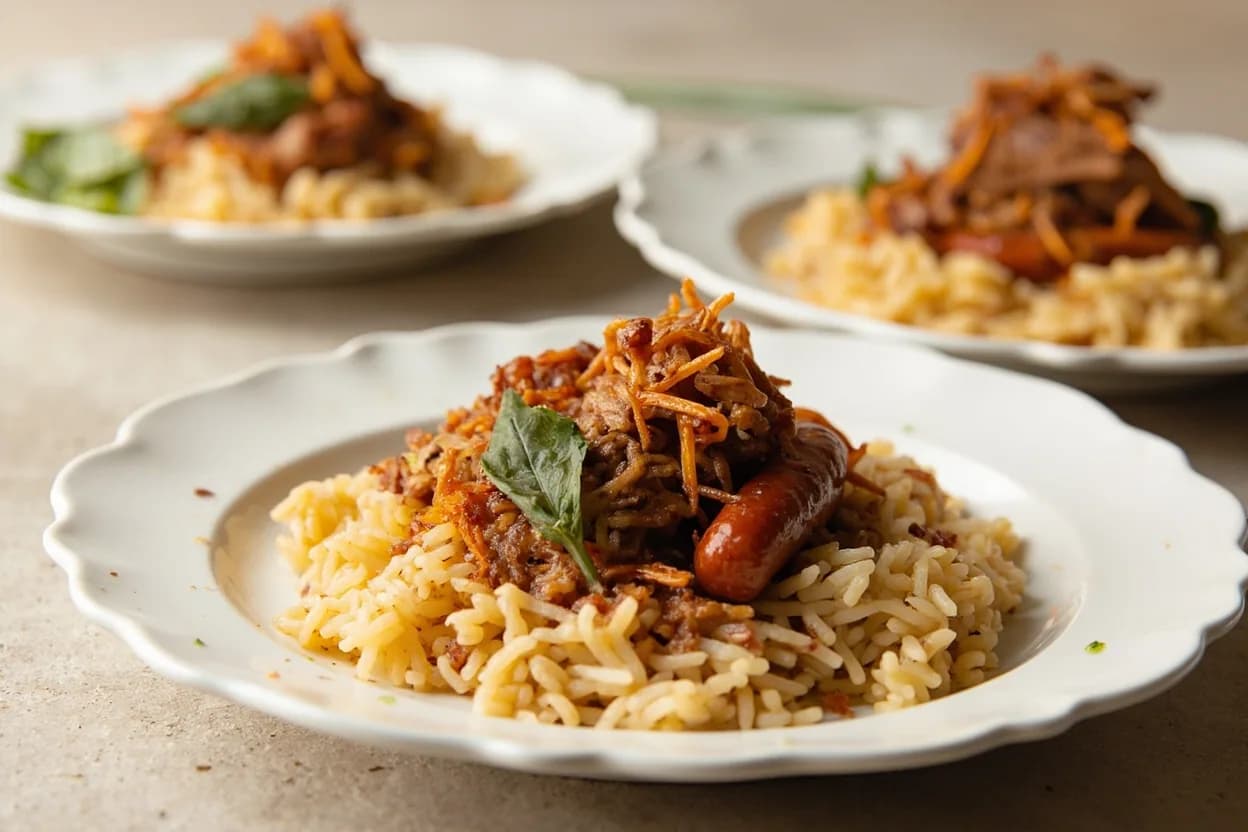
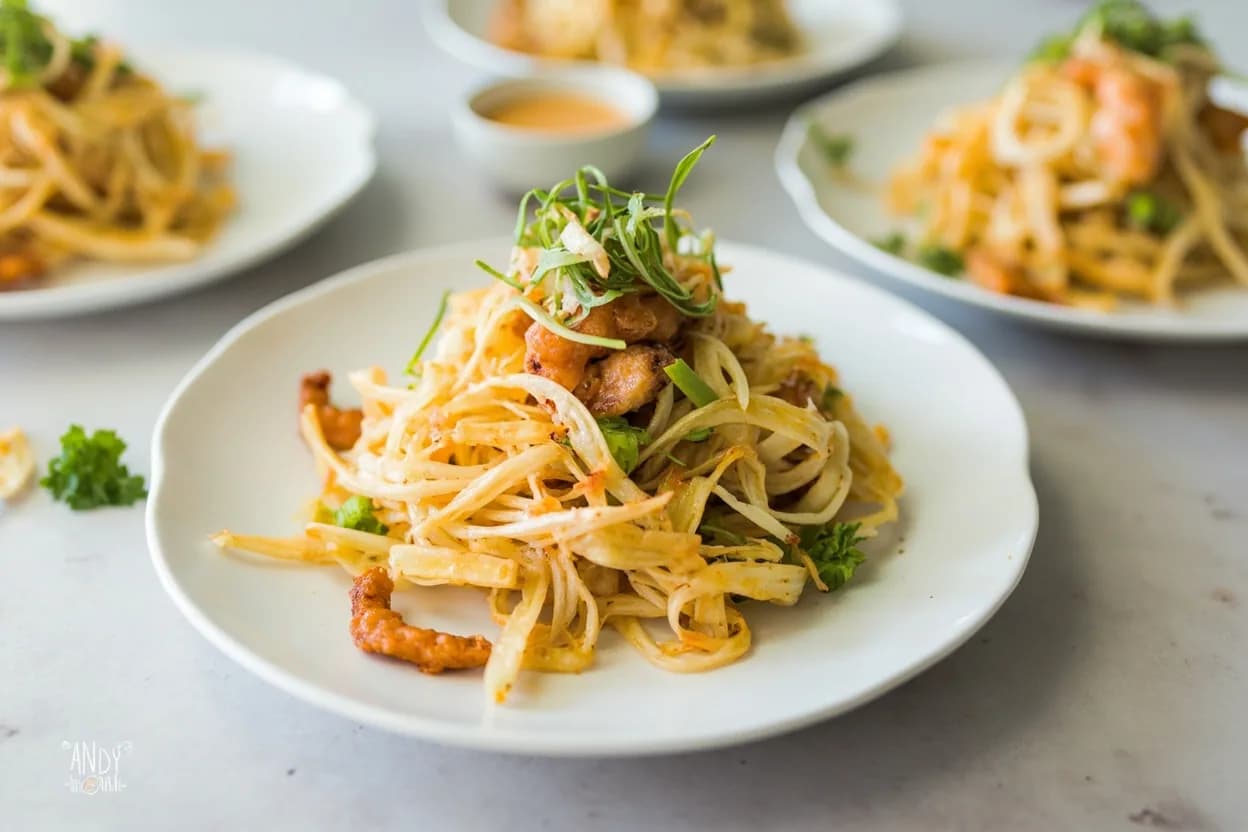
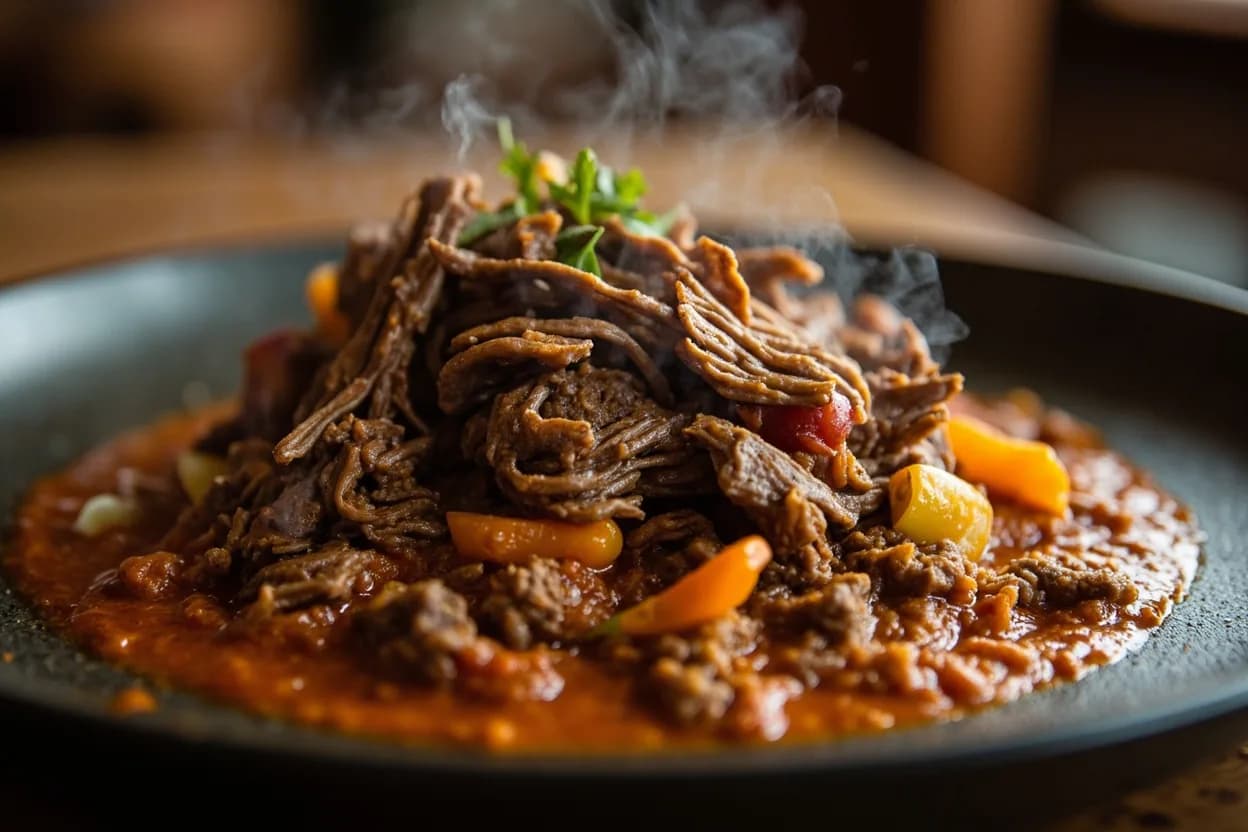
Related

Chop
Cut into rough, irregular pieces — the everyday workhorse cut

Dice
Cut into uniform cubes for even cooking and a tidy look

Mince
Cut as fine as possible so flavor melts evenly into the dish

Slice
Cut into even, flat pieces for consistent cooking and presentation

Julienne
Cut into thin matchsticks for fast cooking and elegant garnish

Brunoise
Cut into tiny, precise cubes — the finest dice in the kitchen

Chiffonade
Roll and slice leafy greens into delicate ribbons

Batonnet
Cut into tidy sticks, thicker than julienne — think classic fries