
Knife Skills
Julienne
Cut into thin matchsticks for fast cooking and elegant garnish
Julienne cuts food into long, thin matchsticks, giving quick, even cooking and a refined look in stir-fries, slaws, and garnishes. It's a foundational classical cut. Square off the vegetable, slice into thin planks, then stack and cut into fine, even sticks.
Julienne is the classical matchstick cut — long, slender batons of uniform thickness that cook quickly, distribute evenly, and bring a refined, professional look to a plate. The cut isn't just for show: by making every piece the same dimension, you guarantee even cooking in a stir-fry and a clean, consistent bite in a slaw or garnish. Classically the julienne measures about 3mm square and 4–5cm long (a finer version, the fine julienne, is around 1.5mm), and it's the direct parent of the brunoise — turn a pile of julienne 90° and cut across it, and you have tiny perfect cubes.
- Difficulty
- Intermediate
Types & varieties
~3mm matchsticks — the everyday classical cut.
Finer, ~1.5mm threads for delicate garnish and quick cooking.
A toothed mandoline plate cuts perfectly even sticks fast — mind your fingers.
A handheld tool that shaves matchsticks straight off a carrot or zucchini.
How to do it
- 1
Square off the vegetable
Trim the rounded sides to make a rectangular block so every cut sits flat and even.
- 2
Cut into planks
Slice the block lengthwise into thin, even planks about 3mm thick.
- 3
Stack the planks
Lay a few planks flat on top of each other, keeping the edges aligned.
- 4
Cut into sticks
Slice down through the stack into matchsticks the same width as the planks were thick.
- 5
Keep the claw
Curl your guiding fingertips under so the knife rides against your knuckles, not your nails.
- 6
Save the trim
Bag the squared-off scraps for stock, soup, or a rough chop — nothing wasted.
Why uniformity matters
Even sticks cook at the same rate and pile cleanly on the plate. Ragged, uneven cuts mean some pieces overcook while others stay raw — uniformity is the entire point of classical knife cuts, not vanity.
- Square off first; you can't cut even sticks from a round shape.
- Match the plank thickness to the stick width for true squares.
- A sharp knife is non-negotiable — a dull blade crushes and slips.
Best vegetables for it
Firm, straight vegetables julienne cleanly: carrots, daikon, zucchini, peppers, celeriac, potatoes (for matchstick fries), and firm apples or ginger. Soft or watery vegetables tear instead of slicing crisply.
Common uses
Tips & pitfalls
- Square the vegetable off first — it's the step beginners skip and the one that makes the cut.
- Cut the planks and sticks the same thickness so you get true squares, not flat ribbons.
- A mandoline or julienne peeler speeds it up dramatically — just use the hand guard.
- Anchor a wobbly vegetable by slicing a thin flat base so it can't roll.
- Stack only a few planks at a time; too tall a stack slides and skews your cuts.
Good to know
- Dimensions
- ~3mm × 3mm × 4–6cm sticks
- Fine julienne
- ~1.5mm square (allumette)
- Best for
- Stir-fries, slaws, garnishes, salads
- Equipment
- Sharp chef's knife (or julienne peeler/mandoline)
- Difficulty
- Intermediate — rewards a sharp blade
- Leads to
- Brunoise (cut julienne crosswise)
Also called
matchstick · allumette
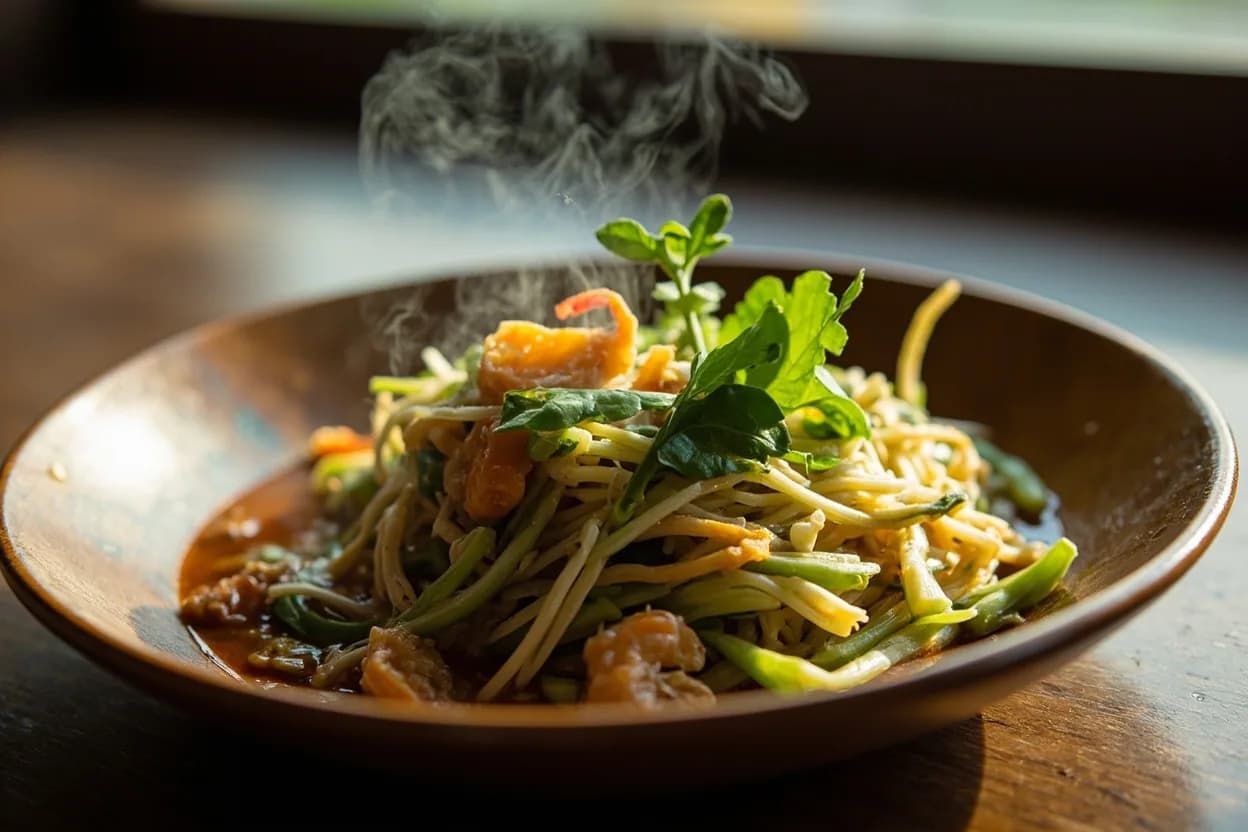
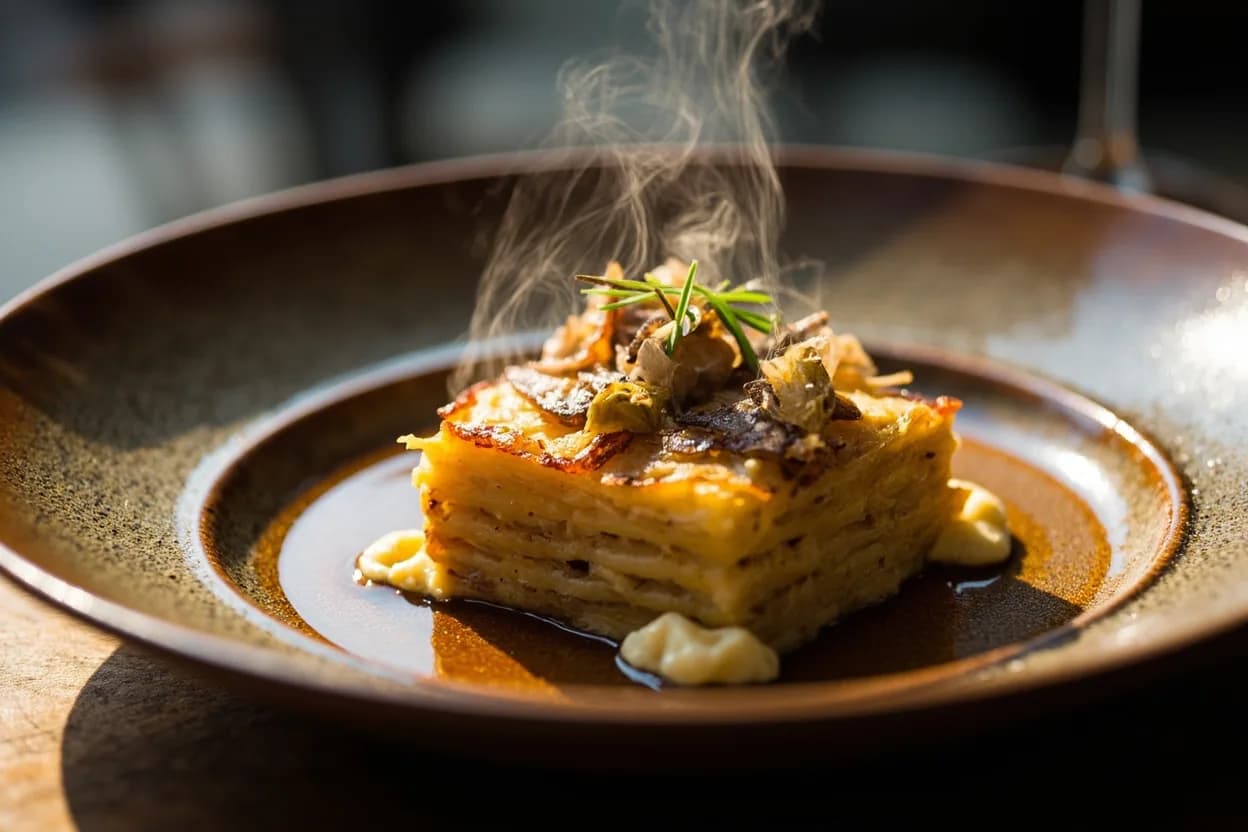
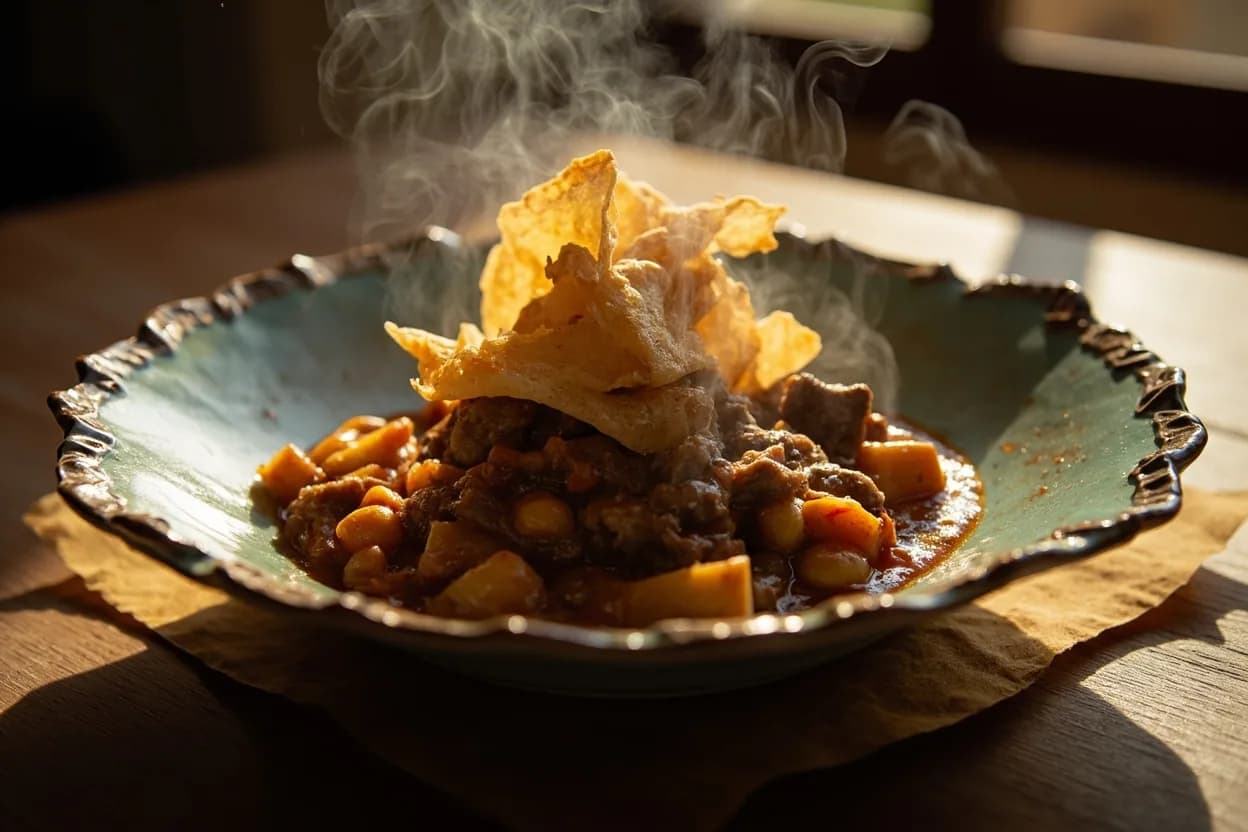
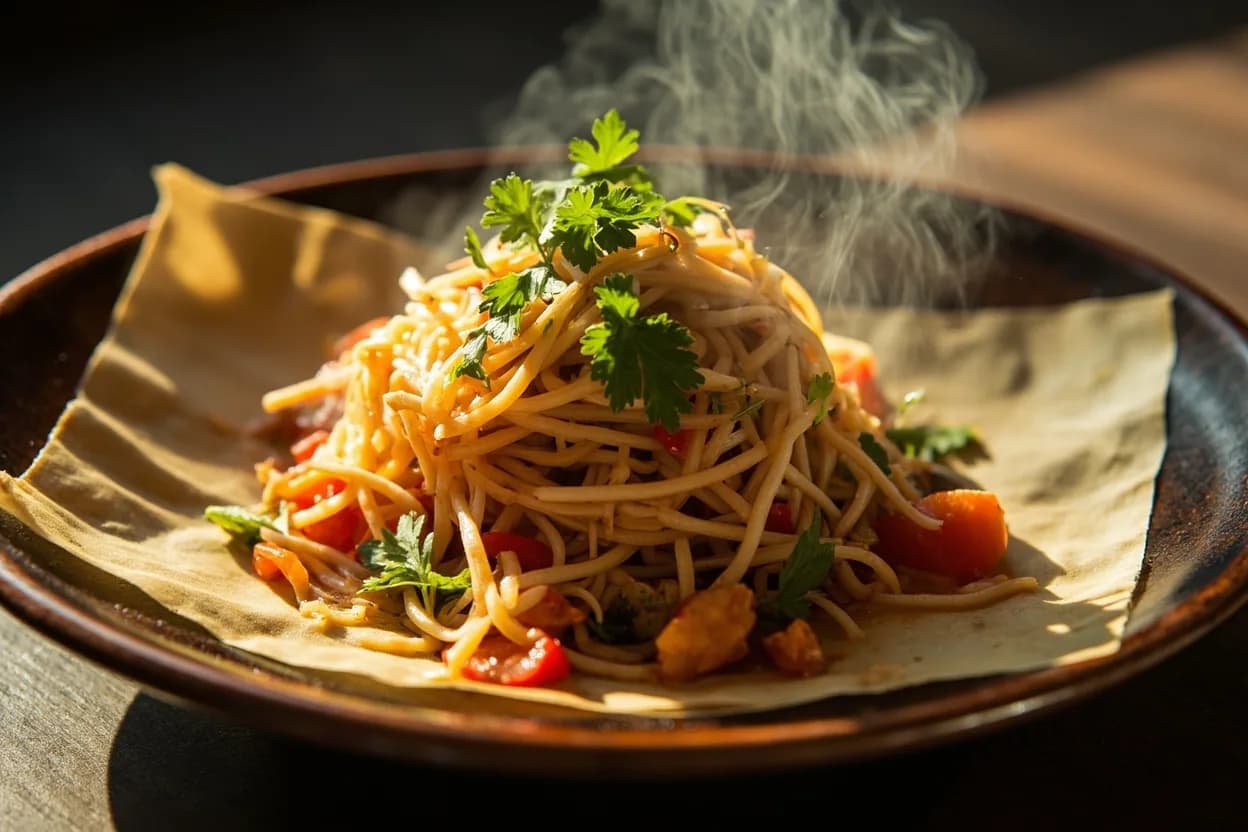
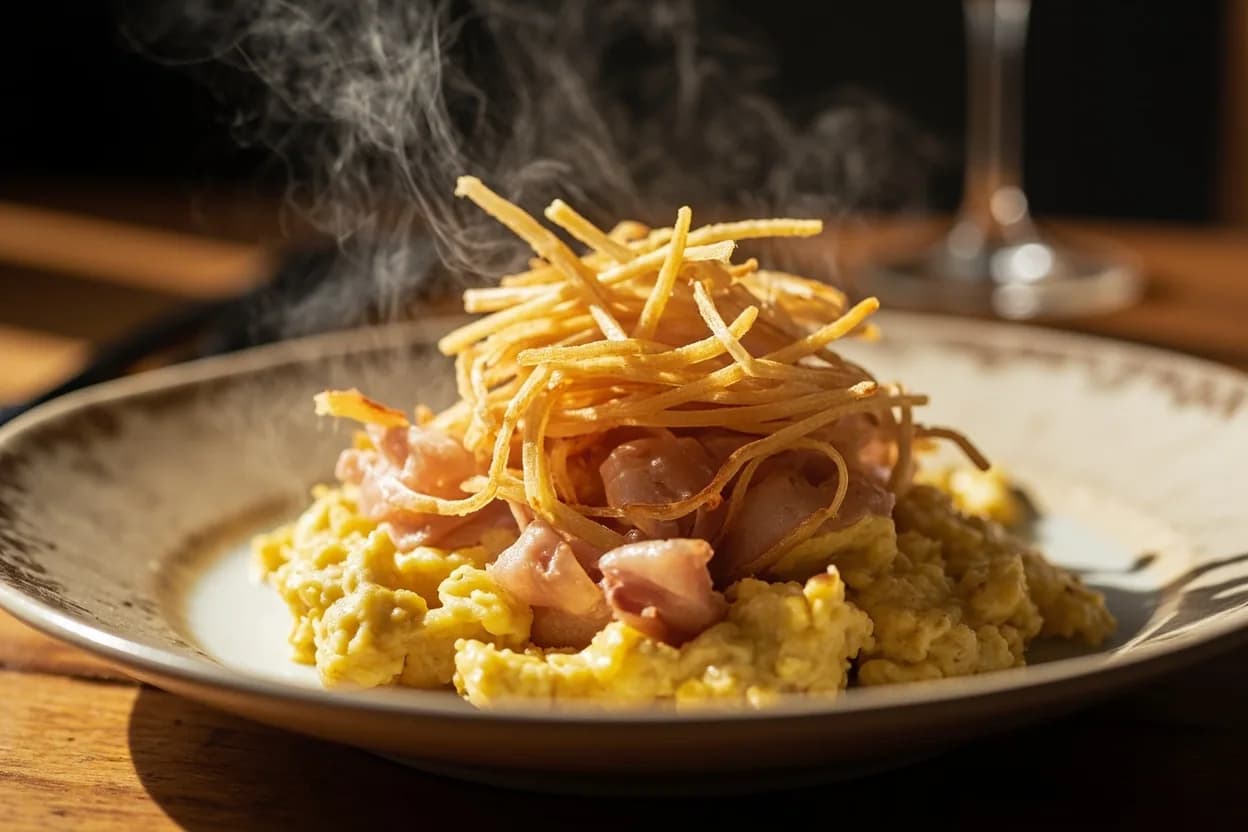
Dishes that rely on it
Related

Chop
Cut into rough, irregular pieces — the everyday workhorse cut

Dice
Cut into uniform cubes for even cooking and a tidy look

Mince
Cut as fine as possible so flavor melts evenly into the dish

Slice
Cut into even, flat pieces for consistent cooking and presentation

Brunoise
Cut into tiny, precise cubes — the finest dice in the kitchen

Chiffonade
Roll and slice leafy greens into delicate ribbons

Batonnet
Cut into tidy sticks, thicker than julienne — think classic fries

Tournée
Carve vegetables into seven-sided footballs — a chef's badge of skill