Water & Steam
Bain-Marie
Cooking or holding food gently in a water bath for even, low heat.
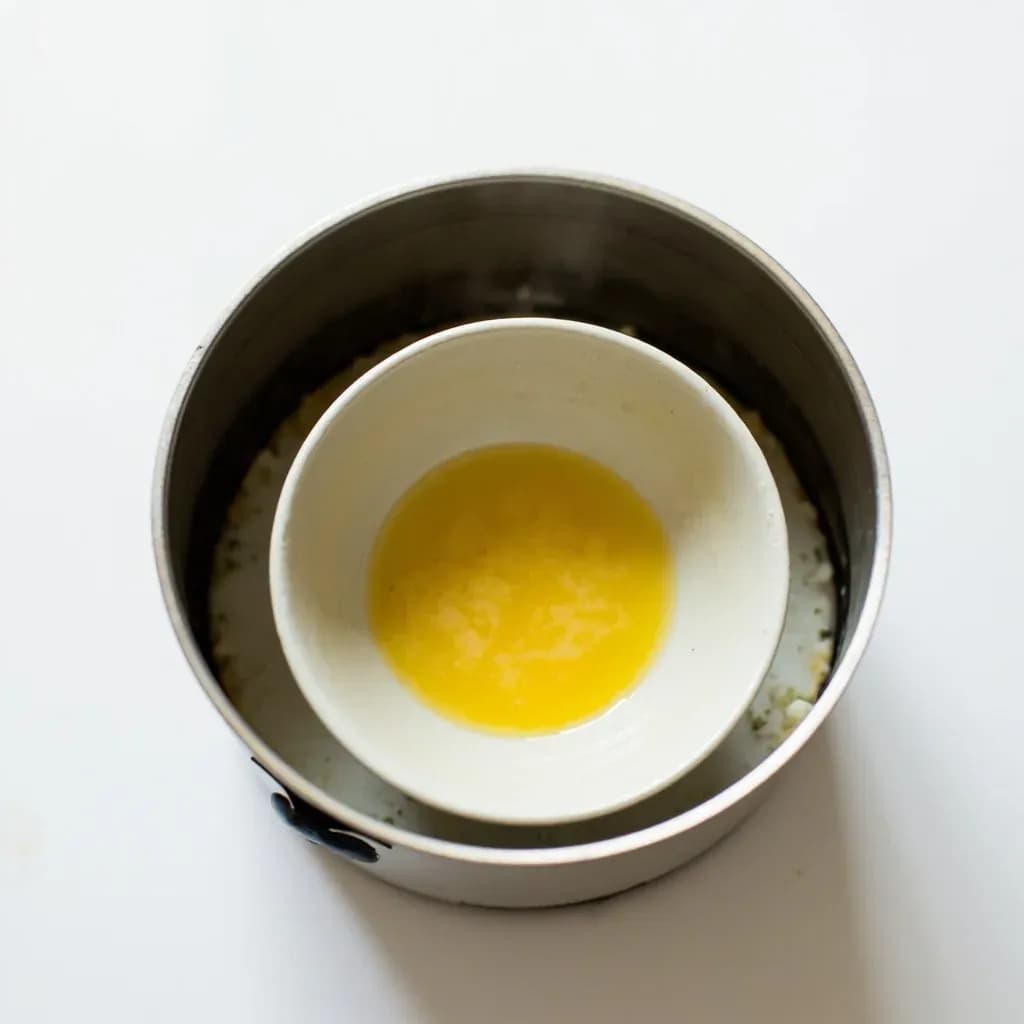
A bain-marie sets a container of food into or over a bath of hot water so it cooks or stays warm with gentle, indirect heat. It prevents delicate items like custards, cheesecakes, and sauces from curdling or scorching, and is used to melt chocolate and hold sauces at service. The water buffers the temperature, keeping it below a boil for steady, even cooking.
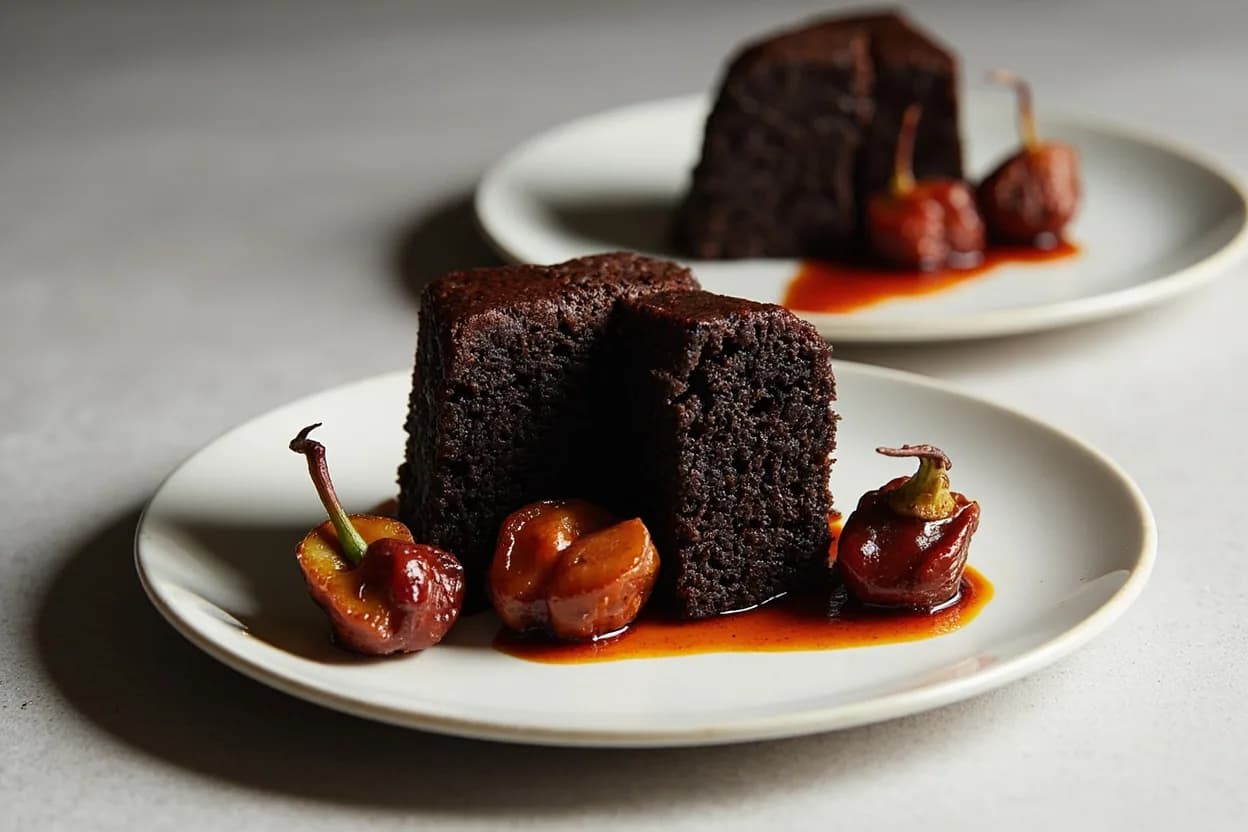
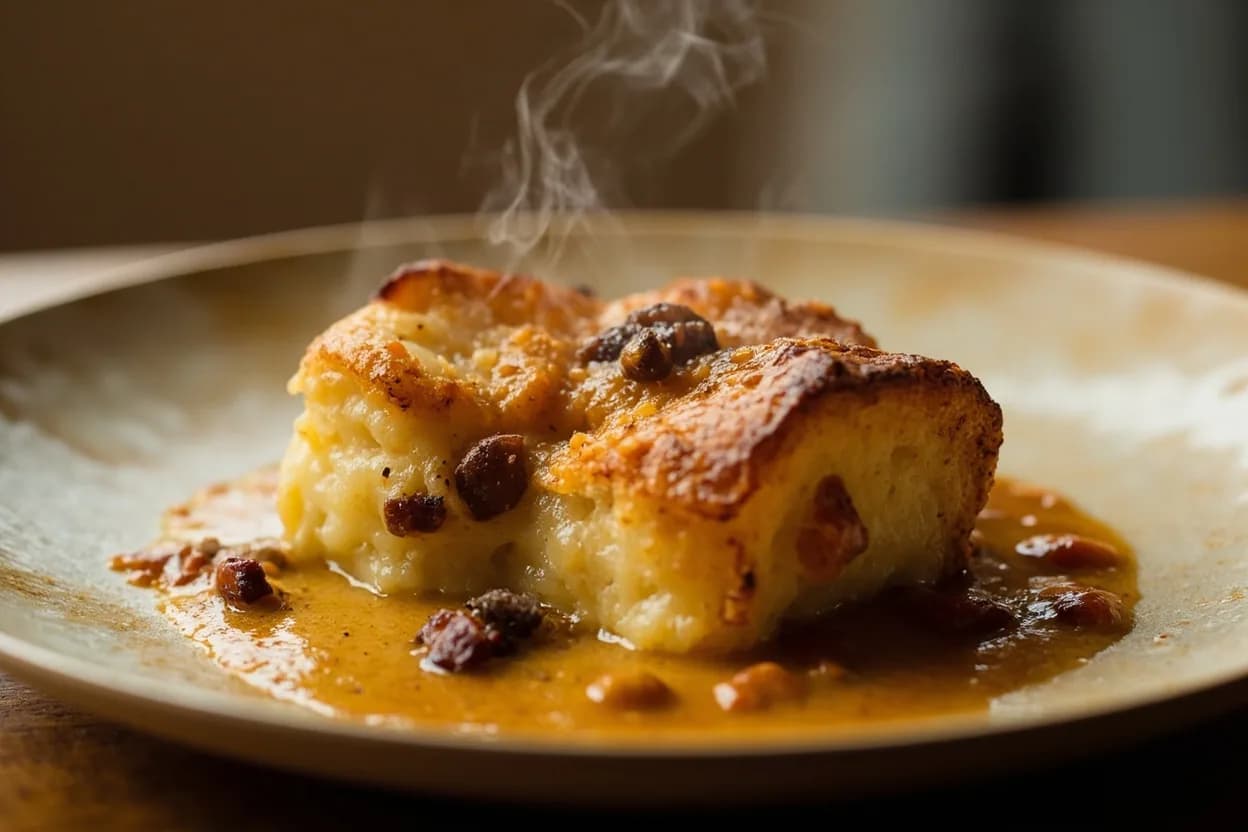
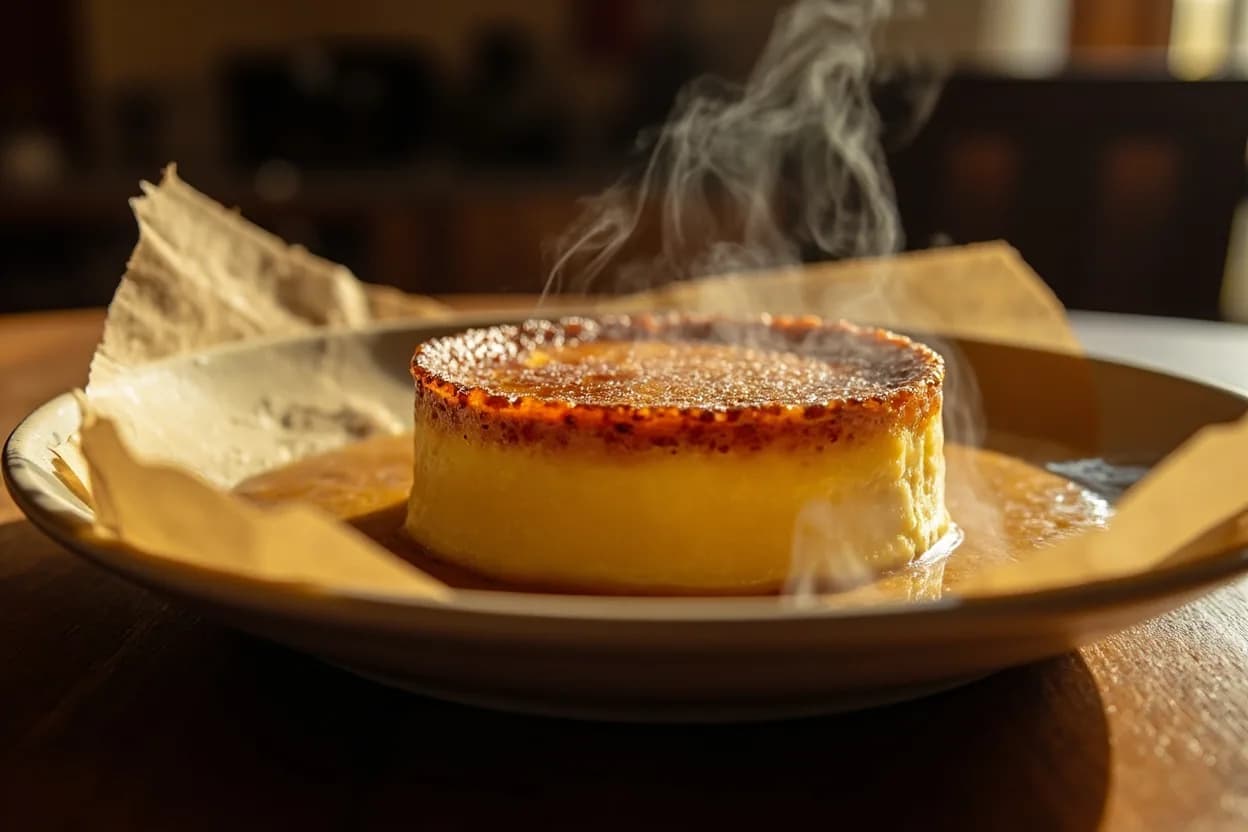
A bain-marie is the gentle-heat workhorse of pastry and sauce-making: a vessel of food cooked indirectly in or over a bath of water that buffers and evens out the heat reaching it. In the oven, the dish sits inside a larger pan of hot water; on the stovetop, a bowl nests over (not in) a pan of simmering water. The trade is speed for control—any recipe that would scorch, curdle, crack, or split under direct heat is a candidate. Custards, cheesecakes, terrines, emulsified butter sauces, ganache, and sabayon all rely on it, and finished sauces are held at service temperature the same way.
The principle is straightforward. Water has a much higher heat capacity than air, so it absorbs and releases a great deal of energy before its temperature shifts. As long as liquid water is present, the bath cannot exceed 100°C (212°F) at atmospheric pressure, which sets a hard ceiling on what the food can ever reach. It also evens out hot spots from the oven walls or the burner. The result is a slow, steady transfer of heat that gives starches, eggs, and dairy time to set or thicken without seizing, scrambling, or breaking.
The name is French for "Mary's bath," after Mary the Jewess (Maria Hebraea), a 1st–3rd century alchemist credited with inventing an early double-vessel heating apparatus known in alchemy as the balneum mariae. Centuries later, French pastry and sauce cooks adopted the same idea, and it remains a pillar of classical technique in European kitchens and a daily tool in restaurants holding sauces during service.
- Difficulty
- Easy
Types & varieties
An inner dish of food set in a larger pan of water and cooked in the oven; the most common form in pastry for custards and cheesecakes.
A bowl or small pot set over (not in) a pan of simmering water; used for delicate sauces, ganache, and melting chocolate.
Holds cooked food warm over gently steaming water, as in a steam table or chafing dish at buffet service.
Already-cooked foods (sauces, purées, ganache) are kept warm in a water bath to maintain serving temperature without overcooking or further reduction.
Historical method of sealing jars of preserves or pâtés in a water bath for sterilization and shelf stability.
How to do it
- 1
Choose the vessels
Select a heatproof inner dish (ramekin, custard cup, loaf pan, springform, or terrine) that fits inside a larger oven-safe roasting pan or hotel pan with at least a 2–3 cm gap around the sides.
- 2
Prepare and seal the inner dish
If using a springform for cheesecake, wrap the outside tightly in two layers of heavy-duty aluminum foil to keep water out. Butter or line the dish as the recipe directs, then pour or arrange the food inside.
- 3
Set up the water bath on the rack
Place the empty outer pan on the oven rack, set the filled inner dish inside it, then pour hot water (around 70–80°C / 160–175°F) into the outer pan until it reaches halfway up the sides of the inner dish. Setting up on the rack avoids sloshing water into the food when transferring to the oven.
- 4
Bake gently
Cook at the recipe's specified temperature, usually between 150 and 165°C (300–330°F). Avoid opening the oven frequently, as each opening disrupts the gentle, even heat the bath provides.
- 5
Monitor and top up
Check water level every 20–30 minutes. Add more hot water from a kettle as needed to maintain the halfway point; an empty outer pan defeats the purpose and can overcook the edges.
- 6
Test for doneness
For custards, a knife inserted near (not in) the center comes out clean, or the center wobbles like set gelatin when gently shaken. For cheesecakes, the edges should be set while the center still has a slight, even jiggle.
- 7
Cool out of the bath
Lift the inner dish out of the water bath and set it on a rack to cool to room temperature before chilling. Leaving it in the hot water continues cooking and can over-set the texture, leaving custards rubbery and cheesecakes prone to cracking.
Improvising the setup at home
The classic bistro setup—a tall, narrow bain-marie pan with a fitted insert—is rare in home kitchens. Fortunately, almost any combination of an ovenproof outer vessel and a smaller heatproof inner dish works, as long as there is a 2–3 cm gap around the sides for water to circulate.
- For oven baths, use a roasting pan, broiler pan with its solid insert, or deep ovenproof skillet as the outer vessel; set ramekins or a springform on a folded kitchen towel at the bottom to keep them from sliding.
- For a stovetop double boiler, a heatproof glass or stainless-steel mixing bowl set over a saucepan is perfectly serviceable.
- In both cases, the inner vessel must not touch the water directly—direct contact defeats the buffering and can scorch the food.
- For cheesecakes in a springform, wrap the outside in two layers of heavy-duty foil before setting it in the bath to keep water from seeping into the batter through the seam.
When the bain-marie is the wrong tool
Not every delicate recipe benefits. Knowing when to skip the water bath saves time and avoids a soggy result.
- Anything that needs a dry, caramelized crust (a tart shell, a breadcrumb-topped gratin) will go soft and pale in a humid bath.
- Thin milk- or cream-based sauces thickened only with a roux are better made directly in a heavy saucepan, where you can control reduction.
- Very long bakes (over 90 minutes) of large custards often do better in a low-temperature conventional oven with a sheet pan of water on the rack below, rather than a true water bath, to avoid overcooking the edges.
Common uses
Tips & pitfalls
- Pour hot or warm water into the outer pan rather than cold; cold water drops the oven temperature sharply and lengthens cook time, which can cause curdling or sinking.
- Set up the water bath on the oven rack rather than carrying a sloshing pan across the kitchen—splashed water thins batter and can ruin the dish.
- Keep the water at a bare simmer, never a rolling boil. Agitation from boiling water can ripple the surface of a custard and curdle the eggs.
- For cheesecakes, wrap the springform in two layers of heavy-duty foil; even a small leak will turn a smooth batter into a soggy, cracked mess.
- Use a thermometer in the water for precision work—aim for roughly 85–90°C (185–195°F) for most custard bakes—and top up with hot water to replace evaporation.
- When melting chocolate in a double boiler, keep the bowl above the water and shield it from steam; even a few drops of water will seize the chocolate into a stiff, grainy mass.
- For stovetop double boilers used for hollandaise, beurre blanc, or sabayon, keep the heat low enough that you can comfortably hold your hand on the bowl—too much heat scrambles the eggs and splits the emulsion.
- Pull custards at the first sign of a slight jiggle in the center; carryover heat will finish them as they cool, and overbaking is the single most common cause of curdled or weeping custards.
- Cover custards with a sheet of parchment if a skin forms during long bakes, but uncover toward the end if you want a browned or caramelized surface.
Good to know
- Origin of name
- French for "Mary's bath"; named after Mary the Jewess (Maria Hebraea), a 1st–3rd century alchemist whose double-vessel apparatus was known in alchemy as the balneum mariae.
- Alternative names
- Water bath, double boiler (stovetop version), balneum mariae (historical/alchemical).
- Principle
- Food is heated indirectly through water, which buffers temperature, evens out hot spots, and prevents scorching, curdling, or cracking.
- Maximum temperature
- The water bath cannot exceed 100°C (212°F) at atmospheric pressure, setting a hard ceiling on heat reaching the food.
- Water level
- Typically halfway up the sides of the inner dish; some recipes call for one-third or two-thirds depending on density and cook time.
- Equipment (oven)
- An inner ramekin, custard cup, springform pan, or terrine set inside a larger roasting pan, hotel pan, or dedicated bain-marie pan.
- Equipment (stovetop)
- A smaller pot or bowl nested over (not touching the water in) a saucepan of simmering water.
- Cuisine
- Pillar of classical French pastry and sauce work; widely used across European patisserie, confectionery, and restaurant garde manger.
Also called
Double Boiler · Bain-Marie (Double Boiler) · water bath
Dishes that rely on it
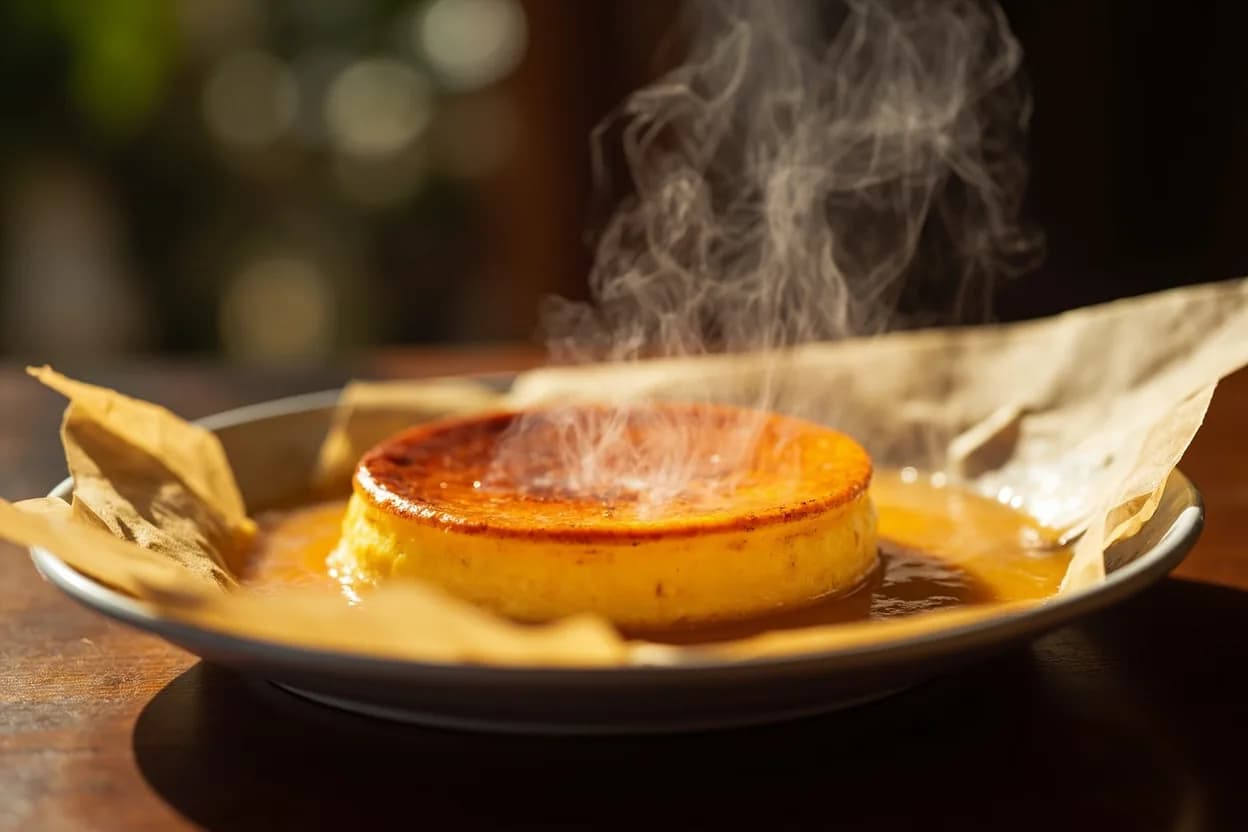
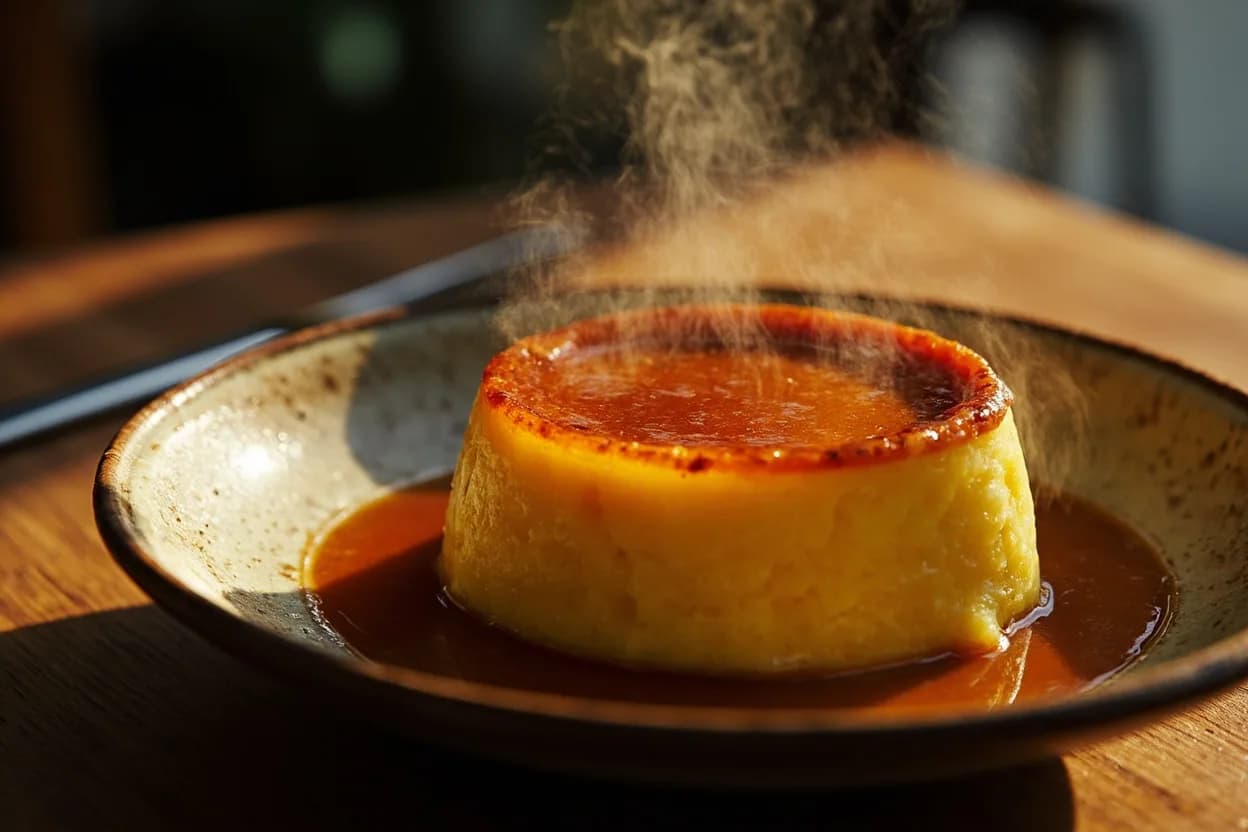
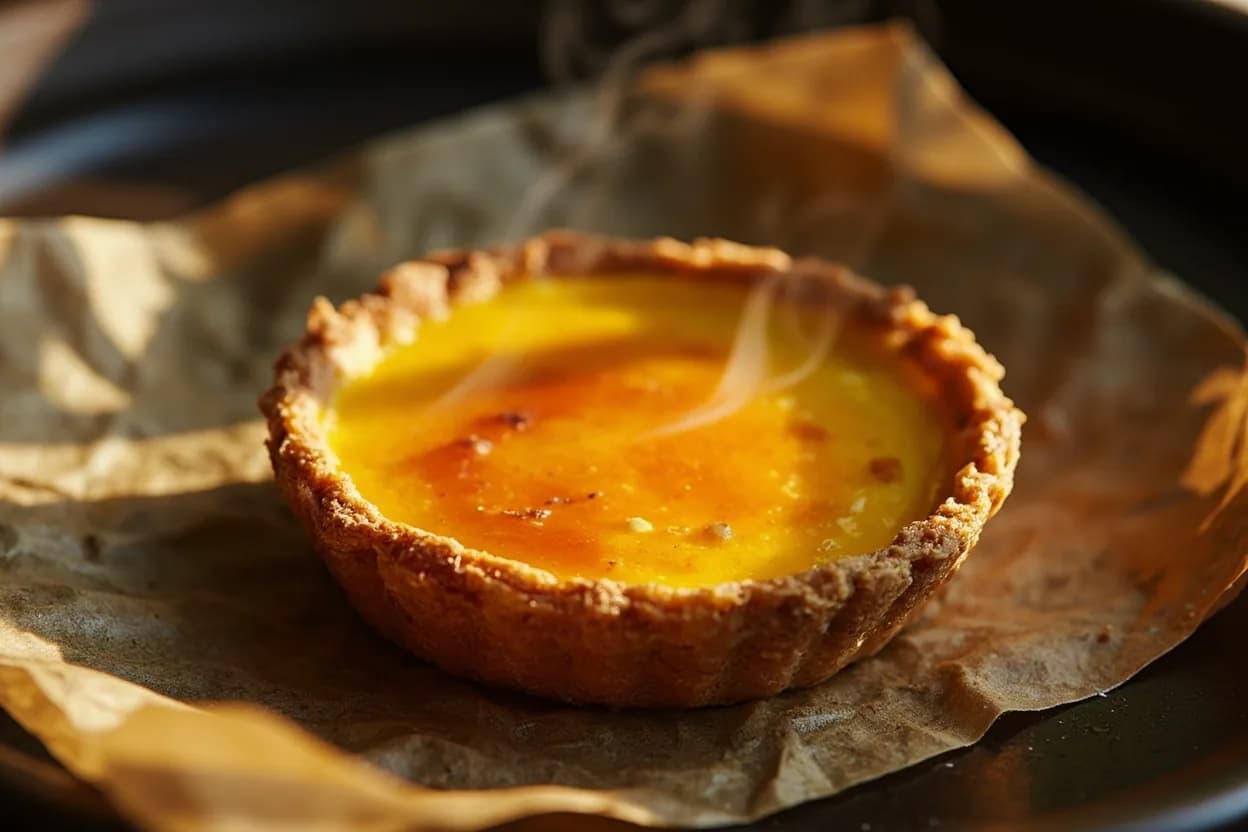
Related

Boil
Cook in vigorously bubbling liquid at full rolling heat

Simmer
Hold liquid at a gentle shimmer for tender, unhurried cooking

Poach
Cook gently in barely-trembling liquid for silky, tender results

Steam
Cook in rising vapor to keep color, nutrients, and shape intact

Blanch
Plunge briefly in boiling water, then shock cold to lock color

Braise
Sear, then cook slow in a little liquid until fall-apart tender

Stew
Simmer bite-sized pieces fully submerged into a rich, unified pot

Sous-Vide
Seal and cook in precise warm water for edge-to-edge doneness