Water & Steam
Steaming
Cooking food in vapor over boiling water to keep it tender, moist, and intact.
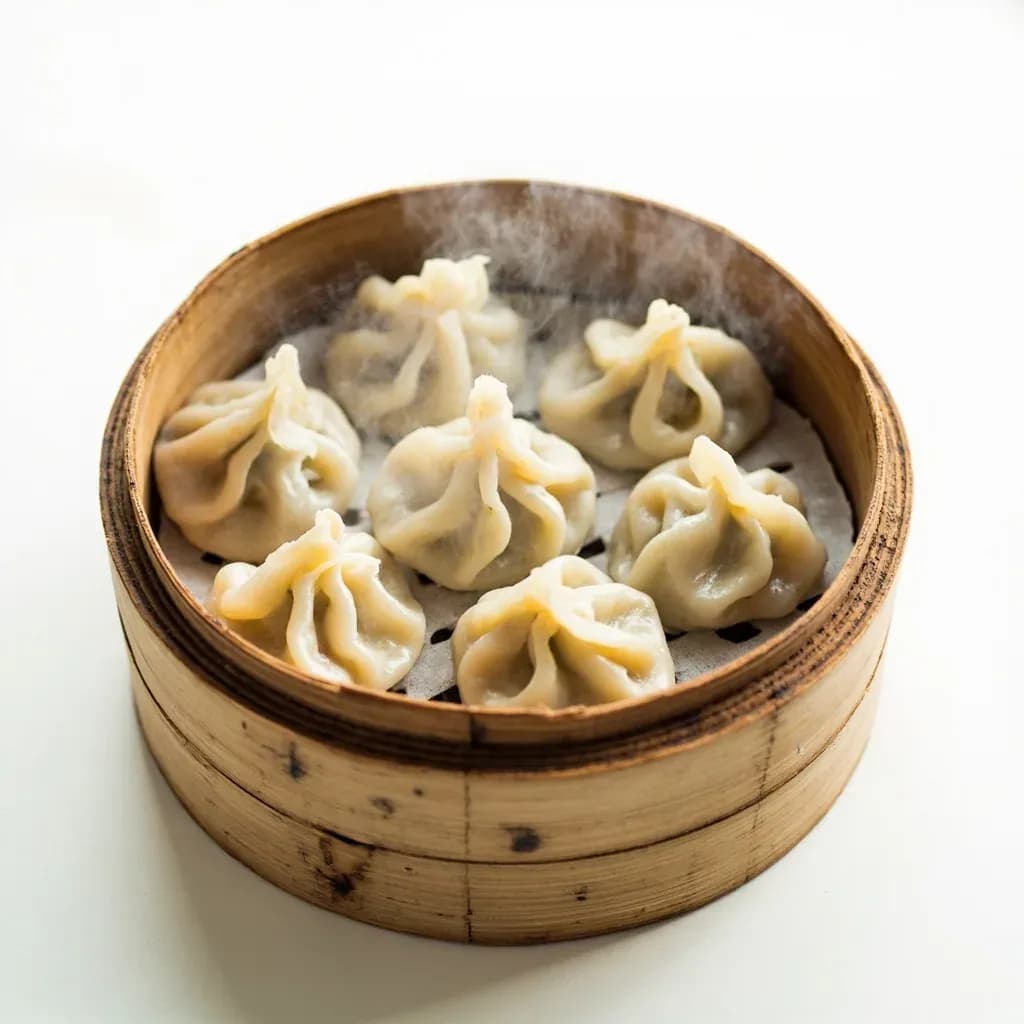
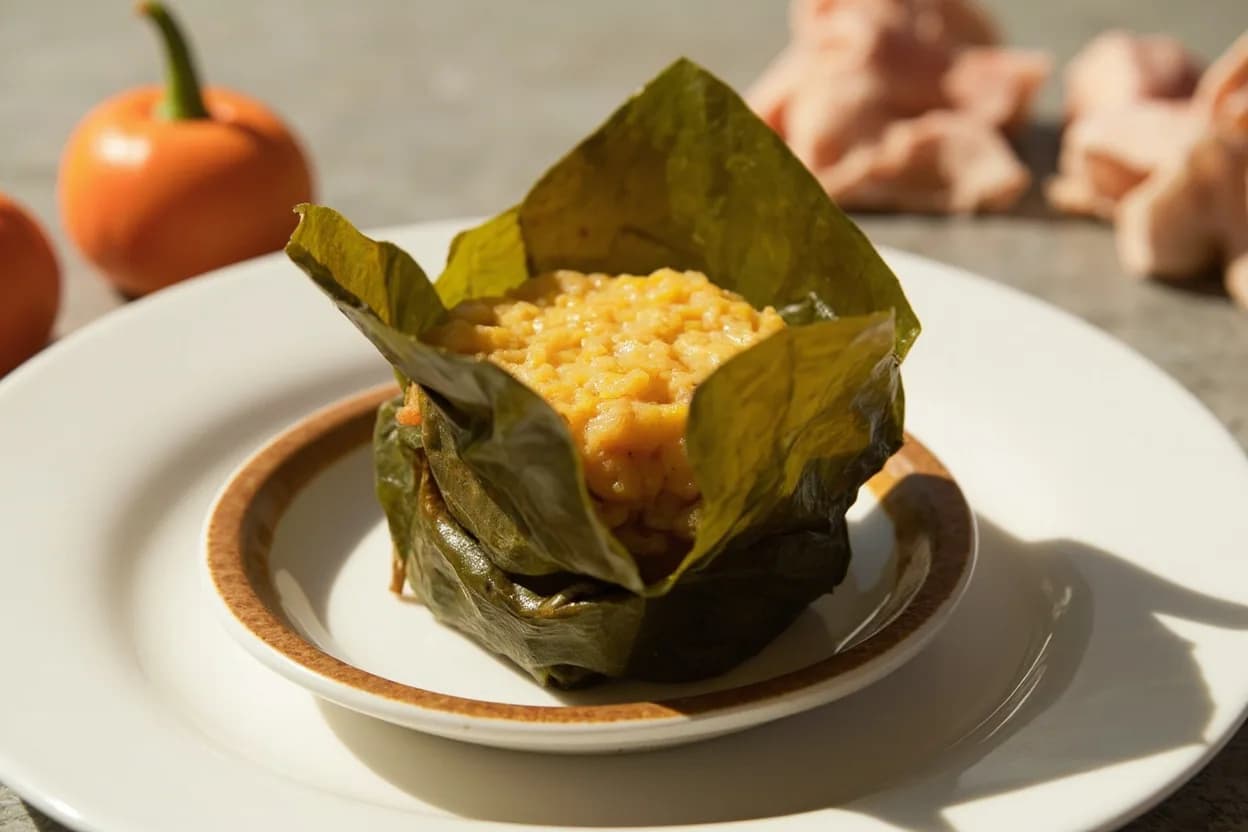
Steaming surrounds food with hot water vapor, cooking it gently without immersion so flavor and nutrients stay locked in. It is the method behind dumplings, tamales, mushimono dishes, and the dam finish that fluffs steamed rice. Wrapping food in banana or other leaves adds aroma while protecting delicate items from direct condensation.
Steaming cooks food with the heat carried by water vapor, not the water itself. As water boils in the pot, vapor rises, contacts the cooler food, and condenses back to liquid on the surface — and it is that change of state, the release of latent heat, that does the actual cooking. The food sits in a moist, even atmosphere held close to 100 °C (212 °F) at sea level, with no agitation, no direct contact with the liquid, and no added fat.
That environment is uniquely gentle. Because steam transfers heat efficiently but never scours the food the way boiling water does, vegetables keep their vivid color and snap, fish flakes cleanly without falling apart, and eggs set into silken custards rather than rubbery curds. Water-soluble nutrients — vitamin C, B vitamins, potassium — are not leached into a pot of water and poured away, so steaming generally beats boiling for nutritional retention. The method is also forgiving: a few minutes too long softens a carrot, but rarely ruins a dish the way over-roasting or over-frying can.
The trade-off is flavor depth. Steam is roughly 100 °C and humid, so it cannot drive off surface moisture or push temperatures high enough to brown proteins or caramelize sugars. Anything you steam will taste clean and true, never toasty. For that reason, most steamed dishes are finished with a hot oil sizzle, a slick of soy, toasted garlic, or a brief sear after cooking to add the layer of flavor that steam alone cannot deliver.
- Difficulty
- Easy
Types & varieties
The default setup: a pot fitted with a metal insert, collapsible steamer, or perforated rack over simmering water.
Stackable round or square bamboo baskets; the porous walls absorb excess condensation, making them ideal for dim sum, buns, and whole fish.
A round rack or bamboo basket set inside a wok; the high curved sides and tight lid are the traditional Cantonese arrangement.
Standalone countertop appliance with stacked tiers, a reservoir, and a timer; produces consistent steam and frees the stovetop.
Steam combined with pressure in a pressure cooker or Instant Pot; cooks faster but can quickly overcook delicate items.
Food sealed in parchment or foil with a small amount of liquid and baked; the trapped steam cooks the contents in their own juices.
Food arranged on a shallow heatproof plate set inside the steamer; the standard approach for whole fish, Chinese steamed egg, and puddings.
Food in a covered microwave-safe dish with a few tablespoons of water; convenient for small portions of vegetables or fish.
How to do it
- 1
Fill the pot and set up the rack
Pour 2–5 cm (1–2 in) of water into a heavy pot or wok. Set a steamer rack, metal insert, or bamboo basket inside; the water must sit clearly below the rack. Cover with a tight-fitting lid.
- 2
Bring the water to a rolling boil
Cover and bring the water to a vigorous boil over high heat. The pot should be producing heavy steam before any food goes in — adding food to lukewarm water extends the cook and dulls color.
- 3
Prepare and arrange the food
Trim, season, or cut the food as the recipe requires. Arrange pieces in a single layer with small gaps between them so steam can circulate. If using stacked tiers, put the densest, longest-cooking items in the bottom basket.
- 4
Cover and steam steadily
Set the food on the rack, replace the lid, and lower the heat so the water holds a steady, vigorous simmer — not a hard rolling boil, which wastes water and can boil dry. For delicate items like custards and whole fish, drape a clean kitchen towel over the pot before dropping the lid to catch condensation.
- 5
Time it and resist peeking
Start the timer the moment the lid goes on. Avoid lifting the lid during the first half of cooking; each lift drops the internal temperature noticeably and lengthens the cook. Check at the earliest suggested time, not the latest.
- 6
Test for doneness
Probe vegetables with the tip of a paring knife — they should be just tender with a little bite. Test fish at the thickest point: the flesh should flake and read opaque. Cut into dumplings, buns, or chicken to confirm the center is piping hot.
- 7
Uncover, rest, and finish
Lift the lid tilted away from you so condensation runs back into the pot rather than down onto the food. For green vegetables, plunge straight into ice water to set the color and stop carryover cooking. For fish and chicken, rest 1–2 minutes before plating, then add sauces, hot oil, or aromatics just before serving.
How steam cooks — and why it behaves the way it does
Boiling water cannot get hotter than 100 °C at sea level, and neither can the steam above it — but steam carries far more heat per gram than the same water at the same temperature, because condensing vapor releases its latent heat of vaporization directly onto the food. That is why a thin fish fillet cooks in 6–8 minutes over a gentle boil, and why a boneless chicken breast typically finishes in 12–18 minutes in a steamer — generally faster than poaching, because latent heat transfers to the food more efficiently than the convective heat of the surrounding water.
The humidity is just as important as the heat. Because the food is bathed in saturated vapor, its surface stays wet and pliable, so it does not form a dry crust, tighten up, or toughen the way it would in a 200 °C oven. Egg proteins coagulate gently into a custard, fish myofibrils flake while staying moist, and vegetable cell walls soften just enough to lose their raw crunch without collapsing. Steam also convects evenly around irregular shapes — the underside of a whole fish on a plate, the inside of a filled bun — which is why it is the method of choice for anything that needs to cook through without being turned.
When not to steam
Steaming is not a universal answer. It cannot brown, so a steamed steak will look gray and taste flat unless finished in a hot pan. Very large, dense roasts take too long and cook unevenly in a home steamer, and should be broken down or spatchcocked first. And because steam is essentially water, anything you want to concentrate — stocks, reductions, glazes — belongs on the stovetop, not in the basket.
- Steaming will not produce Maillard browning or caramelization; plan a finishing sear, torch, or toasted garnish for depth.
- Very large or dense cuts take too long and cook unevenly in a home steamer; portion or butterfly them first.
- Delicate leafy herbs and microgreens wilt instantly in steam; add them raw at the end or use as a garnish.
- Steamed breaded coatings turn soggy rather than crisp; steam only when the texture should be soft, and re-crisp in a hot oven or pan after if needed.
Common uses
Tips & pitfalls
- Keep the water 2–5 cm (1–2 in) below the rack: too high and the food waterlogs, too low and the pot boils dry before the food is done.
- Always bring the water to a full rolling boil before adding food — starting in tepid water is the most common cause of soggy, dull vegetables.
- Leave space between pieces; steam needs to circulate or you will end up with half-raw, half-mushy results in the same basket.
- Use a tight-fitting lid. A tilted, vented, or loose lid leaks steam and can lengthen cook times. For custards and whole fish, drape a clean kitchen towel over the pot before dropping the lid to catch drip-back.
- Salt vegetables after steaming, not before — salt draws moisture to the surface and leads to sogginess.
- Top up with boiling water between batches; never add cold water, which drops the pot temperature and stalls the cook.
- Pat seafood and meats dry before steaming so the surface sets instead of weeping a thin, cloudy liquid onto the plate.
- Line bamboo baskets with perforated parchment, lettuce, or napa cabbage leaves to stop sticking and add a whisper of flavor.
- For fish or chicken, tuck aromatics — ginger, scallion, cilantro — both under and on top of the protein so the flavor penetrates evenly.
- Finish steamed dishes with something that adds what steam cannot: a sizzle of hot oil with scallion, a splash of soy, toasted garlic, or a quick sear in a hot pan.
Good to know
- Cooking medium
- Water vapor; food sits above the boiling liquid and is cooked by condensing steam, not by contact with the water.
- Heat transfer
- Latent heat released as water vapor condenses on the cooler food surface (about 2,260 kJ/kg at 100 °C).
- Steam temperature
- 100 °C / 212 °F at sea level; drops about 1 °C per 285 m (1 °F per 500 ft) of altitude, lengthening cook times.
- Added fat
- None required — steaming is a fat-free moist-heat method.
- Nutrient retention
- Generally higher than boiling because water-soluble vitamins and minerals stay in the food rather than leaching into the cooking water.
- Equipment
- A pot with a tight lid, a rack or basket that holds food above the water, and 2–5 cm (1–2 in) of water below.
- Difficulty
- Low; once the pot is set up, the method is almost entirely hands-off.
- Origin
- Among the oldest cooking techniques; bamboo steamers are documented in China by the Zhou dynasty (c. 1000 BCE), with parallel use in classical Greek and Roman kitchens.
Also called
Steam · Mushimono · Dam
Dishes that rely on it
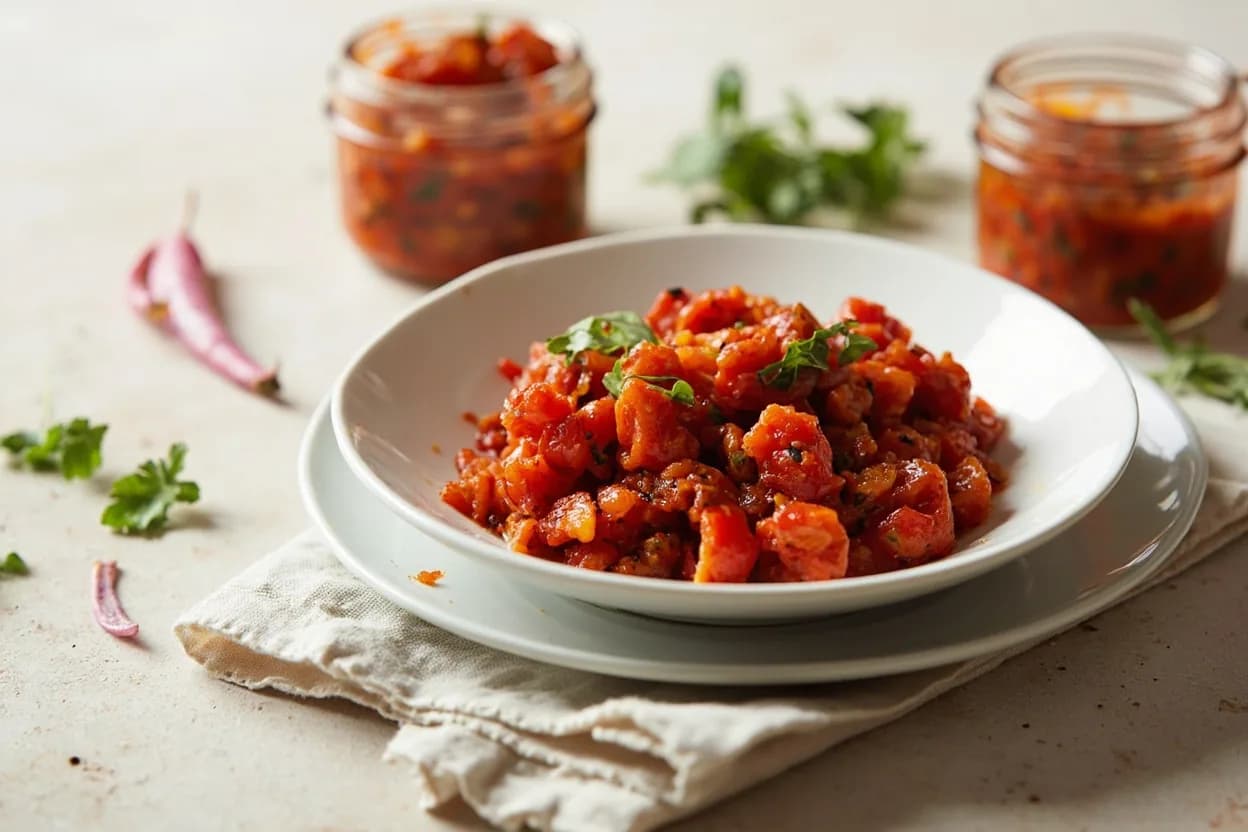
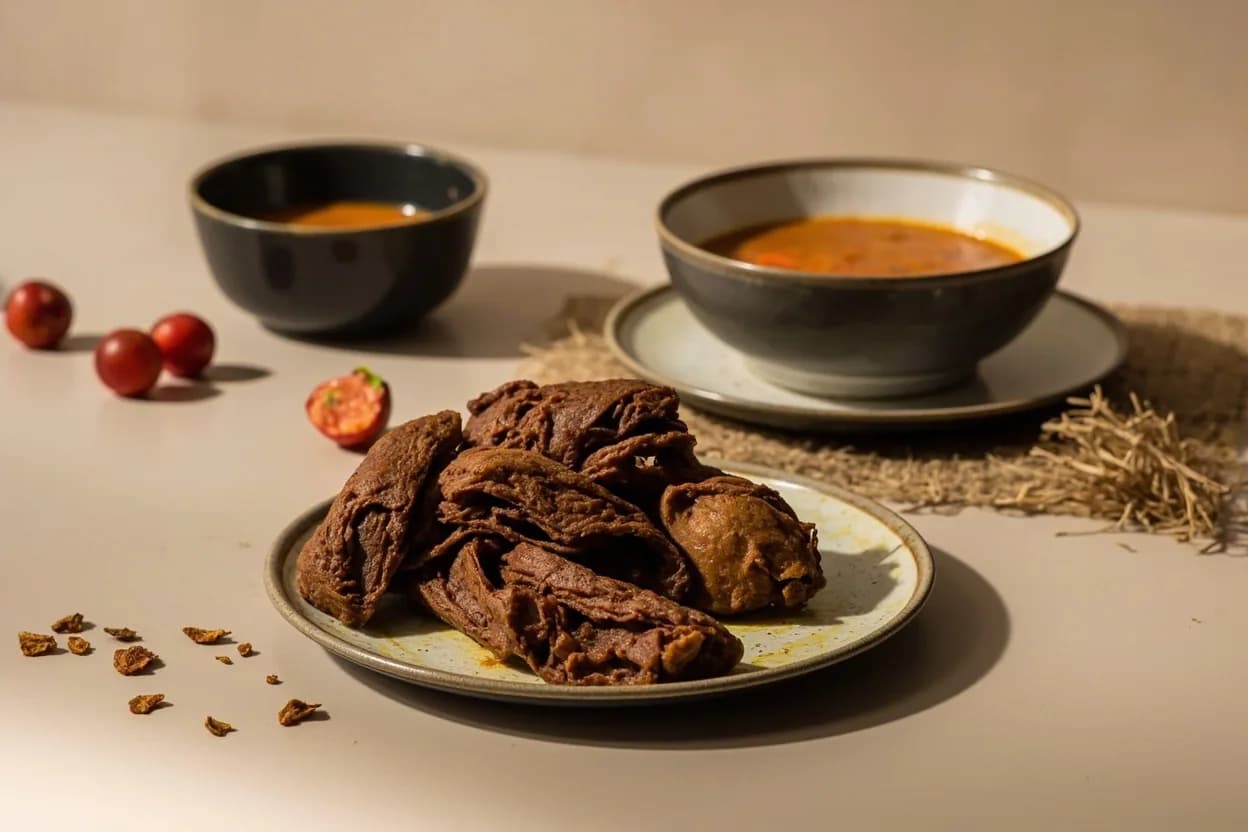
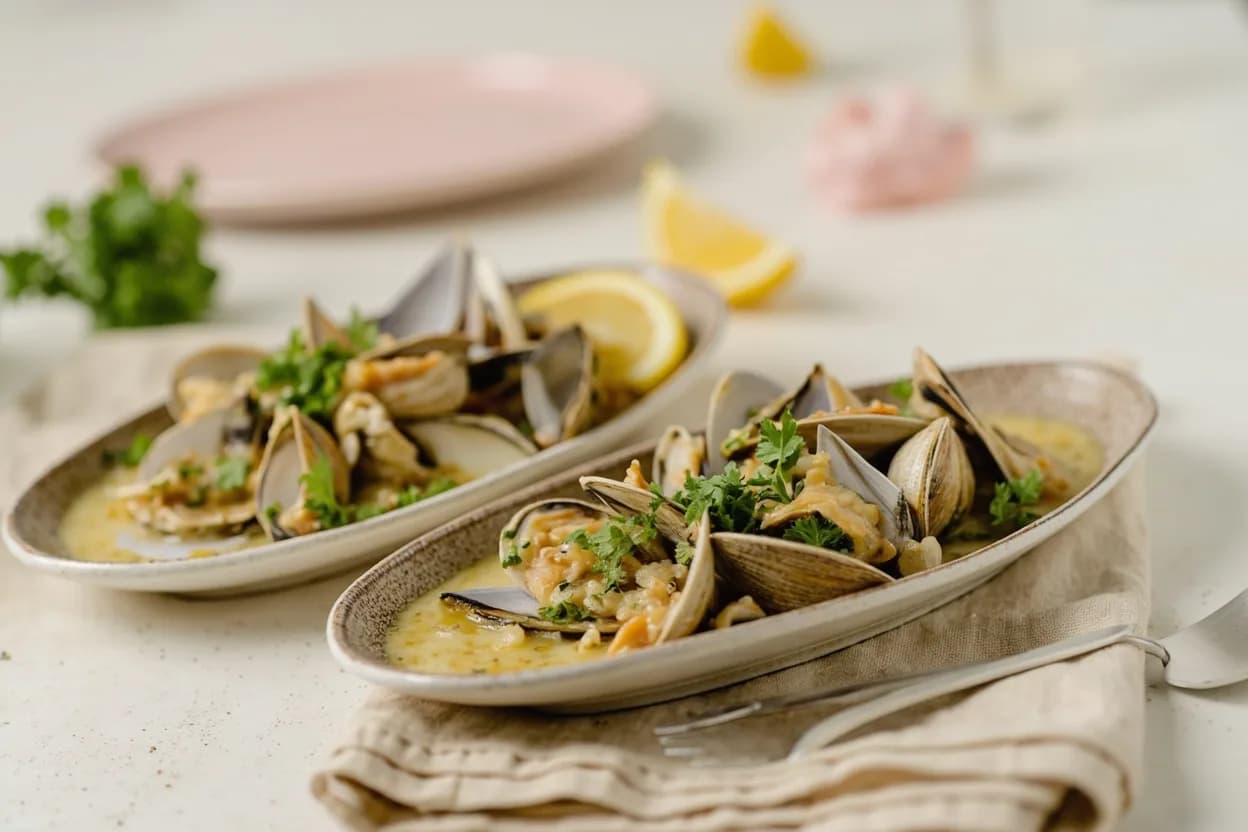
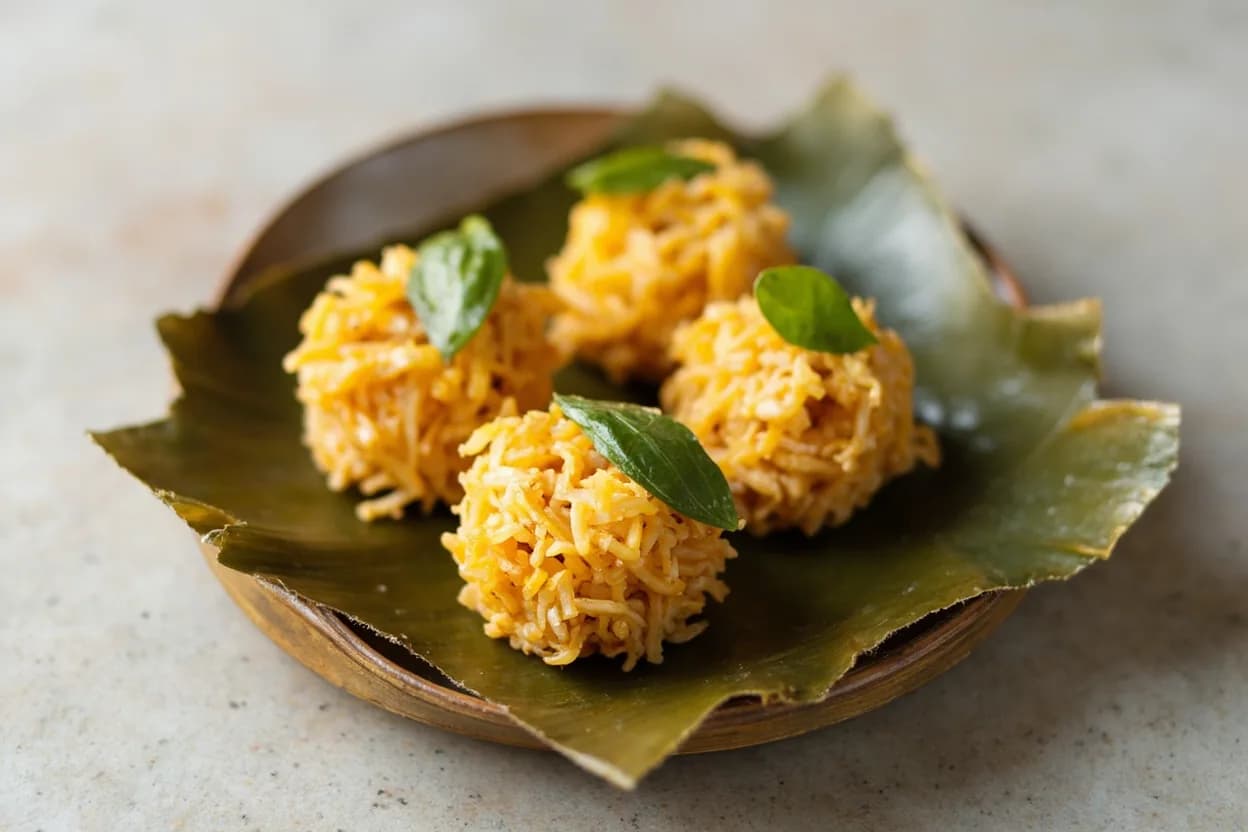
Related

Boil
Cook in vigorously bubbling liquid at full rolling heat

Simmer
Hold liquid at a gentle shimmer for tender, unhurried cooking

Poach
Cook gently in barely-trembling liquid for silky, tender results

Steam
Cook in rising vapor to keep color, nutrients, and shape intact

Blanch
Plunge briefly in boiling water, then shock cold to lock color

Braise
Sear, then cook slow in a little liquid until fall-apart tender

Stew
Simmer bite-sized pieces fully submerged into a rich, unified pot

Sous-Vide
Seal and cook in precise warm water for edge-to-edge doneness