
Prep & Assembly
Grease
Coat a pan with fat so food releases cleanly without sticking
Greasing coats a pan or mold with butter, oil, or spray so baked goods and other foods release cleanly. It's an easy step that prevents heartbreak at the unmolding stage. Get into every corner and crease, and dust with flour or line with paper for sticky batters.
Greasing coats a pan or mold with butter, oil, or spray so food releases cleanly. It's an easy step that saves you heartbreak at the unmolding stage. Get into every corner and crease, and dust with flour or line with paper for sticky batters.
- Difficulty
- Easy
Types & varieties
Butter, then dust with flour and tap out excess — for cakes.
Add parchment for sticky or delicate batters.
How to do it
- 1
Apply fat with a brush, paper towel, or wrapper.
- 2
Work into corners, seams, and fluted edges.
- 3
Dust with flour or line with parchment if needed.
- 4
Tap out any loose flour before filling.
Common uses
Tips & pitfalls
- Cocoa instead of flour for chocolate cakes avoids a white film.
- Chilled butter rubbed over the pan gives an even coat.
- Grease the parchment too for very sticky bakes.
Good to know
- Tool
- Butter, oil, spray, or pastry brush
- Best for
- Cake pans, molds, baking sheets
- Cue
- A thin, complete film with no bare spots
Also called
grease the pan · oil
Dishes that rely on it
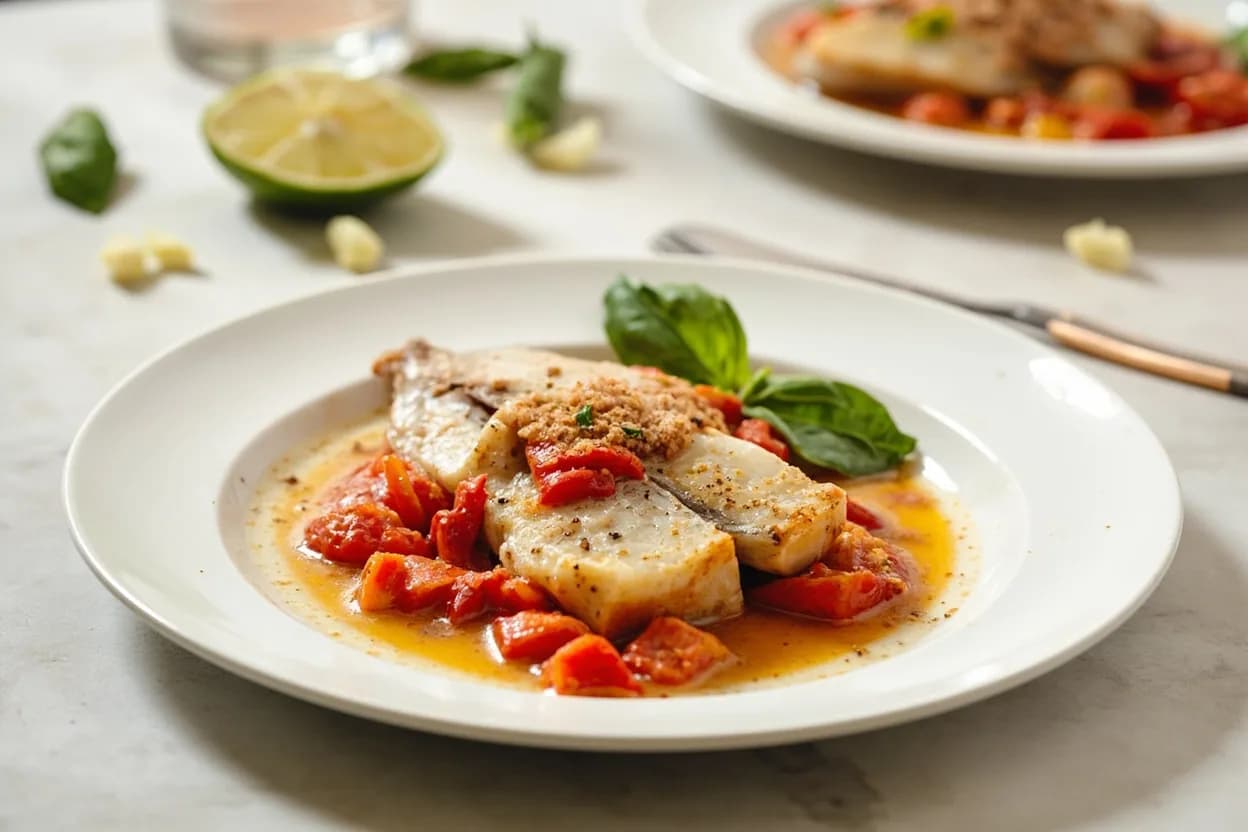
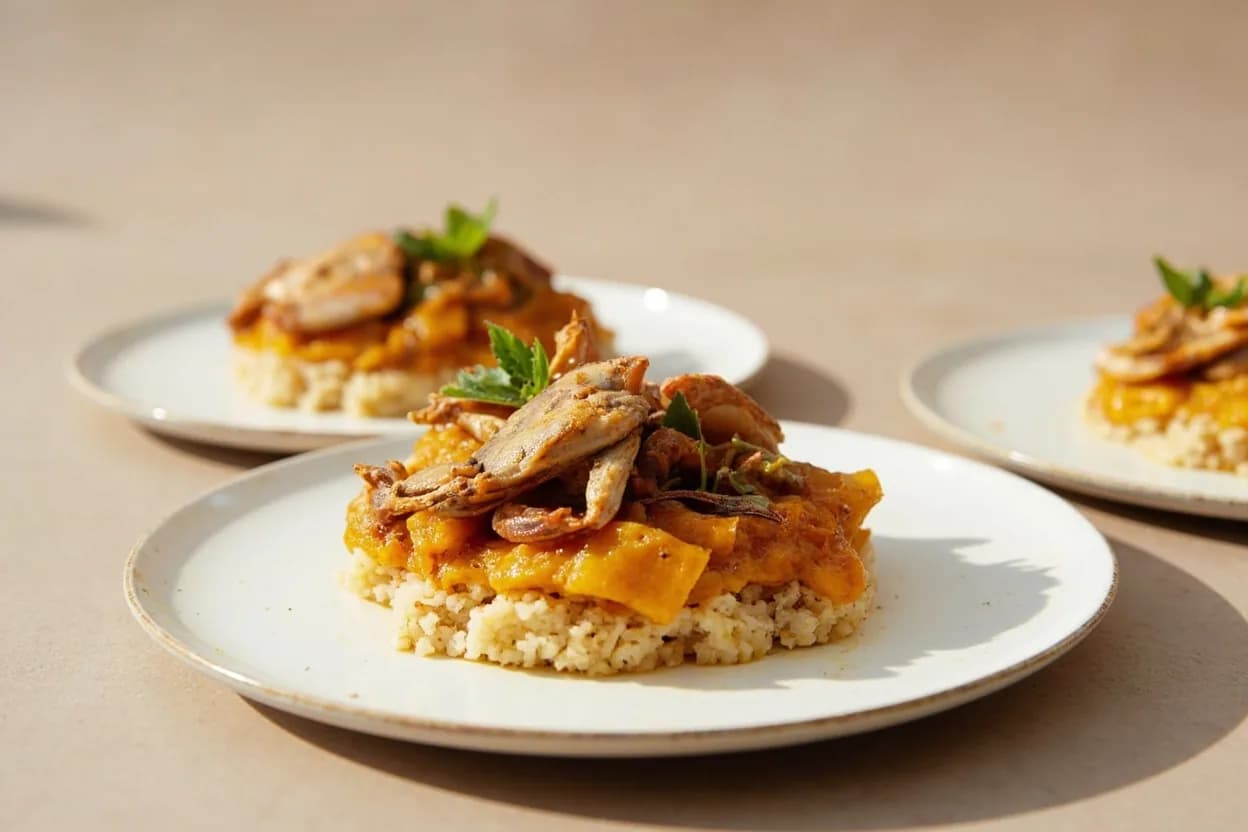
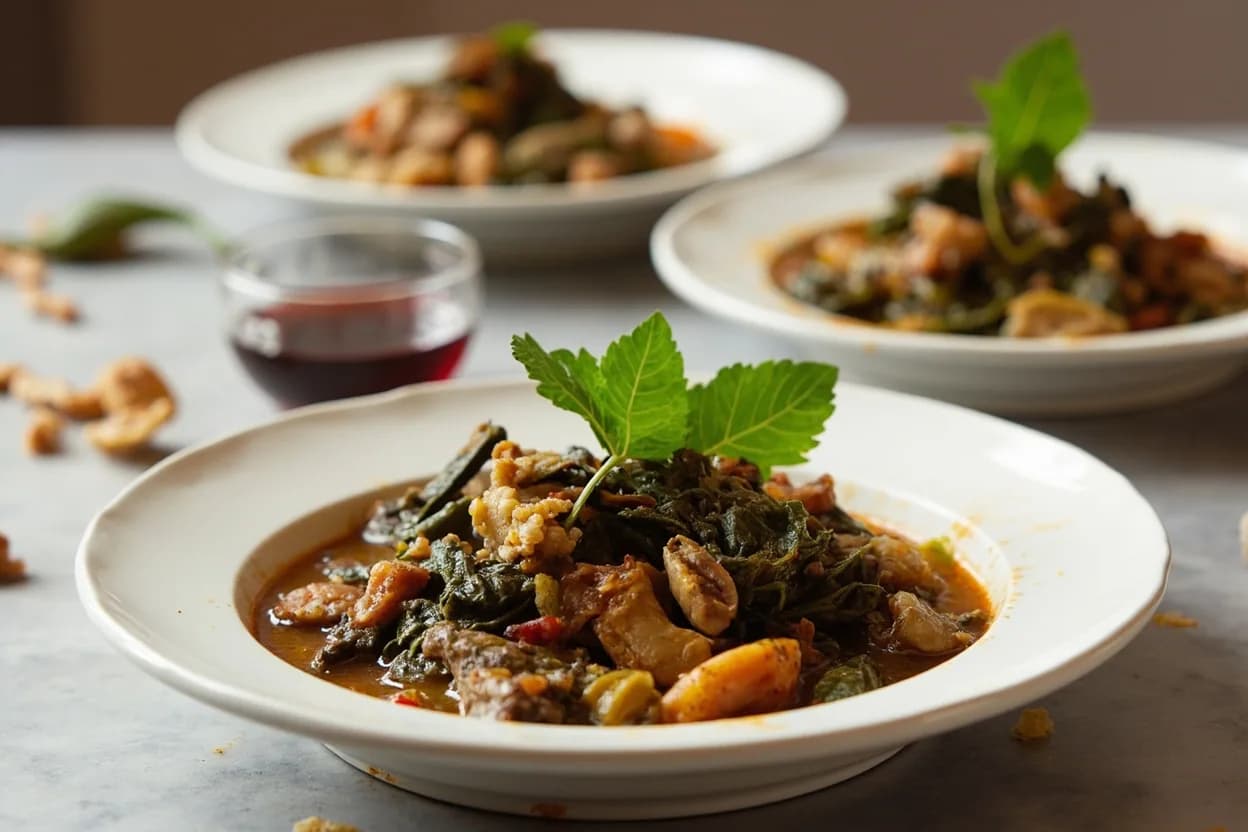
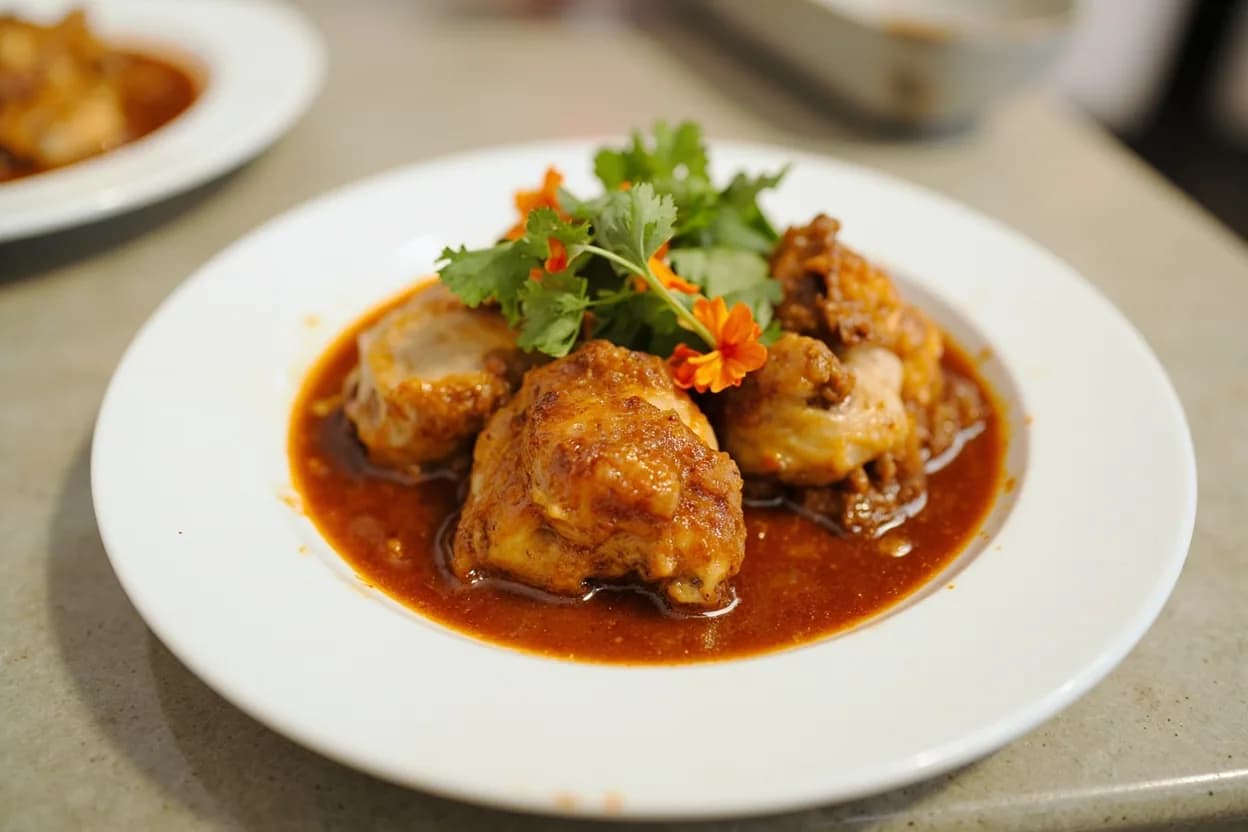
Related

Whisk
Beat ingredients smooth and aerated with a looping wire motion

Sift
Pass dry ingredients through mesh to aerate and remove lumps

Strain
Pour through mesh to separate solids from liquid for a smooth result

Filter
Pass liquid through fine material to clarify out the smallest particles

Rice
Press cooked potatoes through small holes for fluffy, lump-free texture

Mash
Crush soft cooked food into a rustic, creamy purée

Grind
Crush food into a coarse to fine texture, from spices to meat

Grate
Shred food into fine bits against a sharp-toothed surface