Water & Steam
Clay-Pot Cooking
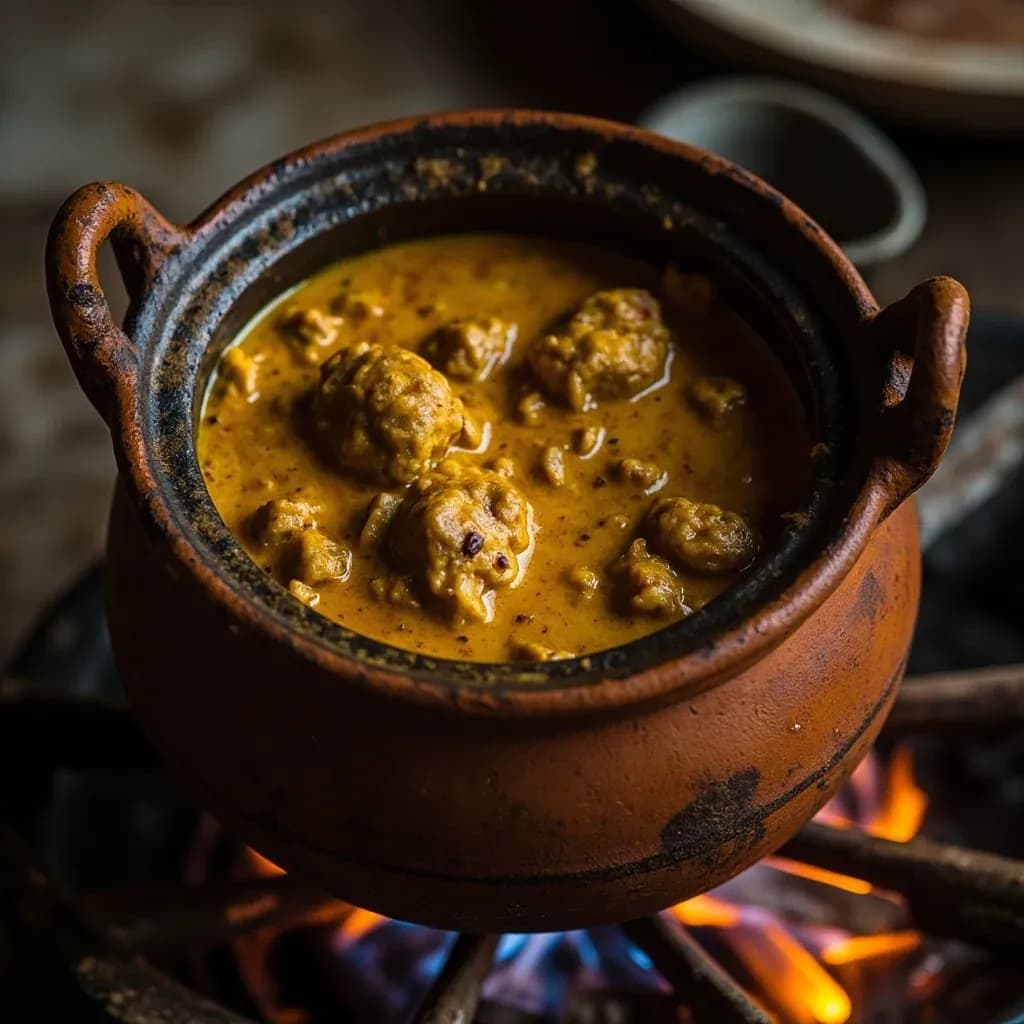
Slow-cooking stews and curries in unglazed earthenware that holds even heat and rounds out flavors.
Clay-pot cooking uses porous earthenware that heats slowly and evenly, making it ideal for gentle, long-simmered curries and stews. The clay retains moisture and adds a subtle earthy character, encouraging flavors to meld over a low, steady simmer. Many traditions season or cure a new pot before first use so it does not crack and develops a seasoned interior.
Clay-pot cooking is the slow simmering of food in an unglazed or lightly glazed fired-earthenware vessel, drawing on one of the oldest techniques in the kitchen. The pot itself is the instrument: thick clay walls store heat and release it gradually, while a porous body wicks a small amount of steam through its walls, concentrating flavor and rounding off sharp edges. The cook's job is less to control temperature than to give the pot time and gentle, steady heat.
What distinguishes clay-pot cooking from a Dutch oven braise is the texture of the heat. Clay takes longer to warm than metal, holds its temperature through a stovetop cycle, and cools slowly at the table—meaning a dish that left the stove at a bare simmer arrives in the dining room still gently cooking. Slight moisture loss through the walls tightens sauces without aggressive reduction, and in covered styles like the Moroccan tajine, condensate drips back down the conical lid to baste the food from above. The result is meat that falls apart, beans whose skins stay whole, and grains that bake in their own steam.
The technique crosses every cuisine that ever fired a kiln: Chinese sand-pot soups, Korean ttukbaegi stews, Moroccan tagines, Indian handi biryanis, Mexican cazuelas of beans and mole. Vessels differ in shape, wall thickness, and lid behavior, but the principle is shared—low, even heat in a porous, heat-retaining wall. Master the thermal transitions and clay is one of the most forgiving methods a home cook can use.
- Difficulty
- Easy
Types & varieties
Thick-walled unglazed clay from Yixing-style clays; used for Cantonese soups, claypot rice, and Sichuan dry-pot dishes
Shallow base with a tall conical lid that returns condensate; for slow-braised stews over coals or low heat
Red or brown earthenware; for beans, mole, rice, and stews; traditionally seasoned with guaje pods
Small, thick, heavy individual pot; for sundubu jjigae and gyeran-jjim; goes straight from stove to table
Lacquered Iga-yaki or Banko-yaki stoneware; versatile for hot pot (nabe), rice, and smoked dishes
Used historically and in modern Greek cooking for lamb, gigantes, and baked pasta; some sealed versions are buried in embers
Unglazed earthenware for slow-cooked dals and biryanis; often finished in a tandoor or over charcoal
Earthenware for cassoulet, daube, and confit; heavier than enameled cast iron
How to do it
- 1
Cure the pot (first use only)
Soak the unglazed clay pot in cold water for 2–12 hours so the walls absorb moisture. Drain, fill two-thirds with water and a tablespoon of rice flour or vinegar, cover, and simmer gently for 30–60 minutes. Discard the liquid, rinse with warm water, and dry upside down in a low (200°F / 95°C) oven for 30 minutes. This fills the pores and reduces cracking on first use.
- 2
Prep and preheat gently
Soak the lid (if unglazed) for 15 minutes. Place the pot on a diffuser or low flame. Add a tablespoon of water or oil and let it warm for 2–3 minutes before adding ingredients. Never start on high heat.
- 3
Build the base
Brown aromatics (onion, garlic, ginger, spices) in a small amount of oil over medium-low. Salt early so vegetables release moisture and don't fuse to the base. For beans or grains, sweat the aromatics, then add the main ingredient and liquid.
- 4
Add liquid and bring up to temperature
Pour in stock, wine, or water—typically enough to come 60–75% of the way up the solid ingredients, since clay pots lose little moisture to evaporation. Bring to a bare simmer with the lid on, scraping the base to release any fond.
- 5
Simmer low and slow
Drop the heat to the lowest setting that holds a gentle bubble. Cook undisturbed for the bulk of the time—clay's steady, even heat rewards patience. For long braises, transfer the covered pot to a 300–325°F / 150–165°C oven, which is gentler than stovetop simmering.
- 6
Finish and rest
Uncover for the last 10–20 minutes if you want a slightly thicker sauce. Season to taste only at the end—long clay-braised dishes concentrate salt. Turn off the heat and let the pot sit (lid on) for 10–15 minutes; residual heat continues to cook and the flavor rounds out.
- 7
Serve from the pot
Set the pot on a wooden trivet or folded cloth at the table. Clay holds heat well, so the dish will stay piping hot through the meal—warn diners of the very hot base and rim.
- 8
Clean and store
Wash with hot water and a brush only; no soap on unglazed pots. Towel dry, then air-dry upside down with the lid off for several hours before storing in a dry cupboard.
Lid behavior across traditions
Vessel shape is not decoration—it determines how moisture moves through the dish. Choosing the right pot means understanding where you want steam to go.
- Tajine (Morocco): tall conical lid collects rising steam and sends it back down the sides, basting ingredients; ideal for dry-braised meats with little added liquid.
- Shāguō / sand pot (China): heavy lid seated in a water ring creates a tight seal; food essentially steams in its own juices—good for soups and claypot rice.
- Ttukbaegi (Korea): small, lightly lidded pot often served as is; held at the table over a trivet to keep the stew bubbling through the meal.
- Donabe (Japan): domed lid with a small steam vent suited to nabe; some models come with a special ridged inner lid for smoking.
- Cazuela / olla de barro (Mexico): wide and shallow, often used open or with a flat cover; evaporation is moderate, good for rice, beans, and moles.
Common uses
Tips & pitfalls
- Cure a new unglazed pot by soaking it submerged in water for several hours, then simmering plain water with a splash of rice or vinegar for 30–60 minutes; dry in a low oven. Skipping this step is the most common cause of early cracking.
- Never put a cold, dry clay pot onto a hot burner—always bring heat up gradually to avoid thermal shock, the leading cause of cracked pots.
- Set the pot on a diffuser or low flame; direct high heat shortens its life and risks cracking the base.
- Avoid thermal shock at the other end too: don't run a hot pot under cold water. Let it cool on a wooden board or trivet.
- Skip dish soap on unglazed pots—plain hot water and a soft brush or non-metal scrubber is enough to keep the seasoning clean, and soap will be absorbed into the porous body.
- Salt the liquid and preheat the pot before adding fat so food doesn't fuse to the base during the long cook.
- Leave the lid slightly ajar if you want reduction; keep it closed if you want the dish to stay moist (especially in tajines and donabe).
- When storing, ensure the pot is bone dry to prevent mildew, musty odors, or cracking from retained moisture.
- If a pot develops hairline cracks, retire it from stovetop use but it can often live on as a serving or cold-storage vessel.
- Use wooden or silicone utensils to avoid scraping the interior seasoning layer.
Good to know
- Material
- Unglazed or lightly glazed fired clay/earthenware, often with a porous body
- Heat behavior
- Slow to heat up, retains heat exceptionally well, cools gradually; diffuses heat evenly across the vessel walls
- Typical heat setting
- Low to medium; high flame or sudden temperature swings can crack the pot
- Liquid behavior
- Porous walls release steam slowly and absorb/re-release a small amount of liquid, concentrating flavor
- First-use prep
- Most unglazed pots benefit from curing (soaking, simmering with rice or vinegar) before cooking
- Common sizes
- From individual 1-cup ttukbaegi to 4–6 qt casseroles and large cazuelas
- Cooktop compatibility
- Traditional flame, oven, charcoal, and wood; only clay marked as stovetop-safe should be used on gas or electric burners
- Cleaning
- Hand wash with hot water and a brush; avoid soap on unglazed versions and avoid the dishwasher
- Origin
- Among the oldest cooking methods; pottery cooking vessels are documented from at least the Bronze Age across the Mediterranean, East Asia, the Middle East, and the Americas
- Difficulty
- Easy once seasoned; care lies in handling rather than technique
- Storage
- Completely dry, open-air storage; lids off or loosely set to prevent mustiness
Also called
slow-simmer-curry · Earthenware Cooking · Handi Cooking
Dishes that rely on it
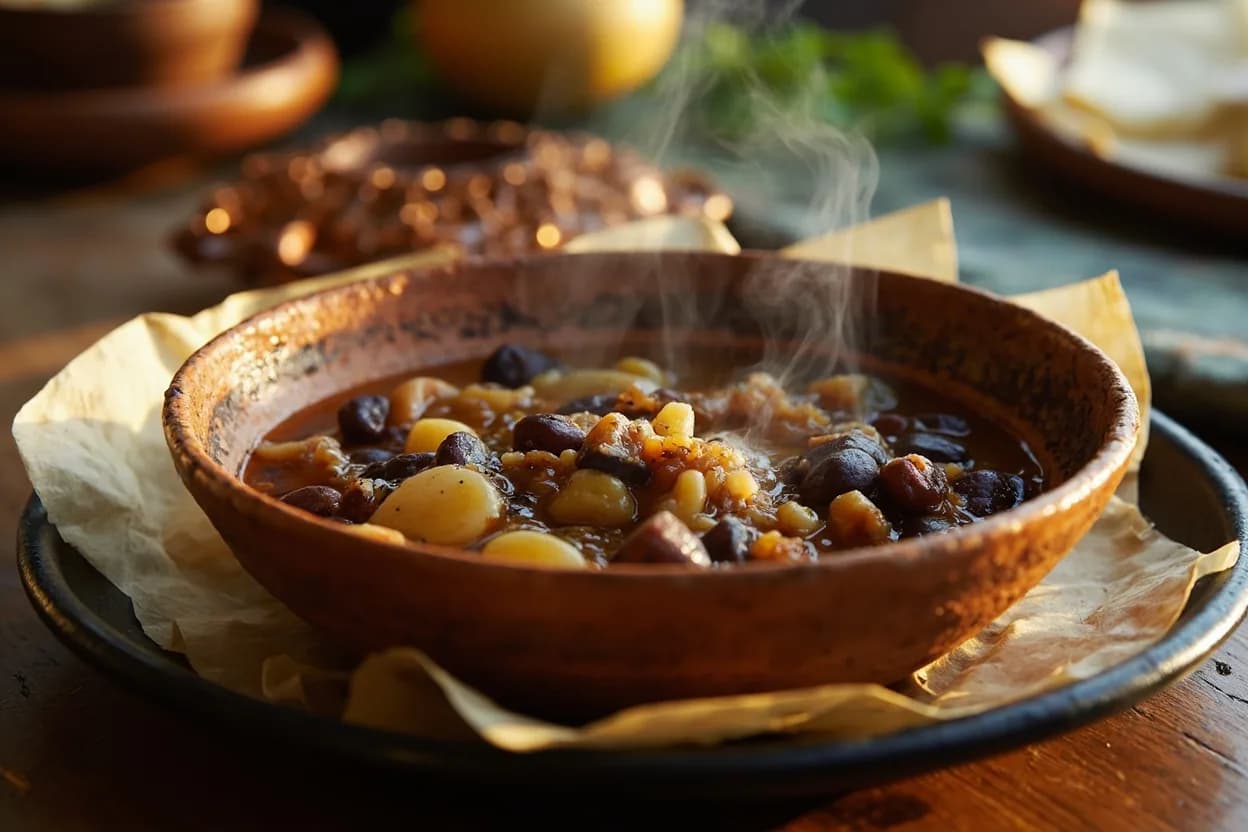
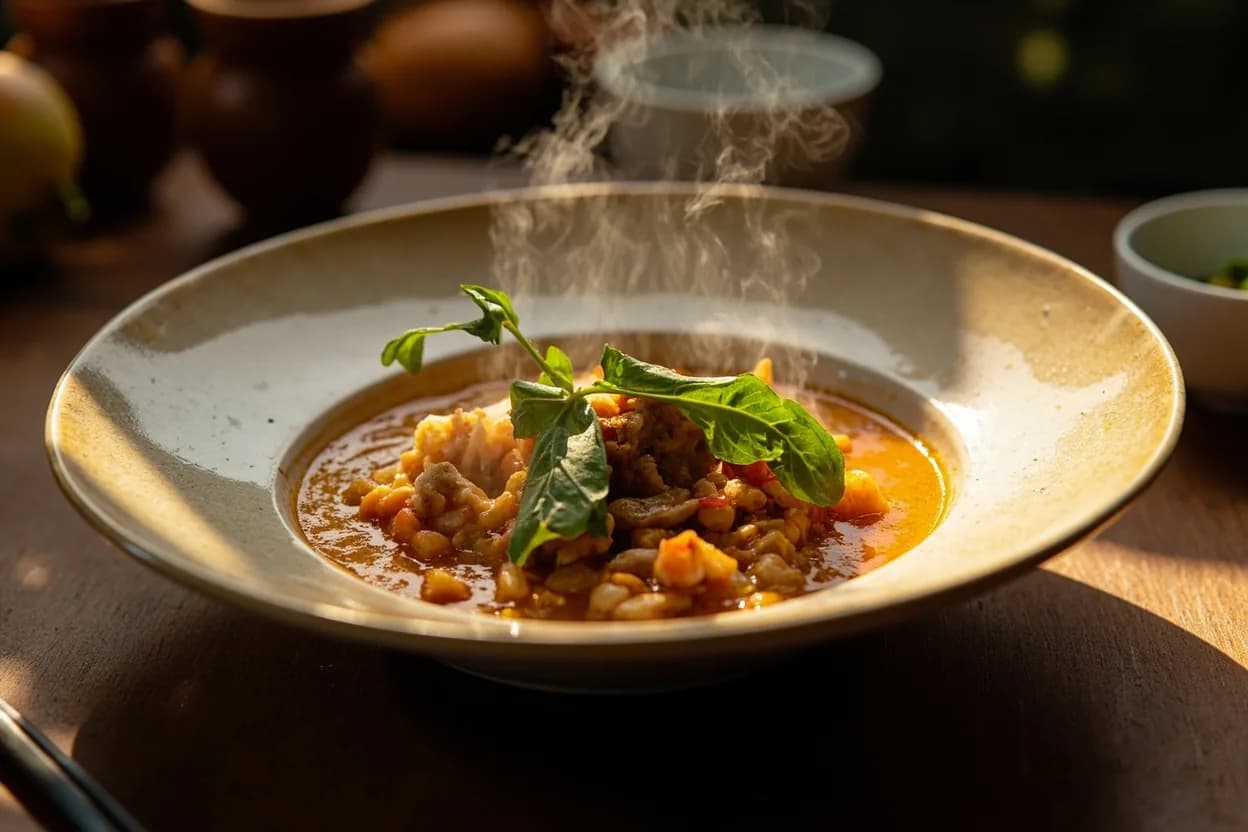
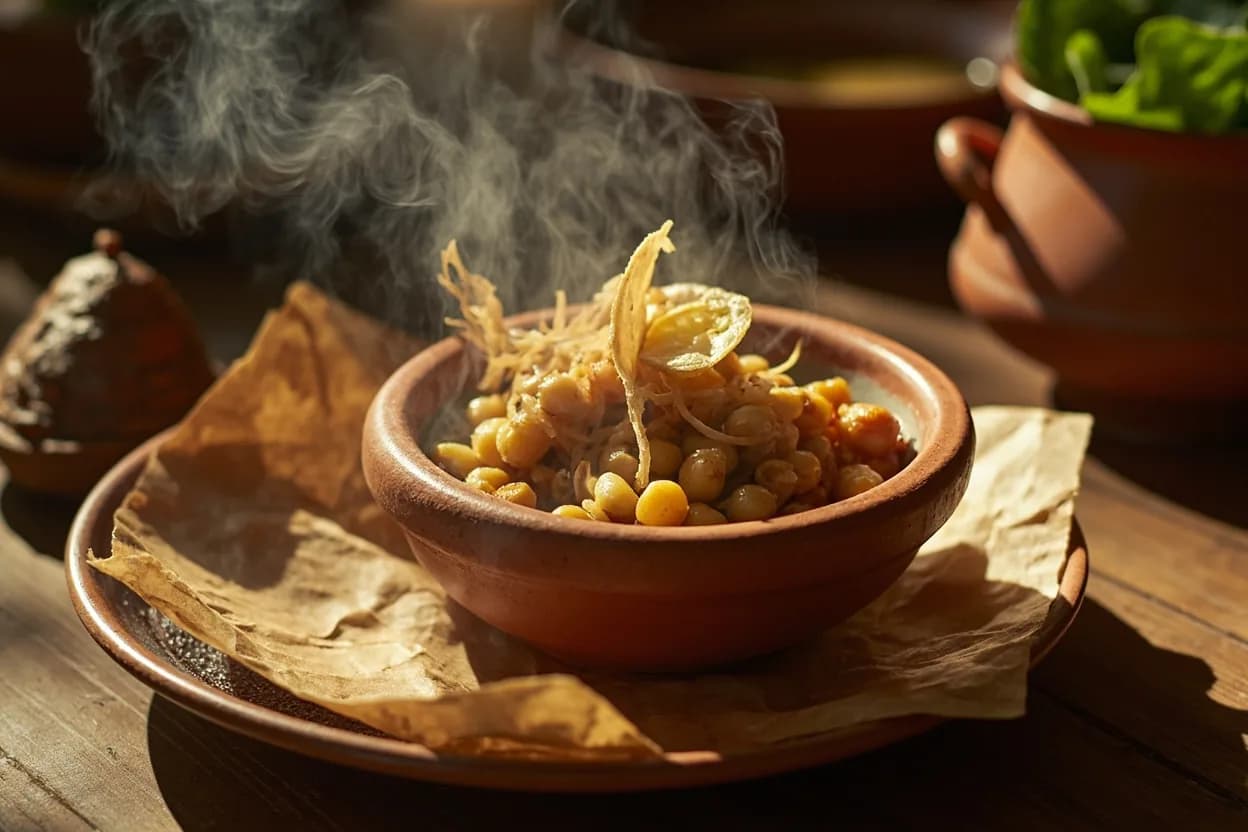
Related

Boil
Cook in vigorously bubbling liquid at full rolling heat

Simmer
Hold liquid at a gentle shimmer for tender, unhurried cooking

Poach
Cook gently in barely-trembling liquid for silky, tender results

Steam
Cook in rising vapor to keep color, nutrients, and shape intact

Blanch
Plunge briefly in boiling water, then shock cold to lock color

Braise
Sear, then cook slow in a little liquid until fall-apart tender

Stew
Simmer bite-sized pieces fully submerged into a rich, unified pot

Sous-Vide
Seal and cook in precise warm water for edge-to-edge doneness