Prep & Assembly
Dusting
Lightly scattering a fine powder like flour, sugar, or spice over food for coating or finish.
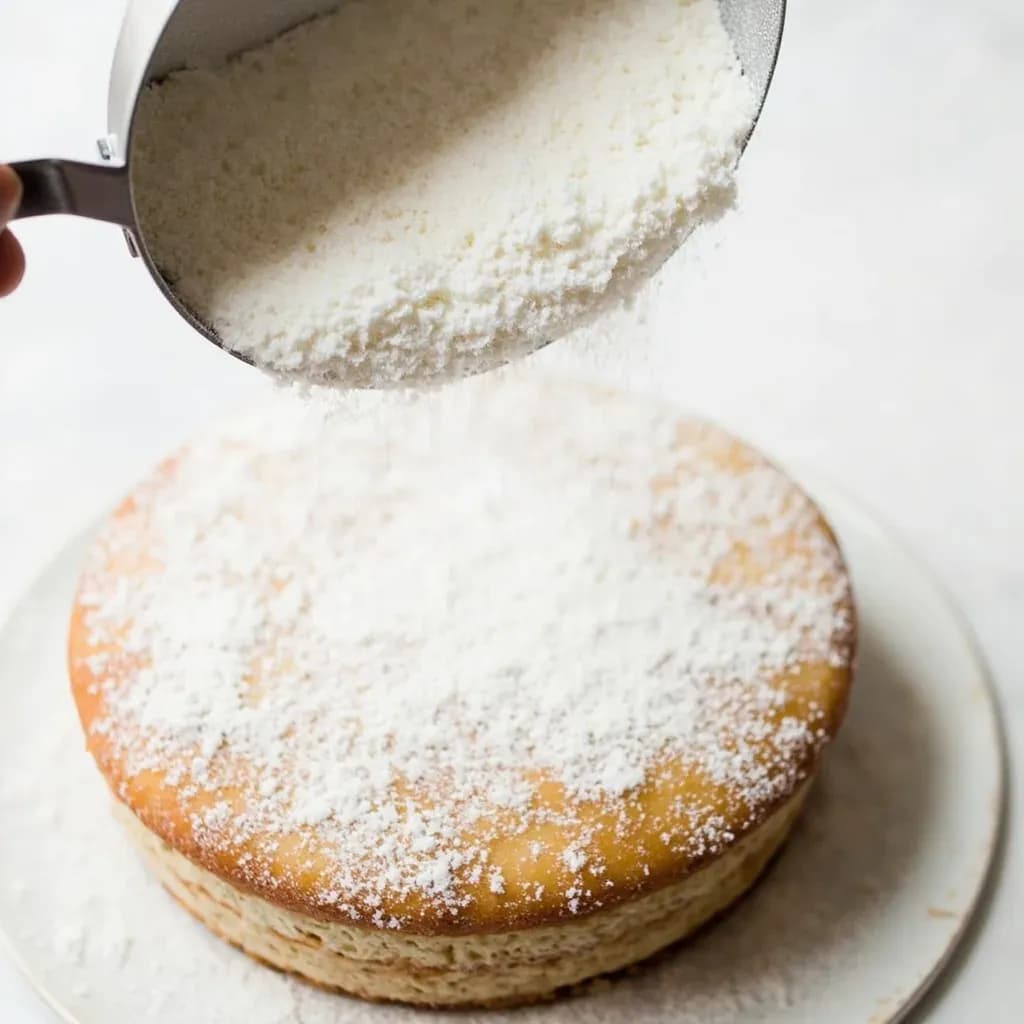
Dusting applies a thin, even layer of a powdered ingredient over food, usually through a fine sieve or shaker. It is used to flour a work surface or dough, to finish desserts with powdered sugar or cocoa, and to lightly season before searing. The layer is far lighter than dredging, meant to coat the surface without building a crust. A gentle tap and a fine mesh keep the coverage uniform.
Dusting is the lightest possible way to apply a dry powder to a food: a thin, almost weightless scatter of flour, sugar, cocoa, spice, or cornmeal dropped from a short distance above the surface. It is a finishing and prep move, not a structural one — the powder is measured in grams and is meant to be seen, not felt, the way a snowfall changes a landscape without burying it. The technique depends on three small disciplines: choosing a fine, lump-free powder; dropping it from high enough to spread in a wide, even cone; and using less than your instincts tell you to. Get any of those right and the result reads as effortless; get them wrong and the food looks either bald or dust-bunnied.
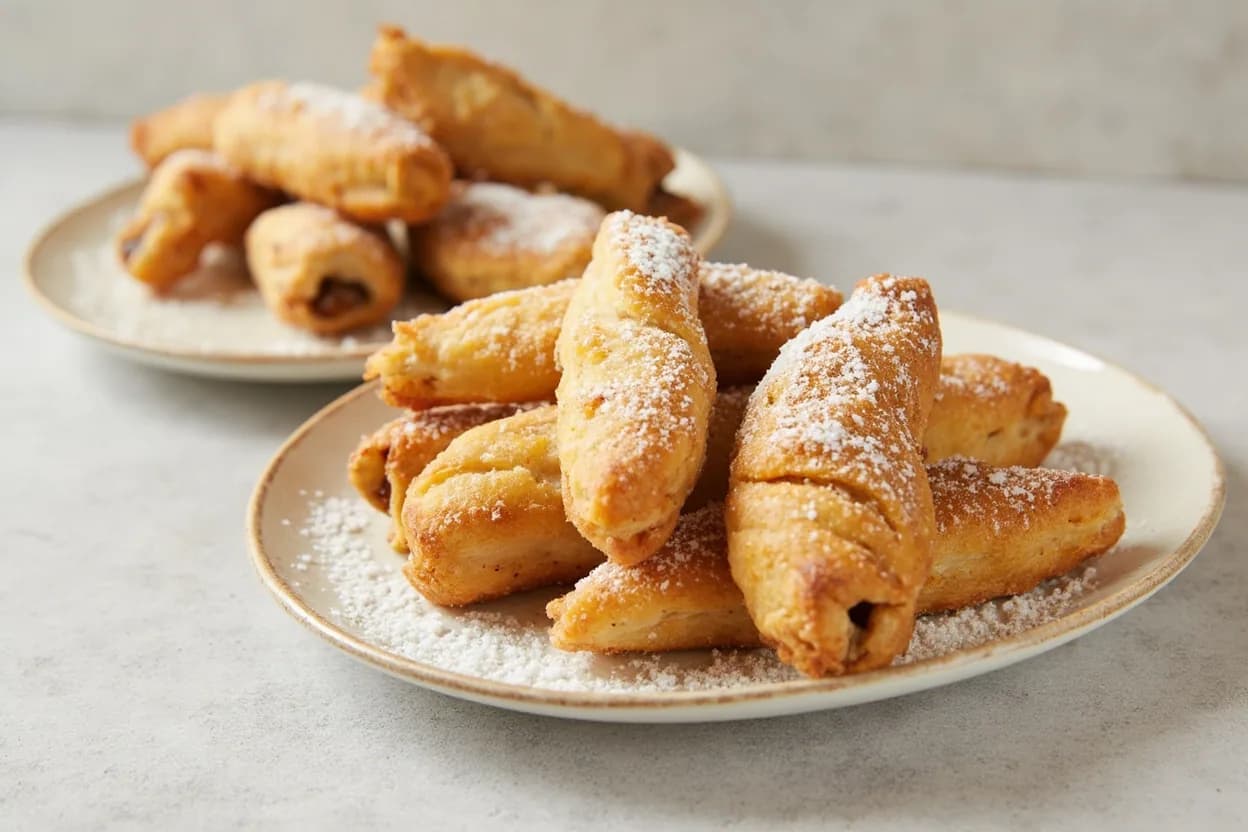
The powder's job varies with the context. On a pizza peel, a flour or semolina dusting acts as a release agent, forming a paper-thin barrier between the dough and the wood so the pie slides cleanly into the oven. On a finished cake or a plate of beignets, powdered sugar and cocoa are pure decoration, applied in the last seconds before service because humidity is always working against them. In bread work, dusting a couche or a banneton prevents sticking and leaves a textured crust on the loaf's underside. The one constant across all of these uses is restraint: dusting is defined by what you don't apply as much as by what you do.
Dusting is often confused with dredging, and the distinction matters. Dredging pushes the food through the powder, so the powder has to stick — it's the first stage of a breading system, a thick enough coat to survive a pan or a fryer. Dusting lays the powder on top of the food as a whisper-thin layer, with no need for it to adhere through cooking. Sifting powdered sugar over a brownie is dusting; tossing a chicken thigh in seasoned flour before frying is dredging. The tools overlap — a sieve can do either job — but the hand, the amount, and the intent are different.
- Difficulty
- Easy
Types & varieties
For rolling dough, shaping bread, and prepping a pizza peel or baking surface; usually a thin scatter of all-purpose or bread flour, sometimes semolina for extra crunch.
Finishing cakes, brownies, blondies, cookies, beignets, and pastries with confectioners' sugar; always sifted for a snow-like finish.
Decorative and flavor finish on tiramisu, chocolate cakes, cappuccino, and French-style hot chocolate; often combined with powdered sugar for stencilled patterns.
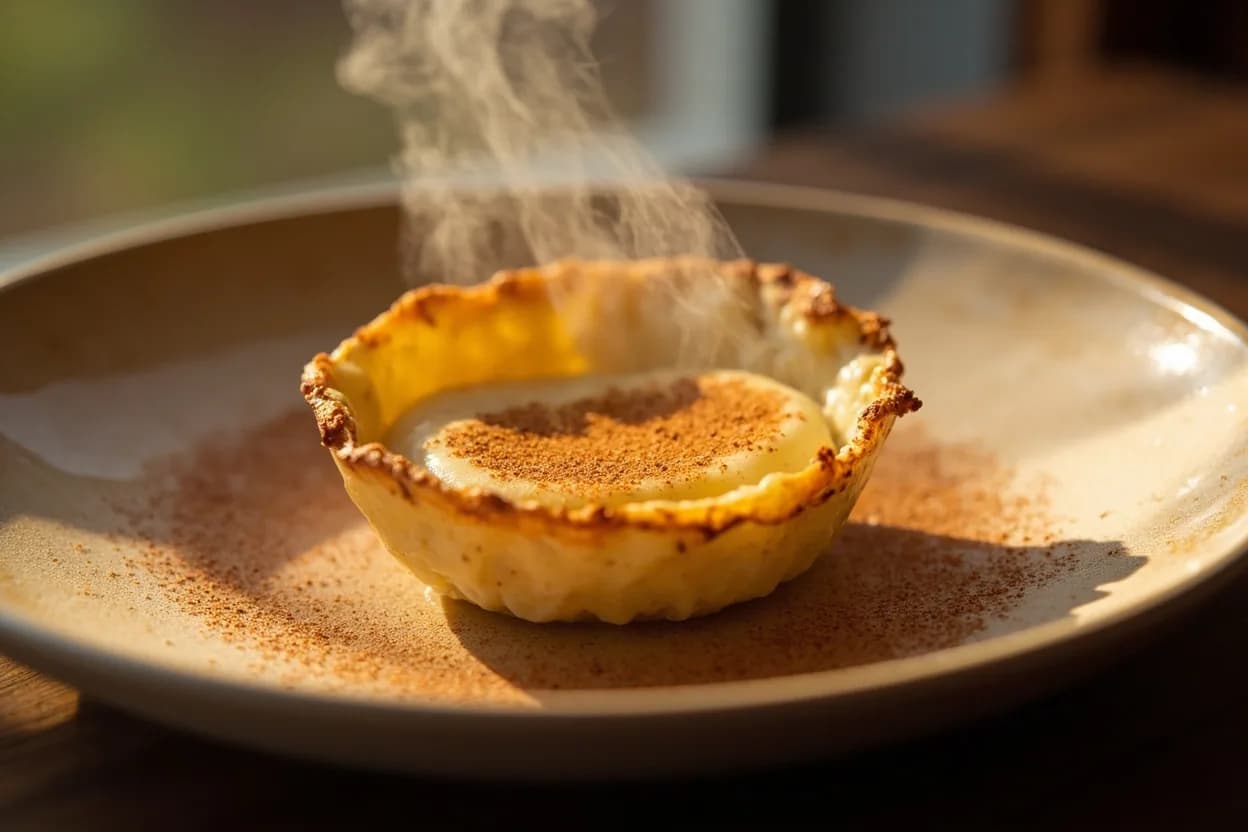
Light scatter of ground spice over deviled eggs (paprika), finished toasts (Aleppo or urfa), churros, and roasted nuts — flavor without a heavy rub.
Used on pizza peels, banneton bottoms, and under focaccia to add crunch, prevent sticking, and give a rustic, toasted bottom crust.
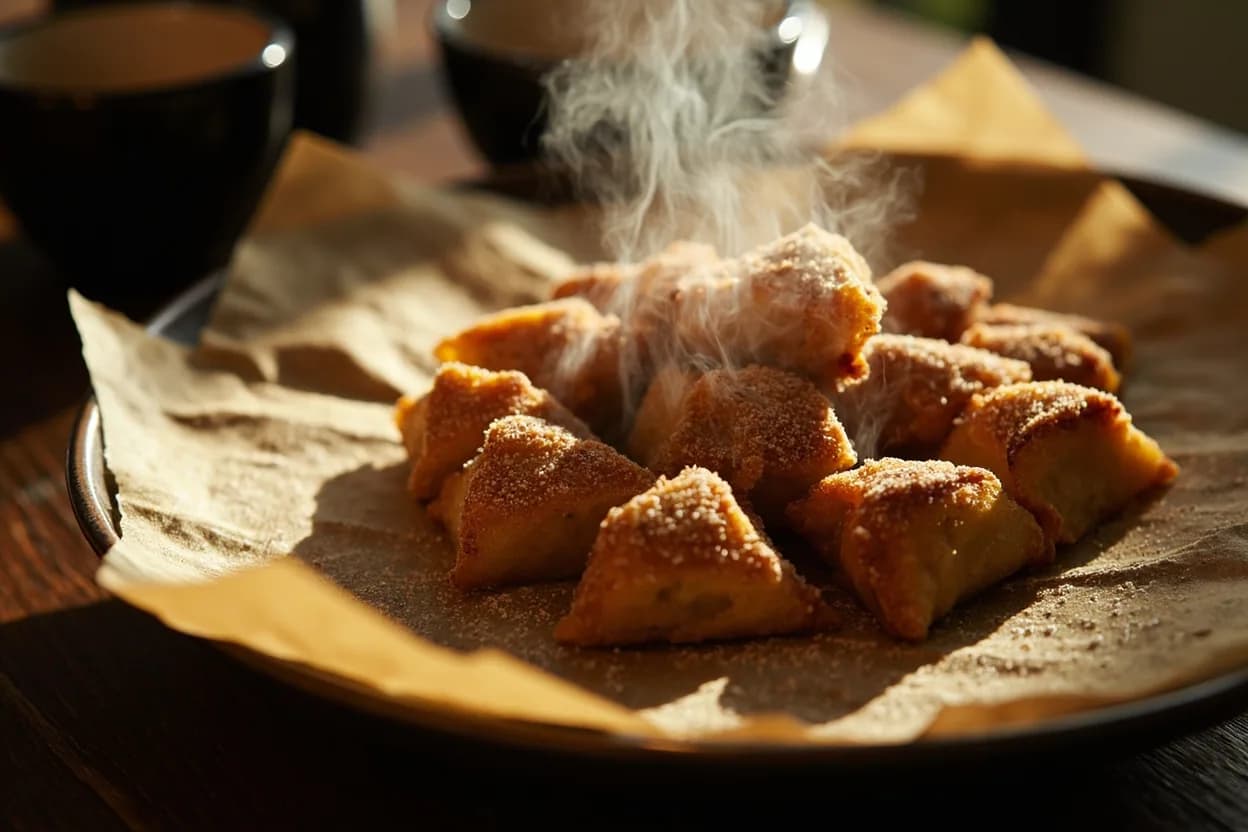
Equal-parts ground cinnamon and granulated or superfine sugar; tossed or sifted onto doughnuts, churros, French toast, and snickerdoodle cookies.
Flaky or fine salt scattered at the very end over chocolate bark, caramel, or finished dishes — taken from the flake by fingertip, not shaken from a grinder.
How to do it
- 1
Choose the powder and the tool
Match the material to the job. A fine-mesh sieve or drum dredger works for powdered sugar and cocoa; a small shaker or pinched fingers for spice; a cupped hand or bench scraper sprinkle for flour on a work surface. Sift any powder that has been stored for a while — powdered sugar and cocoa both clump, and clumps will not break up under a sieve's gentle tap.
- 2
Position the food and catch the excess
Set the food on a stable surface, ideally over parchment or a rimmed tray to catch the powder that misses. For a peel, board, or couche, the flour or semolina goes directly on the wood before the dough is laid down. For a finished dessert, a sheet of paper slipped under the front edge lets you pull it away cleanly after dusting.
- 3
Load the tool lightly
Use less than you think you need — about 1 to 2 tablespoons in a sieve, a pinch between the fingers, or two or three shakes from a dredger. You can always add a second pass; you cannot remove powder without smearing the finish or leaving fingerprints.
- 4
Apply from a height
Hold the tool 15 to 30 cm (6 to 12 in) above the surface so the powder falls in a wide cone rather than a single column. Tap the side of the sieve, jiggle the dredger, or rub the fingers together to release a thin, even shower. Work from the edges inward, or in one steady pass over the item — never dump a spoonful into the centre and hope it spreads.
- 5
Let it settle and inspect
Pause 10 to 20 seconds for the dust to fall and land. Look for bare patches and patch them with a light second pass; brush off any obvious piles with a clean, dry pastry brush.
- 6
Serve promptly
Dust as close to service as practical. Powdered sugar and cocoa absorb moisture from the air and from the food itself, and on a hot or humid item they can turn from a dry snow into a translucent smear in a matter of minutes. Flour on a peel or in a banneton is more forgiving, but a finished dessert with a sweat-marked top is not.
Dusting vs. dredging: knowing the line
The two techniques share a sieve and a powder, but they answer different questions. Dredging is about getting a thick, even coat to stick to food that is about to be cooked in fat or a hot pan; it depends on a dry surface, a generous amount of powder, and a thorough toss so the powder grips and the excess is shaken off. Dusting is about a thin, visible veil that sits on top of food that is already finished; it depends on restraint, height, and timing. A useful test: if the powder has to survive cooking, dredge; if it just has to be seen, dust. Crossing the line in either direction produces a familiar failure — a soggy, patchy crust on fried food (under-dredged) or a clumpy, smeared finish on a dessert (over-dusted).
Tools and their personalities
Each tool gives a different kind of shower, and matching it to the job is half the work.
- Fine-mesh sieve: the all-purpose choice for powdered sugar and cocoa; a tap on the side gives a broad, even fall.
- Drum or sugar dredger: built for volume and reach, ideal for finishing a sheet pan of brownies or a row of doughnuts in a single pass.
- Tea strainer or small chinois: tight control for a single plate, a cappuccino, or a small pastry; gives the finest, most deliberate shower.
- Shaker jar (the kind used for parmesan or paprika): useful for spice dusting where a coarser, granular scatter is fine.
- Cupped hand or bench scraper sprinkle: the right tool for flour on a work surface or peel, where volume and direction matter more than finesse.
Common uses
Tips & pitfalls
- Sift powdered sugar and cocoa before every use — they cake in storage, and a sieve is the only way to break up hardened bits without leaving flecks in the finish.
- Hold the sieve or dredger 15 to 30 cm above the surface; closer application drops powder in a single spot and produces visible blobs rather than a fine haze.
- Tap the side of the sieve instead of pressing the lever or plunger; a lever dumps a slug of powder that no amount of spreading can rescue.
- Use a small tea strainer for tight control on individual plates, single pastries, or cappuccino foam; save the drum dredger for finishing a full sheet pan in one pass.
- Place a sheet of parchment or a rimmed tray under the item while dusting — you can gather the excess flour off a peel and reuse it, and you keep stray sugar off the plate or counter.
- Wait 10 to 20 seconds after dusting before moving the item, or your fingers, breath, and any draft will smear the finish into ghost marks.
- Dust at the last possible moment on anything warm or wet — humidity is the enemy, and a finish that looks perfect in the kitchen can be gone by the time it reaches the table.
- Use a paper stencil (cut from parchment or a file folder) for monogrammed or patterned finishes on cakes, plates, and cappuccinos; hold the stencil flat and dust over it, then lift straight up.
- Don't confuse dusting with dredging — if the powder needs to survive cooking, as with fried chicken or pan-fried fish, dredge and shake off the excess; reserve dusting for the thin, visible finish that sits on top of an already-cooked or already-shaped food.
Good to know
- Technique family
- Dry-coating and finishing method
- Material applied
- Fine, dry powder: flour, sugar, cocoa, spices, cornmeal, semolina, salt
- Application distance
- 15–30 cm (6–12 in) above the surface for a fine, even shower
- Common tools
- Fine-mesh sieve, drum/sugar dredger, tea strainer, small shaker, or pinched fingers
- Typical amount
- 1–2 tablespoons in a sieve; a heavy hand ruins the look
- Active time
- Seconds once the powder and tool are ready
- Skill level
- Beginner; success depends on control and restraint, not technique
- Distinguished from
- Dredging (heavier, adherent coating) and breading (multi-step wet-to-dry system)
Also called
Dust
Dishes that rely on it

Related

Whisk
Beat ingredients smooth and aerated with a looping wire motion

Sift
Pass dry ingredients through mesh to aerate and remove lumps

Strain
Pour through mesh to separate solids from liquid for a smooth result

Filter
Pass liquid through fine material to clarify out the smallest particles

Rice
Press cooked potatoes through small holes for fluffy, lump-free texture

Mash
Crush soft cooked food into a rustic, creamy purée

Grind
Crush food into a coarse to fine texture, from spices to meat

Grate
Shred food into fine bits against a sharp-toothed surface