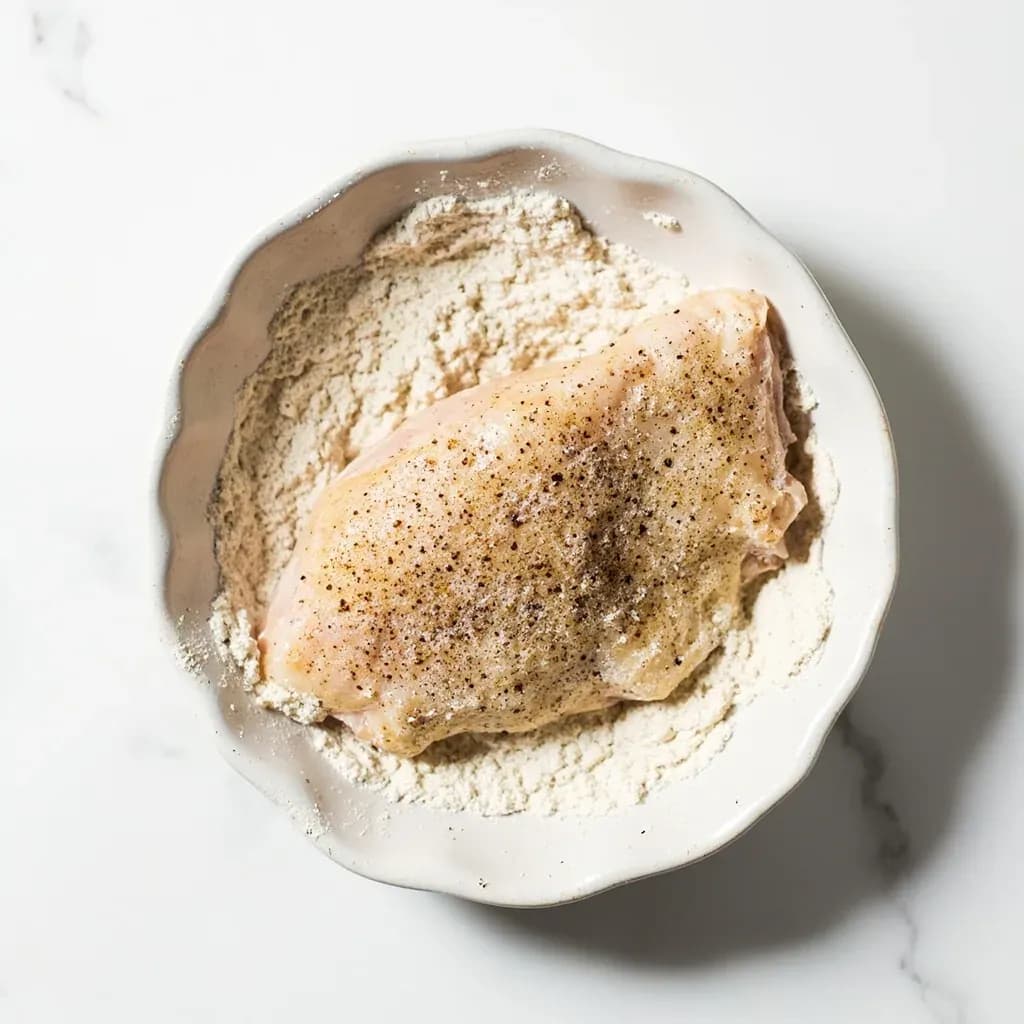
Prep & Assembly
Dredging
Coating food in flour or seasoned starch before frying so it browns and crisps evenly.
Dredging pulls food through flour, cornstarch, or a seasoned dry mix to form a thin coating before frying or sautéing. The coating absorbs surface moisture, helps the food brown, and gives fried items a crisp crust. It often precedes an egg wash and breadcrumb stage in standard breading. Shaking off the excess keeps the layer thin and even.
Dredging is the most fundamental of the dry-coating techniques: pressing a thin, even layer of flour or starch onto the surface of a food before cooking it. At its simplest, it is just flour in a pie plate and a piece of meat in a hand, but the choice of starch and the care taken in the moments before the food hits the pan decide whether you end up with a shatteringly crisp crust or a gummy, oil-logged one. The coating browns through the Maillard reaction and wicks surface moisture from the food, which is why dredged foods develop a flavorful golden crust that bare sautéing cannot match.
Beyond browning, dredging serves three other jobs in the kitchen. It acts as a barrier that slows moisture loss, keeping pan-fried cutlets juicy; it gives a seared protein more surface texture for fond to develop on, and those drippings become the foundation of a pan sauce; and when the food is later braised, the toasted flour left in the pot thickens the cooking liquid without the need for a separate roux. In classical French cooking this is the step called *fariner*; in Chinese kitchens the same idea, using cornstarch, is the basis of *velveting* — a method for protecting thin slices of meat in a ripping-hot wok.
The variables a cook controls are few but powerful: how dry the food is, what starch (or blend) is in the dish, how heavily it is seasoned, and how much flour actually clings when the food is lifted out. Get those right and dredging is a one-minute operation that quietly improves almost any pan-fried or shallow-fried dish.
- Difficulty
- Easy
Types & varieties
A simple coating of all-purpose flour; the default for sautéed cutlets and a quick pan sauce.
Flour mixed with salt, pepper, paprika, garlic powder, cayenne, or dried herbs; the standard for fried chicken and pork chops.
Common in Chinese cooking; produces an extra-light, very crisp crust and is the basis of the velveting method for stir-fries.
Yields a delicate, crackly crust; traditional for Japanese tempura and Korean fried chicken.
Crispier than cornstarch; favored for Korean fried chicken and Japanese korokke.
Adds a coarse, gritty texture and nutty flavor; common in Southern fried catfish and polenta-crusted dishes.
Flour, then buttermilk or egg, then flour again; produces a thicker, craggy, crinkle-coated crust.
A light flour coating seared in a heavy pot to thicken the braising liquid, as in coq au vin and braised short ribs.
How to do it
- 1
Dry the food
Pat the protein or vegetable completely dry with paper towels. Surface moisture turns the coating gummy, makes it steam rather than crisp, and causes dangerous oil splatter when the food hits the pan.
- 2
Prepare the dredging mixture
Pour your chosen starch — all-purpose flour, cornstarch, rice flour, or a blend — into a wide, shallow dish such as a pie plate or rimmed sheet pan. For every cup of starch, season with at least 1 teaspoon kosher salt and ½ teaspoon black pepper, plus any optional spices such as paprika, garlic powder, onion powder, cayenne, dried thyme, or mustard powder.
- 3
Season the food lightly
Lightly season the food itself with salt and pepper before dredging. Seasoning only the flour means most of it falls off into the dish; seasoning the food ensures flavor reaches the meat or vegetable directly.
- 4
Coat evenly
Lay the food in the flour and turn to coat. Press gently so the starch grips the surface and works into any crevices. Use one dry hand for the flour and a wet hand for the food so your fingers do not cake up with sticky starch.
- 5
Shake off excess
Lift the piece and tap or shake it firmly to dislodge any loose flour. The goal is a thin, even, well-adhered coat; a heavy coating will burn, separate from the food, and gum up the oil.
- 6
Rest on a rack
Place dredged pieces on a wire rack — never a flat plate or cutting board — and let rest for 5 to 10 minutes. The coating hydrates slightly and clings more tightly, dramatically reducing the chance of blowouts in the oil. Do not stack the pieces.
- 7
Cook immediately
Transfer directly to a preheated pan with shimmering oil, or to a fryer at the correct temperature (generally 325–375°F / 165–190°C depending on the food). Do not let dredged food sit longer than about 15 minutes or the coating will go gummy.
- 8
Adjust for braising
If dredging to thicken a braise, sear the floured meat in batches in a heavy Dutch oven or braiser until deeply golden on both sides. The toasted flour left in the pot combines with the fond and the braising liquid to thicken the sauce naturally, eliminating the need for a separate roux.
Choosing the right starch
Each starch behaves a little differently in hot oil, and the choice changes the final texture of the crust. All-purpose flour gives a sturdy, evenly browned crust with good flavor and is the most forgiving choice for beginners. Cornstarch and rice flour absorb less oil and brown faster, producing a paler, more shatteringly crisp crust that is ideal for stir-fries, tempura, and Korean-style fried chicken. Potato starch is the crispest of the three but is more sensitive to moisture and color; it darkens quickly, so it is best reserved for short, hot fries.
Coarser meals — semolina or fine cornmeal — trade some crispness for texture and a toasty, almost nutty flavor; they are the right call for Southern catfish, green tomatoes, and dishes where you want the coating to be felt on the tongue. For a balanced result in everyday cooking, a 50/50 blend of all-purpose flour and cornstarch is a reliable compromise between flavor and crunch. Gluten-free flour blends dredge very similarly to all-purpose flour and can be swapped in at a 1:1 ratio.
- All-purpose flour: sturdy, flavorful, forgiving — the default for pan-fried cutlets and braises.
- Cornstarch or rice flour: lightest, crispiest crust; use for stir-fries, tempura, Korean fried chicken.
- Potato starch: the crispiest option, but darkens fast; best for short, hot fries.
- Cornmeal or semolina: coarse texture and nutty flavor; classic for catfish and green tomatoes.
- 50/50 all-purpose flour + cornstarch: a balanced everyday blend for maximum crunch with good flavor.
Dredging vs. breading vs. battering
The three dry-and-wet coating techniques are easy to confuse because they often begin the same way — with a dip in flour. The difference is what comes next. A dredge is a single layer of starch with nothing else; the food goes straight from the flour to the pan. A breading adds an egg-or-dairy wash and a second, often coarse, coating such as panko or breadcrumbs, producing a thicker, more insulated crust. A batter replaces the dry second coat with a wet one — flour or starch bound with liquid and sometimes leavening — which fries into a lacy, irregular shell.
In practice the techniques build on each other: a dredge is the first stage of nearly every breading, and a thin dredge of rice flour is often used under tempura batter to give it something to grip.
- Dredge: starch only; thin, even, delicate crust.
- Breading: starch + egg/dairy + breadcrumbs; thick, craggy, insulated crust.
- Batter: starch + liquid (+ sometimes leavening); lacy, irregular shell.
Common uses
Tips & pitfalls
- Always pat the food thoroughly dry with paper towels — surface moisture causes the coating to clump, steam, and slide off in the oil.
- Season the dredging flour itself with salt and pepper; the coating absorbs a lot of flavor and will not be salted otherwise.
- Use a wide, shallow dish (a pie plate or rimmed sheet pan) rather than a deep bowl so you can coat the food in one pass without overhandling it.
- Shake off every bit of excess flour. A heavy coating burns, separates from the food, and gums up the oil.
- Let dredged food rest on a wire rack for 5 to 10 minutes before frying so the coating hydrates and adheres; never pile pieces on top of one another.
- For thicker, craggy crusts (fried chicken, chicken-fried steak), do a double dredge: flour, then buttermilk or egg, then flour again.
- Keep one hand 'wet' and one hand 'dry' when working near a breading station to avoid clumping flour on your fingers.
- For braising, dust the meat right before it hits the hot pan — a flour coating that sits too long turns pasty and will not brown properly.
Good to know
- Also known as
- Coating, dusting, flouring (French: fariner)
- Coatings used
- All-purpose flour, rice flour, cornstarch, potato starch, semolina, cornmeal, gluten-free flour blends, seasoned flour
- Purpose
- Creates a crisp crust, prevents sticking, promotes browning, seals in moisture, and can thicken braising liquids
- Key rule
- Food must be patted dry before dredging so the coating adheres and crisps instead of steaming
- Coating thickness
- A thin, even, well-adhered layer — excess flour must be shaken off
- Resting time
- 5–10 minutes on a wire rack helps the coating hydrate and cling before frying
- Related techniques
- Breading (flour–egg–breadcrumb), battering, velveting, pan-frying, sautéing
- Origin
- Used across European, Asian, and American cuisines for centuries; a foundational step in both French braises and Chinese stir-fries
Also called
Dredge
Dishes that rely on it
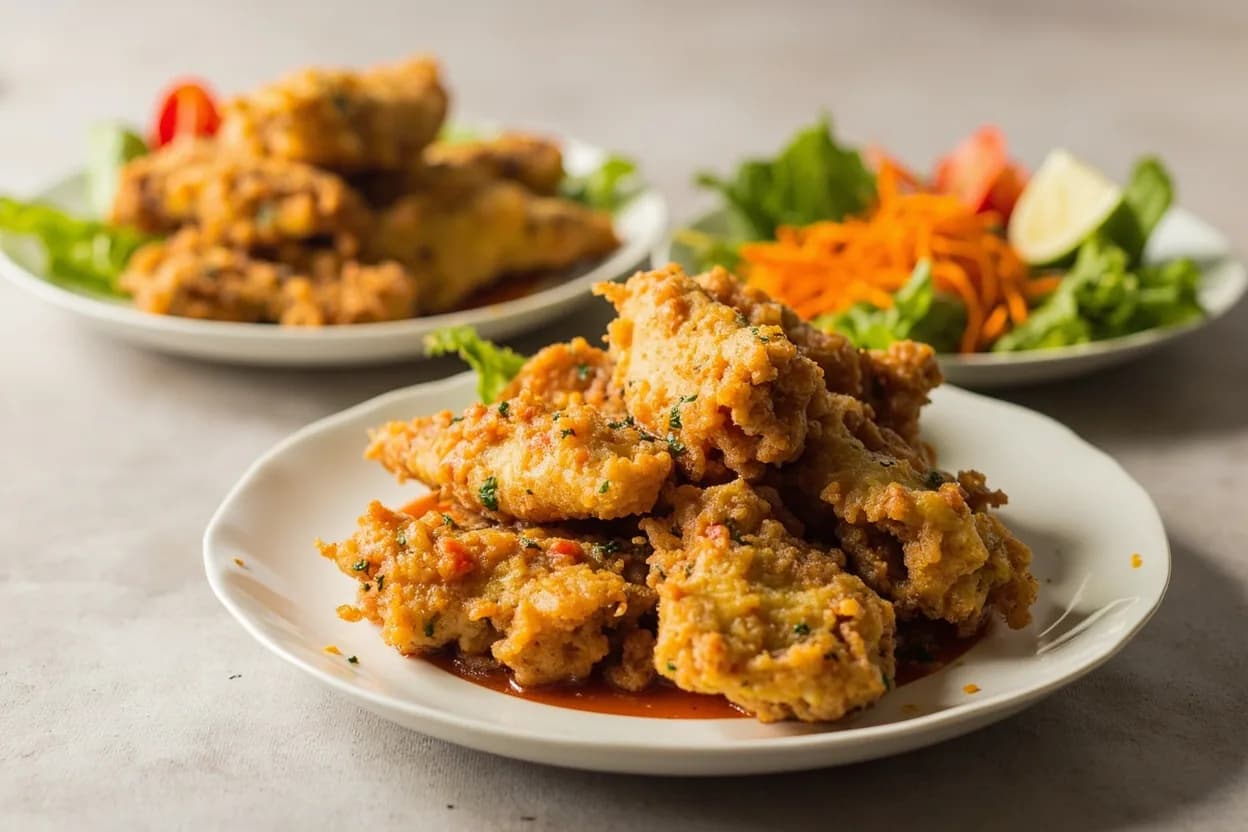
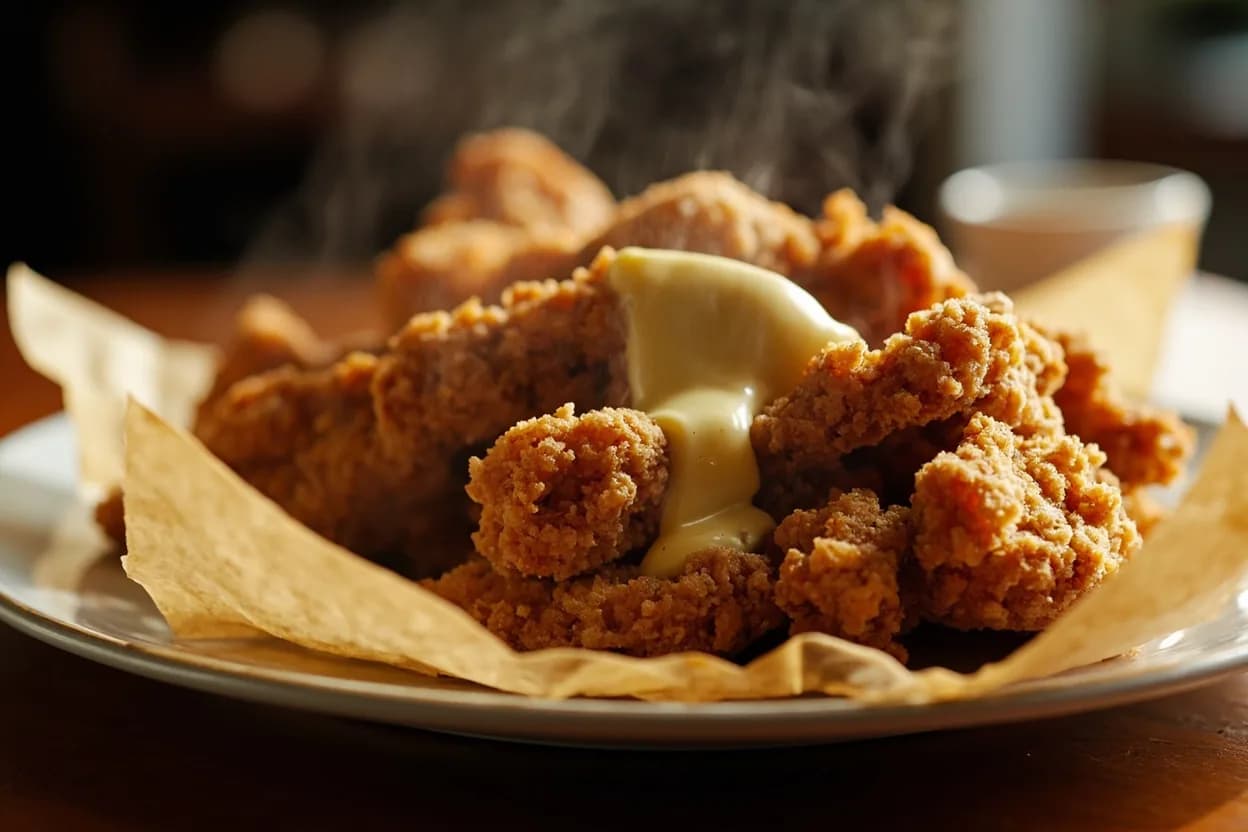
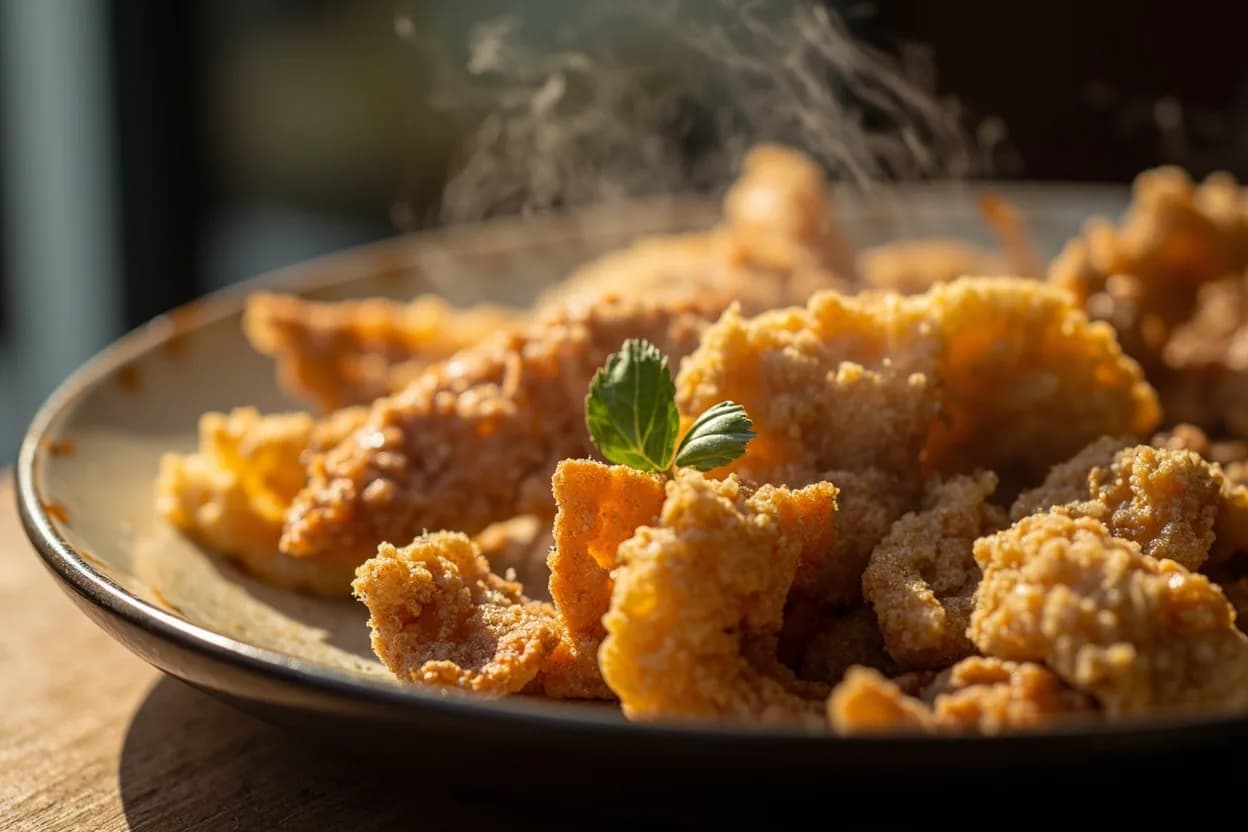
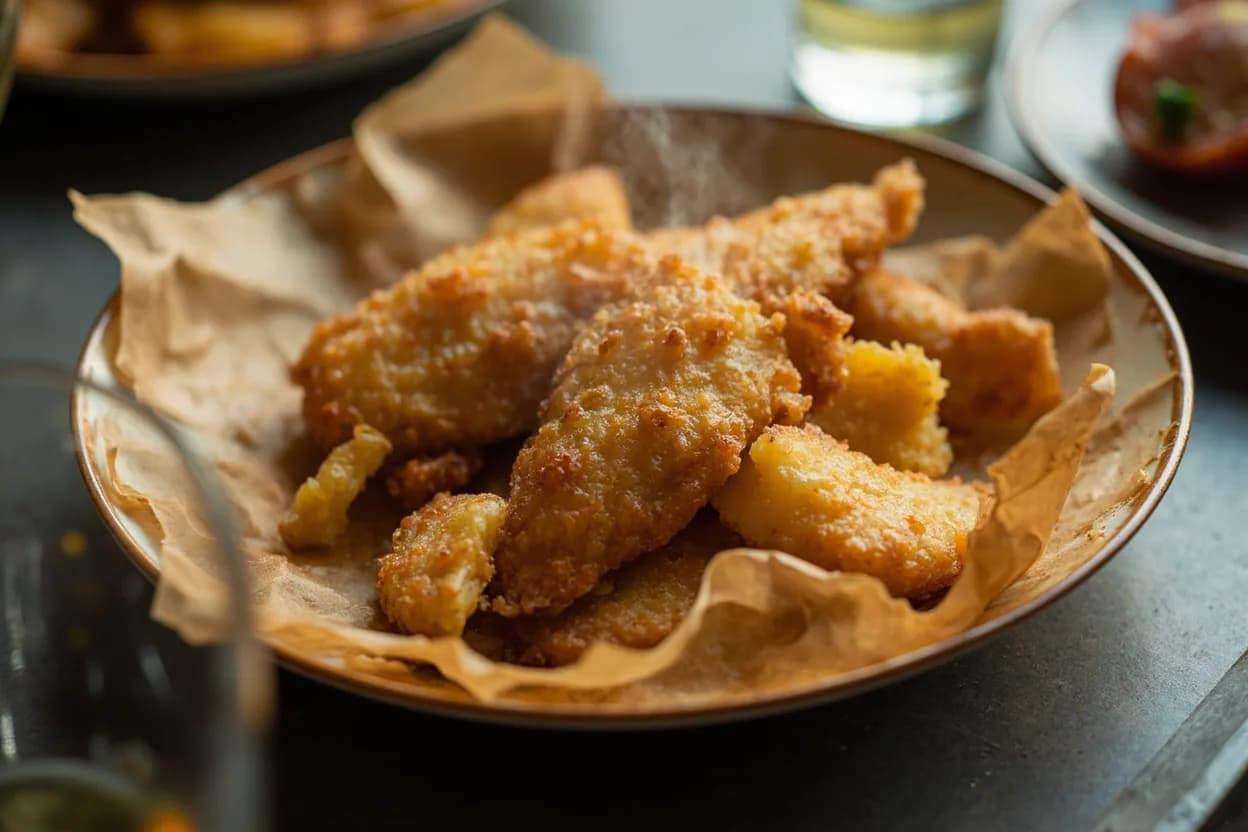
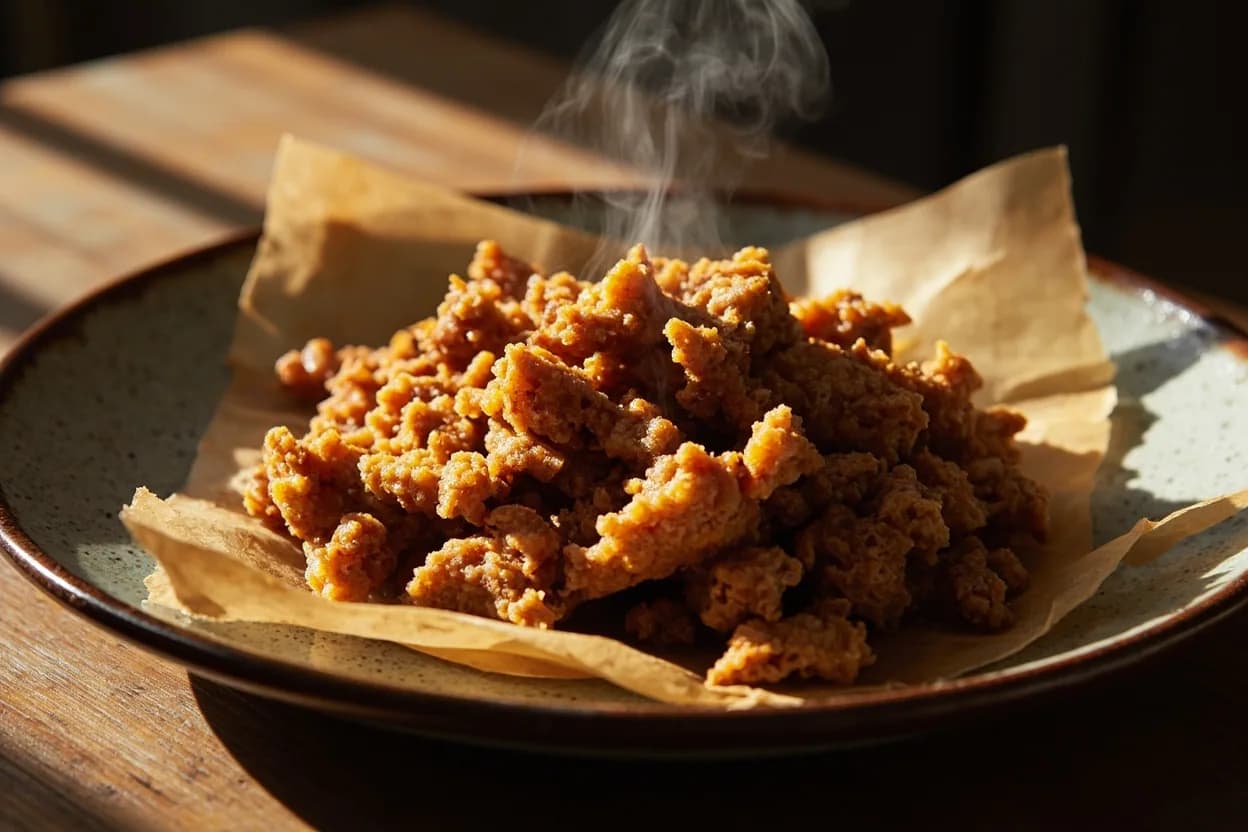
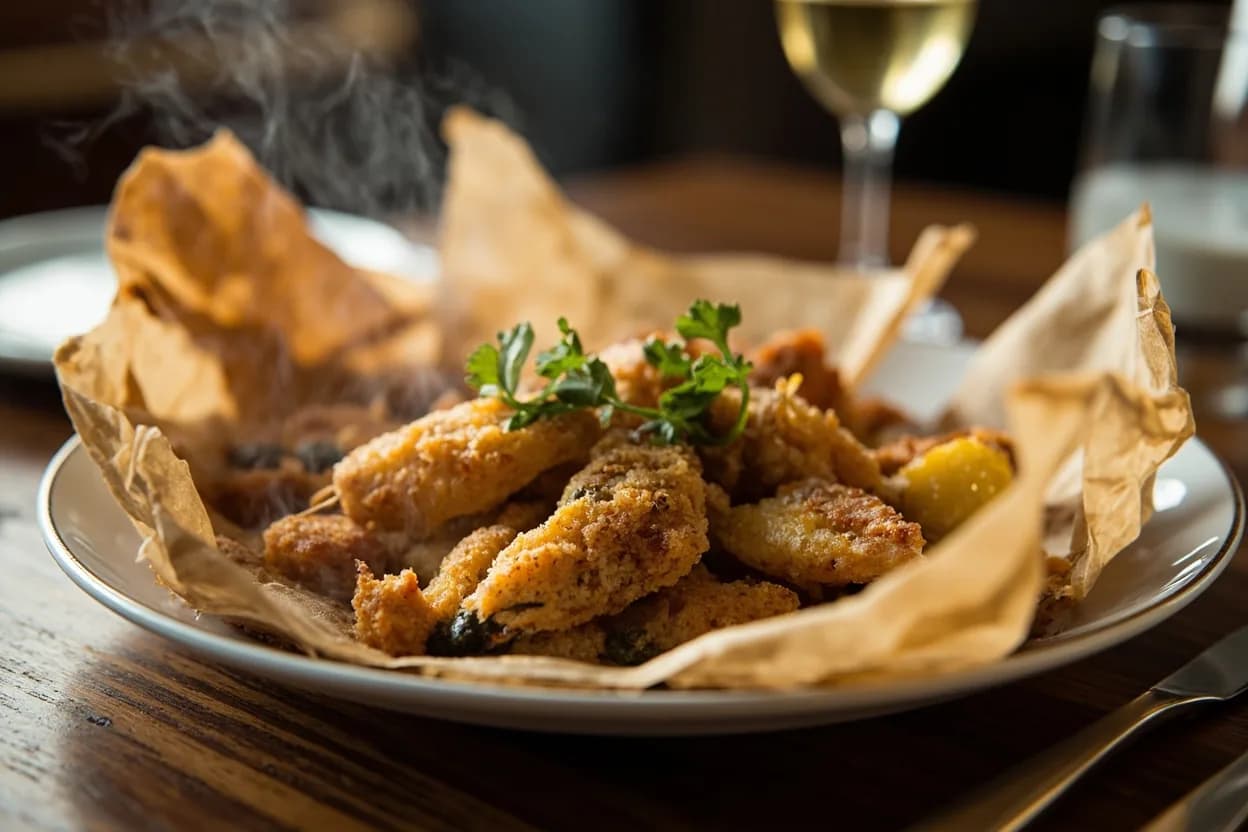
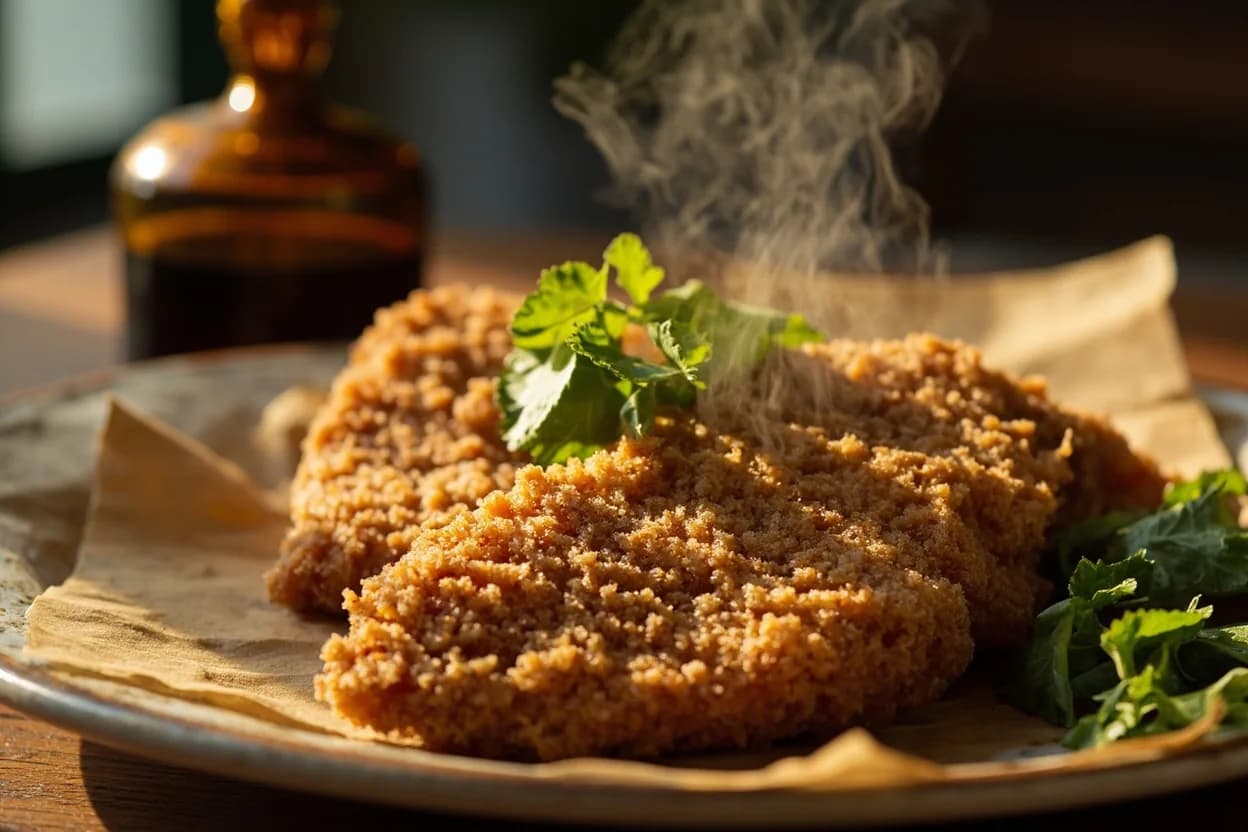
Related

Whisk
Beat ingredients smooth and aerated with a looping wire motion

Sift
Pass dry ingredients through mesh to aerate and remove lumps

Strain
Pour through mesh to separate solids from liquid for a smooth result

Filter
Pass liquid through fine material to clarify out the smallest particles

Rice
Press cooked potatoes through small holes for fluffy, lump-free texture

Mash
Crush soft cooked food into a rustic, creamy purée

Grind
Crush food into a coarse to fine texture, from spices to meat

Grate
Shred food into fine bits against a sharp-toothed surface