Prep & Assembly
Egg Washing
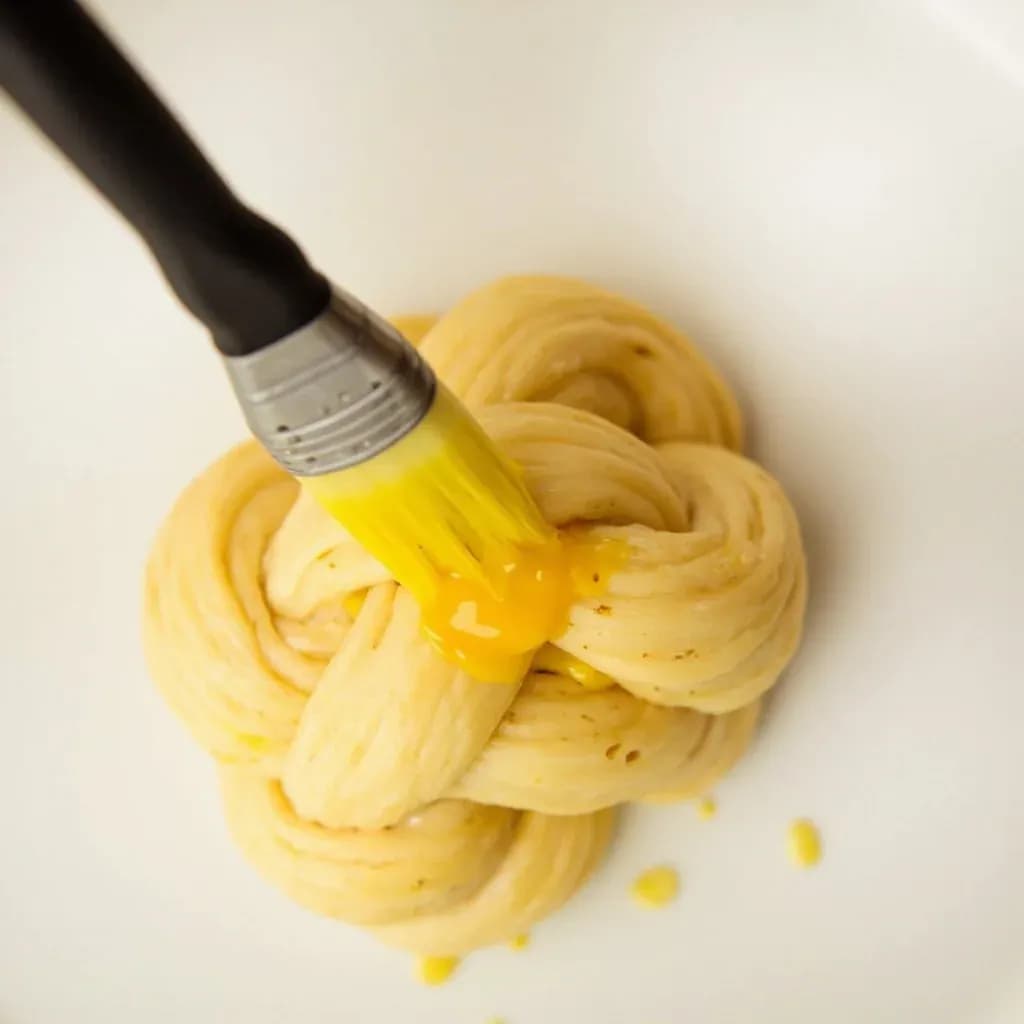
Brushing beaten egg over dough to give baked goods a glossy, golden finish.
Egg washing brushes a beaten egg, sometimes thinned with water or milk, over the surface of pastries and breads before baking. The proteins and fats brown in the oven to produce a shiny, deep-golden crust and help toppings like seeds or sugar adhere. Adjusting the ratio of yolk to white changes the result, with more yolk giving richer color and white giving a crisper shine.
Egg wash is the simplest finishing technique in a working baker's repertoire: a beaten egg, sometimes thinned with a splash of water, milk, or cream, brushed onto the surface of shaped dough just before baking. It is the single detail that separates a pale, homemade-looking loaf from the lacquered, deeply golden, bakery-window brioche and croissants. More than decoration, it is a working tool — a finish, an adhesive, and an edible signal of craftsmanship all at once.
What egg wash does is fundamentally a surface phenomenon. As the dough hits the oven, the proteins in the egg coagulate into a thin sealing film, while the sugars and amino acids on that film undergo Maillard browning with a little light caramelization. The result is the characteristic glossy, deeply colored crust on enriched breads and viennoiserie. Because the effect lives only in the topmost layer, the wash does not meaningfully season or color the crumb beneath — its job is purely to transform the exterior.
Beyond shine, an egg wash functions as edible glue. Brushed on just before baking, it holds sesame, poppy, nigella, or caraway seeds to a loaf; anchors coarse sugar to scones, shortbread, and stollen; and tucks flaky salt into the top of a savory hand pie. Used with restraint, it elevates. Used carelessly — pooled in seams, seeped into lamination cuts, or laid on too thickly — it can glue a beautiful rise shut or bake into dark brown streaks. The technique is forgiving, but a light, even hand is the difference between professional polish and amateur smudges.
- Difficulty
- Easy
Types & varieties
Equal parts yolk and white; medium-deep golden color and moderate gloss — the all-purpose choice for most breads and buns.
Richest, deepest mahogany-brown color and highest gloss; classic for brioche, challah, and pain viennois.
Light golden color with a subtle sheen and crisper finish; good when you want browning without a heavy glaze, or for a more matte, crackly crust.
Yolk thinned with a splash of dairy; very deep, even mahogany tone — traditional for enriched doughs like challah and hot cross buns.
White thinned with a small amount of water; the lightest finish, often used on puff pastry and rugelach where minimal color is desired.
Whole egg or white with a pinch of salt; for savory applications like empanadas, hand pies, and Jamaican patties.
White or whole egg with a pinch of sugar dissolved in; helps coarse sugar crystals adhere to scones, shortbread, and stollen.
How to do it
- 1
Crack and beat the egg
Crack 1 large egg into a small bowl. Beat with a fork or small whisk until the yolk and white are completely combined and the mixture is uniform in color with no streaks. Beat in about 1 teaspoon of water, milk, or cream to thin, or a small pinch of salt or sugar to season, if using.
- 2
Strain through a fine-mesh sieve
Pour the beaten egg through a fine-mesh sieve into a second small bowl. This catches the chalazae (the white stringy bits anchoring the yolk) and any tiny shell fragments, leaving a perfectly smooth wash that brushes on without lumps or stringy bits.
- 3
Prepare the brush and surface
Dip a clean pastry brush (silicone preferred) into the wash and tap off the excess against the rim of the bowl — the brush should be damp, not dripping. Have your shaped, fully proofed dough on a lined sheet pan ready to coat.
- 4
Apply a thin, even layer
Brush the wash in long, smooth strokes across the top of the dough, working in one direction and overlapping slightly. One light, even coat is enough. Stay clear of seams, the cut edges of laminated dough, and the sides of free-form loaves where wash can drip down and bake into dark brown streaks.
- 5
Add toppings if using
Immediately after brushing, sprinkle on seeds, coarse sugar, or flaky salt. The wet wash will hold them in place as the dough bakes. Work quickly — once the surface starts to dry, toppings will not adhere well.
- 6
Bake immediately
Transfer the washed dough straight to a preheated oven. Do not let the wash sit for more than a few minutes before baking, as it can dry out and crack, and a still-proofing dough may deflate under the brush.
Choosing the right wash for the bake
The wash you reach for should match the dough, the desired color, and the role the finish has to play. Reach too dark and a rustic country loaf looks dressed for a wedding; reach too pale and a celebratory challah looks underdone. The pairings below are a working starting point.
- Whole egg: hamburger and hot dog buns, sandwich loaves, neutral enriched breads where a clean medium-gold is the goal.
- Egg yolk (or yolk plus cream): brioche, challah, pain viennois, hot cross buns — anywhere a deep, almost lacquered mahogany is traditional.
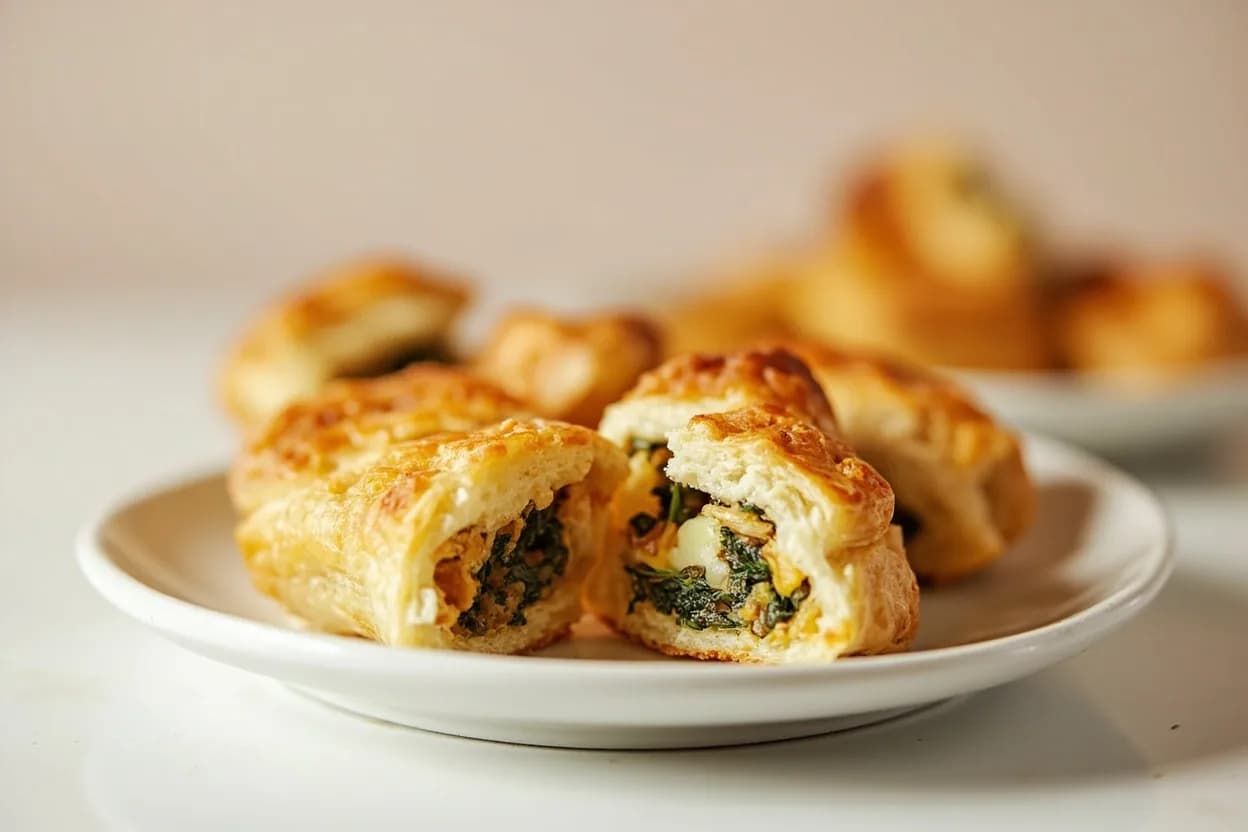
- Egg white (or white plus water): puff pastry tops, palmiers, cheese straws, rugelach — a subtle sheen and crisp finish without dark color.
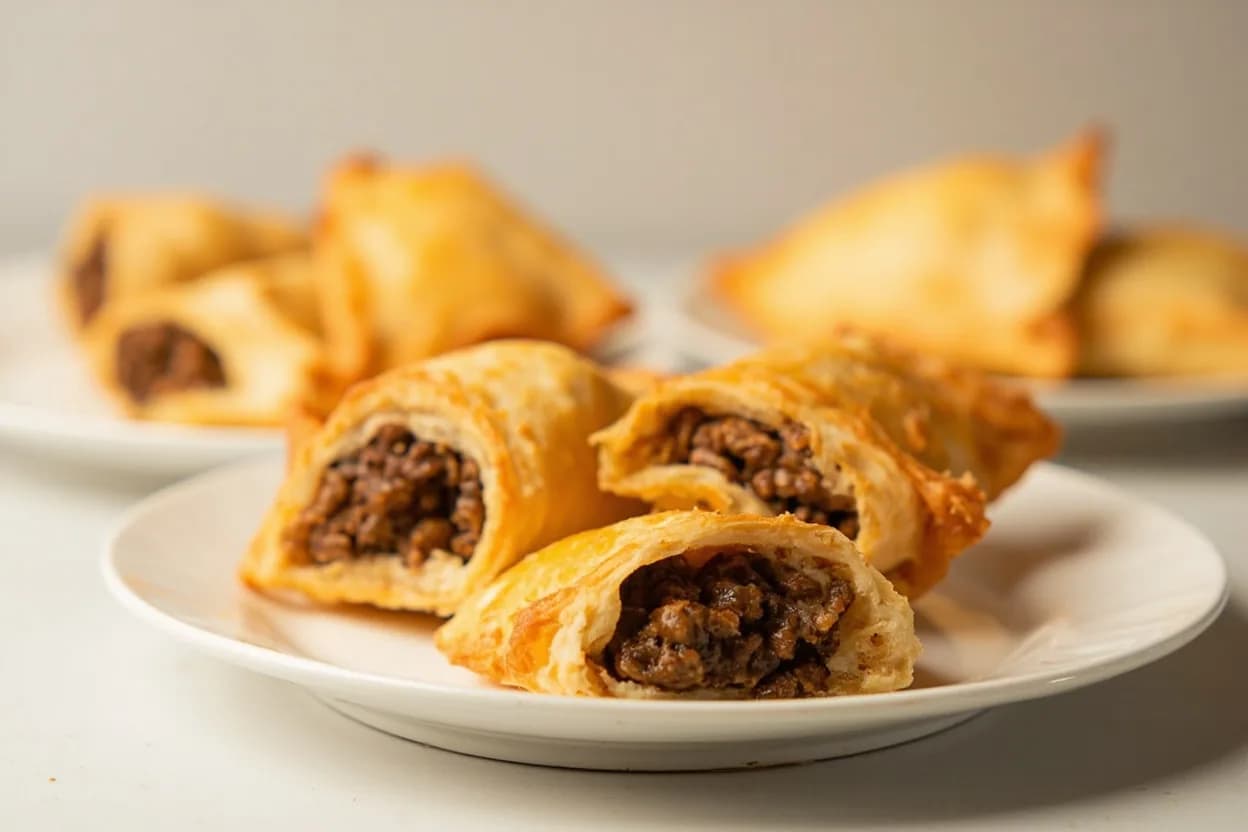
- Whole egg plus salt: empanadas, hand pies, Cornish pasties, Jamaican patties — adds flavor and a savory gloss.
- White plus sugar, then coarse sugar: scones, shortbread, stollen, fruit buns — sugar in the wash helps the topping grip and glints under the crust.
- Seeded loaves: whole egg or white, brushed on just before the seeds are sprinkled so they embed rather than roll off.
Common uses
Tips & pitfalls
- Strain the beaten egg through a fine-mesh sieve before brushing — this removes the chalazae and any shell fragments and gives a perfectly smooth, even coat.
- Apply a thin, even layer; pooling or drips on the sides of the dough will bake into dark brown streaks and can glue seams shut.
- For laminated doughs such as croissant and Danish, keep the wash strictly on the top — never let it seep into cut edges or folds, where it will prevent proper rising.
- Brush after scoring, not before, when you want a clean contrast between the pale cut line and the golden crust.
- If applying seeds or coarse sugar, brush the wash on, then sprinkle immediately so the toppings stick before the surface dries.
- A silicone pastry brush is more hygienic and longer-lasting than natural bristle, which absorbs egg and is harder to clean.
- Add a teaspoon of milk or cream per egg to mellow the color of a yolk wash from deep mahogany to a softer golden tone.
- If your dough has been proofed at high humidity, brush very gently — a damp surface can cause the wash to slide off or pool.
- Refrigerate leftover wash immediately and use it within 24 hours; it can be brushed onto toast, scrambled, or discarded.
Good to know
- Also called
- Glaze (in baking contexts, specifically the egg-based variety)
- Primary function
- Promotes Maillard browning and surface gloss; acts as an adhesive for seeds, sugar, or salt toppings
- Typical base
- 1 large chicken egg, beaten until fully homogeneous
- Optional additions
- Water, milk, or cream (about 1 tsp per egg) to thin; pinch of salt (savory) or sugar (sweet)
- Best application tool
- Pastry brush — silicone is more durable and hygienic than natural bristle
- When to apply
- After final shaping and proofing, just before baking; after scoring for breads that need a clean cut line
- Effect on laminated dough
- Should be applied only to the visible top, never between layers, or it will glue them together and prevent rise
- Storage of leftover wash
- Refrigerate and use within 24 hours; do not feed raw wash to children or immunocompromised individuals without further cooking
- Difficulty
- Beginner-friendly, but a thin, even application requires a light hand
Also called
Egg Glaze · Dorure
Dishes that rely on it
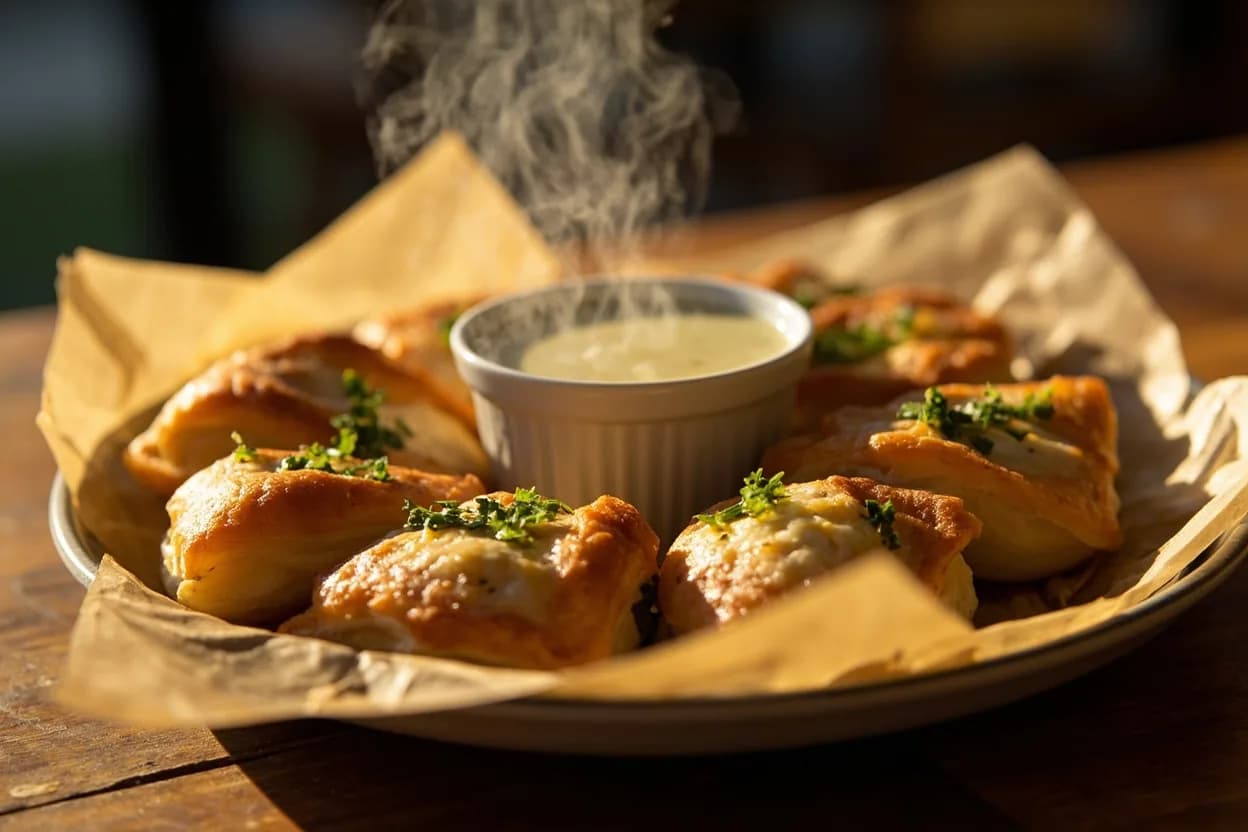
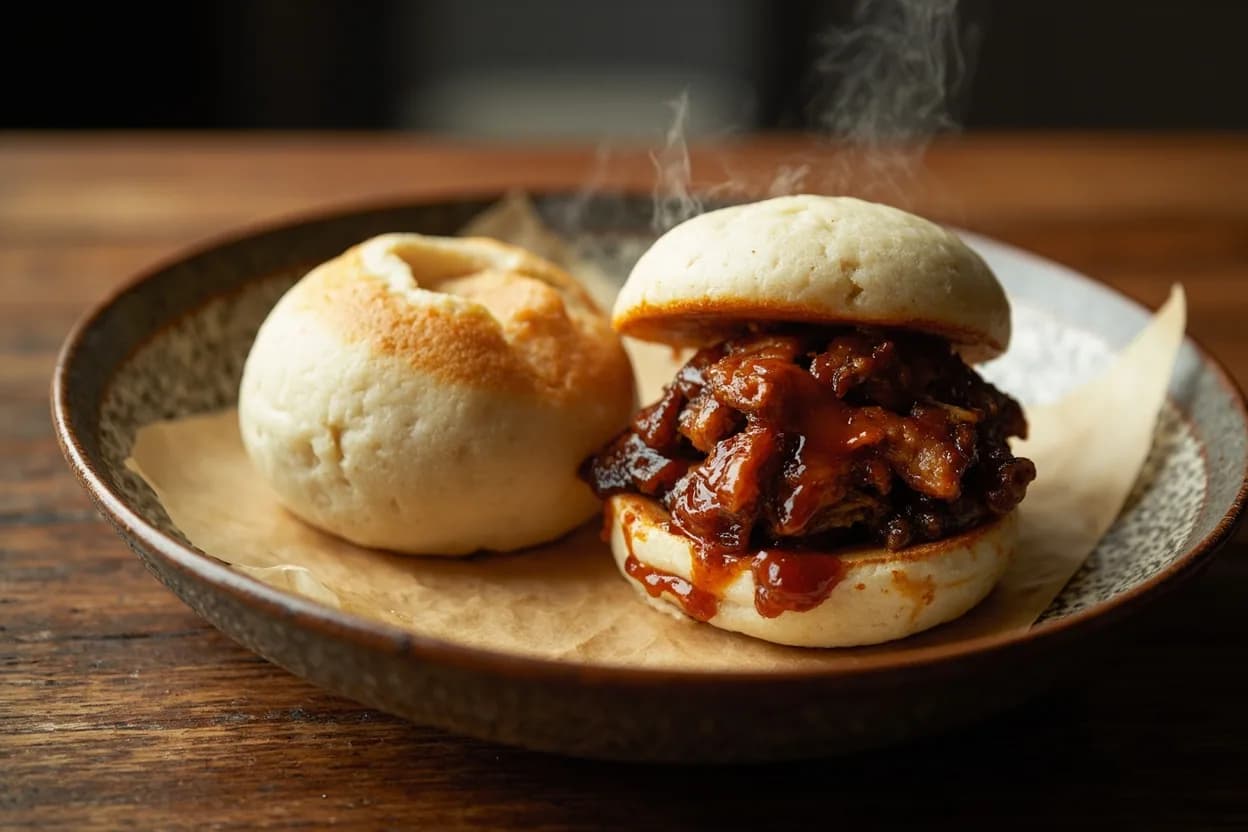
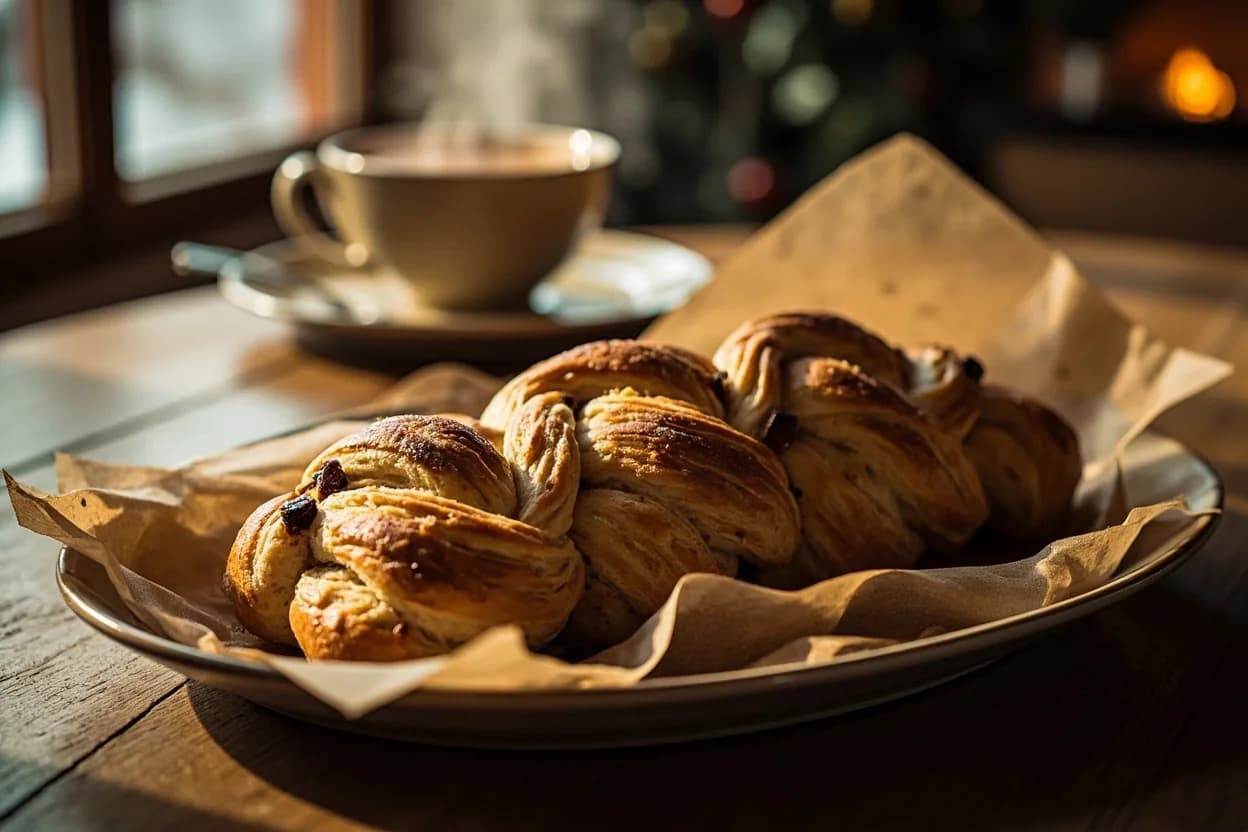
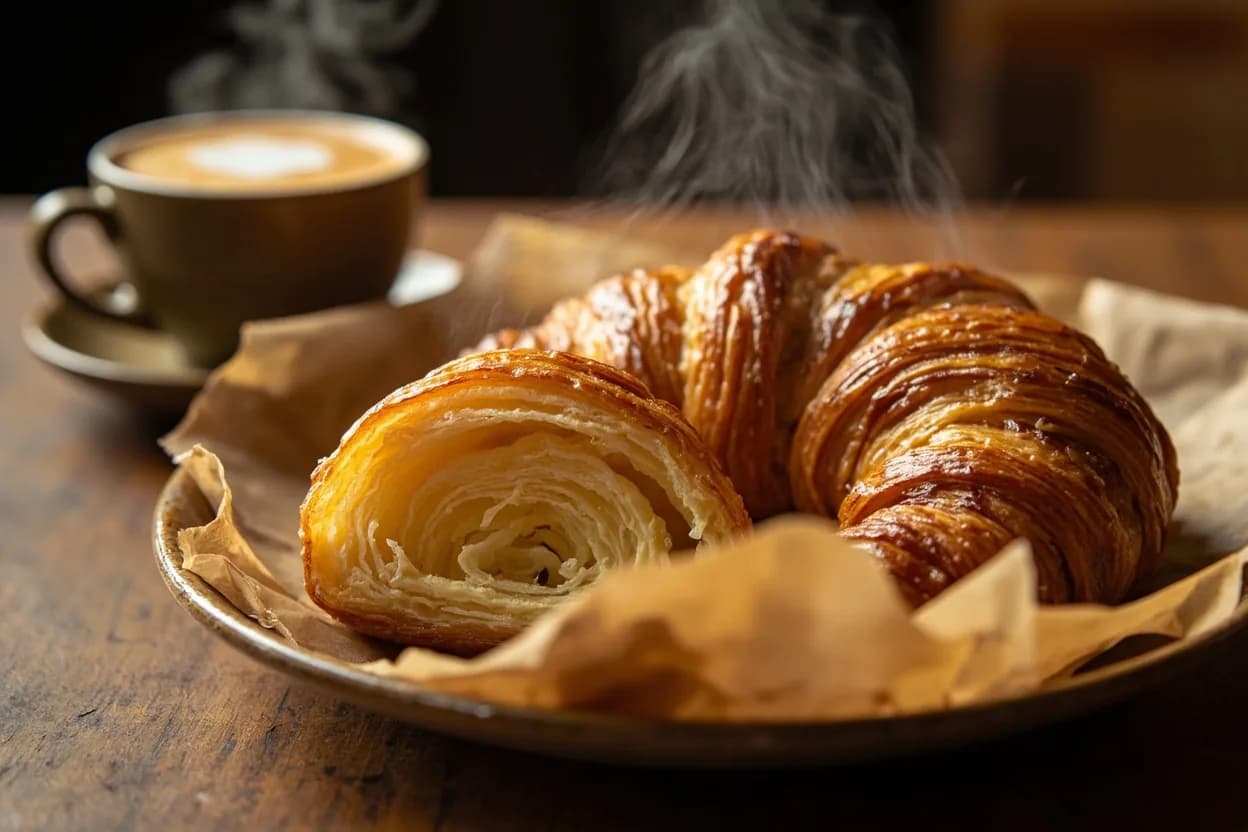
Related

Whisk
Beat ingredients smooth and aerated with a looping wire motion

Sift
Pass dry ingredients through mesh to aerate and remove lumps

Strain
Pour through mesh to separate solids from liquid for a smooth result

Filter
Pass liquid through fine material to clarify out the smallest particles

Rice
Press cooked potatoes through small holes for fluffy, lump-free texture

Mash
Crush soft cooked food into a rustic, creamy purée

Grind
Crush food into a coarse to fine texture, from spices to meat

Grate
Shred food into fine bits against a sharp-toothed surface