Prep & Assembly
Glazing
Coating food with a glossy, flavorful layer of reduced liquid, syrup, or fat.
Glazing coats food in a thin, shiny film of reduced sauce, syrup, butter, or egg wash that adds sheen, flavor, and color. Vegetables are glazed in butter and sugar until coated, hams are brushed with sweet syrups, and pastries get an egg glaze for a golden bake. The technique relies on reducing the liquid until it clings to the food rather than pooling around it.
Glazing is the art of finishing a food with a thin, glossy, intensely flavored film — a coating that looks decorative but is really a deliberate concentration of fat, sugar, stock, or gelatin into a clinging, glassy layer. The word covers surprisingly different techniques: buttery vegetables reduced in their own syrup, a ham brushed with sticky jelly in the last minutes of roasting, a fruit tart sealed with shimmering apricot nappage, a terrine capped with clear aspic. What unites them is the principle: a small amount of liquid is reduced until it barely clings, then either reduced further onto the food or brushed on as a finishing coat. The result is shine, depth of flavor, and (in many cases) a protective seal that slows drying or browning.
The behavior of a glaze depends entirely on its base. Sugar-based glazes caramelize between roughly 320–350°F (160–177°C) and scorch if applied too early; egg-wash glazes set at normal bread-baking temperatures and depend on the ratio of yolk to white for color depth; gelatin-based glazes (nappage, aspic) need to be warm enough to spread yet cool enough to set the moment they touch a cold surface. Knowing which kind you are working with — and when to add it — is the difference between a luminous finish and a scorched, weeping, or streaked one.
At its best, a glaze is barely there: a translucent film that amplifies color, concentrates flavor, and adds a faint textural contrast — a snap of sugar, a slick of jelly, a delicate set of gelatin. At its worst, it is a thick, sticky sauce hiding the food underneath. The cook's job is to keep the layer whisper-thin and let the underlying ingredient stay the star.
- Difficulty
- Easy
Types & varieties
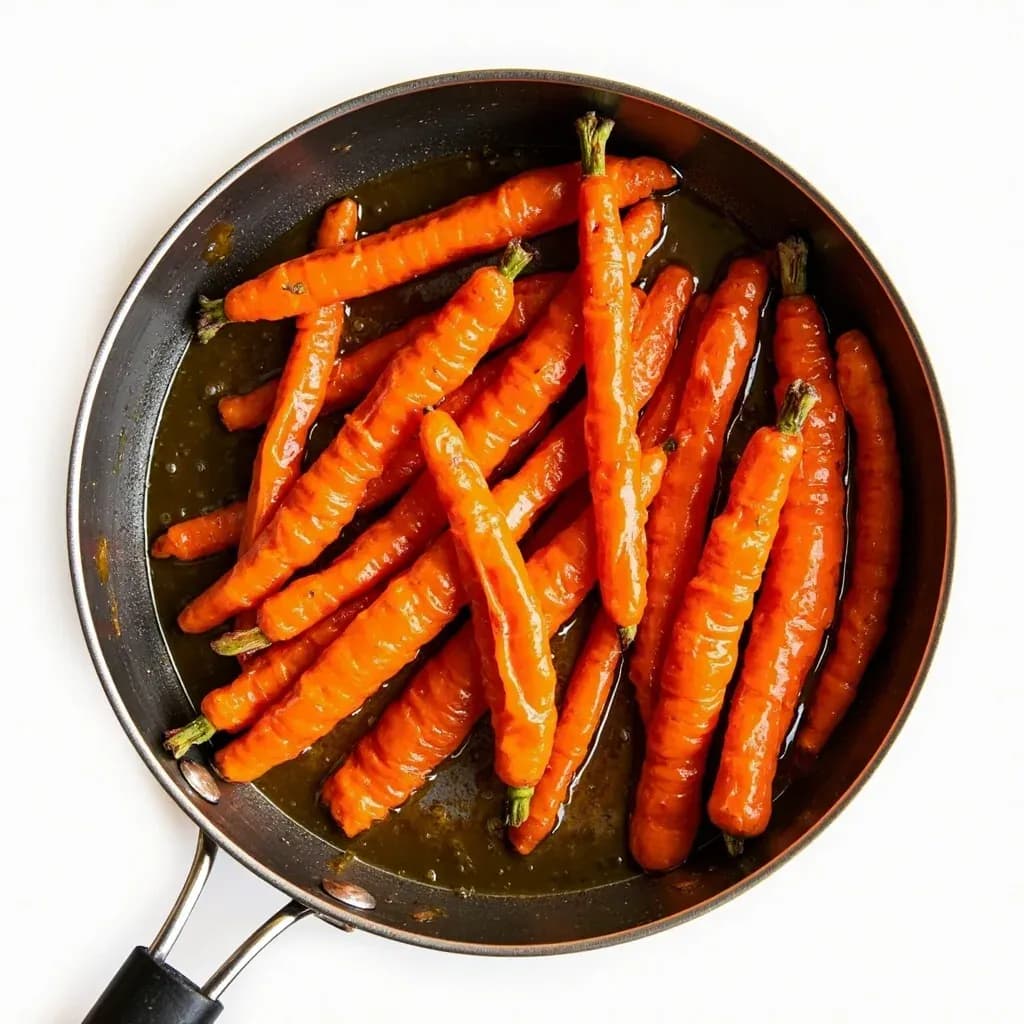
Mirepoix-cut or whole baby vegetables (carrots, turnips, pearl onions, Brussels sprouts) cooked in butter with a pinch of sugar and a splash of stock until tender and coated in a glossy, lightly caramelized syrup.
Heavily reduced brown stock from beef, veal, or chicken bones, cooked down to a syrup or jelly consistency and used to finish sauces and roasts.
Sweet-savory mixture of jelly, mustard, brown sugar, honey, maple syrup, and spices brushed onto scored ham, pork loin, or duck in the final 20–40 minutes of roasting.
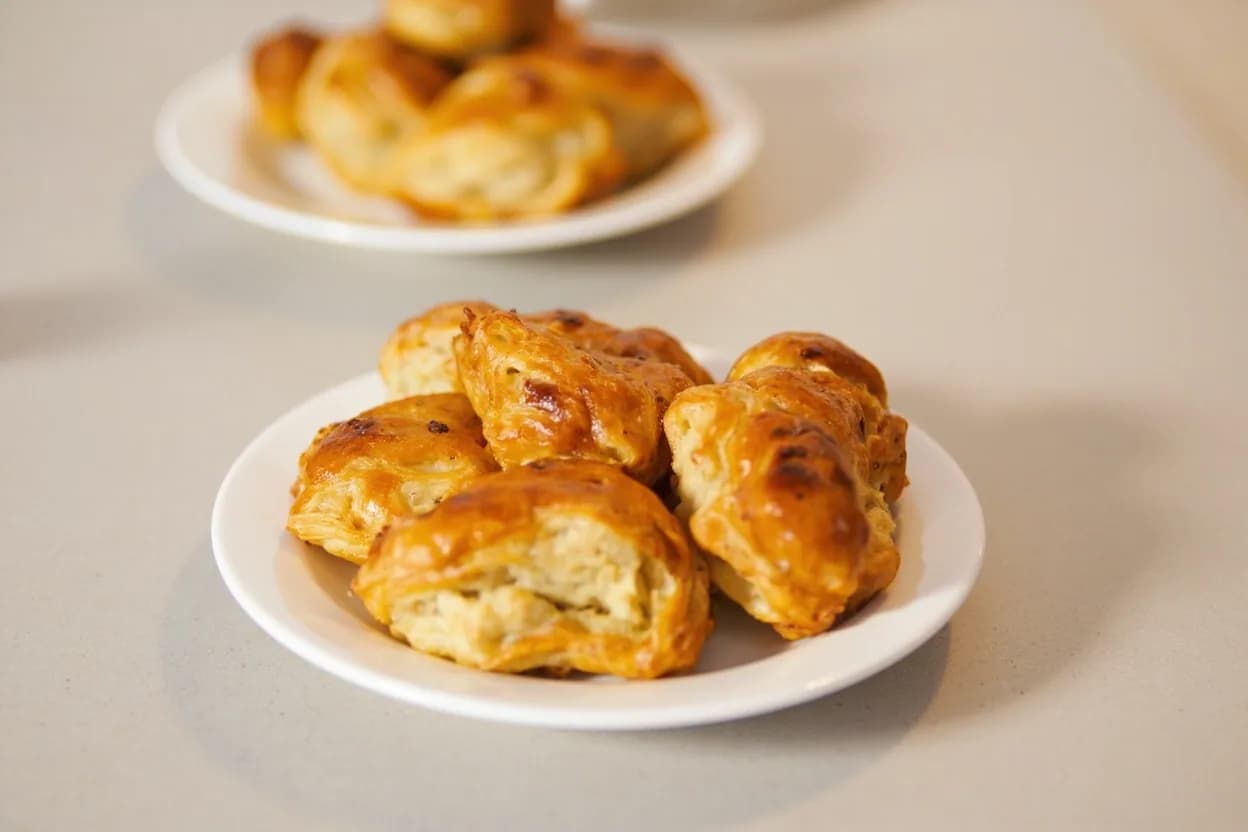
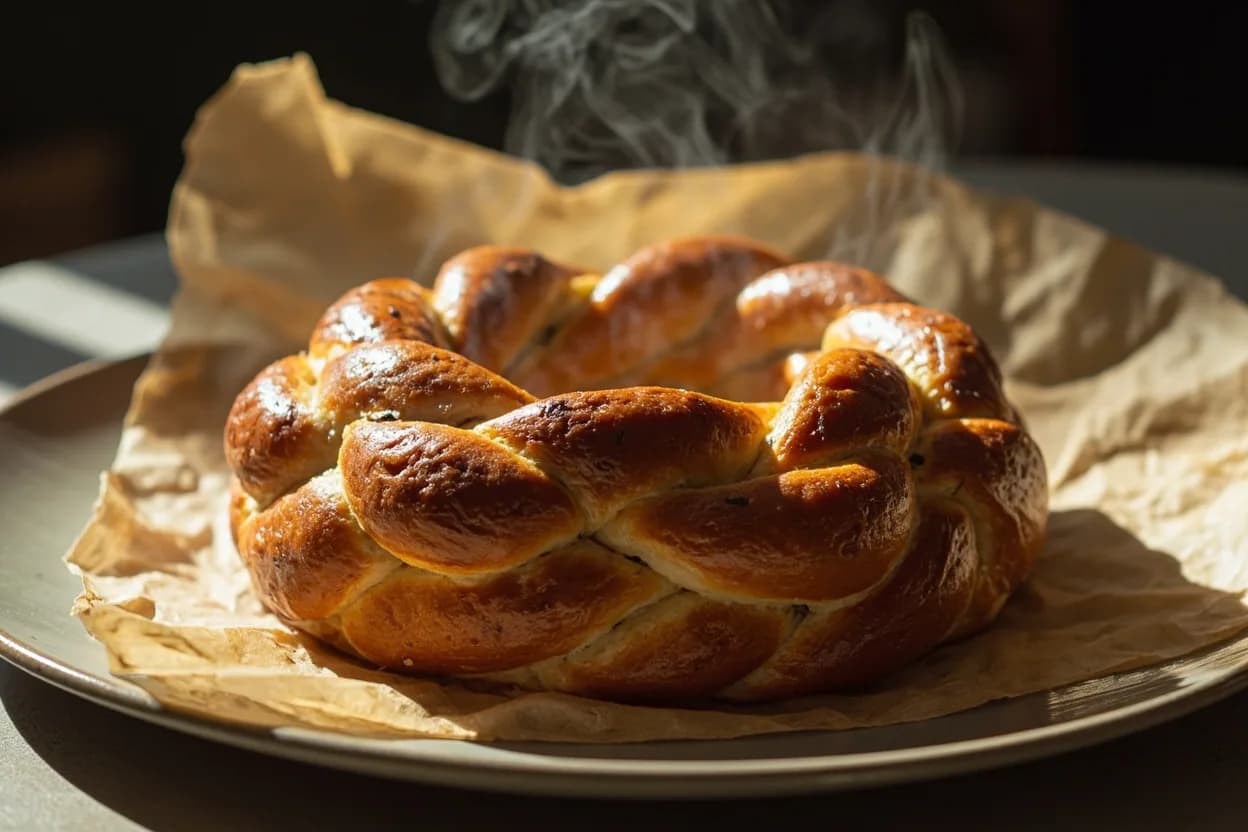
Whole egg, yolk, or yolk-plus-cream brushed onto pastry, brioche, and enriched breads before baking for a deep golden, glossy crust.
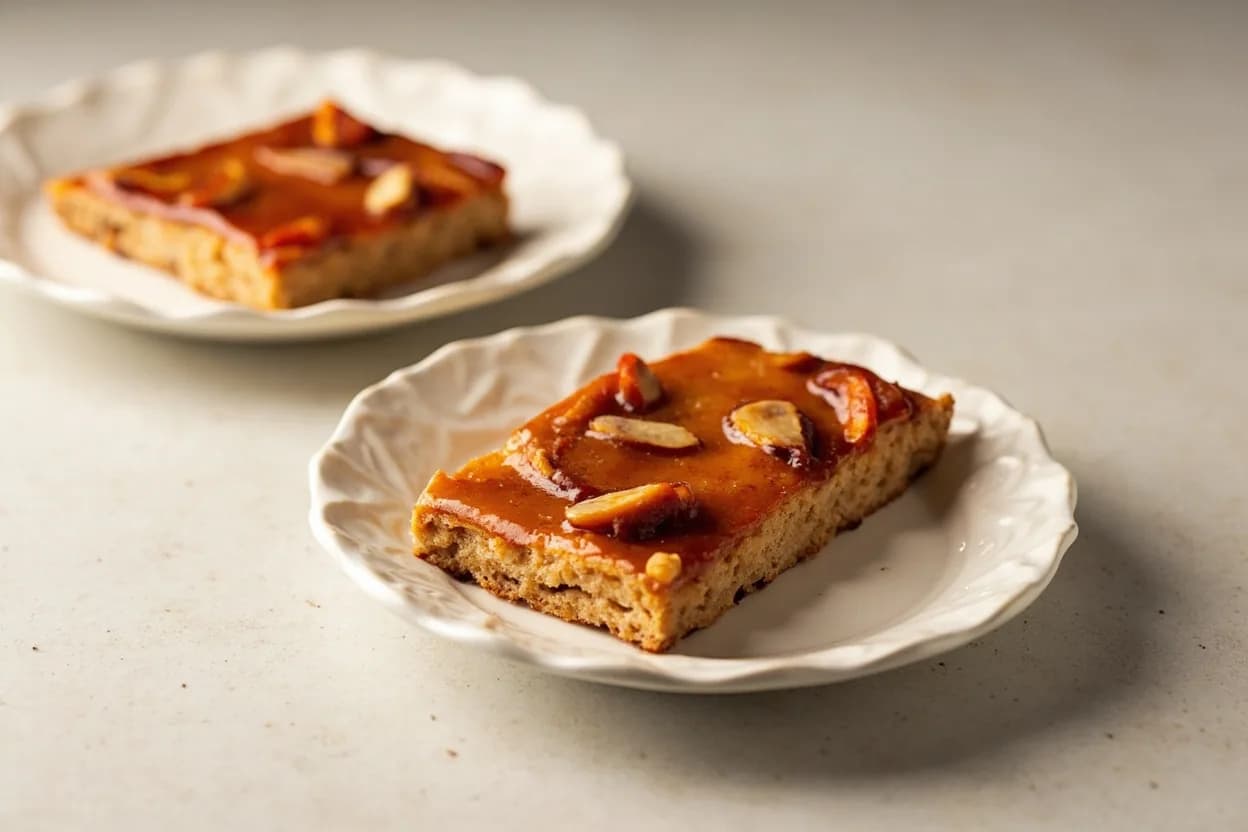
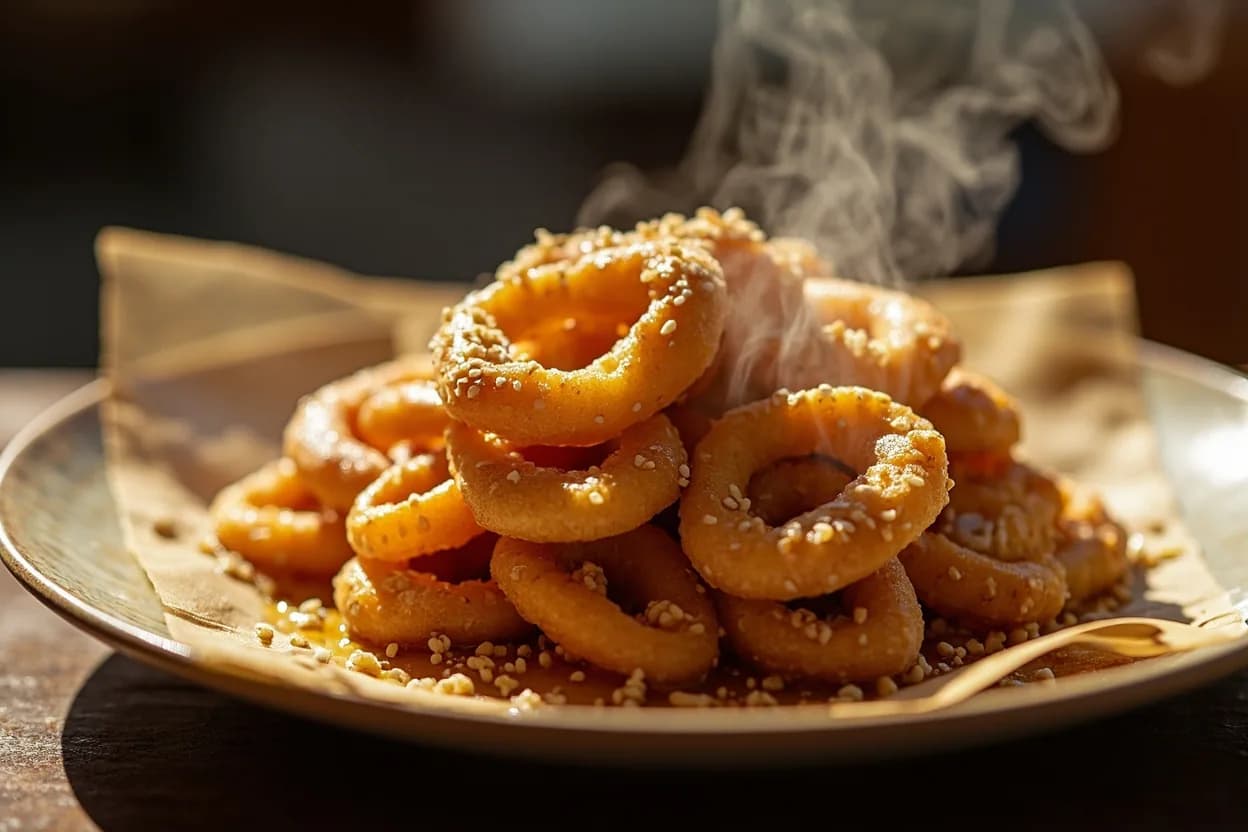
Light or heavy simple syrup brushed onto fruit tarts, or poured fondant used to coat cakes, petit fours, and doughnuts.
A clear, slightly gelled apricot, apple, or red currant jelly used to brush fruit tarts for professional shine and to slow oxidation.
Clear, seasoned meat or vegetable aspic poured over cold terrines, pâtés, and ballotines to set in a thin, jewel-like layer.
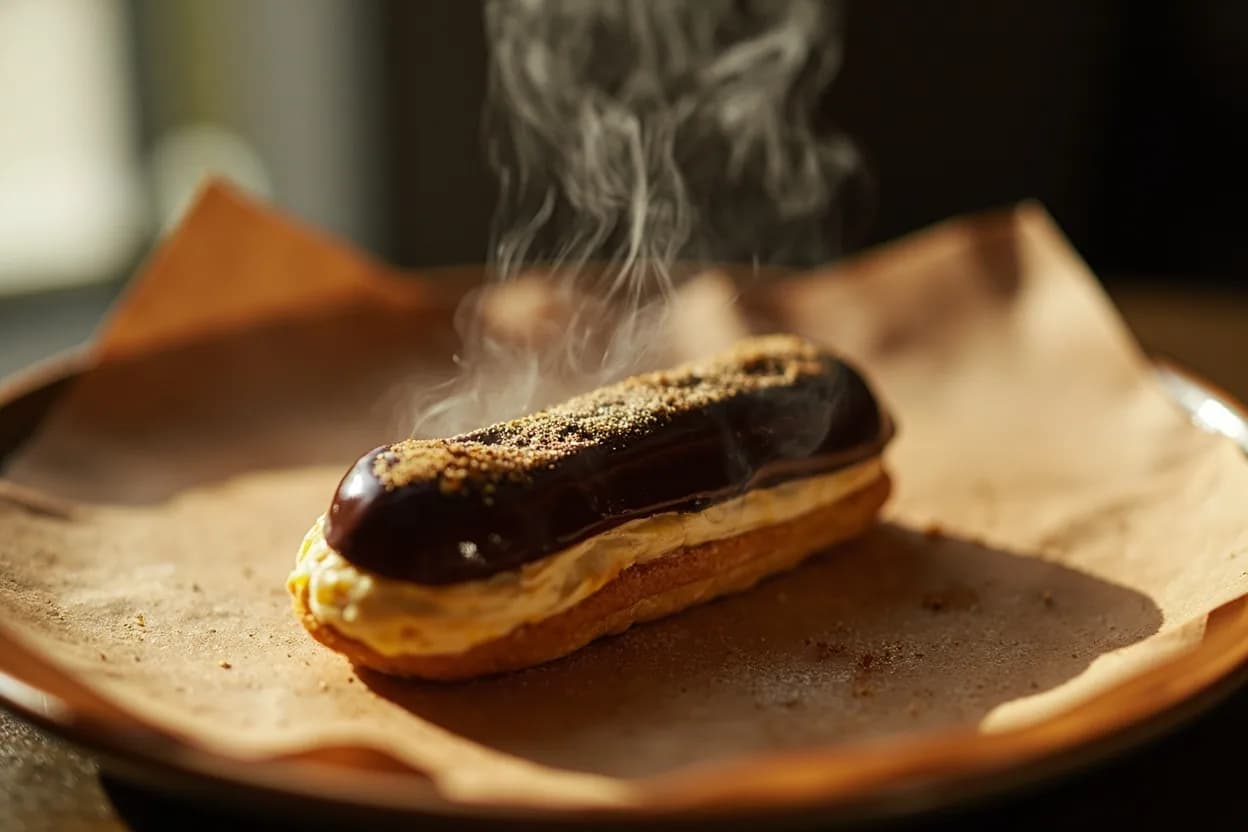
Tempered chocolate or ganache poured over cakes, éclairs, and doughnuts; tempered chocolate sets with a clean snap, ganache to a softer sheen.
High-sugar glaze applied before roasting or air-drying to promote deep mahogany color and crisp skin — the basis of Peking duck and char siu.
A reduction of vinegar, sugar, soy, or mirin cooked to syrup and used to finish vegetables, fish, or grilled meats.
How to do it
- 1
Choose and prep the food
Select uniform pieces so they cook at the same rate. Peel and trim vegetables into even shapes — batons, coins, or left whole if small. Score ham or duck skin in a crosshatch so the glaze penetrates and the fat renders evenly. Chill terrines thoroughly before applying aspic. Brush pastry with egg wash in a single even pass — do not let it pool in crevices.
- 2
Build the glaze base
For vegetables, melt a generous knob of butter in a wide sauté pan. For meat glazes, simmer stock, jelly, sugar, mustard, or wine together in a saucepan until smooth. For nappage, warm jam with a splash of water or lemon juice and strain through a fine-mesh sieve. For aspic, clarify and season a stock-based gelatin, then cool to a syrupy consistency.
- 3
Add the food and a splash of liquid
Toss vegetables in the butter, season lightly with salt, add a small pinch of sugar, then pour in just enough stock, water, or wine to barely cover the pan bottom — typically 1–2 tablespoons per pound. For meats, lay the scored protein in a roasting pan ready to receive its first coat. For pastry, apply the egg wash or nappage in a single confident stroke.
- 4
Cook covered to tenderize
Cover the pan and cook over medium heat until the food is just tender. The small amount of liquid steams the food while the butter-sugar mixture begins to cling. For meats, roast through to just below the target internal temperature; for pastry, chill the brushed item briefly so the wash dries to a tacky film before baking.
- 5
Uncover and reduce the glaze
Remove the lid, raise the heat, and let the liquid boil down to a syrupy consistency. Roll or toss the food so the syrupy liquid coats each piece in a thin, glossy film. For meats, brush on sweet glazes in 2–3 thin coats during the final 20–40 minutes of roasting, returning to the oven between coats so each layer sets and caramelizes.
- 6
Finish and serve
The food should be brightly colored, tender but not mushy, and glistening with a translucent, lightly tacky coating. For aspic-glazed items, pour a thin layer over the cold terrine and return to the refrigerator until set. For glazed meats, rest 10–15 minutes before carving so the glaze firms up and does not run off onto the board.
The science of the shine
Glazing works because of three related physical principles: concentration, surface tension, and (sometimes) gelation. As liquid reduces, water evaporates and sugars, salts, proteins, and gelatin concentrate until the remaining syrup becomes viscous enough to cling. Surface tension then pulls that syrup into a thin, even film across the food. In gelatin-based glazes (nappage, aspic), the cooled syrup has just enough set to hold its shape as a glassy layer. Sugar-based glazes rely on reaching the right window of the caramelization spectrum — too cool and the film is sticky and dull, too hot and it burns to bitterness.
- At 320°F (160°C), simple syrup begins to color and concentrate — the lower end of the glaze window.
- Between 340–350°F (171–177°C), most sweet glazes reach the deep amber color and clinging viscosity that signal 'done.'
- Above 350°F (177°C), sugars scorch and turn acrid — a glaze applied too early will burn before the food is cooked through.
Choosing the right tool for the job
The pan, brush, and strainer you use have an outsized effect on the quality of a glaze. A wide sauté pan or sautoire exposes more surface area, so liquid reduces faster and the syrup concentrates before the food overcooks. A natural-bristle pastry brush lays down egg wash and nappage more evenly than silicone, which can leave streaks. A fine-mesh sieve is essential for clear finishes: a single piece of fruit pulp or undissolved gelatin will mar an otherwise perfect shine.
Sweet versus savory glazes
Sweet glazes (jams, honey, maple, brown sugar, maltose) are applied late in cooking because their sugars burn easily. Savory glazes (reduced stock, soy-mirin, balsamic) are more forgiving and can often be added earlier or even used as a finishing drizzle. Aspic and nappage form a third category: they are not cooked onto the food at all, but simply poured or brushed on warm so the gelatin (or natural fruit pectin) sets as it cools against a chilled surface.
Common uses
Tips & pitfalls
- Use a wide pan for vegetable glacing — a crowded pan will steam the food rather than reduce the syrup to a glaze.
- Add sugar in small pinches: too much turns the dish into candy; the goal is a faint caramel note, not overt sweetness.
- Save the lid-off, high-heat reduction for the final minutes — this is when the syrup clings to the surface and the shine develops.
- Apply sweet glazes to ham, pork, and duck only in the final 20–40 minutes of cooking; sugars scorch above roughly 350°F (177°C).
- Strain nappage and meat glazes through a fine-mesh sieve so they apply in an even, blemish-free film.
- Use a natural-bristle brush for egg wash — silicone can leave streaks. A soft brush (natural or fine synthetic) gives a smoother nappage coat.
- For an aspic glaze, chill the aspic to the point of thickening but not fully set, then pour over a cold terrine in a thin layer and return to the fridge to finish setting.
- Common mistake: applying the glaze too early. Most sweet glazes should be added only when the surface is nearly cooked through, otherwise they scorch and turn bitter.
- Common mistake: over-reducing. A glaze that looks syrupy on the spoon can harden to a tacky paste on the plate — pull it off the heat while it still flows easily.
- For a chocolate glaze, the chocolate must be evenly tempered or the surface will streak, bloom, and lose its mirror shine as it sets.
Good to know
- French term
- Glacer (verb) — 'to glaze' or 'to ice'
- Primary categories
- Sweet glazes (sugar or jam-based), savory glazes (stock or jelly-based), and gelatin-based glazes (nappage and aspic)
- Sugar glaze temperature window
- Most sugar glazes caramelize between 320–350°F (160–177°C); they scorch above ~350°F / 177°C
- Egg-wash set point
- Egg-wash glazes set at normal bread-baking temperatures, around 400–425°F (200–220°C)
- Liquid ratio for vegetable glacing
- Roughly 1–2 tablespoons of liquid per pound of vegetables — just enough to steam, then reduce
- Reduction target
- The surrounding liquid should reduce to a syrup that clings to a spoon before the pan comes off the heat
- Storage
- Glazed vegetables are best served immediately; ham glazes keep refrigerated 3–4 days; pastry nappage keeps in a jar up to 2 weeks
- Difficulty
- Beginner-friendly for vegetable glacing; intermediate for ham and pastry glazes; precision required for aspic and tempered chocolate
Also called
Glasieren
Dishes that rely on it
Related

Whisk
Beat ingredients smooth and aerated with a looping wire motion

Sift
Pass dry ingredients through mesh to aerate and remove lumps

Strain
Pour through mesh to separate solids from liquid for a smooth result

Filter
Pass liquid through fine material to clarify out the smallest particles

Rice
Press cooked potatoes through small holes for fluffy, lump-free texture

Mash
Crush soft cooked food into a rustic, creamy purée

Grind
Crush food into a coarse to fine texture, from spices to meat

Grate
Shred food into fine bits against a sharp-toothed surface