
Prep & Assembly
Stir
Move ingredients in a circular motion to blend or prevent sticking
Stirring moves food in a circular motion to blend ingredients, distribute heat, or keep something from sticking and scorching on the bottom of the pan. It's the most constant motion at the stove. Reach the corners and the bottom of the pan, where food sticks first.
Stirring moves food in a circular motion to blend ingredients, distribute heat, or keep something from sticking and scorching on the bottom. It's the most constant motion at the stove. Reach the corners and bottom of the pan, where food sticks first.
- Difficulty
- Easy
How to do it
- 1
Use a utensil that reaches the pan corners.
- 2
Move in a steady circular or figure-eight motion.
- 3
Drag across the bottom where food sticks first.
- 4
Stir more often as the mixture thickens.
Common uses
Tips & pitfalls
- Stir custards and thick sauces constantly so they don't catch.
- Risotto needs near-constant stirring to free its starch.
- Stop stirring sautés when you want browning, not steaming.
Good to know
- Tool
- Spoon, spatula, or whisk
- Best for
- Sauces, risotto, custards, sautes
- Cue
- Nothing sticks or scorches; even heat
Also called
stir together
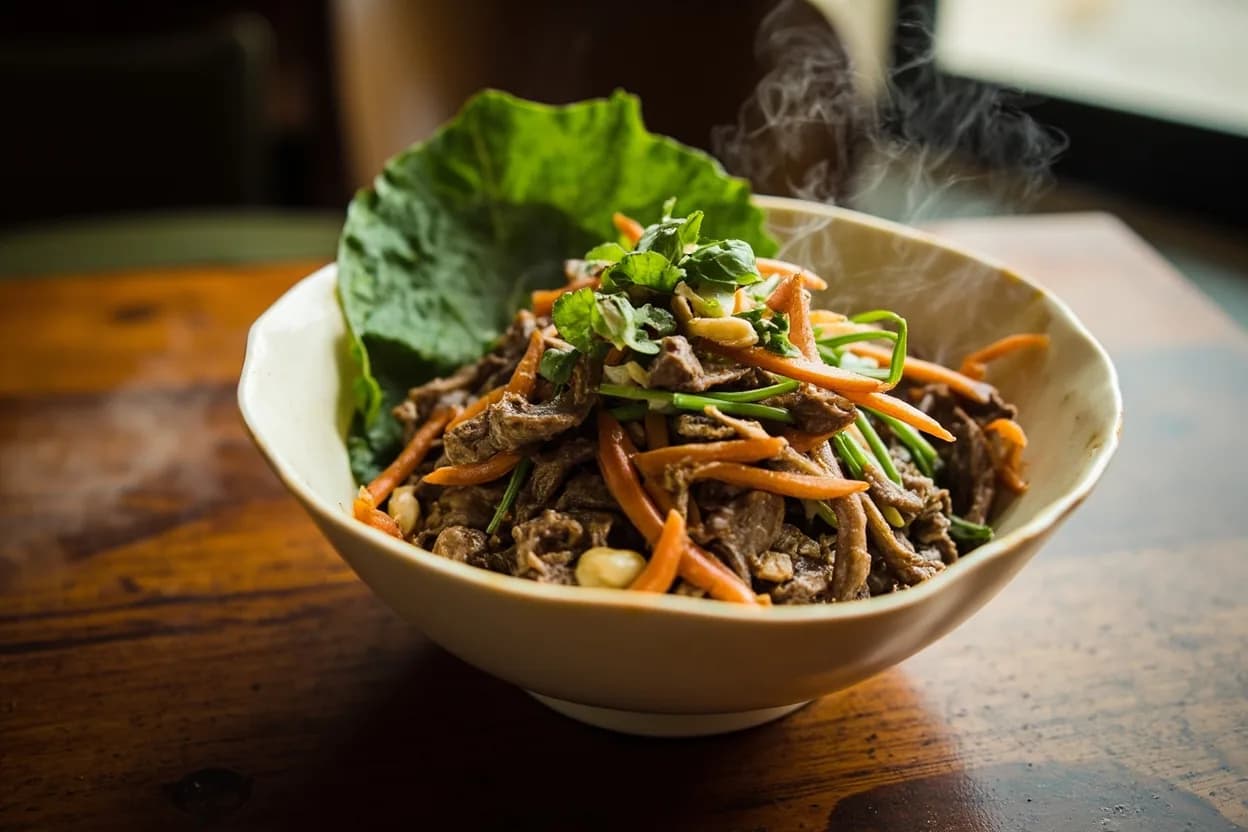
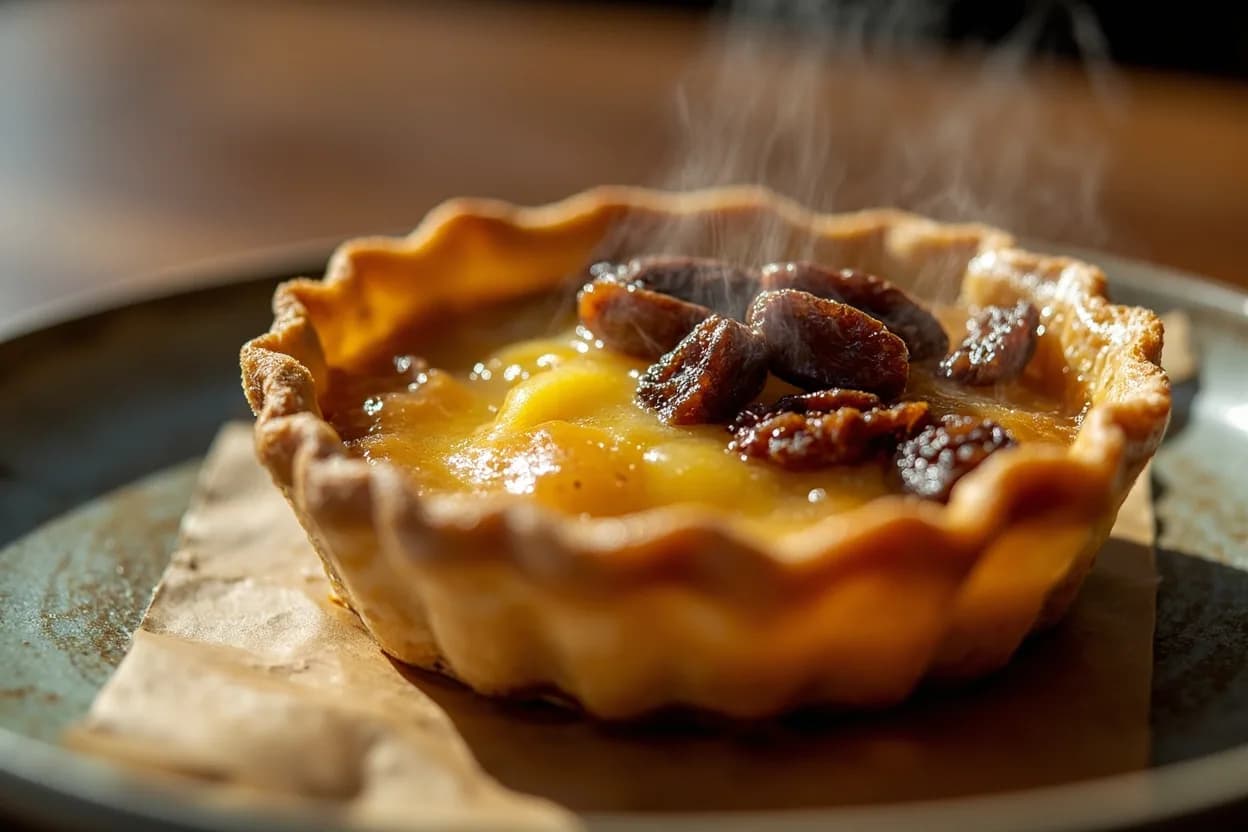
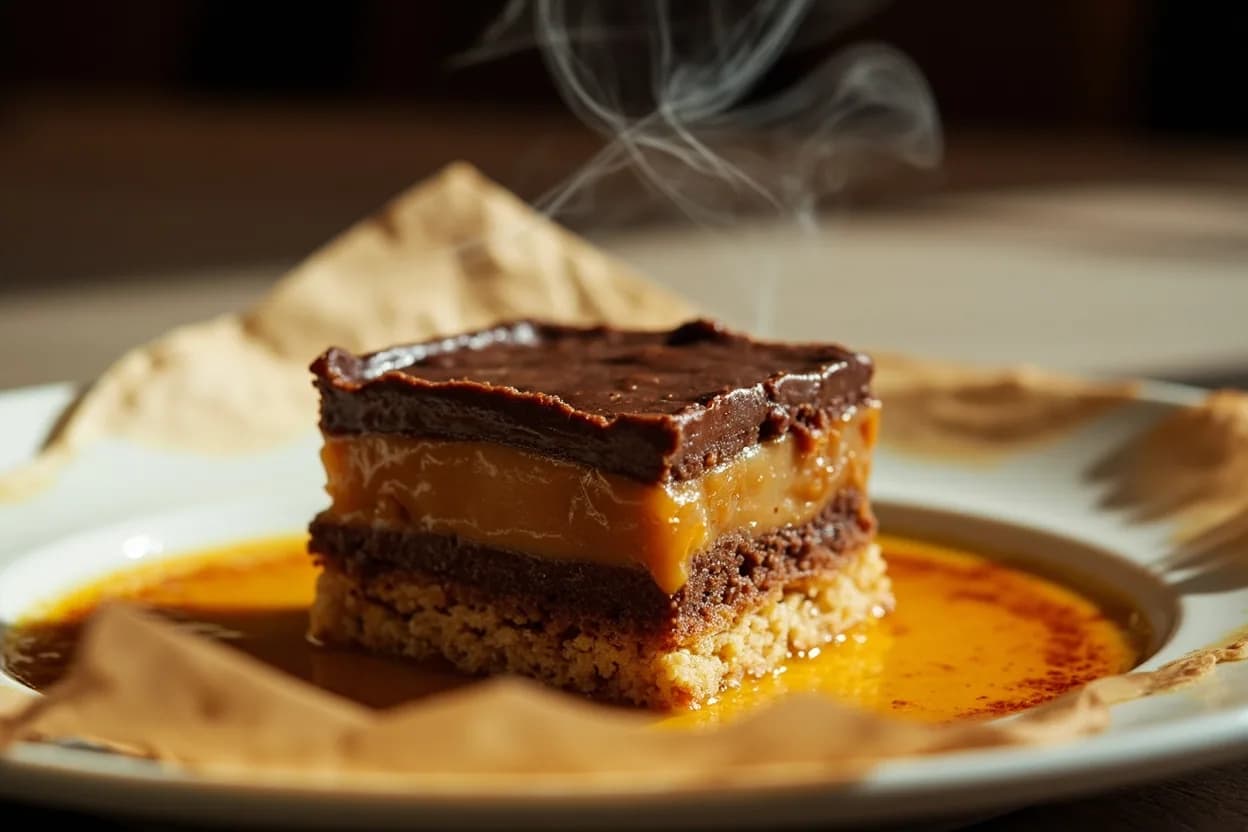
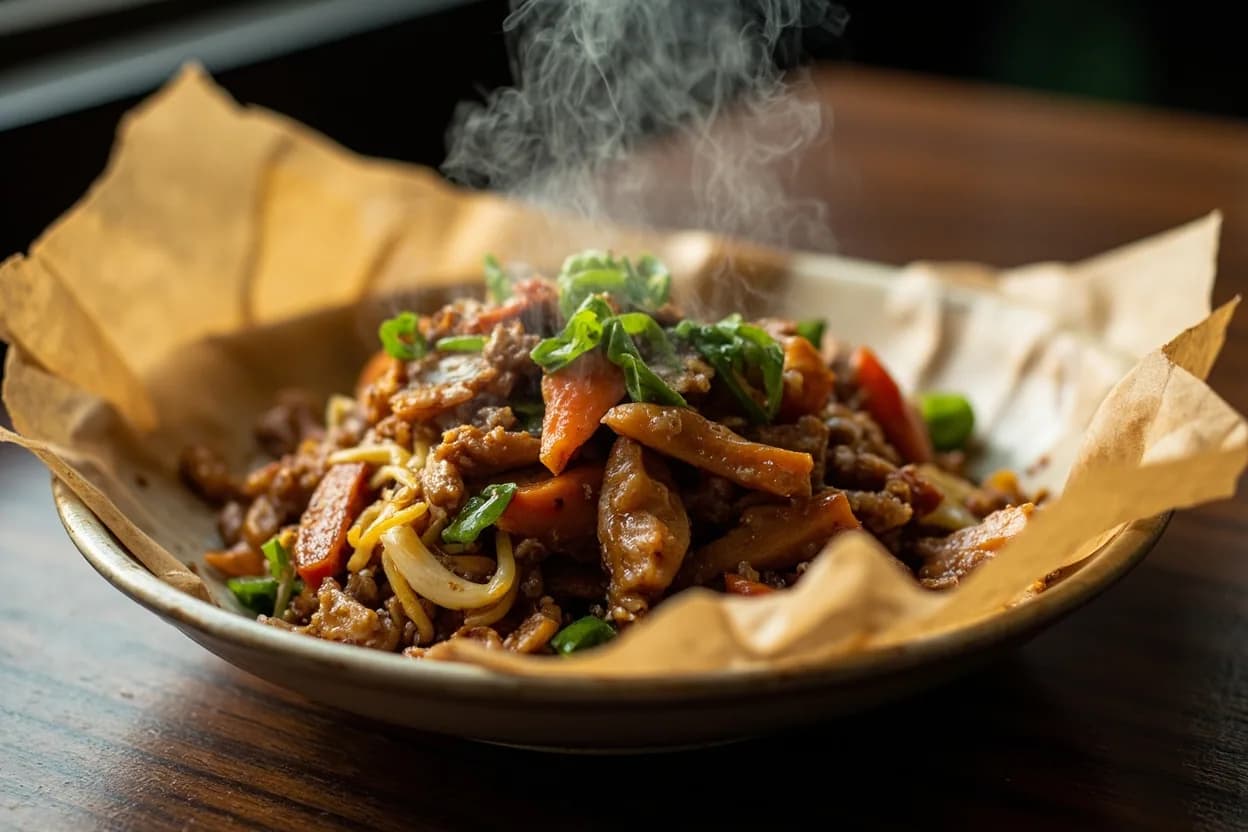
Dishes that rely on it
Related

Whisk
Beat ingredients smooth and aerated with a looping wire motion

Sift
Pass dry ingredients through mesh to aerate and remove lumps

Strain
Pour through mesh to separate solids from liquid for a smooth result

Filter
Pass liquid through fine material to clarify out the smallest particles

Rice
Press cooked potatoes through small holes for fluffy, lump-free texture

Mash
Crush soft cooked food into a rustic, creamy purée

Grind
Crush food into a coarse to fine texture, from spices to meat

Grate
Shred food into fine bits against a sharp-toothed surface