Transform & Preserve
Dry Salting
Coating food in salt to pull out water for preservation, firming, or removing bitterness.
Dry salting applies salt directly to a food to osmotically draw out its moisture, used to preserve fish and vegetables, firm up cabbage for kimchi, or purge bitterness and water from eggplant and cucumbers. Unlike a wet brine it uses no added liquid, relying on the salt to create its own brine from the food's juices. The expelled liquid is usually rinsed or pressed off before the next step.
Dry salting is one of the oldest preservation techniques in the kitchen: coating food directly with dry salt so that osmosis pulls moisture out of the cells, lowering water activity to a level where spoilage organisms cannot grow. The salt draws liquid to the surface, where it pools and drains away, leaving behind a denser, more concentrated product that is inhospitable to bacteria, yeasts, and molds. Beyond preservation, that same osmotic action seasons food deeply, firms delicate proteins, and leaches bitter or watery compounds from vegetables.
In practice, dry salting splits into two registers. Long applications—months or years—transform fresh meat or fish into shelf-stable charcuterie and salt cod. Short applications—minutes to a day—do the practical work of everyday cooking: seasoning a chicken all the way to the bone before roasting, collapsing a watery zucchini into something that will actually brown in a skillet, or stripping the harshness from eggplant. The chemistry is the same in both, but the precision required is not. A quick vegetable salt is forgiving; a multi-month ham cure is not.
- Difficulty
- Easy
Types & varieties
Salt rubbed into pork, beef, game, or duck for products like prosciutto, jamón, country ham, bresaola, coppa, and pancetta.
Whole split cod packed in heavy salt to draw out water; rehydrated by soaking 24–72 hours in cold water before cooking.
Used on cabbage to start sauerkraut, eggplant to remove bitterness, cucumbers to begin lacto-fermentation, and grated zucchini for fritters and cakes.
Light salting of meat or poultry hours before cooking to season deeply, dry the surface for better browning, and improve juiciness.
Salt blended with sugar, spices, and curing salt for pastrami, dry-corned beef, and bacon.
Salt, sugar, and dill packed onto salmon for 48–72 hours—a 'true' gravlax is dry-cured, not brined.
How to do it
- 1
Select the appropriate salt
Choose non-iodized kosher, fine sea, or pickling salt for general use. For long meat cures over 30 days, blend in Prague Powder #1 or #2 at the precise ratio specified by your recipe—typically 0.25% of the meat's weight for #1, or as directed for #2. Keep curing salts clearly labeled and stored apart from table salt.
- 2
Prepare the food
Trim excess fat, remove blood spots or loose pieces, and pat the surface very dry with paper towels. Weigh the food on a kitchen scale so you can calculate exact salt quantities. For vegetables, slice to the thickness your recipe calls for; thinner slices release water faster.
- 3
Measure salt by weight
Calculate 2.5–3.5% of the food's weight for whole muscle meat cures, 3–4% for small fish or poultry, and 1–2% for dry brining. For vegetables, a generous coating (about 1–2 tablespoons per pound) is typical. Volume measures are unreliable—use a scale.
- 4
Apply the salt
Rub salt thoroughly over every surface, pressing it into crevices and thicker areas where cure penetration is slower. For whole hams and large fish, pack a thick salt-and-cure mixture into a tray and bury the food in it so it cures evenly on all sides.
- 5
Rest under cure
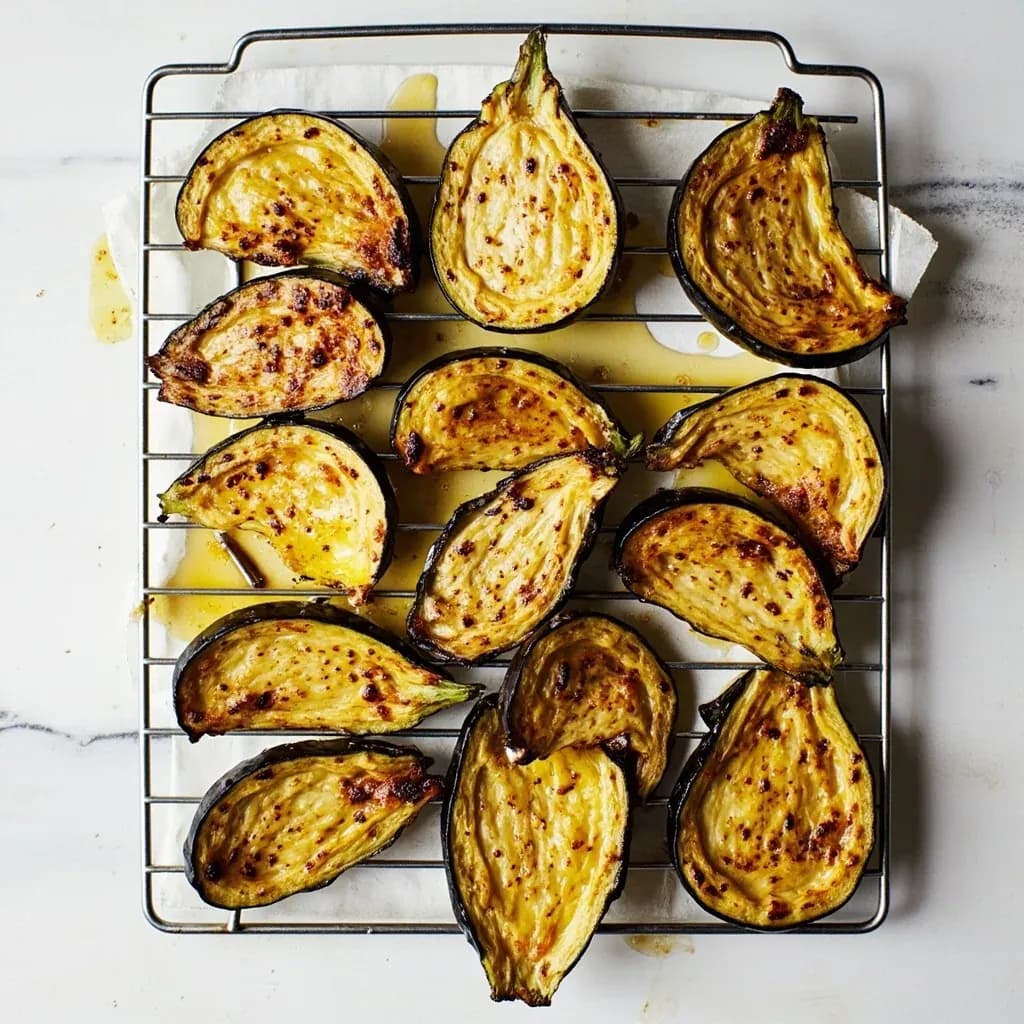
Place salted food on a rack set over a tray to catch drawn-out liquid. For meat cures, refrigerate at 34–40°F (1–4°C); for vegetable cures, leave at room temperature 1–4 hours, weighted down with a plate and a weight to press out moisture.
- 6
Turn and reassess (long cures)
For meat cures lasting more than a week, flip the food every 3–7 days and re-pack with fresh salt if the original has fully dissolved into liquid. Monitor for off odors, sliminess, or unexpected color changes—any of these means the cure is compromised.
- 7
Remove salt and rinse
Once the cure is complete, brush off loose salt and rinse briefly under cold water. Pat dry. For salt cod and other heavily salted foods, begin the desalting soak now, changing the cold water several times over 24–72 hours until a small taste is pleasantly saline, not briny.
- 8
Dry, hang, or cook
Dry-brined items can be cooked immediately. Long-cured meats should be air-dried, then hung or stored in a controlled curing chamber at 55–60°F (13–16°C) and 60–75% humidity to finish. Vegetable cures are typically rinsed, squeezed dry, and used in their recipe.
Dry salting vs. brining vs. pickling
These three methods get confused, but each preserves food through a different lever. Dry salting works by removing water—osmosis pulls liquid out of the cells, and the lowered water activity keeps microbes from multiplying. Brining works in the opposite direction: submerging food in saltwater pushes salt and moisture back into the cells, seasoning deeply and keeping lean meats juicy during cooking. Pickling preserves through acid, either from vinegar or from lactic fermentation; salt is sometimes involved at the start (as in sauerkraut), but the preserving agent is the resulting pH drop. A salt-cured ham and a vinegar-pickled cucumber look like cousins in a deli case, but they got there by completely different chemistry.
- Dry salting: removes water, lowers water activity, preserves by dehydration.
- Brining: adds salt and water, seasons and moisturizes, does not preserve long-term at refrigerator strengths.
- Pickling: preserves by acid (vinegar or lactic fermentation); salt is often a supporting player, not the main agent.
Safety with curing salts
Plain salt will preserve meat safely when the cure is long enough and the conditions are right—think ancient hams hung in Mediterranean caves. In modern home practice, however, salt alone is not a reliable safeguard against Clostridium botulinum in anaerobic conditions, so recipes for cured meats call for measured amounts of Prague Powder #1 or #2. These contain sodium nitrite (and, in #2, sodium nitrate) at fixed dilutions so that the cook can weigh out a precise, safe dose. Over-dose is genuinely toxic, and under-dose allows risk. The cure is only as safe as the kitchen scale measuring it.
- Weigh curing salts on a scale that reads to the gram; do not estimate by spoon.
- Store Prague Powder #1 and #2 away from regular salt—they look identical and a mix-up is dangerous.
- Use #1 for short cures (under 30 days); use #2 only for long, dry-aged cures where nitrate slowly converts to nitrite.
- If a recipe does not call for curing salt, do not add it; it is not appropriate for vegetables, fish cures under a few days, or dry brining.
Common uses
Tips & pitfalls
- Always weigh food and salt on a kitchen scale—volume measurements are unreliable for cures and lead to under- or over-salted results.
- Use kosher, sea, or pickling salt; iodized table salt and anti-caking agents cause off-flavors, discoloration, and bitter pockets.
- Pat food very dry before salting—surface water dilutes the cure and slows osmosis before it can do its work.
- Cure meat fat-side up so that moisture and salt migrate evenly downward through the lean; flip thick cuts every few days.
- Keep curing meat at a stable 36–38°F (2–3°C); temperature swings cause uneven texture and raise spoilage risk.
- For salt cod, soak in several changes of cold water for 24–72 hours—rushing this step leaves the fish too briny to eat.
- Rinse or brush off residual salt before cooking, unless the recipe deliberately calls for a salty finish.
- Do not confuse dry salting with pickling—dry salt preserves by removing water, while pickling preserves with acid.
Good to know
- Mechanism
- Osmosis draws moisture out of cells, lowering water activity (aw) below ~0.86, where spoilage bacteria and Clostridium botulinum cannot grow.
- Salt-to-meat ratio (whole muscle)
- Typically 2.5–3.5% salt by weight for whole muscle cures, often combined with 0.25% curing salt for safety and color.
- Curing temperature
- 34–40°F (1–4°C) for meat; cool slows bacterial growth while still allowing slow enzymatic tenderization.
- Curing humidity
- 60–75% relative humidity for dry-cured hams—too dry creates a hard rind, too humid invites mold and rot.
- Curing salt
- Prague Powder #1 (6.25% sodium nitrite) for short cures under ~30 days; Prague Powder #2 (nitrite + nitrate) for long dry cures lasting months or years.
- Salts to avoid
- Iodized table salt (off-flavors and discoloration) and salts with anti-caking agents, which cause bitter pockets and uneven cure penetration.
- Time range
- 30 minutes to 24 hours for vegetables and dry-brined poultry; 1–7 days for small salumi like coppa and pancetta; 12–36 months for whole prosciutto-style hams.
- Yield loss
- Whole dry-cured hams lose 25–35% of their fresh weight over a long cure through moisture migration and evaporation.
Also called
Salting · Dry-Salting
Dishes that rely on it


Related

Confit
Cook slowly submerged in fat for silky tenderness and keeping

Cure
Draw out moisture with salt and time to preserve and concentrate

Pickle
Steep in acidic brine for bright, tangy, crunchy preservation

Ferment
Let friendly microbes transform food into tangy, complex flavor

Marinate
Soak in a seasoned mix to flavor and tenderize before cooking

Brine
Soak in salt water so meat stays juicy and seasoned throughout

Dehydrate
Slowly dry out moisture to concentrate flavor and extend shelf life

Cold-Smoke
Perfume cured food with smoke without cooking it through