Proteins
Salt Cod
Cod preserved by salting and drying; soaked then used in fritters, stews and brandade.
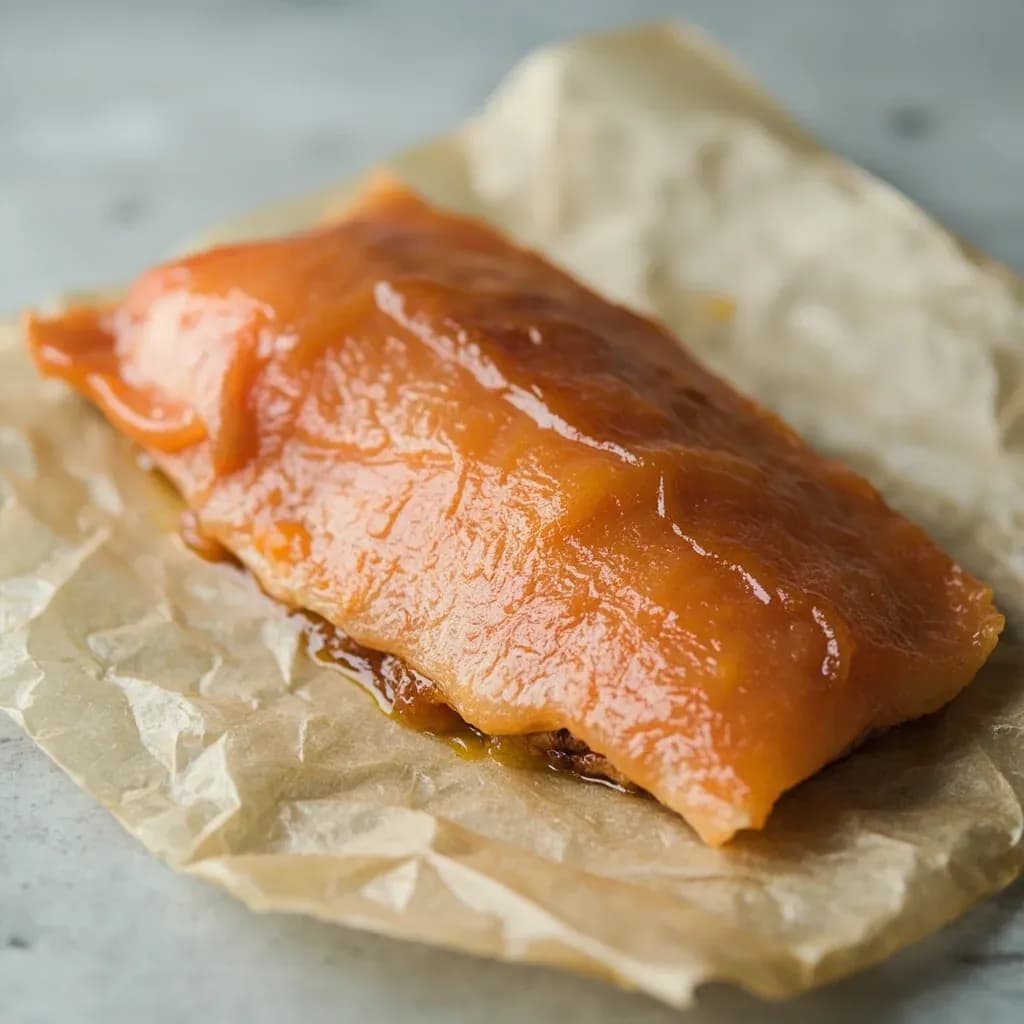
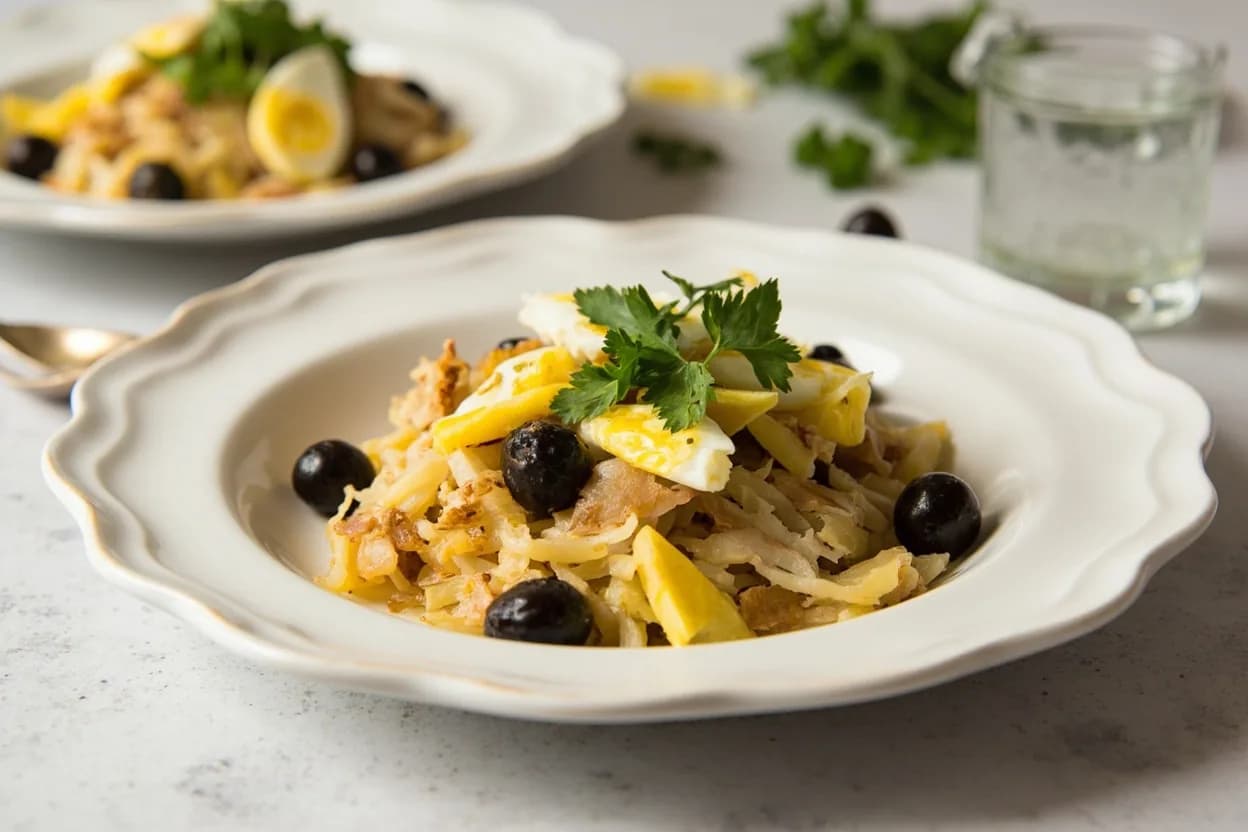
Salt cod is cod fillet cured in salt and dried for long preservation, a cornerstone of Portuguese, Italian, Spanish and Caribbean cooking. It must be soaked in several changes of water to rehydrate and desalt before use in dishes like bacalhau à brás, baccalà mantecato and brandade. Salting gives it a firm, distinctive flavor unlike fresh cod.
Salt cod is whole cod — almost always Atlantic, sometimes Pacific — that has been gutted, heavily salted, and dried on outdoor racks until it hardens into stiff, board-like planks. From the late Middle Ages onward it was the only reliable way to move fish from cold northern waters into warm southern markets, and it built the fortunes of Basque, Portuguese, Norwegian, and Newfoundland fishing towns. Today it survives not as a necessity but as a delicacy prized for what drying does to the flesh: the proteins tighten, the fibers firm, and the flavor concentrates into something clean, briny, and unmistakably marine — a flavor profile that has no real parallel in fresh fish.
In the kitchen, salt cod is a two-stage ingredient. First it must be soaked — usually 24 to 48 hours with several water changes — to leach out the curing salt and let the flesh rehydrate. Done properly, the fish plumps back to a milky-white, flaky texture with a whisper of the sea; done carelessly, it is either punishingly salty or oddly flat. Once desalted, it cooks quickly and rewards gentle heat: a brief poach, a slow braise, or a quick fry. It turns rubbery the moment it is overcooked, which is the single most common error a cook makes with it.
A few distinctions pay off before you begin. The Portuguese grade the whole fish by thickness and cure; Norwegians press the salted fish flat on rocks (klippfisk) for a denser, milder loin; Icelanders produce a lighter, more delicate cure. None of this matters, however, if the piece you buy is yellowed, ammoniated, or ancient. Treat soaking as a ritual, not a chore, and salt cod will deliver one of the most distinctive proteins in any cuisine.
- Measured in
- g
- Storage
- Pantry
Allergens
Types & varieties
Premium whole salted cod with thick, white loins and a long cure; sold by grade (Extra, Primeira, Segunda) and considered the connoisseur's choice
Salt-cured then pressed and dried on flat rocks; dense, very white, and mild — the classic for brandade
Lightly salted, often sold in flat fillets; cleaner salt profile and more delicate flavor
Heavy-salted and sun-dried on wooden flakes; often pollock-based for the cheaper "light cure"; stronger, more pungent flavor
Pre-prepared retail product; convenient but more expensive and slightly drier in texture
In Italy, this almost always means salt cod from Norway; fresh cod is stoccafisso or merluzzo, depending on region
Air-dried without salt; soaked the same way but carries no built-in salinity and has a chewier texture
Buying and Grading
Salt cod is sold whole, in thick center-cut loins, in thin tail pieces, or boneless and skinned. Thicker pieces are the easiest to soak evenly and flake cleanly, so center-cut loins are worth the premium for most home cooking. In Portuguese markets, bacalhau is graded Extra (thickest, whitest, best), Primeira, and Segunda; the top grade commands a serious price and is what restaurants use for dishes where the fish itself is the star, like bacalhau à Brás or baccalà alla vicentina.
- Look for creamy white to pale ivory flesh; yellow or amber means oxidation and should be avoided
- The surface should smell like a clean ocean breeze, never ammoniated or sour
- Whole fish and loins rehydrate better than thin tail pieces, which can turn mushy
- Pre-skinned, boneless salt cod is a convenience product — fine in a pinch, but slightly drier and pricier per pound of usable flesh
Soaking and Desalting
Soaking is the entire game with salt cod. Skip it or rush it and the dish is ruined. The standard method is cold water in a non-reactive container, skin-side up so the denser back flesh sits down where the water can work on it, with the water changed 3 to 4 times over 24 to 48 hours. Thicker loins need the full two days; thinner tail pieces may be ready in 18 to 24 hours. Refrigerate the soak in warm weather to keep the fish safe and to slow any off-flavor development.
- Always test a pinch of the thickest part before cooking — it should taste like the sea, not like a salt lick
- Pull the bones out after soaking, not before; they release cleanly from rehydrated flesh
- Skin peels away easily once the fish is fully soaked — just grip a corner and pull
- Reserve a bowl of cold milk for a final 30-minute soak when making brandade or mantecato; the milk softens the saline edge and rounds the flavor
- Drain the soaked fish very well and squeeze gently in a clean towel before making fritters — excess water makes the batter weep
Salt Cod vs. Stockfish
These two preserved cods are often confused, even in markets, and recipes written for one will not work with the other. Salt cod (bacalhau, baccalà) is cured with heavy salt before drying, so it arrives with substantial built-in salinity that must be soaked out. Stockfish (stoccafisso) is unsalted — cod dried on outdoor racks in cold air — so it has no salt to lose and none to add. Stockfish is chewier, more fibrous, and slightly sweeter; in Italian cuisine, the famous baccalà alla vicentina from Vicenza is actually made with stoccafisso, not salt cod, despite its name.
- If a recipe calls for baccalà and you can only find stoccafisso, you must add salt to the cooking liquid and adjust to taste
- Stockfish soaking is identical in method but takes considerably longer — typically 3 to 5 days, sometimes more — and benefits from a final soak in milk-laced water
- Venetian baccalà mantecato is the regional exception: it is made with stockfish and treated like a brandade. Otherwise, the two are not freely interchangeable, and the salt differential will throw off a dish built for the other
Common uses
Tips & pitfalls
- Soak skin-side up so the denser back flesh sits down and desalinates evenly
- Change the water 3 to 4 times during soaking and refrigerate it in warm weather to prevent off-flavors
- Test a pinch of the thickest part before cooking — properly desalted, it should taste like the sea, not a salt lick
- Pull bones out after soaking, not before; they release more easily from rehydrated flesh
- Never boil vigorously — salt cod turns rubbery if overcooked; gentle simmer or low heat is essential
- Drain and towel-dry the soaked fish thoroughly before making fritters, or the batter will weep
- Add a splash of milk to the poaching liquid for brandade — it softens the saline edge and gives a rounder flavor
- Buy by grade and thickness: thick center-cut loins are the easiest to soak evenly and flake cleanly
- Old salt cod turns yellow and may smell ammoniated — if it smells off, toss it
- Open the package over the sink and pat the fish with a cloth; it can splash brine when you unwrap it
Nutrition
Energy
1213 kJ · per 100 g
Where the calories come from
Protein
62.8g
126% DV
Carbs
0g
0% DV
Fat
2.4g
3% DV
Fiber
0g
0% DV
Sugars
0g
of which
Sodium
7027mg
306% DV
Source · USDA FoodData Central · approx. Fish, cod, Atlantic, dried and salted
View on FDC →In the shops
Matched grocery products
No matched grocery products for Salt Cod yet.
Good to know
- Also known as
- Bacalhau (Portuguese), baccalà (Italian), morue (French), klippfisk (Norwegian)
- Source fish
- Atlantic cod (Gadus morhua) and historically Pacific cod; pollock and ling are common cheaper versions
- Salt content (dry)
- Roughly 18–25% salt by weight
- Traditional catch season
- Late winter to early spring (February–April) for premium skrei / winter cod
- Soaking time
- 24–48 hours with 3–4 water changes; thick center-cut loins may need up to 72 hours
- Rehydration yield
- About 1 lb (450 g) dried yields roughly 1.5–2 lb (700–900 g) once soaked and skinned
- Color when good
- Creamy white to pale ivory; yellow or amber indicates oxidation or poor quality
- Storage (dry)
- Cool, dry, dark place, wrapped in cloth; keeps 1–2 years
- Caloric value
- Roughly 290 kcal per 100 g dried; drops to about 90 kcal per 100 g after soaking
- Cultural note
- Portuguese tradition claims 365 preparations of bacalhau, one for every day of the year
- Production centers
- Lofoten Islands (Norway), Iceland, Newfoundland, Portugal, Spain, Italy
Substitutes
- Salt pollock — The most common and affordable substitute; soak the same way; milder flavor and softer texture
- Salt ling — Traditional in Basque cooking; firmer flakes and a slightly sweeter flavor than cod
- Salt haddock — Works in stews and chowders; has a stronger, more bacon-like cured flavor
- Stockfish (stoccafisso) — No salt, so you must add salt to the recipe; chewier and more fibrous than salt cod
- Smoked haddock / finnan haddie — Use only in creamy or potato-based dishes where smoke is welcome; much saltier than salt cod
- Fresh cod with added salt — Emergency stand-in only; lacks the dense, flaky texture that defines true salt-cod preparations
Pairs with
Also called
Bacalhau · Baccalà · Dried Salted Cod · Bacalao
Appears in these dishes
Related
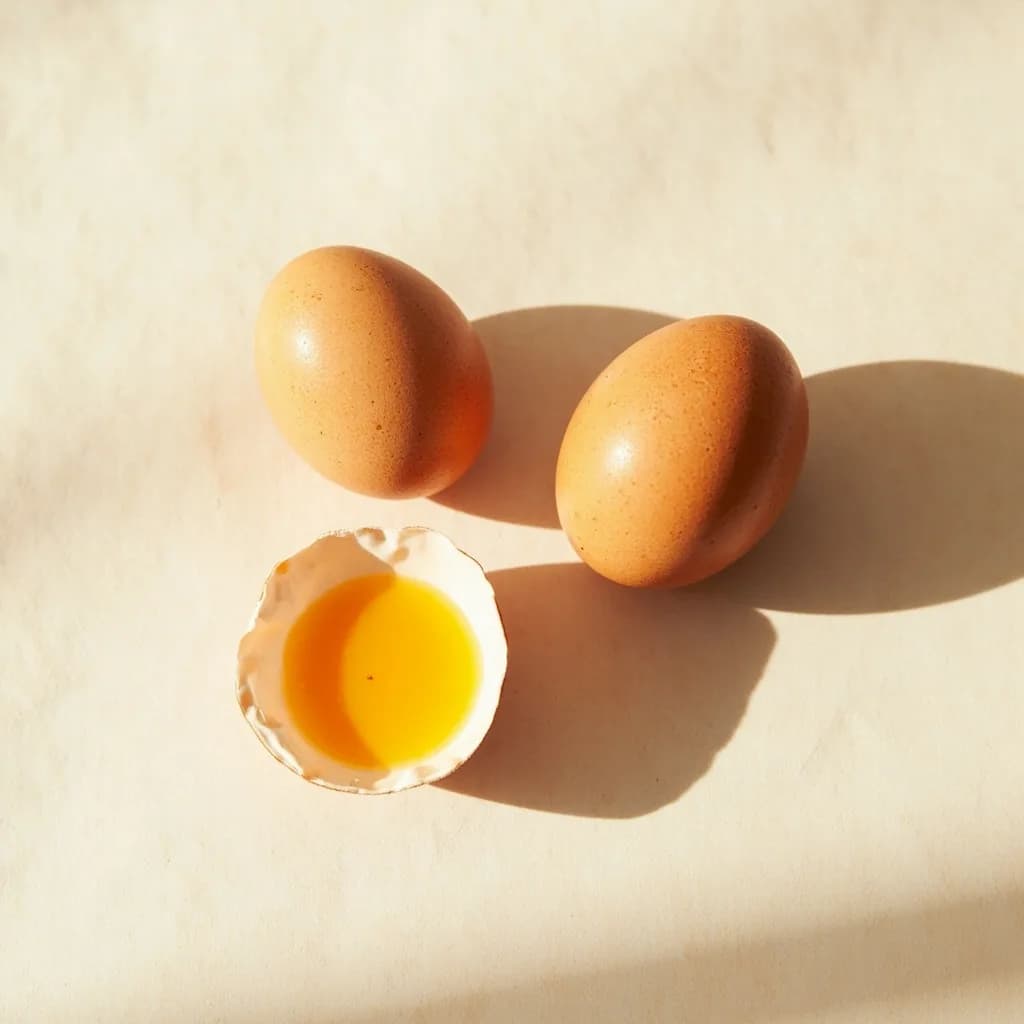
Egg
The kitchen's everything ingredient — bind, leaven, enrich, or fry
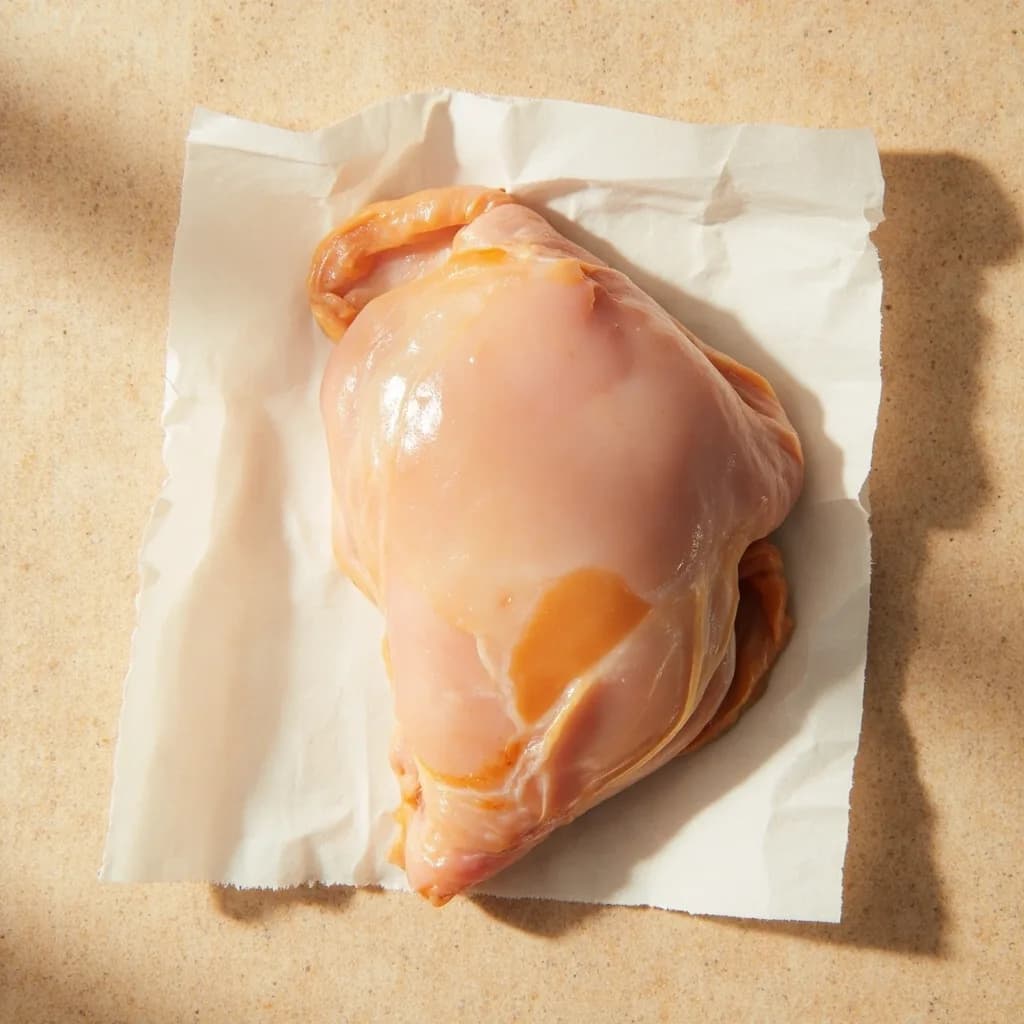
Chicken Breast
Lean, quick-cooking white meat for everyday dinners

Ground Beef
Versatile minced beef for burgers, ragù, tacos, and meatballs
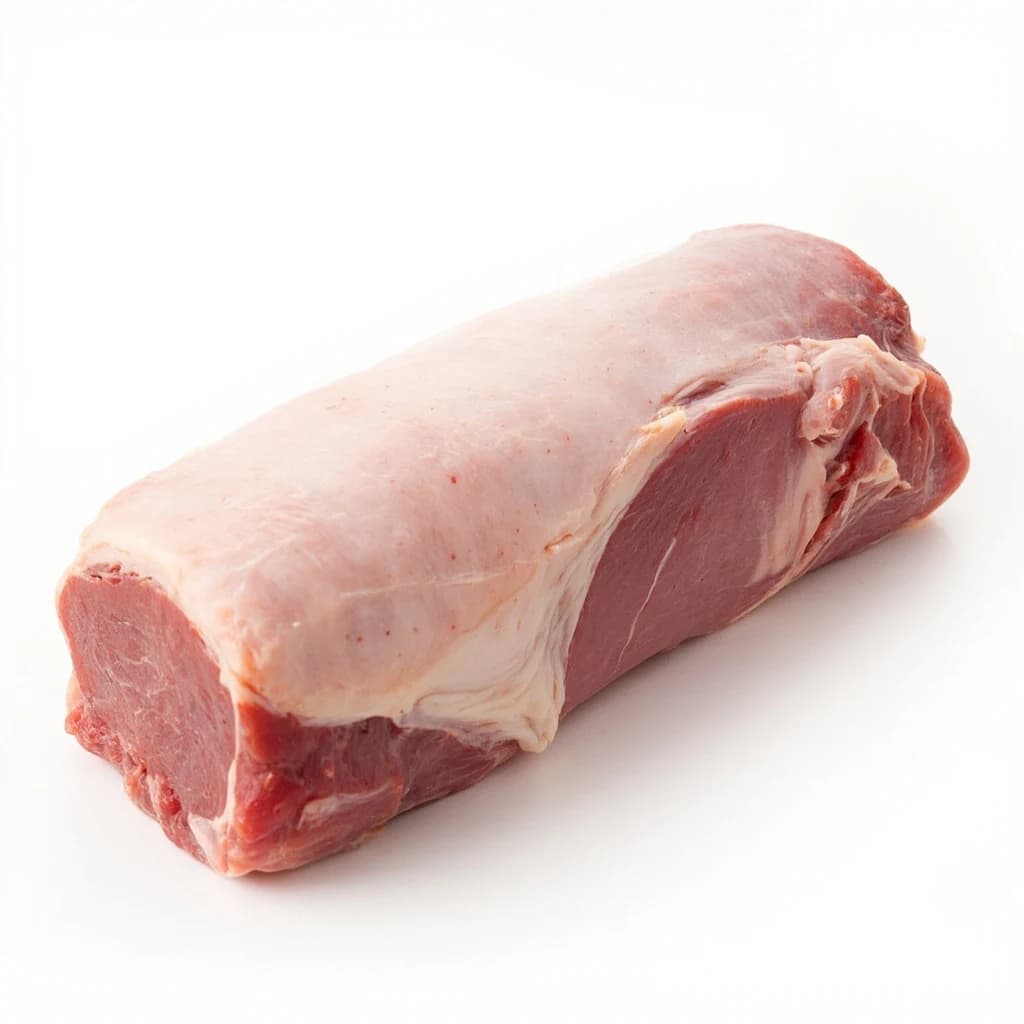
Pork Loin
Lean, tender roasting cut that stays juicy with care
Salmon
Rich, rosy fish that roasts, grills, or cures beautifully

Egg White
Pure protein that whips to airy peaks for meringue and more

Egg Yolk
Rich, golden yolk for custards, mayonnaise, and pasta

Quail Egg
Tiny, speckled eggs for garnishing and elegant bites