Transform & Preserve
Tincturing
Steeping aromatics in high-proof alcohol to extract concentrated flavor and aroma.
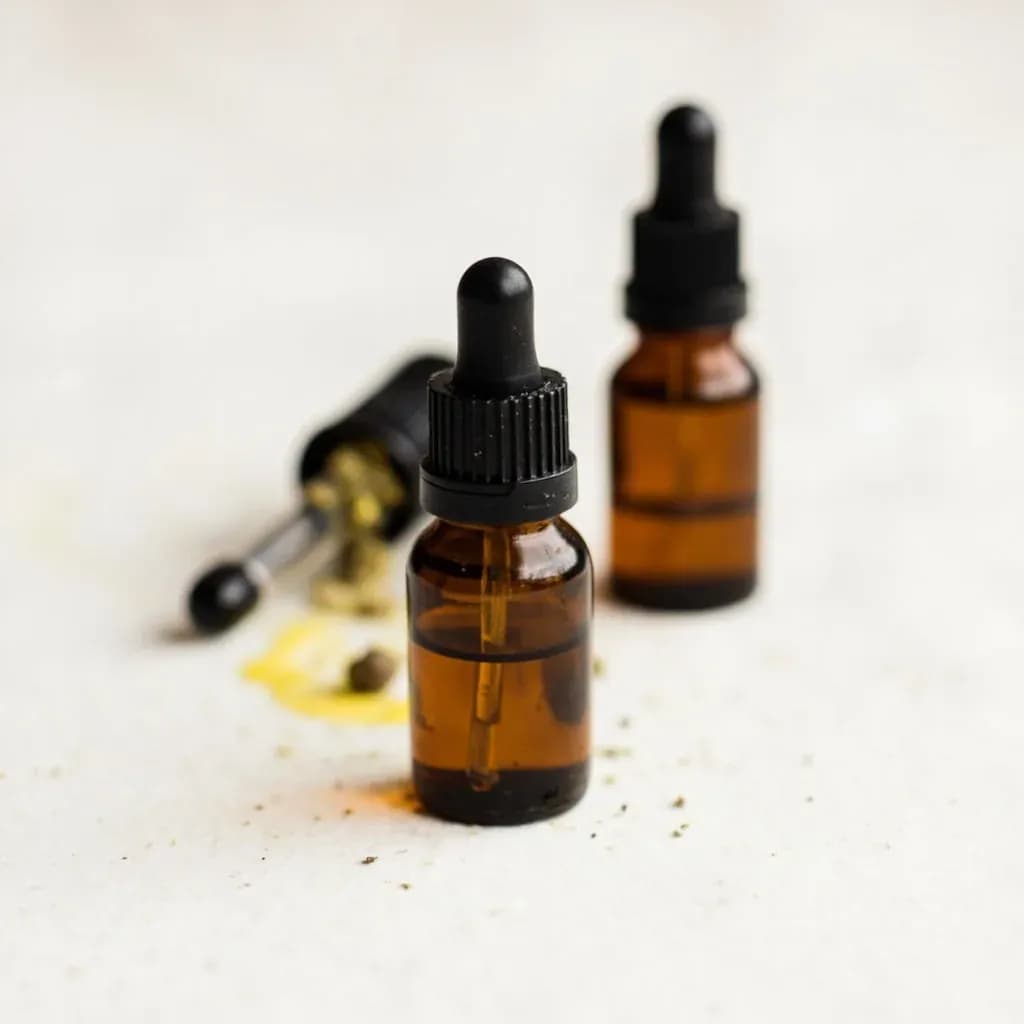
Tincturing soaks herbs, spices, citrus peel, or other aromatics in high-proof alcohol over days or weeks to draw out concentrated flavor and color. The strained tincture delivers intense aroma in tiny doses, used for bitters, cocktails, and pastry flavoring. Alcohol strength and steep time determine how much and how cleanly the compounds extract.
Tincturing is a method of extracting flavor by steeping aromatics in high-proof alcohol. The alcohol acts as a solvent that pulls both water-soluble and oil-soluble compounds out of the ingredient — sugars, acids, resins, and the volatile oils that carry scent — producing a concentrated, shelf-stable liquid that captures the essence of herbs, spices, citrus, and botanicals in a form that keeps for years.
Unlike a casual infusion, tincturing specifies alcohol strong enough (generally 70–95% ABV) to extract efficiently and preserve the result indefinitely. This places tinctures in a useful middle ground between homemade extracts and bar tinctures: more potent and longer-lasting than a steeped spirit, more focused than a commercial baking extract, and free of the added sugar or glycerin that many extracts carry. The same method underpins aromatic and digestive bitters, and scales from a small jar on the kitchen shelf to a flavor house's production floor.
The value to a cook is control and concentration. A few drops of a well-made tincture deliver clean, intense flavor without the bulk of fresh herbs or the sweetness of store-bought extracts, and they let you bottle the flavor of a season for use year-round — ramp leaves in spring, Meyer lemon peel in winter, or the last of the elderflower in early summer.
- Difficulty
- Easy
Types & varieties
Split vanilla beans in vodka or bourbon; the standard homemade replacement for baking extract.
Lemon, orange, or grapefruit zest in 80–100 proof alcohol; captures the bright oils of the peel.
Cracked cinnamon, clove, star anise, cardamom, or peppercorns; deeply concentrated for sauces, desserts, and mulled drinks.
Thyme, rosemary, sage, mint, or basil; used in savory cooking, finishing applications, and cocktail work.
Layered blends of bitter, aromatic, and spicy botanicals mimicking aromatic bitters; the foundation of any house-made bitters program.
Toasted almonds, hazelnuts, coffee beans, or cacao nibs; yields extract-like concentrates for baking and drinks.
Lavender, rose, elderflower, or chamomile; delicate and used sparingly in desserts, syrups, and sparkling drinks.
Berries, cherries, or stone fruit; produces intensely flavored liquids for pan sauces, spooned over desserts, or stirred into cocktails.
How to do it
- 1
Select the alcohol
Match the spirit to the ingredient. Neutral vodka (80–100 proof) lets the aromatic's flavor lead; bourbon, brandy, or rum add warmth and depth that suit spices, vanilla, and stone fruit. For the most efficient extraction of oils and resins, use 151- or 190-proof grain alcohol. Lower-proof spirits work but extract more slowly and limit shelf stability.
- 2
Prepare the aromatics
Bruise fresh herbs by slapping them between your palms. Crack whole spices with the back of a knife or in a mortar. Zest citrus with a microplane or peeler, taking only the colored part of the peel — the white pith contributes bitterness. Chop dried roots and barks finely. Leave small seeds and peppercorns whole or lightly crushed.
- 3
Combine in a sterilized jar
Pack the prepared aromatics into a clean glass jar. Pour alcohol over them at roughly 1:3 to 1:5 (aromatic to alcohol) by volume. The solids should be fully submerged; weigh floating ingredients down with a small glass weight, fermentation stopper, or a piece of parchment pressed directly onto the surface.
- 4
Seal and steep
Cap the jar tightly and store in a cool, dark place — a pantry or cupboard, away from direct sunlight. Shake gently once a day for the first 5–7 days to redistribute the aromatics and improve contact with the alcohol.
- 5
Monitor and taste
Begin tasting after 5–7 days. Delicate herbs and florals are often ready in 1–2 weeks; citrus zest and most spices are typically at full strength between 2 and 4 weeks; dense barks and whole vanilla can take 4–6 weeks or longer. The liquid should be deeply colored and aromatic. If the flavor is still thin, give it more time — most tinctures continue to deepen up to about 6–8 weeks.
- 6
Strain
Pour the mixture through a fine-mesh strainer lined with cheesecloth to remove the bulk of the solids, pressing gently to extract as much liquid as possible. For a polished, clear result, filter a second time through a paper coffee filter or a layer of unbleached muslin.
- 7
Bottle and store
Decant the finished tincture into dark glass bottles (amber or cobalt) with tight-fitting caps or dropper inserts. Label with the contents, alcohol type and proof, and the date it was started. Store in a cool, dark cupboard. At 40%+ ABV, properly made tinctures keep for years.
- 8
Use sparingly
Tinctures are concentrates. Add by the drop or quarter-teaspoon at a time, tasting as you go — a little goes much further than the fresh or dried form of the same ingredient.
Tinctures vs. Infusions vs. Extracts
The three terms get used loosely, but they describe different techniques with different shelf lives and flavor profiles. A tincture is defined by its solvent: high-proof ethyl alcohol, strong enough to extract efficiently and preserve the result on its own. An infusion is the broader category — any flavor pulled by steeping in a liquid — and that liquid may be a low-proof spirit, oil, vinegar, or syrup. A commercial extract (think pure vanilla or almond extract) is essentially a finished tincture: alcohol infused with the flavoring ingredient, sometimes with a small amount of sugar or glycerin added for stability and mouthfeel. The U.S. FDA standard for 'vanilla extract' requires 35%+ alcohol and a precise bean-to-liquid ratio with no added sugar.
- Tincture: high-proof alcohol, no added sugar, multi-year shelf life, drop-dose potency.
- Infusion: any steeping liquid, often shorter shelf life if water-based or lower-proof, used in larger volumes.
- Extract: a refined tincture, sometimes with sugar or glycerin, formulated for baking; culinary tinctures are typically leaner and more concentrated.
- For cooking and cocktails, the three can often substitute for one another, but tinctures give the cleanest, longest-lasting results.
Choosing the Right Proof
The strength of the alcohol you choose shapes both the extraction and the finished flavor. Most flavor compounds — including the essential oils in citrus zest and the warming compounds in spices — dissolve readily in 70%+ alcohol. Below 50% (100 proof), extraction slows, water-soluble sugars and pigments come through more strongly, and shelf life drops. A neutral spirit lets the ingredient's flavor lead; a flavorful spirit (bourbon, rum, brandy) contributes its own notes and is best when that character suits the dish.
Common uses
Tips & pitfalls
- Use 70%+ ABV (140 proof) for efficient extraction of both water- and oil-soluble compounds; 40% works but takes longer and leaves more flavor behind.
- Sterilize jars and bottles by boiling or running them through a hot dishwasher — especially important with lower-proof alcohol, which has less margin for spoilage.
- Bruise fresh herbs, crack whole spices, and zest citrus thin: more exposed surface means faster, fuller extraction.
- Avoid ground spices for long steeps; they release too many fine particles and produce a cloudy, sediment-heavy tincture.
- Zest only the colored peel of citrus — the white pith contributes harsh bitterness that no amount of steeping will fix.
- Taste at 1 week, 2 weeks, and 4 weeks. Most tinctures peak between 2 and 6 weeks; over-steeping can turn delicate herbs grassy or soapy.
- Label every jar with the ingredient, alcohol proof, and start date — it is easy to forget what is in a dark cupboard six months later.
- Reserve the spent aromatics. They still hold flavor and work well in syrups, sugars, salts, or as a base for a second, weaker steep.
Good to know
- Solvent
- High-proof ethyl alcohol, typically 40–95% ABV; 70%+ (140 proof) is most efficient
- Typical ratio
- 1 part aromatic to 3–5 parts alcohol by volume, with solids fully submerged
- Steeping time
- 3–5 days for delicate florals; 2–6 weeks for spices, barks, and citrus peel; up to 8 weeks for very dense botanicals
- Best alcohol choices
- Neutral vodka (80–100 proof) for clean flavor; 151- or 190-proof grain alcohol for maximum extraction; bourbon, brandy, or rum when their character is welcome
- Storage
- Dark glass bottles, cool cupboard, away from direct sunlight
- Shelf life
- Effectively indefinite at 40%+ ABV; alcohol itself is the preservative
- Yield
- Roughly equal to the volume of alcohol used, minus liquid retained in the spent plant matter
- Difficulty
- Beginner
- Compared to infusion
- Tincturing specifies high-proof alcohol; infusions may use lower-proof spirits, oils, vinegars, or syrups
Also called
Alcohol Extraction · Making Bitters
Related

Confit
Cook slowly submerged in fat for silky tenderness and keeping

Cure
Draw out moisture with salt and time to preserve and concentrate

Pickle
Steep in acidic brine for bright, tangy, crunchy preservation

Ferment
Let friendly microbes transform food into tangy, complex flavor

Marinate
Soak in a seasoned mix to flavor and tenderize before cooking

Brine
Soak in salt water so meat stays juicy and seasoned throughout

Dehydrate
Slowly dry out moisture to concentrate flavor and extend shelf life

Cold-Smoke
Perfume cured food with smoke without cooking it through