Water & Steam
Ristretto Extraction
Pulling a short espresso shot with less water for a sweeter, more concentrated cup.
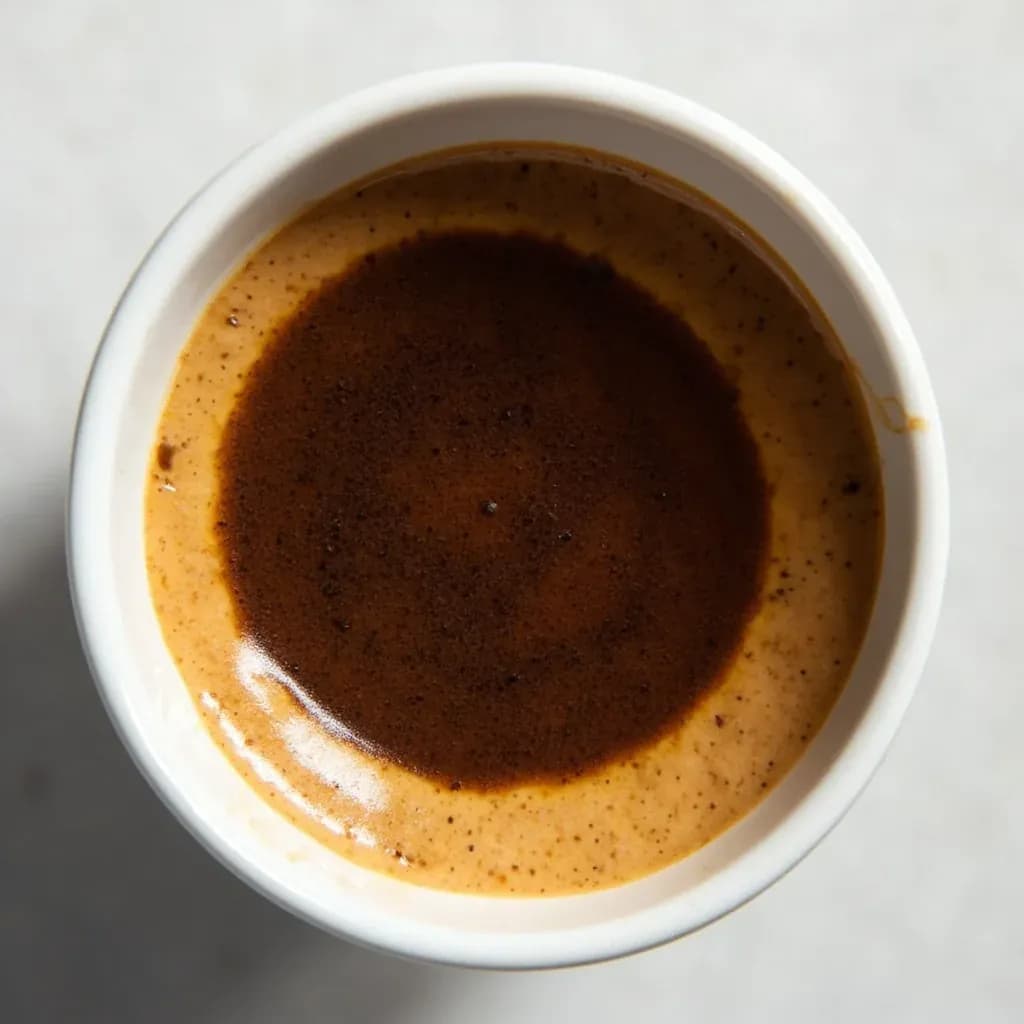
A ristretto is a restricted espresso shot drawn with the same dose of coffee but less water, cut short before the more bitter compounds extract. The result is a smaller, denser, sweeter and more syrupy shot dominated by the early high-solubility flavors. Baristas use it when they want intensity and sweetness over volume, often by stopping the pour early or grinding finer.
A ristretto is what happens when an espresso shot is cut short on purpose. The barista uses the same dose of coffee as a standard espresso — typically 7–9 g for a single or 14–18 g for a double — but stops the pump once only 15–25 g of liquid have passed into the cup, roughly half the volume of a normale. The result is a dense, syrupy shot that concentrates the most soluble compounds in coffee and discards the rest.
The logic is rooted in extraction chemistry. During the first 15–20 seconds of a pull, water dissolves the fruit acids, sugars, and emulsified oils that give coffee its sweetness and aromatic lift. The heavier tannins and bitter molecules need more time and contact to mobilize, and they contribute astringency rather than pleasure. A ristretto captures that first window and walks away from the second. Crema is correspondingly denser and darker, because the same quantity of CO2 and oils has been forced into a smaller volume of liquid.
The trade-off is precision. Because there is no long tail to average out small flaws, a ristretto magnifies every weakness in puck preparation: channeling, uneven distribution, or a tilted tamp shows up immediately as a thin, sour, or harsh cup. It rewards careful dialing in and fresh beans, and punishes shortcuts.
- Difficulty
- Medium
Types & varieties
Standard espresso at a ~1:2 ratio pulled 25–30 seconds — the benchmark a ristretto is restricted from.
Long shot at roughly double the water (1:3 to 1:4); the opposite end of the extraction spectrum.
A 4-second, drop-by-drop ristretto popularized by Andrea Illy — the extreme of restricted extraction.
Double basket pulled to ristretto volume, roughly 30 g of liquid from a 16–18 g dose.
How to do it
- 1
Weigh and grind the dose
Measure 7–9 g (single) or 14–18 g (double) of beans and grind one click finer than your normal espresso setting, to a texture close to table salt. The shorter extraction needs more surface area to develop properly.
- 2
Distribute the grounds evenly
Tap the portafilter or use a WDT tool to break up clumps and level the bed across the basket. Uneven distribution is the most common cause of channeling in short shots.
- 3
Tamp level and firm
Apply firm, level pressure (about 13–15 kg / 30 lb). The puck must be flat; any tilt forces water through the low side and ruins the extraction.
- 4
Lock in and start immediately
Lock the portafilter into the group head and start the pump without delay so the puck receives full 9-bar pressure from the first moment.
- 5
Watch the first drops
After 6–8 seconds the first drops should appear — thick, dark, and oily. Drops before 4 seconds mean the grind is too coarse; past 10 seconds, too fine.
- 6
Stop the shot at ristretto volume
End the extraction at 15–25 g of liquid in cup (a 1:1 to 1:1.5 ratio from a double dose), typically 15–22 seconds total. The stream should be thinning and shifting from dark reddish-brown toward a lighter tiger-stripe.
- 7
Inspect crema and serve immediately
The crema should be thick, glossy, and deep caramel. Swirl the cup, drink within 30 seconds, and assess sweetness, body, and any harshness before dialing in the next shot.
Choosing beans for a ristretto
Ristretto is a method, not a roast designation, but bean choice shapes the result more than it does for a normale. The style strips away the bitter backbone that darker roasts rely on for character, so Italian-style very dark roasts tend to collapse into ash and smoke in a ristretto. Medium and medium-light roasts — particularly single-origin lots with bright acidity and stone-fruit or floral sweetness — show their best qualities in this short window. Use beans 7–21 days off roast; the delicate sugars and acids that define a good ristretto fade quickly in stale coffee.
Reading the shot
A well-pulled ristretto has three reliable visual cues:
- First drops appear at 6–8 seconds, dark, thick, and visibly oily — the so-called 'mouse tail' of a single thin stream.
- The stream darkens toward a deep reddish-brown as it thins, then cuts off while still pulling in color rather than going pale.
- The crema is heavy and glossy, sitting a millimeter or two above the liquid and leaving a slow-draining ring when the cup is tilted.
Common uses
Tips & pitfalls
- Grind finer than your normale setting — the shorter contact time needs more surface area to extract properly.
- Stop the shot on weight, not on color. 15–25 g of liquid in cup from an 18 g dose is a safe target; eyeballing color is unreliable across roasts.
- Distribute and tamp with extra care — a ristretto magnifies channeling because there is no long tail to average out flaws.
- Let freshly ground coffee rest 10–30 seconds after grinding so excess CO2 can degas; trapped gas ruins short shots.
- Do not 'chase' volume by grinding coarser and pulling longer — you will end up with an underdeveloped lungo, not a ristretto. A true ristretto is dense, sweet, and full-bodied.
- If the ristretto tastes sour, grind finer; if it tastes ashy or hollow, your beans are likely over-roasted for this style.
- Pull the shot into a warmed demitasse so the small volume doesn't cool before you drink it.
Good to know
- Definition
- An espresso shot pulled with the standard dose of coffee but roughly half the water, yielding 15–25 g of highly concentrated liquid.
- Name meaning
- Italian for 'restricted' or 'narrow' — a reference to the limited volume of water used.
- Typical dose
- 7–9 g for a single basket, 14–18 g for a double — identical to a standard espresso.
- Typical yield
- 15–25 g total (a brew ratio of roughly 1:1 to 1:1.5), versus 30–60 g for a normale.
- Extraction time
- Approximately 15–22 seconds, ending before the astringent tail of the shot.
- Pressure
- Standard espresso pressure, 9 bars at the group head.
- Crema
- Denser, thicker, and darker than a normale due to the higher concentration of emulsified oils.
- Origin
- Italian espresso-bar tradition; widely adopted in specialty coffee from the 2000s onward.
- Difficulty
- Moderate; unforgiving of channeling or uneven tamping because there is no long tail to mask a flawed puck.
Also called
ristretto · short shot
Dishes that rely on it

Related

Boil
Cook in vigorously bubbling liquid at full rolling heat

Simmer
Hold liquid at a gentle shimmer for tender, unhurried cooking

Poach
Cook gently in barely-trembling liquid for silky, tender results

Steam
Cook in rising vapor to keep color, nutrients, and shape intact

Blanch
Plunge briefly in boiling water, then shock cold to lock color

Braise
Sear, then cook slow in a little liquid until fall-apart tender

Stew
Simmer bite-sized pieces fully submerged into a rich, unified pot

Sous-Vide
Seal and cook in precise warm water for edge-to-edge doneness